Into the Valley of the Demon: Thursbitch
Thursbitch, Cheshire.
‘You’re forever full of oddments in the mind when you’ve been over them hills’.
Alan Garner, Thursbitch (London, 2003), p. 31.
To much rejoicing (especially from the general direction of my long-suffering partner) I’ve recently acquired my driving licence and a car, which has led to an immediate and dramatic expansion of my photographic possibilities; while, if you’re blessed with your health, disposable income, and some determination, virtually all UK locations can be accessed through a combination of buses, trains, Ubers, and long walks, some sites are simply a monumental faff without a vehicle.
One such is Thursbitch, a remote and forbidding valley in the South Pennines on the furthest western fringe of the Peak District that’s been on my list for some time. First recorded in 1384, its name derives from the old English þyrs (meaning demon or giant) and bæce (meaning valley). It’s best known as the inspiration and setting for Alan Garner’s 2003 novella of the same name, an ingenious, elusive, and heartbreaking weaving of eighteenth- and twenty-first century tragedies within space and across time. In his accompanying essay ‘The Valley of the Demon’, which describes the genesis of the book (and is available online), Garner reports a telephone conversation with a local vicar; the clergyman was informed by his churchwardens in 1972 that it was not safe for a man of the cloth to enter the valley, and that it was ‘not a good part’, ‘no good place’, ‘not right’, ‘not safe’, and teeming with ‘a lot of electrical magic’.
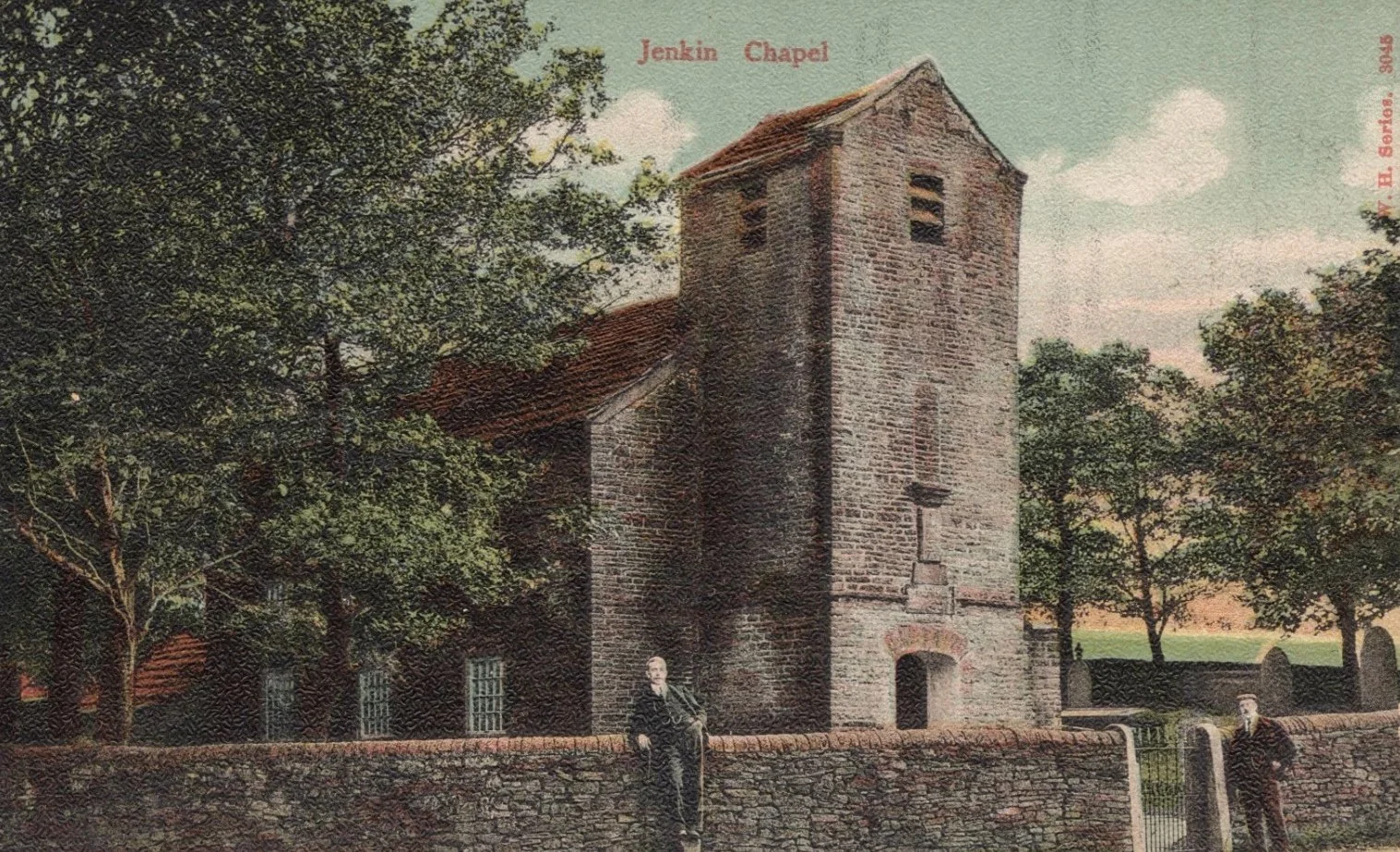
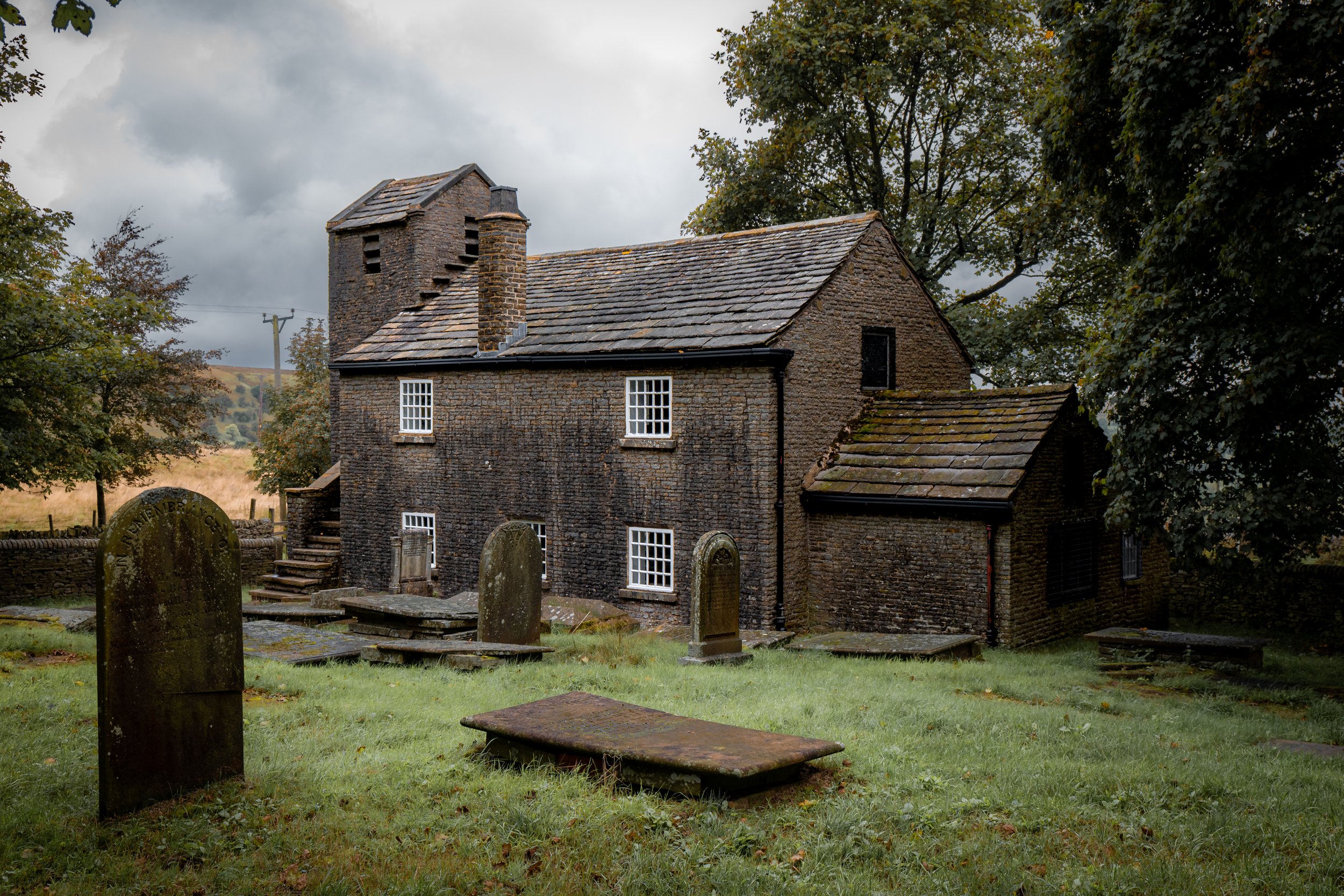
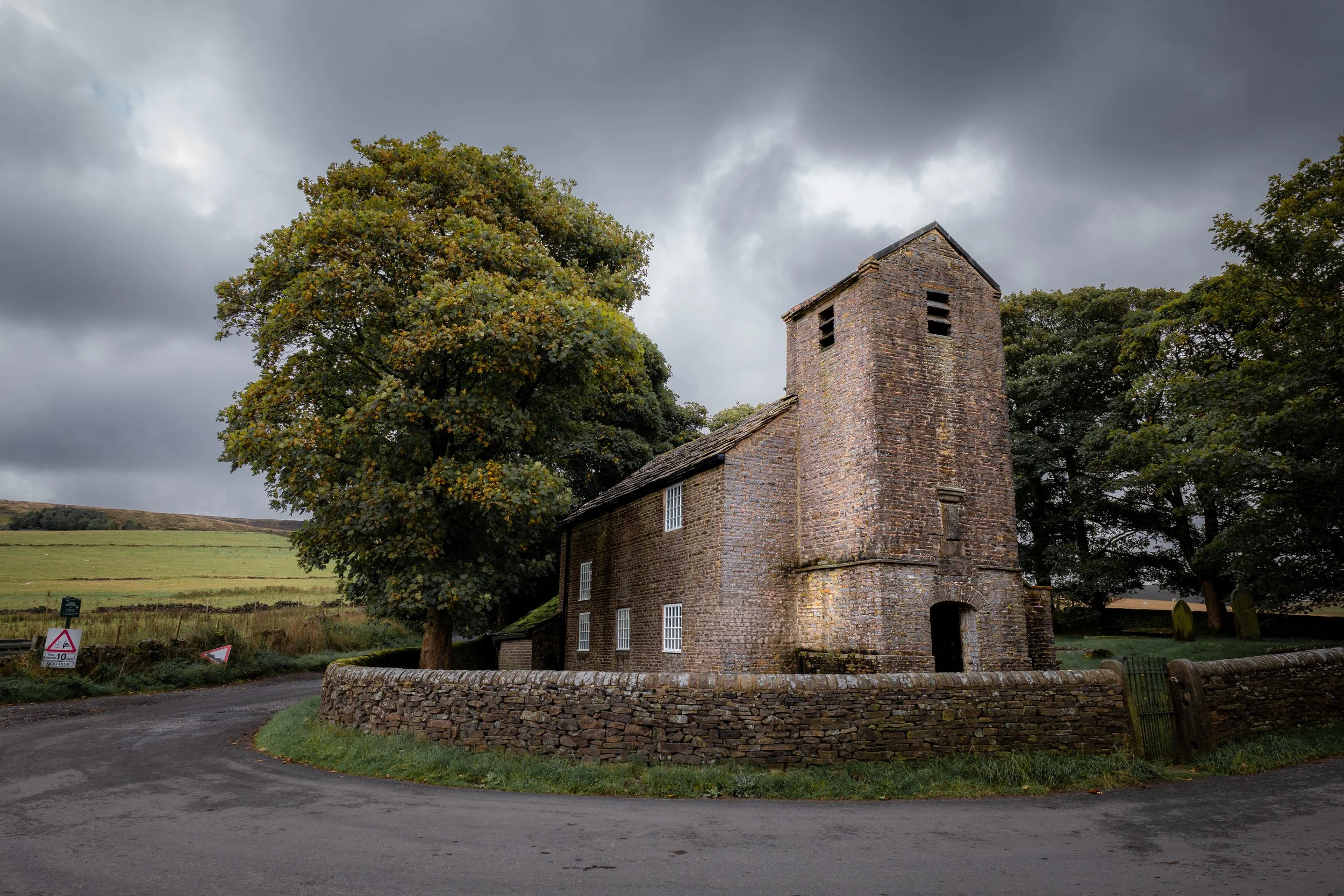
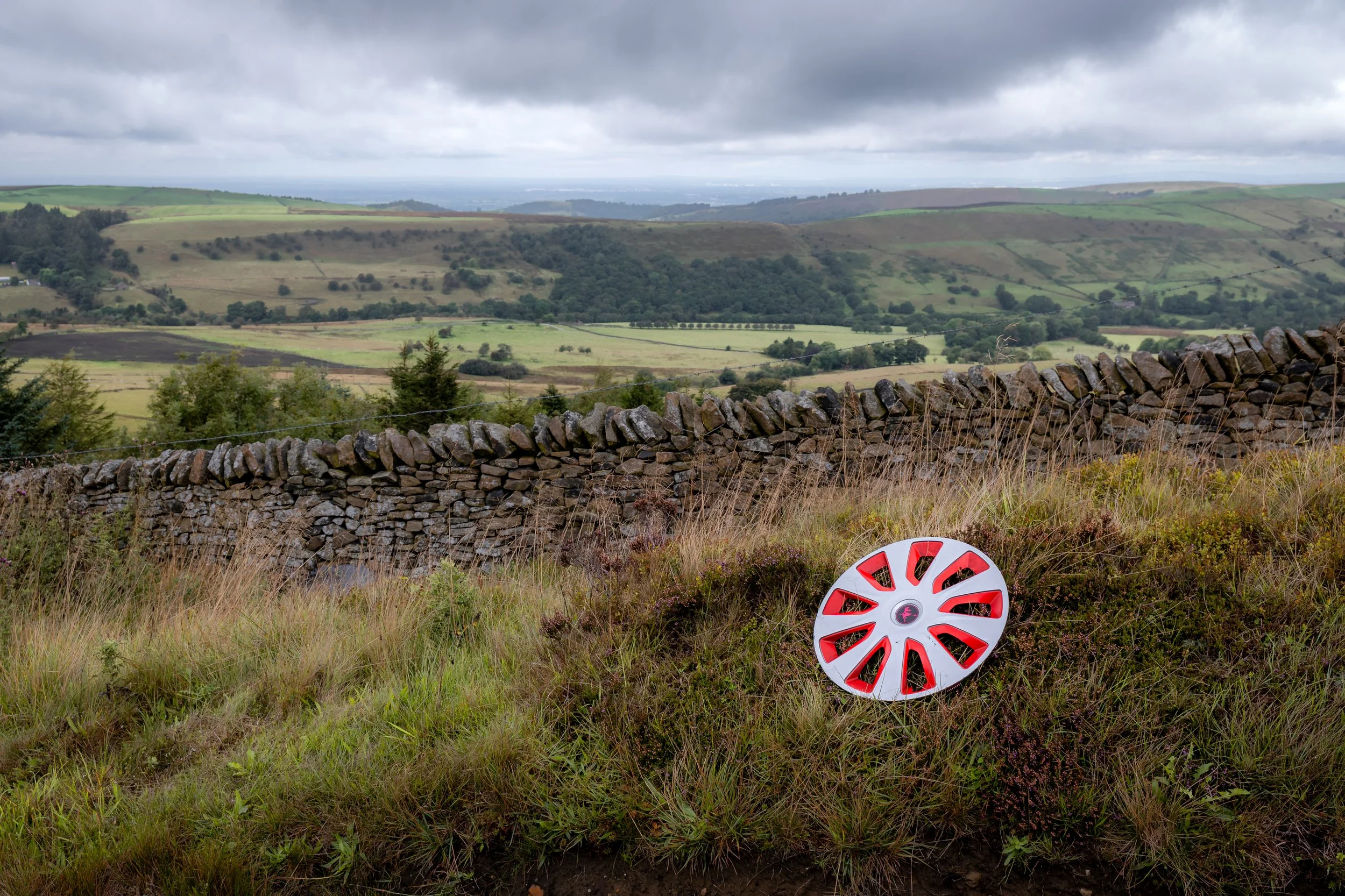
My sort of place, and one overcast Friday in early autumn I finally got to experience it. I parked up near Pym Chair and headed down the hill to the crossroads and Jenkin Chapel, which features prominently in the book. Constructed by local farmers in 1733 for obscure reasons, and apparently known locally as ‘the place where they marry the odd’, it’s a squat, austere, vaguely menacing structure that has more in common with a Georgian farmhouse than a conventional house of worship. En route I saw an abandoned hubcap on a verge that, on closer inspection, and in the kind of serendipity that often enlivens my photo walks, depicted a glamorous red witch in flight.
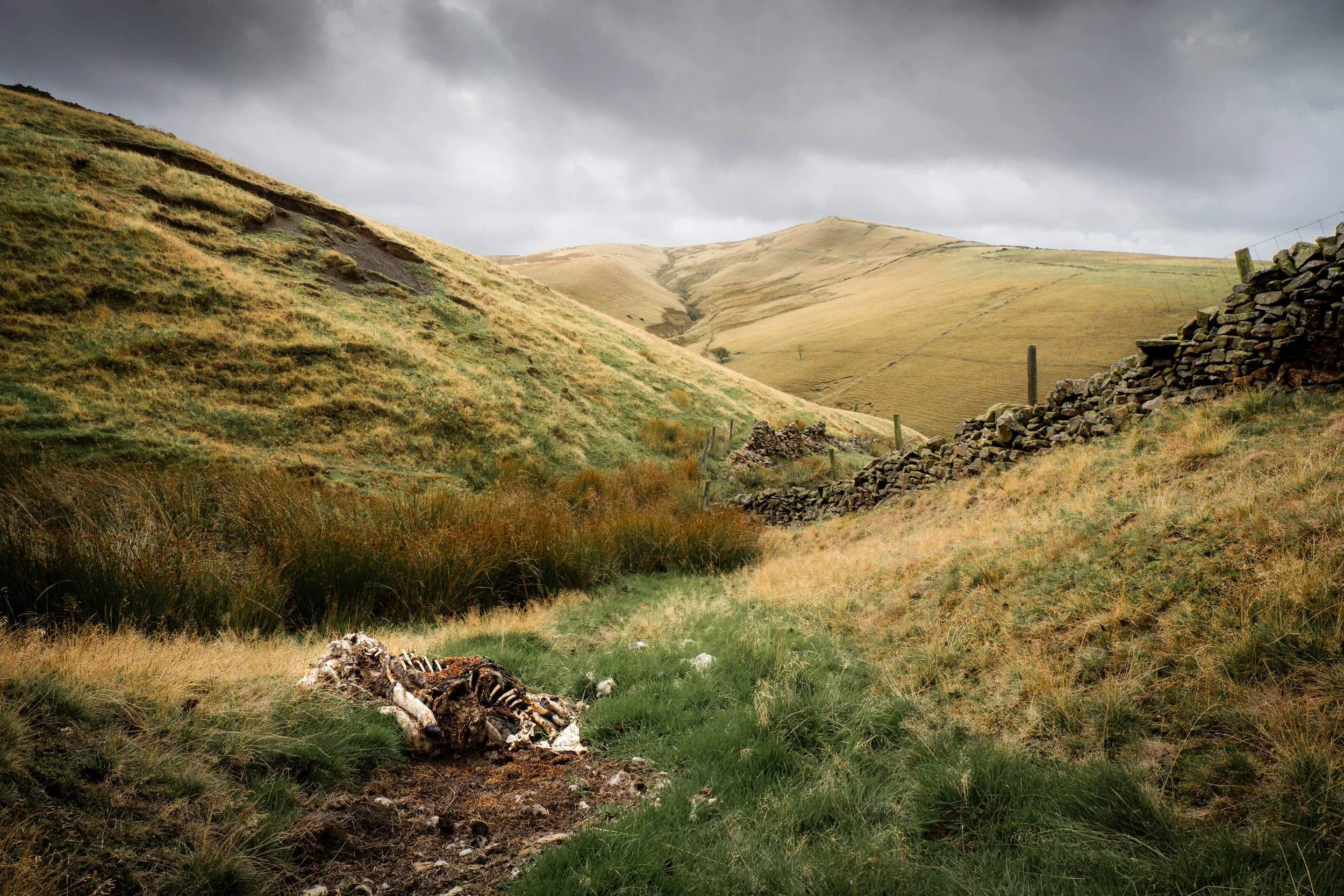
I then braved the valley proper, entering via the public footpath through Howlersknowl and a working farm. Garner reports experiencing ‘varying moods’ in Thursbitch, and on the day of my visit the energy was powerful and decidedly not of the wholesome variety; the path along the steep valley side was also tough going and boobytrapped with streams, and I took the appearance of a decomposing sheep carcass – the first I’ve encountered on hundreds of rural excursions – as my cue to cut this leg short and double back. As Sal, a central character in Garner’s book, remarks: ‘This place has had enough of us’. The carrion made for a suitably macabre foreground element.
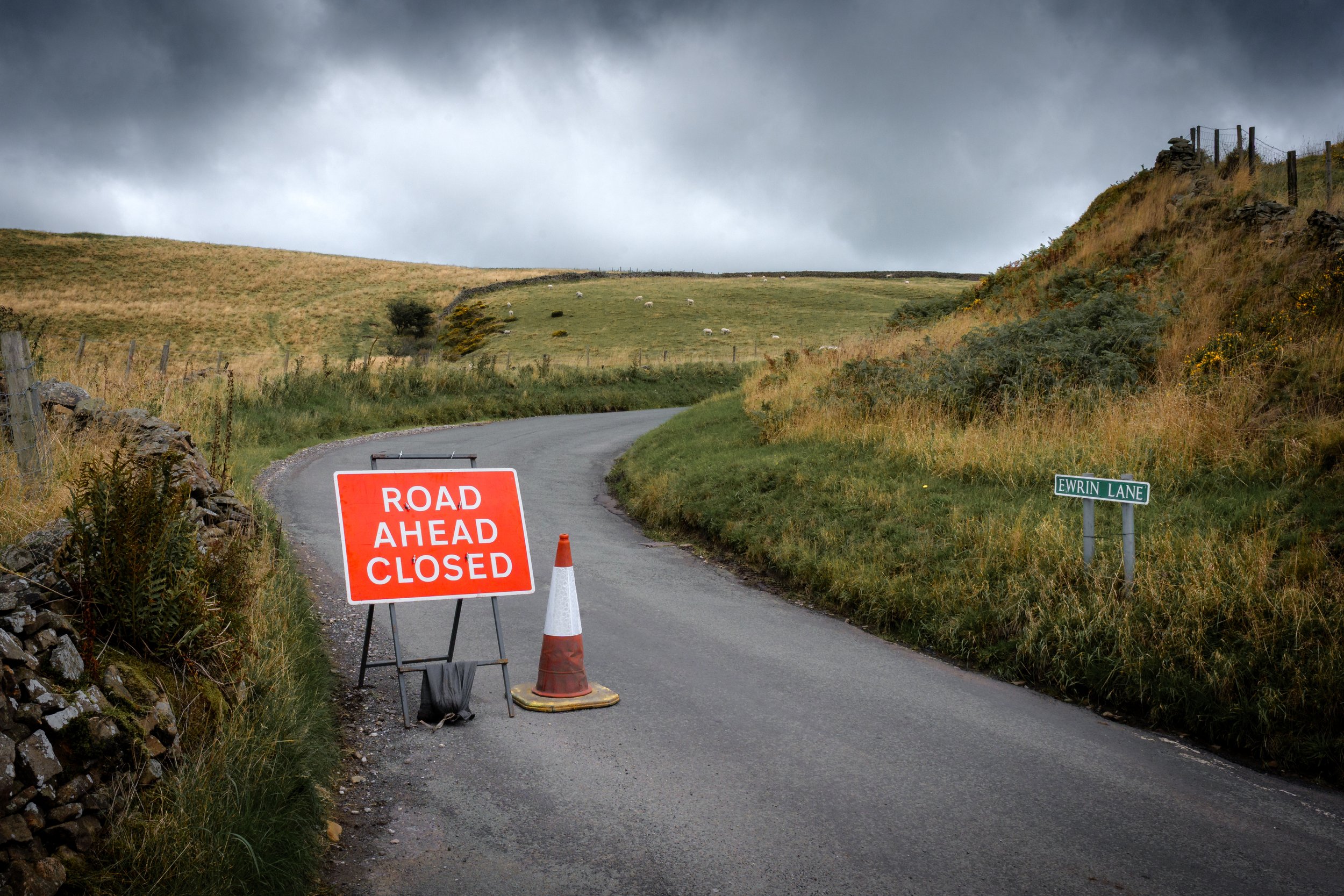
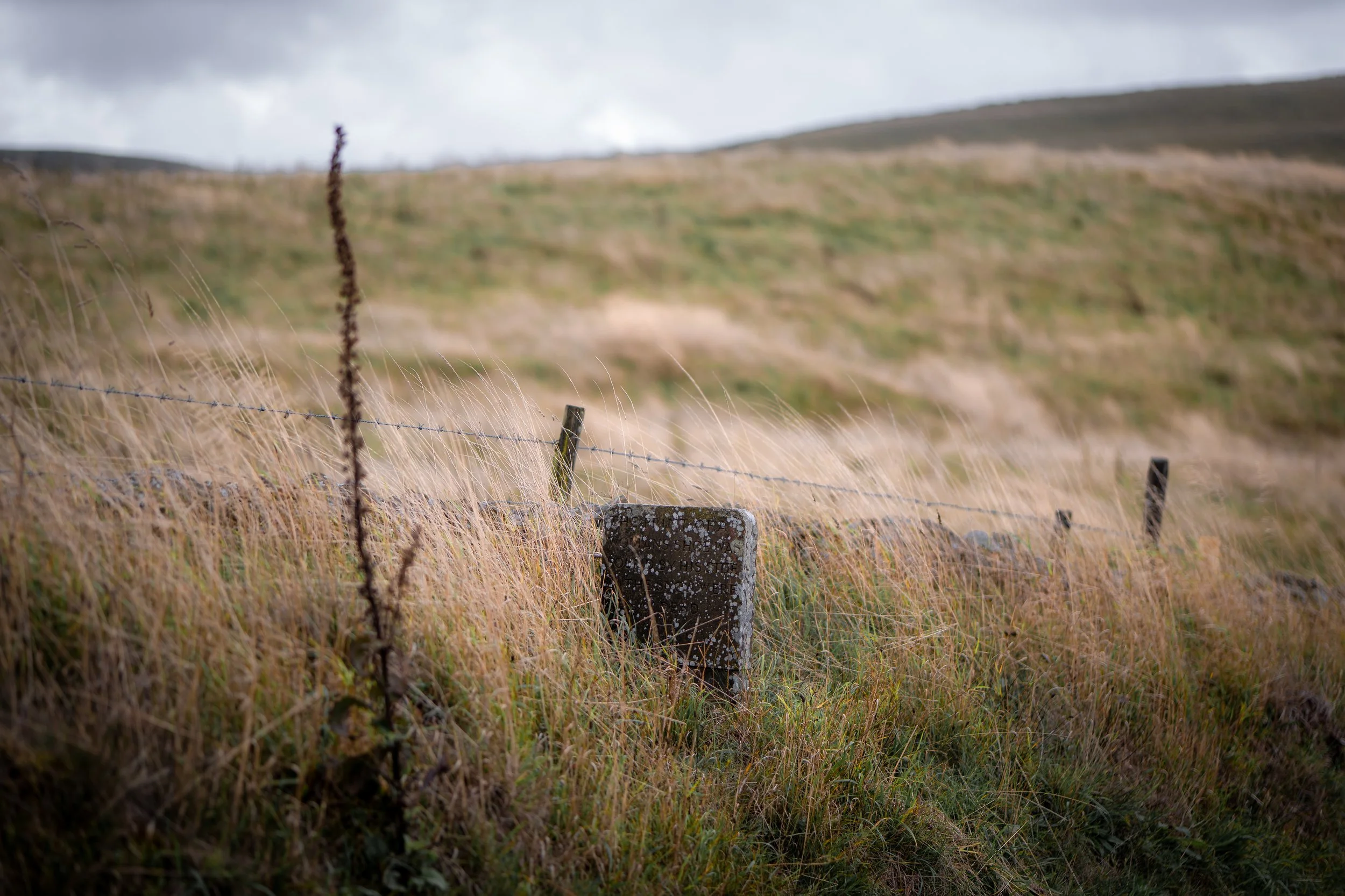
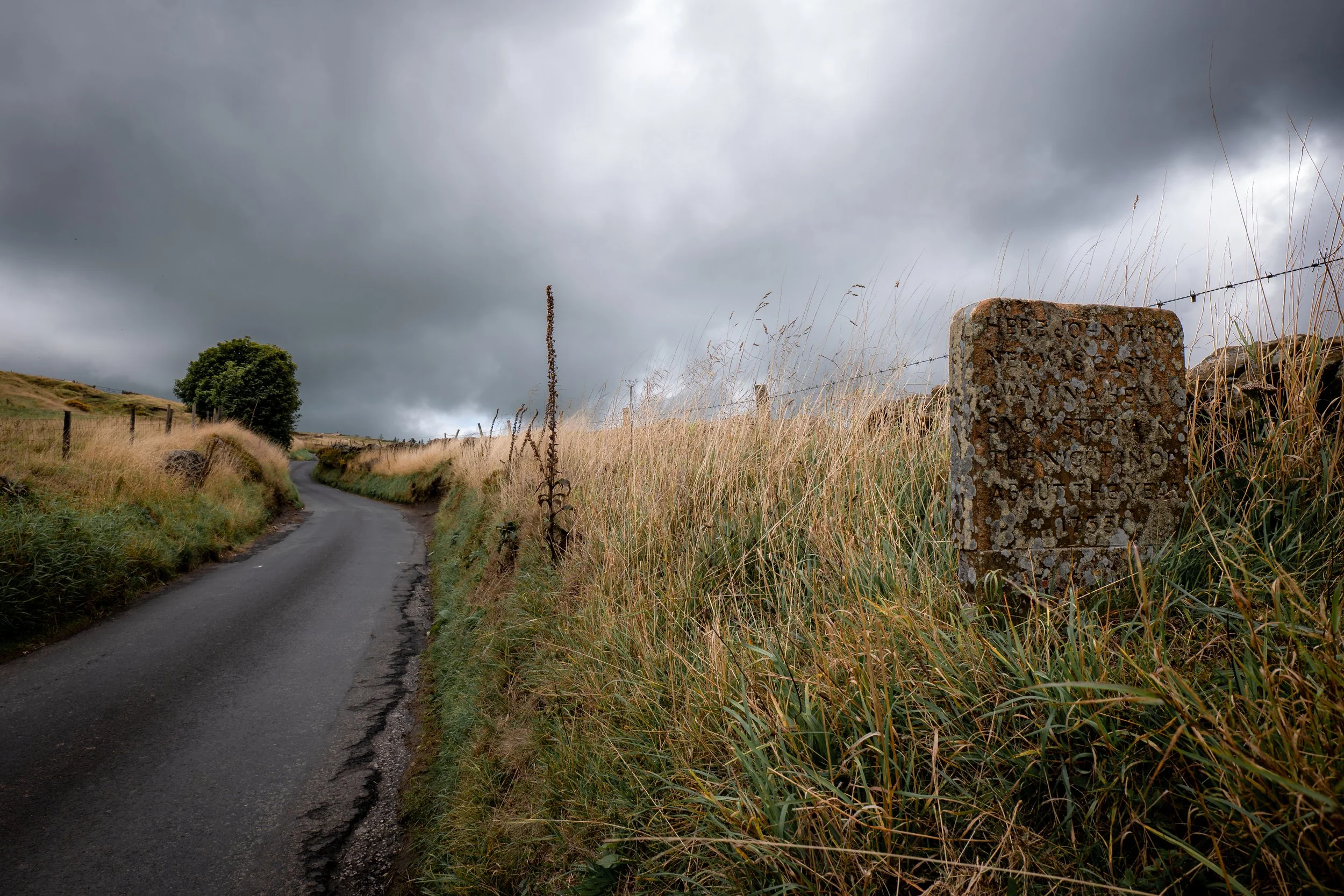
Gathering my nerves, I regained the Yaris and drove round to Lamaload Reservoir, my jumping off point for some additional items of interest. Foremost among them, of course, was the unusual roadside memorial to John Turner a short walk up Ewrin Lane, whose discovery prompted Garner to write Thursbitch and make Turner its main protagonist. He was a jagger or packman from nearby Saltersford who transported salt from Chester and Northwich to Derby, from whence he and his train of four horses returned laden with malt. His memorial stone, one of two I’m aware of in this region (there’s an 1823 one for William Wood just outside nearby Whaley Bridge), is two-sided, the inscription still just about legible despite the best efforts of weathering and lichen. The first reads: ‘HERE JOHN TURNER WAS CAST AWAY IN A HEAVY SNOW STORM IN THE NIGHT IN OR ABOUT THE YEAR 1755’. The more intriguing reverse reads: ‘THE PRINT OF A WOMAN’S SHOE WAS FOUND BY HIS SIDE WERE HE LAY DEAD’. The mystery is resolved to magical and devastating effect in Garner’s novella.
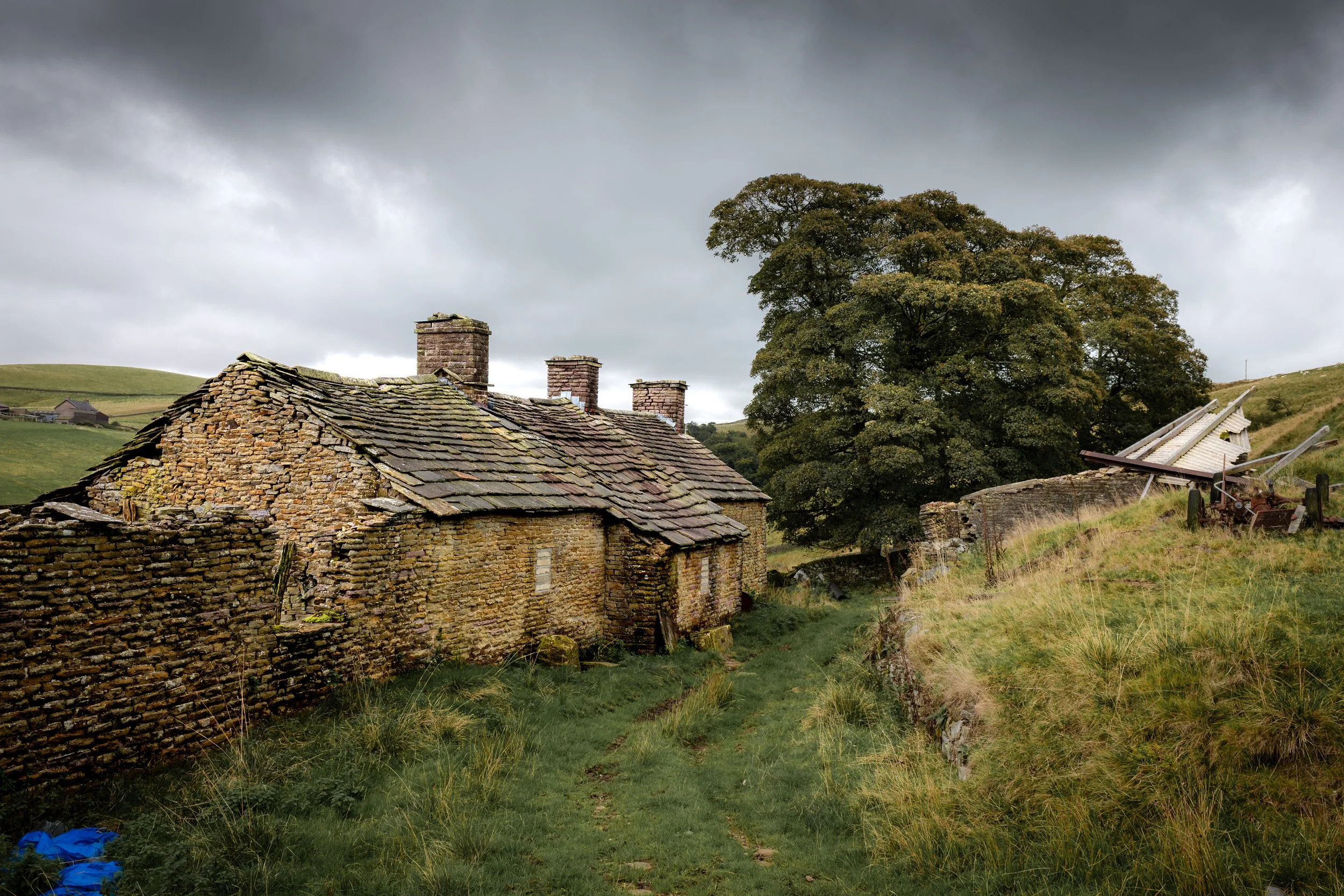
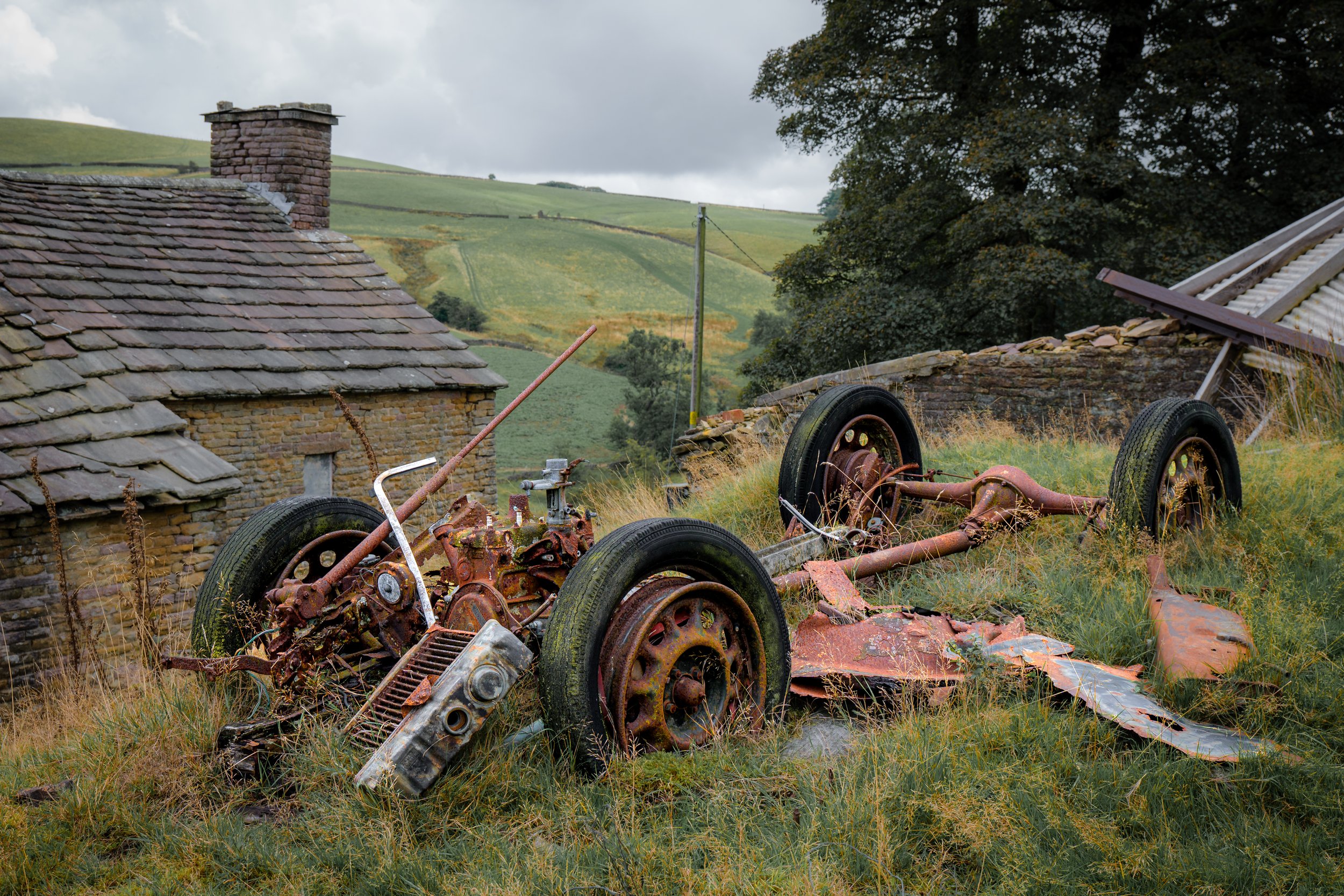
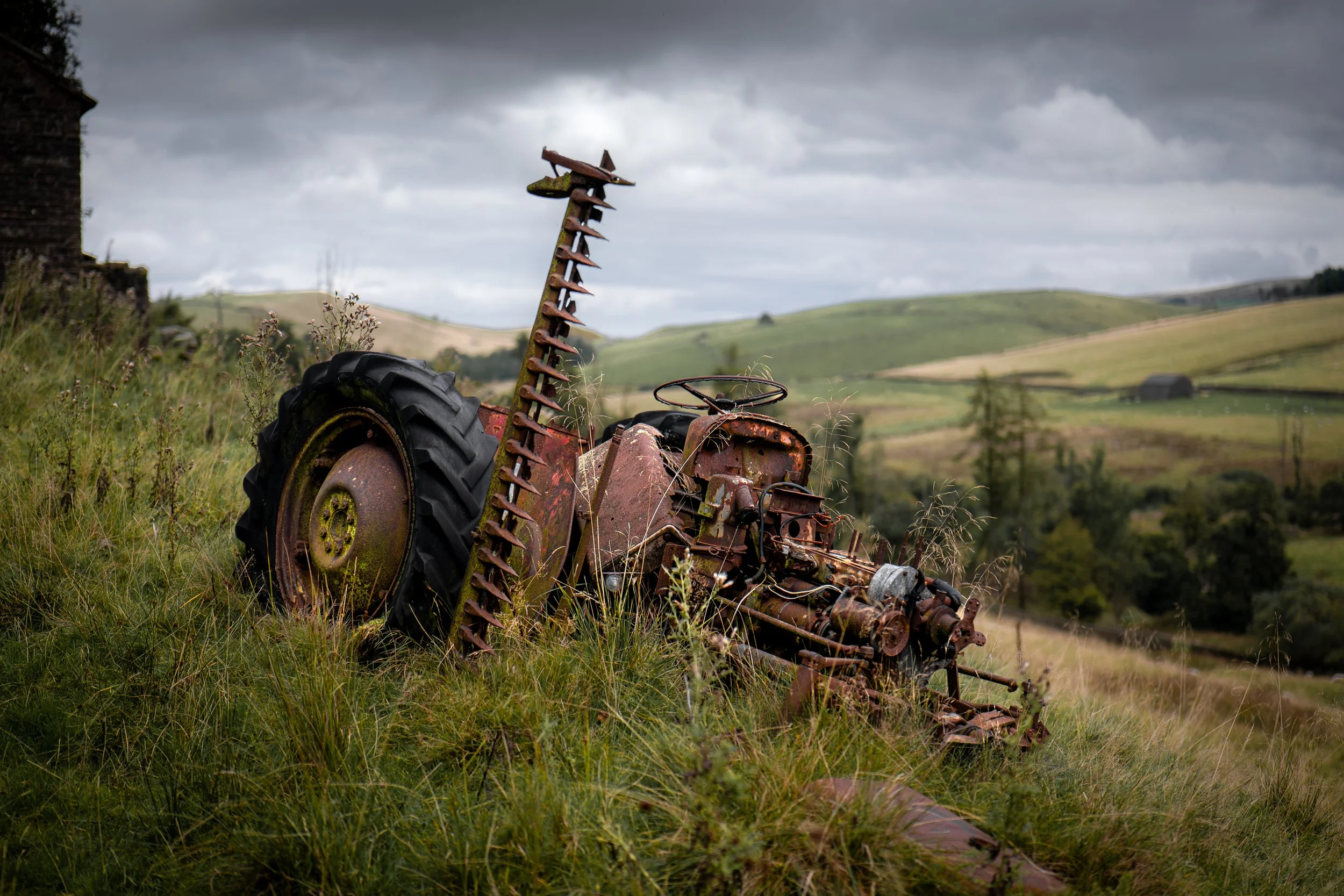
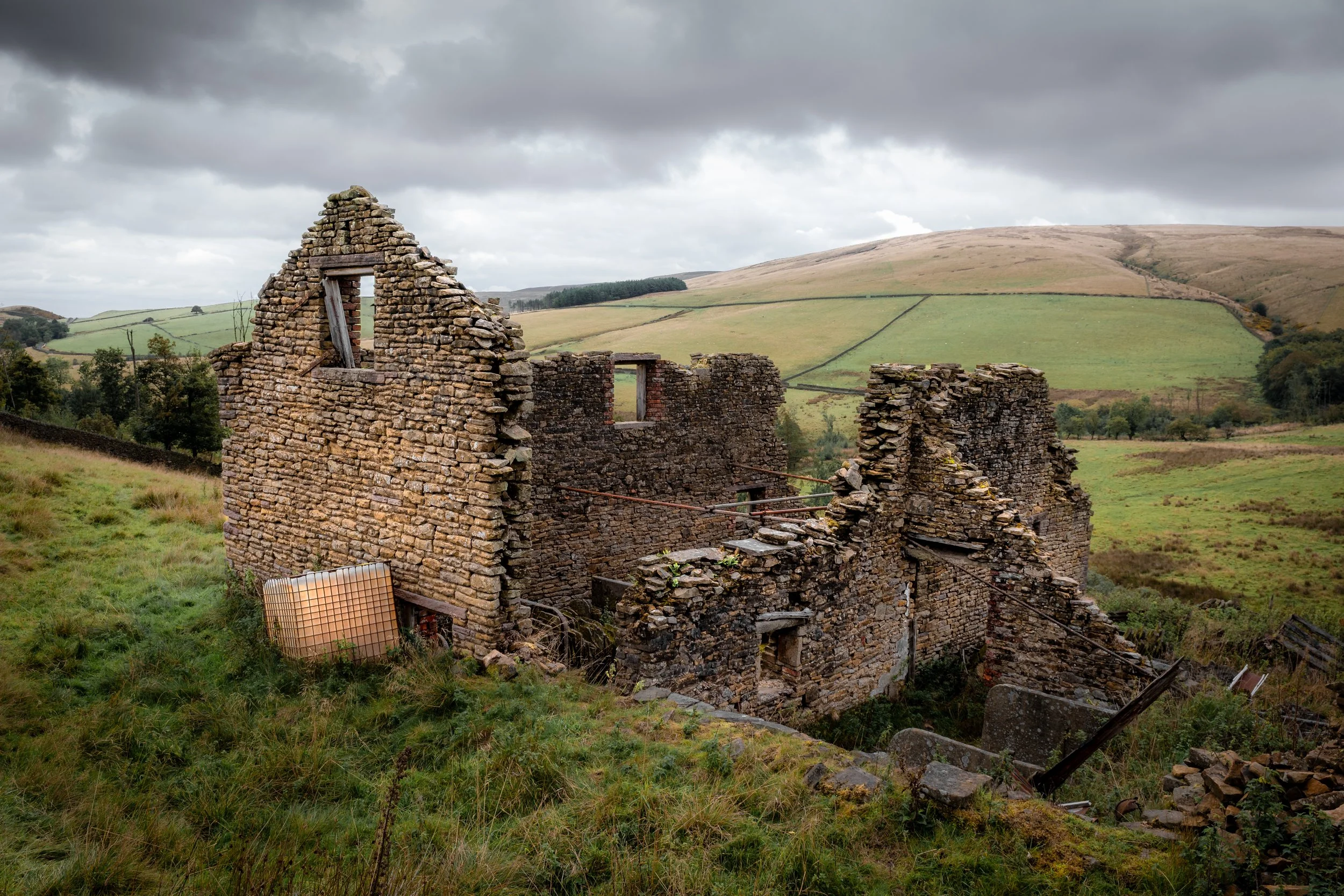
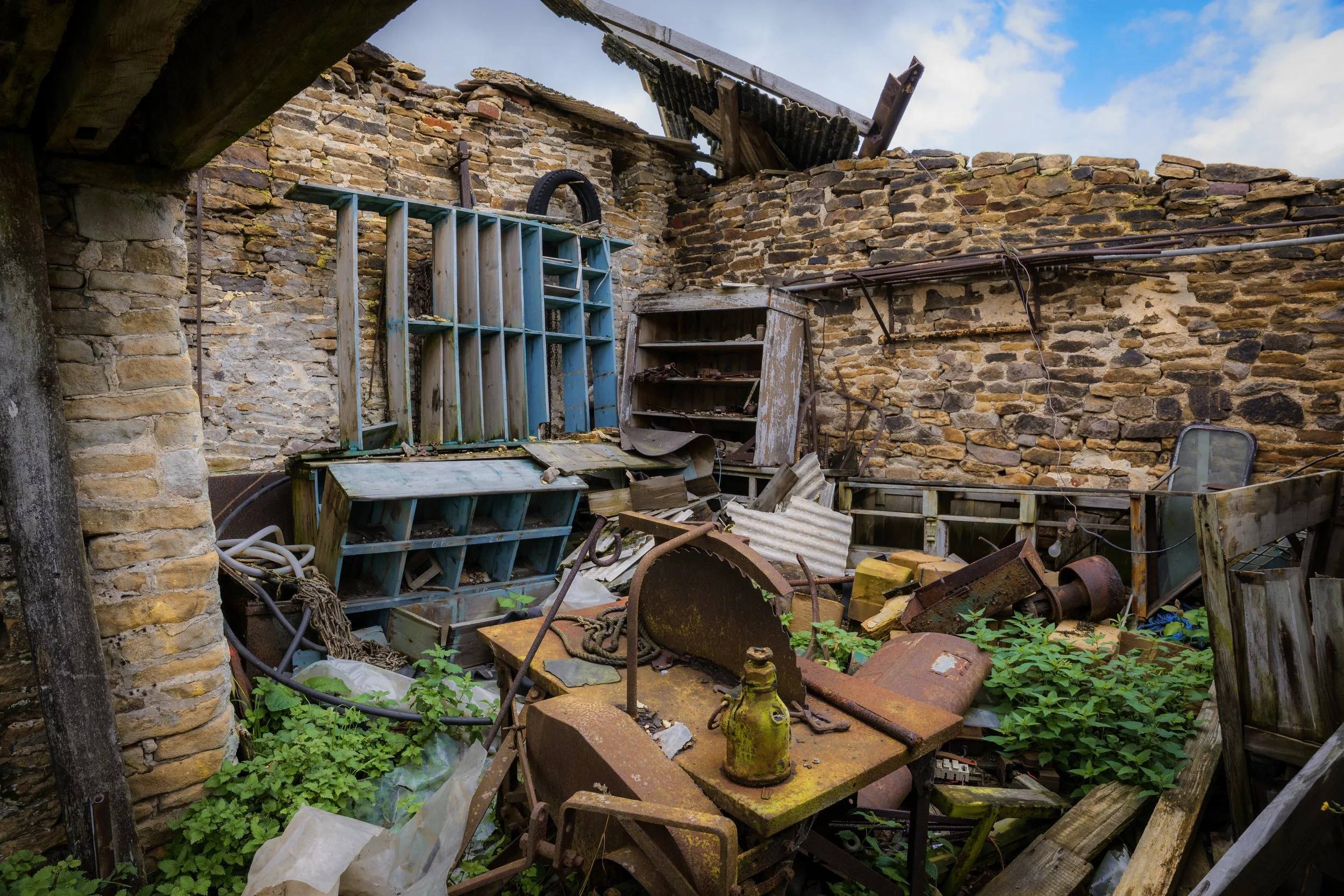
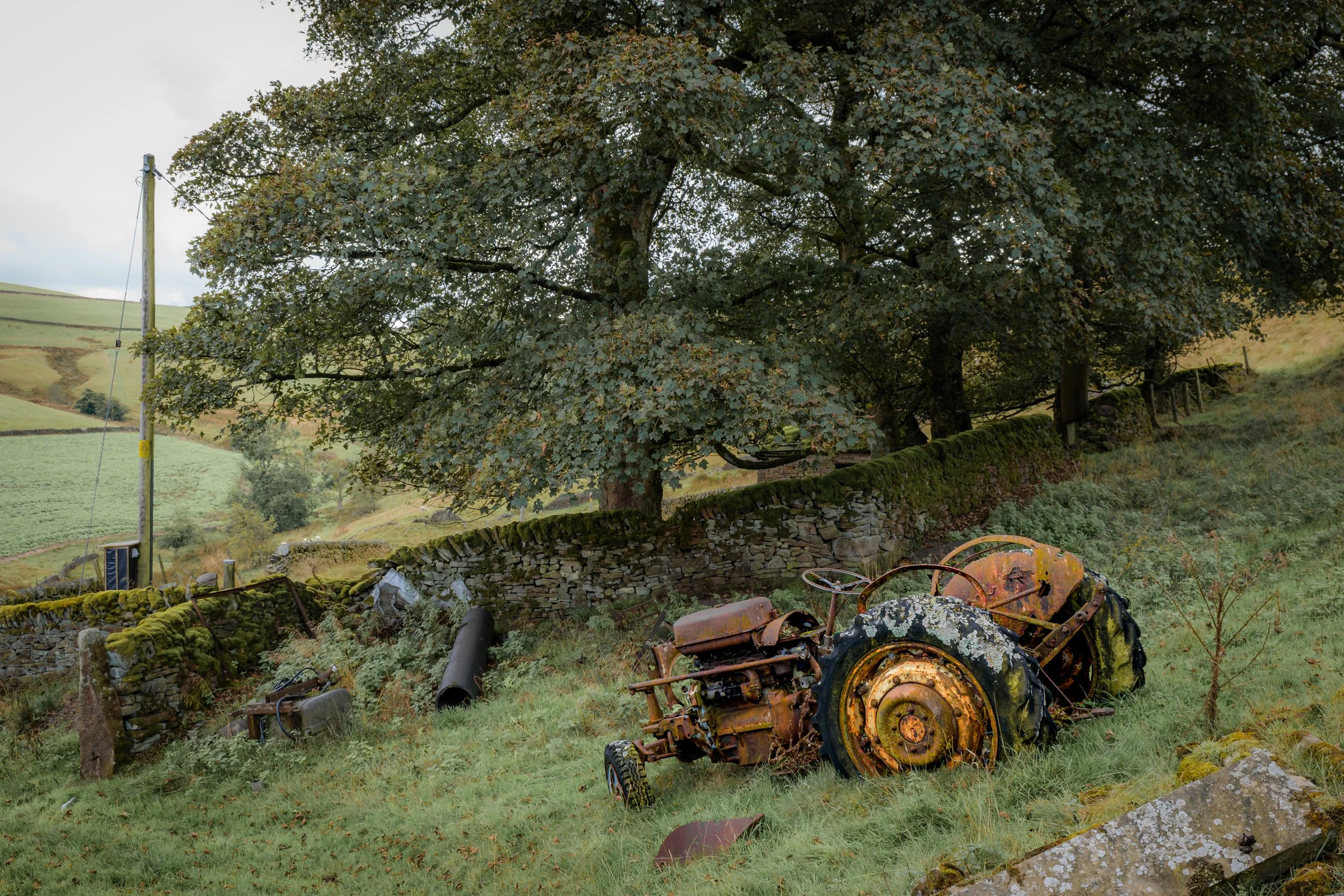
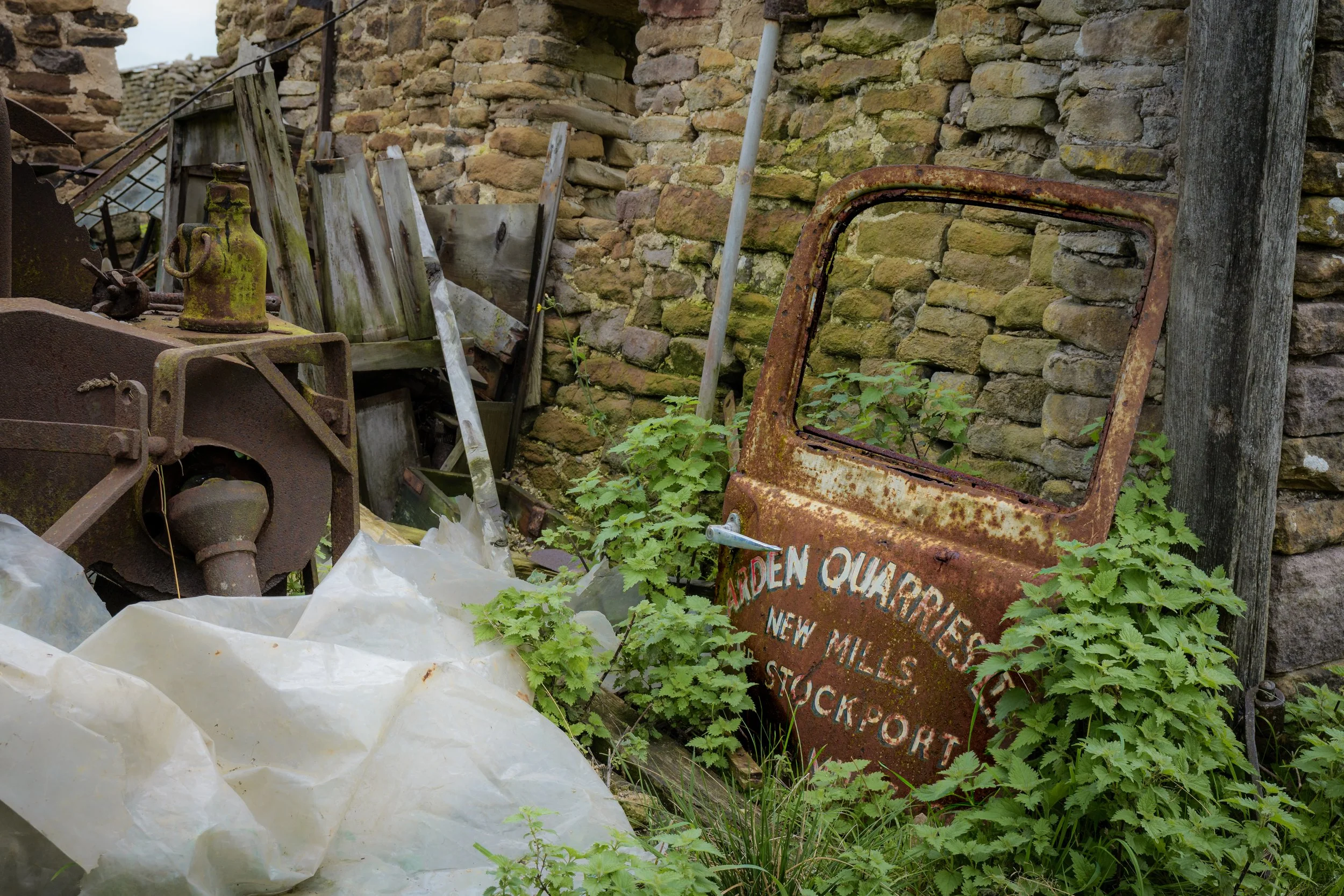
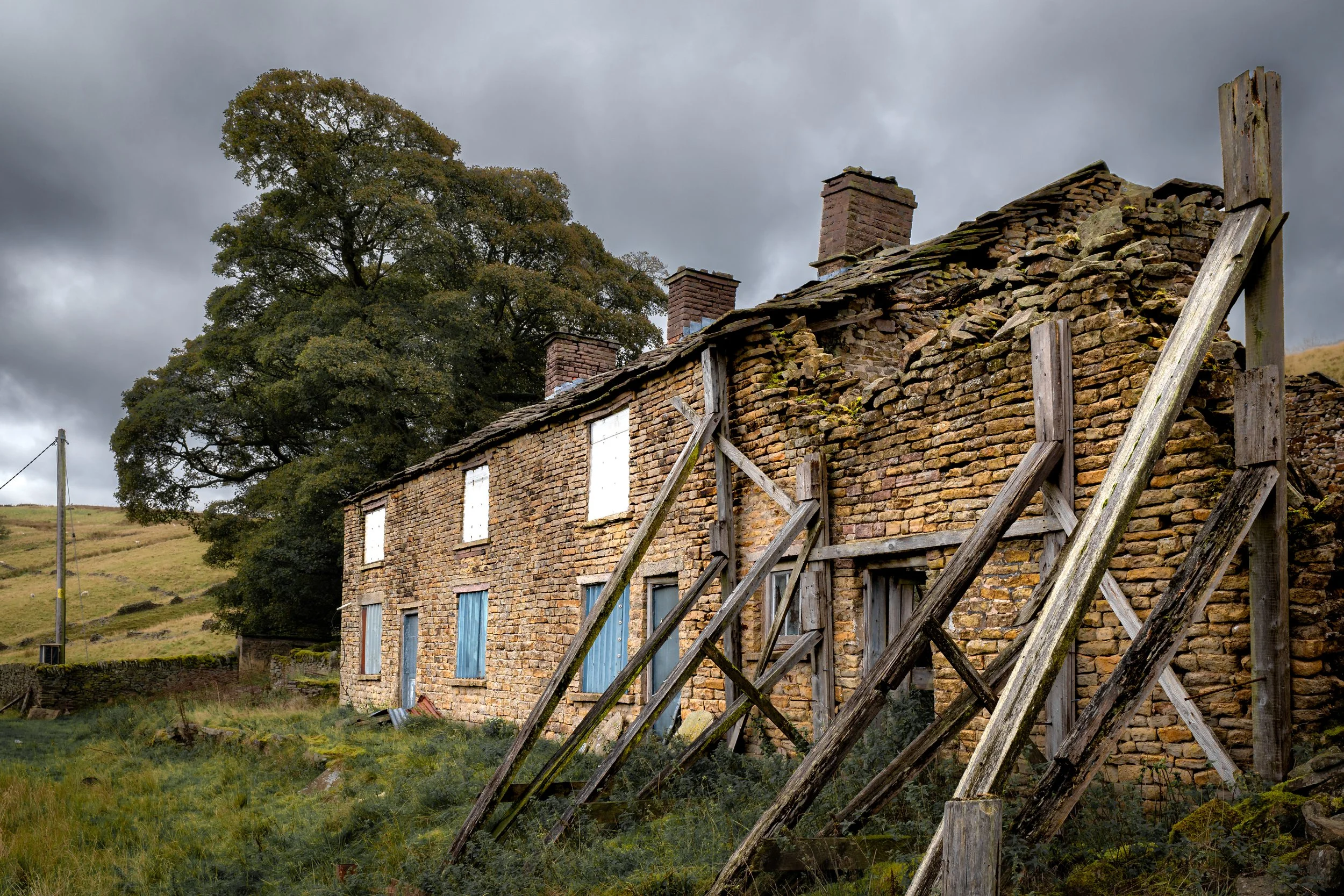
I rounded out the day with a short climb to the ruins of Higher Ballgreave Farm in the hills below the reservoir, which I found on the ever-useful Urbexology; it’s slightly outside the ambit of the primary lieux de Thursbitch, but its Marie Celeste-like atmosphere and forlorn bricolage of decaying structures and agricultural machinery felt very much in the spirit of the location.
There are unsurprisingly precious few postcards depicting this lonely and cursed Cheshire valley, although I did find and purchase one depicting Jenkin Chapel, which seems to my entirely untrained eye to be Edwardian. If you look closely the dapper gentleman in the middle is perched upon a small stone.