Woodhouse: In Search of Witches on the Edge of Steel City
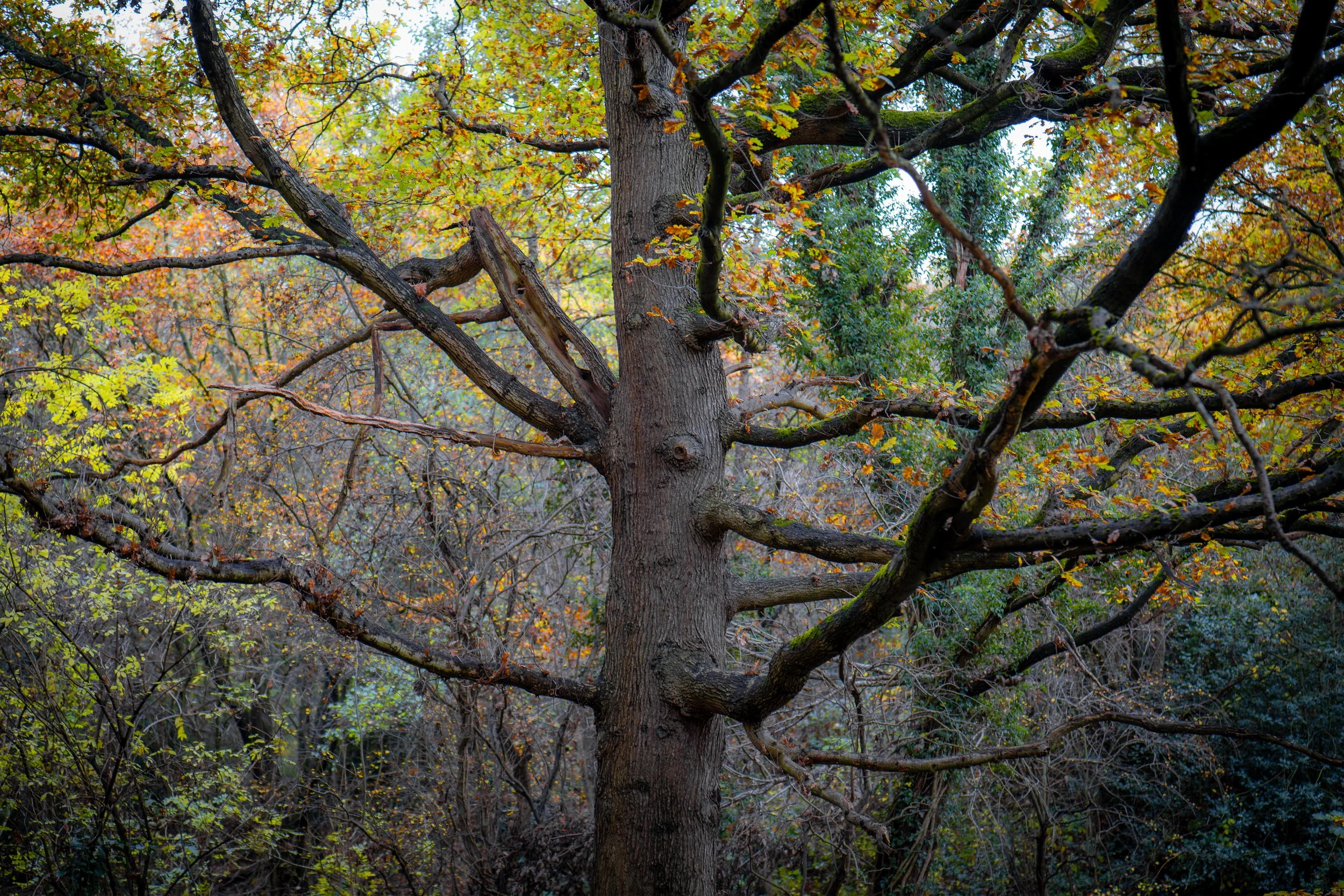
Shirtcliff Wood, Woodhouse, Sheffield, South Yorkshire.
On a recent (re)visit to Mother Shipton’s Cave in Knaresborough I was delighted to find in its well-stocked gift shop a text that’s been on my reading list for some time: Eileen Rennison’s Yorkshire Witches (Stroud, 2012). Rather than offering a compendium of folklore, myths, and legends – inherently fascinating as these are – the book brings together around 40 real-life cases of witchcraft from the sixteenth through the nineteenth centuries drawn mainly from contemporary legal records (some are from Witchcraft in Seventeenth-Century Yorkshire: Accusations and Counter-Measures [York, 1992] by the late, great social historian Jim Sharpe). Witch-related sites are among my favourite to experience and photograph, and the book added many new locations to my to-visit list, one of which is right here in Sheffield, in Woodhouse, a former farming and coal-mining community that now forms one of the southeastern suburbs of the city.
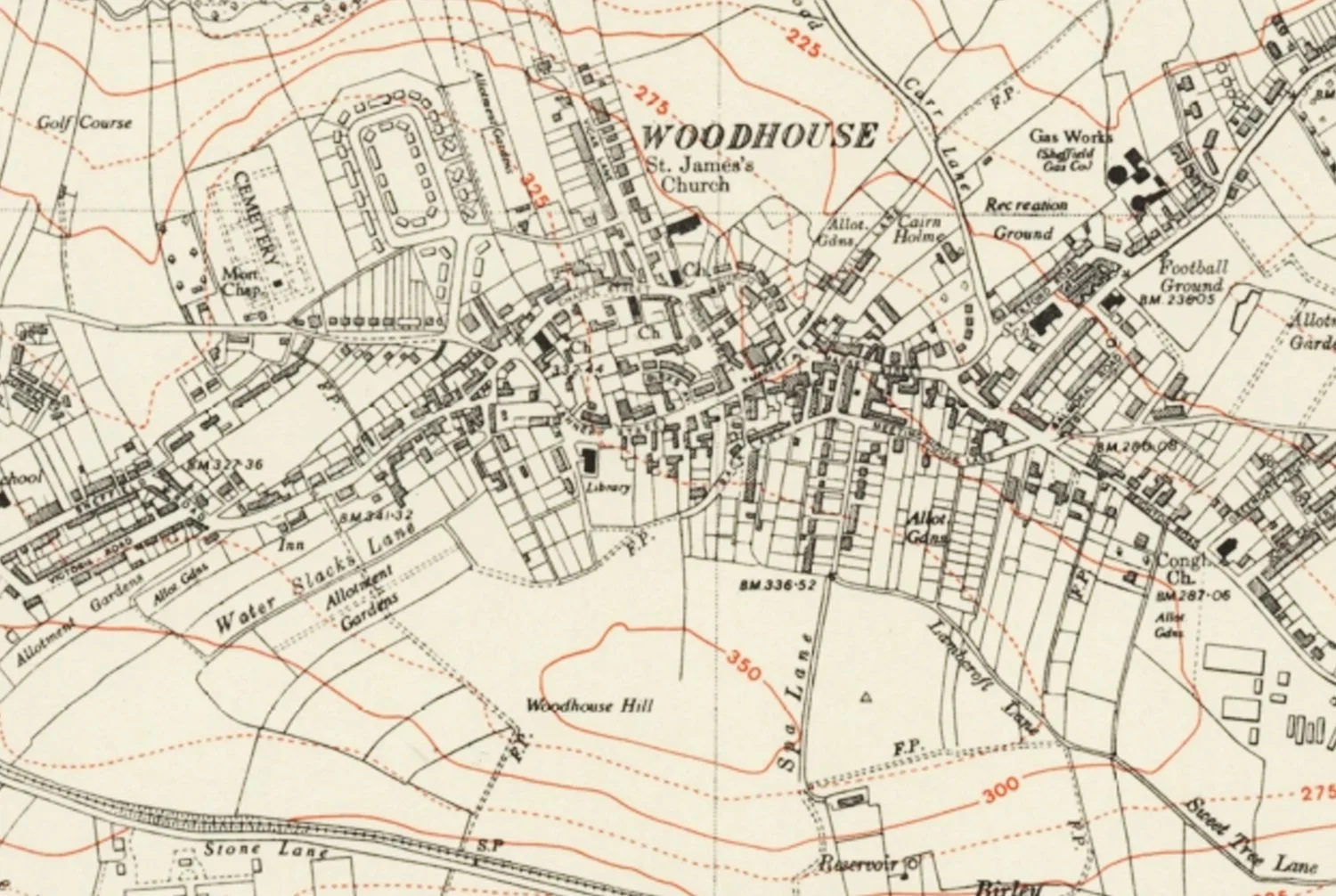
Woodhouse was rocked by scandal in 1657, when accusations of witchcraft were levelled against four of its inhabitants. Labourer Thomas Jefferson was summoned to the Assizes on the charge that he had ‘entered evil spirites and took up divers dead men, women, and children out of their graves, and bewitched Mary Almond of Woodhouse’, who was said to have been ‘wasted’ (male witches were not uncommon in early modern Europe, comprising 10–30% of those accused). In the snowballing effect so typical of seventeenth-century witch panics Thomas’s wife Mary was also accused of bewitching local woman Beatrice Wynne, while the following year two further villagers, a widow called Margaret Butler and another nameless suspect, were tried. Characteristically, as well as experiencing general illness and incapacitation (the aforesaid ‘wasting’), the quartet’s victims were said to have suffered peculiar fits and frenzies during which they vomited pins, pieces of wood, and marble knife handles; the allegation of exhumation and presumably necromancy that formed one of the charges against Jefferson is rather more unusual. Witchcraft in early modern England was a capital crime and those found guilty were usually hanged; the outcome of trials can be difficult to determine on the basis of surviving records, but in this case all four of the accused seem to have either been acquitted or to have had their sentences commuted. A pilgrimage was definitely in order…
Unlike in many other places, including elsewhere in Yorkshire, Woodhouse’s brief brush with witchcraft has left no material traces in the local environment; there are no surviving buildings connected to the trials, still less any memorials. Nor does anything really remain of the sleepy agricultural village in which the saga unfolded; as part of Sheffield’s relentless industrial expansion Woodhouse’s late medieval wattle and daub cottages were bulldozed in the 1960s, with the only surviving traces being the market cross and a pair of stocks. So this trip was definitely going to be more about atmosphere and general vibes, which is absolutely fine with me.
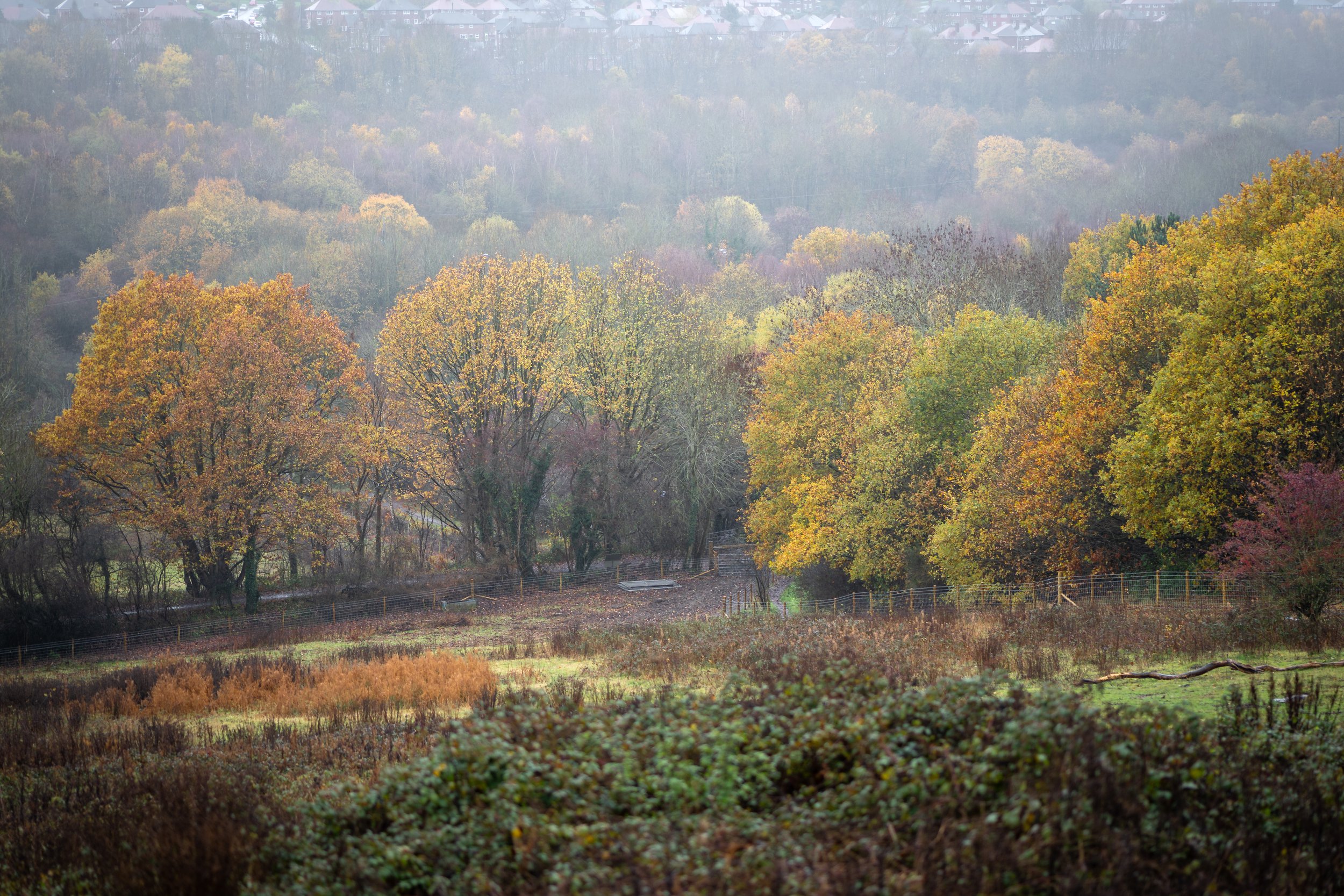
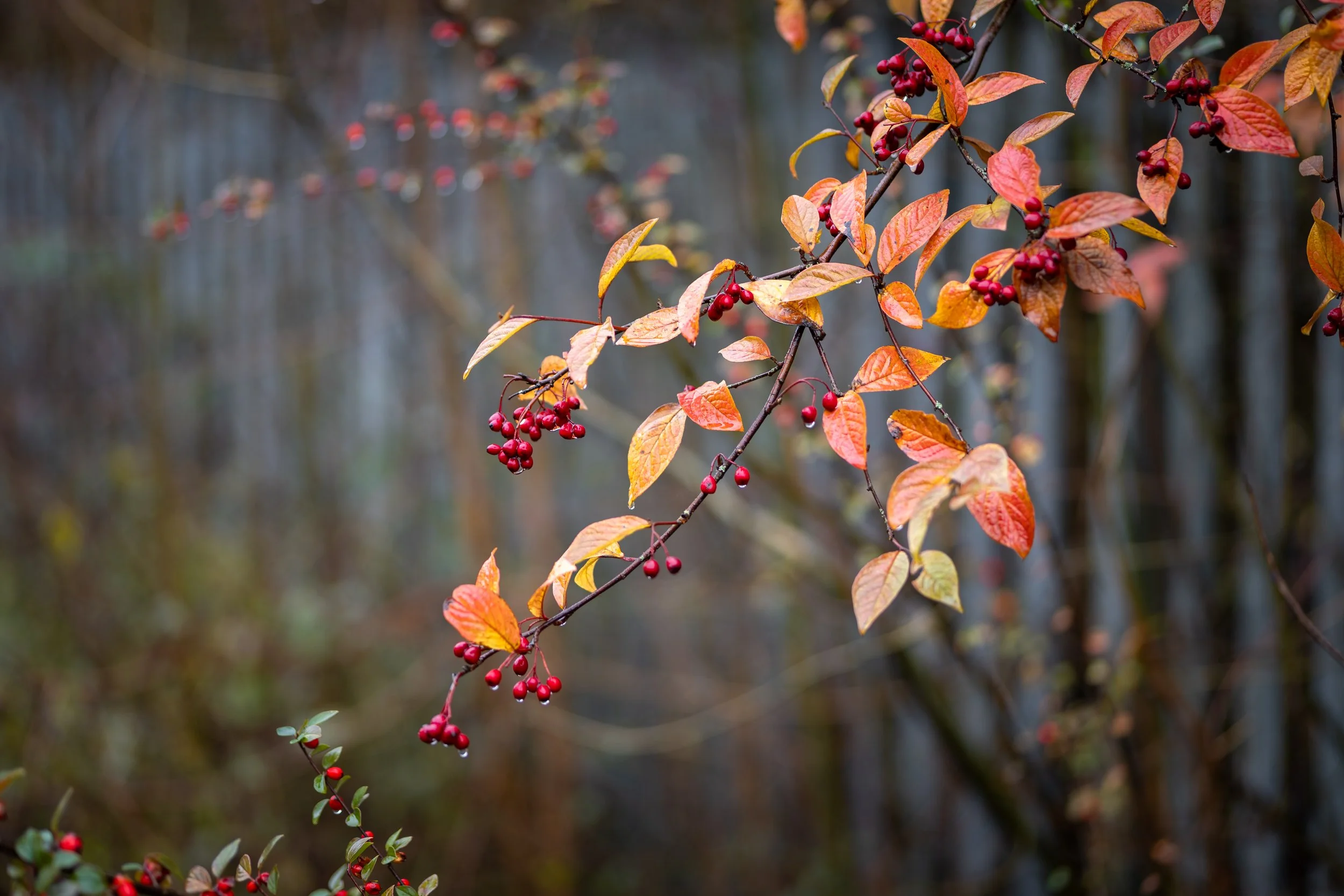
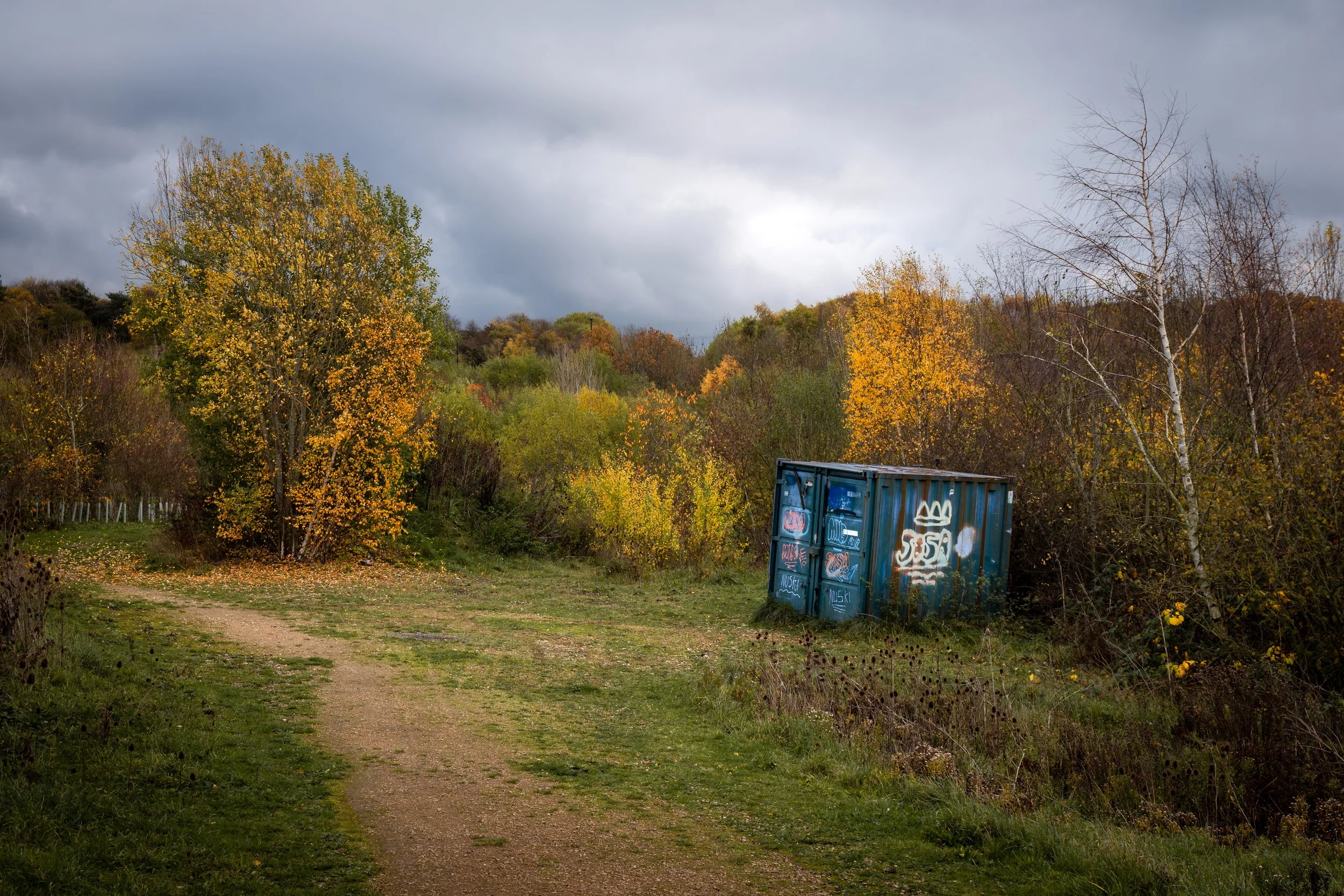
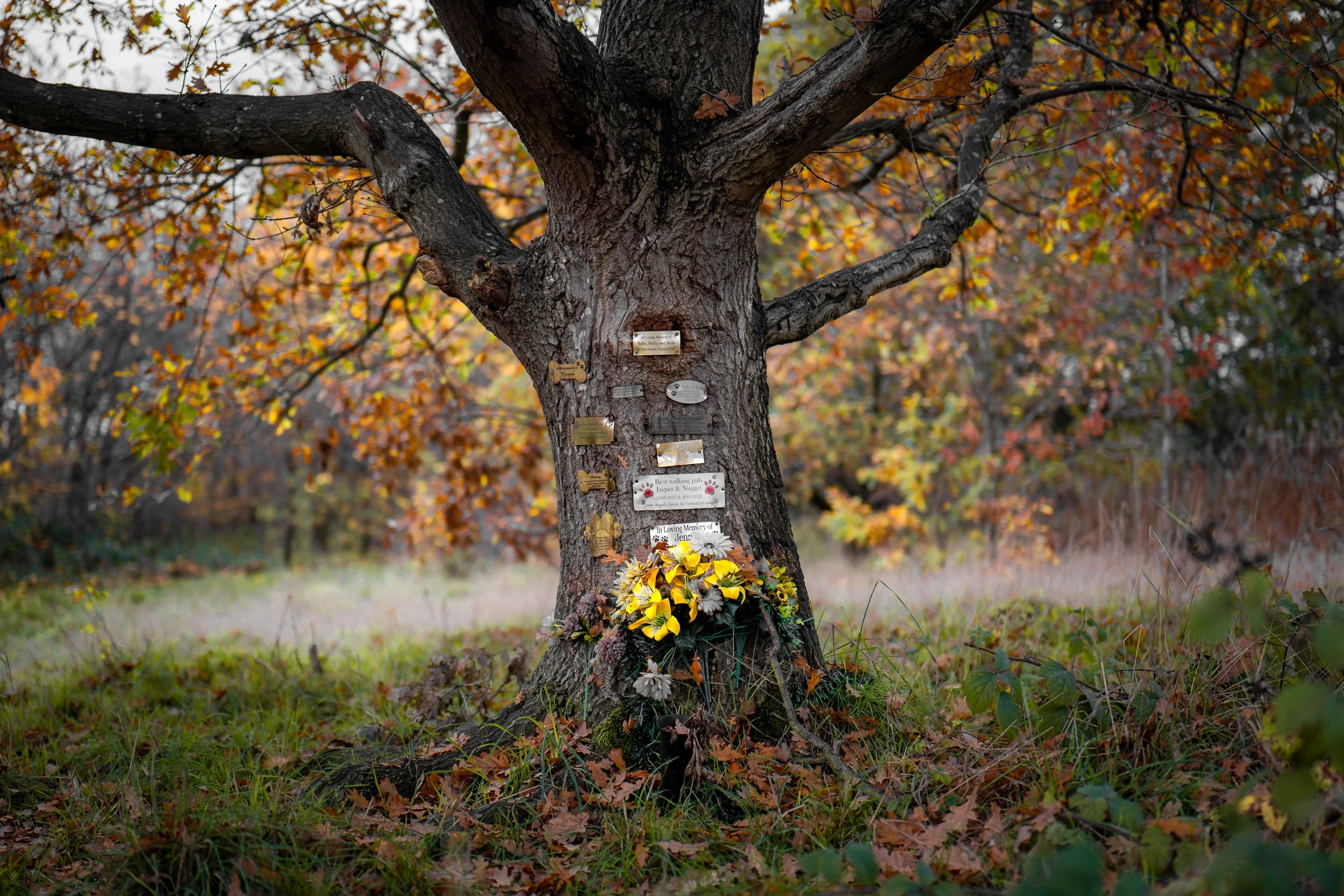
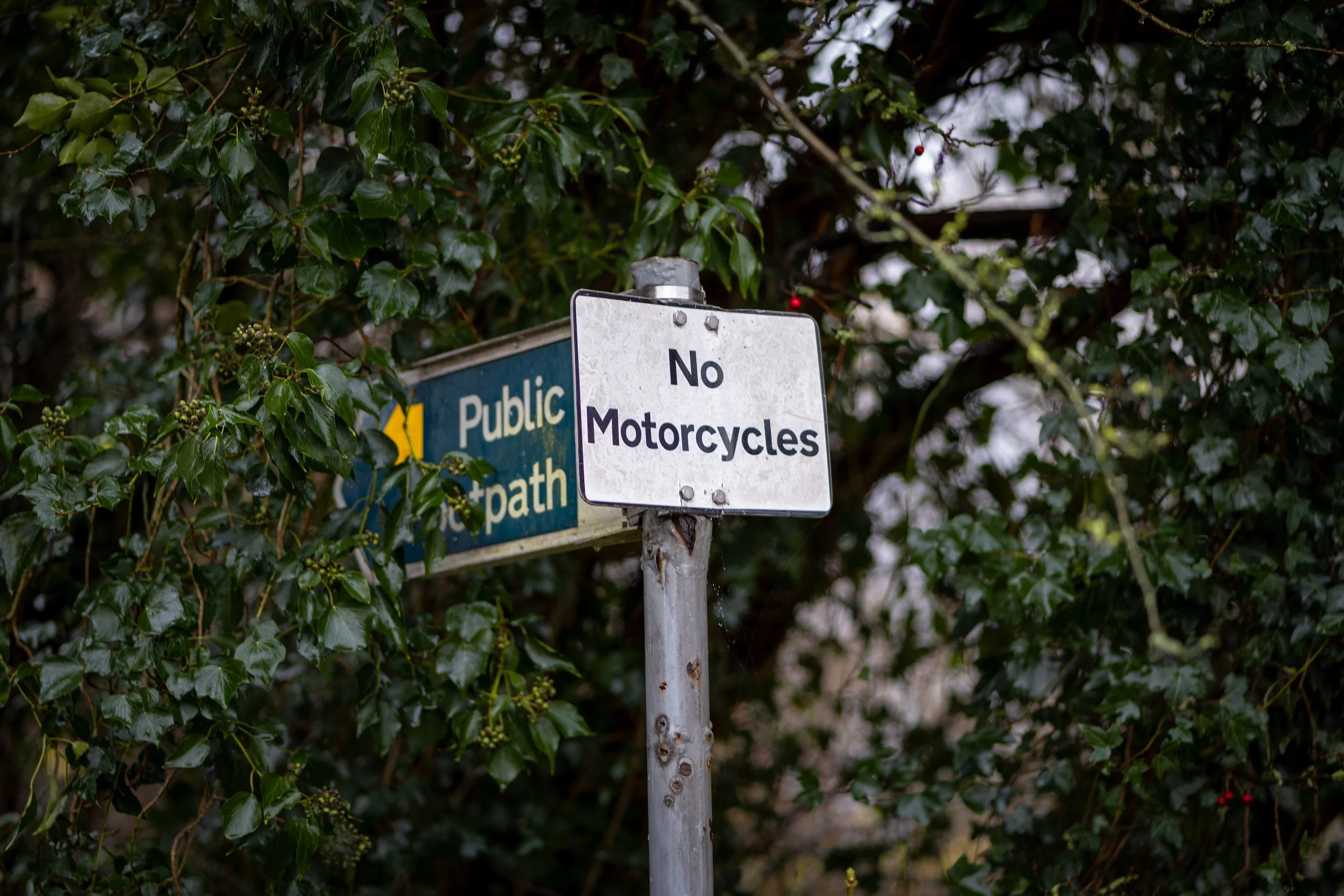
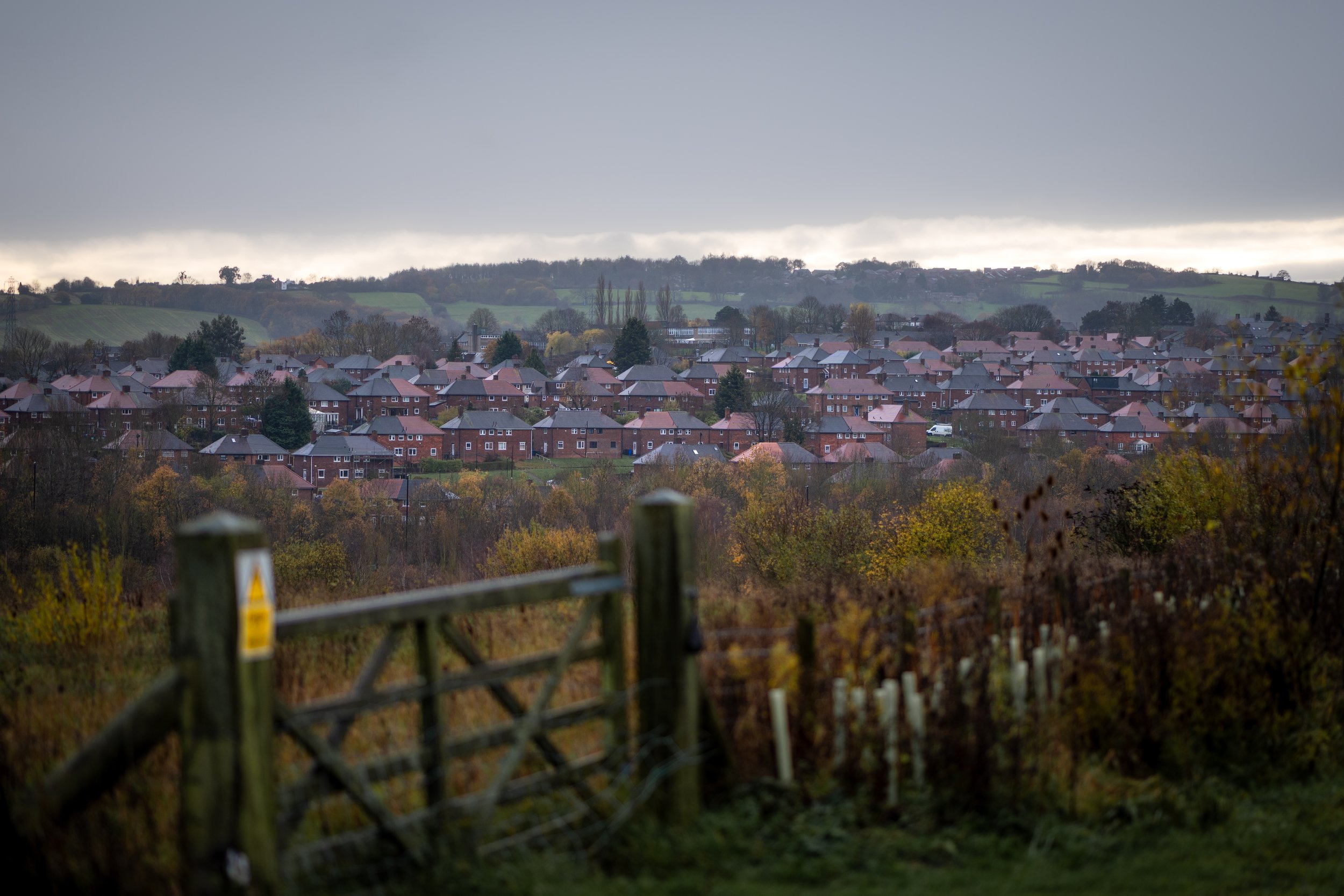
In my usual attempt to recreate the experience of historical protagonists – an exercise that’s fun if always doomed to fail – I avoided the identikit suburban centre of Woodhouse and charted a circular route along its rural perimeter, a patchwork of ancient woodlands and wildflower meadows in which it’s easier to imagine seventeenth-century people walking, working, and bewitching. The ‘peak autumn’ palette of early November rendered Shirtcliff Wood picturesque and creepy in equal measure, although I became hopelessly disorientated and ended up inadvertently doubling back on myself (this has more to do with my complete lack of spatial awareness and inability to correctly interpret Google Maps than any supernatural intervention). I also stumbled across an arboreal pet memorial, and a graffitied shipping container marooned in a field; this is the kind of random incongruity I always enjoy, while I found the complementary combination of blue and orange pleasing. A plague of balaclavaed teenagers on dirt bikes illegally buzzing the footpaths completely obliterated the early modern mood while somehow adding to the vague atmosphere of menace.
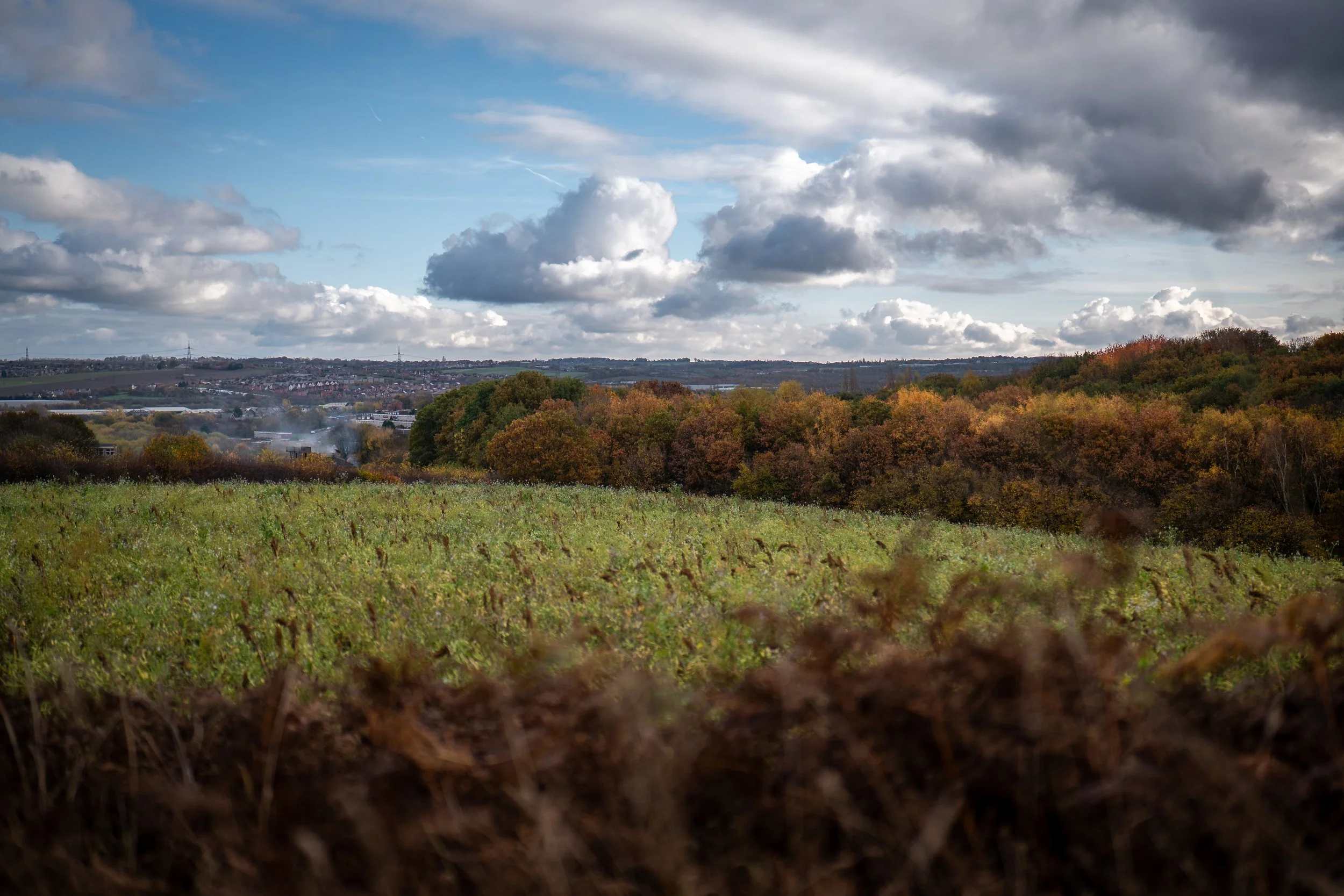
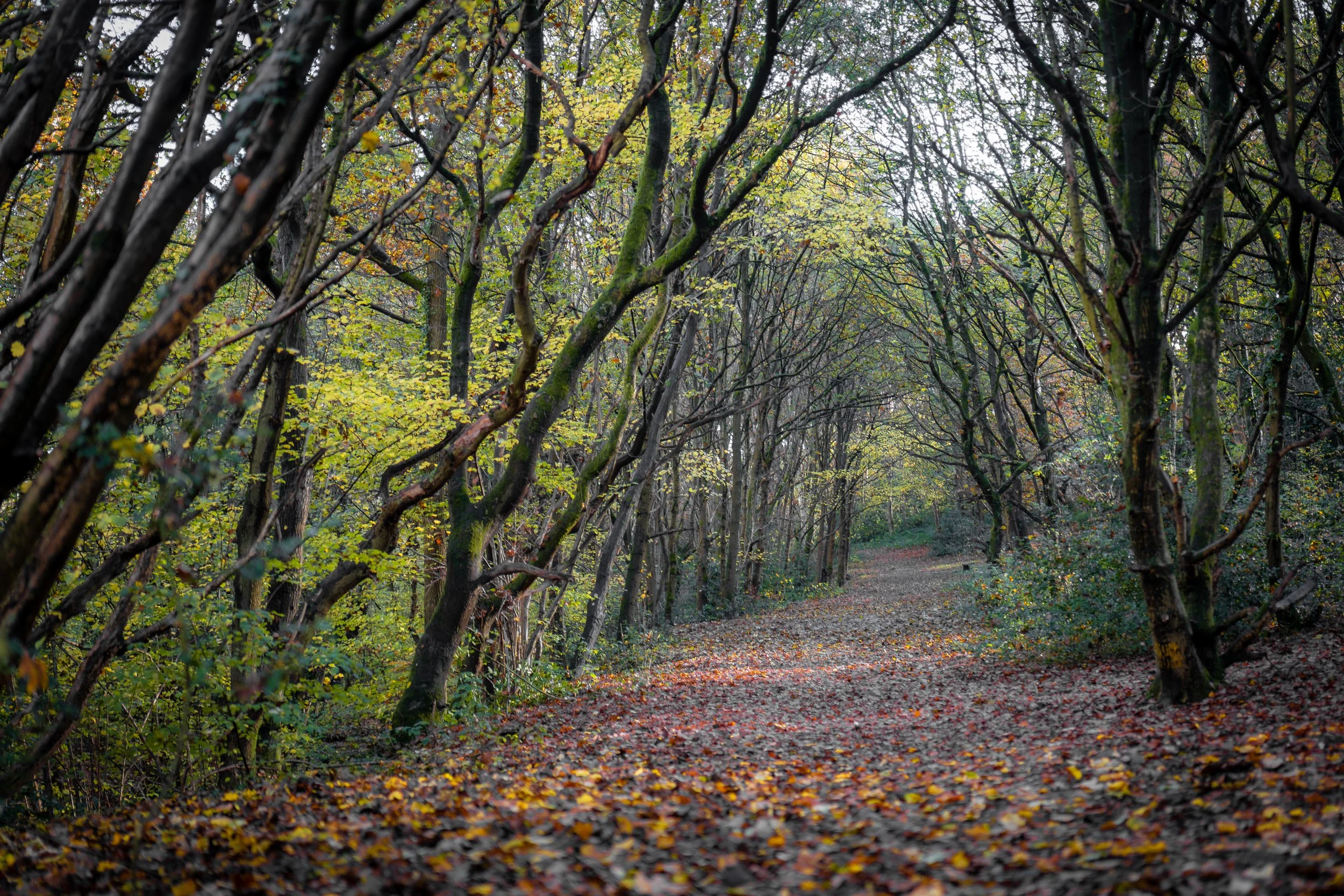
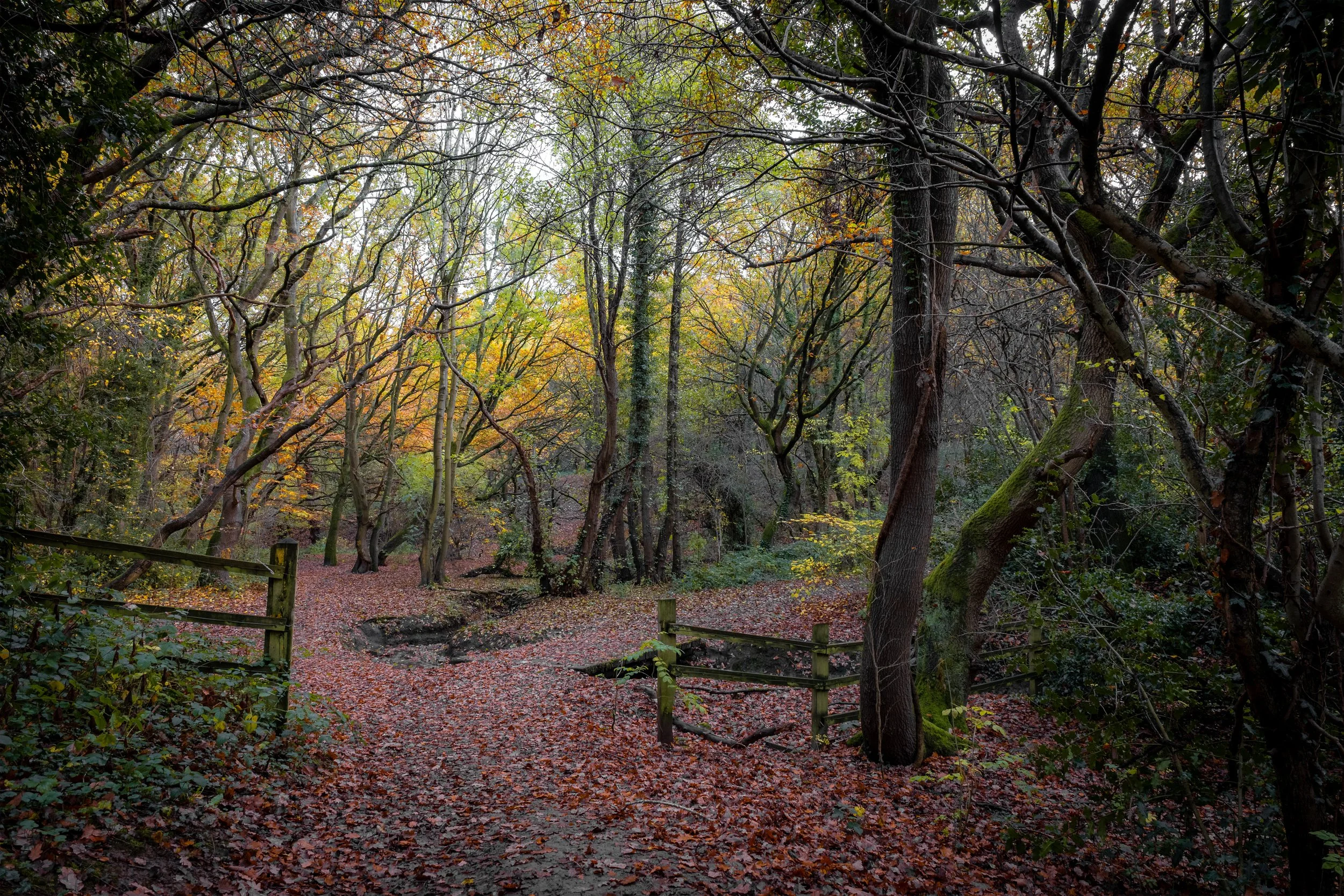
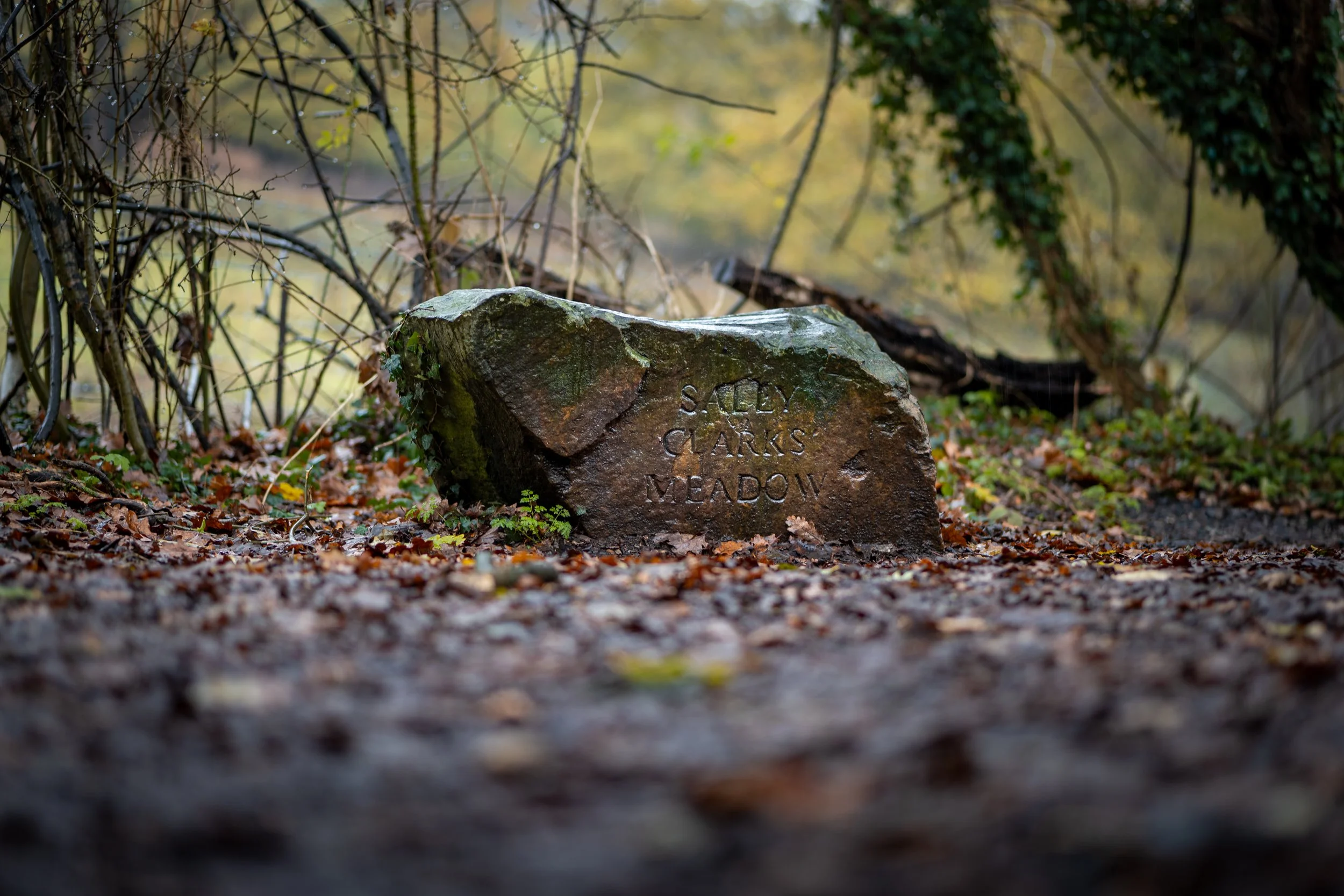
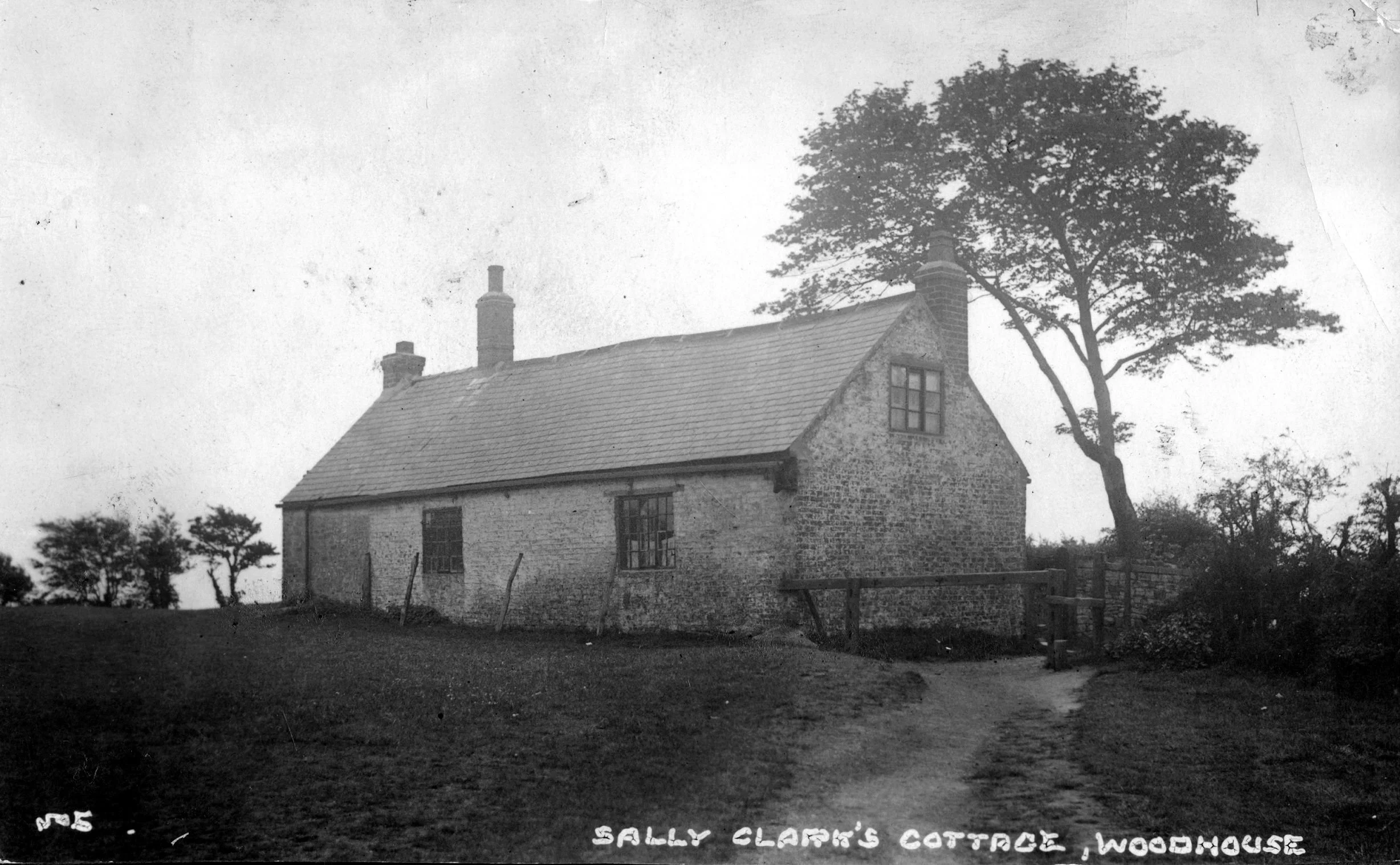
So an enjoyable and productive but so far witch-less walk, until I encountered a curious stone in the Shire Brook Valley Nature Reserve immediately to the south of Woodhouse. It bore the following inscription: ‘Sally Clark’s Meadow’. I know from experience that when a landscape feature is named for or after a woman it’s sometimes because of their fame (or notoriety) as a witch, and some quick in-the-field Googling revealed that this is the case here; Sally Clark, most likely a local healer or cunning woman, did indeed have a reputation as a witch in the 1800s, and lived in a hilltop cottage on the edge of the steeply raking field until she reputedly died in a house fire caused by a malfunctioning oil lamp. Picture Sheffield has archived some extremely evocative drawings, photographs, and postcards of her residence, which was also known as White House, Windy House, and Gaping Hill Cottage, and which served as a school, dancing hall, and cholera hospital before it fell into ruin and was finally demolished in the 1940s. Her restless spirit allegedly haunts the whole of the Shire Brook Valley.