Wishing Stones and the Seaside Town That Isn’t: Matlock and Matlock Bath
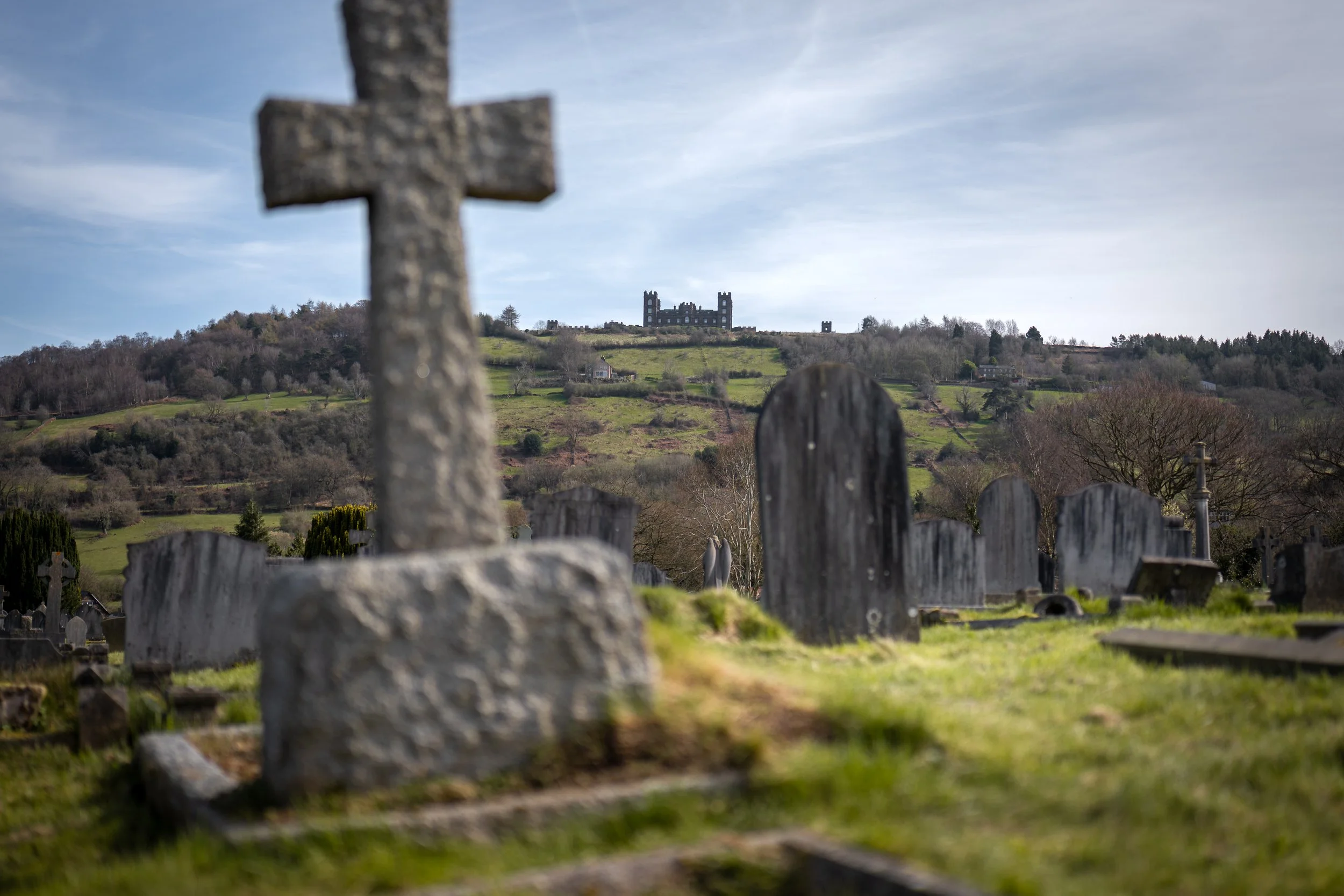
View of Riber Castle from the graveyard of St Giles’s church; once a romantic ruin, it’s recently been converted into posh flats. Matlock, Derbyshire.
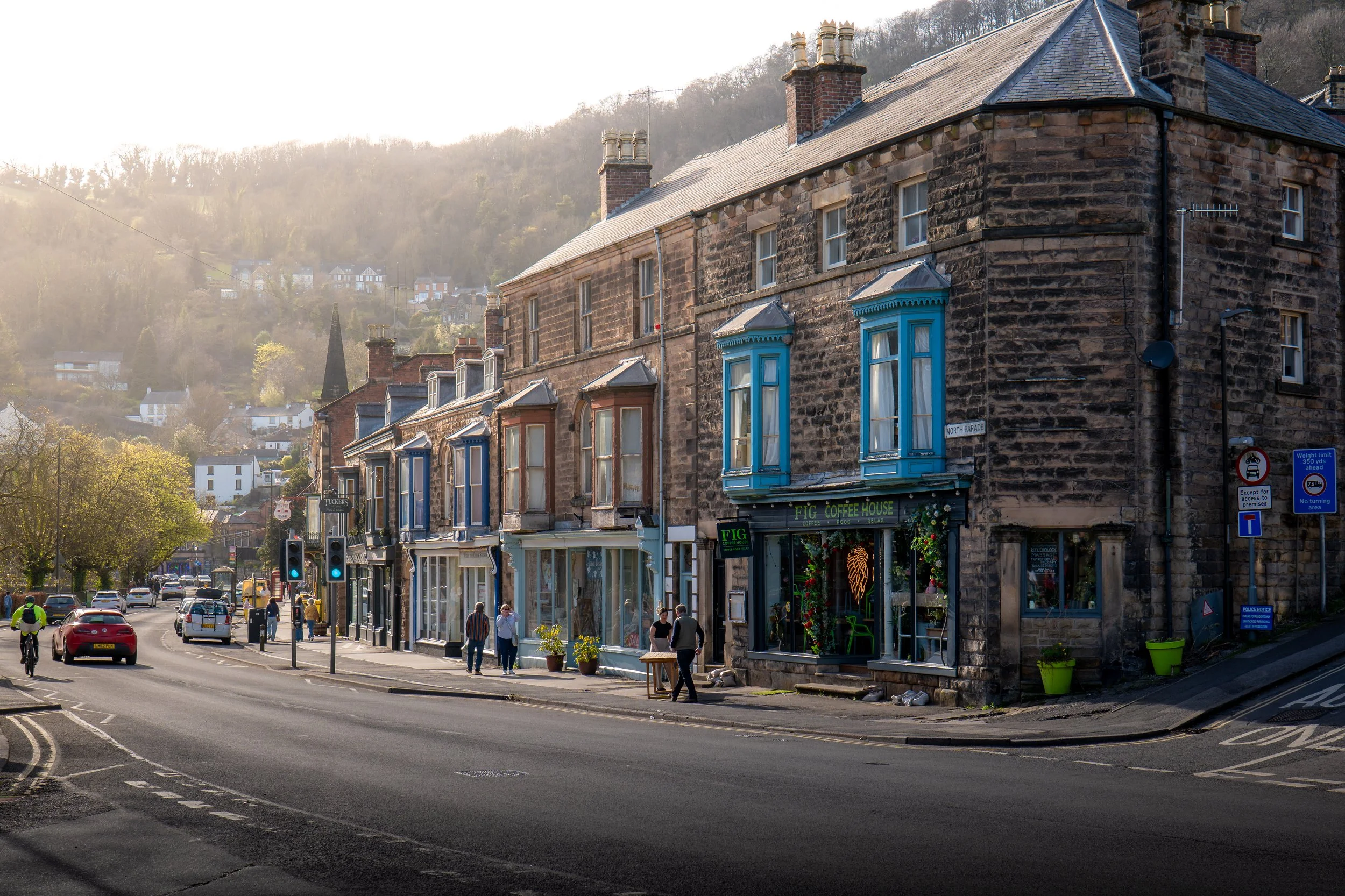
For my girlfriend’s birthday this year we headed to Matlock (and its offshoot, Matlock Bath), a charming little town nestled in the Derwent Valley in the Derbyshire Dales that’s perhaps best known as the setting for Shane Meadows’s superb 2004 revenge thriller Dead Man’s Shoes, and which makes for a perfect day trip. There’s much to enjoy in the town centre, including the beautiful St Giles church, perched atop a limestone cliff, with a wonderfully raking graveyard; during my visit a funeral service was concluding, which made me feel a bit sheepish, until I was invited to partake of some cake. The imposing gothic ruin of Riber Castle, a nineteenth-century folly house, once overlooked the town, but it’s recently been redeveloped as luxury apartments. Will nobody think of the photographers?
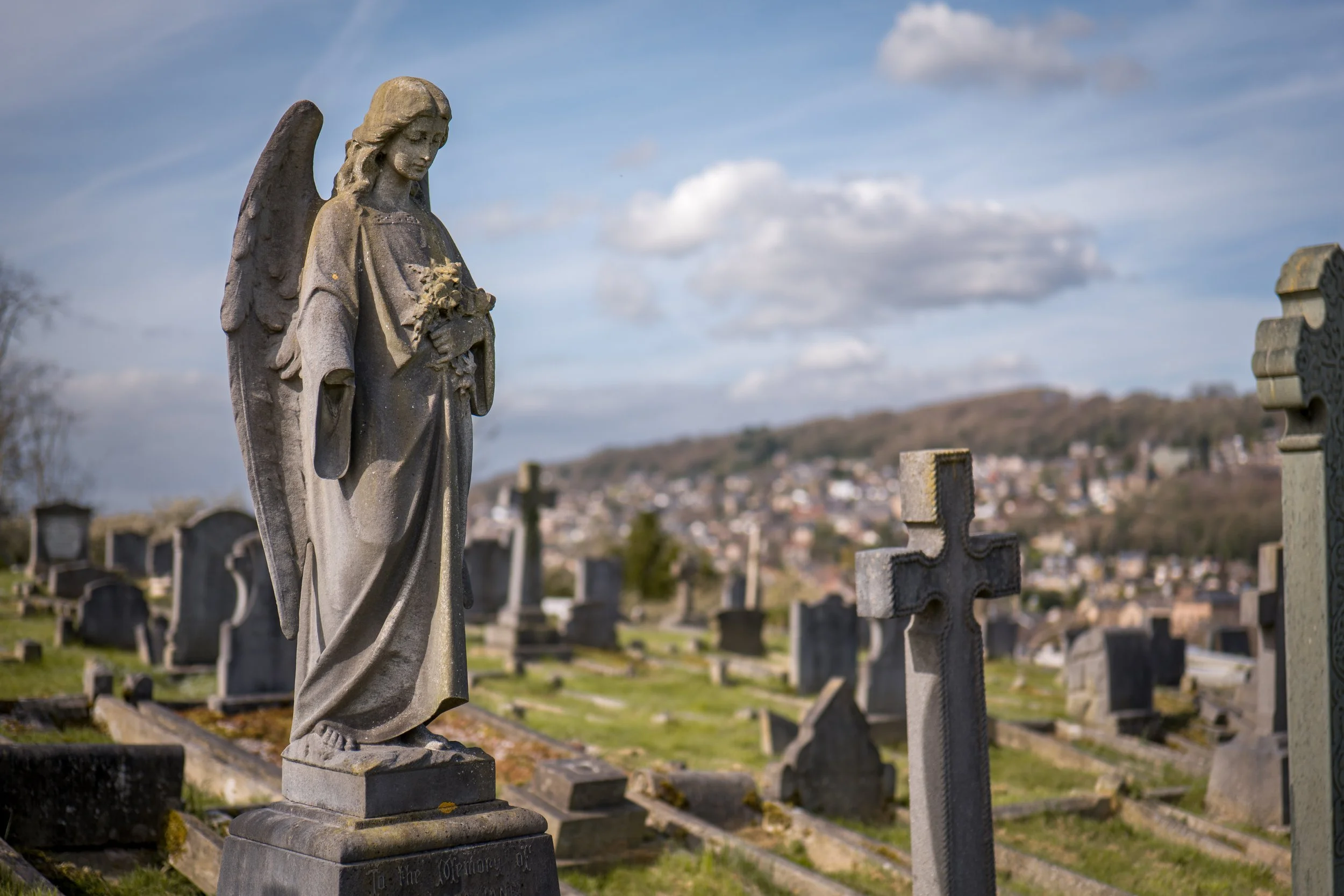
St Giles, Matlock, Derbyshire.
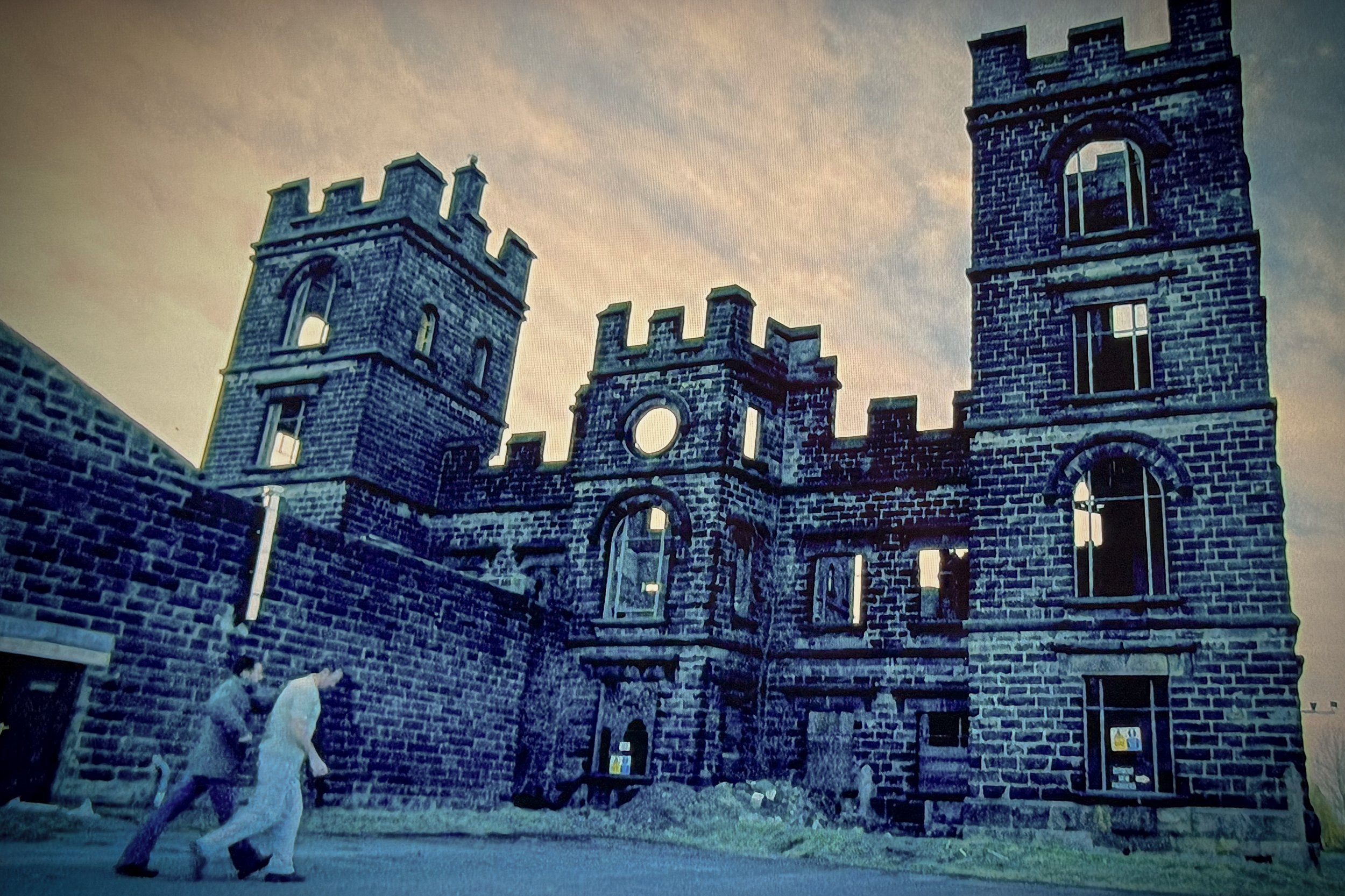
Riber Castle, when it was still a ruin, in the haunting final scene of Shane Meadows’s revenge film Dead Man’s Shoes (2004), where it’s referred to as ‘the devil’s house’.
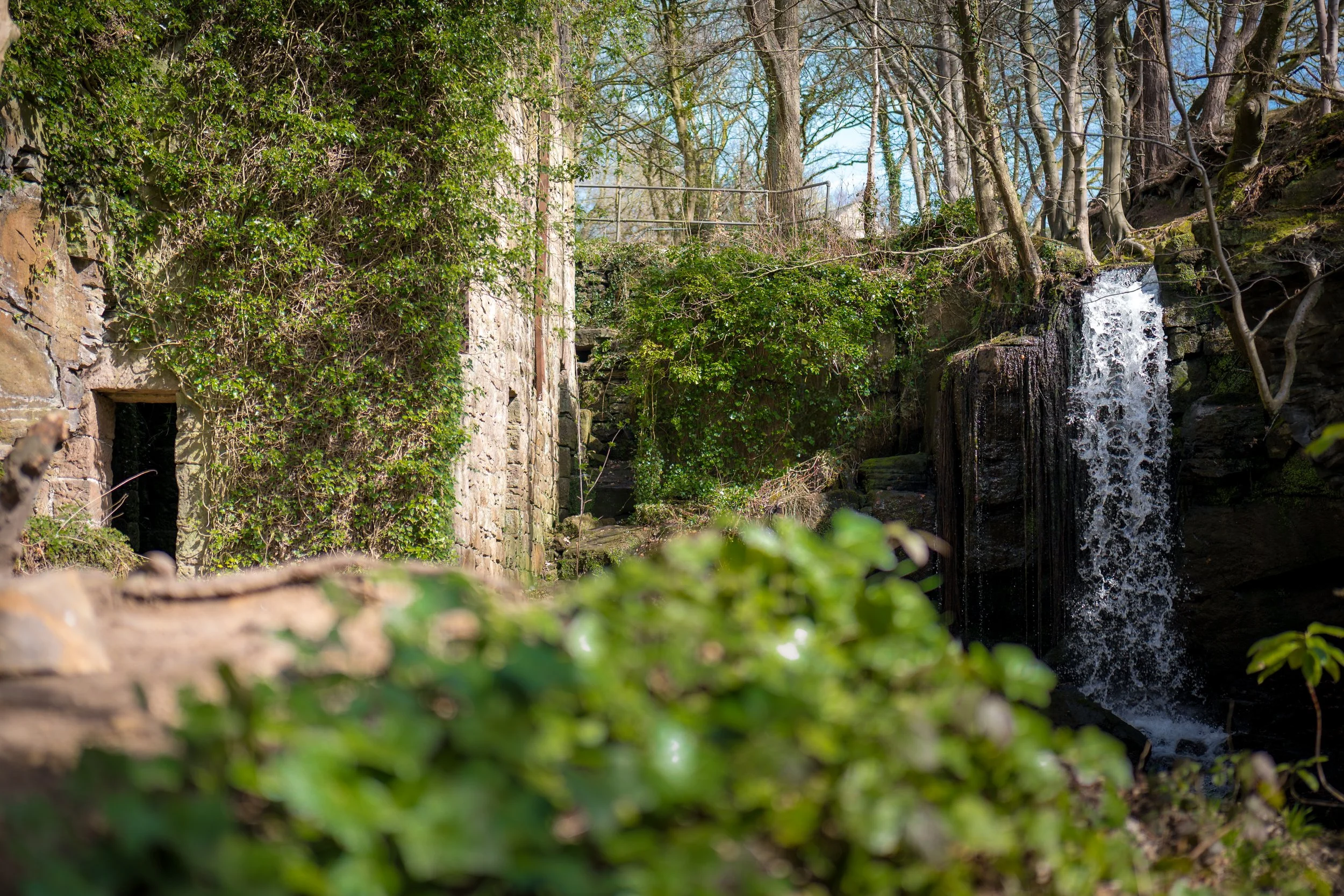
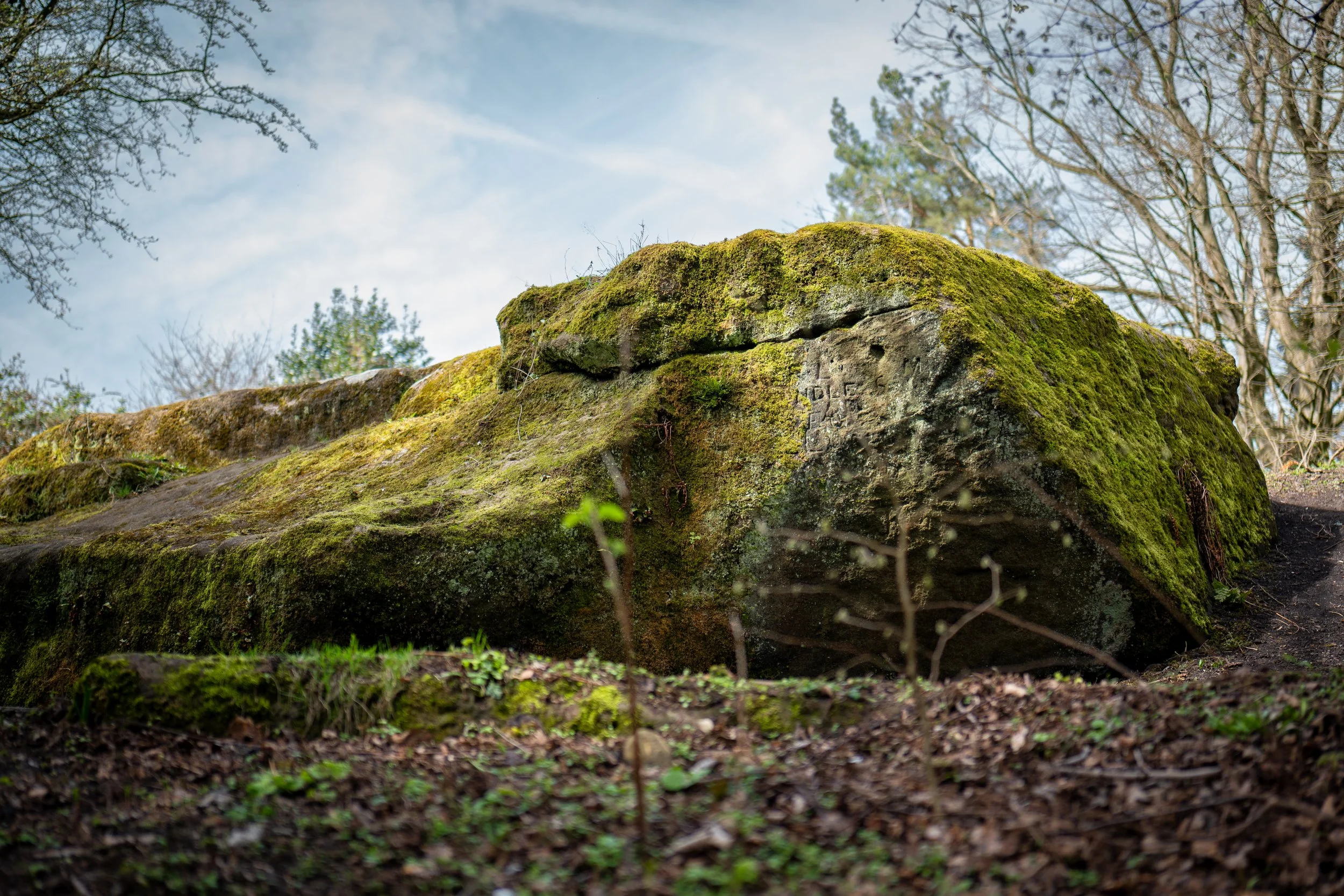
As is often the case, however, the real gems for me were outside of the historic centre, the first being the Lumsdale Valley, a densely wooded gorge a short drive or bus journey (or long and strenuous walk) up the A632. Featuring the babbling Bentley Brook, picturesque pools and waterfalls, and the vestiges of numerous water-powered mills – catnip to a ruin botherer like me – it has various supernatural associations; there’s an imposing wishing stone, while there are other stories of avaricious ghost millers, beautiful water nymphs, and a powerful weather witch called Lumsa (find out more in this blog post).
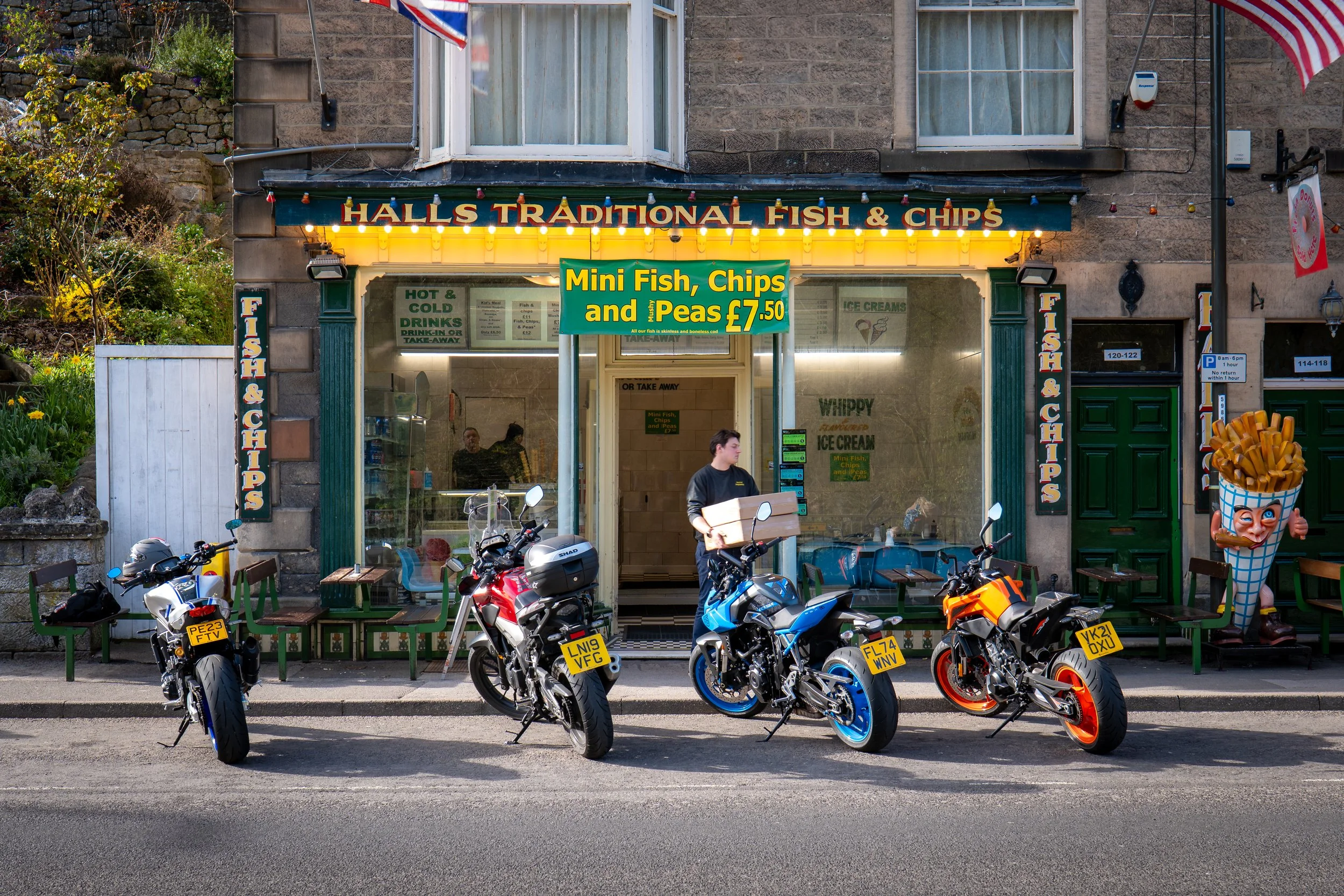
Just as good is Matlock Bath, about a mile to the south of Matlock proper. Originally developed as a spa resort in the seventeenth century, and situated at the bottom of another deep ravine, I adored it because it has all of the feel and trappings of a traditional seaside town – down to a plethora of penny arcades, ice cream parlours, and fish and chip shops – only without any trace of the sea, placing it firmly in the realm of the uncanny. It has an off-kilter atmosphere I last experienced when exploring The Saints, a very weird and profoundly disorientating collection of amorphous villages on the Norfolk/Suffolk border where the normal rules of time and space appear suspended.