Using a Sony Alpha 7 II in 2025
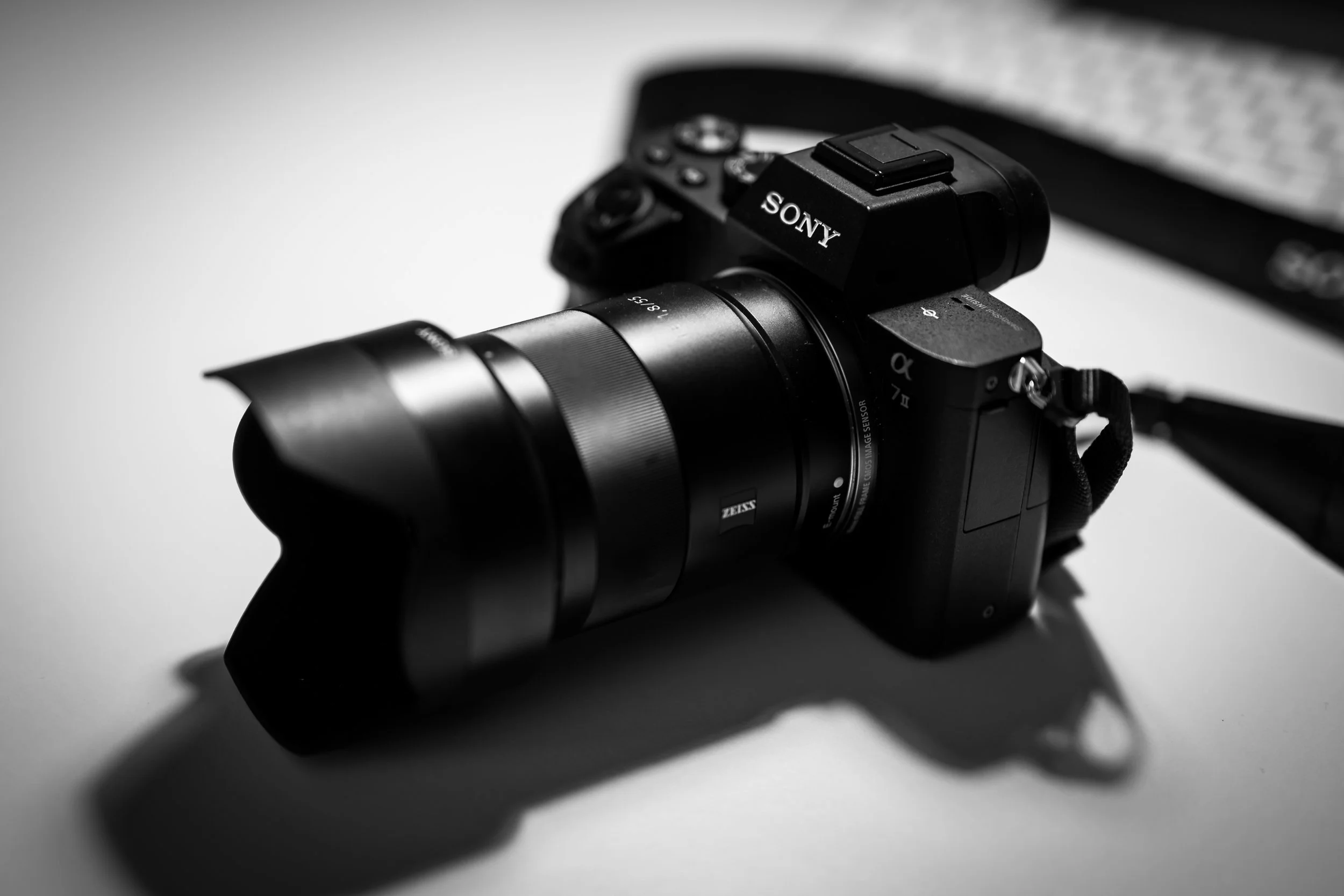
New toy: my Sony Alpha 7 II.
Back in August, while in a rainy Goyt Valley in Staffordshire photographing various shrines and ruins, I slipped down a hill and landed squarely on my beloved Panasonic LUMIX S5II. This snapped off the eye cup, damaged the casing, and necessitated a long (and expensive) sojourn with the Jessops repair agents.
I don’t suffer with GAS (Gear Acquisition Syndrome), but the condition of camera-less-ness is intolerable for me, so an interim replacement was required. I’m a believer in serendipity, so rather than jumping online I headed to Harrison Cameras, my local bricks and mortar retailer here in Sheffield, to see what used kit they had in store. My only criteria was that it had to be: a) full frame; b) ideally mirrorless; and c) cost no more than £500. They had a Sony Alpha 7 II, the second generation of that legendary range, for a smidge under my budget; it was a bit of a steal (like new, with a <5,000 shutter count), and I’m already familiar with the Sony system having used the A6000 for a number of years. And I figured it would be an opportunity to reconnect with the Sony Sonnar T* FE 55mm f/1.8 ZA prime, a lens I’ve always adored, and was keen to experience on the larger sensor for which it was designed. I snapped up the body, and ordered the lens from MPB.
While perhaps not in the realm of ‘vintage digital’, the A7 II is old technology; it was launched in 2014, which is practically prehistoric in digital camera terms. The Sonnar lens is even more ancient, debuting in 2013. I was fascinated to see how this decade-old-plus combo would perform in comparison to a state-of-the-art system equipped with modern lenses. Below, I’ve collated some impressions developed over a couple of months’ intensive use.
The good…
The Sonnar remains a beautiful, compact, well-built lens; it’s pin sharp, especially in the middle of the aperture range, and – if you like that sort of thing – produces a wonderfully smooth and deep bokeh.
The A7 II is much smaller and lighter than the S5II and many other modern mirrorless cameras; I personally enjoy the bulk and heft of the LUMIX because it makes me feel like A pHoToGrApHeR, but it’s admittedly a bit of a tank.
I’d heard about the propensity of older digital cameras to blow highlights, but the dynamic range is excellent; using matrix metering in aperture priority mode, my default, it preserved full highlight details in all lighting scenarios without even the need to dial in any negative exposure compensation.
It producesclean and highly malleable RAW files that are a joy to edit.
The not so good…
The chromatic aberration on the Sonnar is diabolical, especially when shot wide open; I knew this was an issue, but it’s even more pronounced on a full frame sensor. It’s easily rectified in Lightroom so doesn’t really bother me, but the amount of fringing will be jarring if you’re used to the latest glass.
Everything about the A7 II is orders of magnitude slower, more so than I was expecting; the shutter action is a lengthy scrape, it takes a good few seconds to write files to the memory card, and autofocusing, while it always locks on in the end, takes three business days. None of this was a problem for me given my style of photography – if anything, I enjoyed the fact that it slowed me down a bit – but if fast-moving scenes and subjects are your jam it could be an issue.
The electronic viewfinder is low resolution and noticeably pixelated, although I came to appreciate this lo-fi grunginess.
The colour science isn’t great, and as is often remarked of Sony cameras from this era the hues it produces are ever so slightly ‘off’ (especially the greens). Again, this is easily rectified in post-processing, but was very noticeable in comparison to Panasonic, whose native colour rendering is gorgeous and flawless.
The button placement and menu system is unintuitive bordering on baffling, especially if you’re not used to older Sonys.
The battery life is as bad as everyone says (it’s good for c.200 frames).
In short, while the S5II is a technically superior machine in every respect, the A7 II remains a fun, capable, and characterful tool that I’ll continue to use alongside my primary workhorse for variety, and in case I fall on it again. Here are a few sample shots….
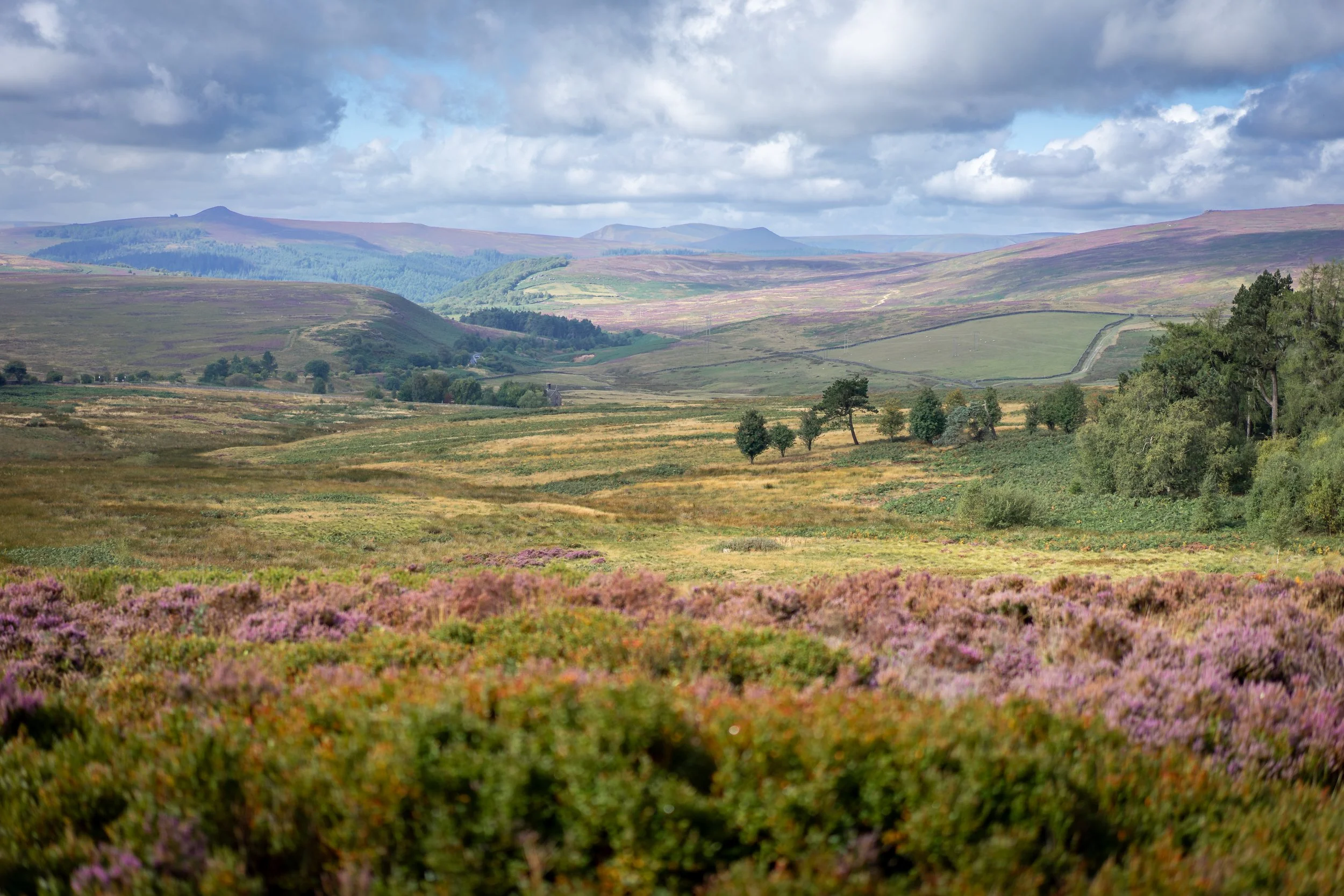
Looking towards Mam Tor and Win Hill from Ughill Moor. Derbyshire.

Langsett Reservoir, South Yorkshire.
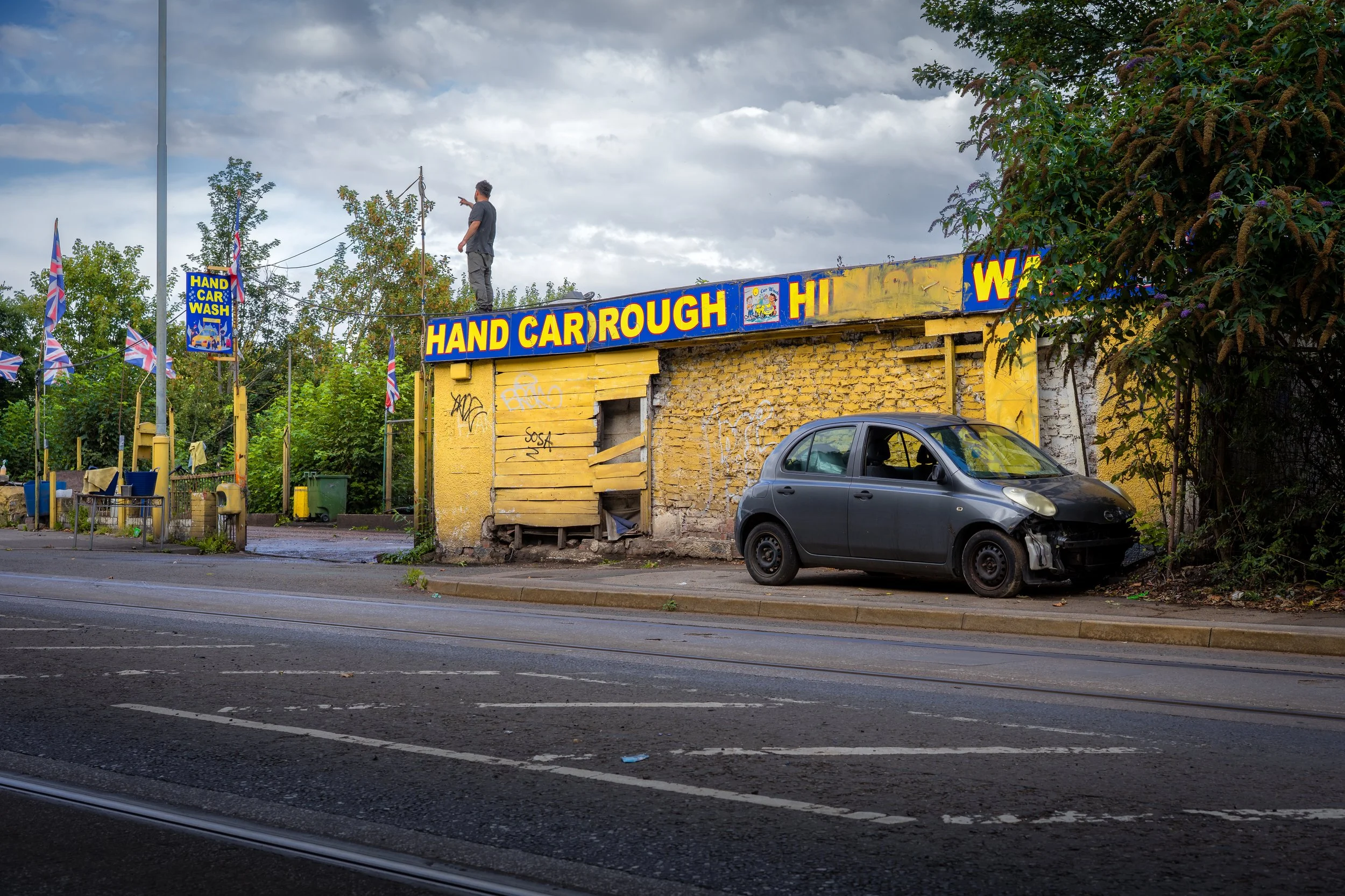
Hillsborough Hand Car Wash, Sheffield, South Yorkshire.