To Bridlington and Beyond
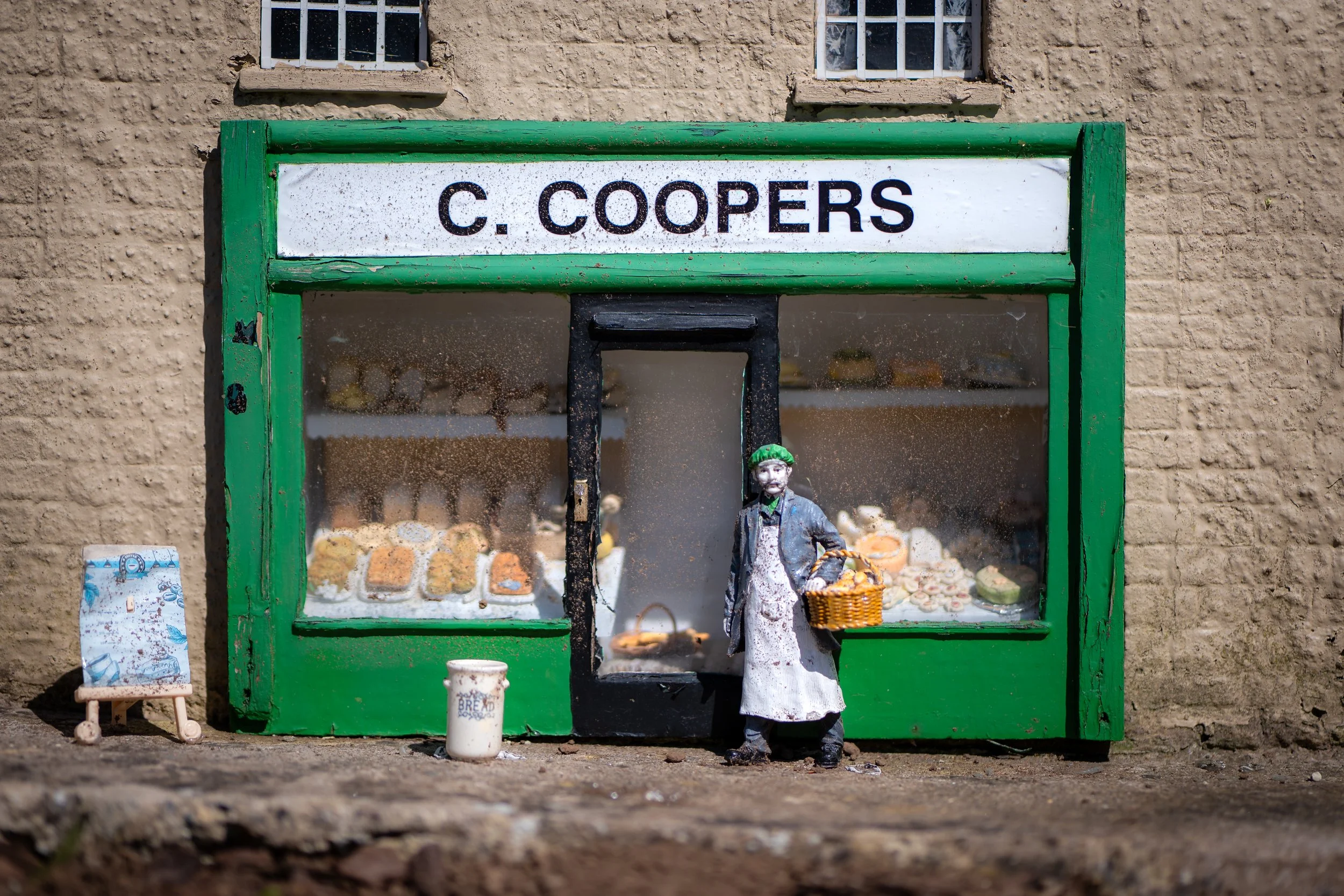
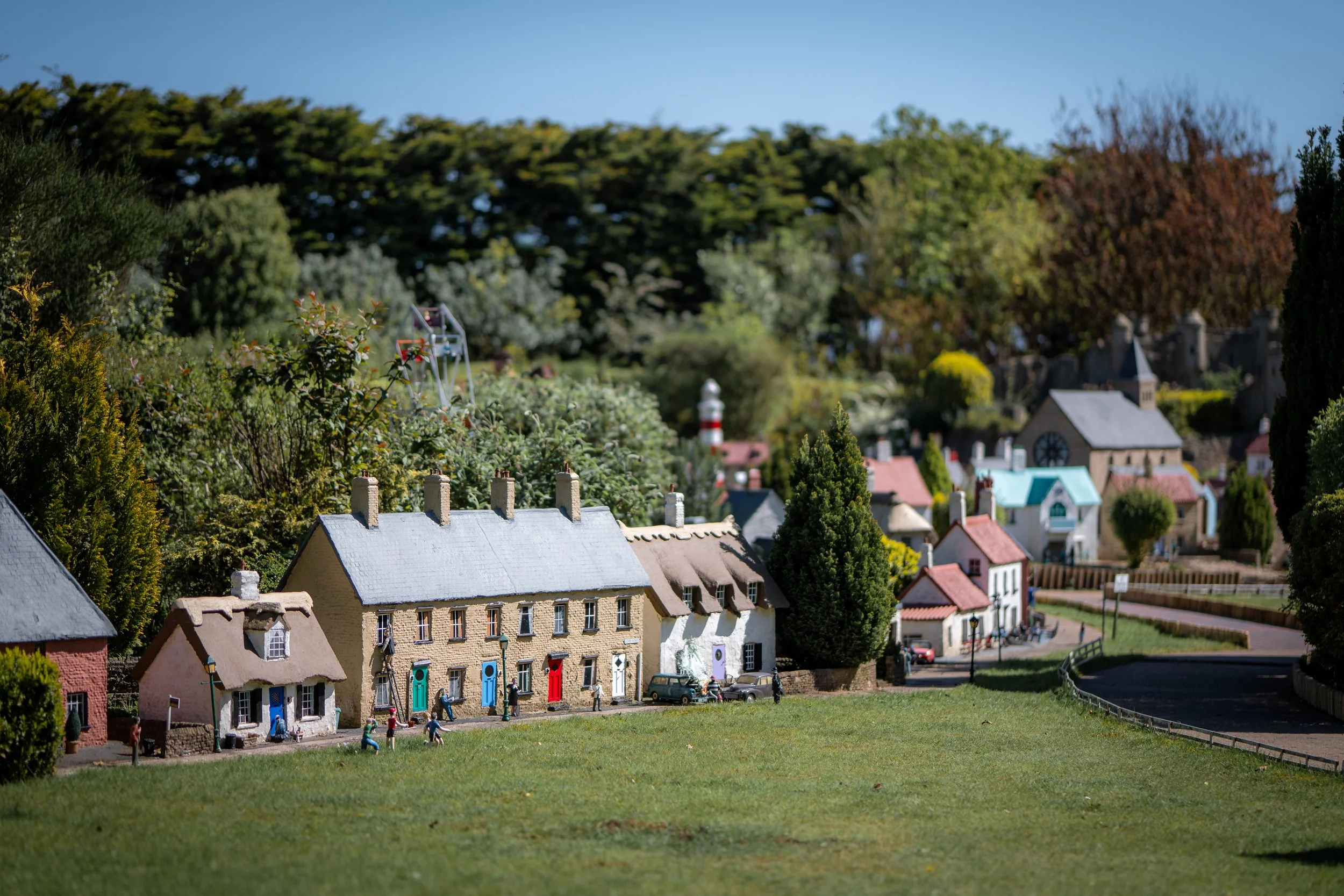
Bondville Model Village, Sewerby, East Riding of Yorkshire.
Much as I love yomping through the landlocked hills and valleys of the Peak District I’m intermittently seized by a compulsion to see the sea – I suspect it’s because I grew up on the Isle of Wight – and when one struck recently I wasted little time persuading my long-suffering girlfriend to a long weekend in Bridlington, a seaside town on the Yorkshire coast I’d not yet visited.
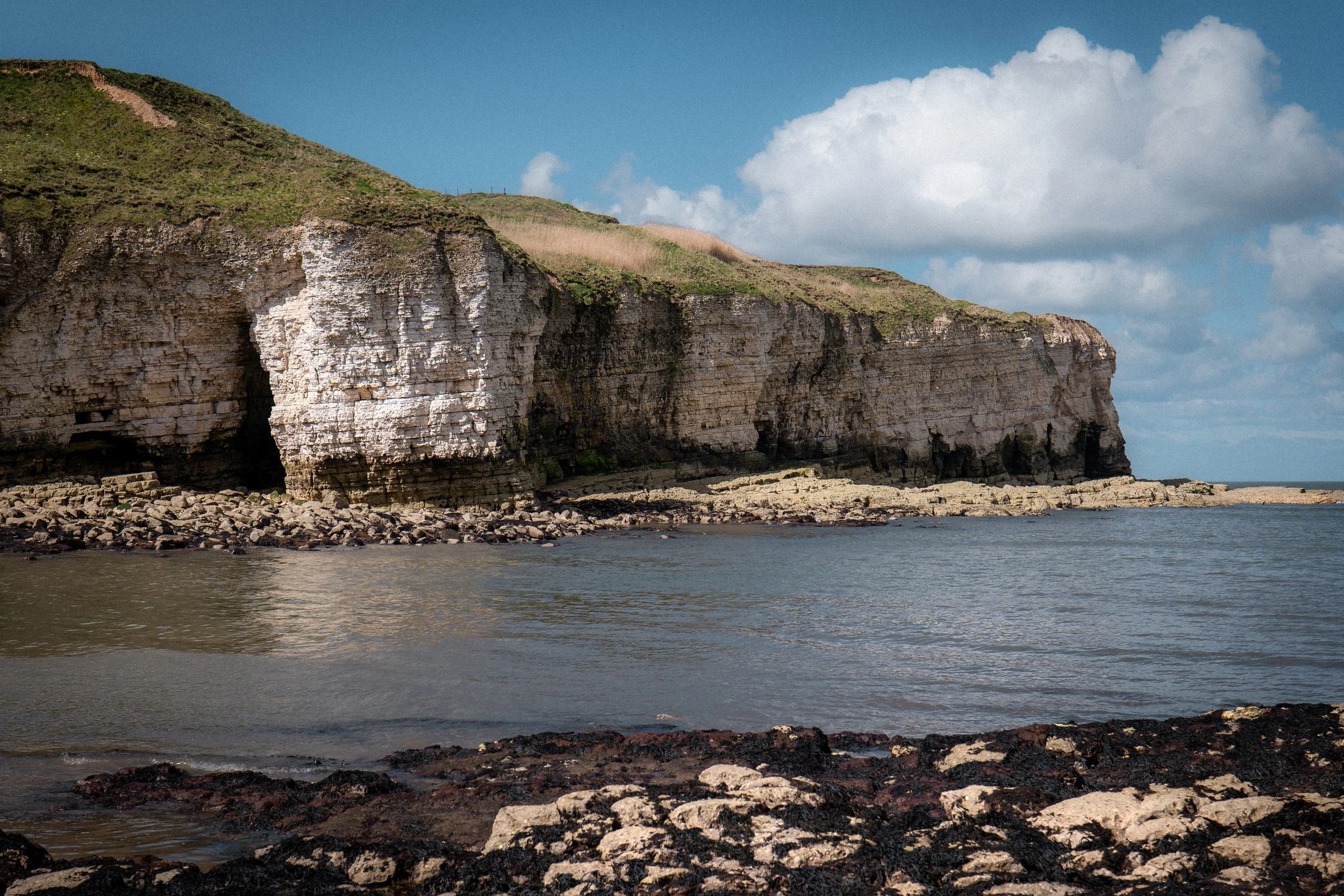
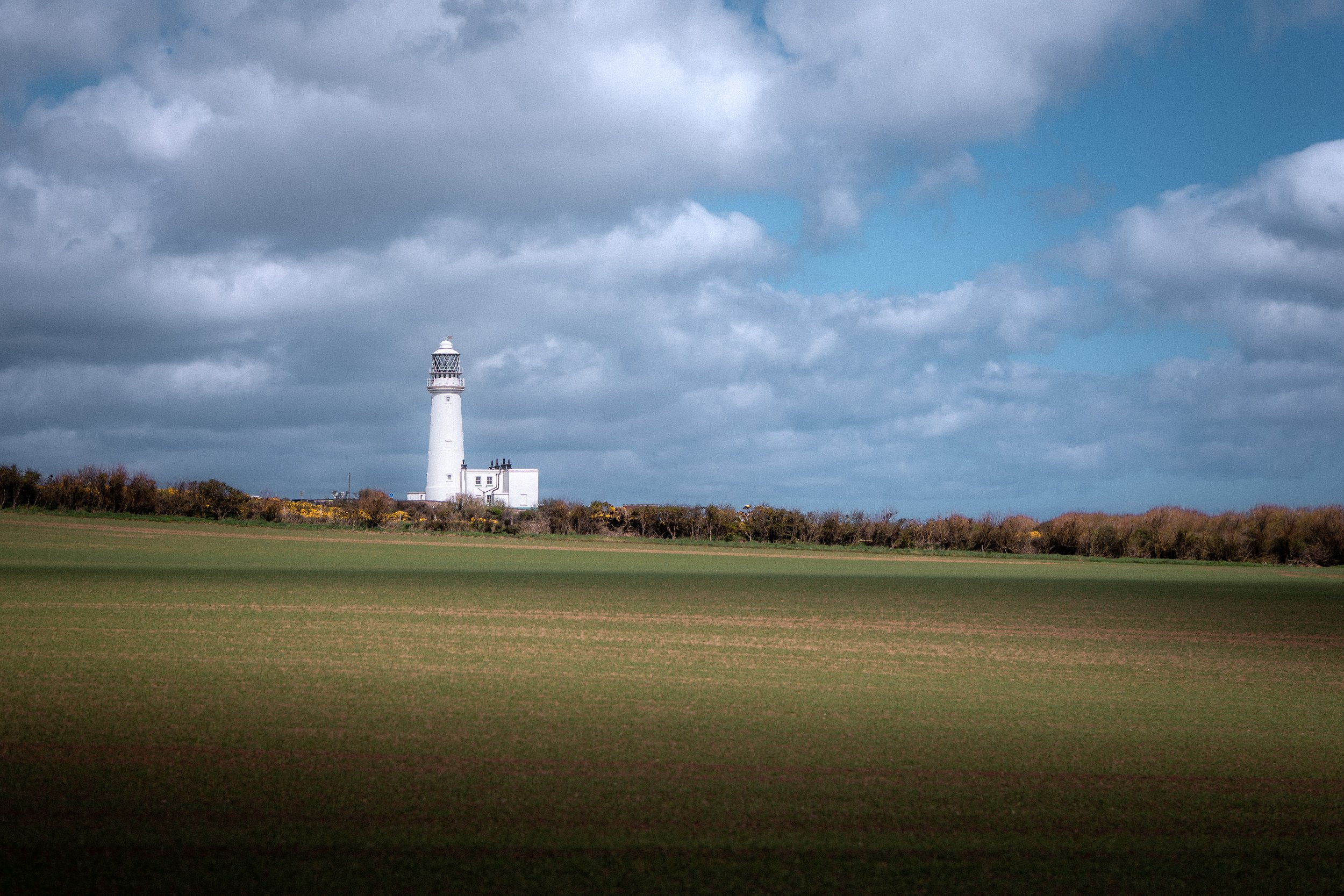
Flamborough Head
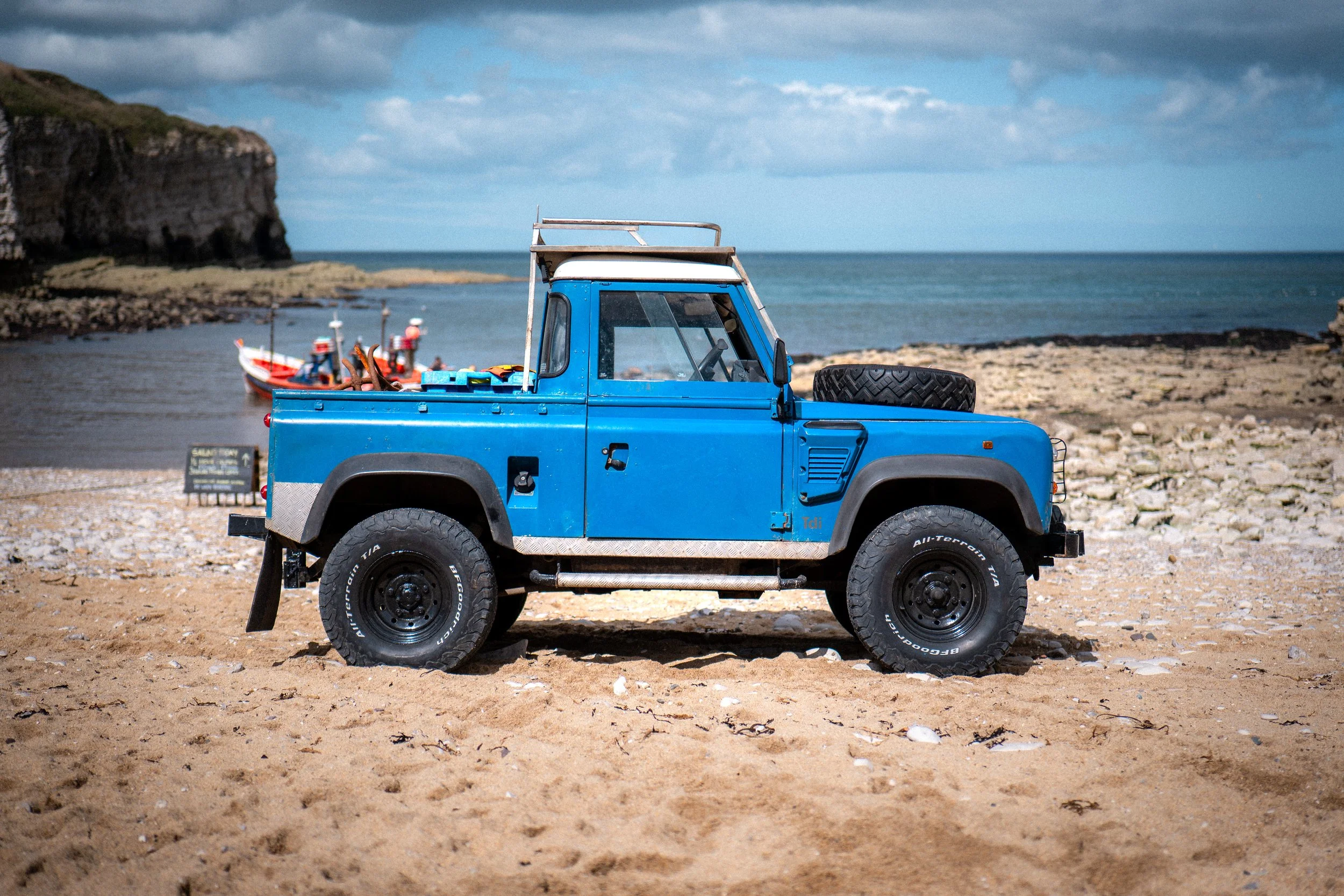
First up was Flamborough Head, a picturesque lump of chalk headland a few miles to the north of Bridlington. Famous for no fewer than two lighthouses and the Drinking Dinosaur rock formation, its North and South Landings are teeming with the sorts of subjects that float my photographic boat, although during our midday-ish visit the light was in the wrong direction, and of entirely the wrong quality, to do most of them justice.
Bridlington
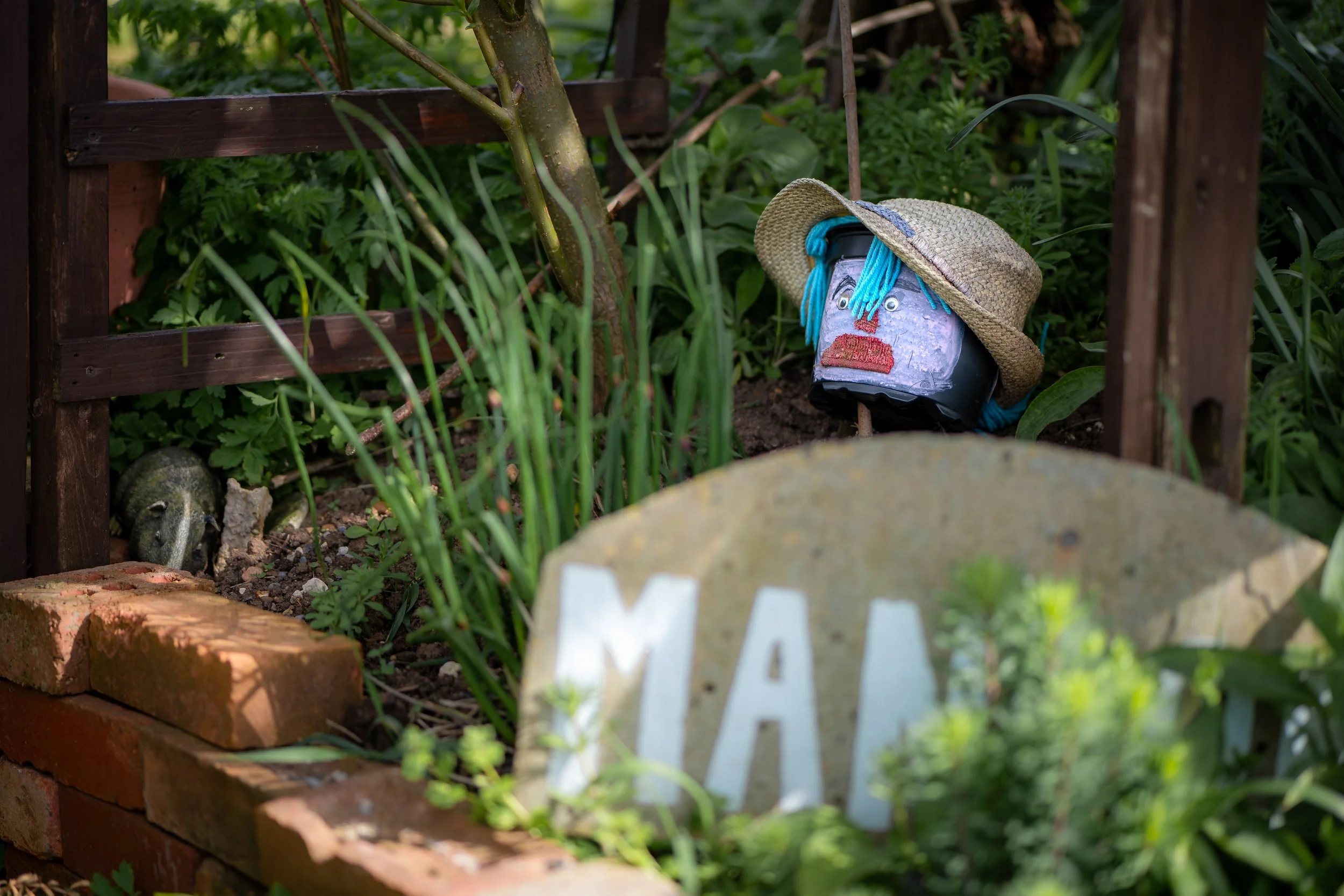
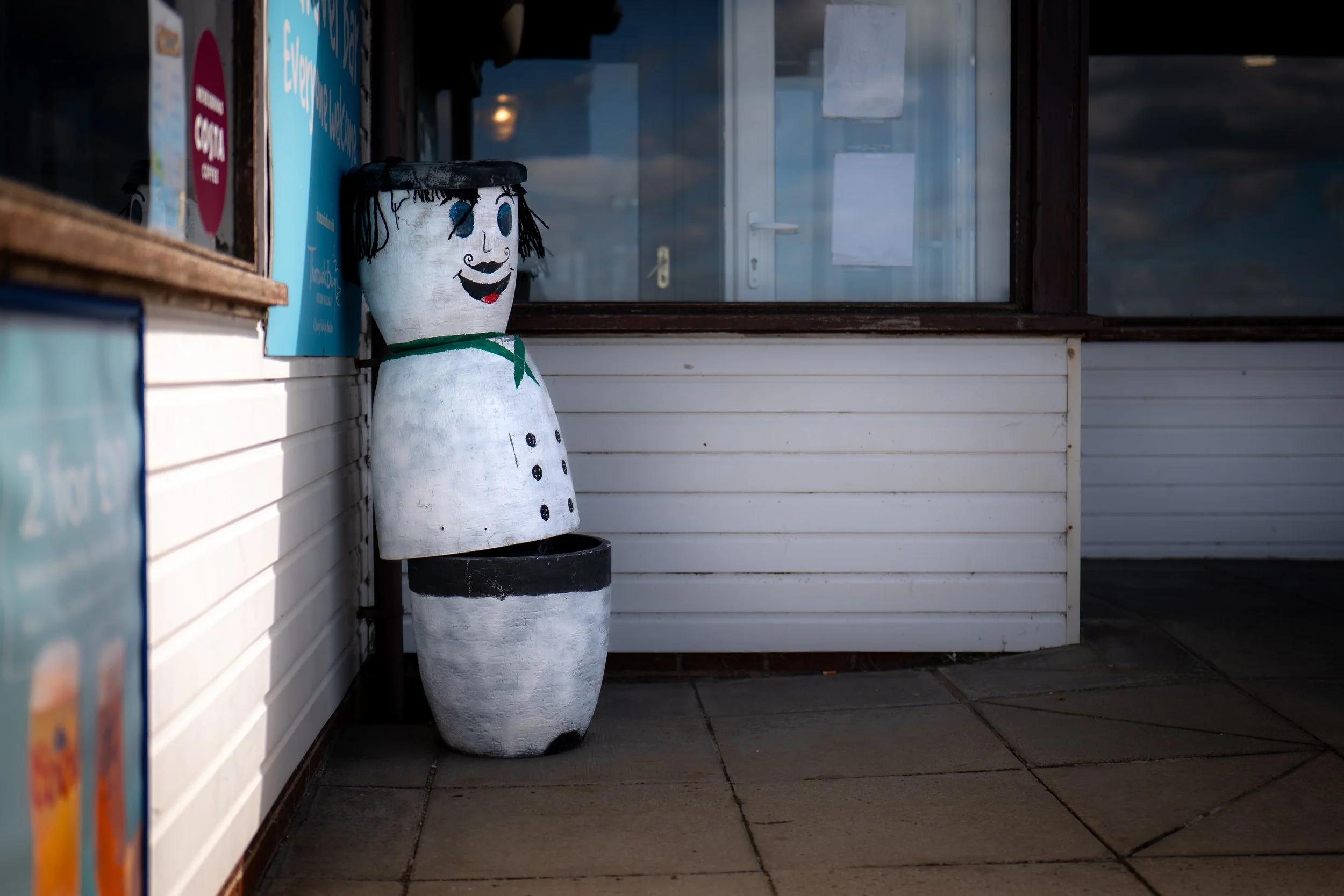
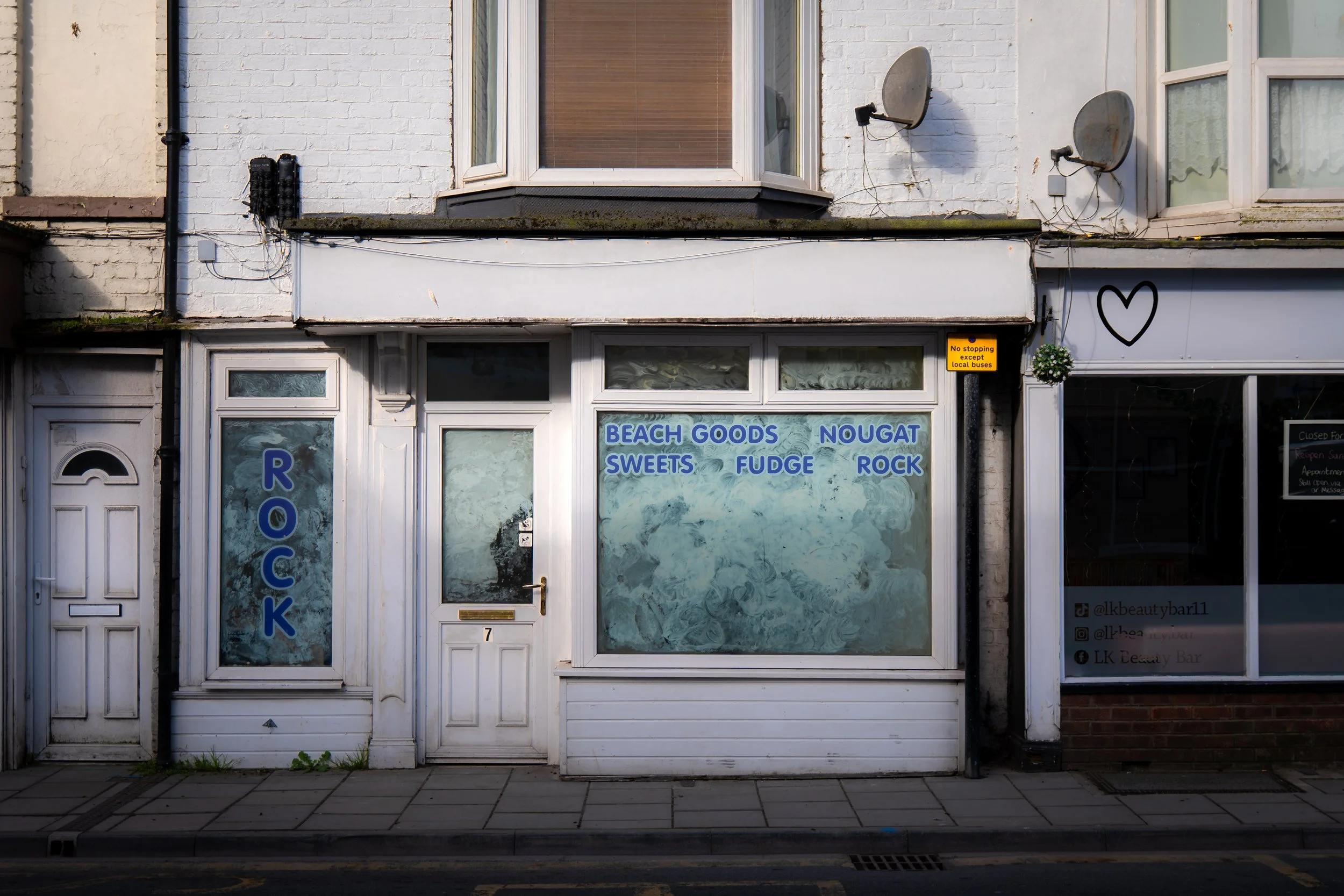
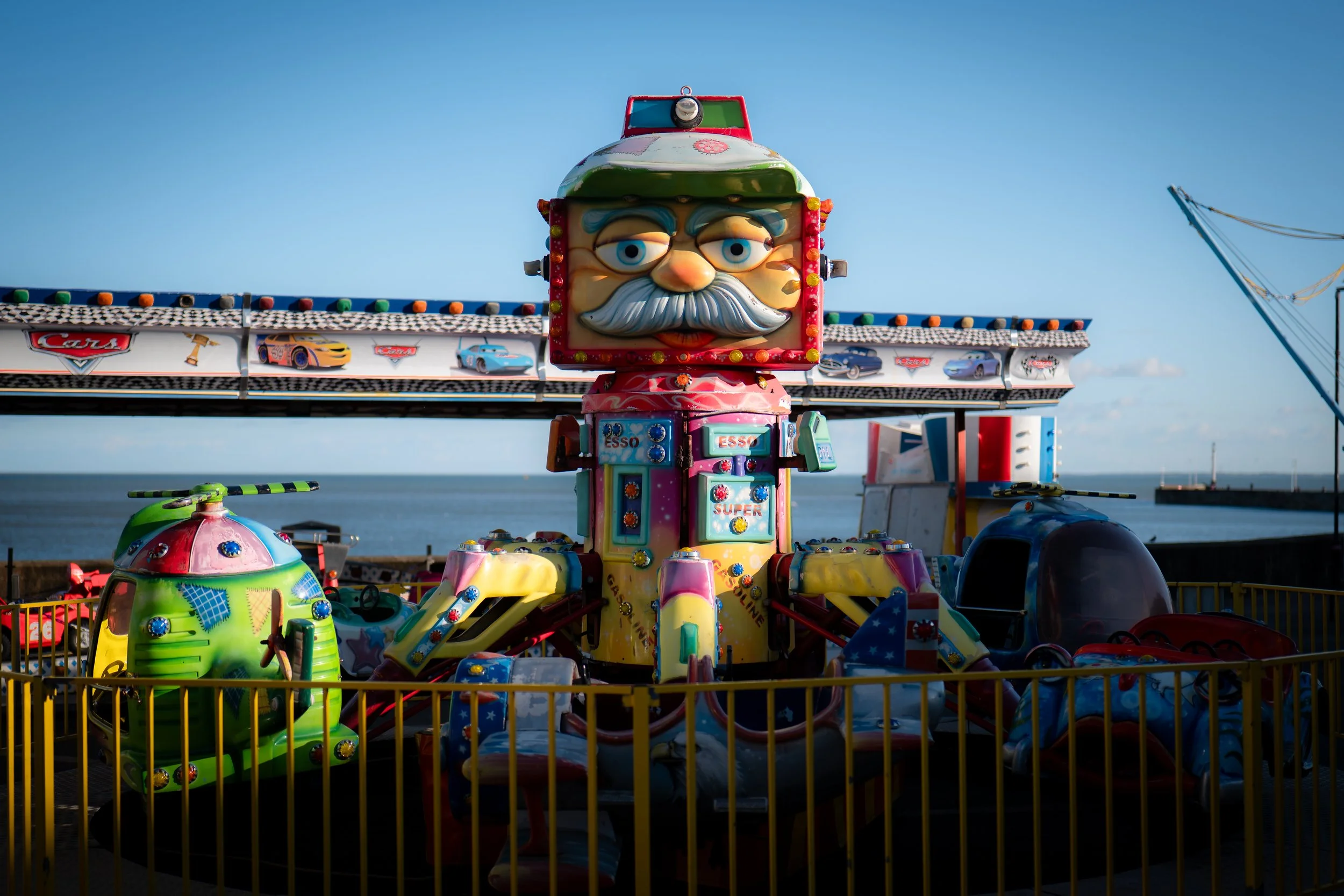
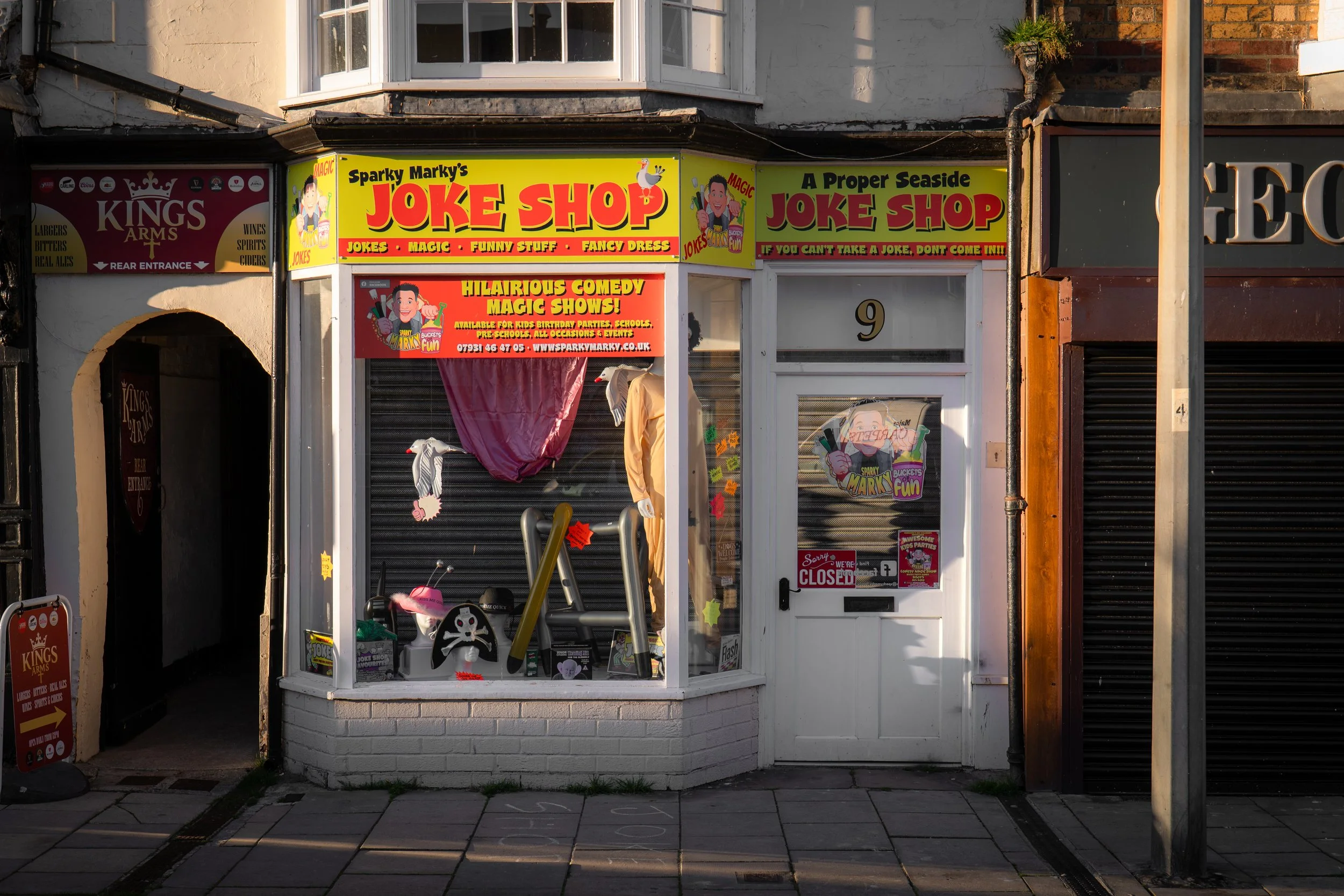
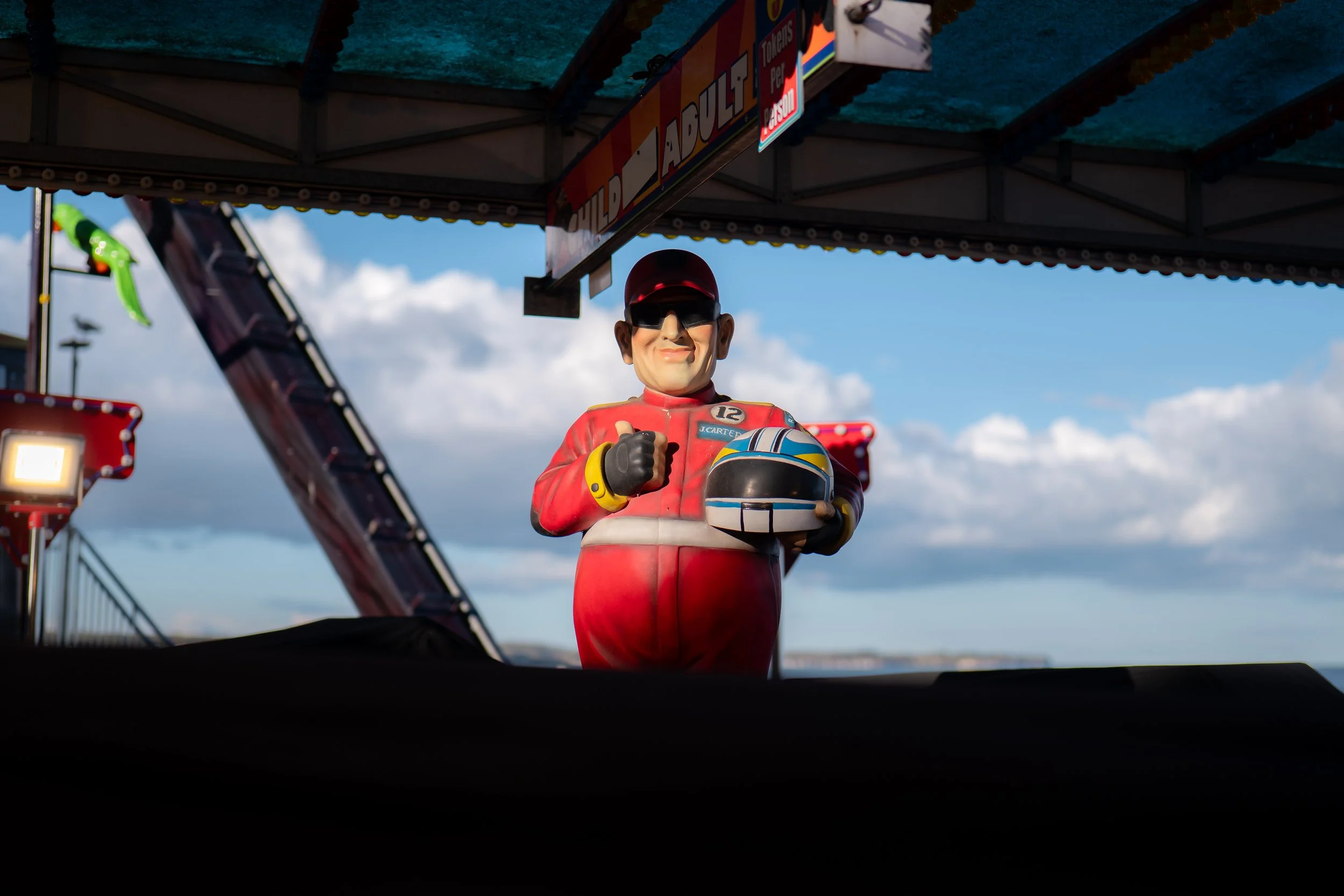
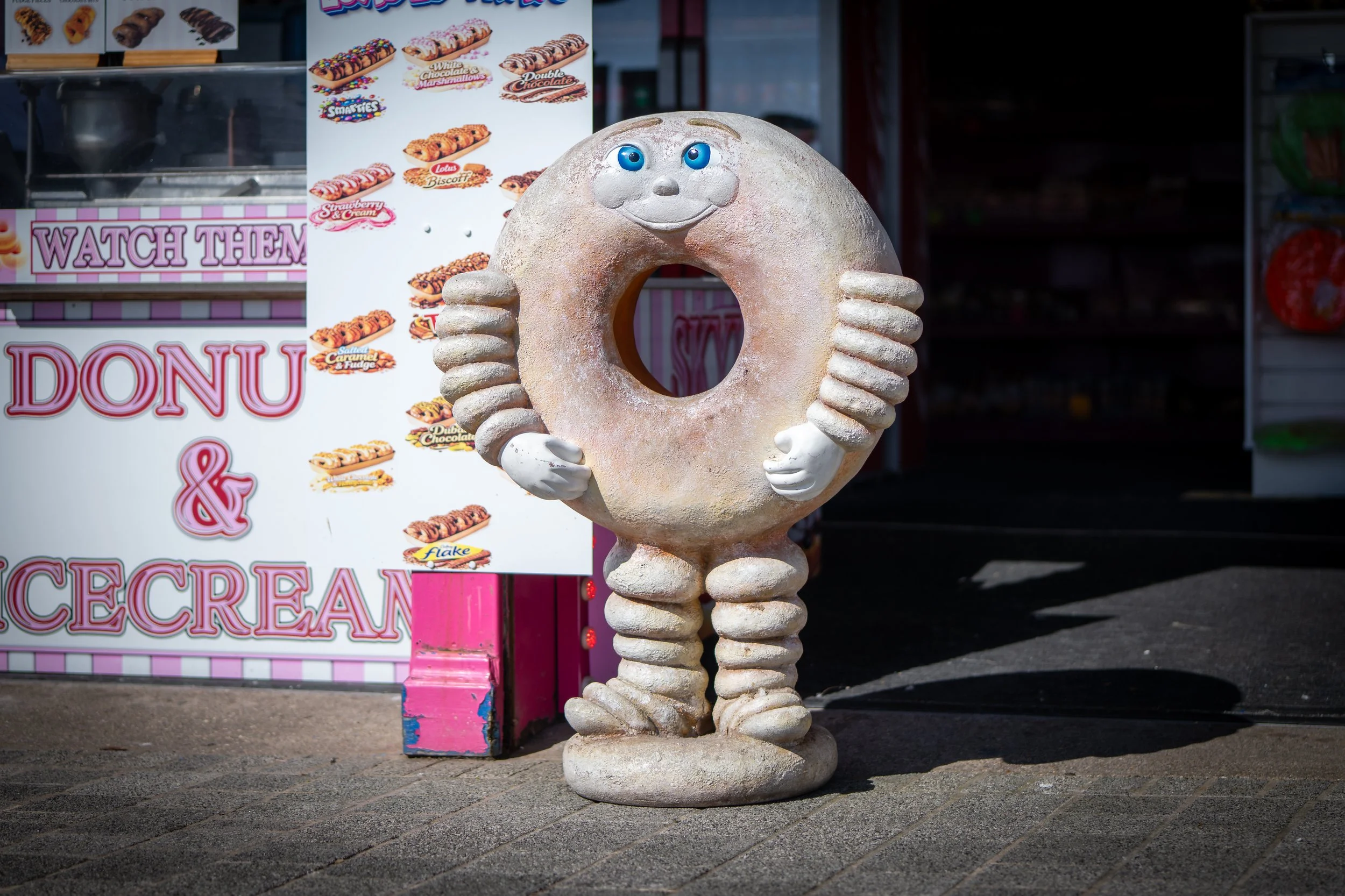
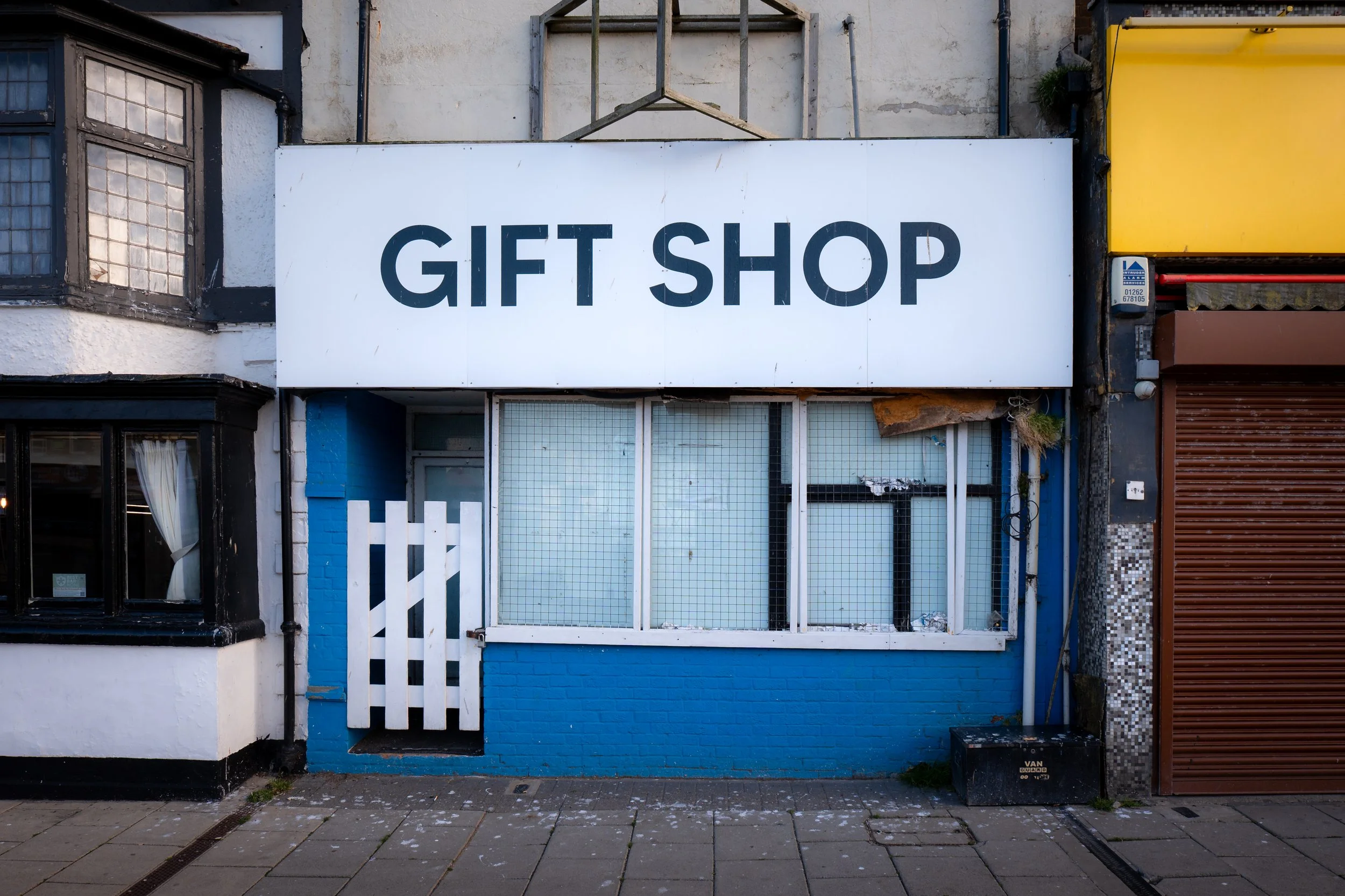
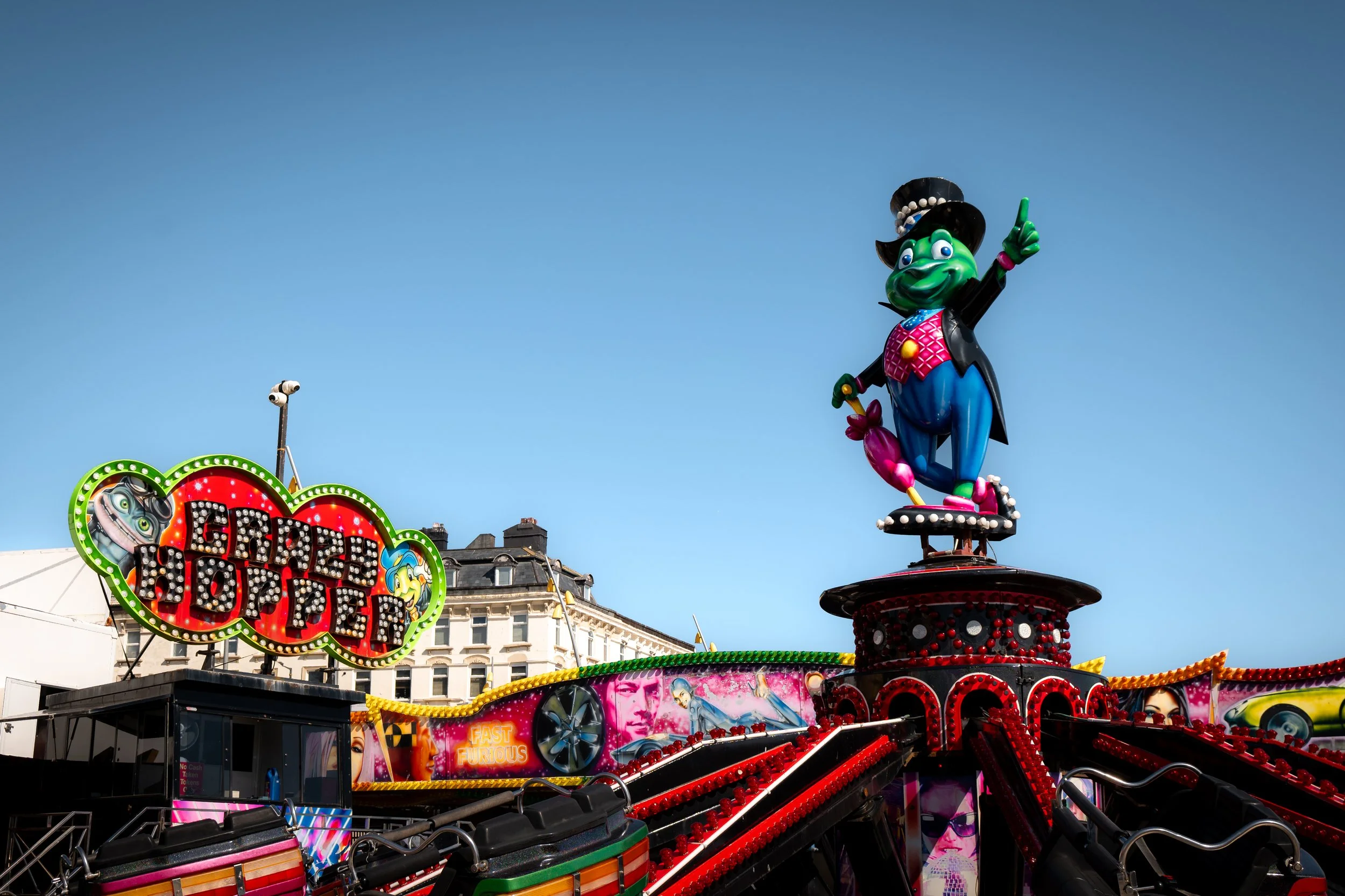
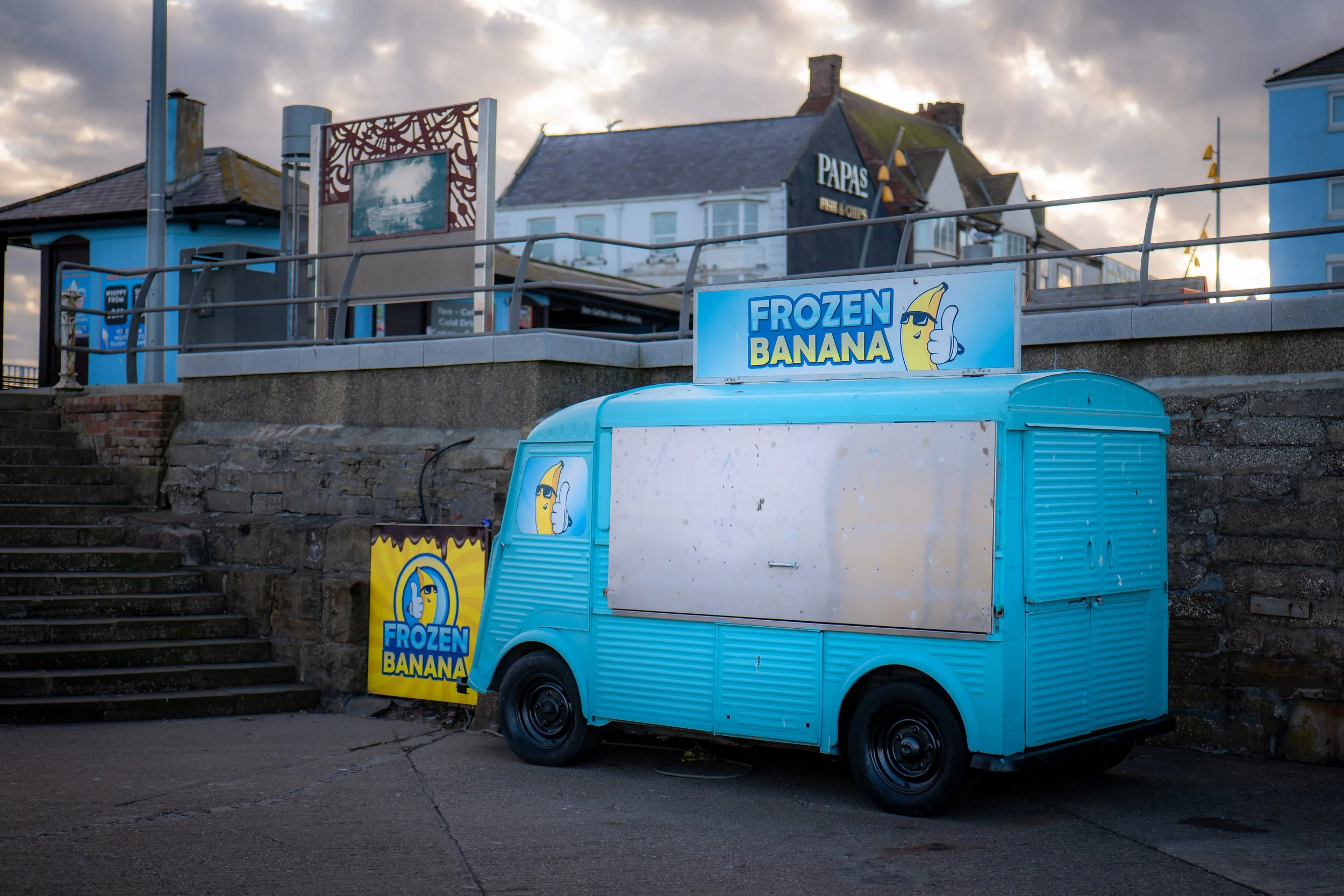
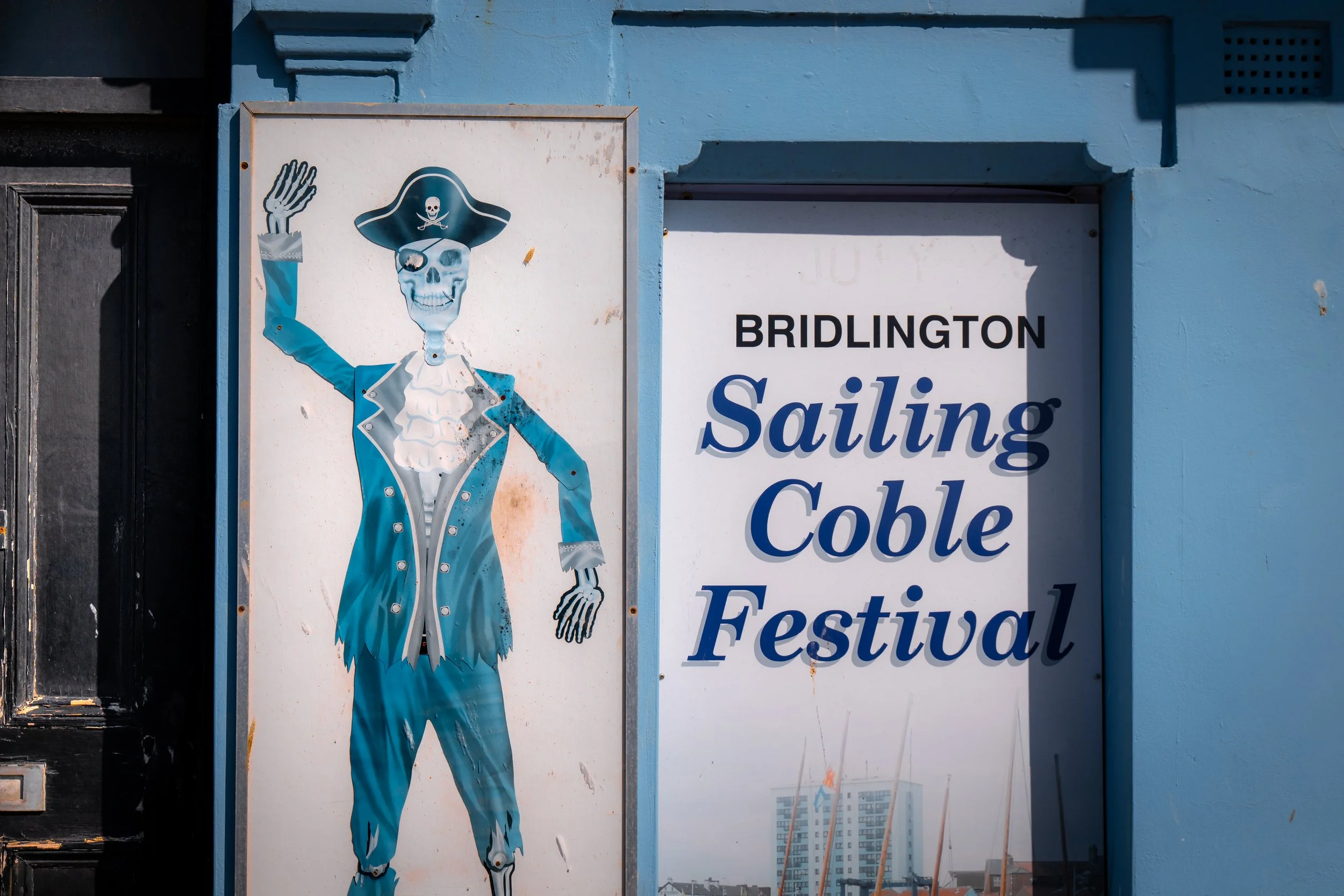
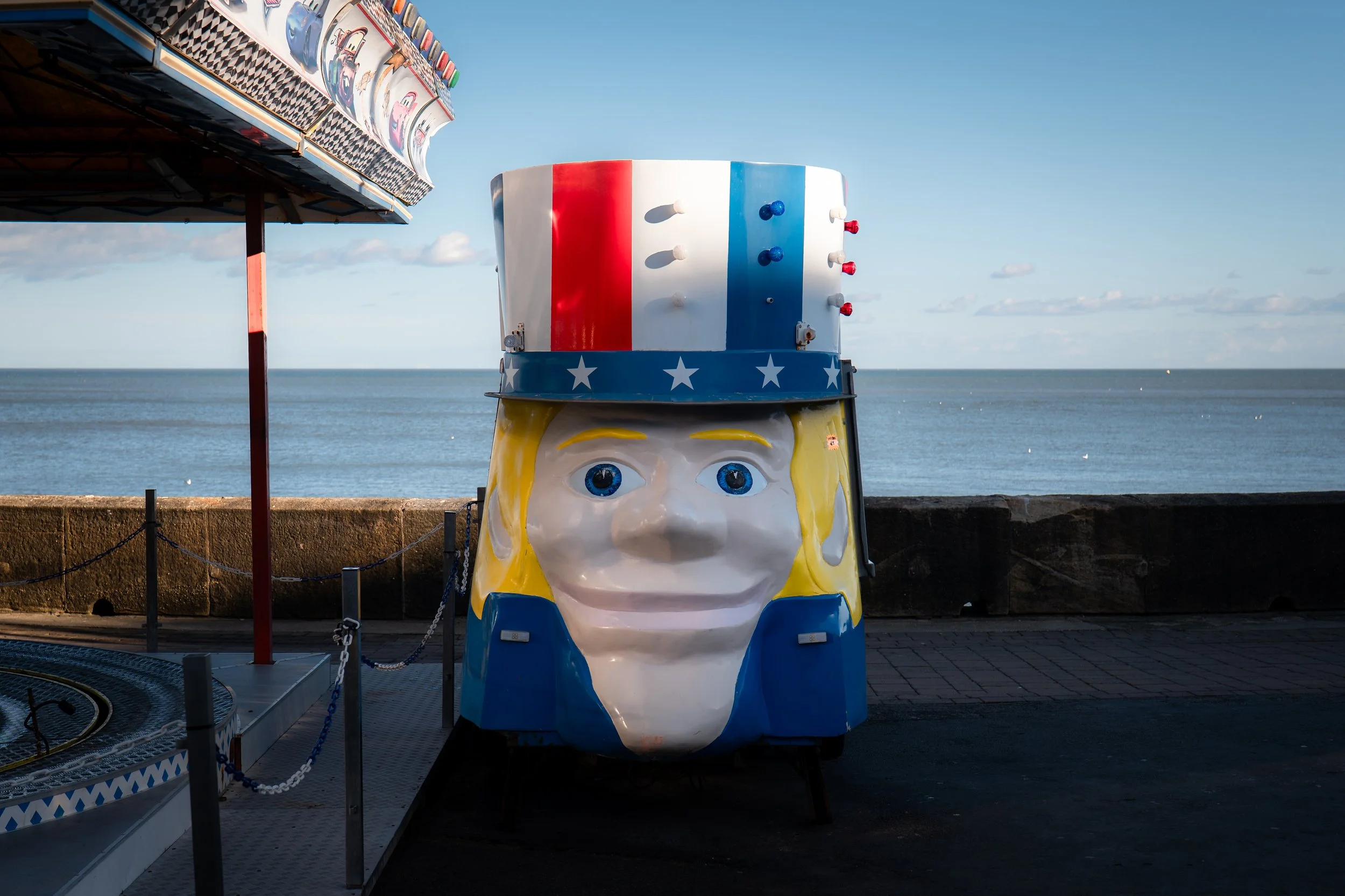
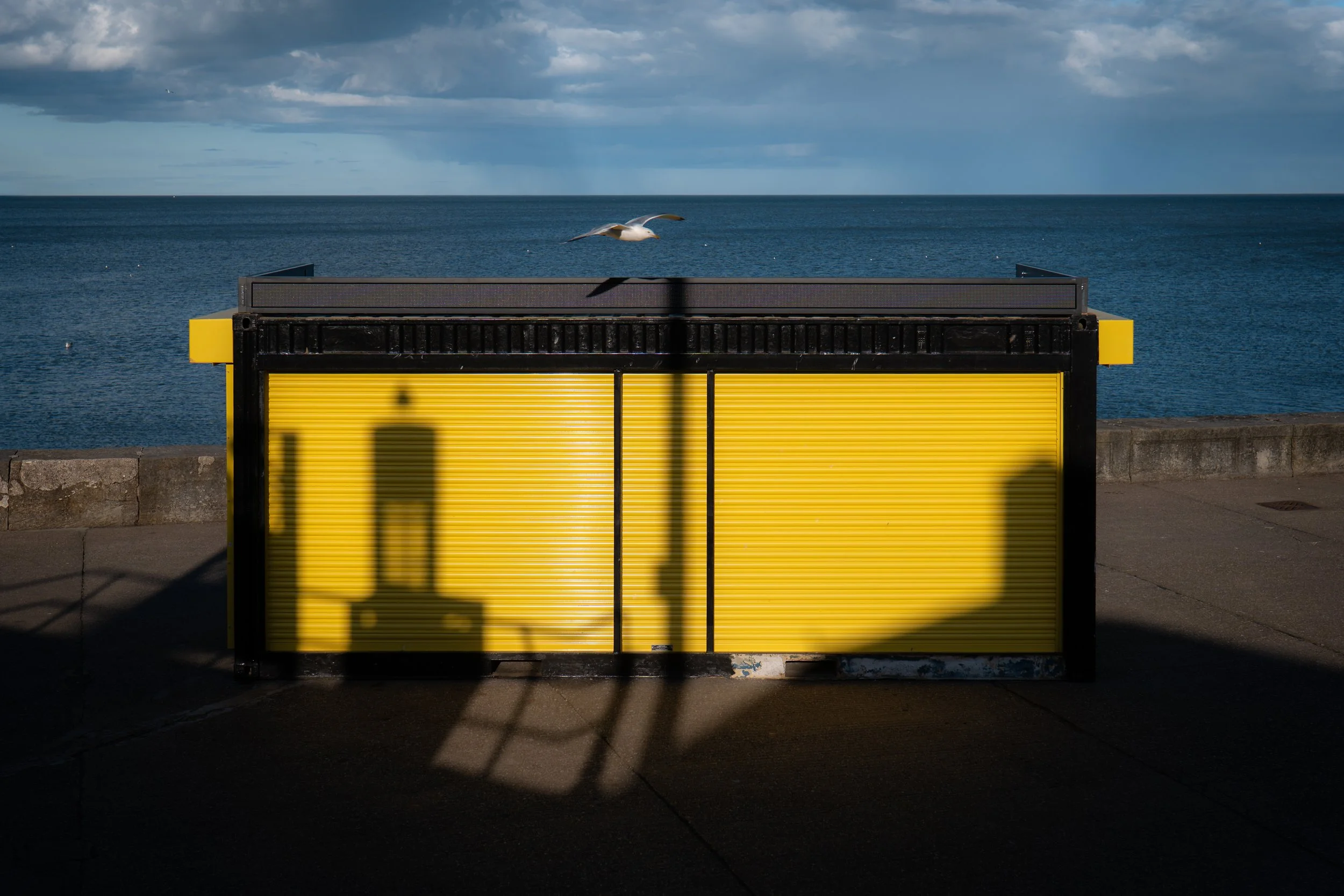
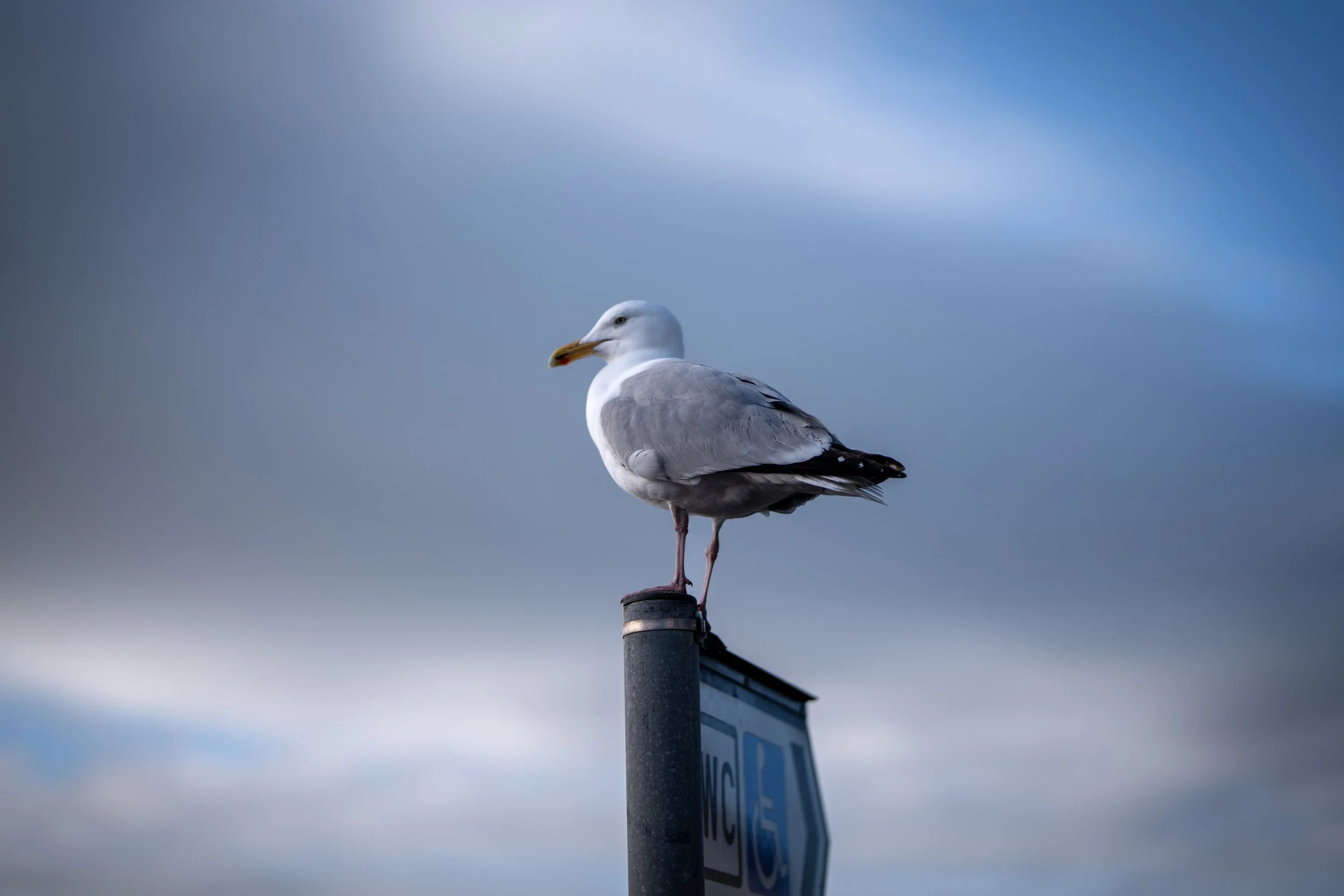
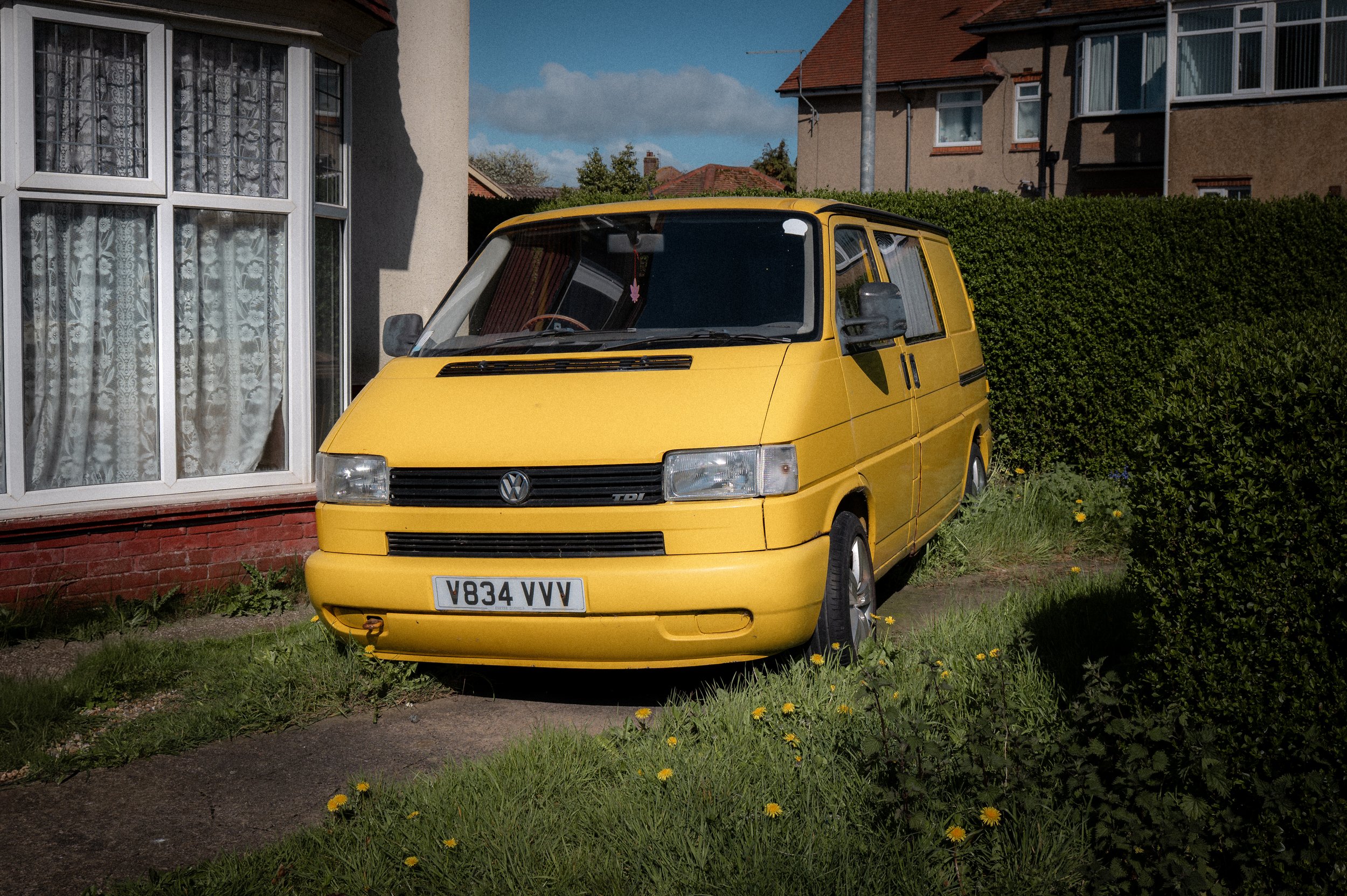
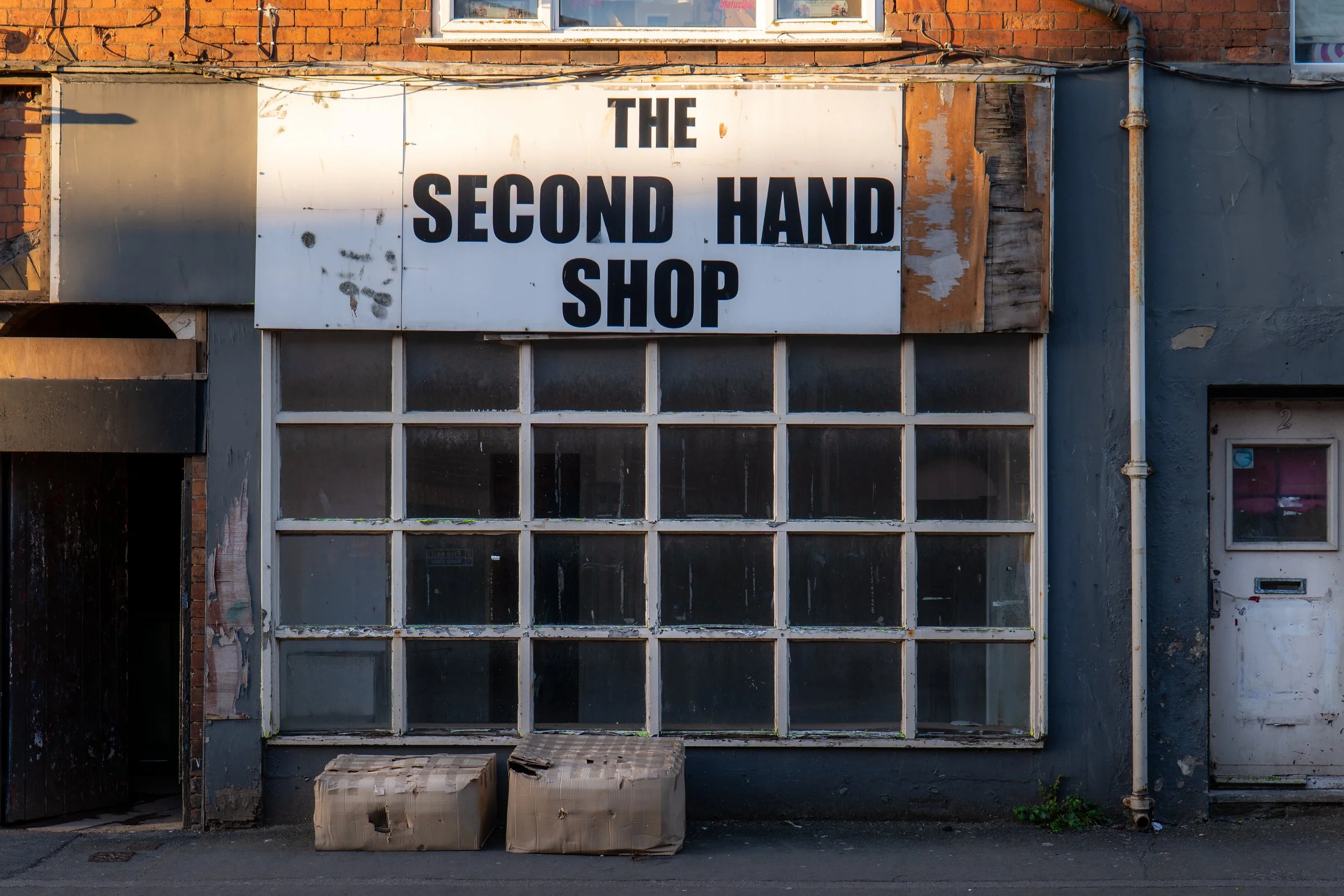
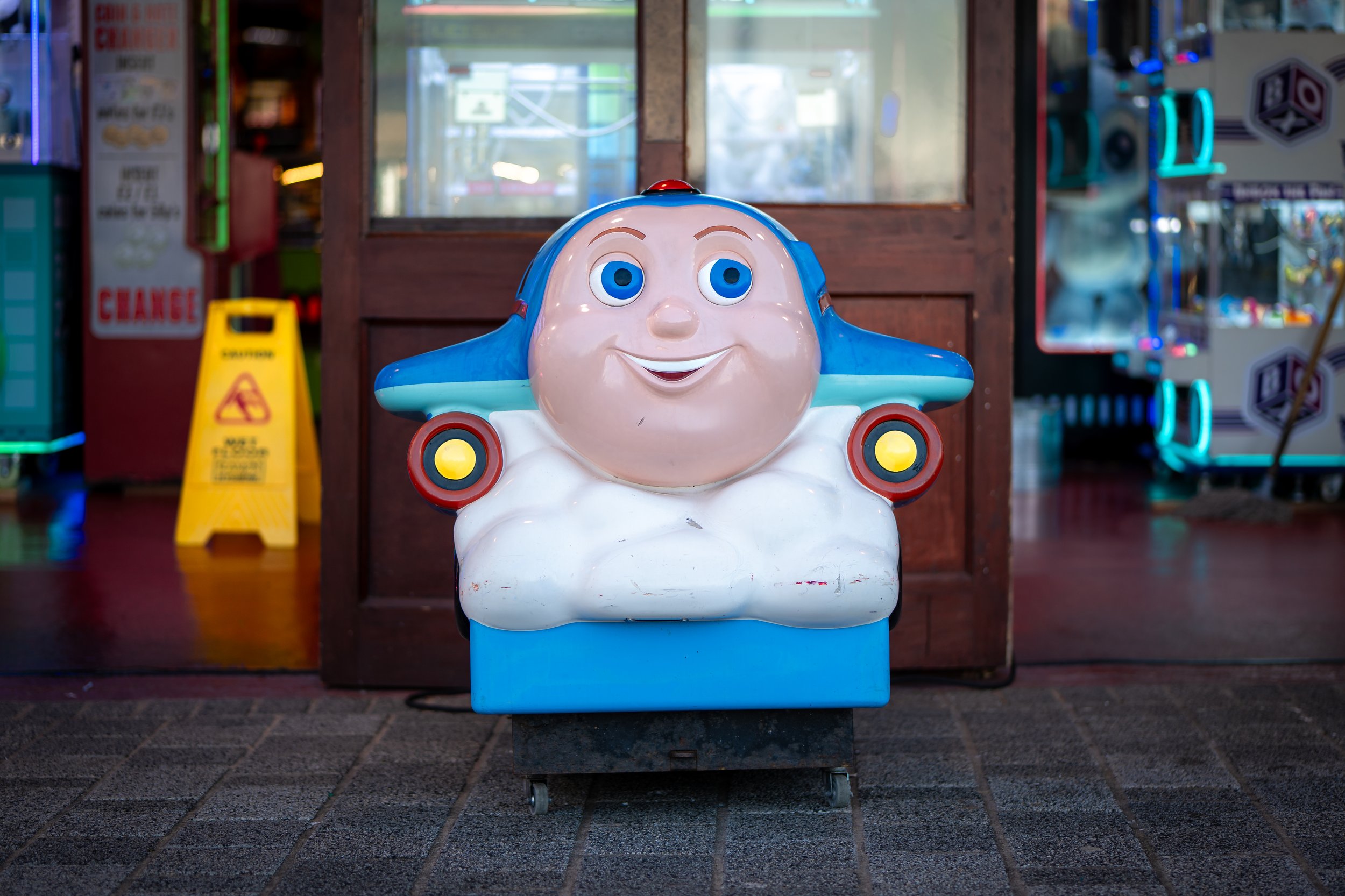
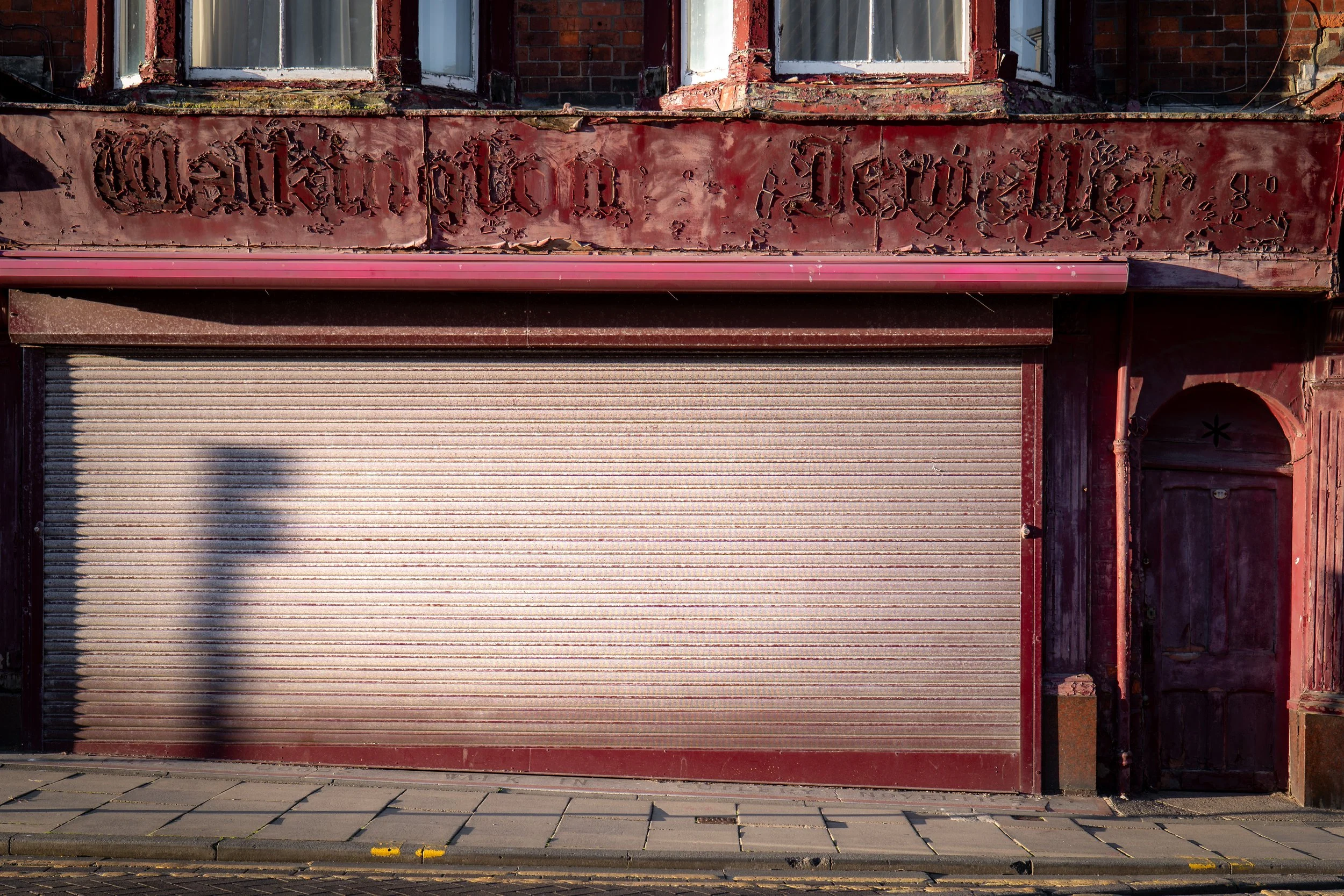
Our first full day was spent in ‘Brid’ proper, which possesses exactly the sort of down-at-heel, faintly seedy atmosphere I was angling for, and which English seaside towns can be relied upon to deliver. It’s got some beautiful expanses of sandy beach and a thriving and scenic harbour (it apparently remains Europe’s ‘lobster capital’), although in typical fashion I was far more drawn to its decaying shopfronts and assorted arcade and funfair weirdnesses. Bonus points for its seagulls, which are the size of Jack Russells.
Bondville Model Village
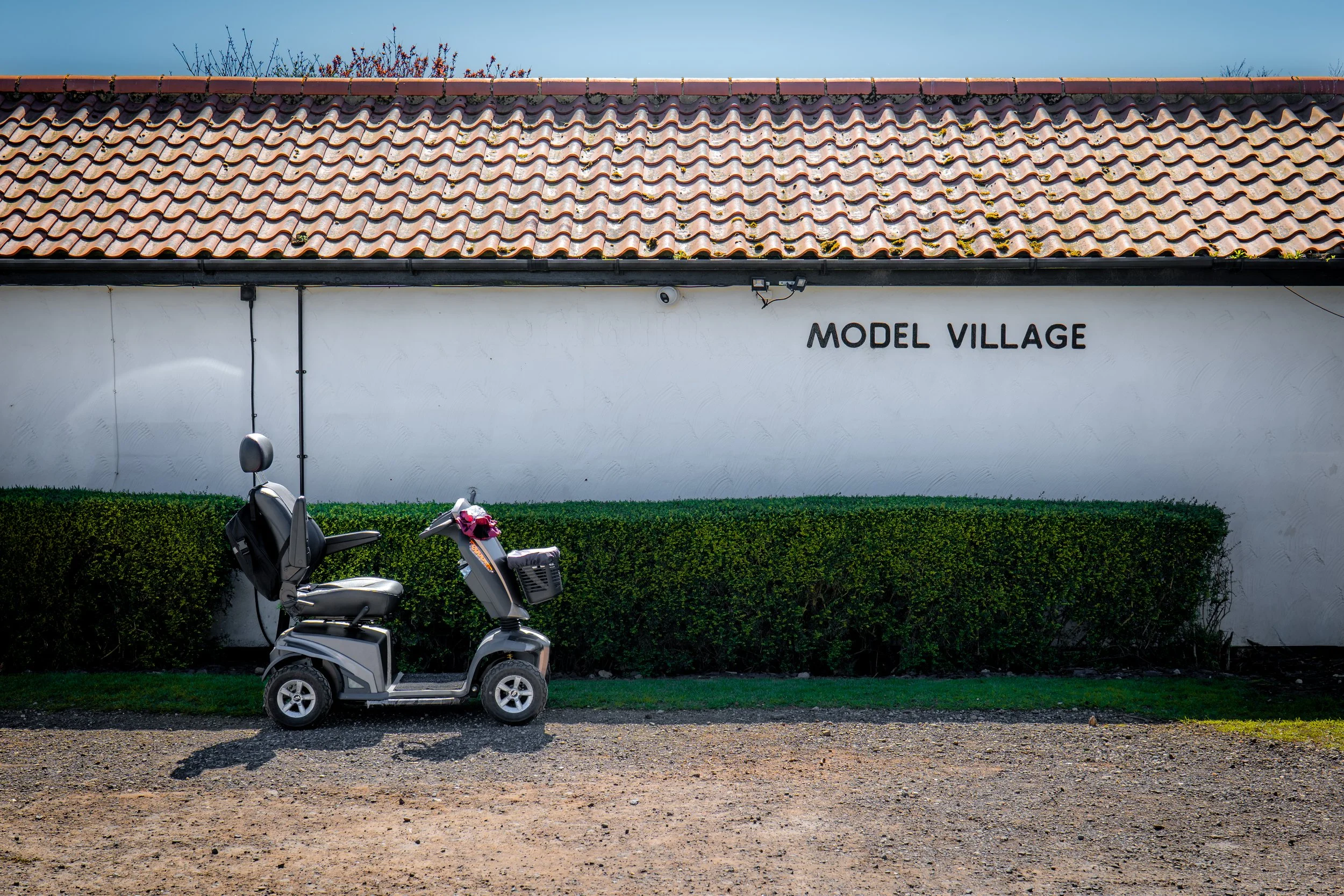
Bondville Model Village, Sewerby, East Riding of Yorkshire.
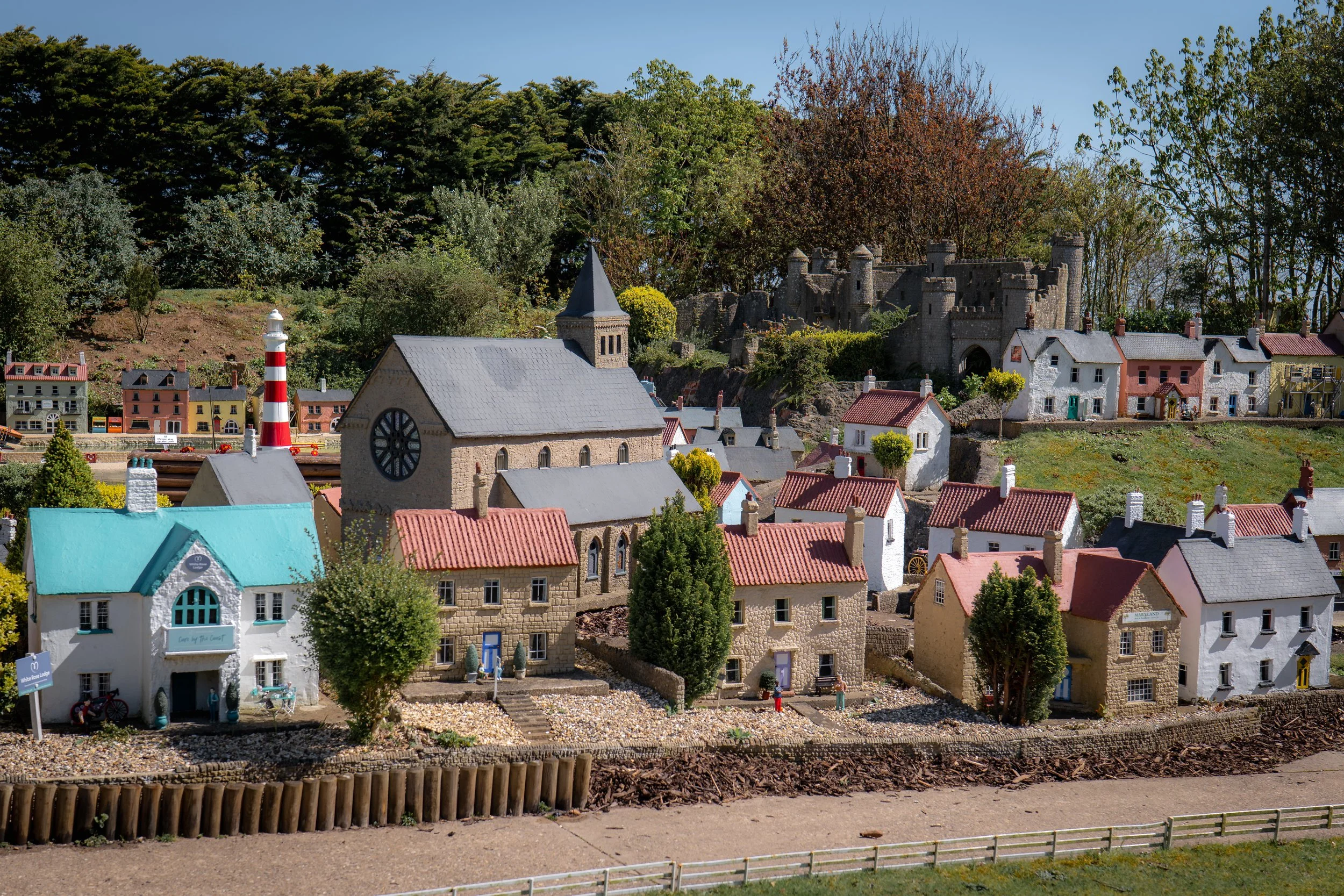
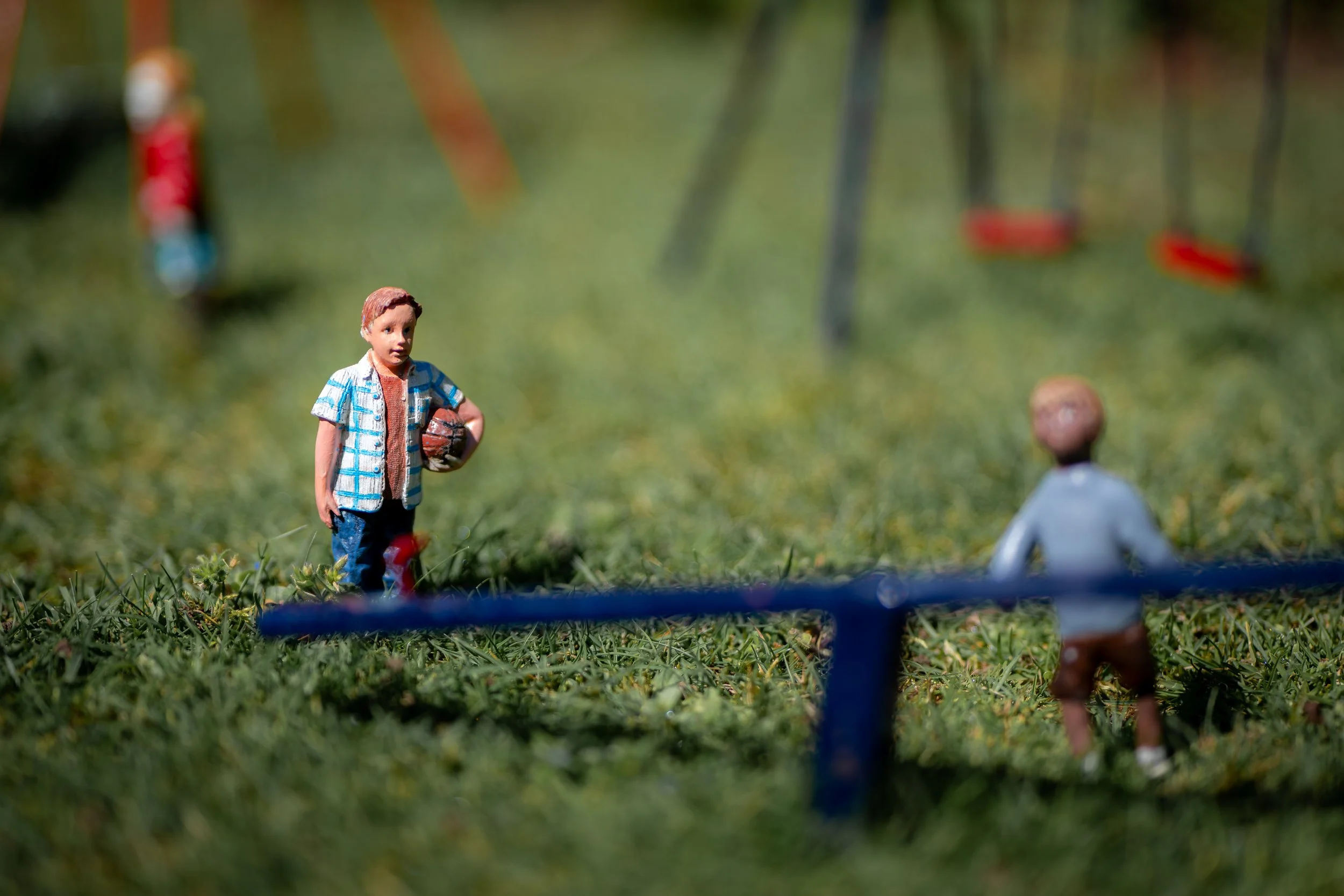
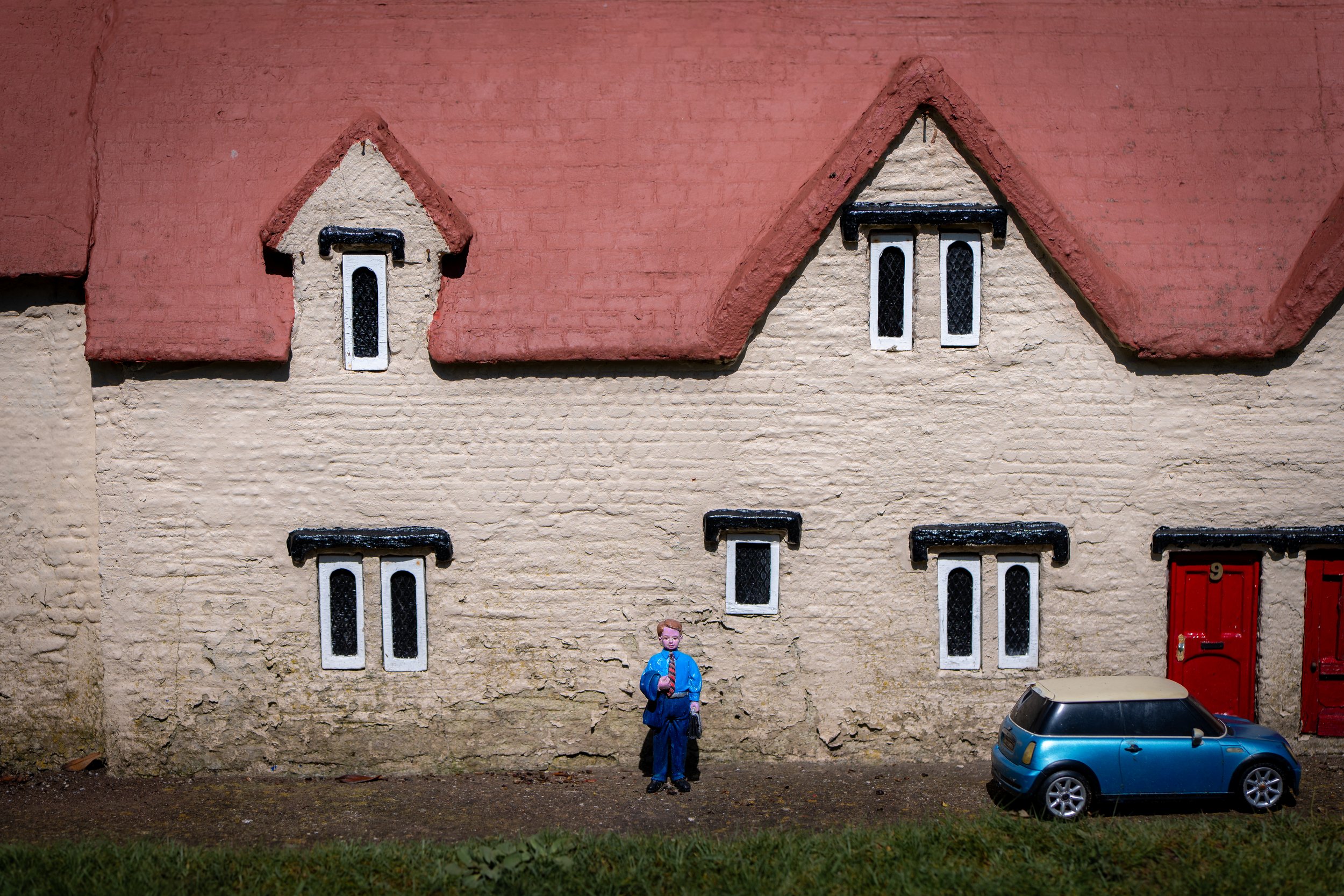
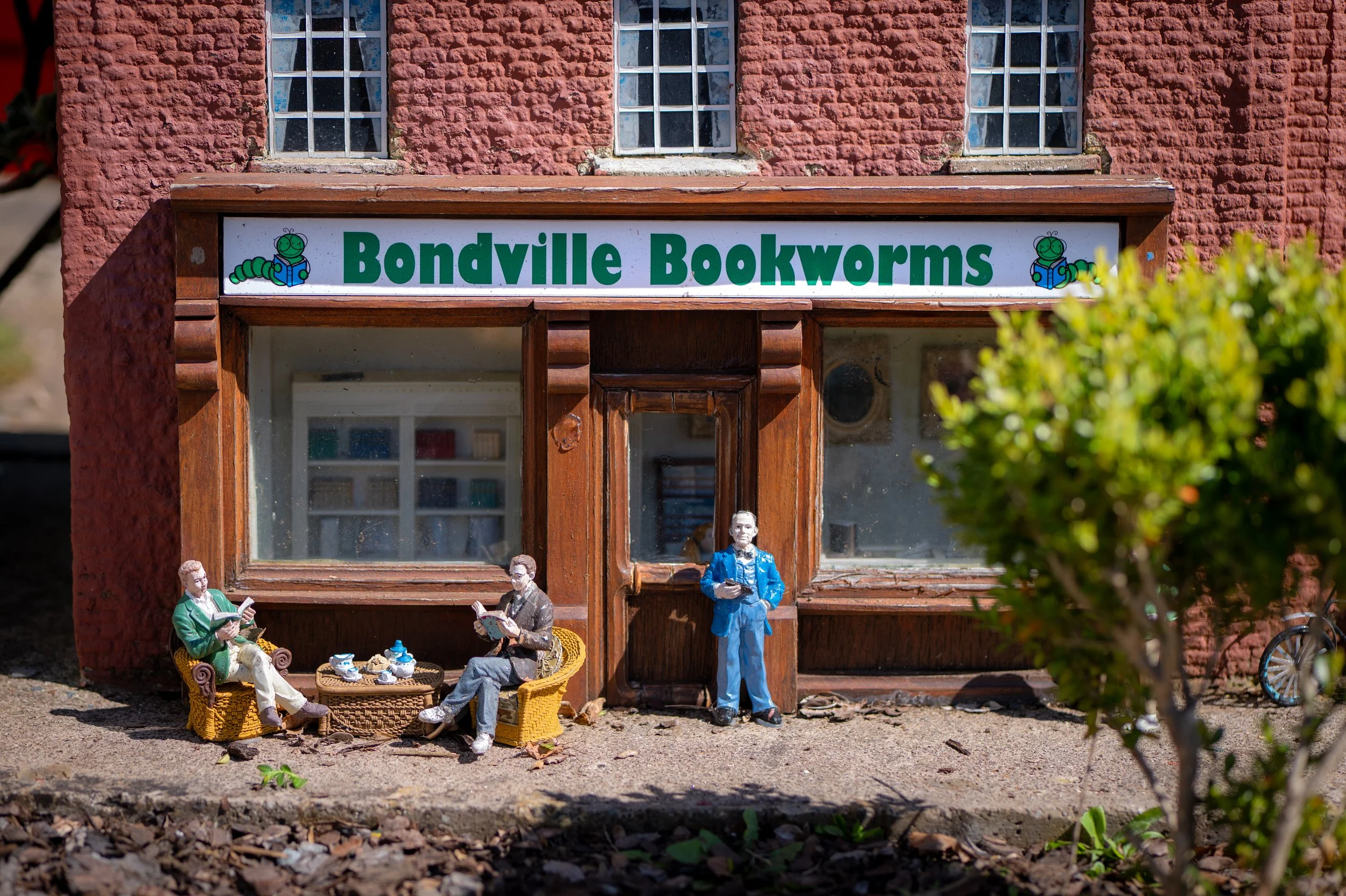
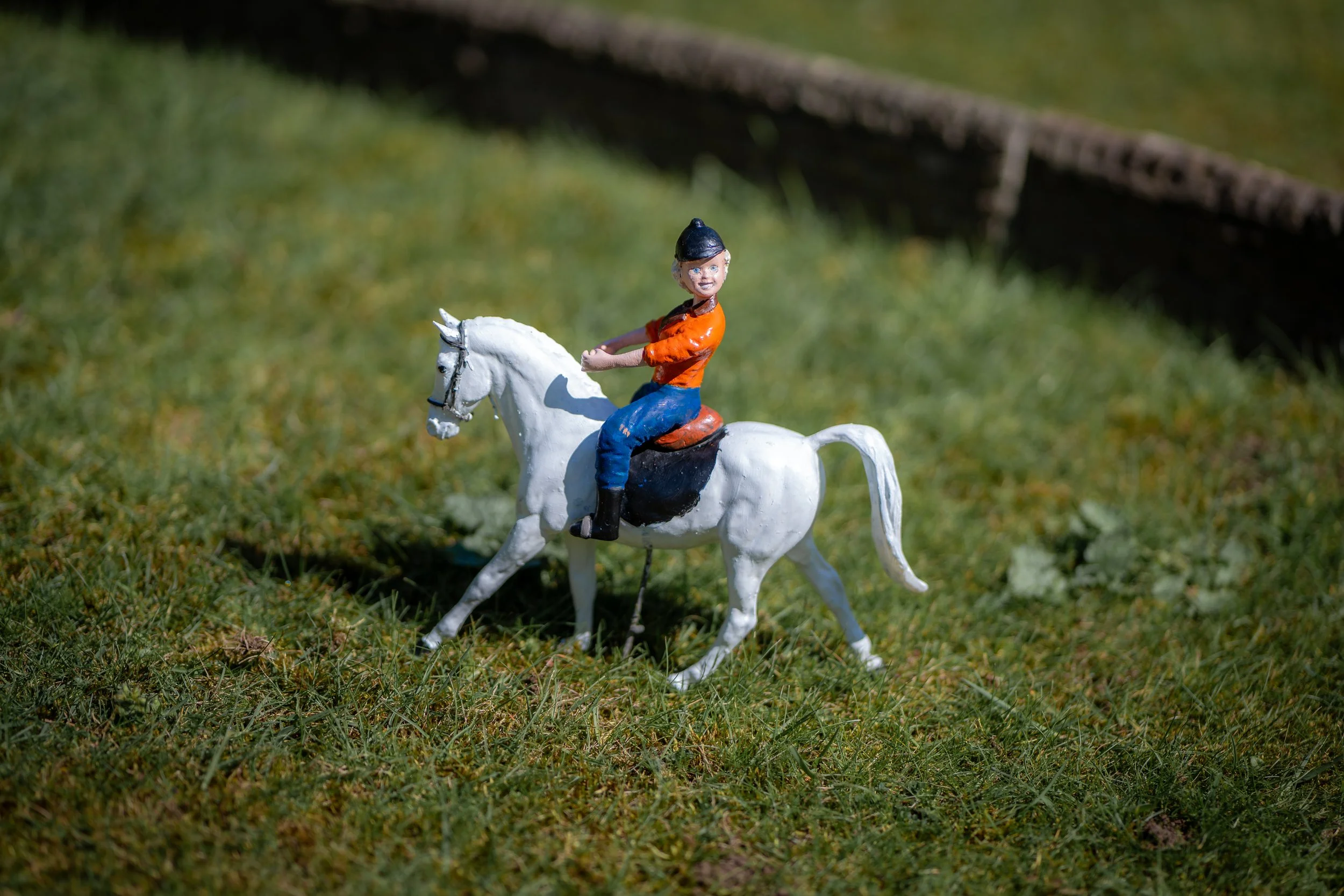
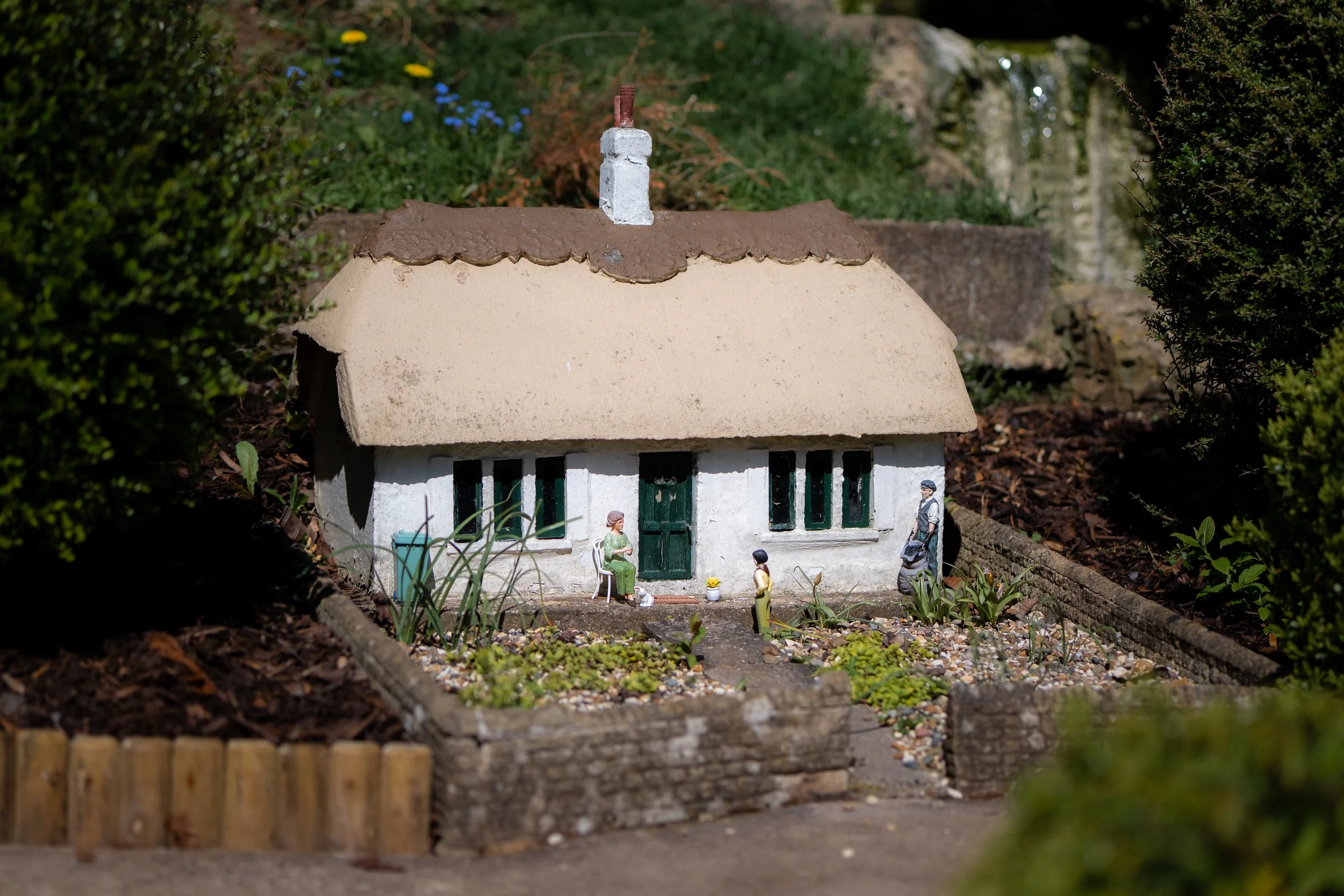
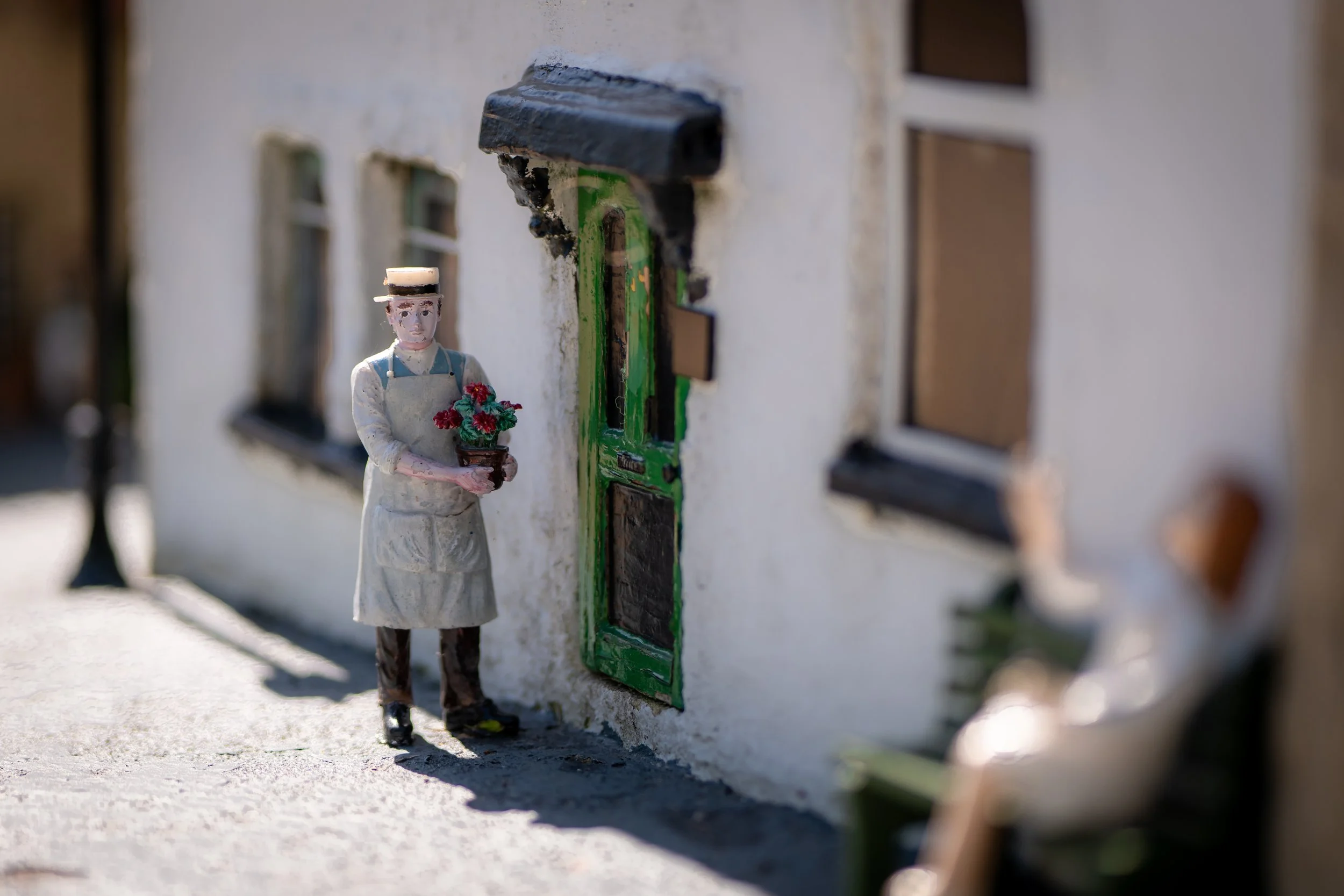
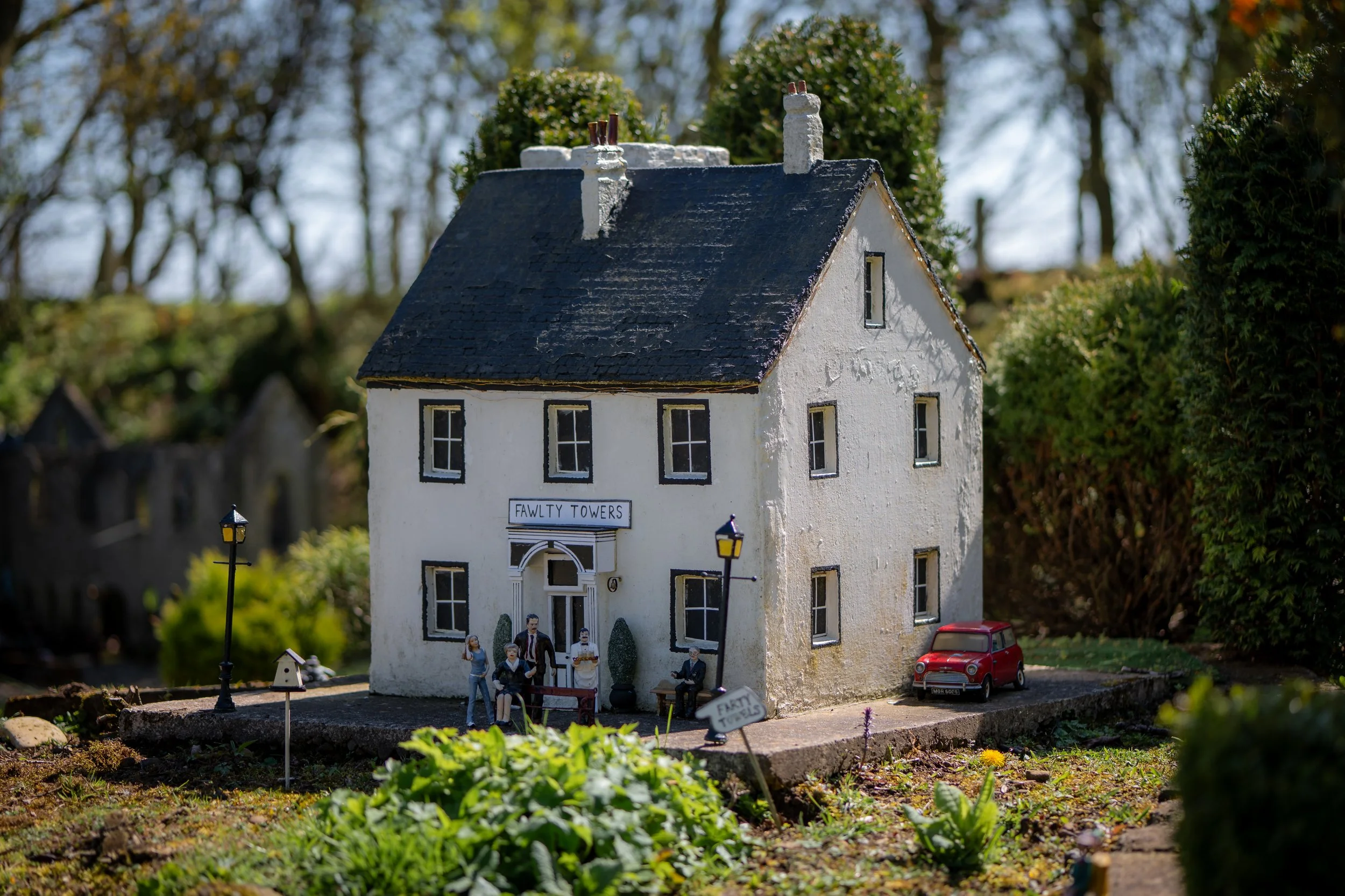
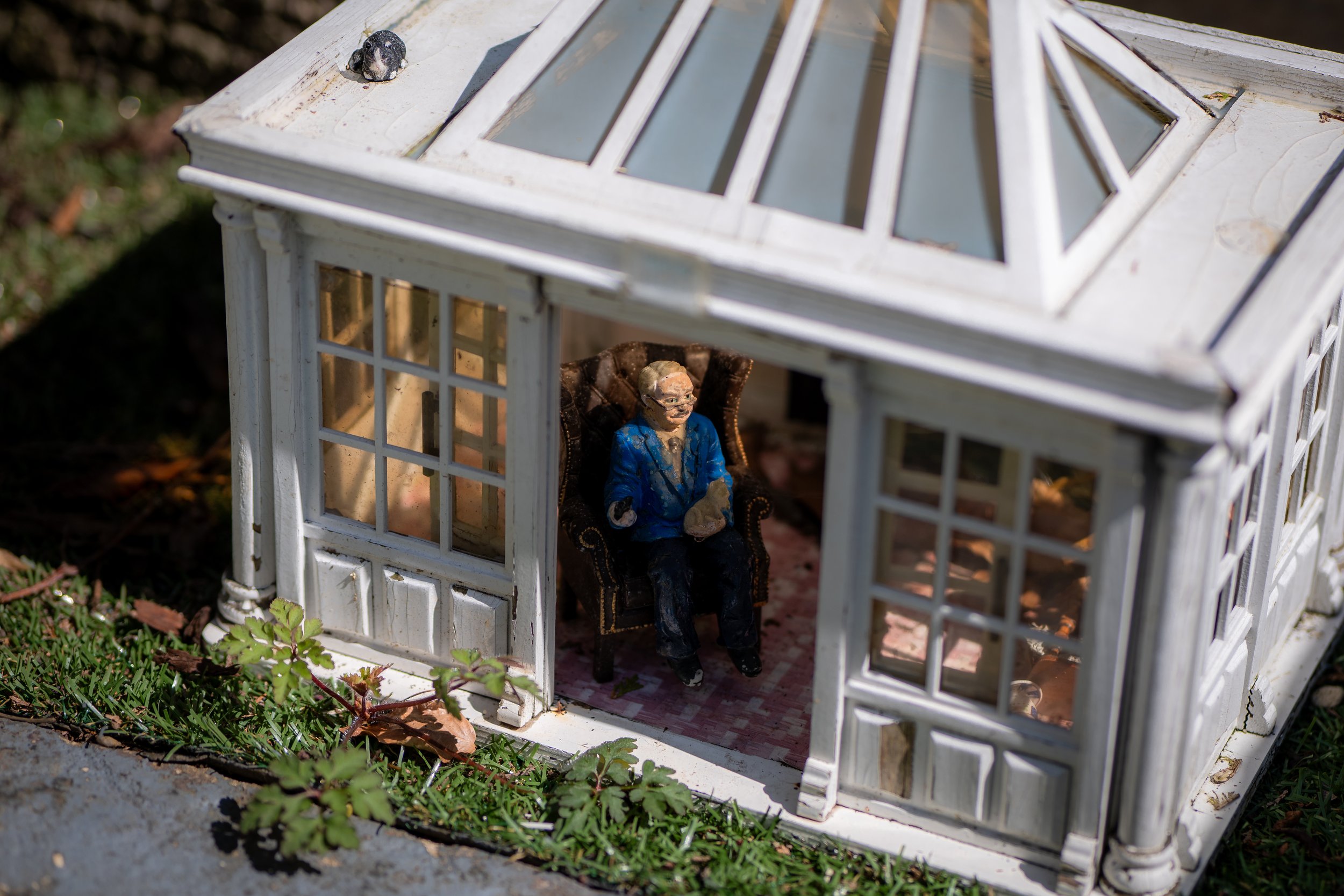
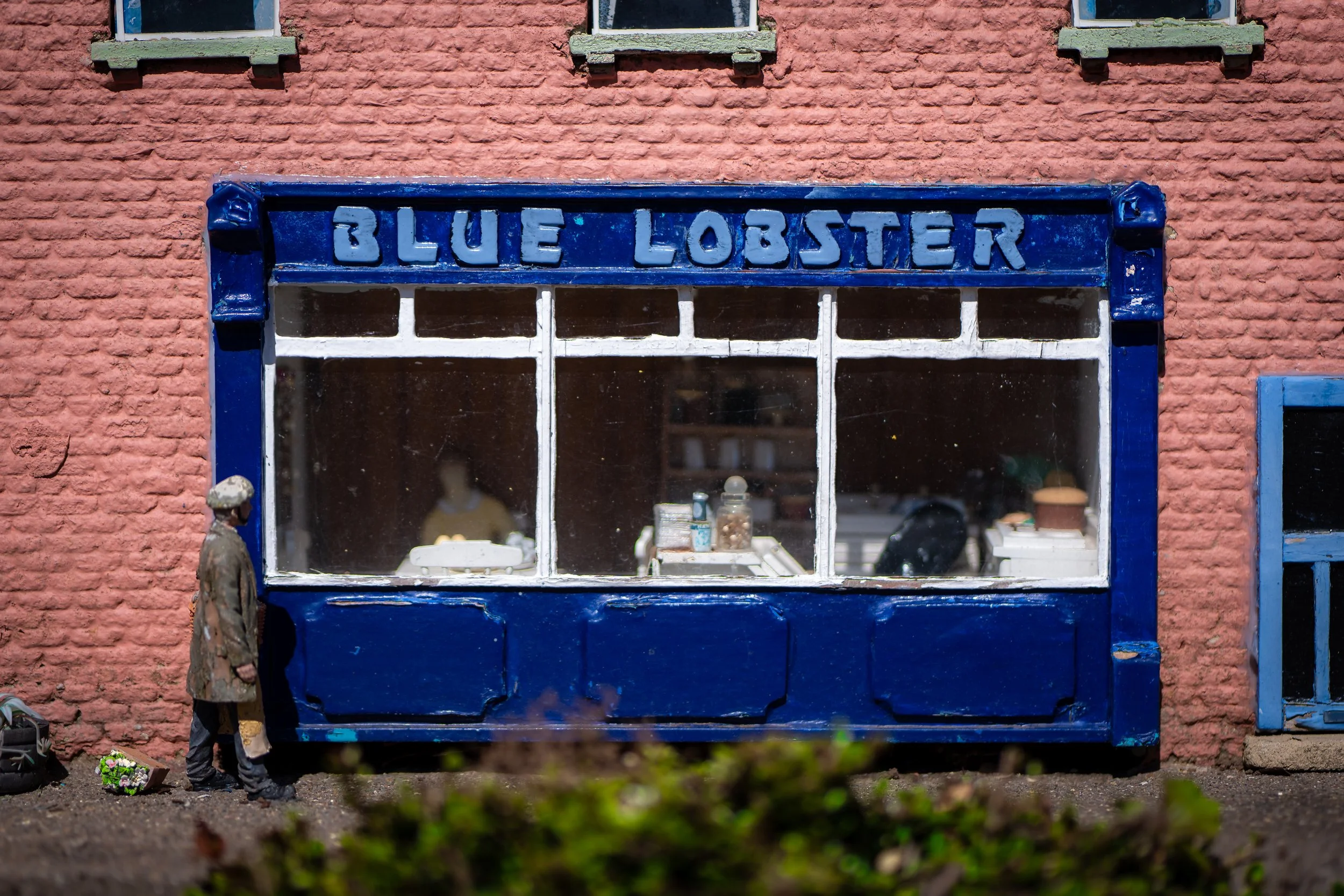
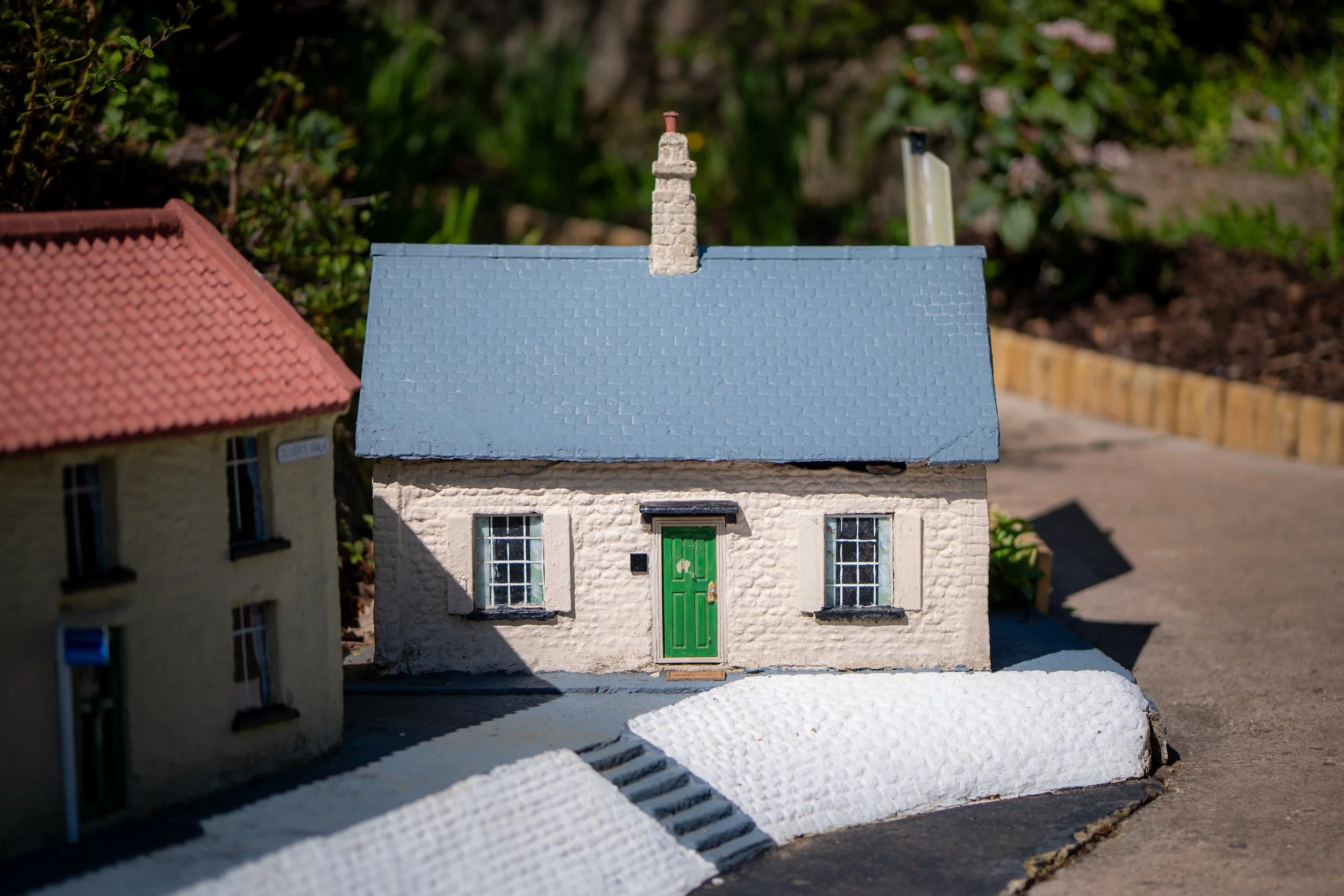
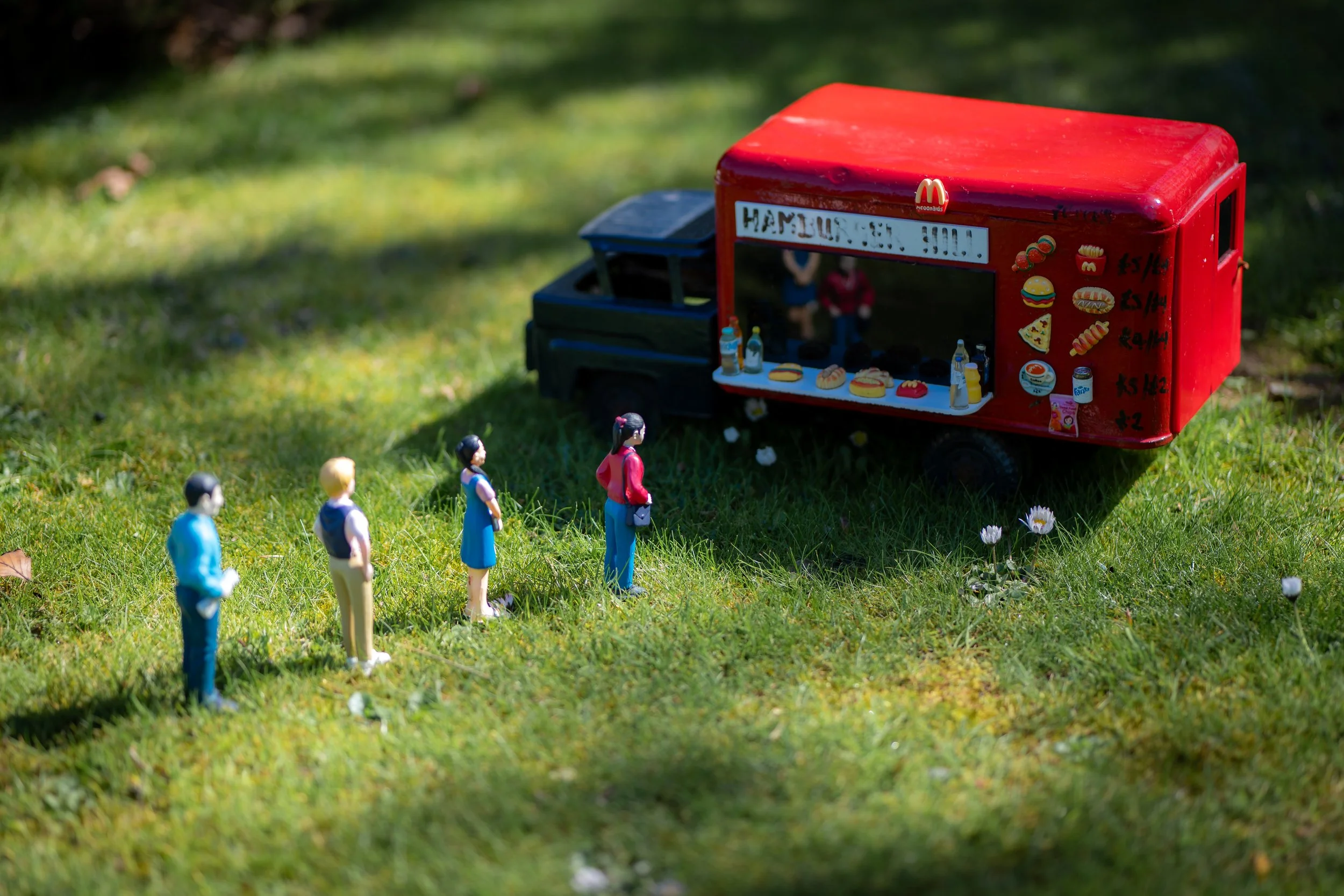
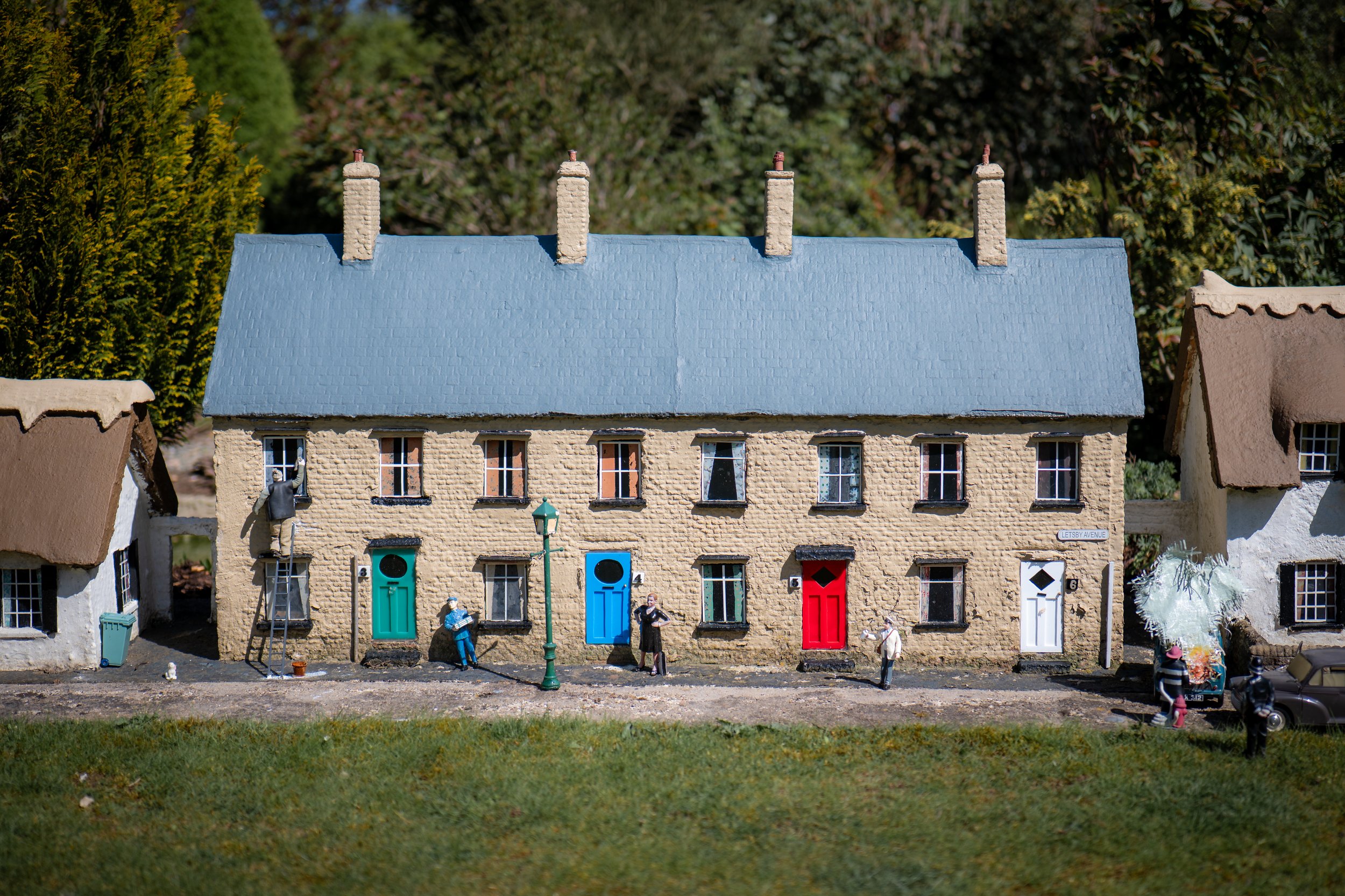
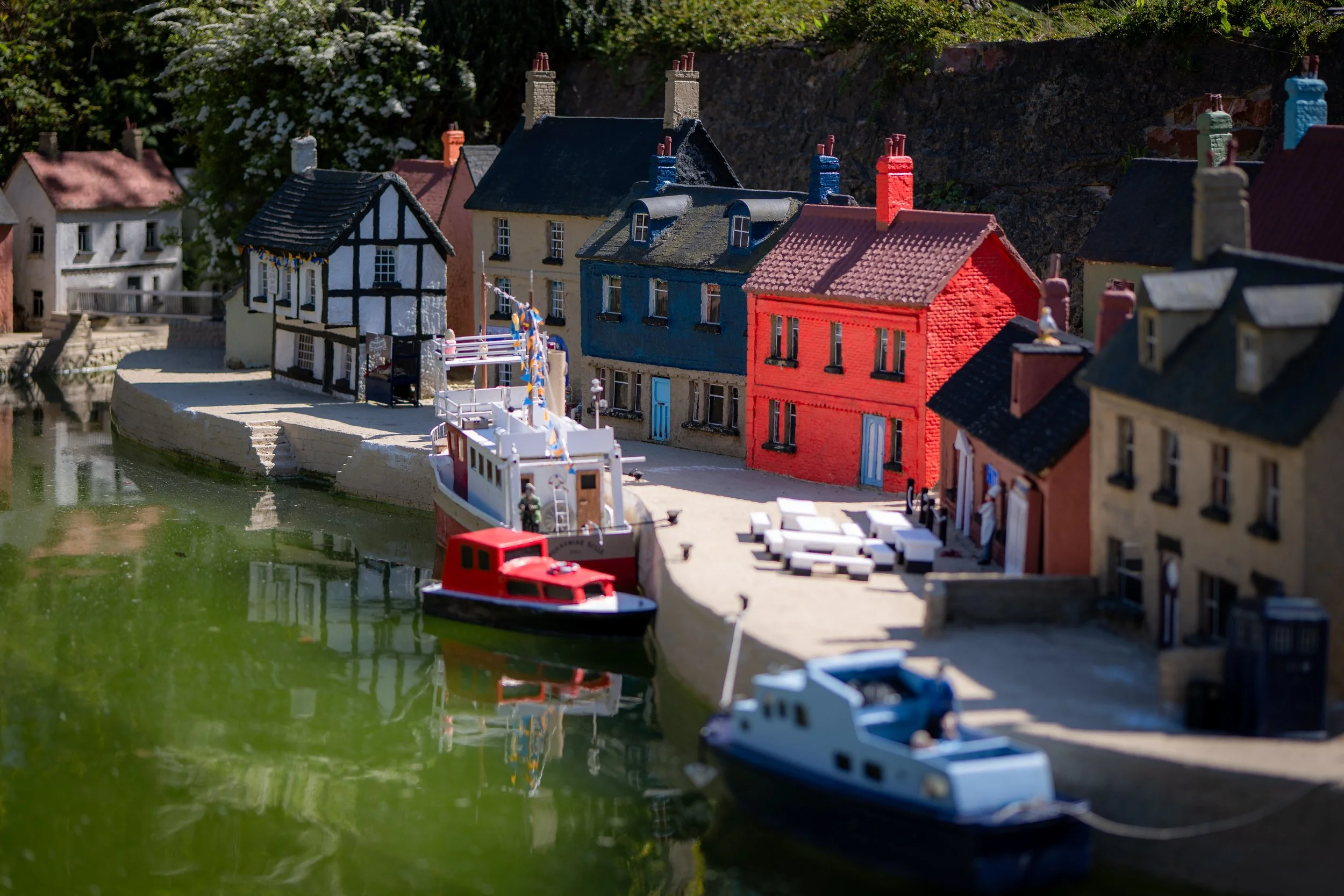
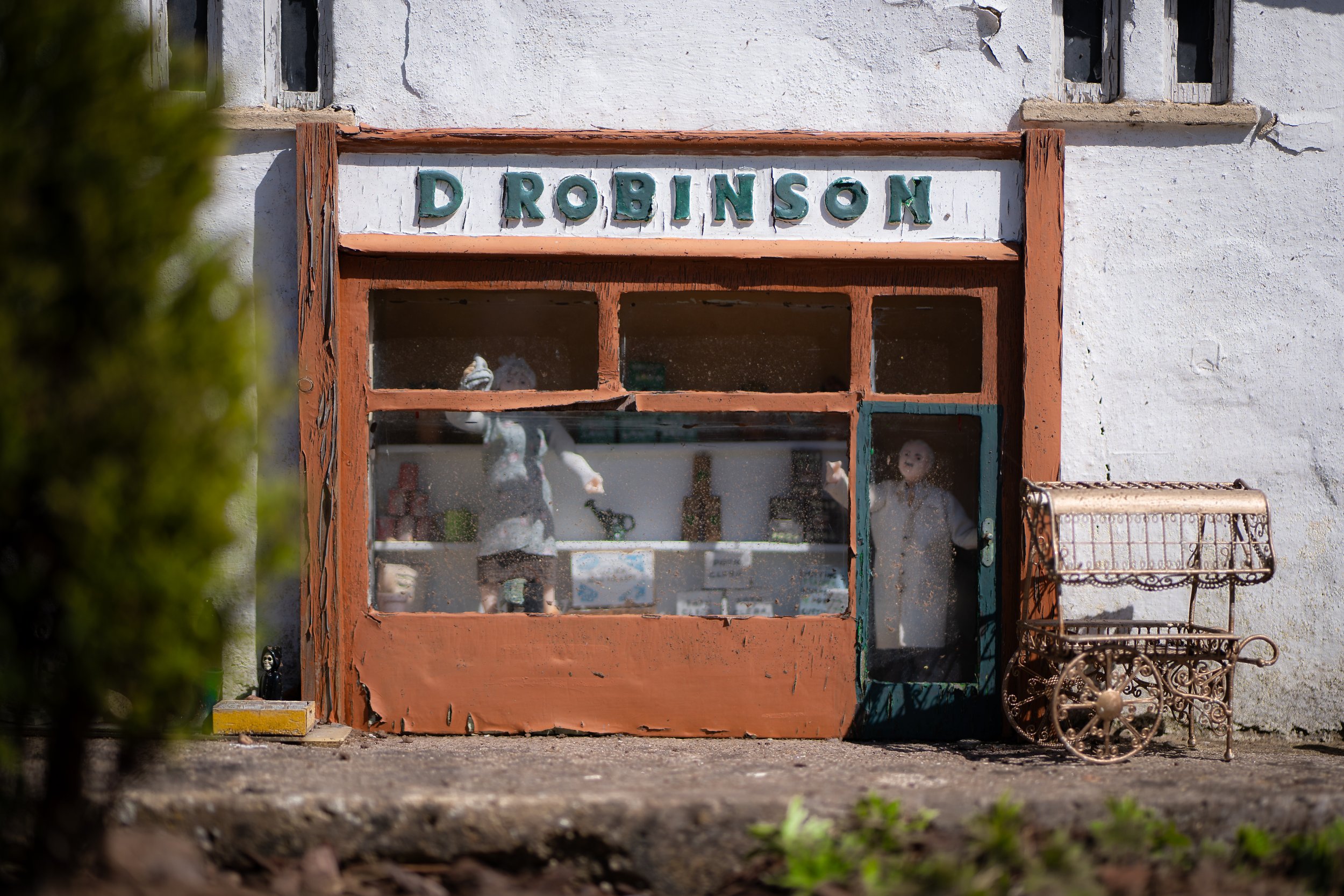
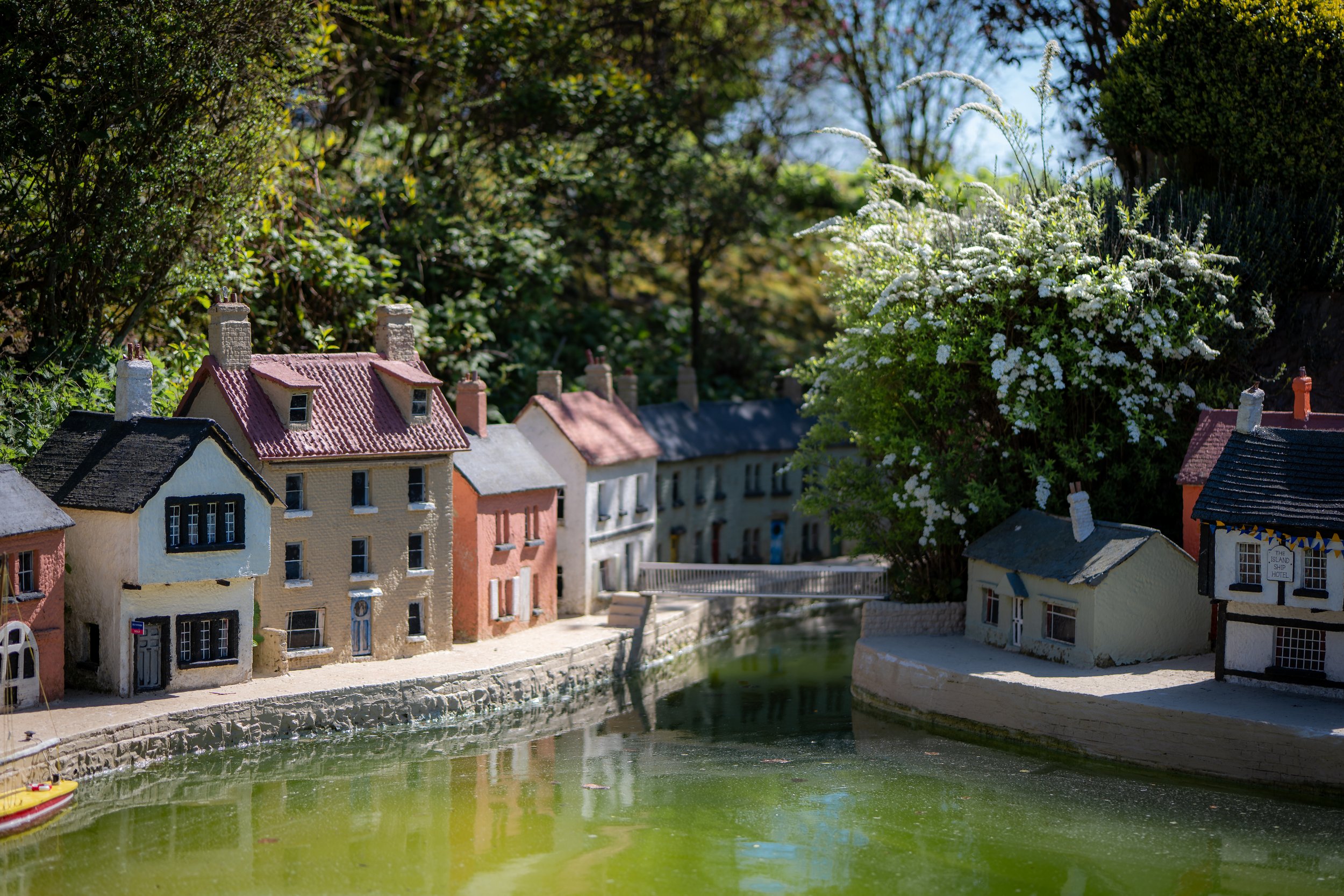
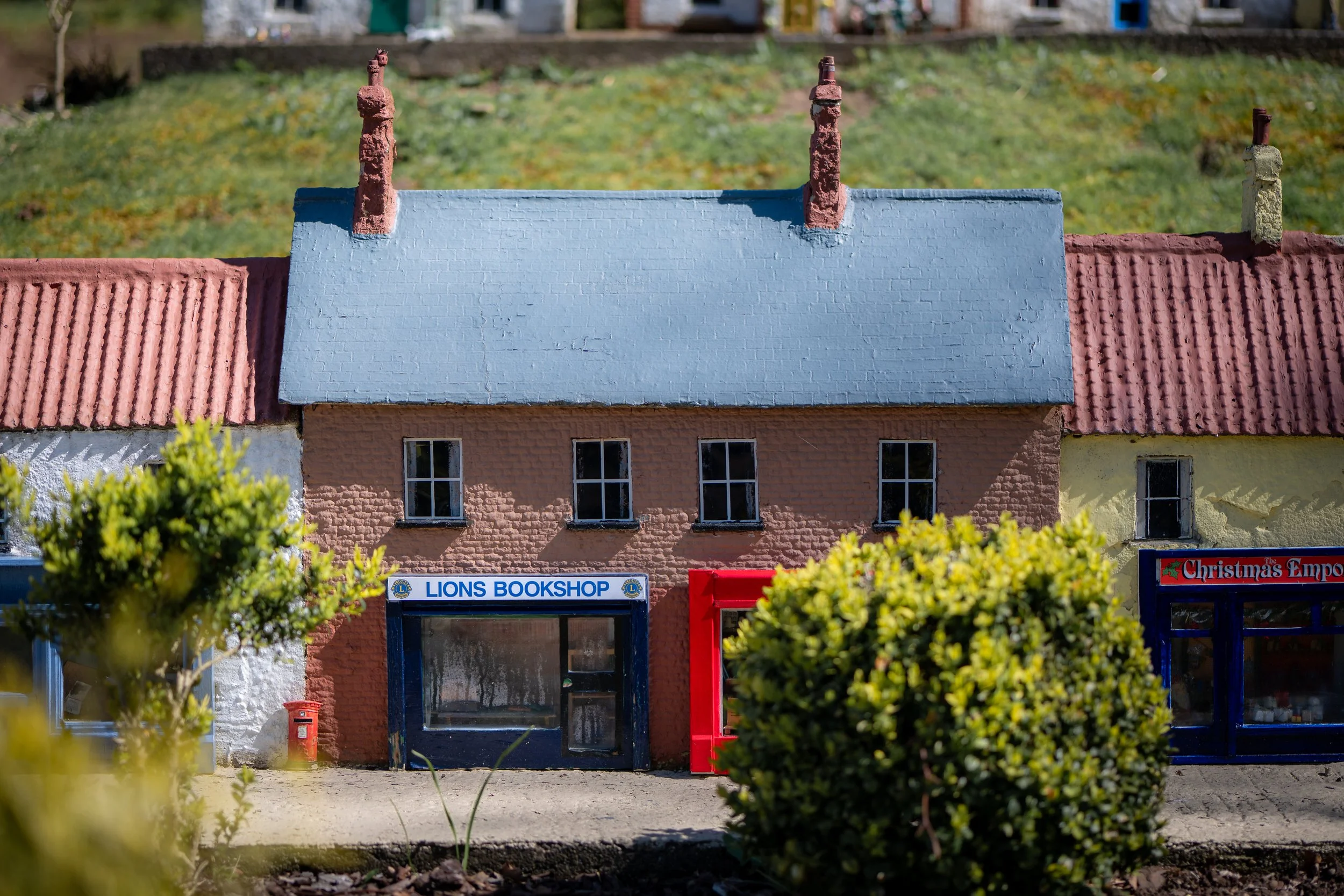
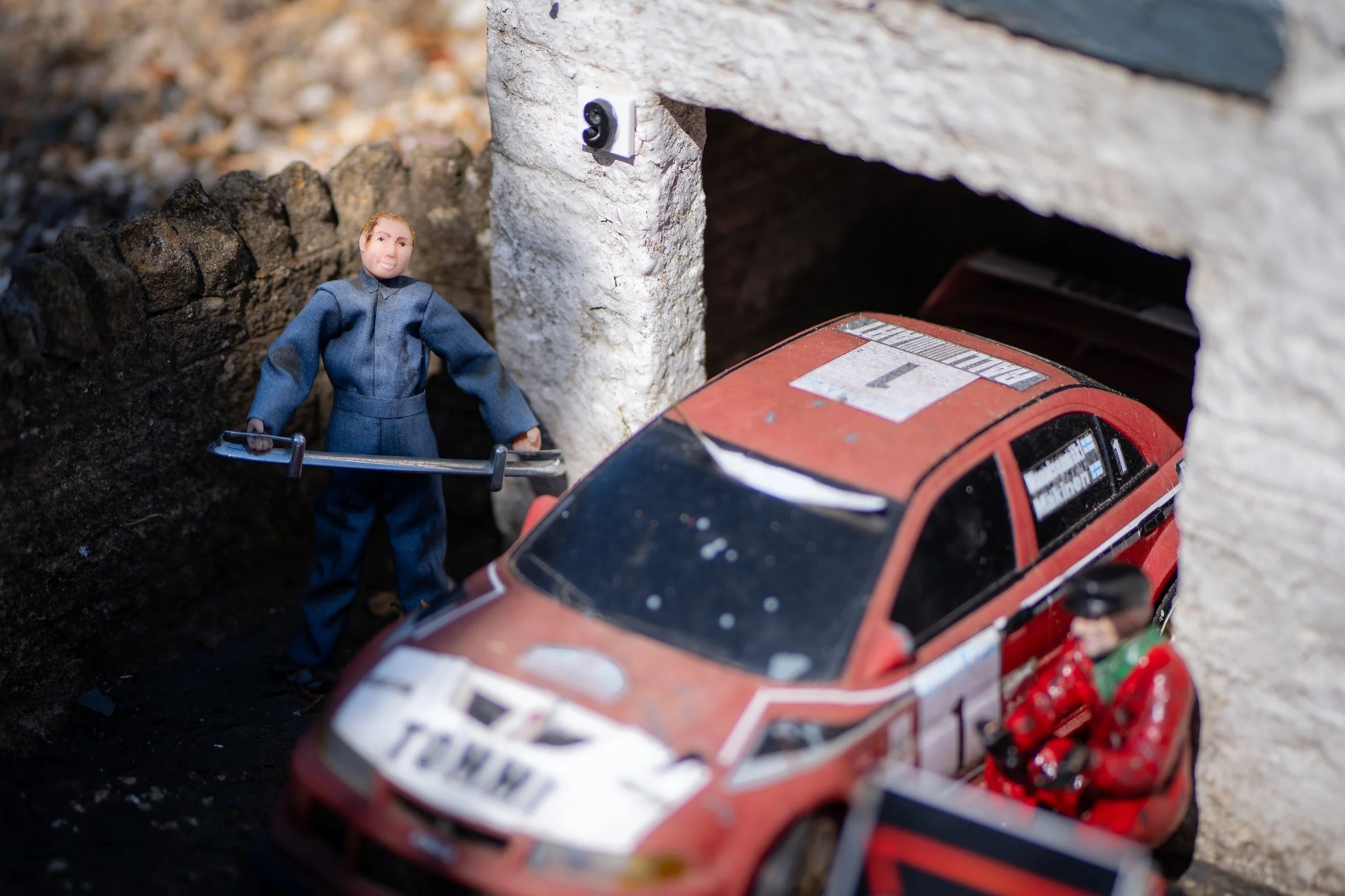
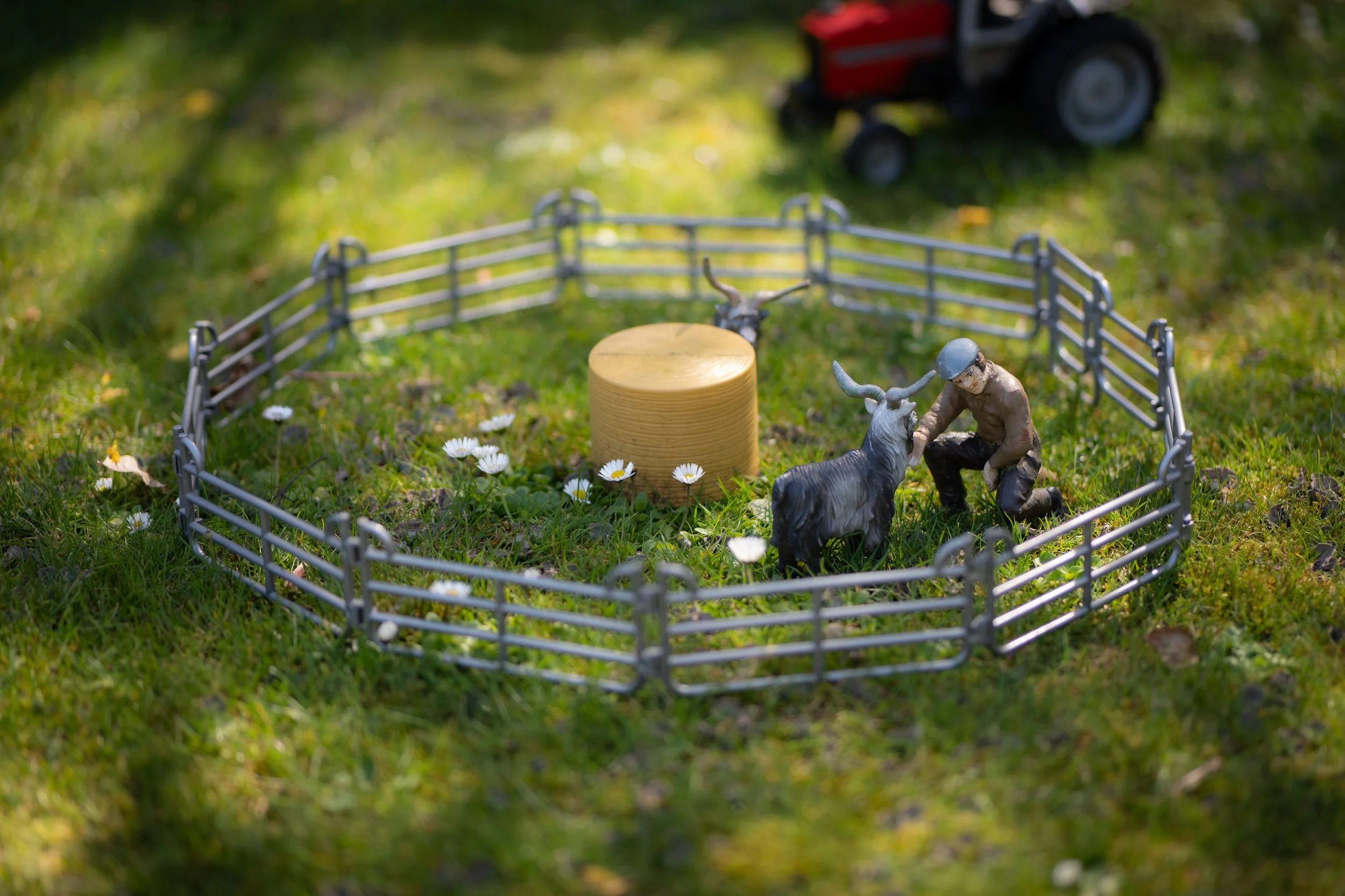
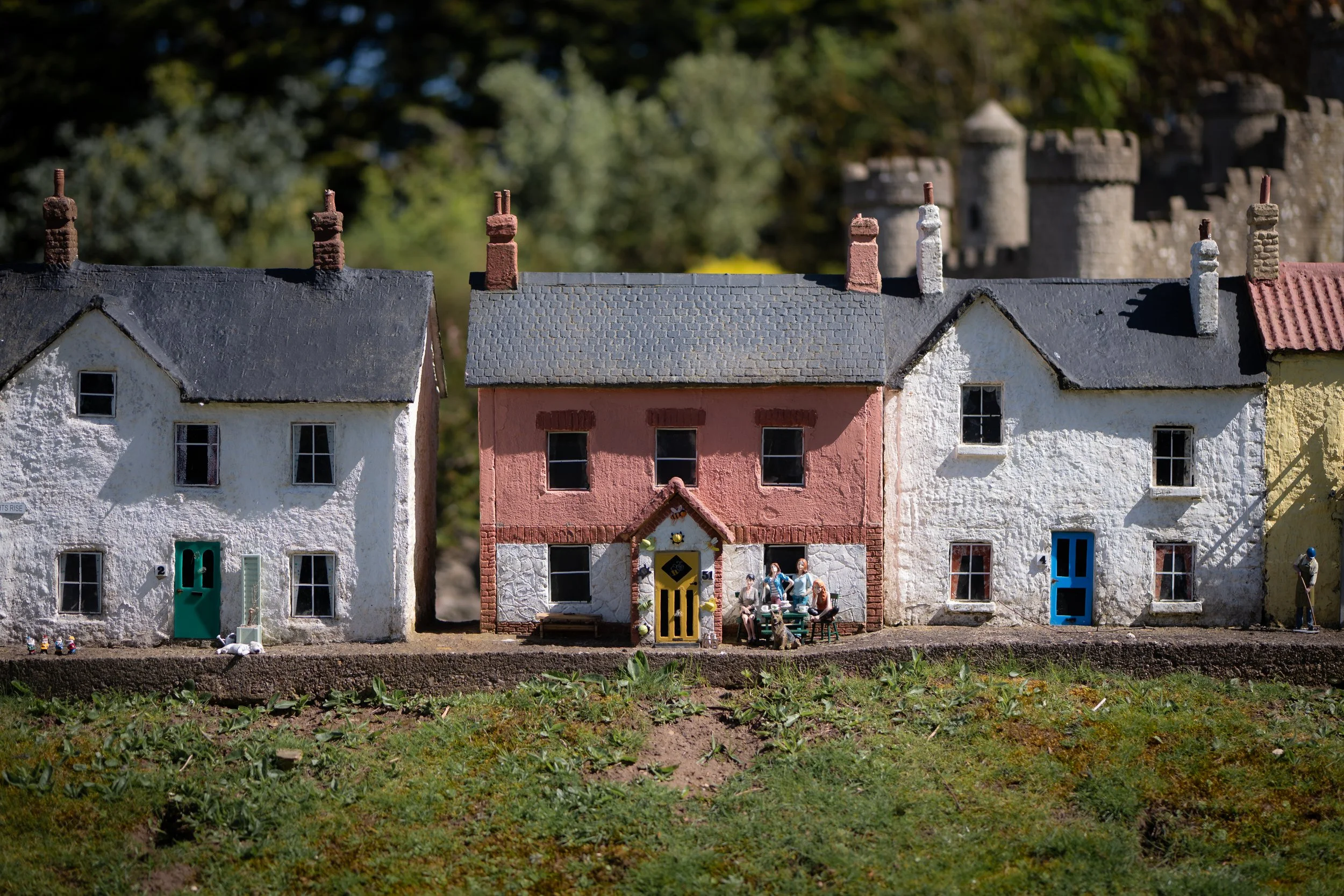
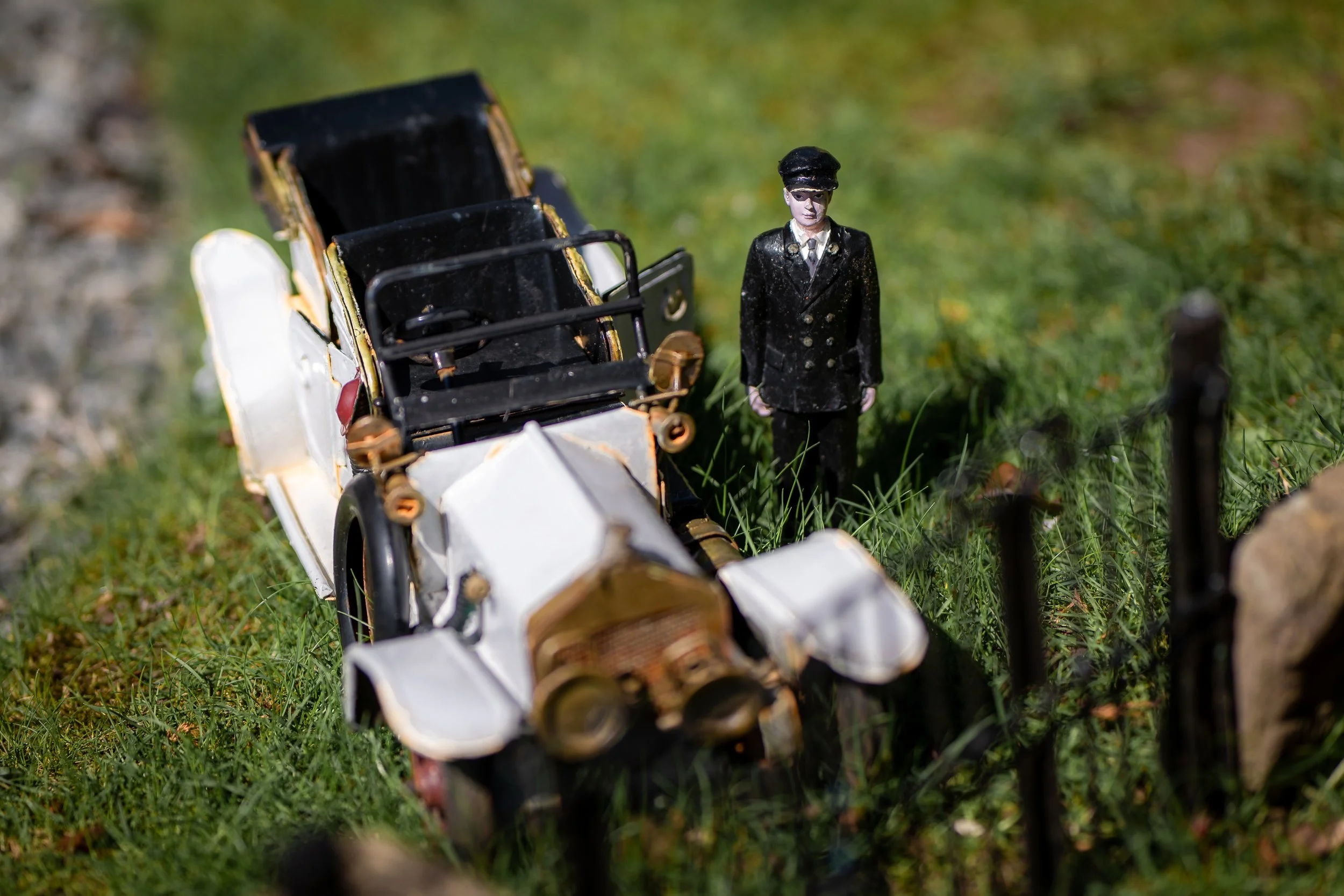
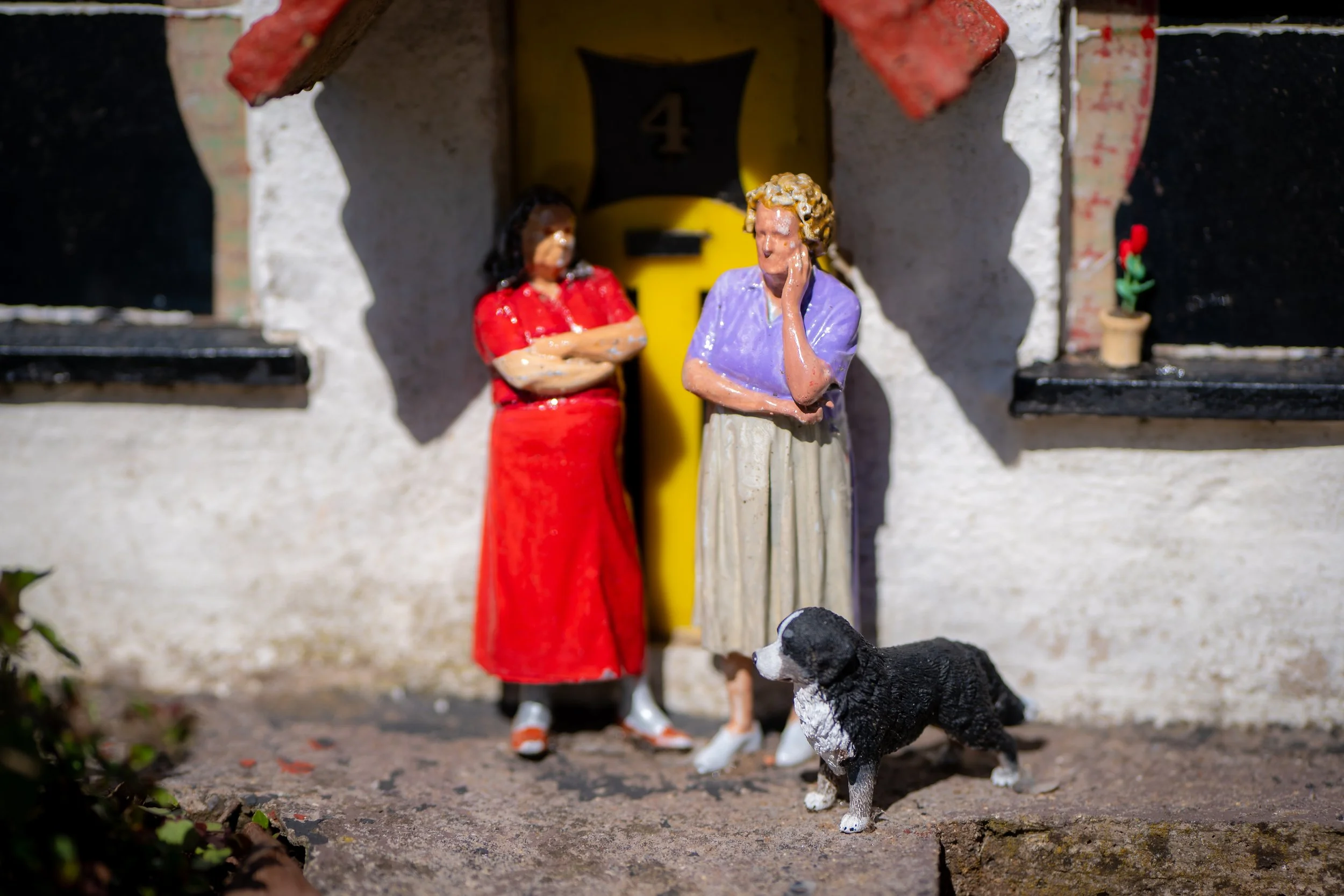
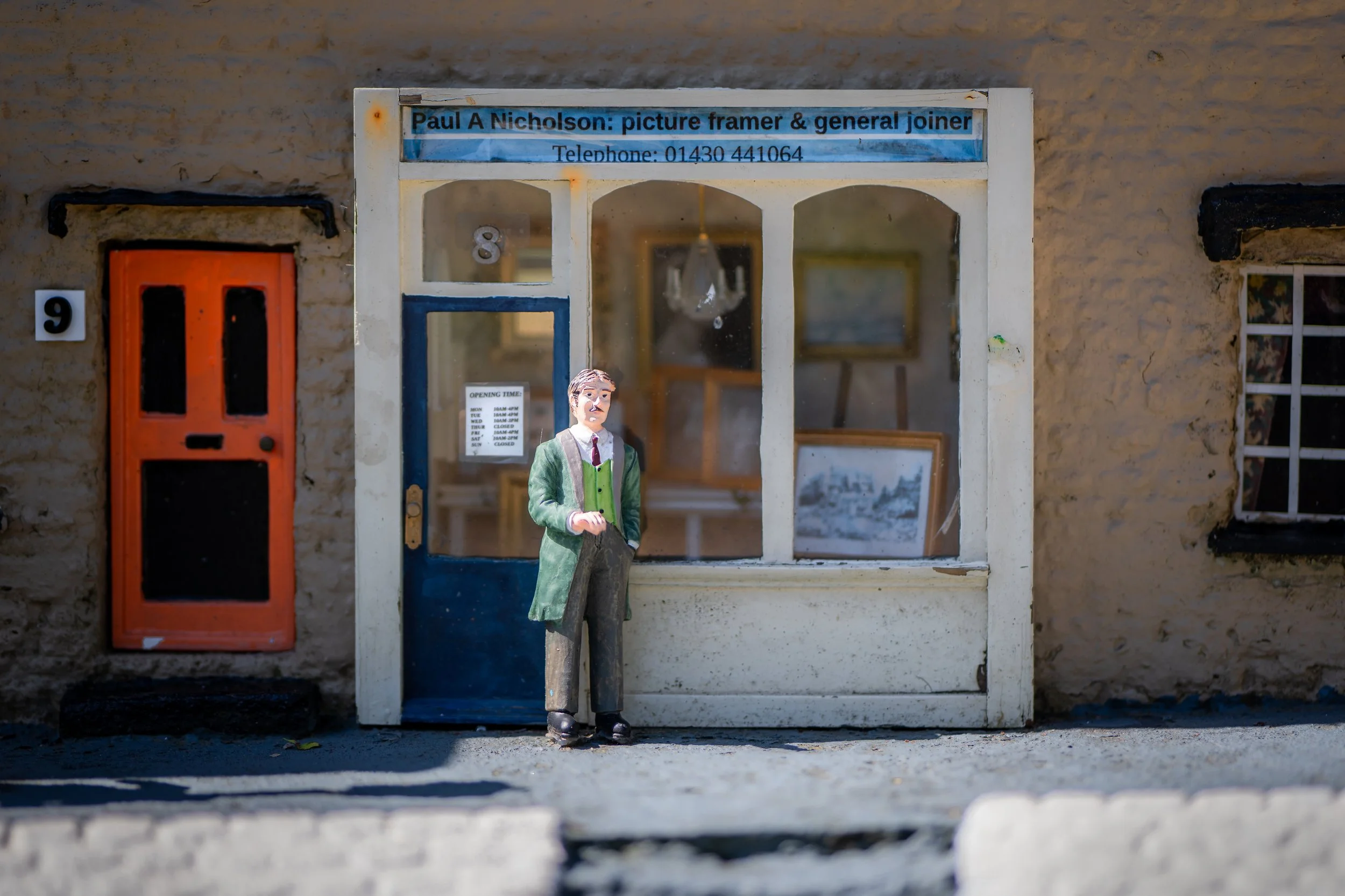
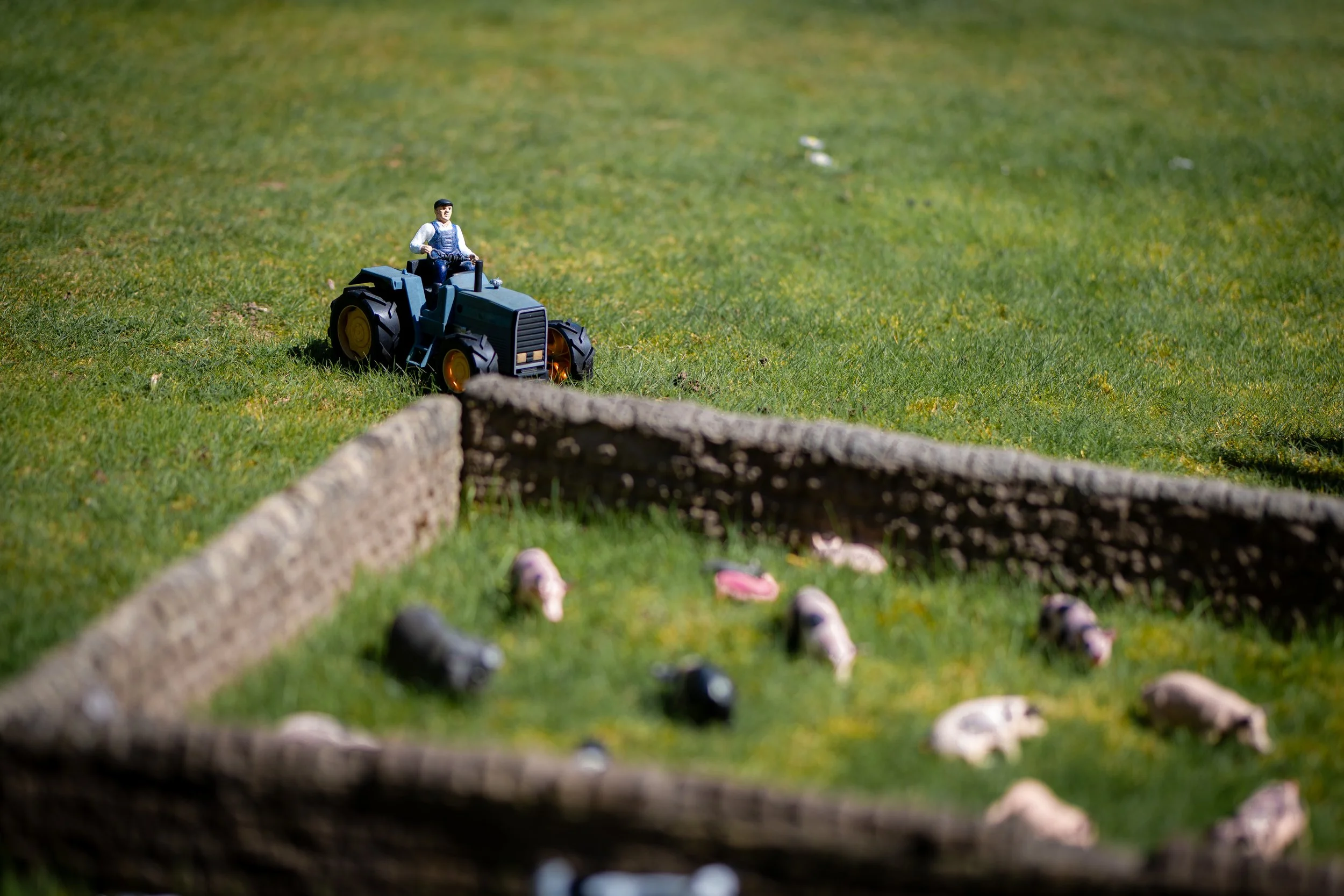
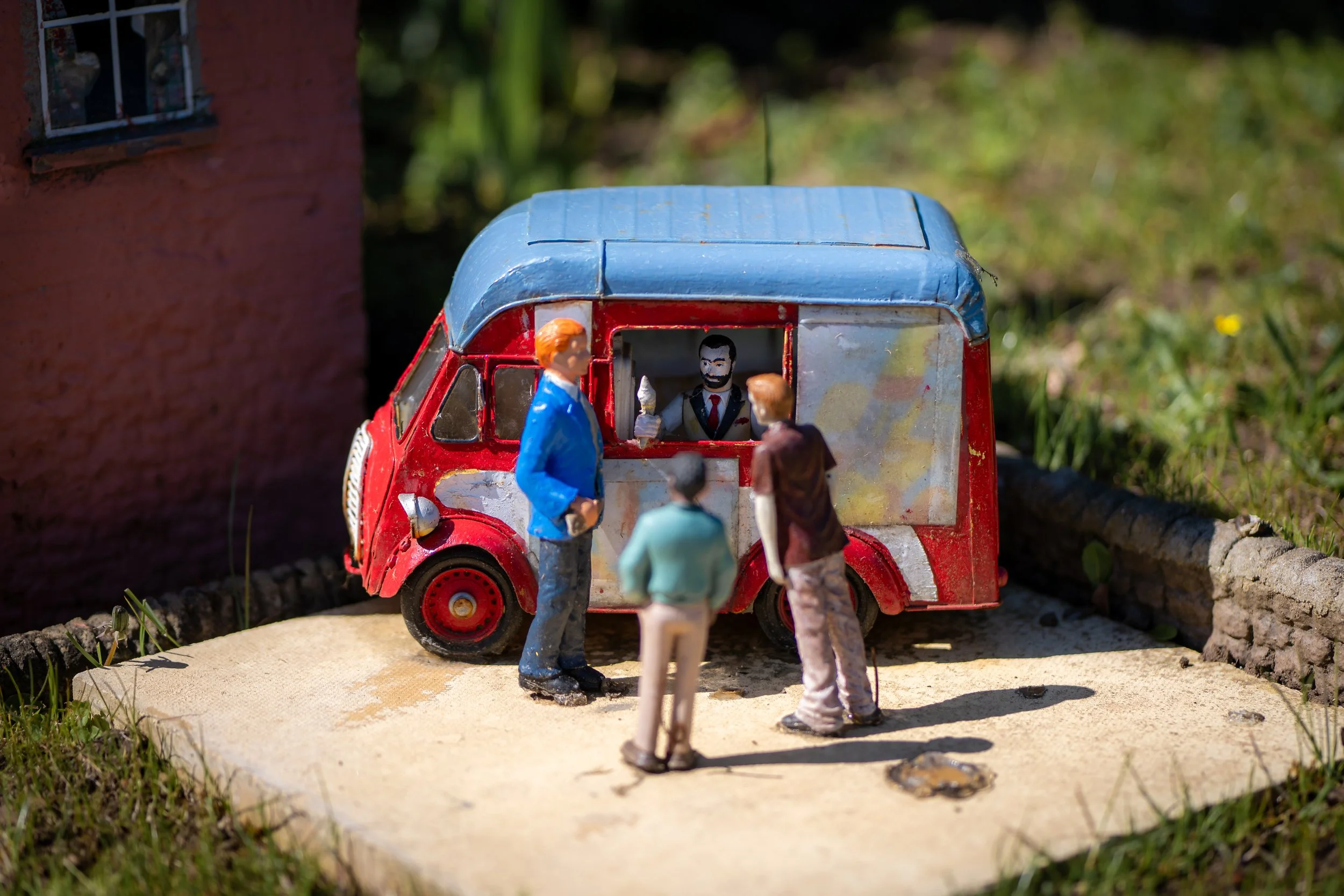
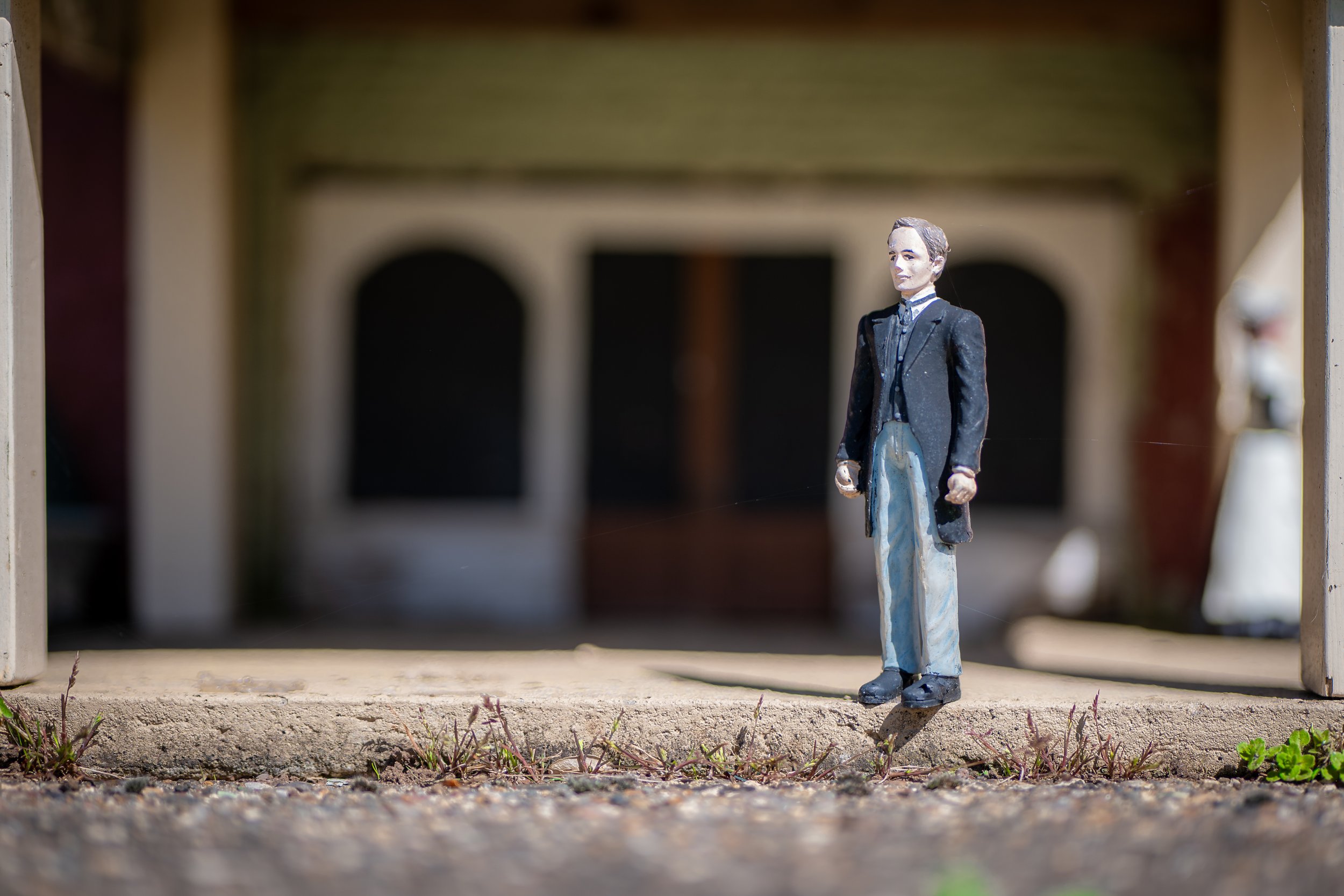
An unexpected highlight of the day was Bondville Model Village, a bizarre tourist attraction in the adjoining hamlet of Sewerby. Model villages speak to me on a number of levels. Miniaturisation appeals powerfully to my sense of order, and probably explains why I like making photographs, ‘miniatures of reality… which fiddle with the scale of the world’ (Sontag klaxon). I’m also extremely drawn to small scenes (as my portfolio attests), while their representational qualities and tiny tableaus of village life render them uncanny and folk horror-ish. Consisting of over 200 buildings, this was a 10/10 example of this odd genre, and I spent a thoroughly enjoyable couple of hours poking my 85mm prime into its Lilliput corners. This is also the closest I’ll ever get to conventional street photography.

Three Resorts at the End of the World
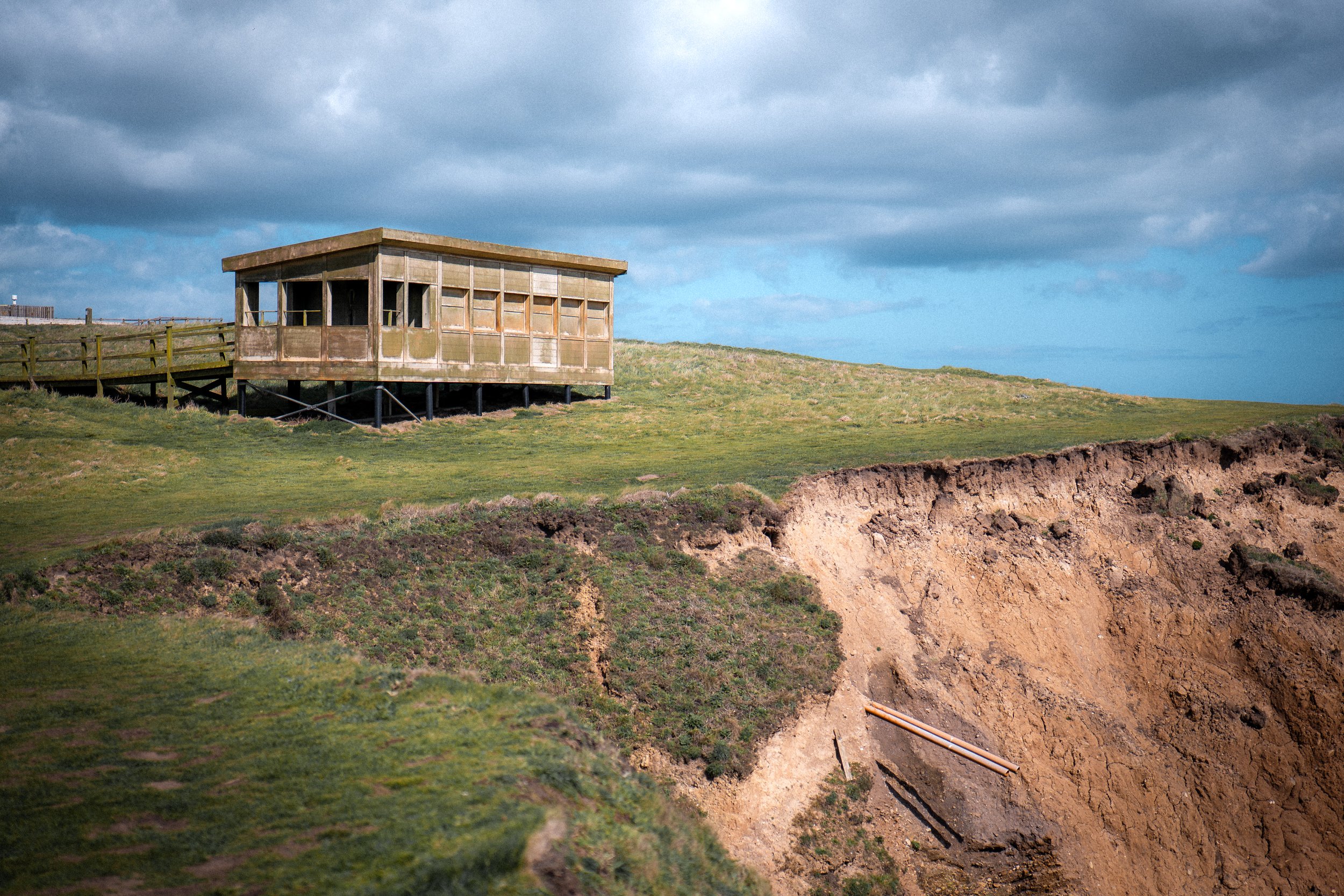
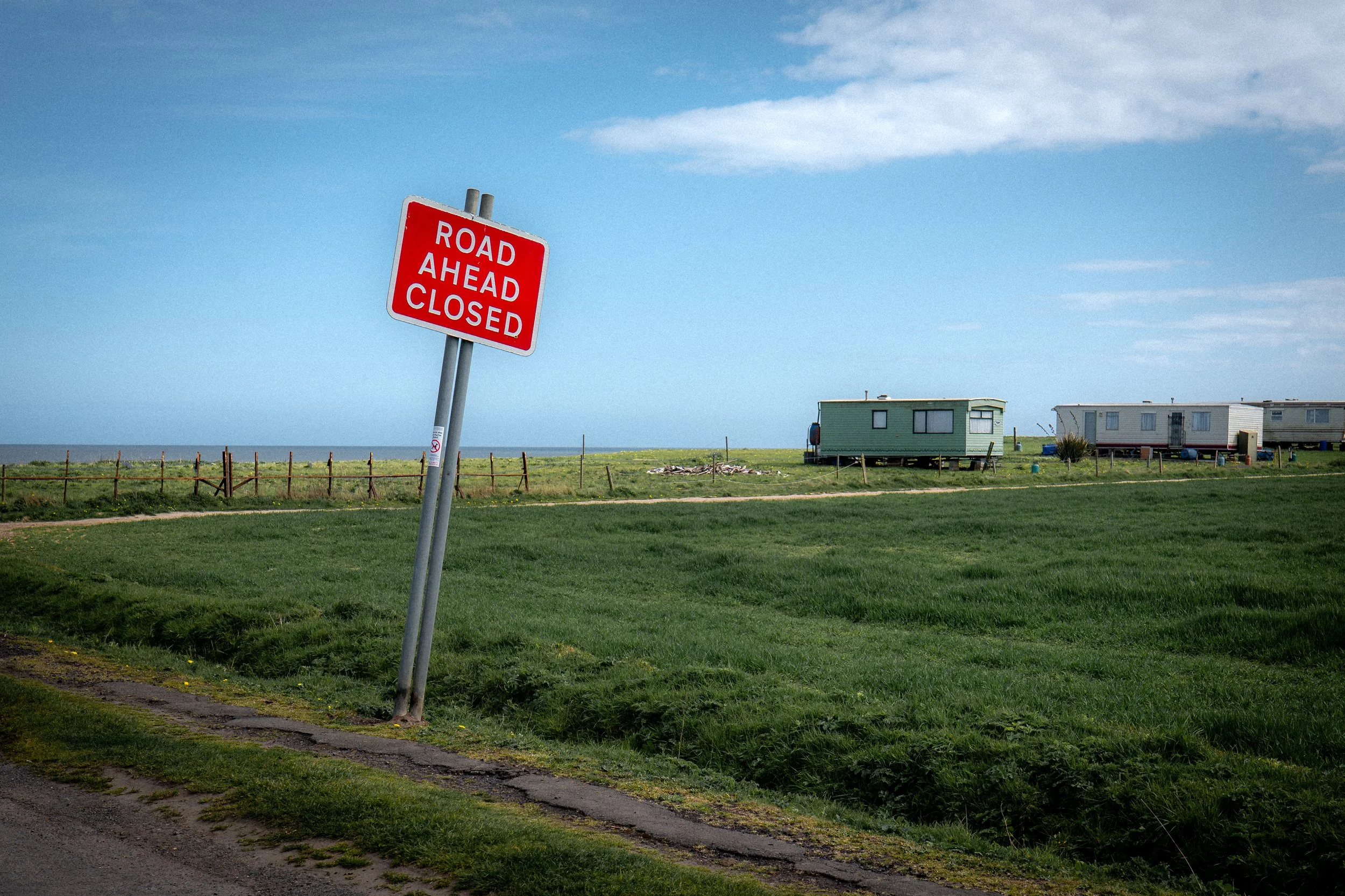
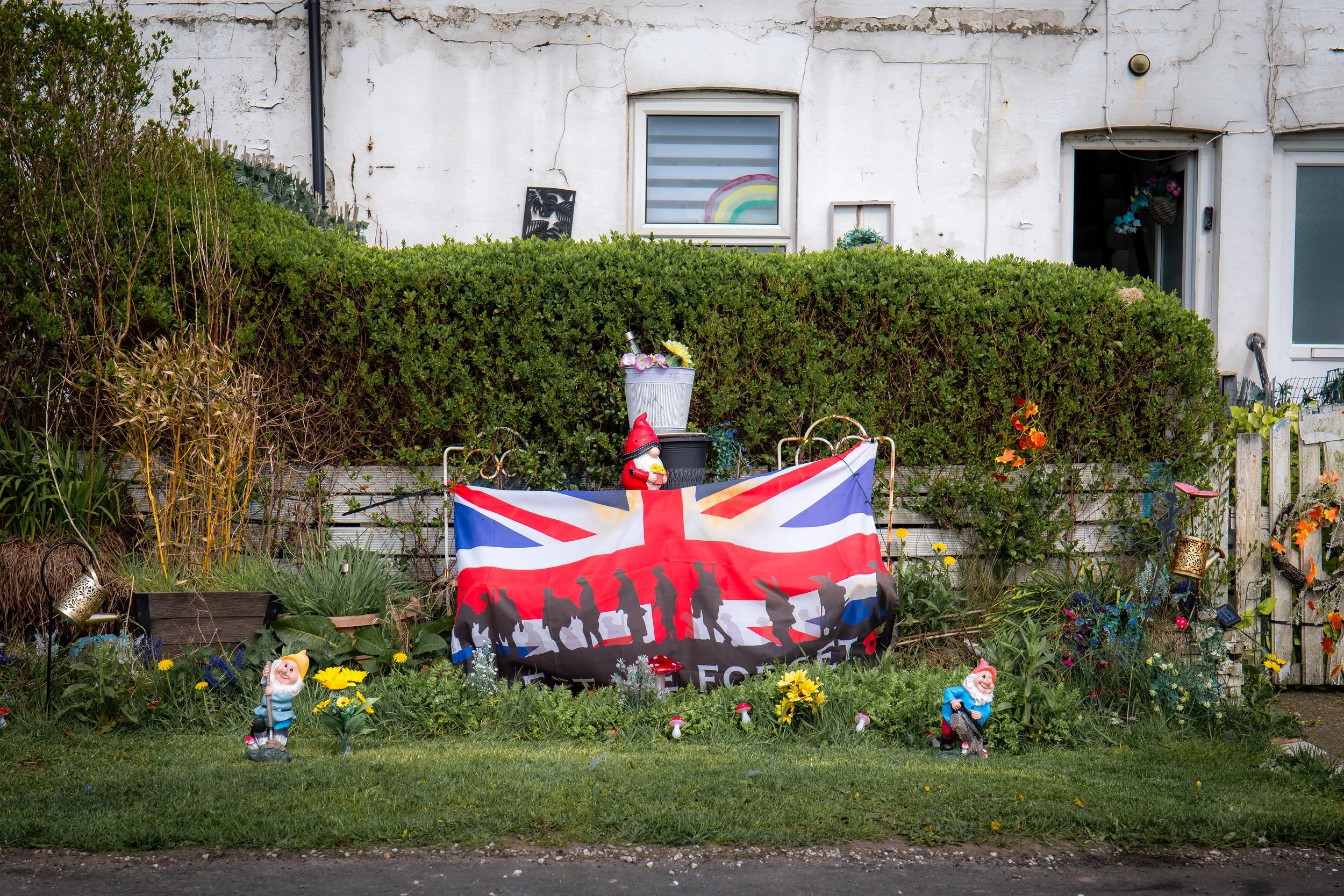
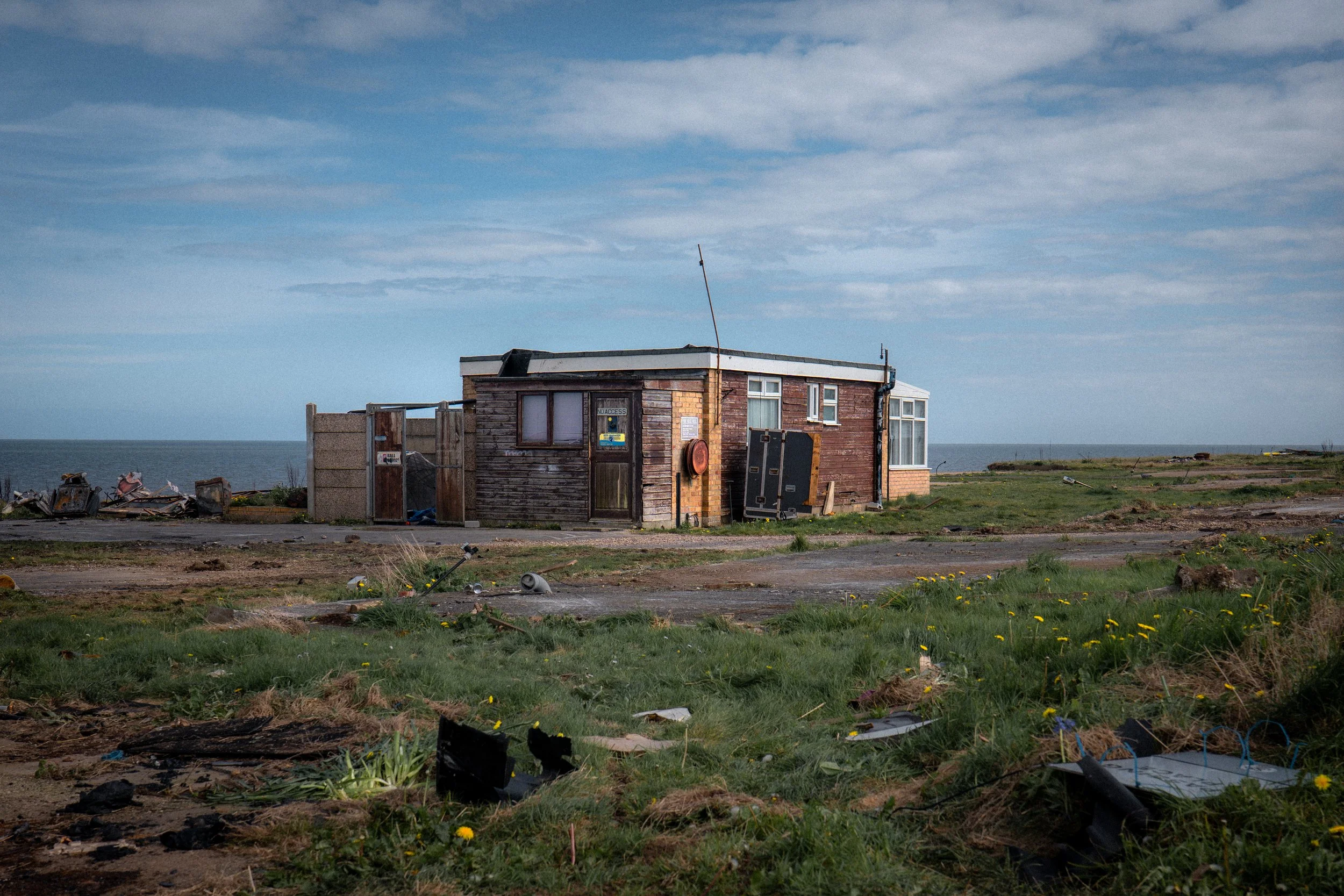
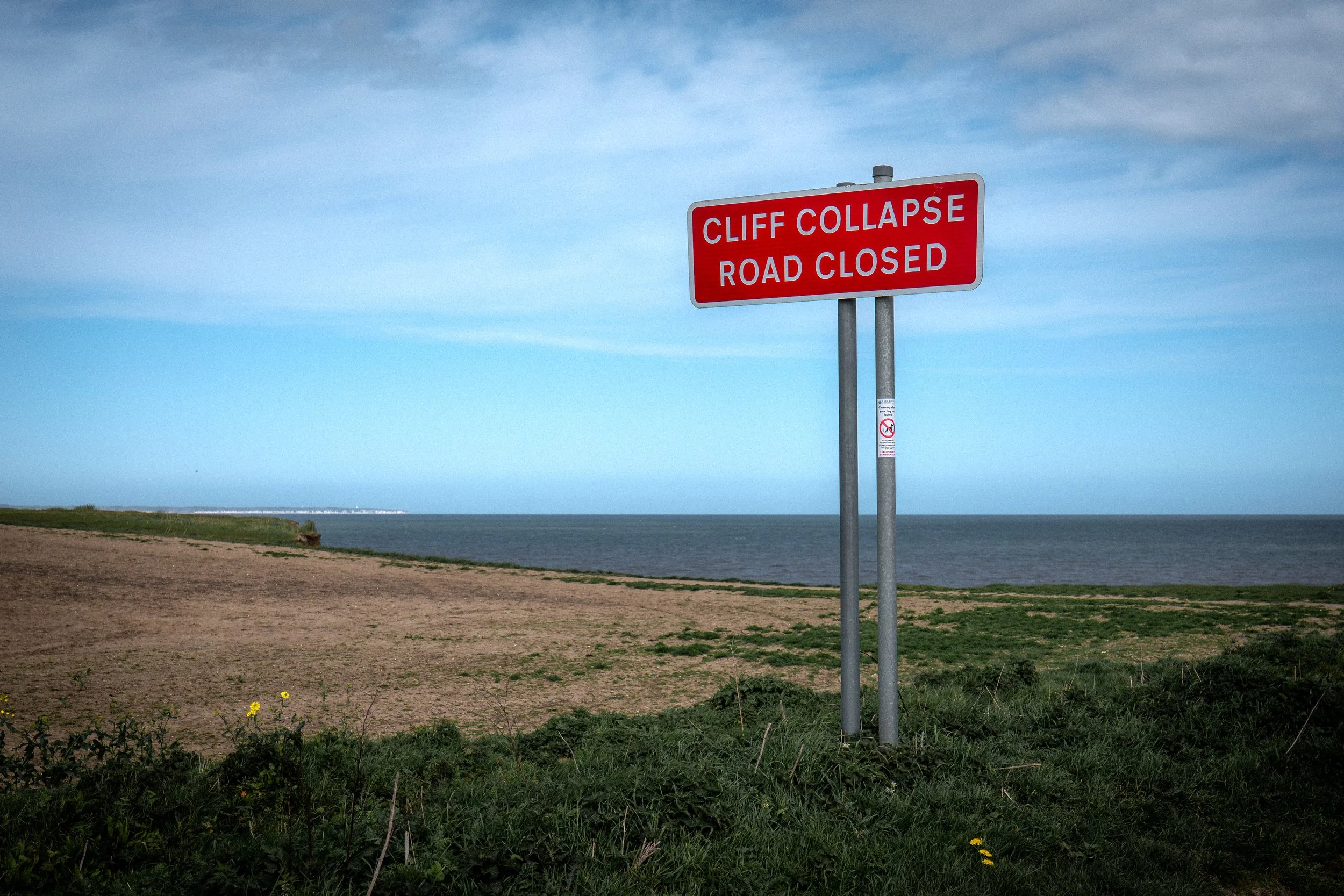
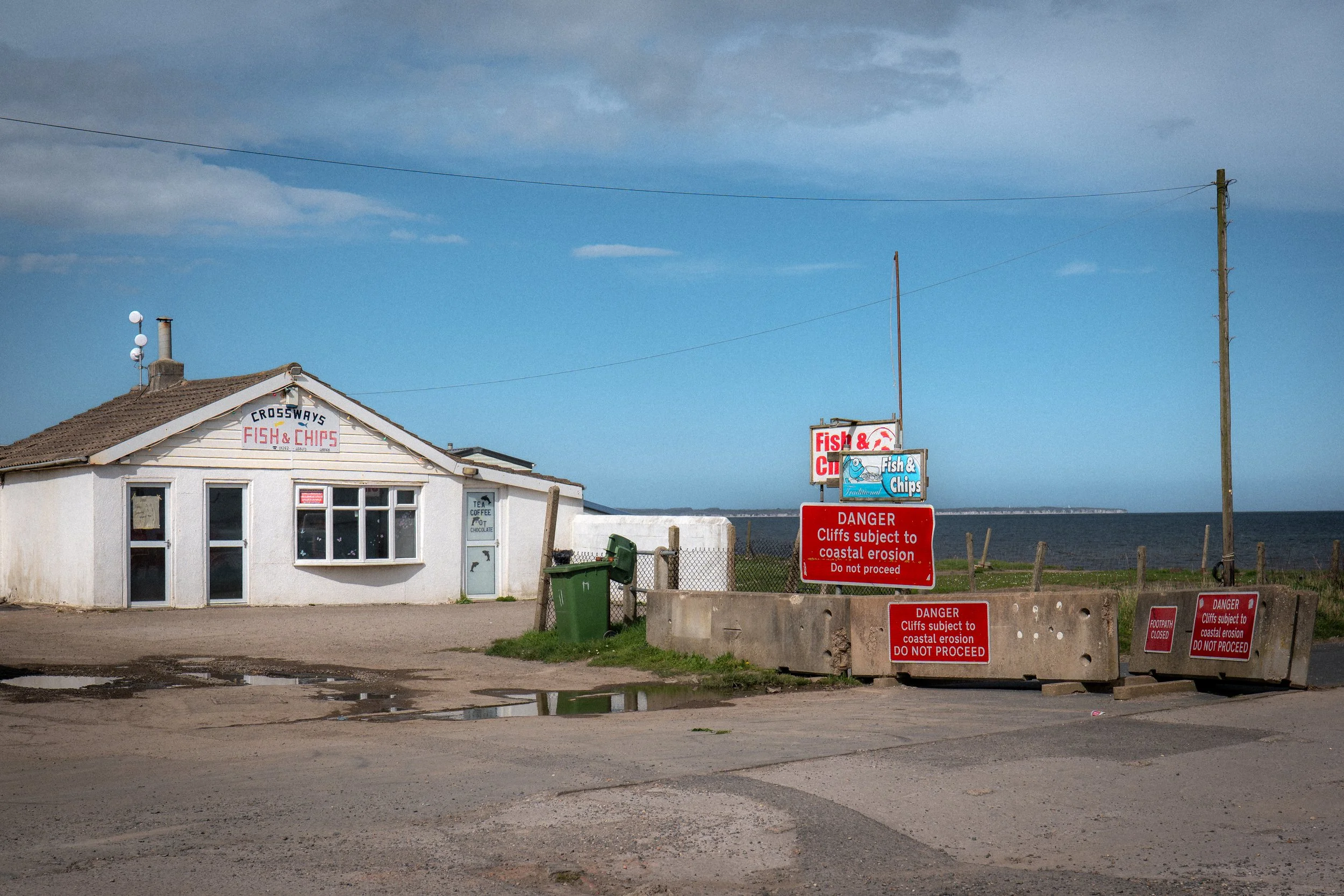
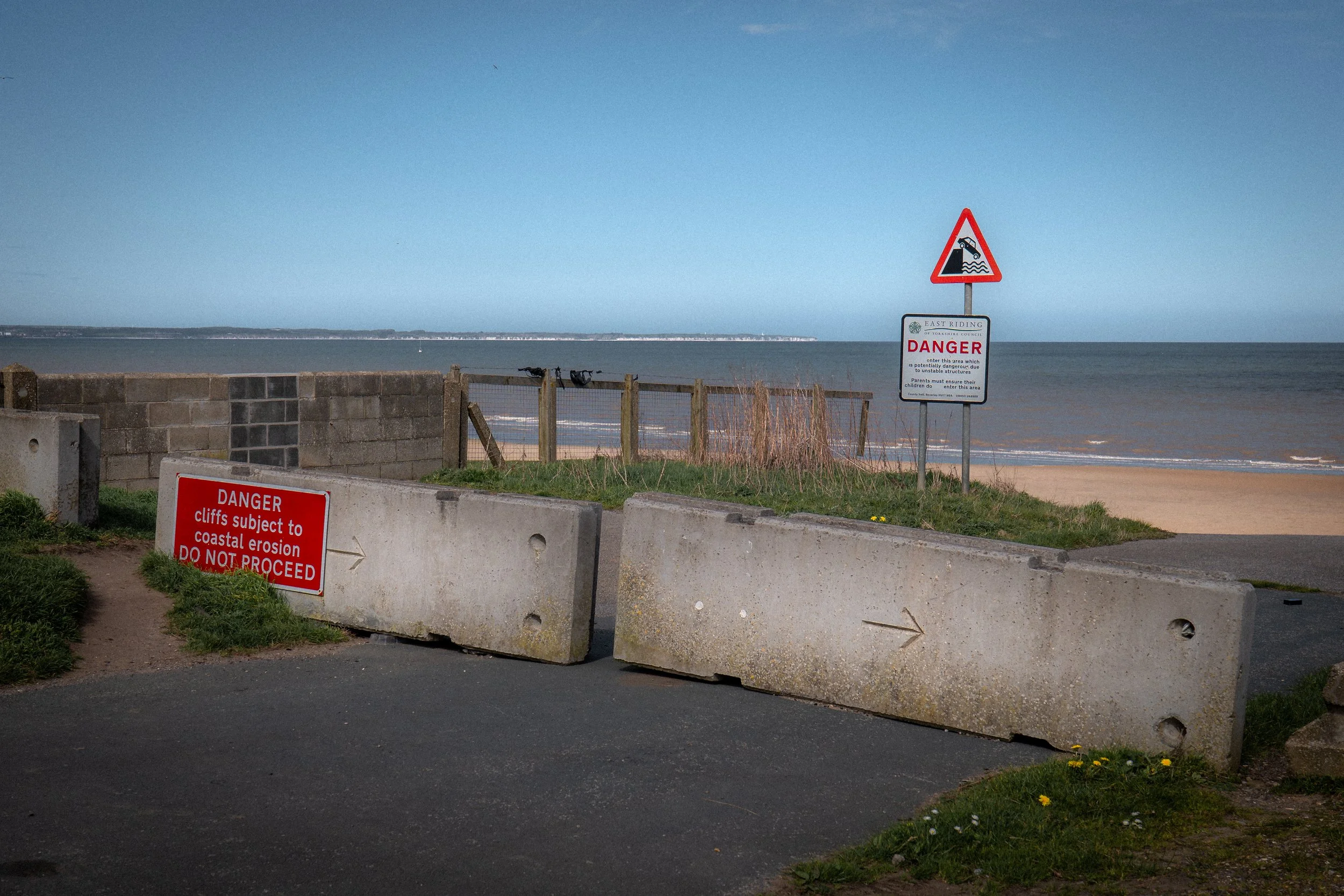
I’d heard that the coastline immediately to the south of Bridlington is the fastest eroding in Europe – the North Sea’s gobbling its soft clay cliffs at the alarming rate of 1.8 metres per year – so we finished the day with a spot of dark tourism to the tiny (and getting tinier) resorts of Barmstone, Ulrome, and Skipsea. A riot of warning signs, concrete barricades, collapsed roads to nowhere, and ramshackle structures hanging grimly on, they were a despondent but visually striking spectacle.
Rudston Monolith, Willy Howe, and Wharram Percy
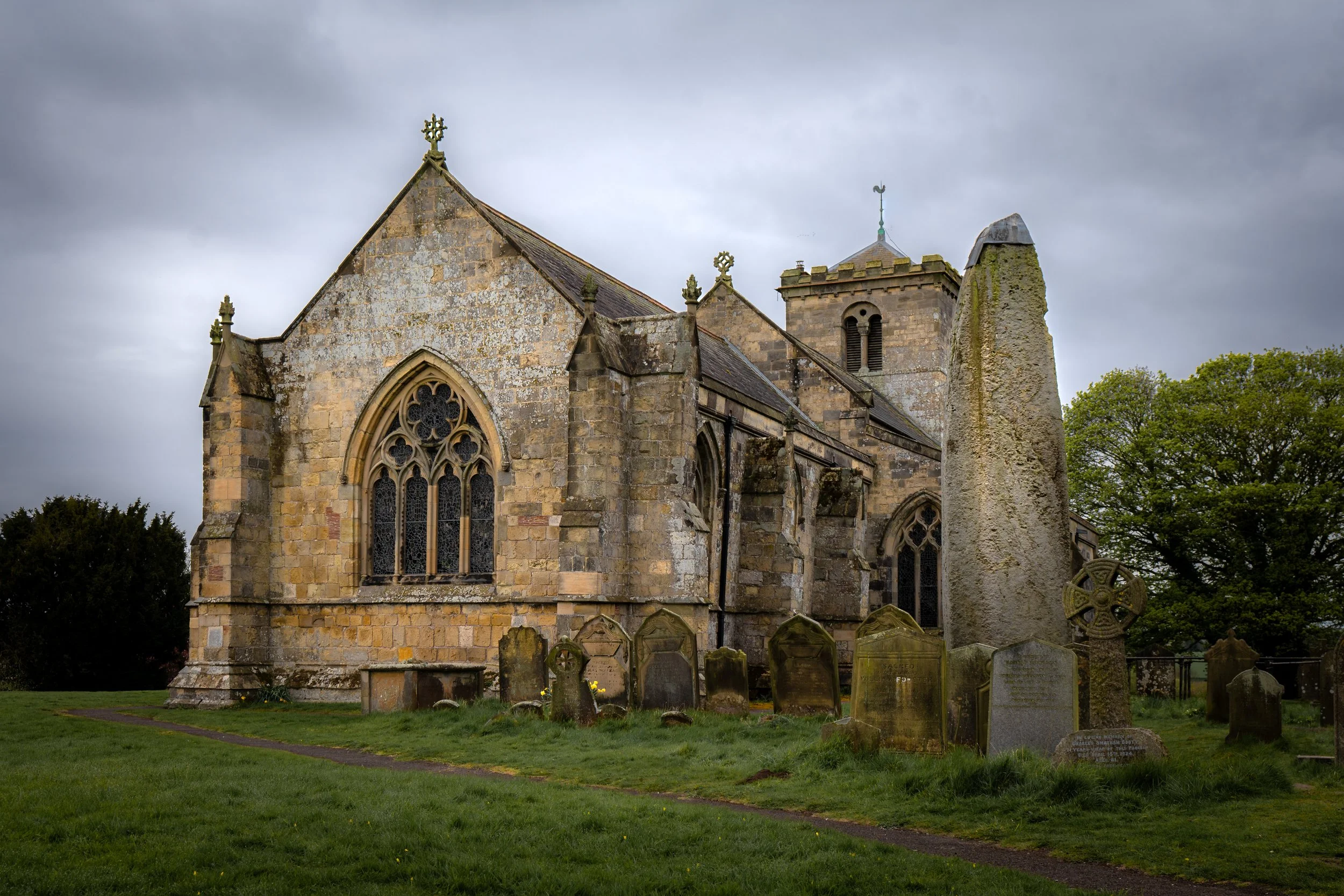
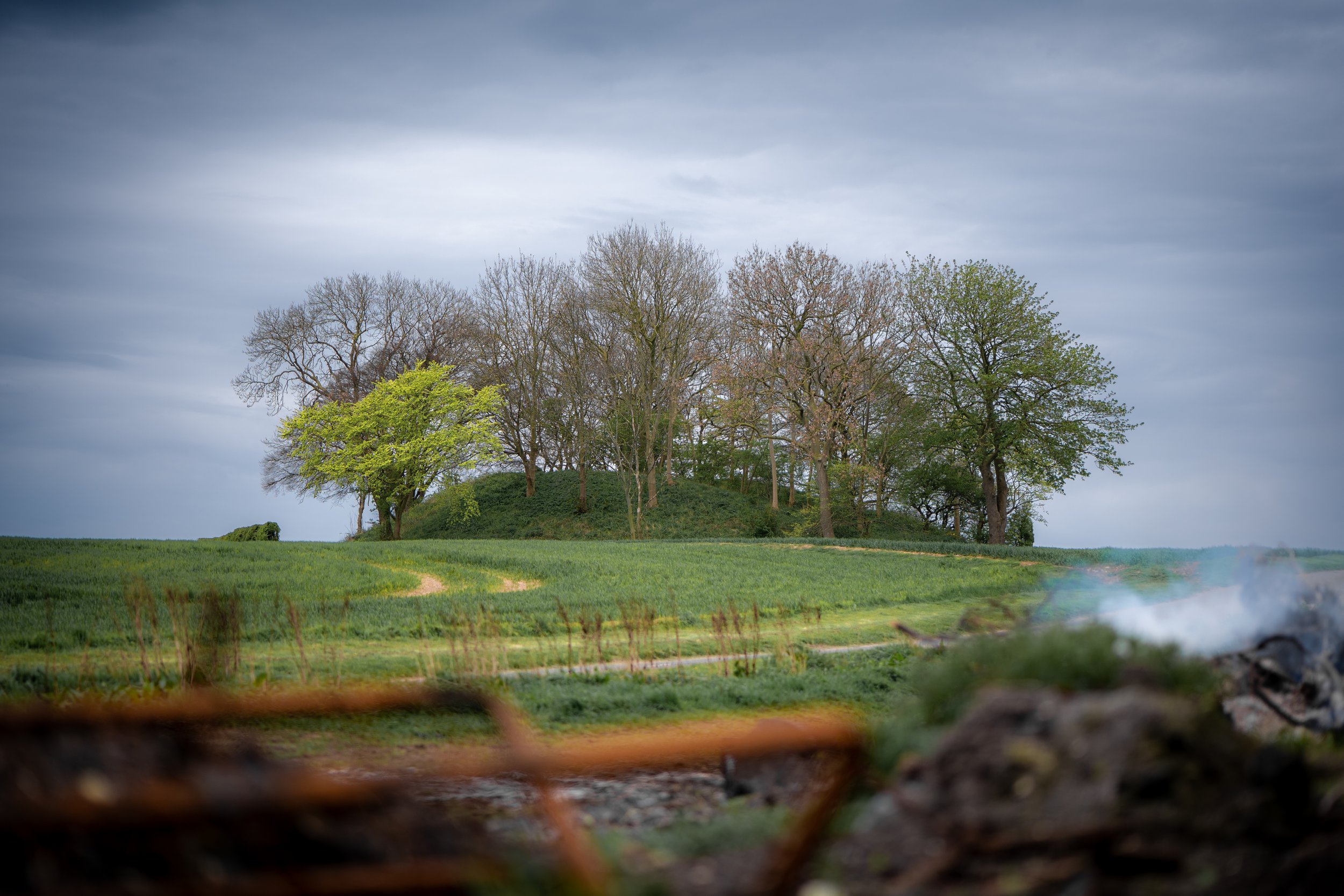
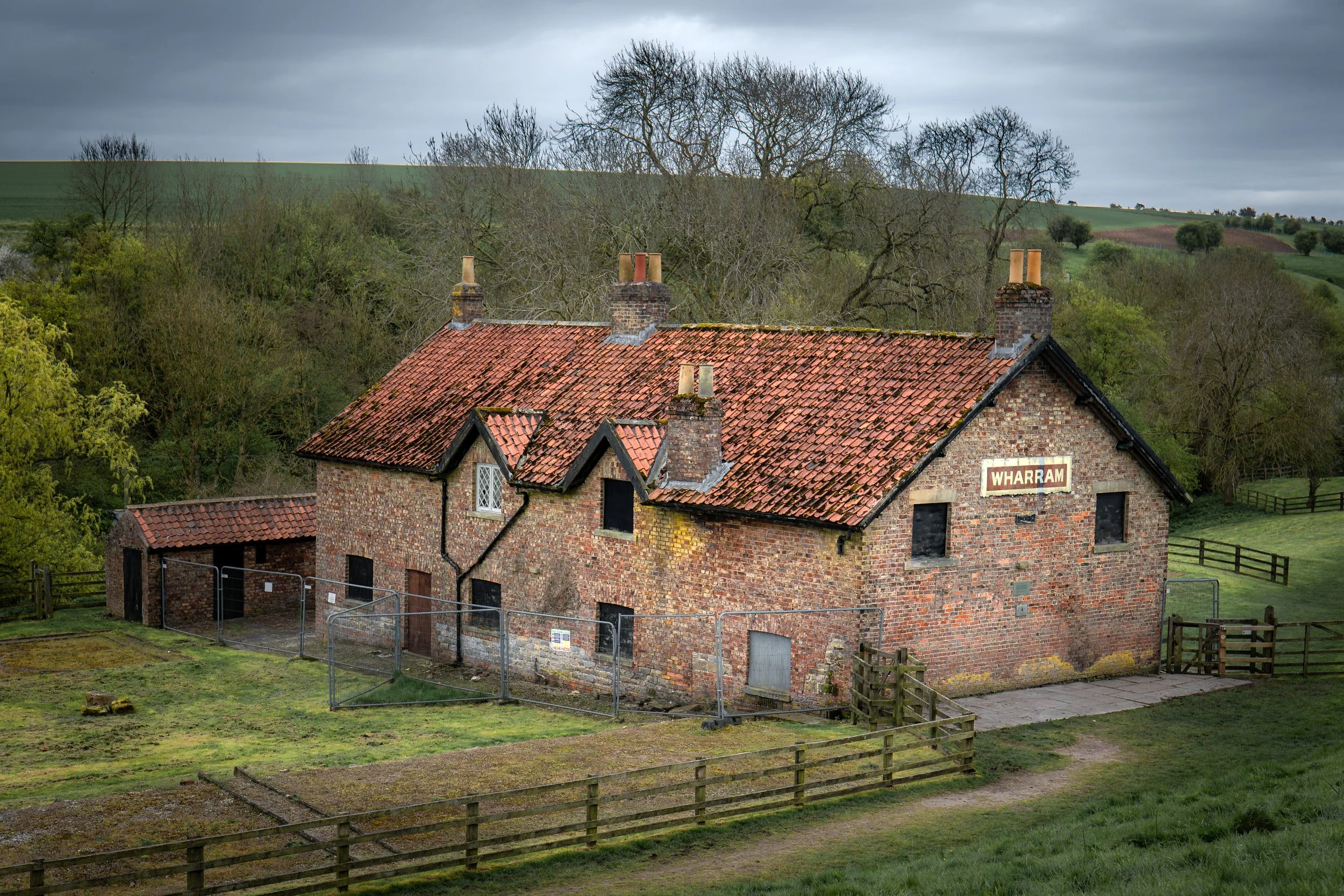
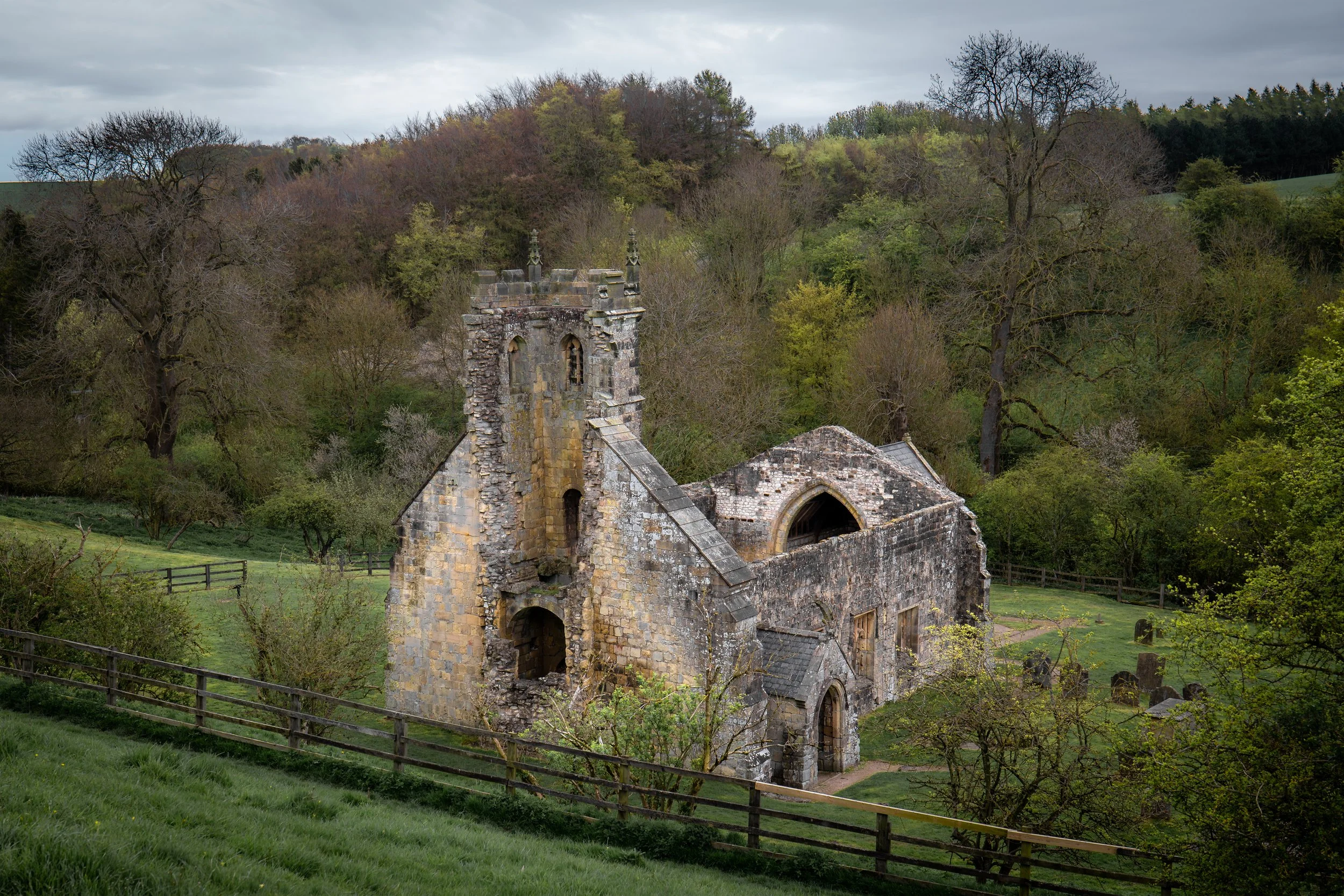
On the drive home we rounded out the trip with flying visits to three more cursed locations dotted about the East Riding: the Rudston Monolith, the UK’s tallest standing stone in the somewhat unlikely setting of a parish churchyard; Willy Howe near the wonderfully named village of Thwing, an earthen burial mound that’s been associated with fairies since the twelfth century (when the historian William of Newburgh reported fairies singing and banqueting within); and the forlorn remains of Wharram Percy, a deserted medieval village abandoned at some point in the 1400s. The light was flat as a pancake, but it seemed to suit these historical and melancholy subjects, and made a refreshing change from the bright spring sunshine which anointed our time on the coast.