Visiting Two Plane Crash Sites on Bleaklow
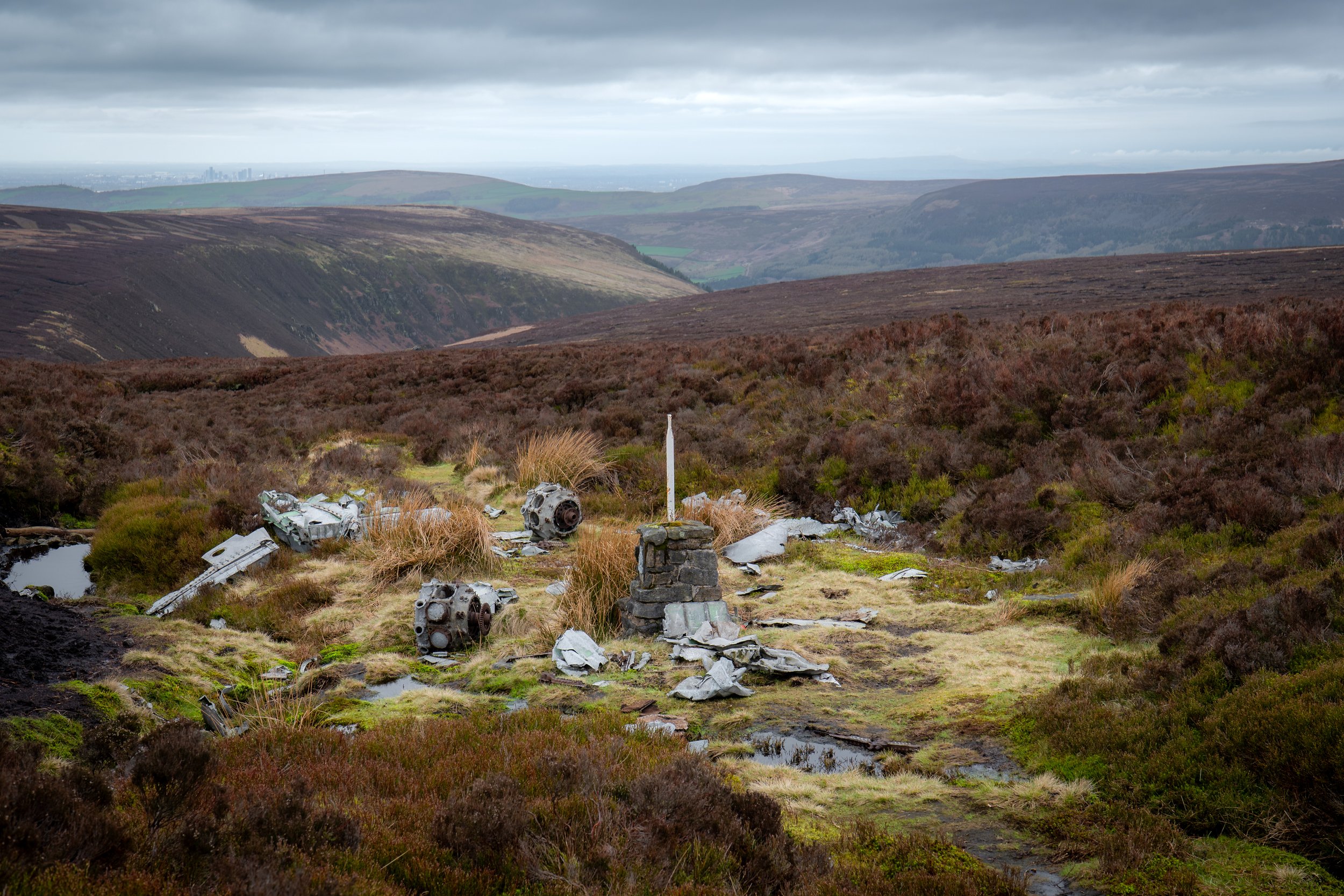
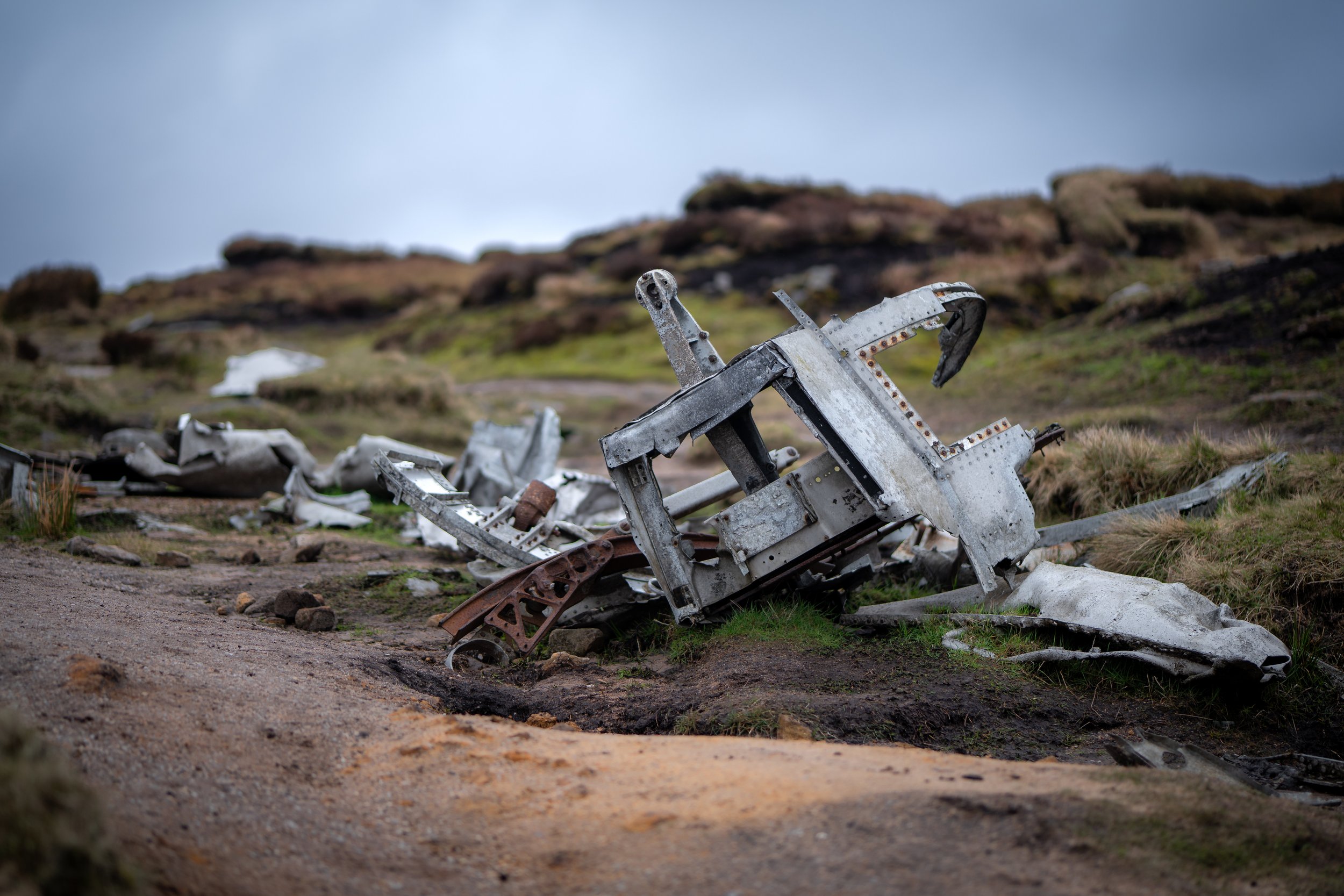
RAF Bristol Blenheim Mk. I I L1476, Sykes Moor, Bleaklow, Derbyshire.
While working on the Inner Lives research project, which was about (inter alia) the history and afterlives of early modern witchcraft, I developed an interest in what Chris Rojek has termed ‘fatal attractions’; sites that are connected to accidents, adversity, and tragedy, some of which are documented in my long-term photographic project about them. While they have an inherent ghoulish fascination, they also raise complicated questions around ideology, ethics, and interpretation, explored by the new(ish) academic subdiscipline of dark tourism studies. Mindful of these issues, but keen to do more ‘sightsee[ing] in the mansions of the dead’ (in Philip Stone’s phrase), over the long Easter weekend I visited two locations that have been on my list for some time, the remains of RAF Bristol Blenheim Mk. I I L1476 († 1939) and USAF Boeing RB-29A Superfortress Over Exposed († 1948) on Bleaklow in Derbyshire, two of 173 plane crash sites that dot the Peak District National Park.
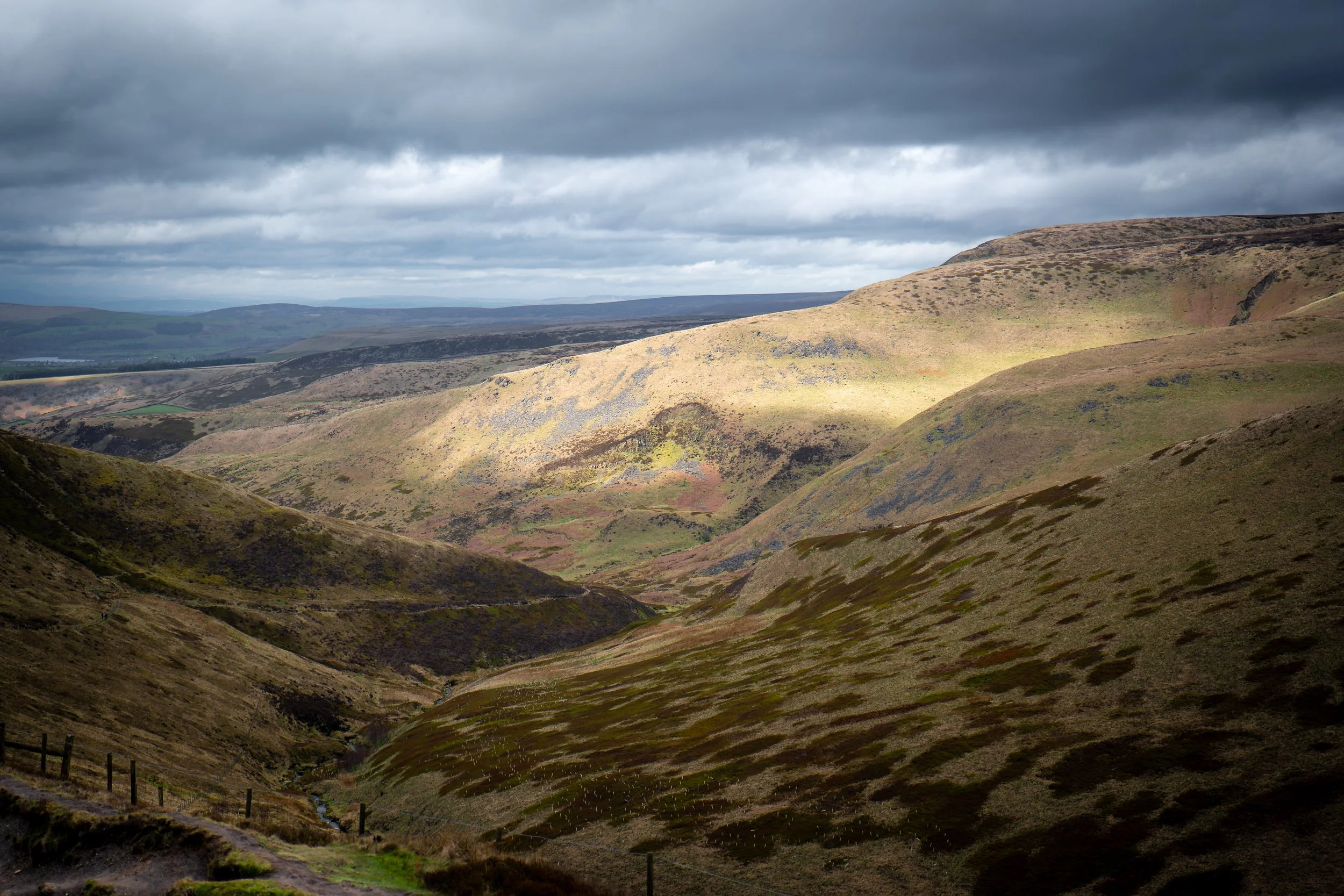
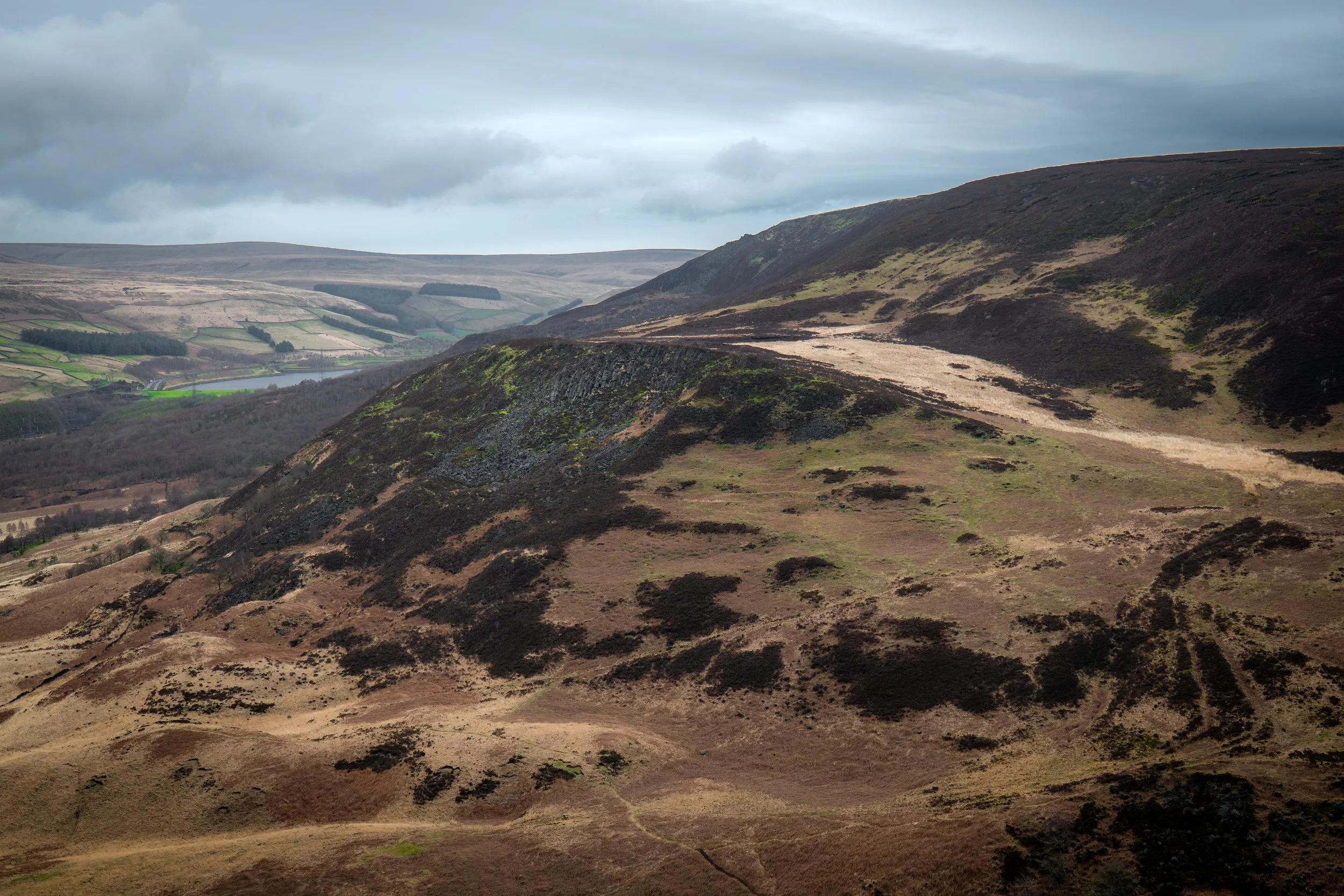
They’re two of the region’s best-preserved examples, and while they came to grief in peacetime their military character inevitably adumbrates a wider global network of Second World War killing grounds (battle sites, Hiroshima and Nagasaki, and the Nazi concentration camps). Their final resting place on Bleaklow adds considerably to their macabre appeal. This brooding plateau of boggy moorland is drenched in folklore and legend, much of it ominous in quality, and represents one of the most remote and forbidding corners of the Peak District, approached with trepidation by even the most confident and experienced of hikers (the clue’s in the name, which derives from the Old English ‘blaec hlaw’, or dark hill). I stuck religiously to the Pennine Way, deviating only for the wrecks, and tackled the walk in early Spring, which I judged to be a Goldilocks zone; harsh and disorienting weather conditions were less likely to descend, while the twin perils of dehydration and heatstroke would not yet be an issue.
RAF Bristol Blenheim Mk. I L1476
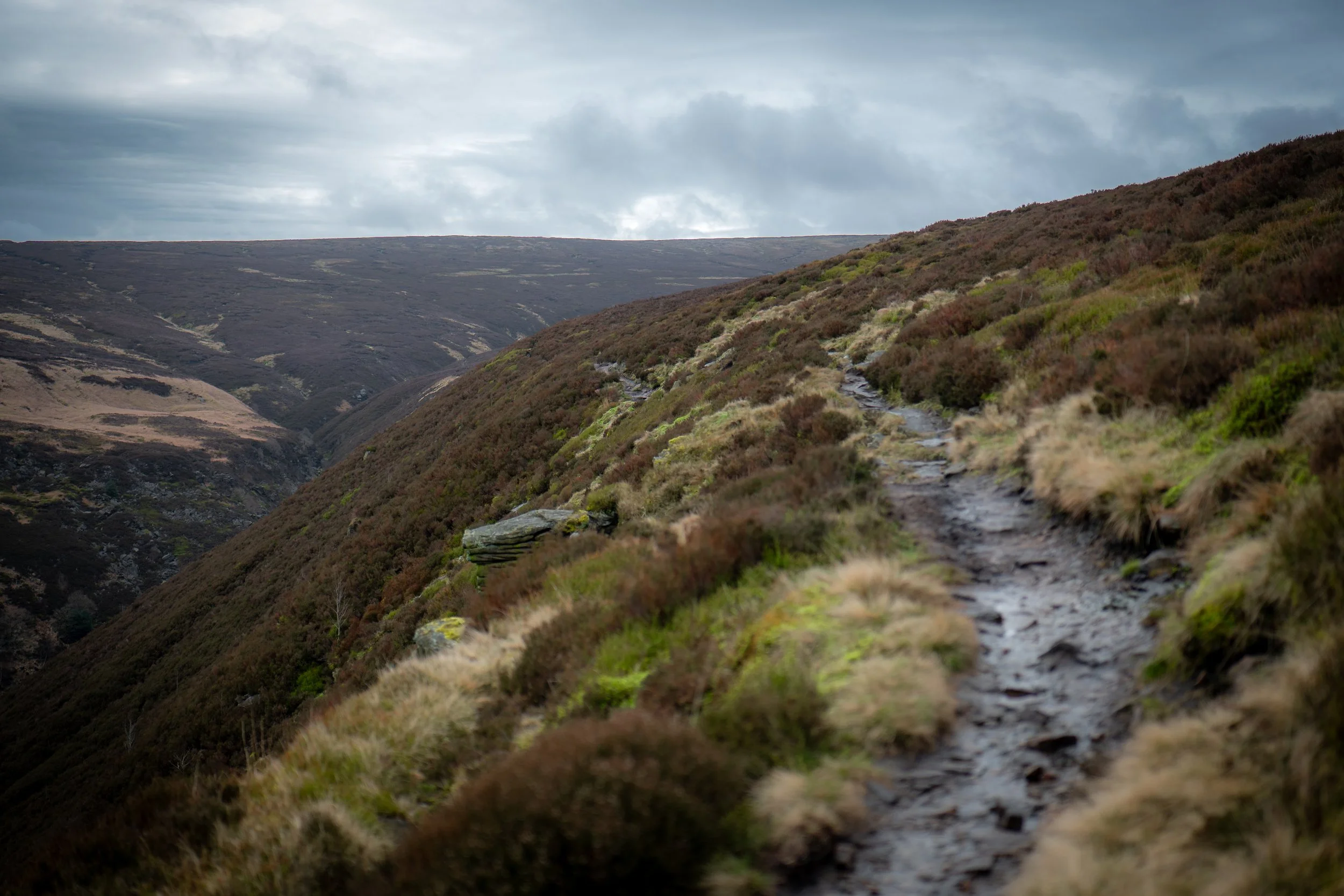
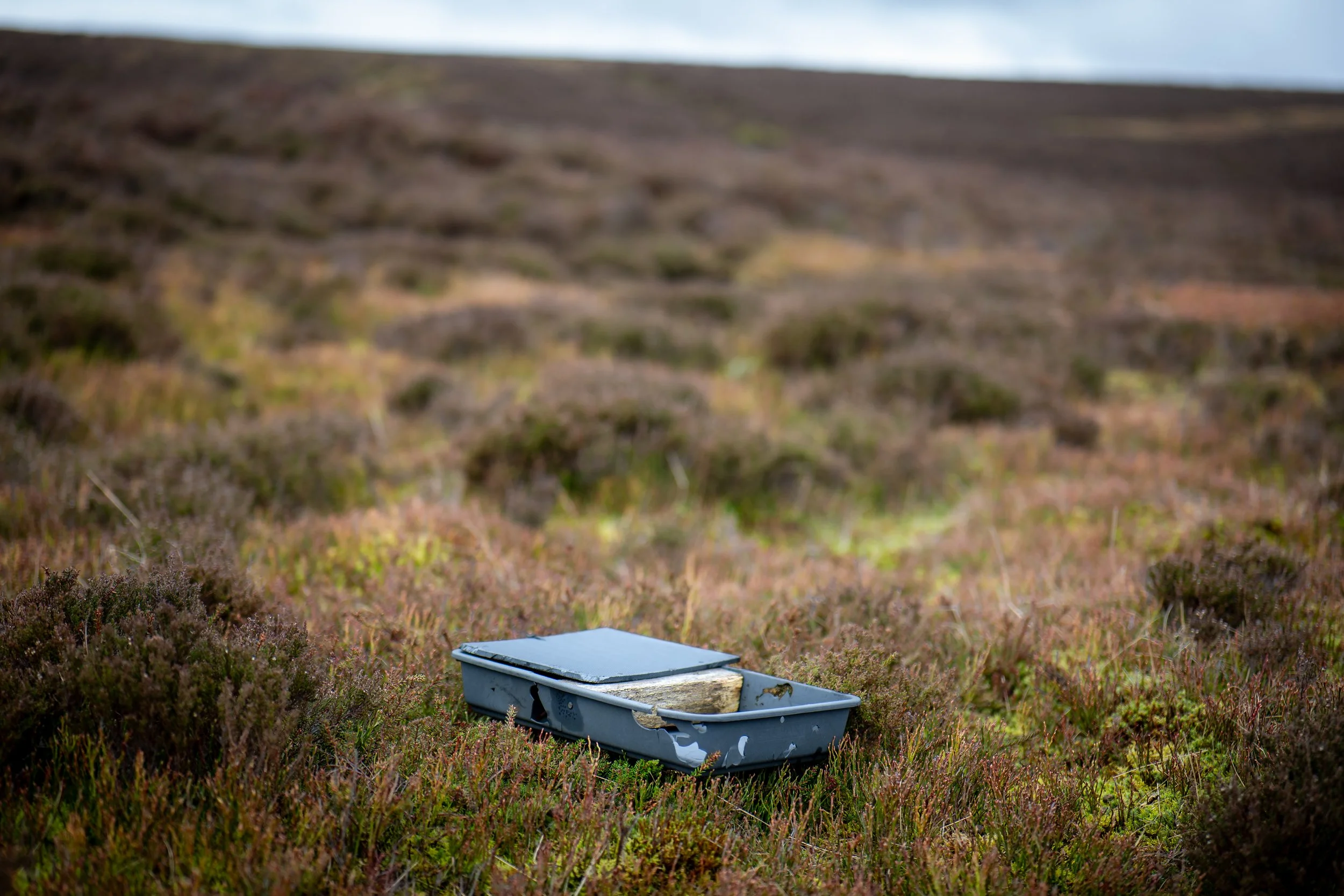
I set off from Torside in the Longendale Valley, ascending the daunting north face of Bleaklow (locus of the mysterious Longendale Lights) onto the narrow path that rims Clough Edge. I nearly aborted my attempt to reach the first crash site; it’s hidden in a large expanse of pathless terrain deep on Sykes Moor, and my love of walking emphatically doesn’t extend to tussock-tramping on open moorland, an activity I find tedious and treacherous in equal measure. However, buoyed by the sight of some lone outlying debris in the form of a document tray, and a faint trail I picked up from a grouse shooting butt, I pressed on, stumbling upon the wreckage almost by accident after clambering through several peat groughs.
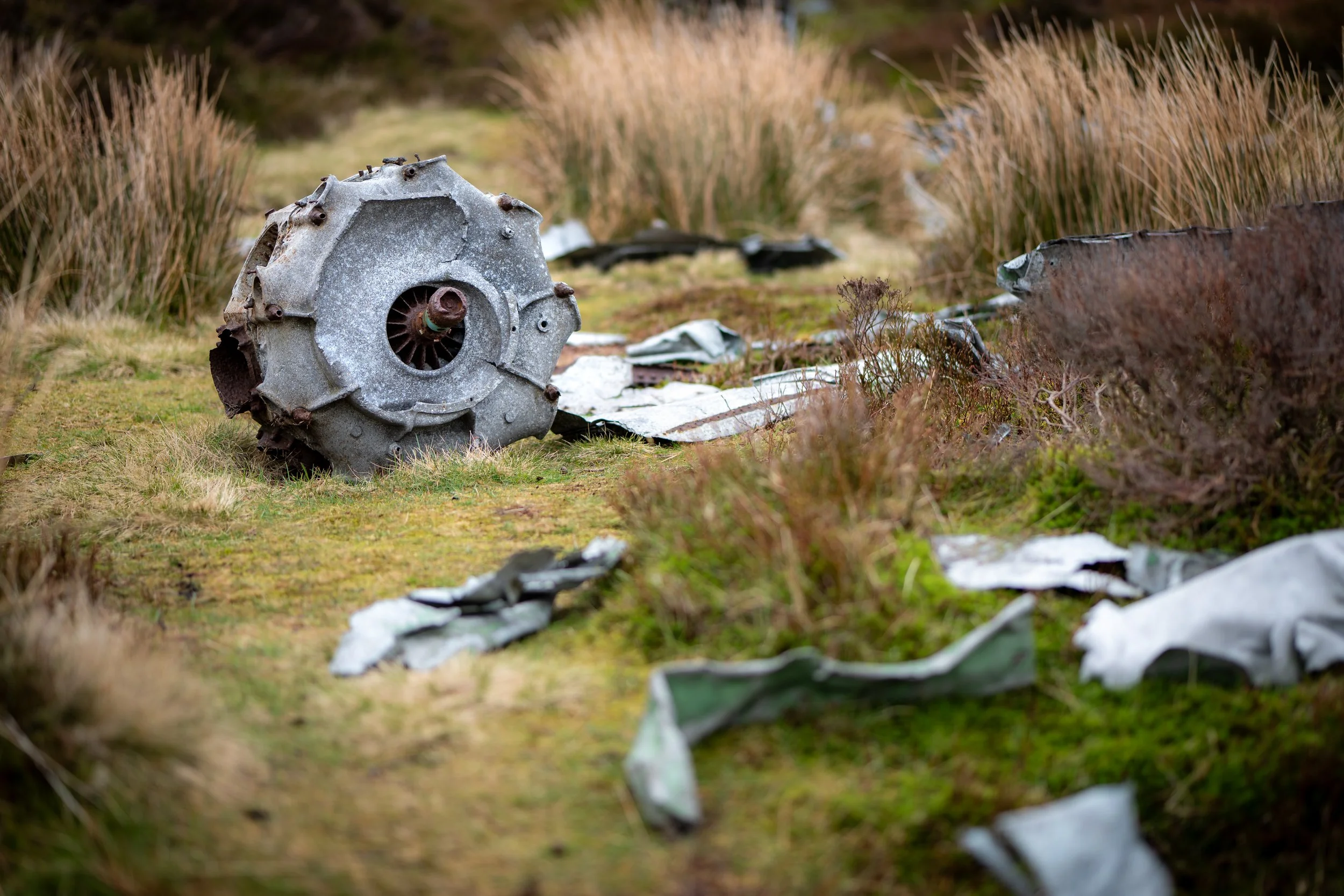
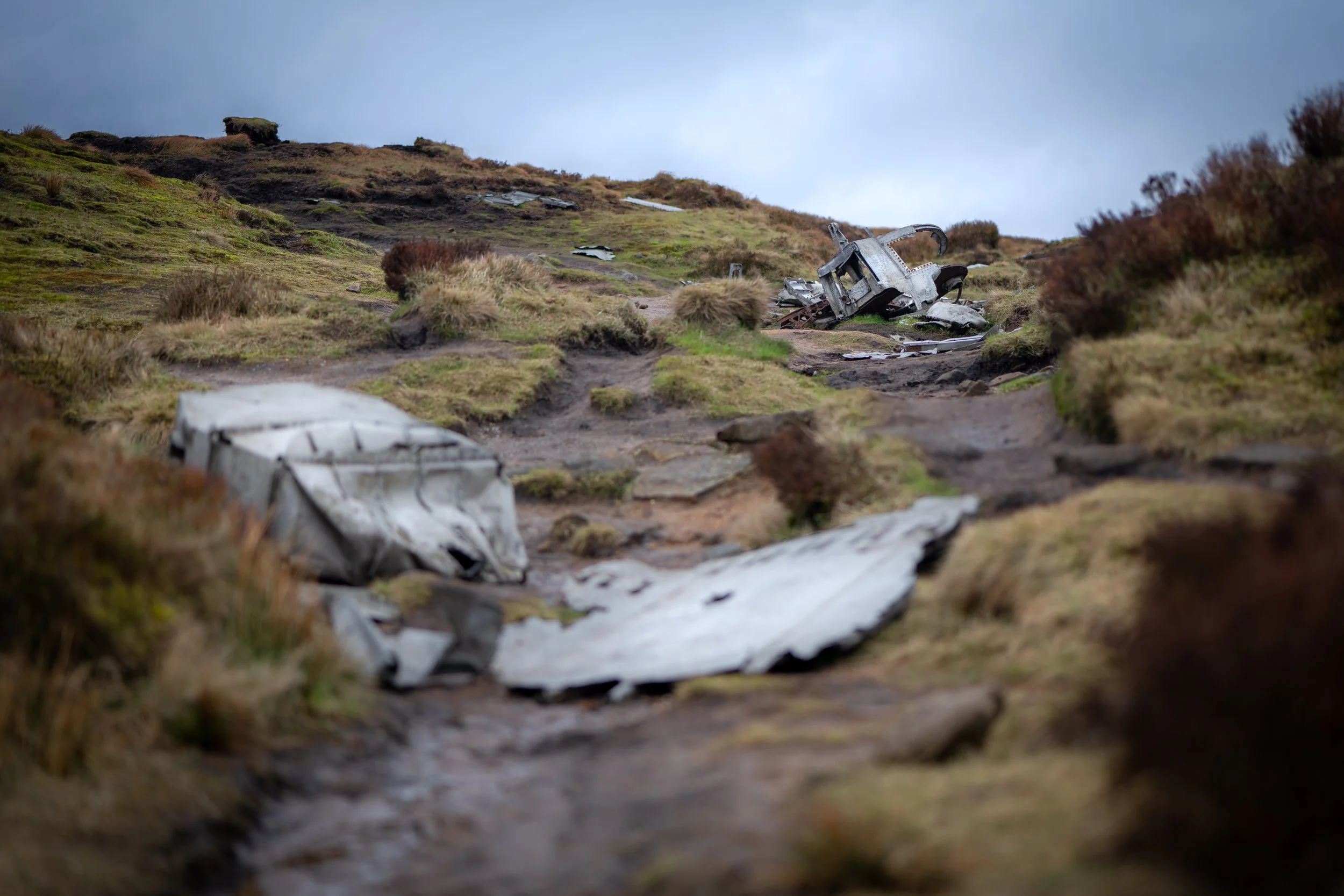
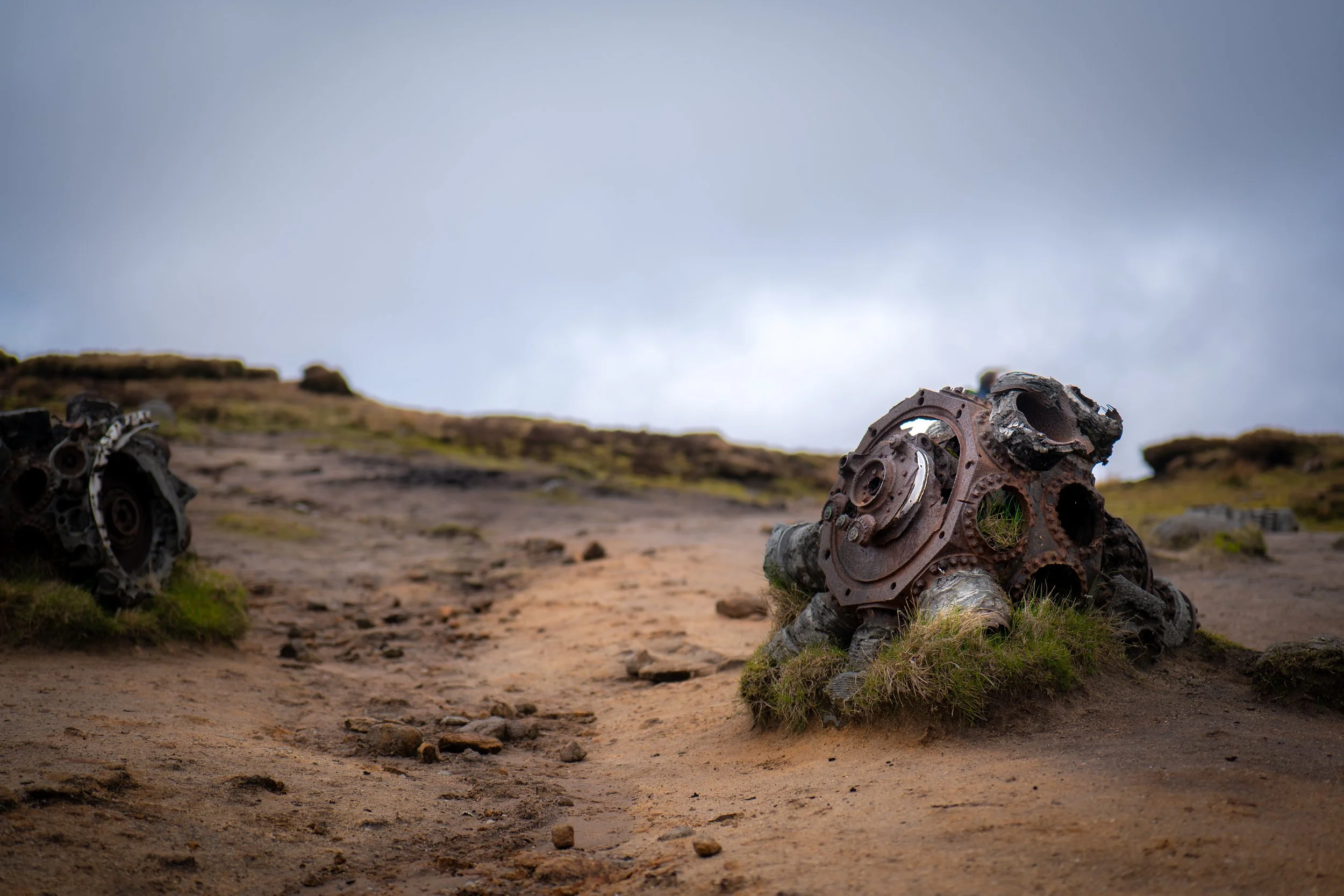
RAF Bristol Blenheim Mk. I L1476 crashed on a training flight from RAF Church Fenton in Tadcaster on 30 January 1939, resulting in the deaths of pilot Stanley Robinson and first officer Jack Thomas (both of whom were new to the squadron and therefore unfamiliar with the area); there’s evidence that both men had bailed out, but were too close to the ground to deploy their parachutes. So isolated is the crash location that the aeroplane was missing for two weeks following its initial disappearance, when it was finally discovered by a member of a local walking club; according to stories collected by David Clarke, other locals who removed pieces of the wreckage for practical or commemorative purposes were plagued by bad luck and tragedy. Consisting of several chunks of engine, wing, and fuselage, bleached like whalebones by almost a century of rain and sun, the flight’s remains are small and extraordinarily poignant. A little commemorative monument, erected in 1991, marks the spot.
USAF Boeing RB-29A Superfortress Over Exposed
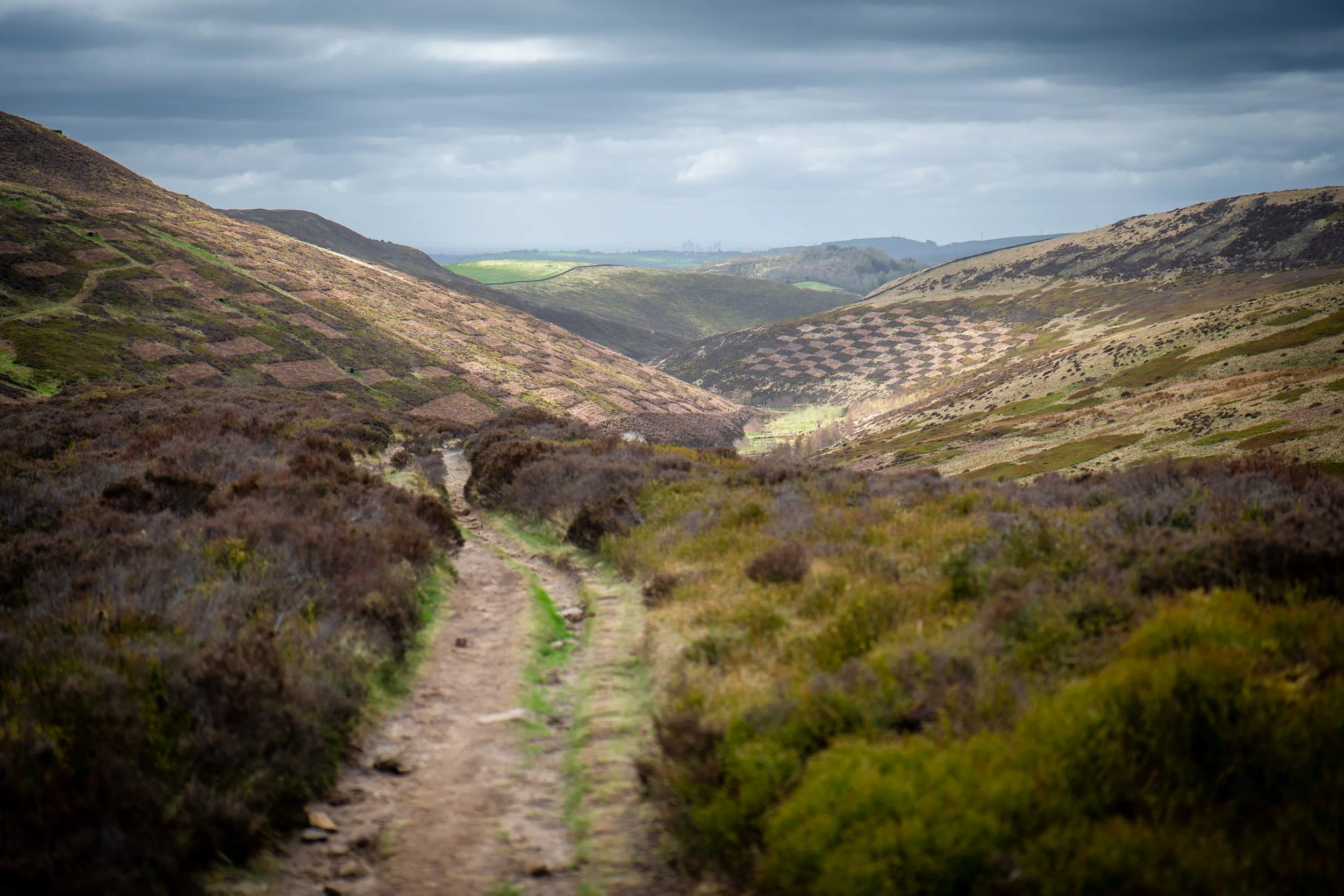
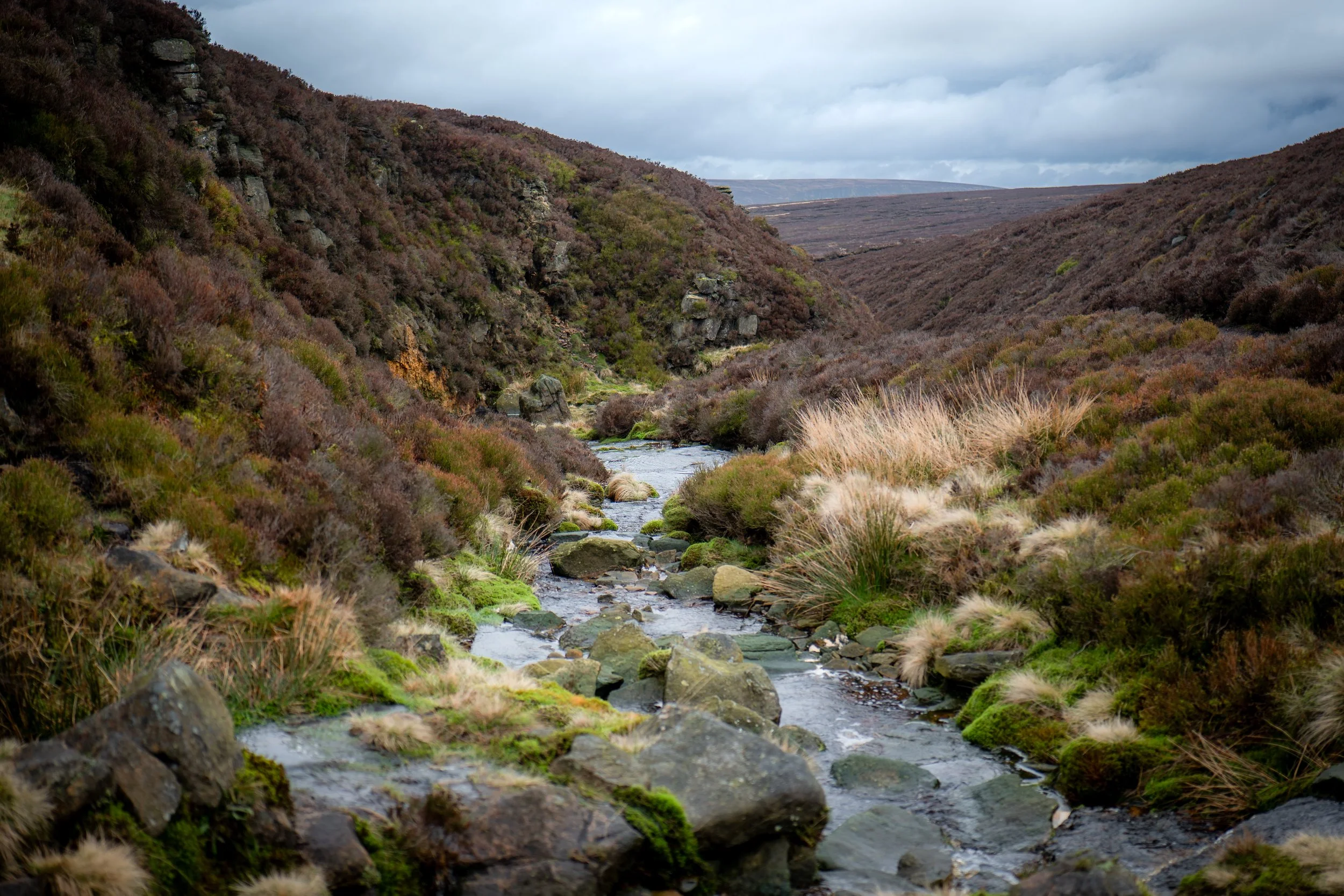
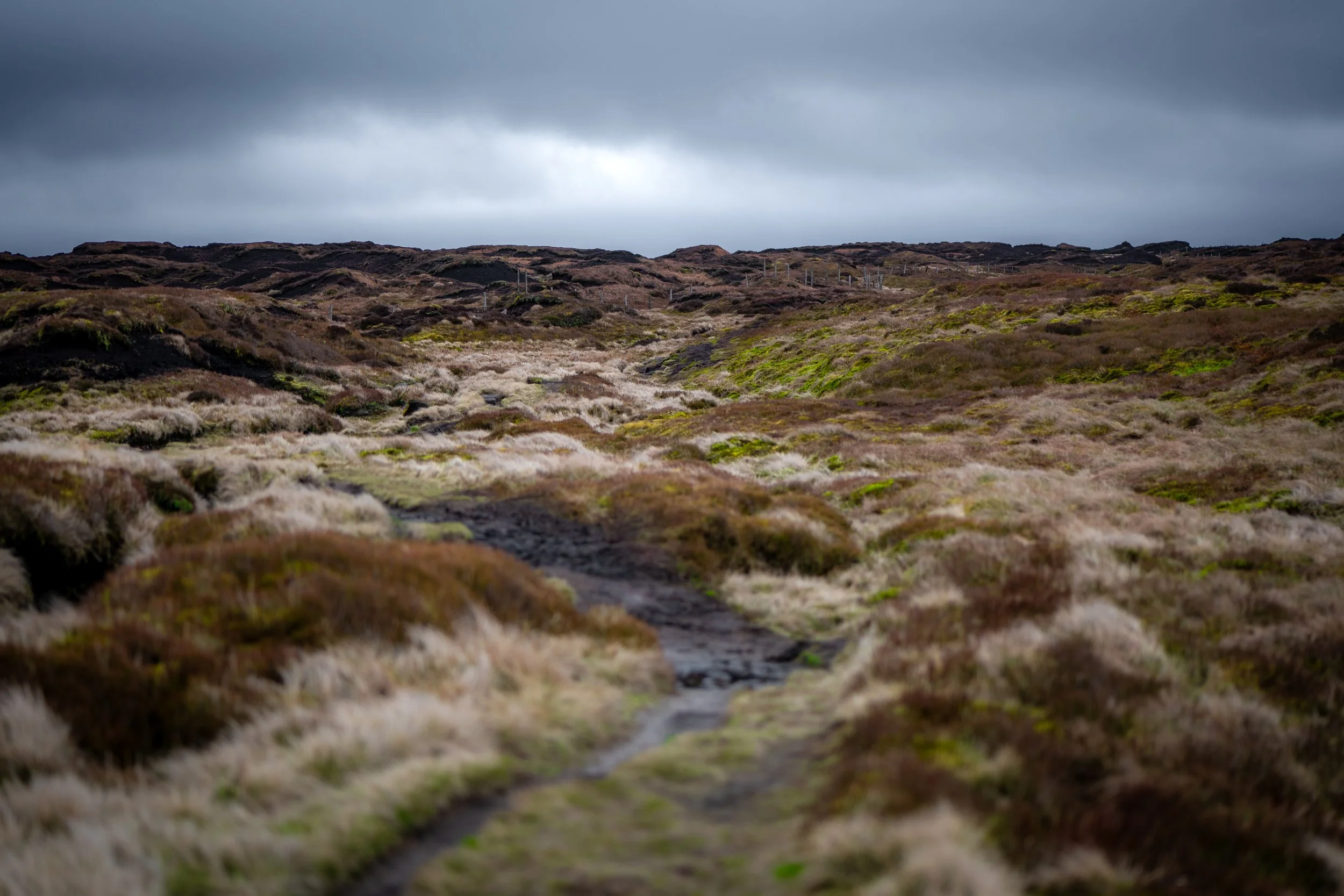
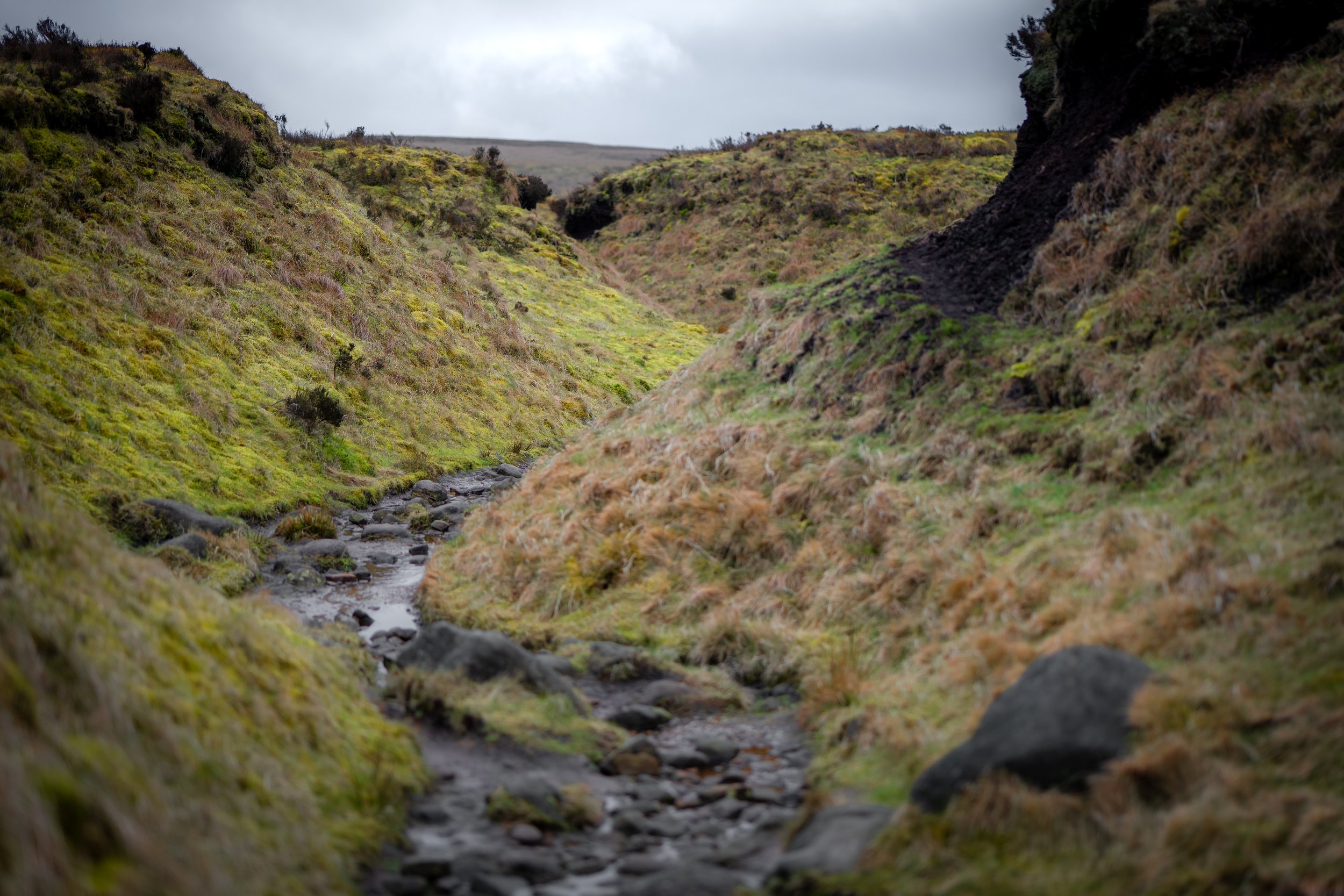
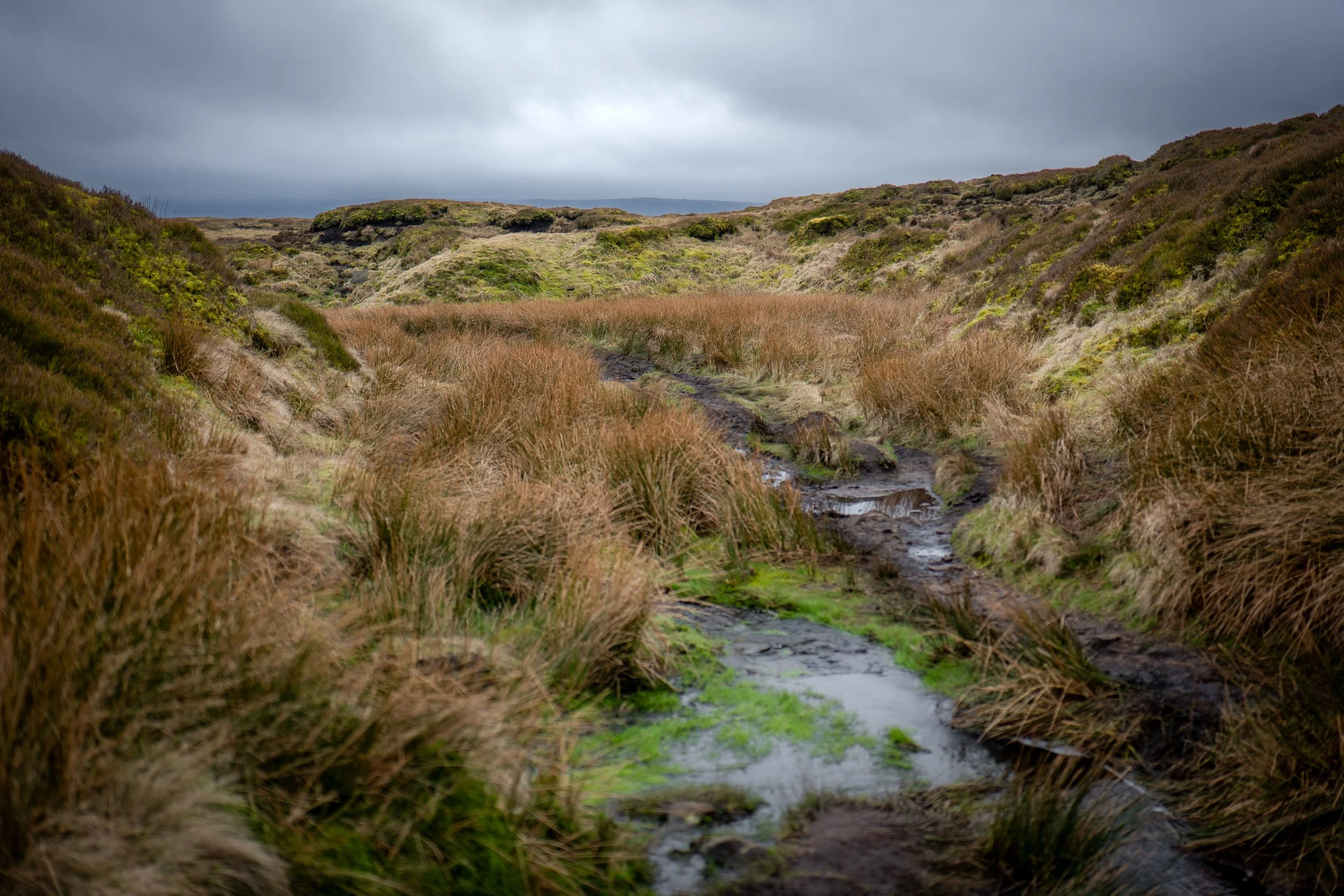
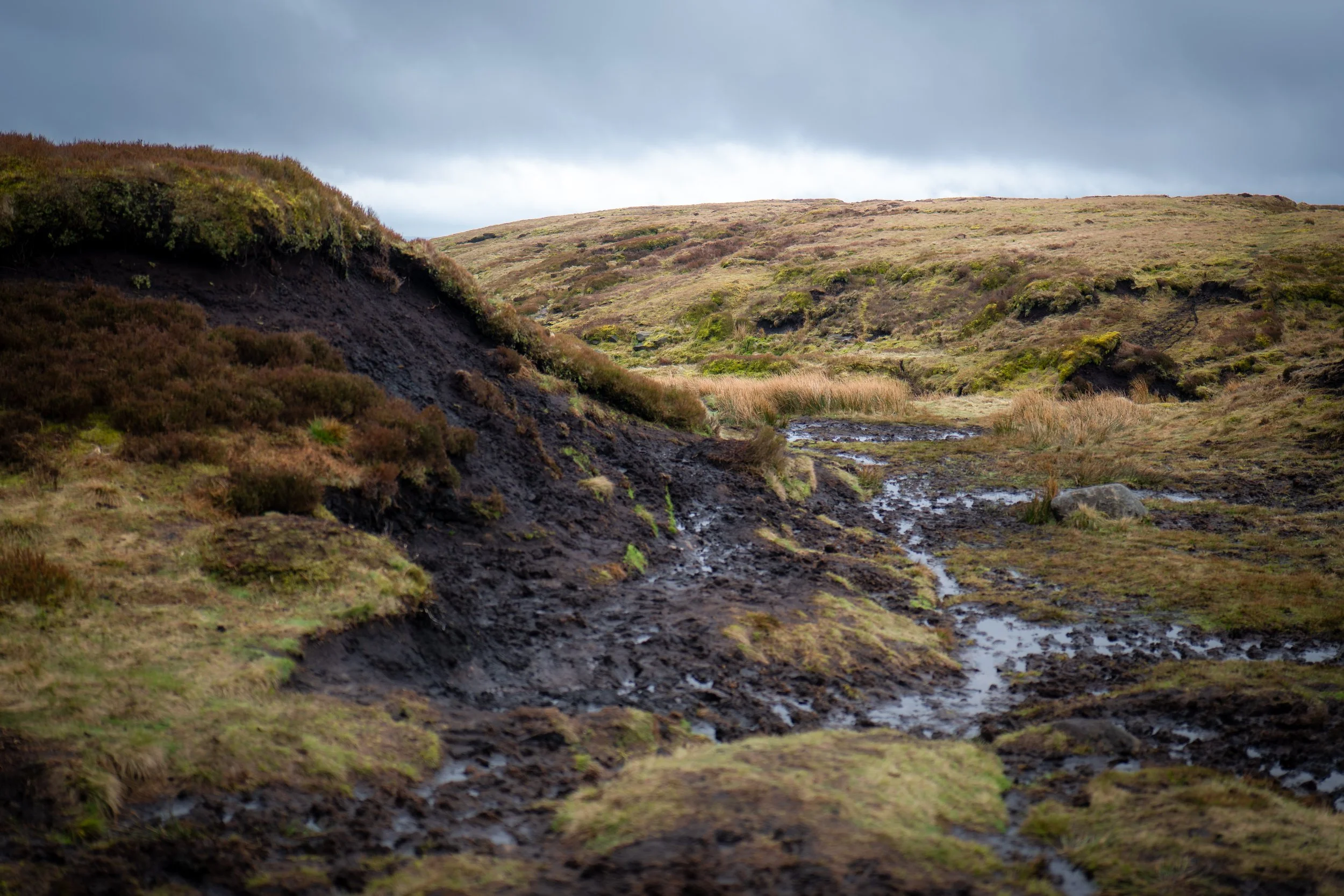
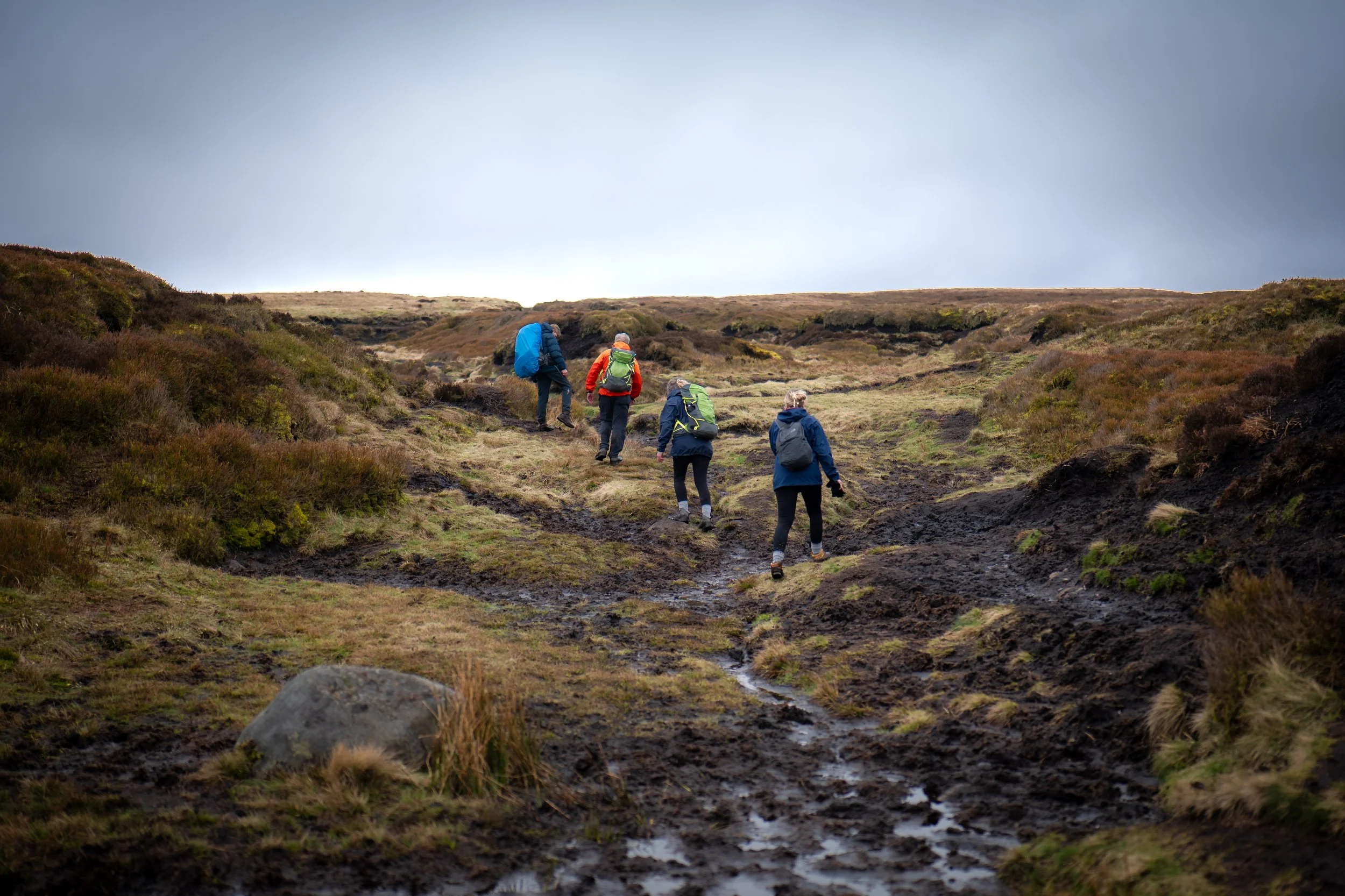
After paying my respects I summited Bleaklow Head – a barren moonscape where I tried and failed to locate the famous wain or ‘kissing’ stones – and started my descent to the second location. While the incline on this side of Bleaklow is gentle, this was the wildest and trickiest part of the route, the Pennine Way at its most notional, weaving around and over rock outcrops and high-sided gulleys, and still heavily waterlogged; at points it effectively became a stream, brimming with algae and frogspawn. Located on a promontory called the Higher Shelf Stones the crash site itself is easier to find and navigate to than the first (I did the straightforward ascent from Hern Clough), although hordes of car-borne dark tourists disgorged from nearby Snake Pass have churned up the peat on its various approaches, rendering them deadly bog.
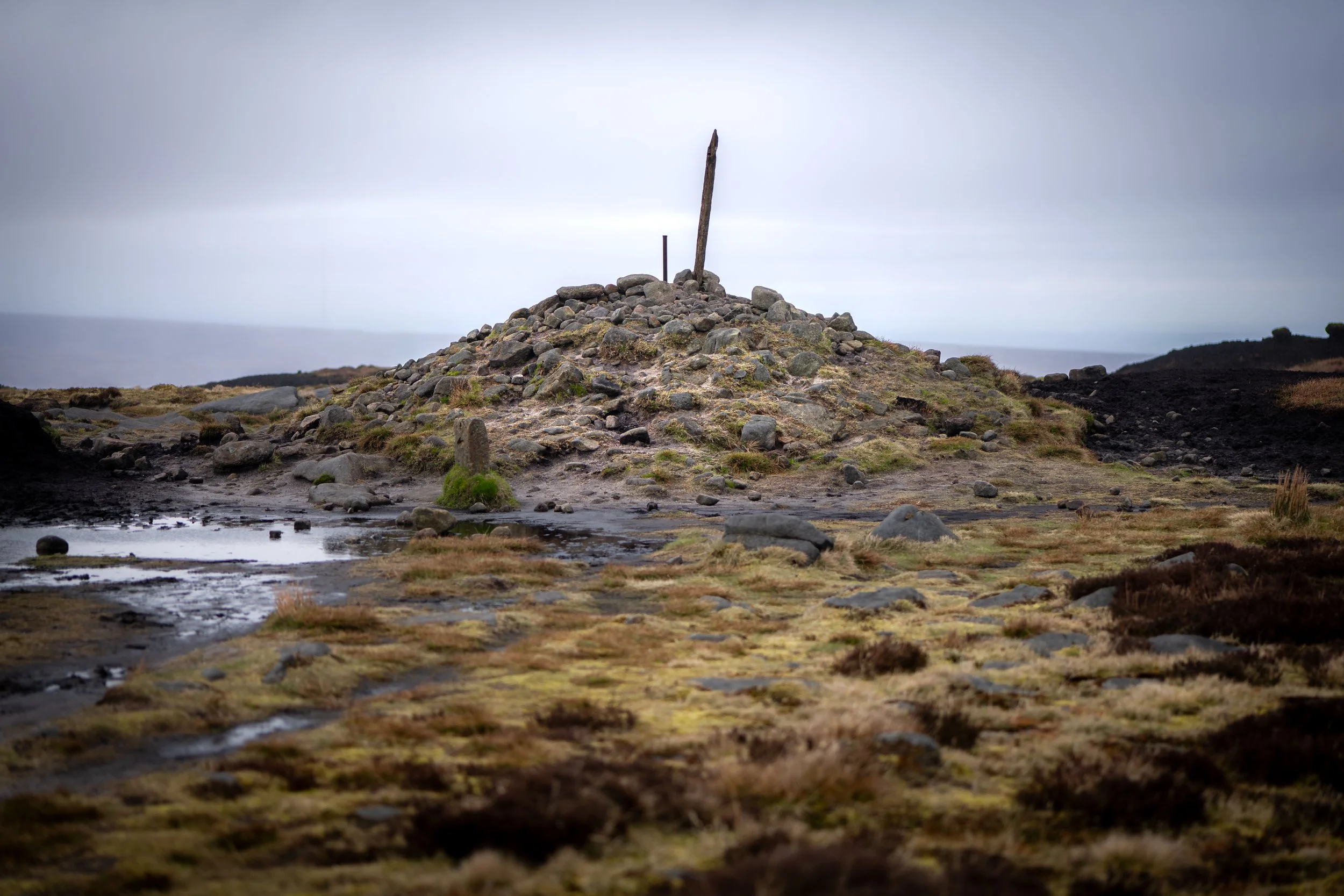
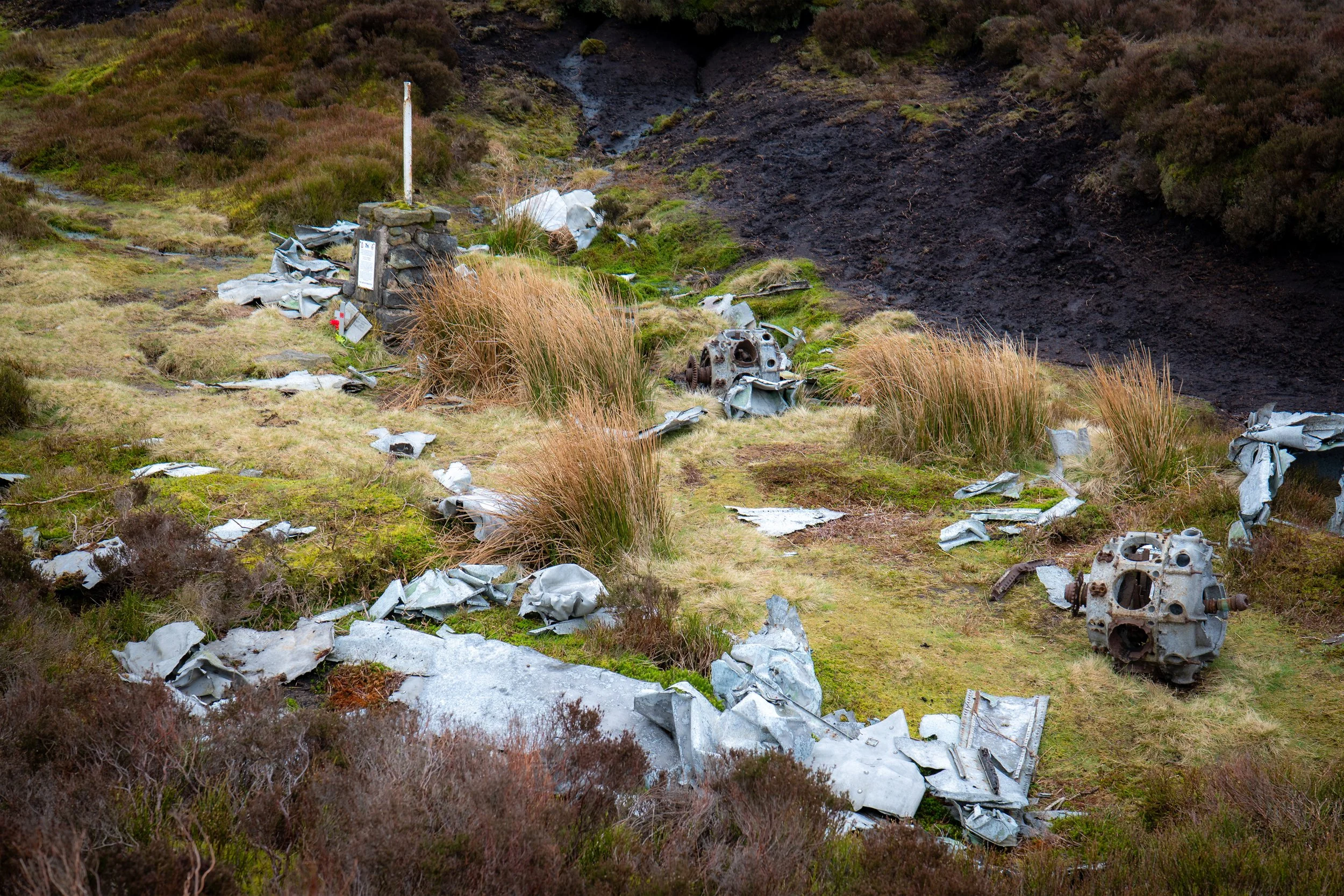
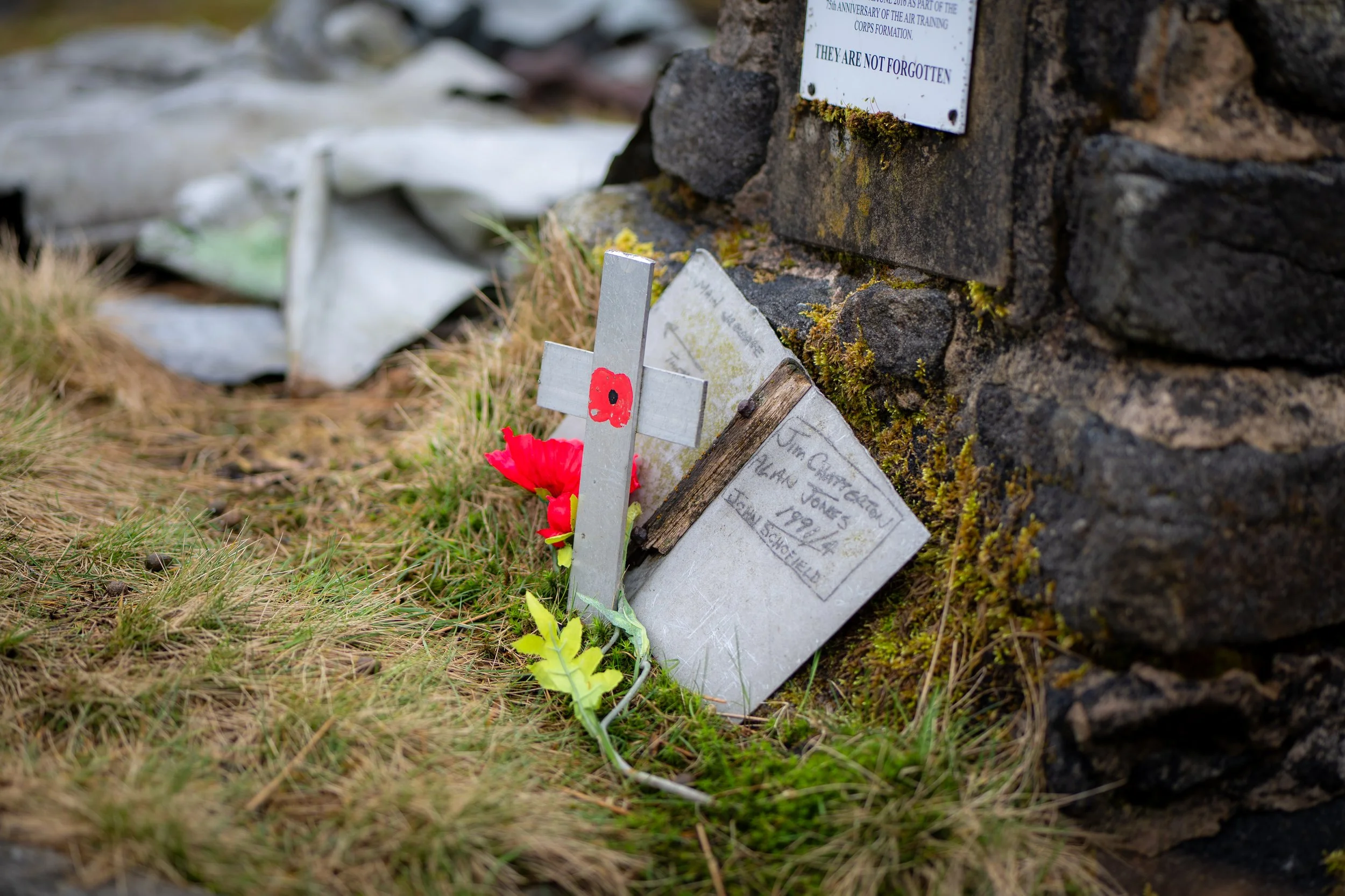
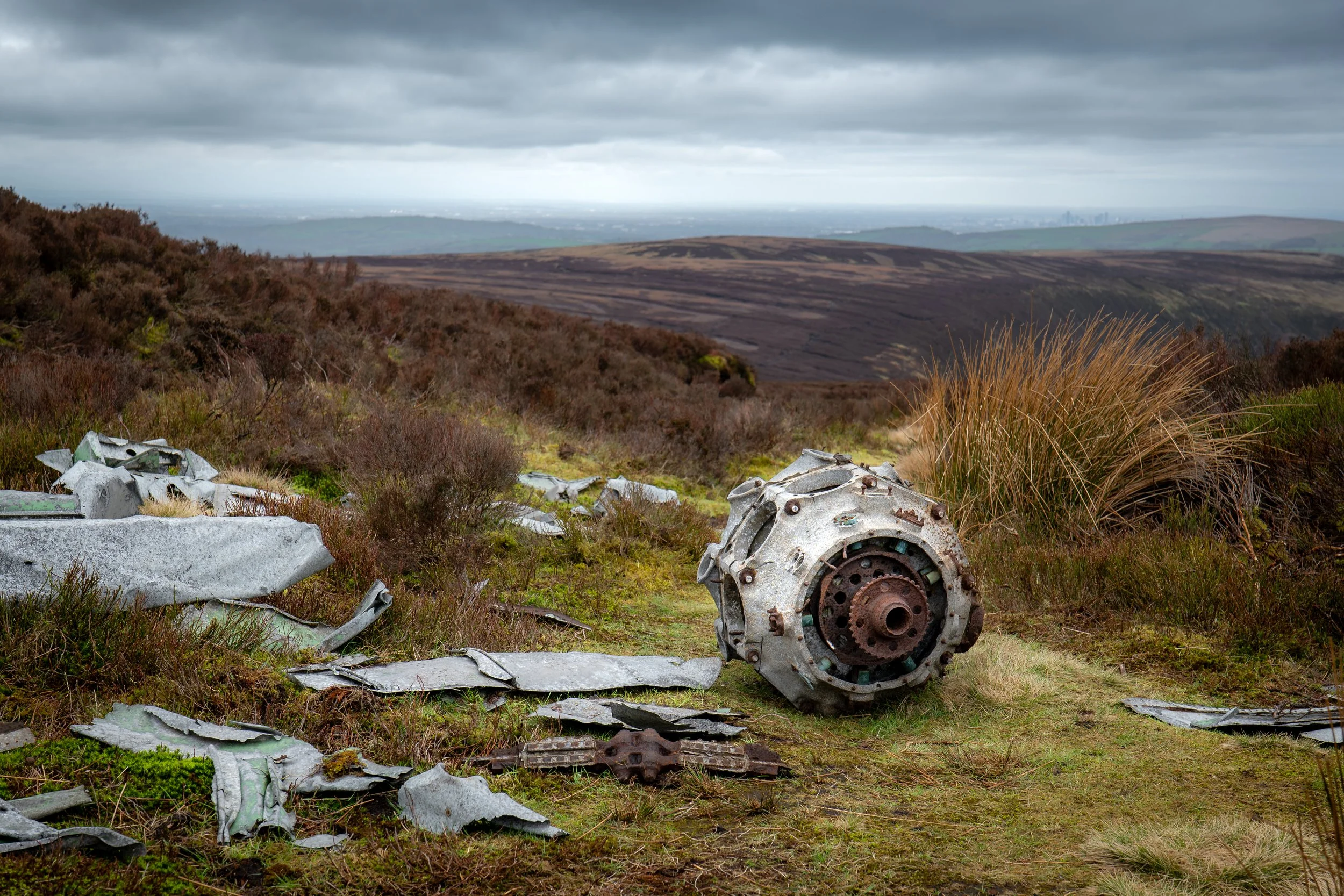
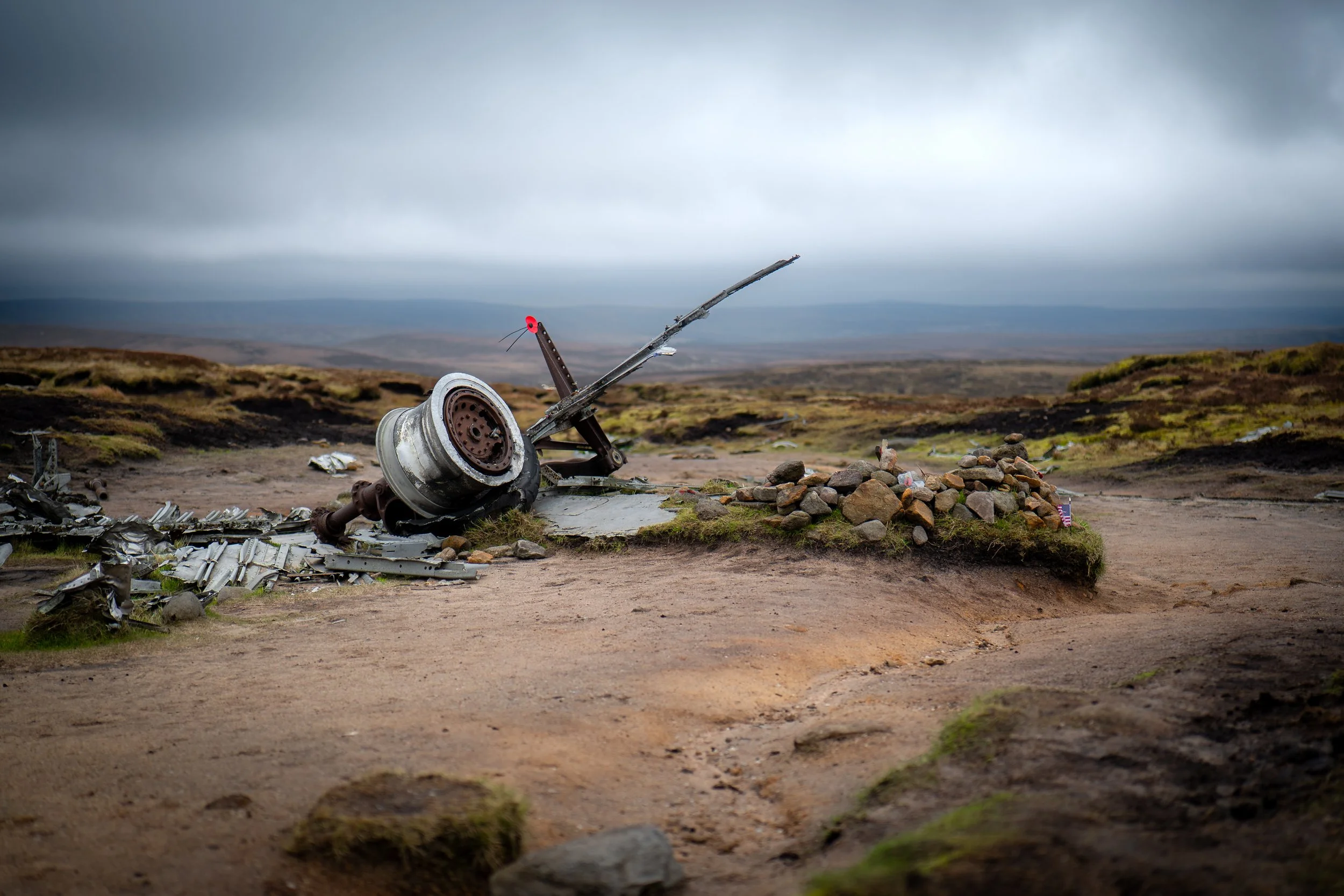
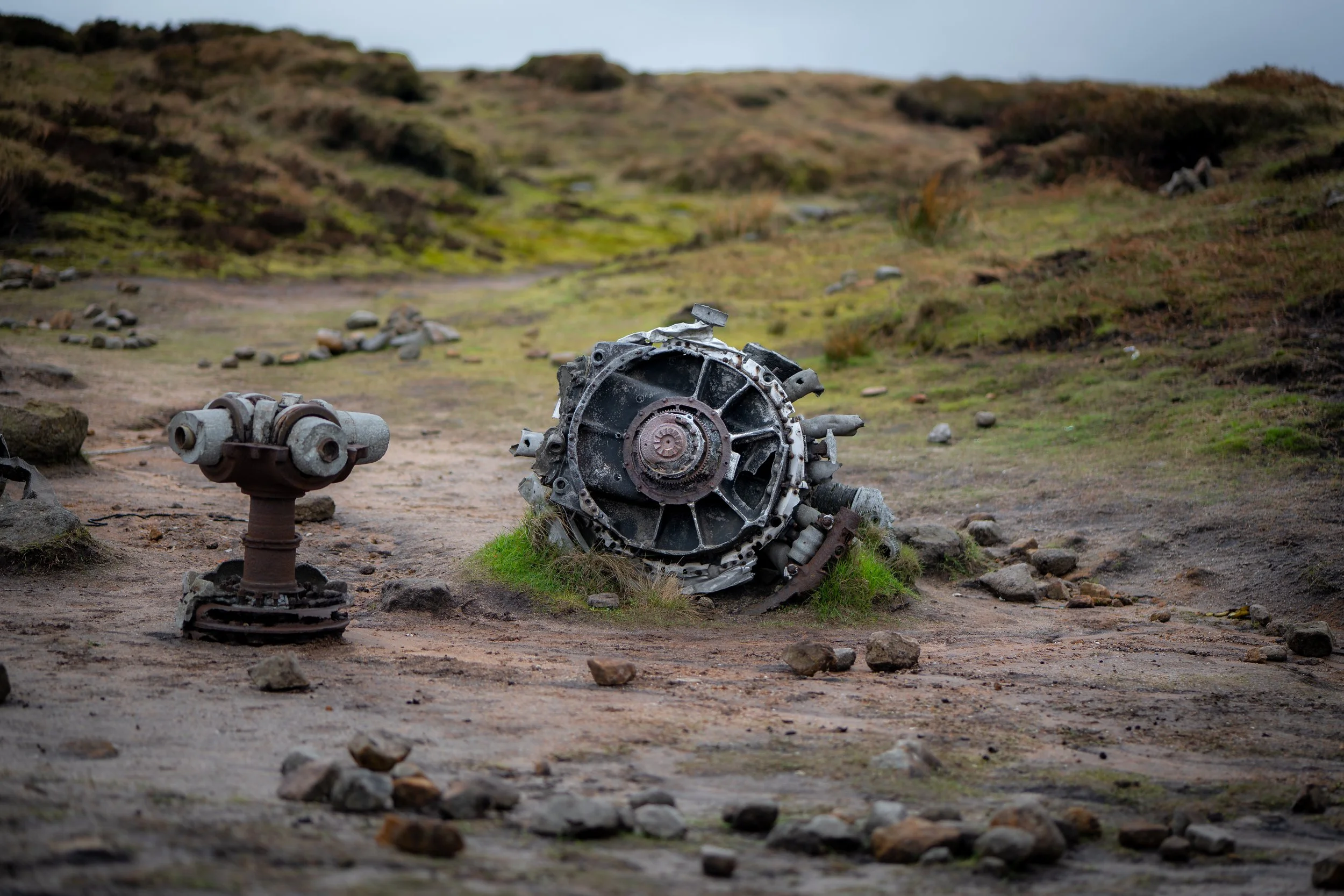
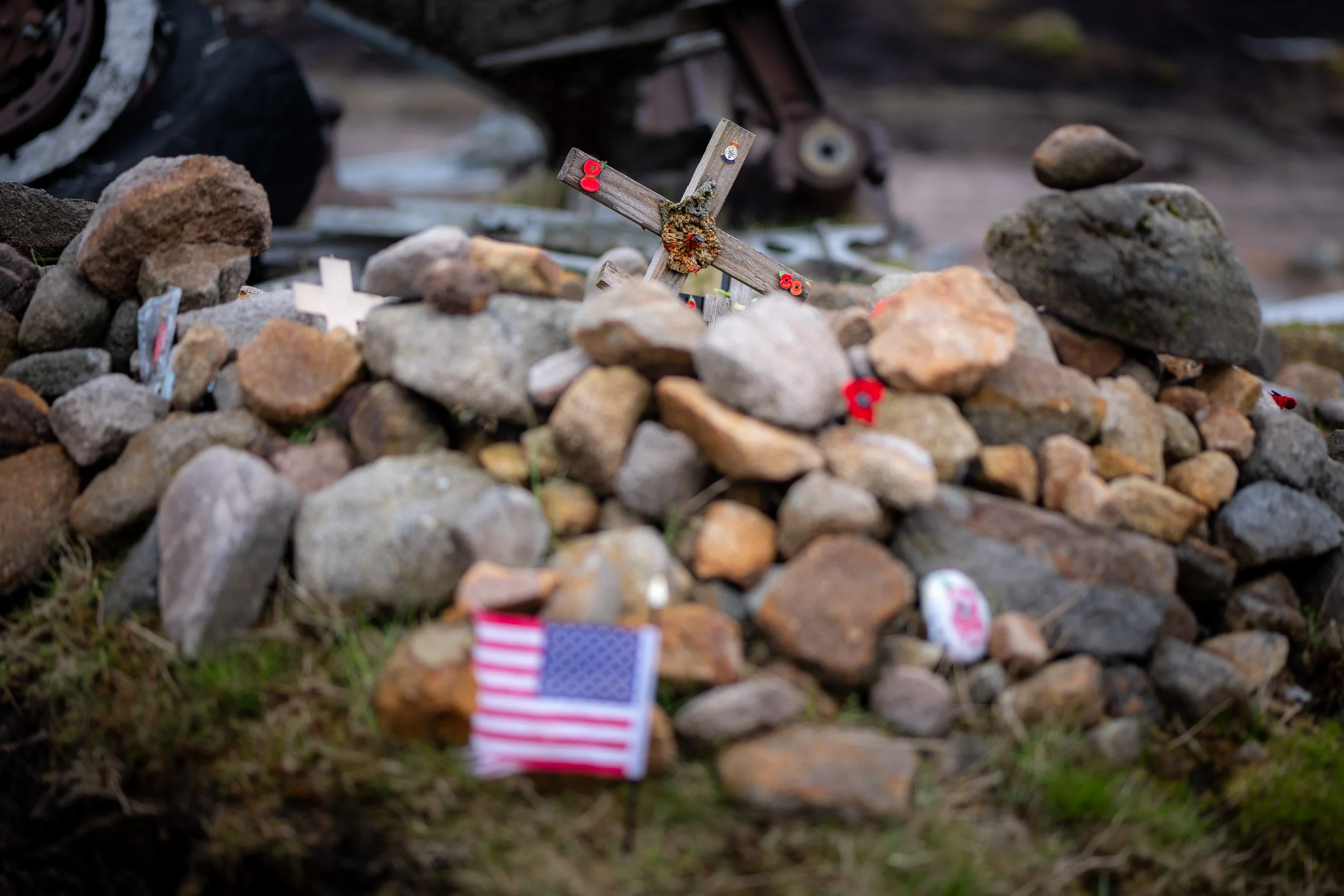
USAF Boeing RB-29A Superfortress Over Exposed, which as its name suggests ended its life not as a bomber but as part of the 16th Photographic Reconnaissance Squadron, crashed in low cloud on a routine daytime flight on 3 November 1948, with the loss of all 13 occupants. The impact site’s larger and less intimate than the first; more (and more substantial) wreckage has been strewn over a much wider debris field, much of it having the incongruous appearance of a film set or contemporary sculpture. Thronged by camera-toting sightseers (many of whom were taking grinning selfies and otherwise cavorting), and equipped with an interpretation board, it’s also been more fully integrated into the visitor experience and infrastructure of the Dark Peak. There have been reports of phantom airmen at the location.
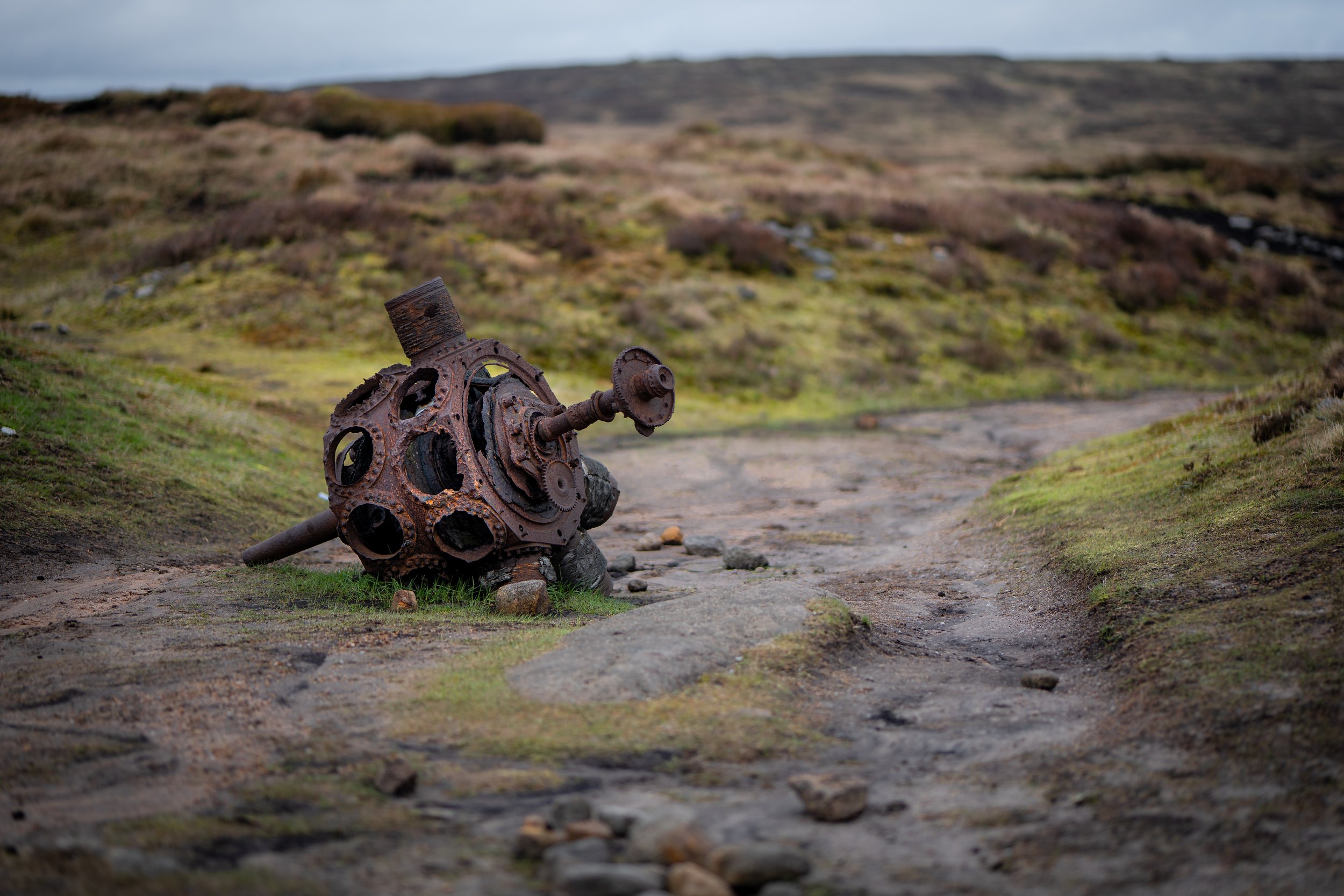
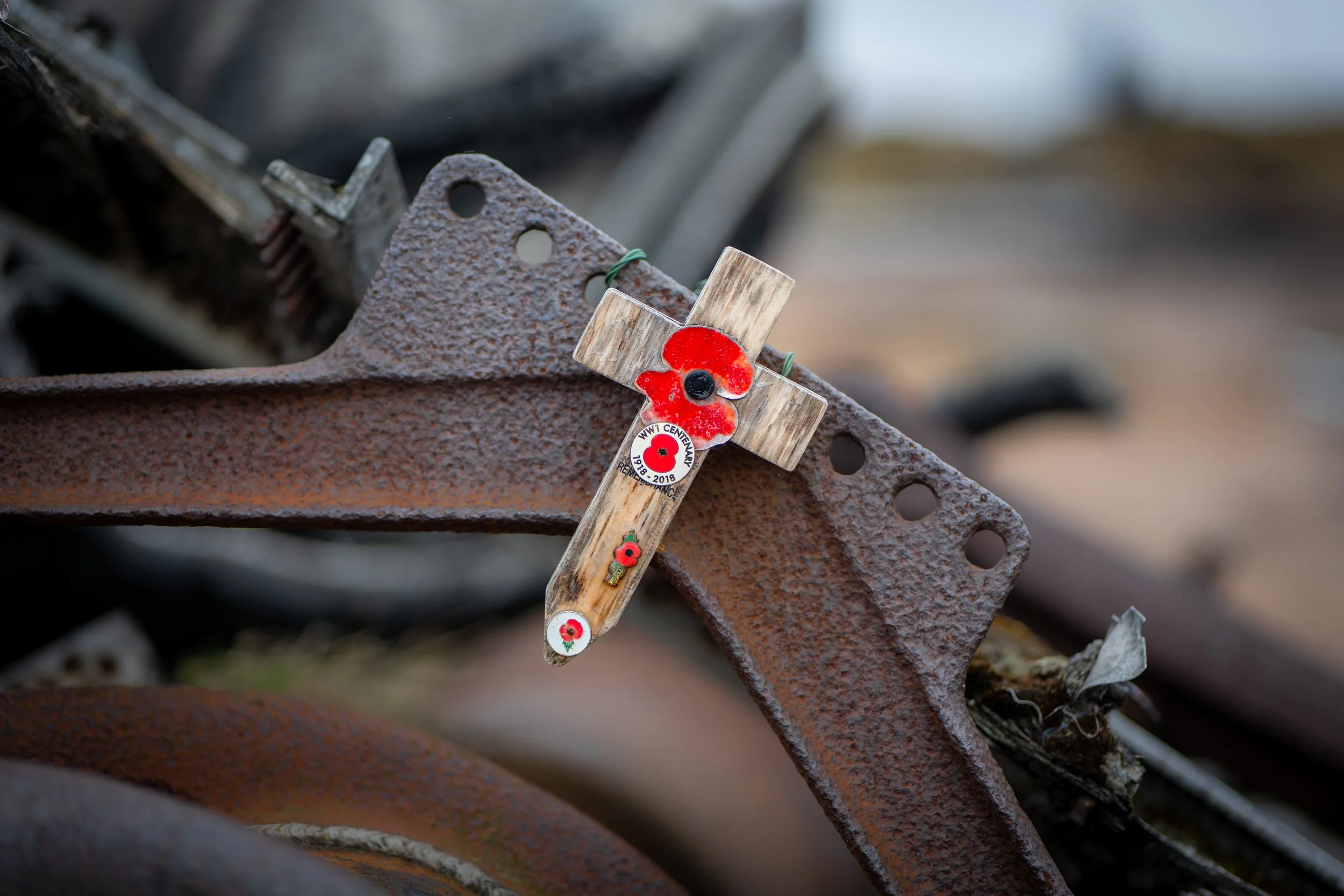
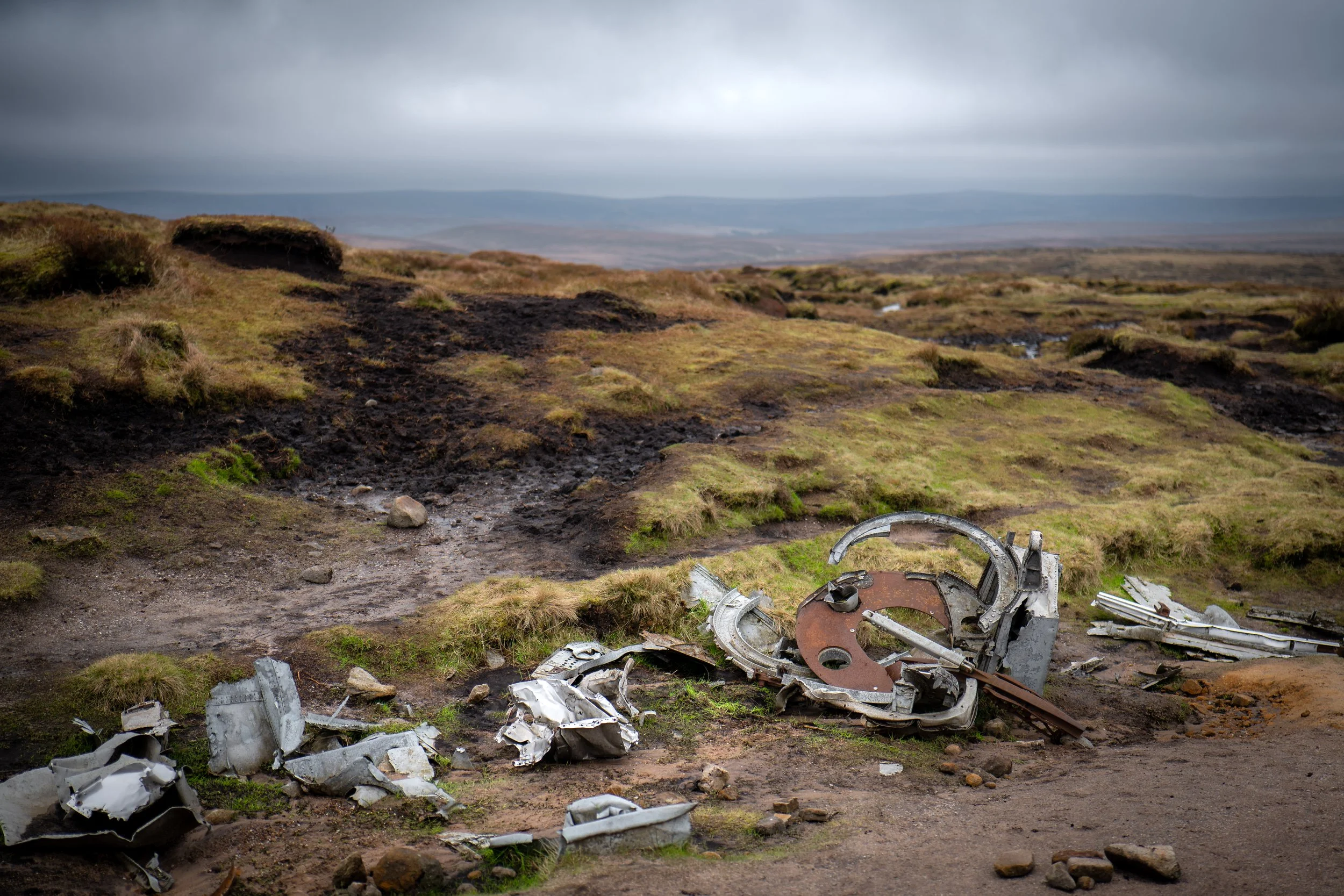
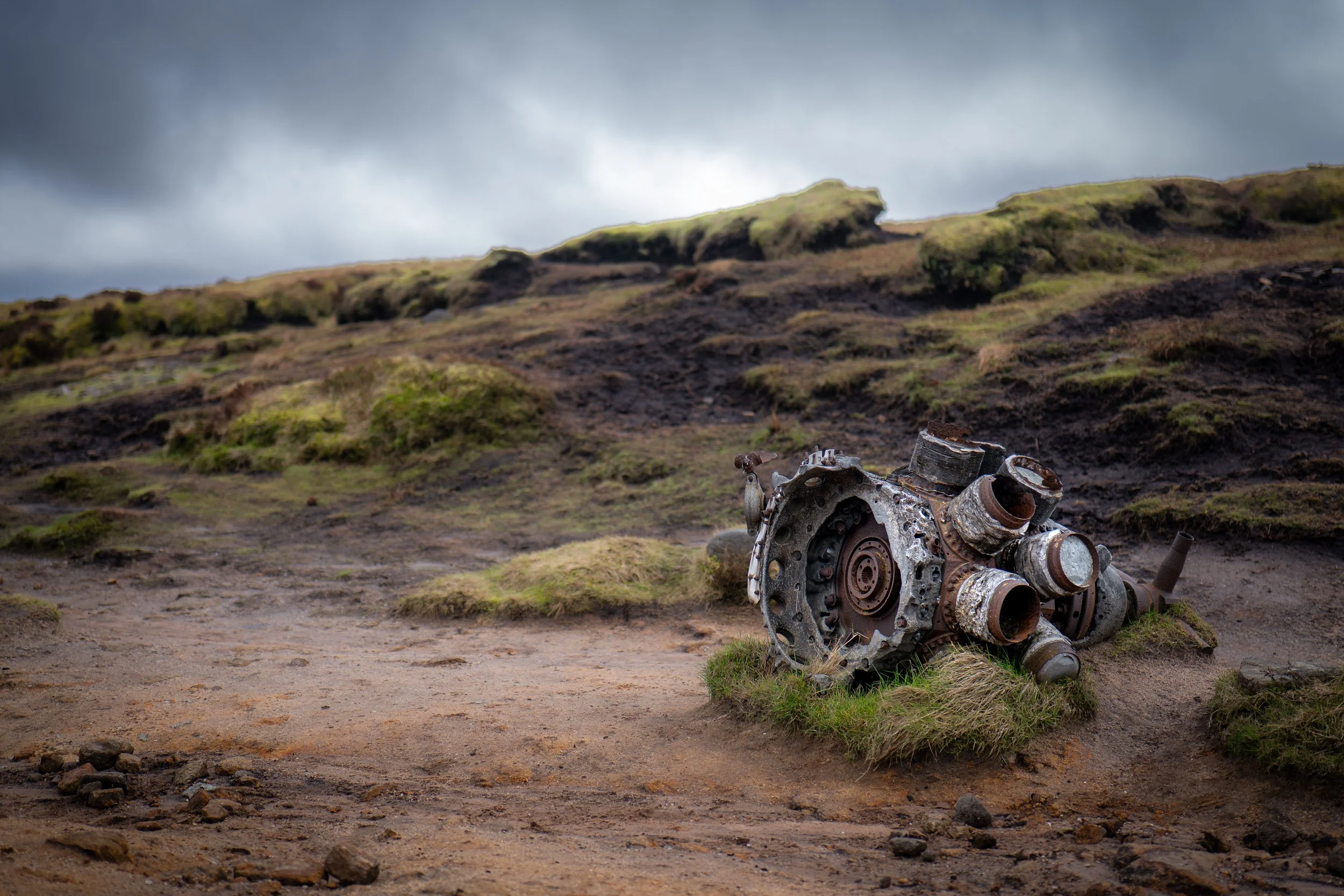
The final leg of the walk saw me cleave to the west and Glossop (from whence I trained back to Sheffield) via Doctor’s Gate, a late medieval packhorse route through the picturesque but demanding Shelf Brook valley. My knees were starting to grumble – 30,000 steps is my well-established limit in mountainous territory and I was some way beyond that – but I was heartened by the sinister folklore attached to the trail, which tells in characteristic fashion of doctors, vicars, and devils, and speaks to the complex layering of topography, history, and myth that makes up the Bleaklow experience.