
The photographs in this collection reckon with haunted histories and dark pasts, sites that are usually connected in some way to suffering, death, and tragedy, and which within recent years have fallen within the academic purview of dark tourism studies (or, in its more elegant alliterative variant, heritage that hurts). I find them as moving as they are occasionally macabre. This is also my main repository of hauntings.
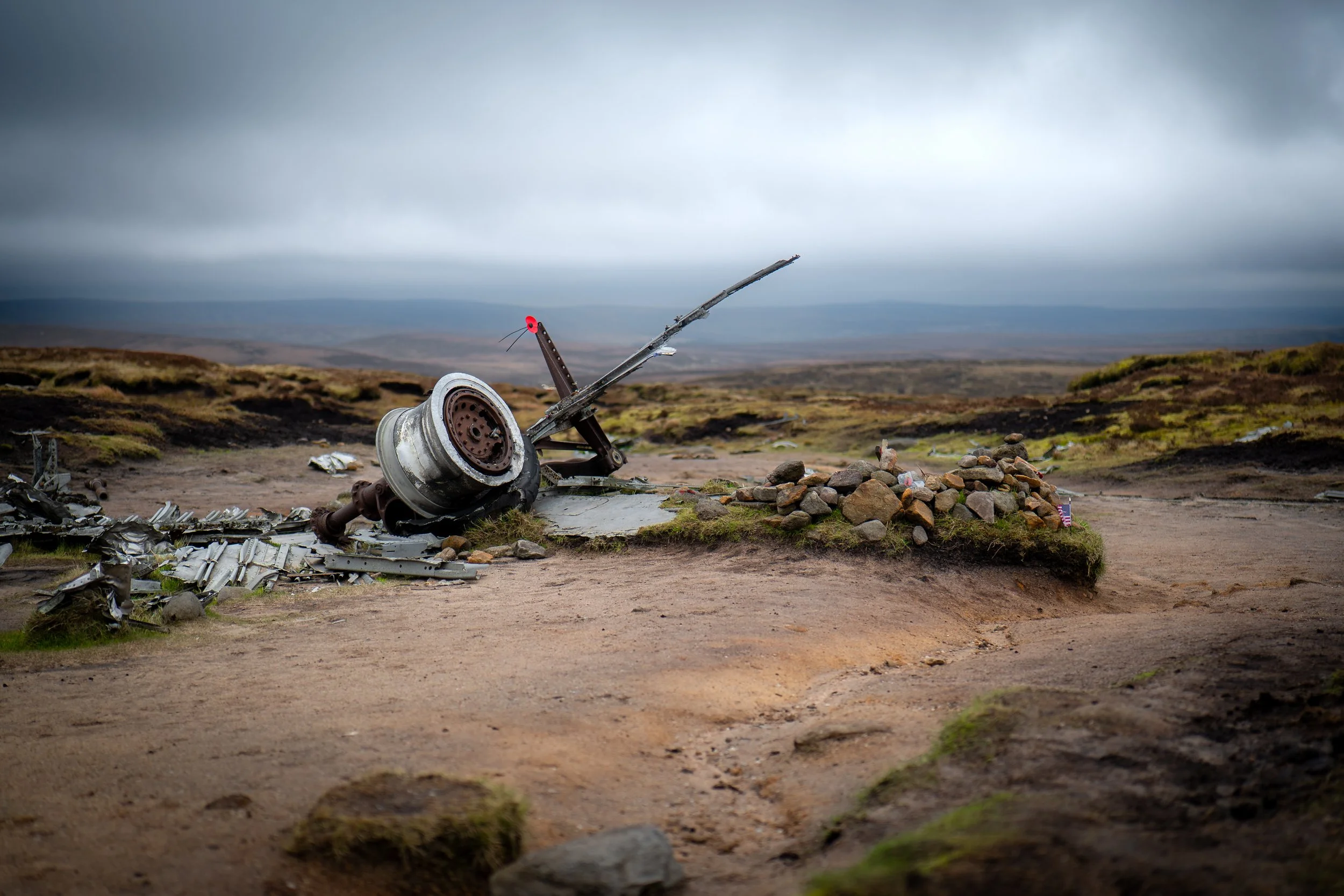
The 1948 crash site of USAF Boeing RB-29A Superfortress Over Exposed, Higher Shelf Stones, Bleaklow, Derbyshire.
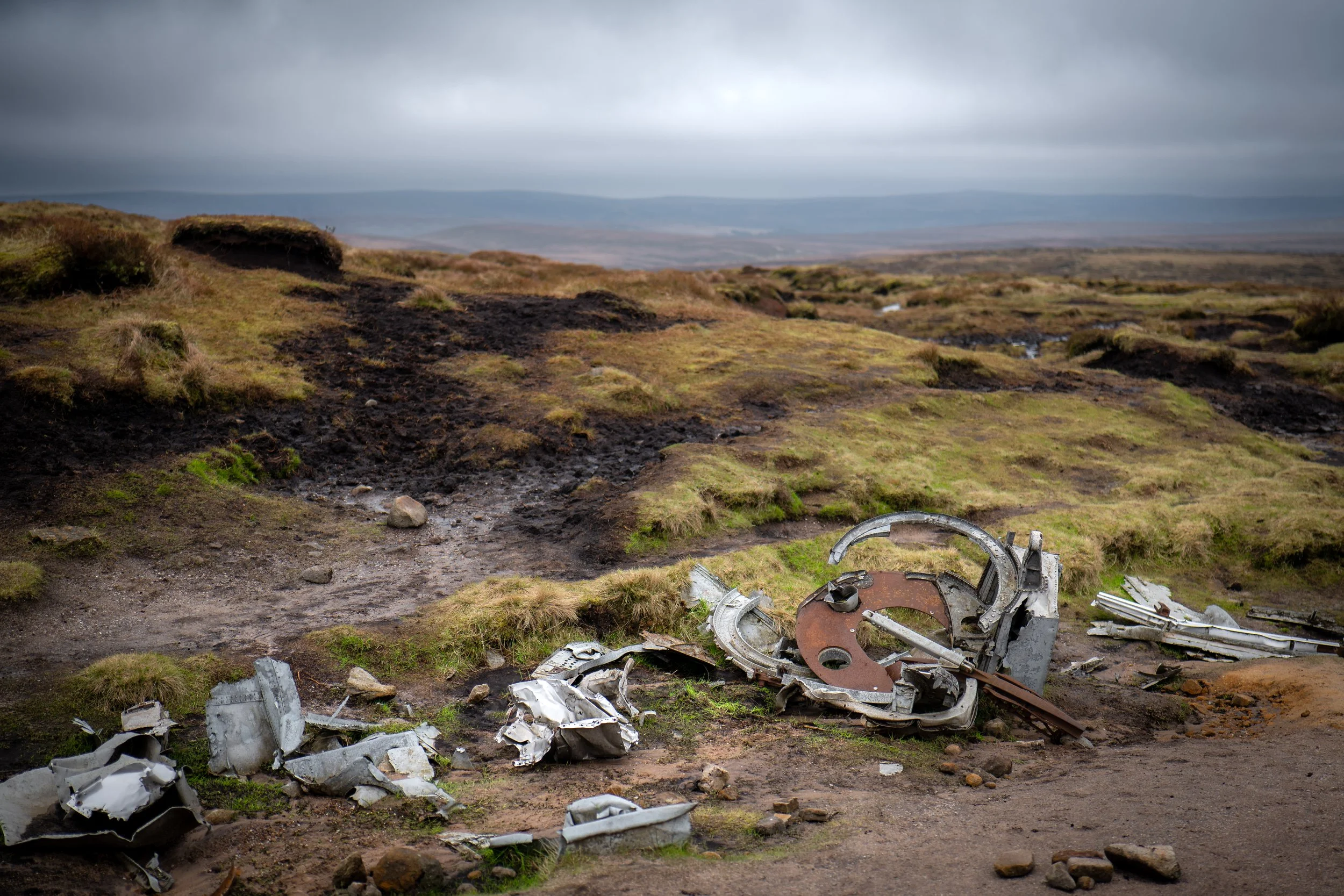
Higher Shelf Stones, Bleaklow, Derbyshire.
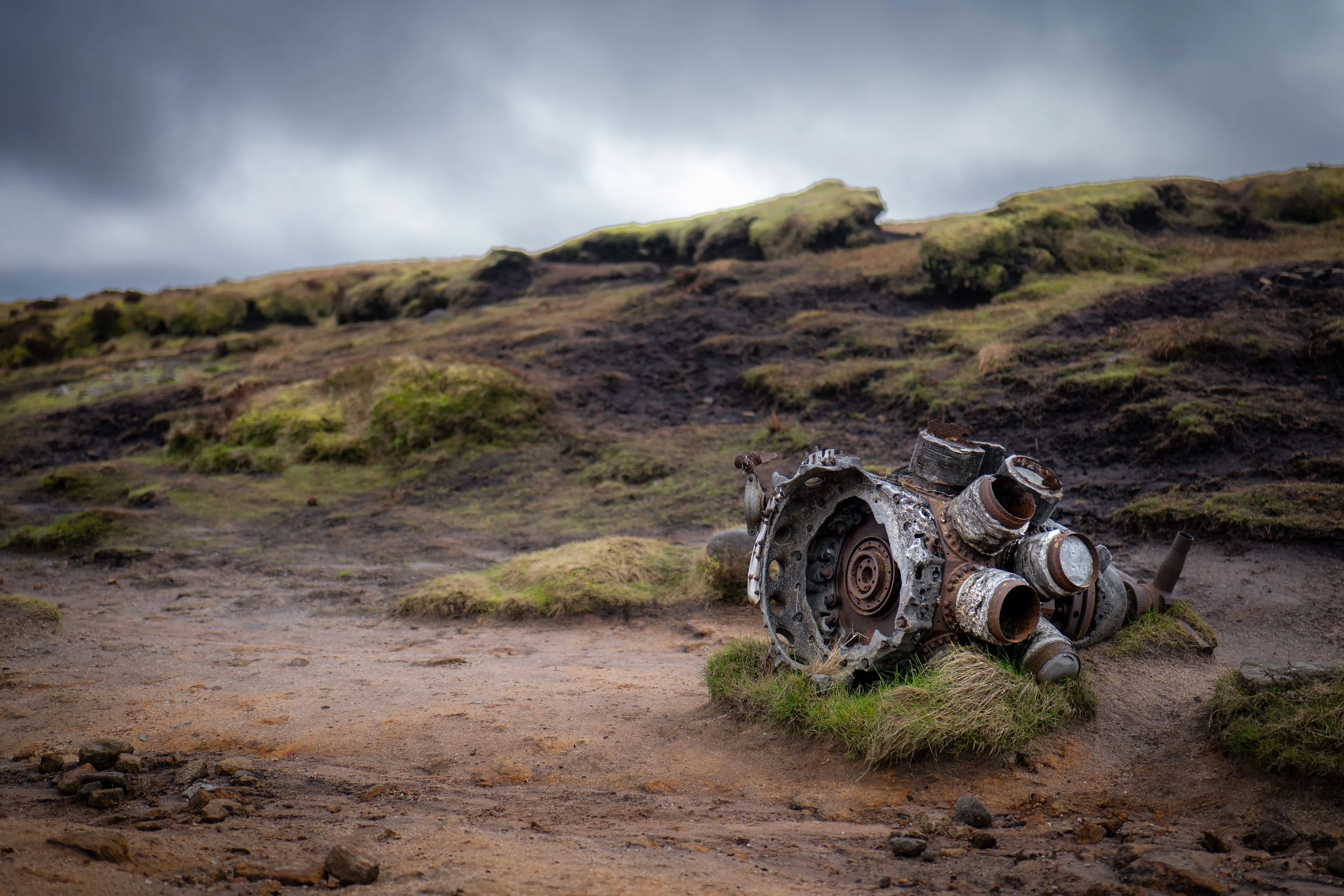
Higher Shelf Stones, Bleaklow, Derbyshire.
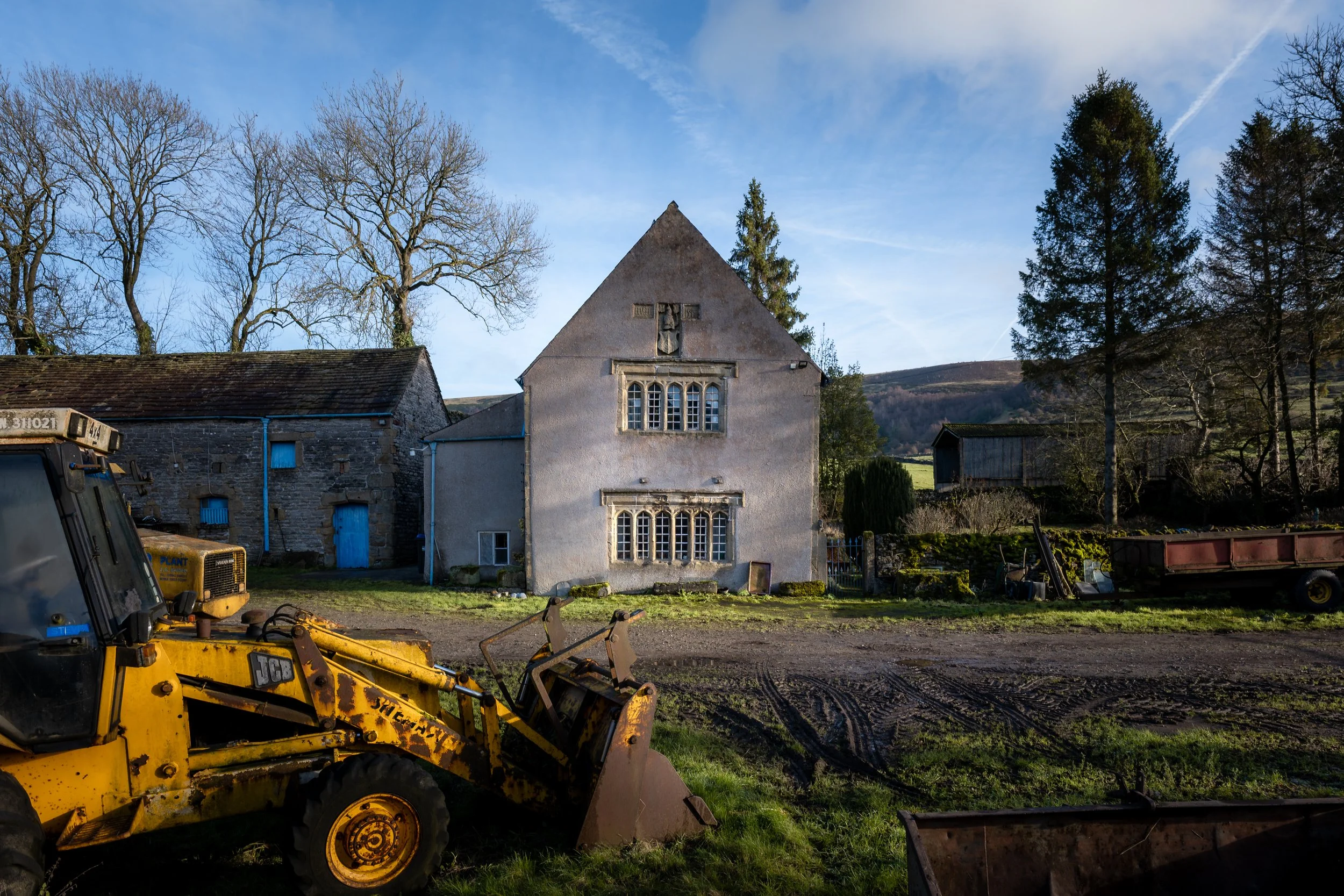
Hazlebadge Hall, haunted by the vengeful ghost of sixteenth-century noblewoman Margaret Vernon. Bradwell, Derbyshire.
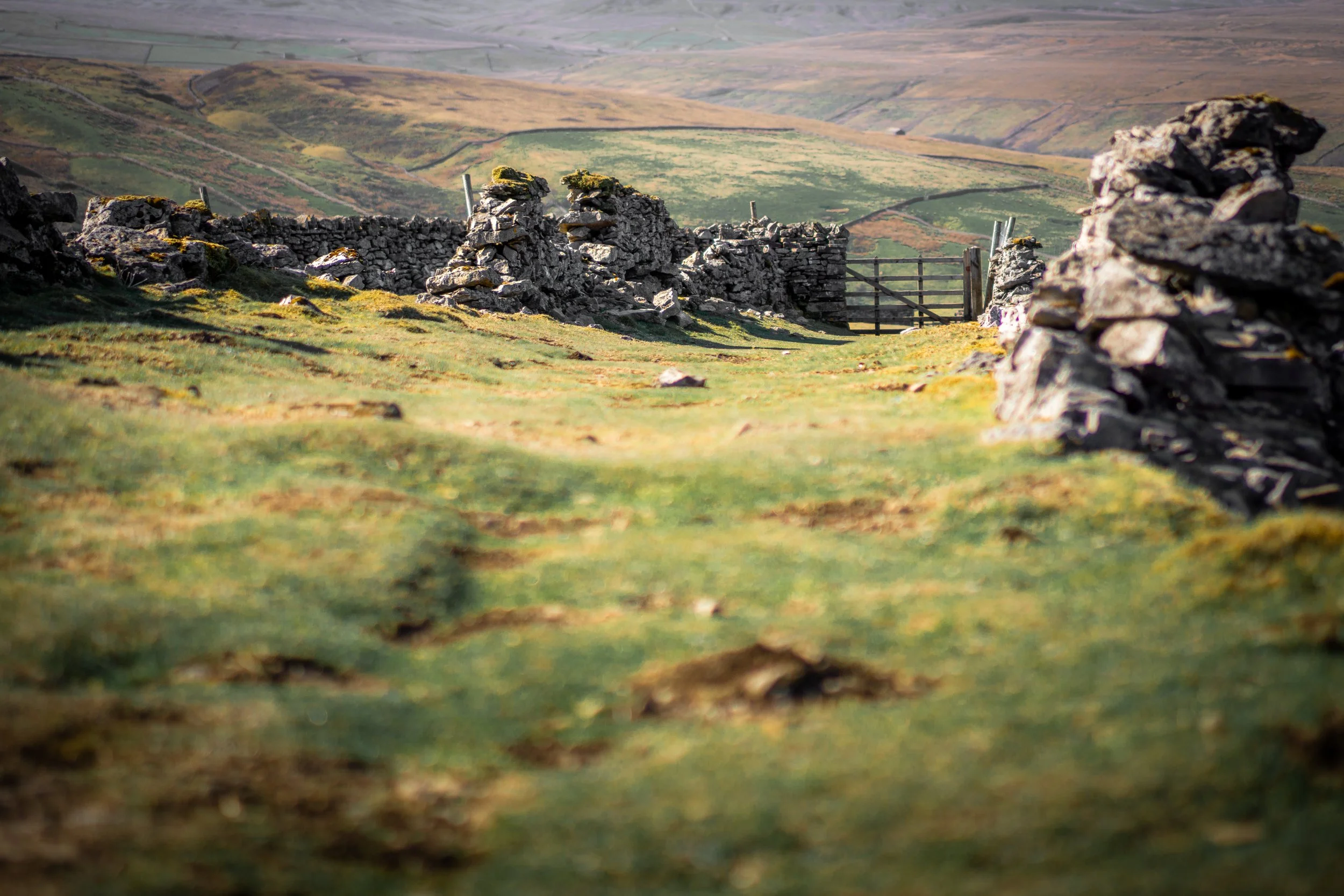
Swaledale Corpse Way, North Yorkshire.
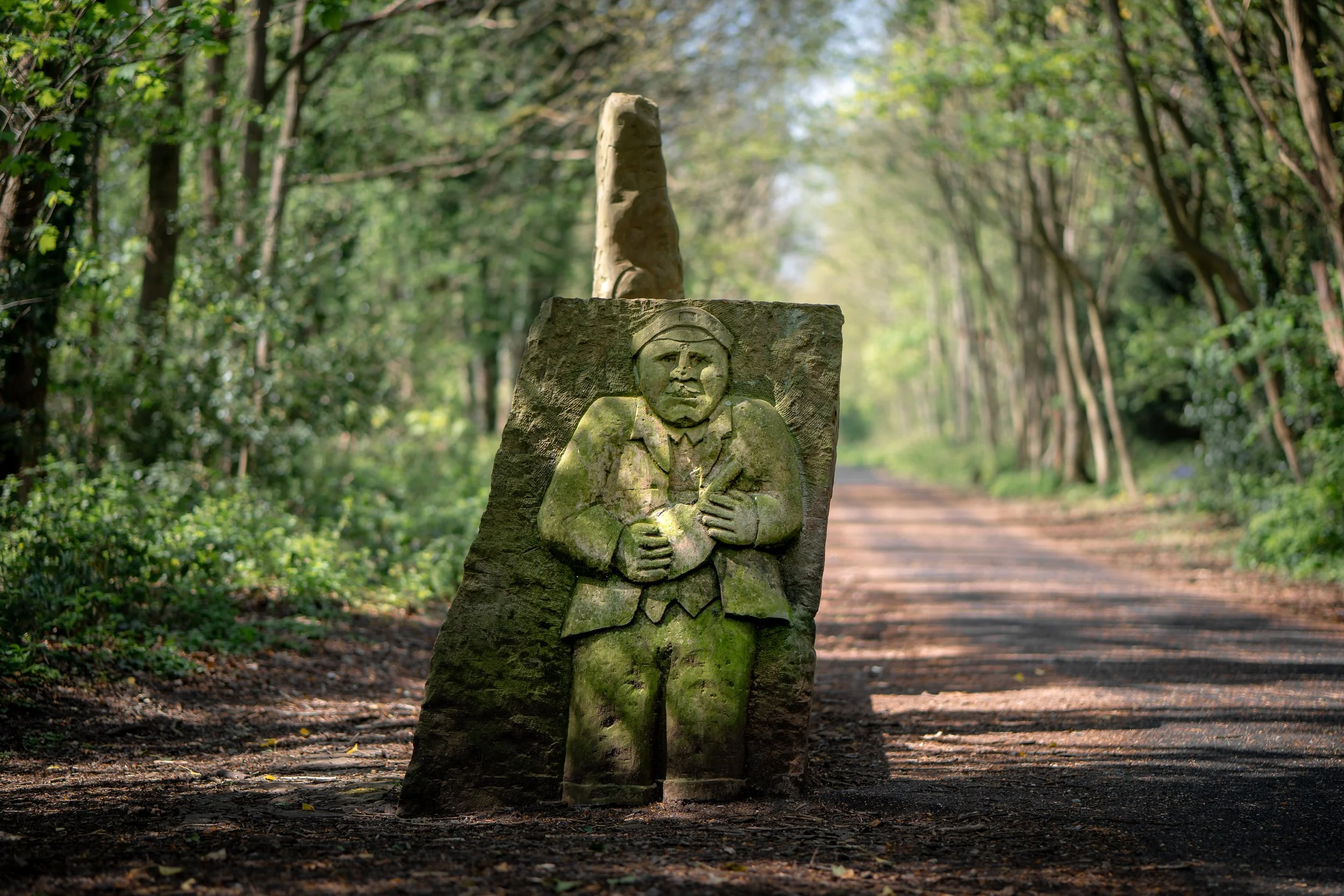
Memorial to 26 children drowned in the Huskar Pit Disaster on 4 July 1838. Silkstone, South Yorkshire.
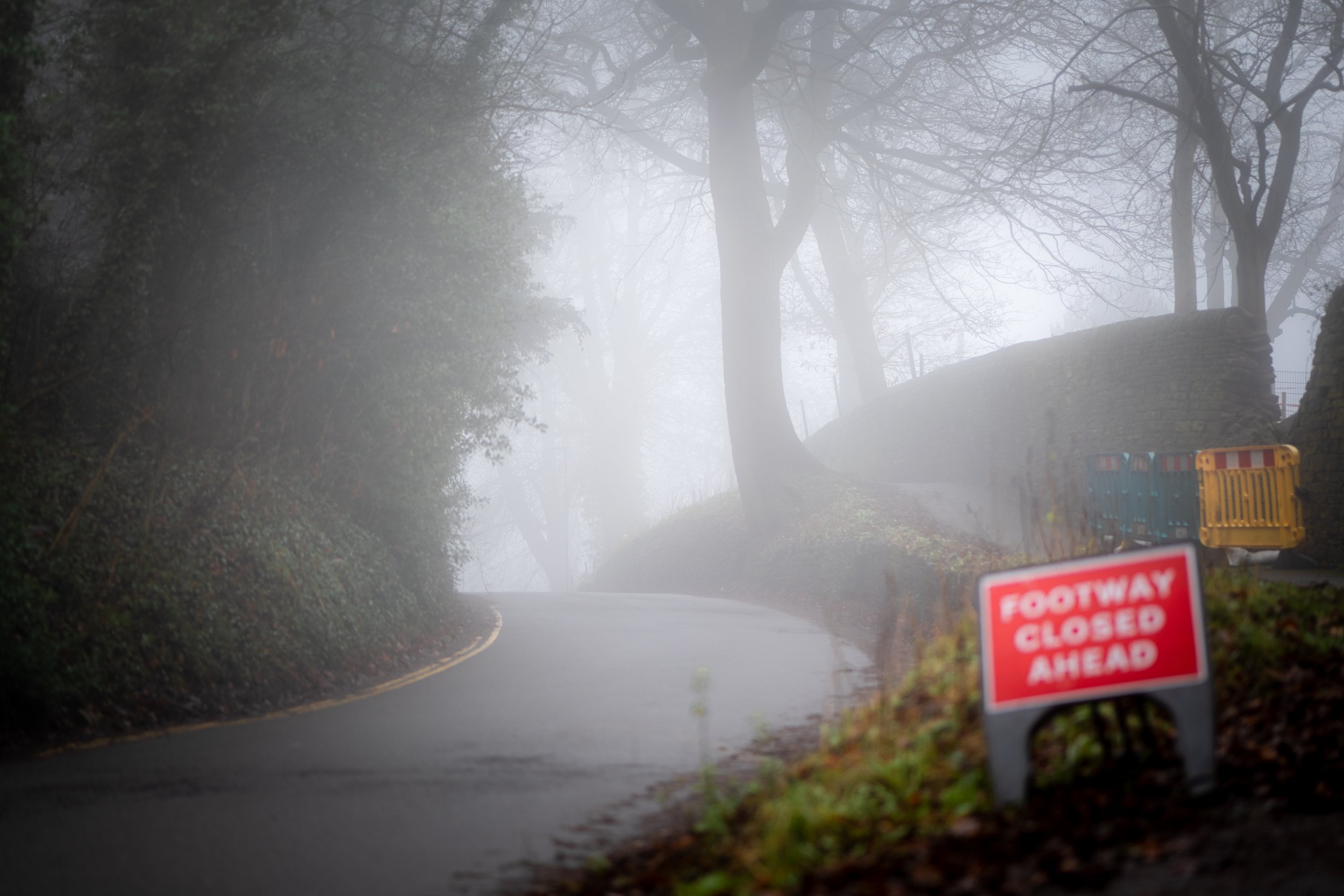
The notorious Bunting Nook, Sheffield’s most haunted road, where birds never sing; there are reports of apparitions, strange green mists, and a boggart in the form of a black dog. Norton, Sheffield, South Yorkshire.
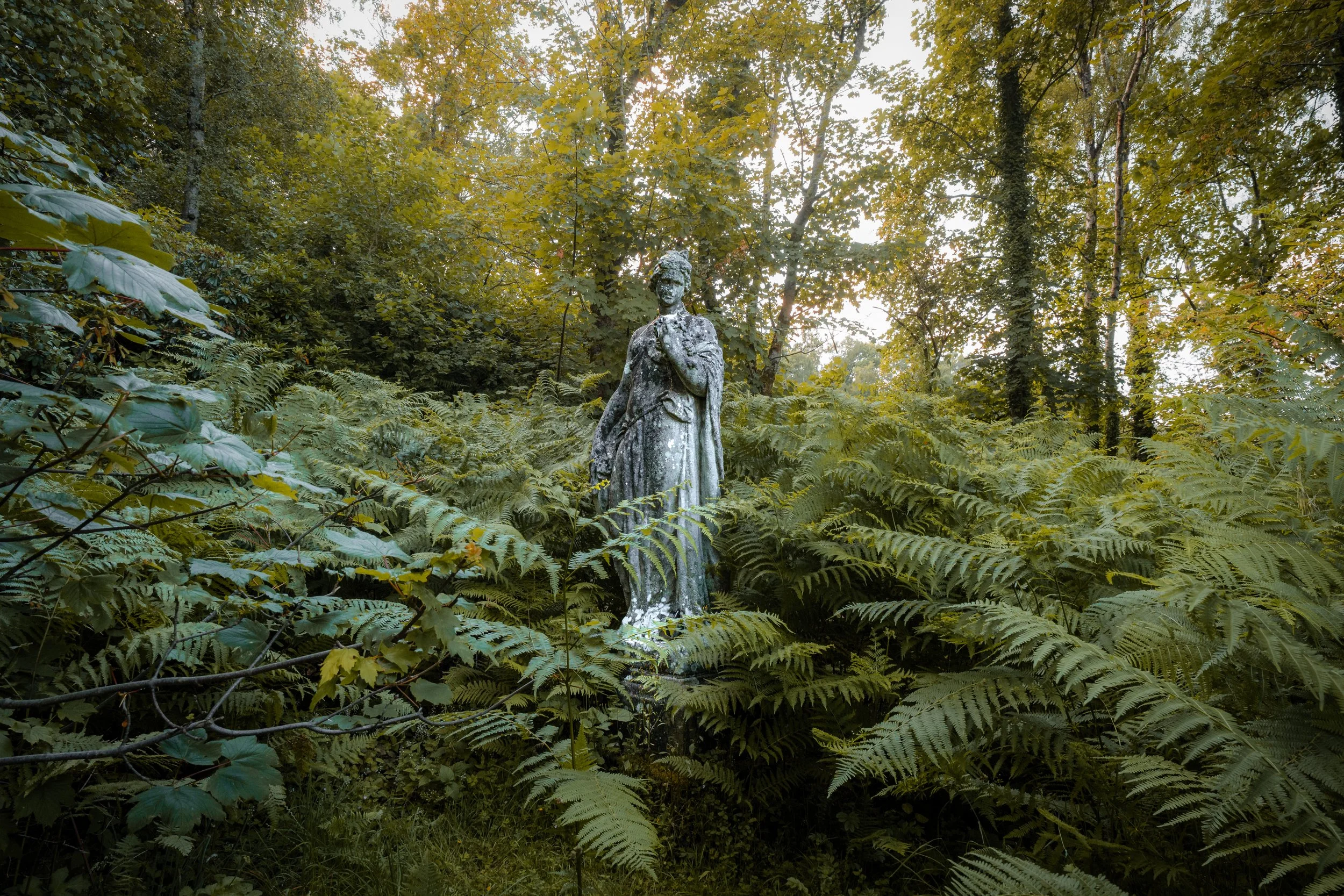
Fair Flora, a statue commemorating a murdered young woman. Its erection in the gardens of Stoke Hall brought bad luck to the property so it was relocated to a nearby woodland. Stoke Wood, Grindleford, Derbyshire.
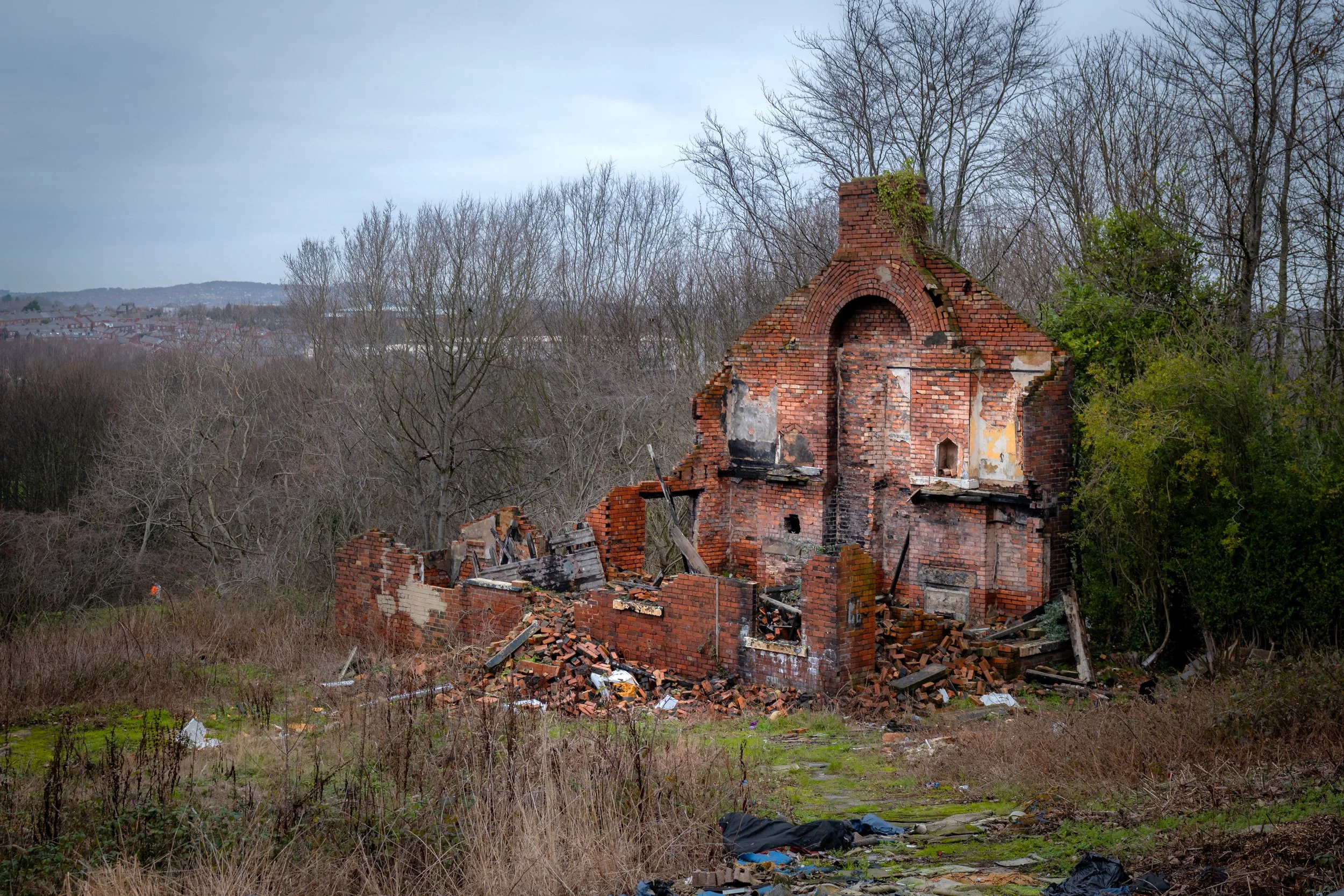
The remains of Vernon House, site of a brutal murder and dismemberment in 2001. Kendray, Barnsley, South Yorkshire.
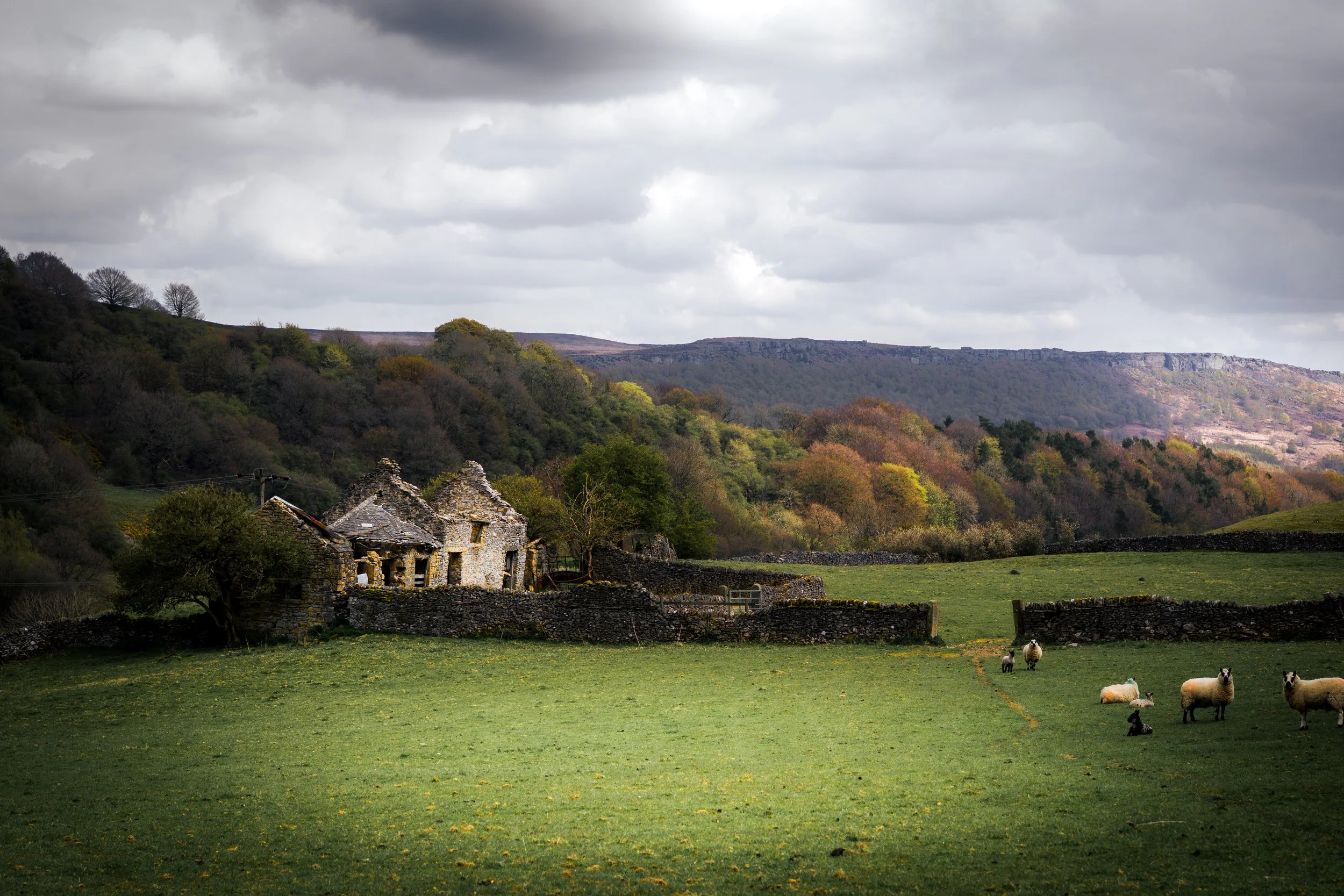
Eyam in Derbyshire, where villagers went into self-imposed quarantine after the plague was discovered there in 1665. The bucolic bubonic.
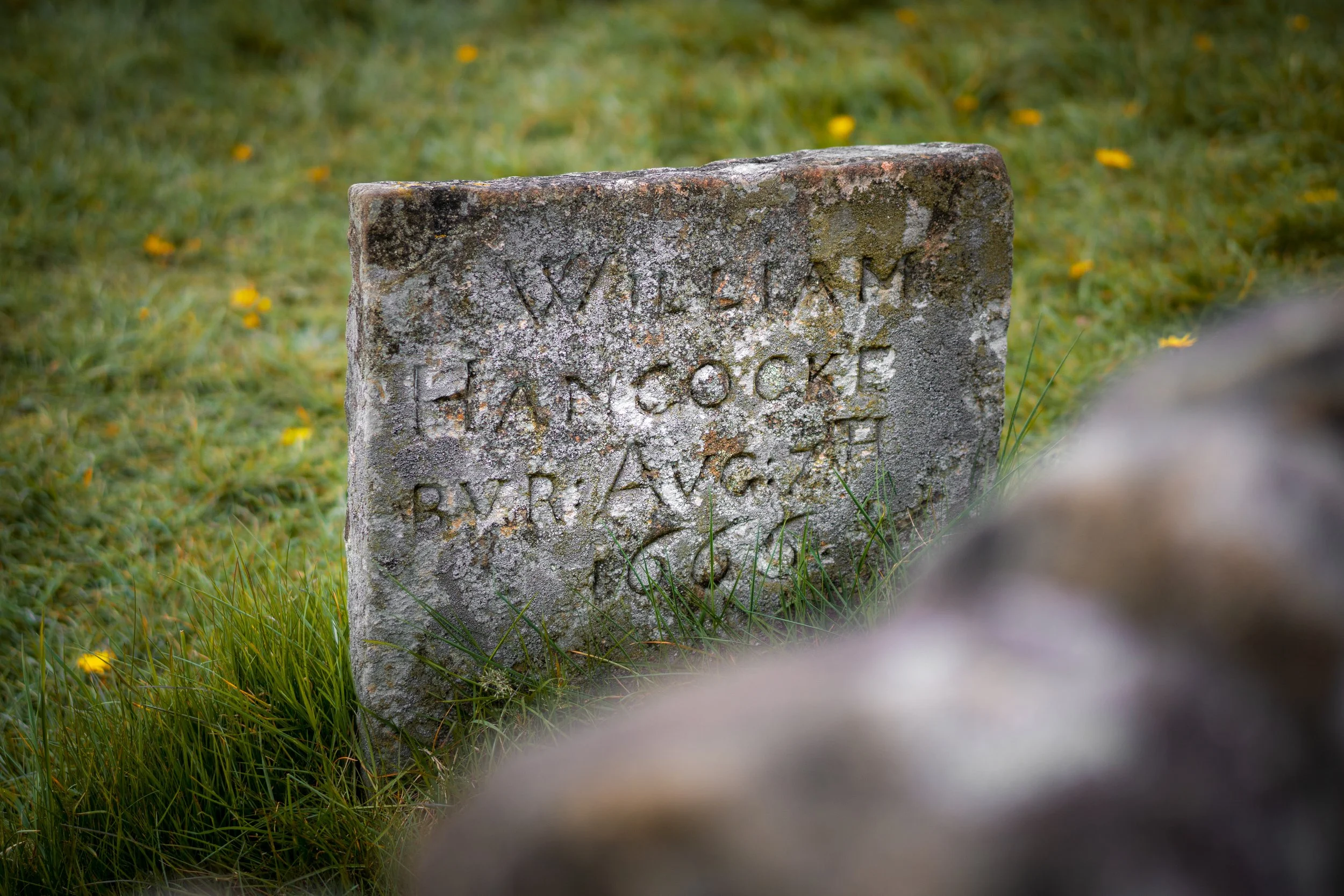
Riley graves. Eyam, Derbyshire.
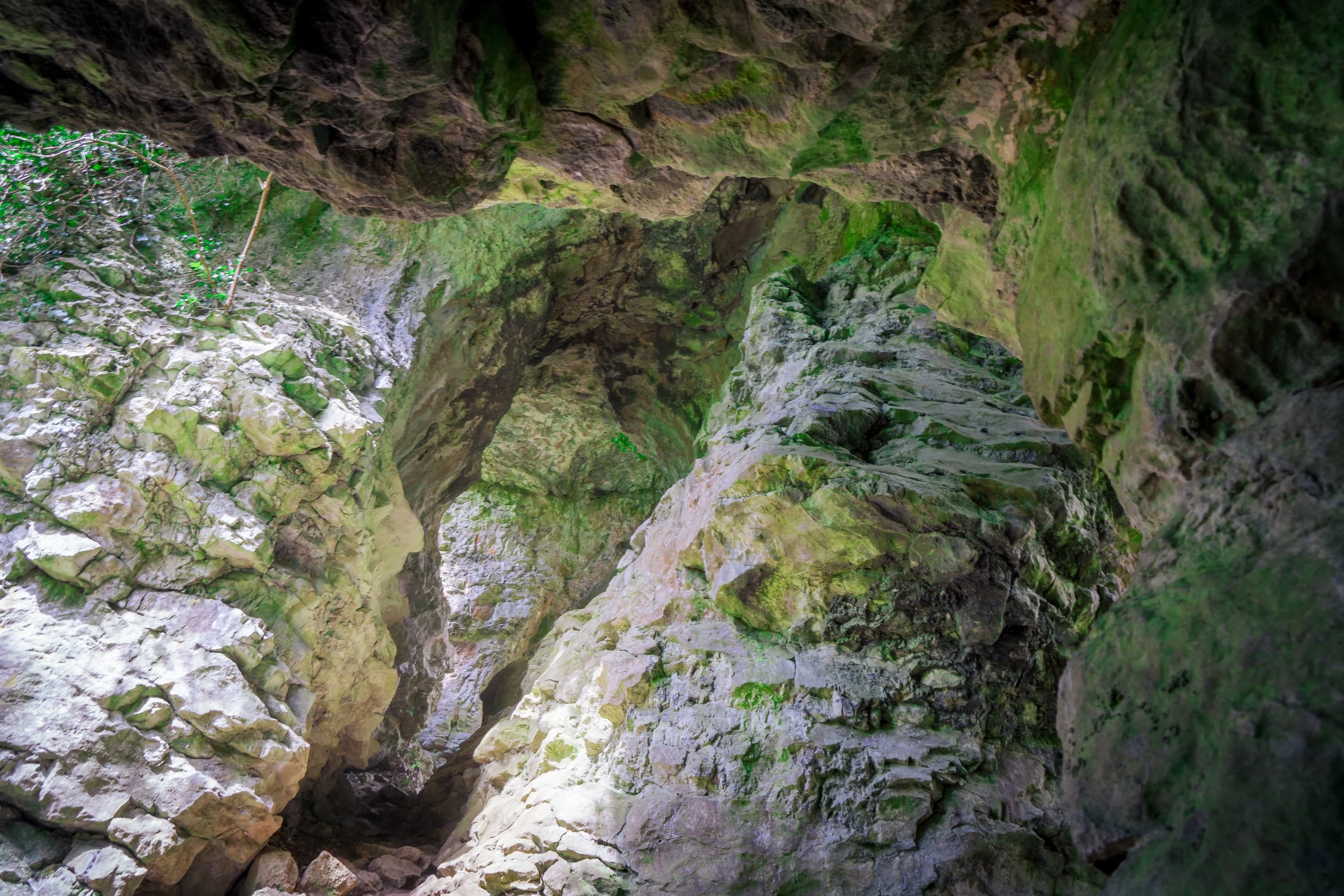
Cucklet Delf, the limestone gorge where services were held when the parish church was closed. Eyam, Derbyshire.
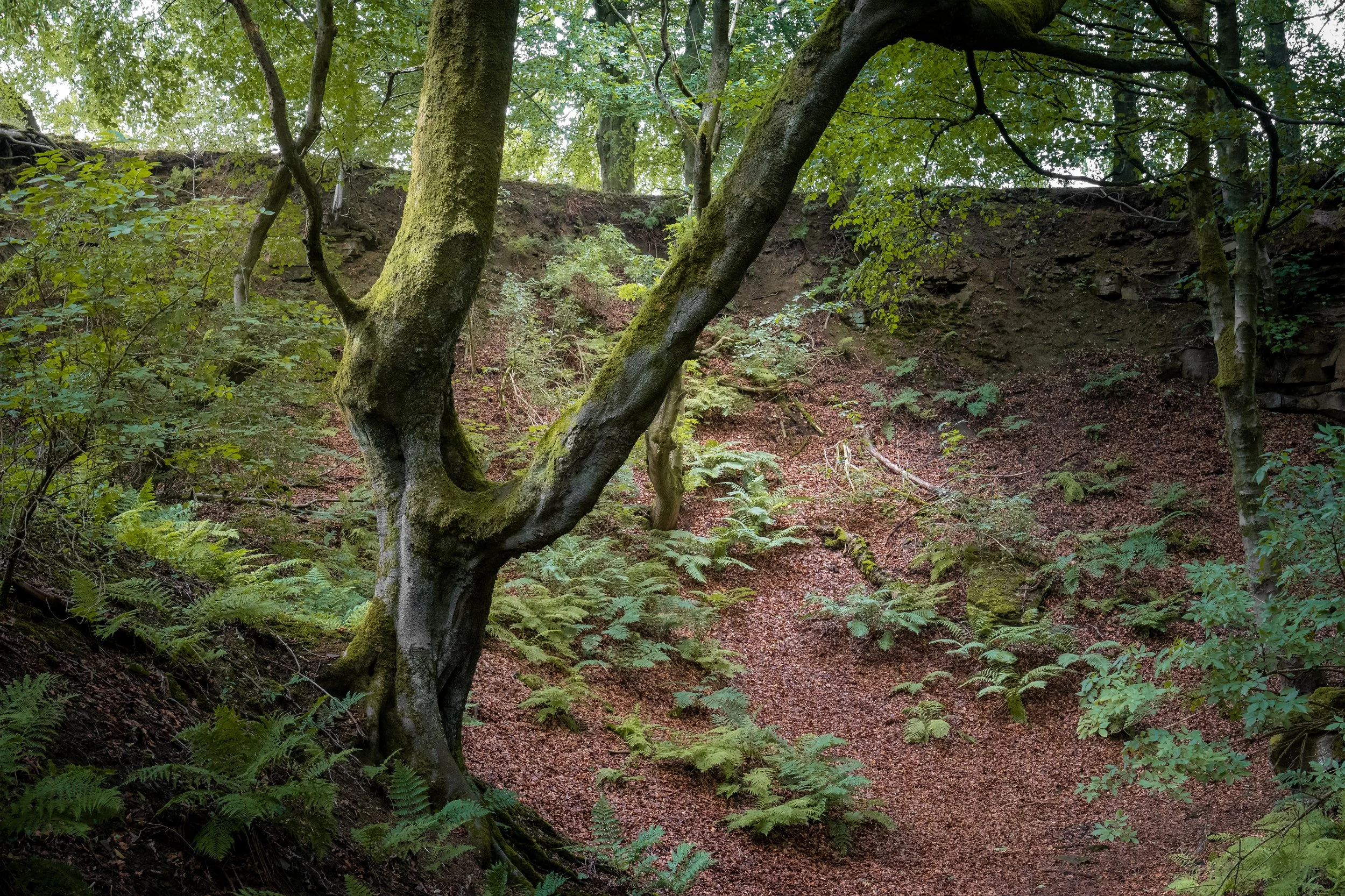
Eyam, Derbyshire.
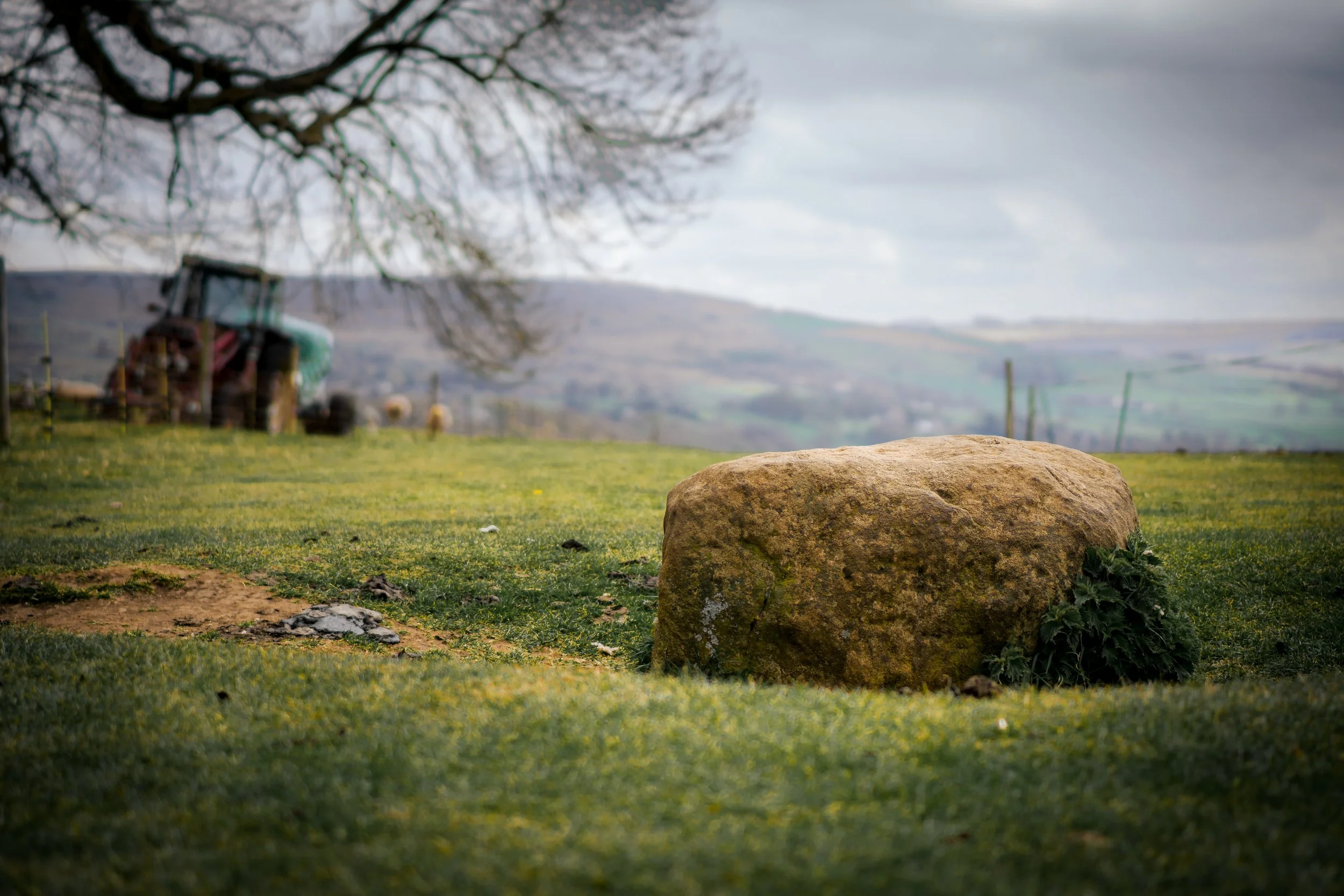
Plague stone marking the boundary of the infected village. Eyam, Derbyshire.
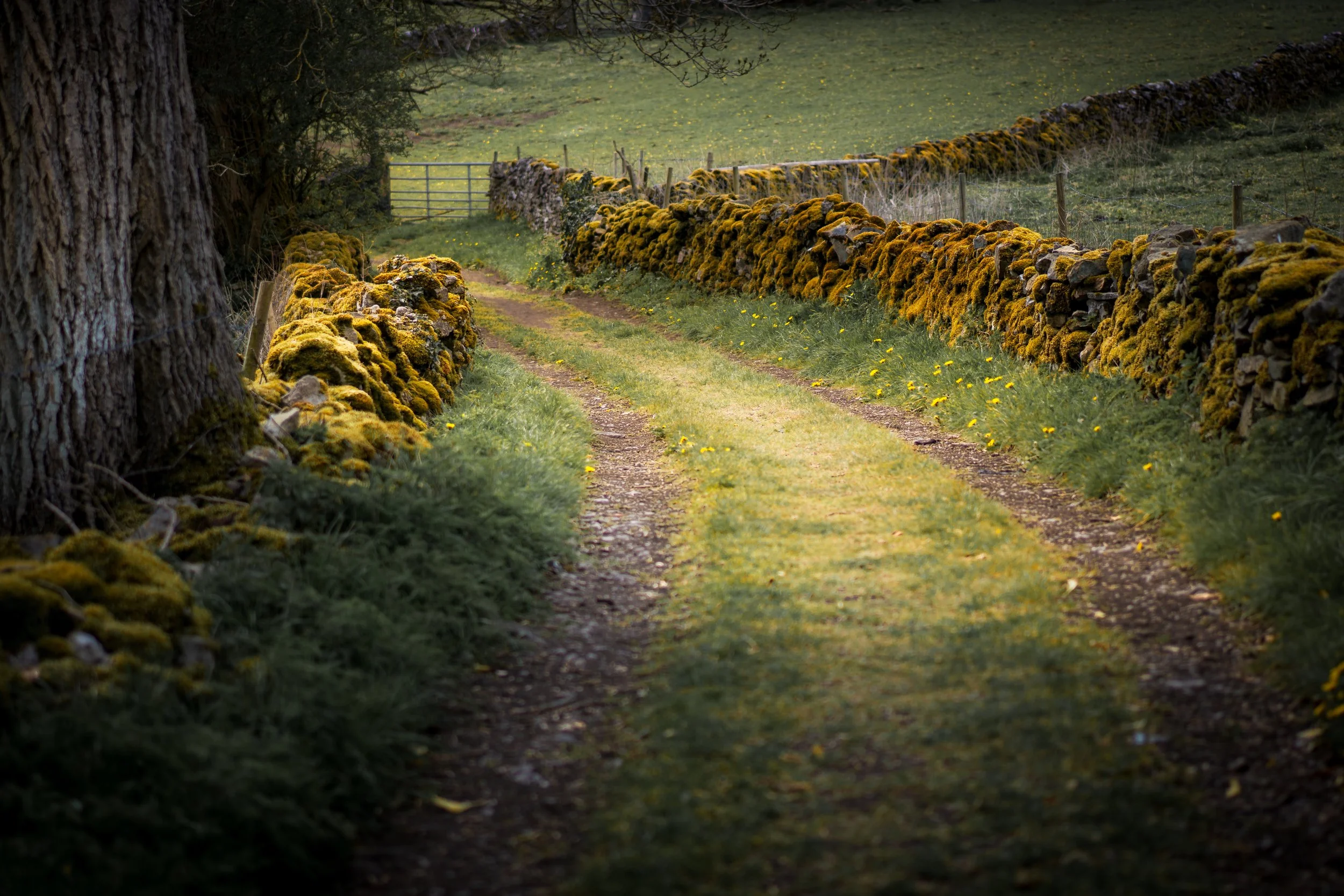
Eyam, Derbyshire.
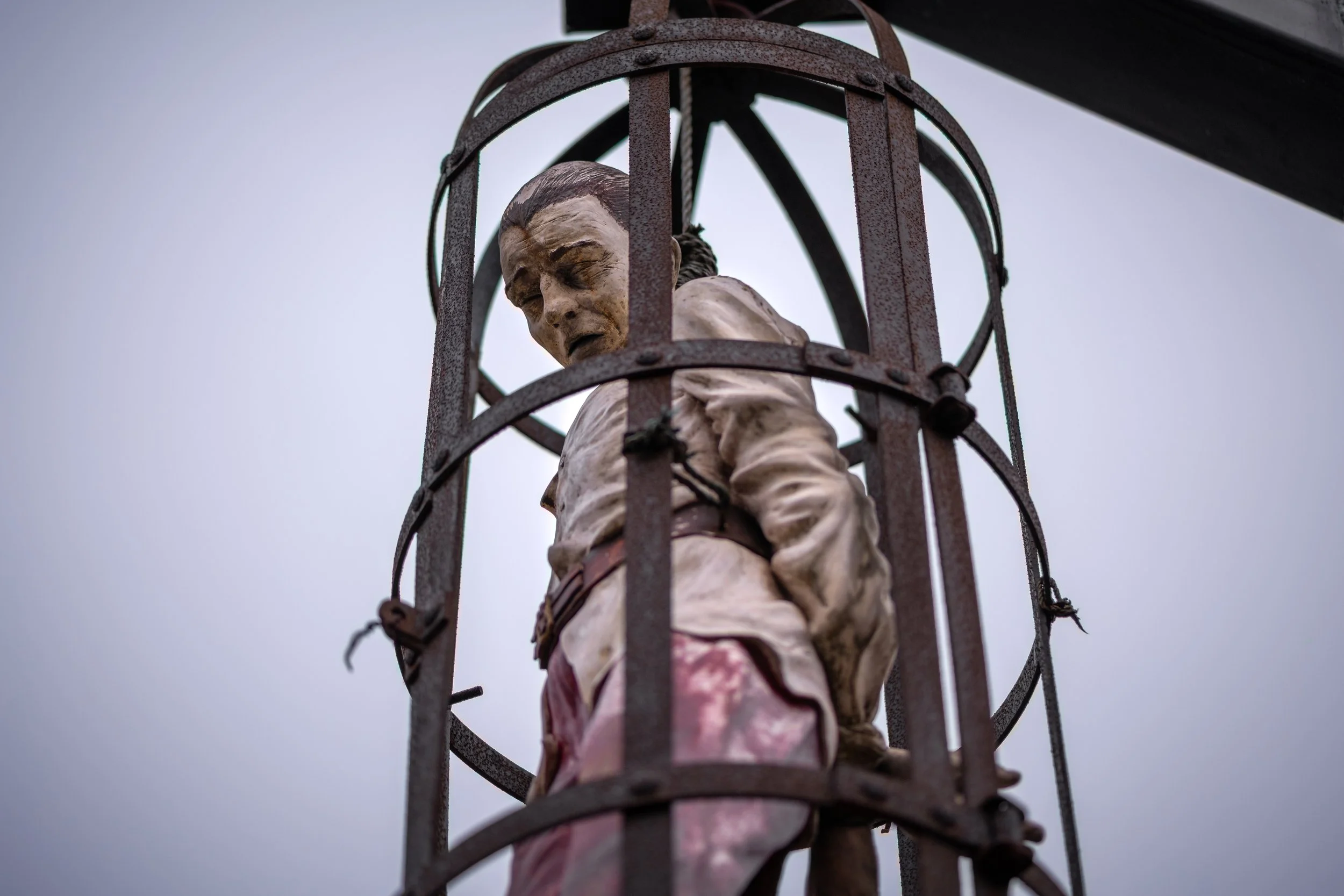
Effigy of eighteenth-century highwayman Spence Broughton suspended from the Noose and Gibbet Inn. A gentleman farmer who turned to a life of crime after accruing gambling debts, Broughton was hanged nearby in the 1790s. Attercliffe, Sheffield, South Yorkshire.
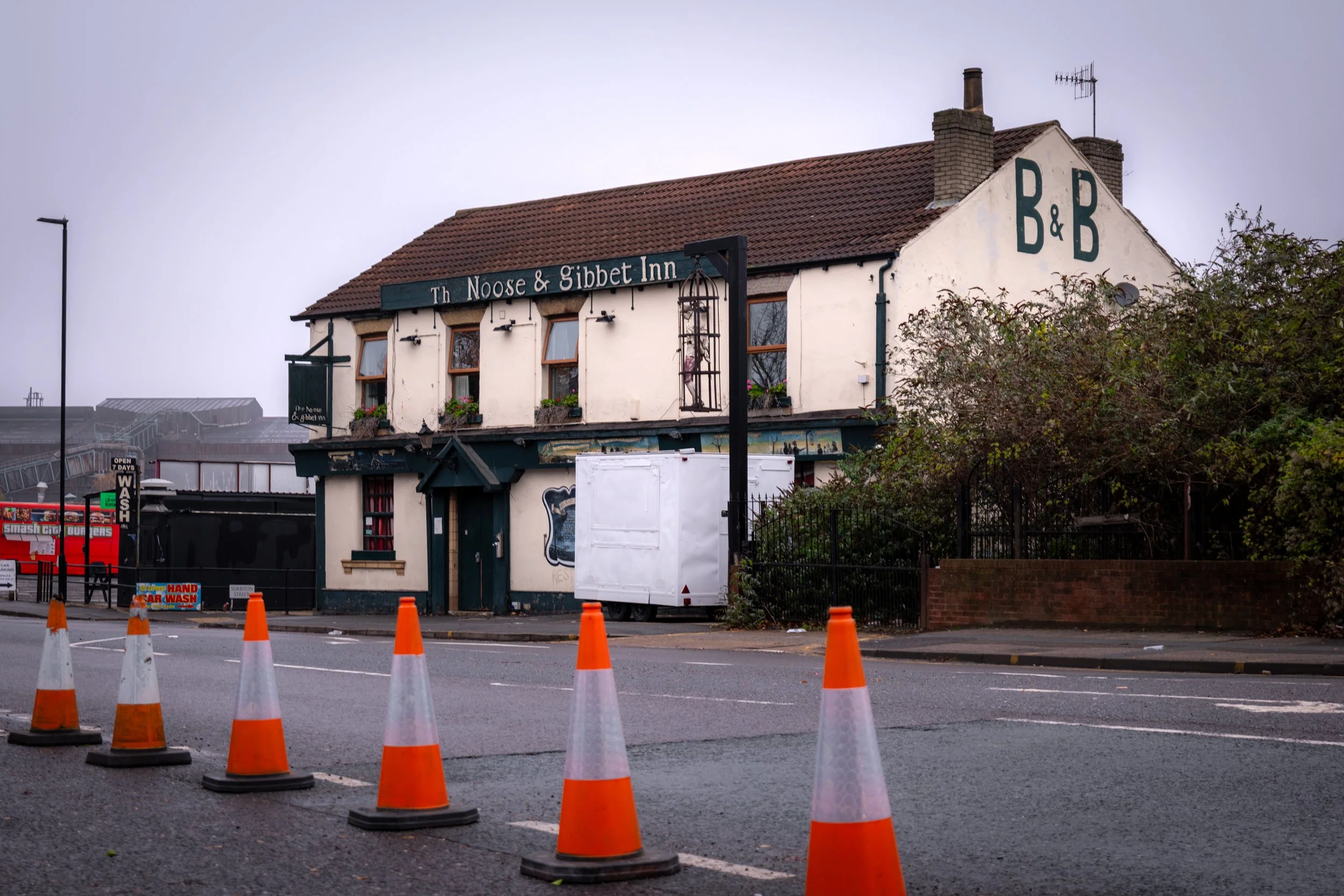
Noose and Gibbet Inn, Attercliffe, Sheffield, South Yorkshire.
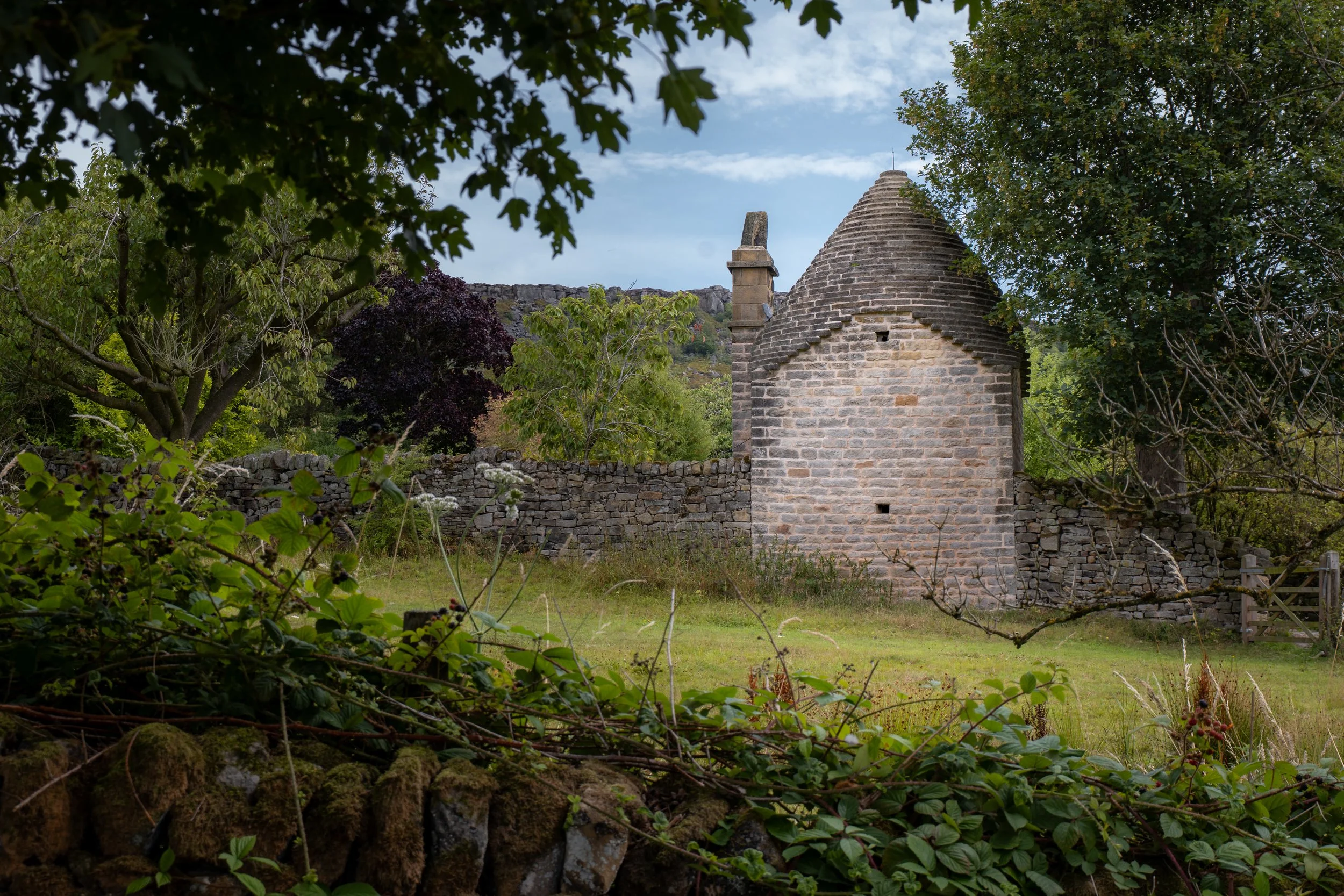
Jagger’s Keep, a distinctive conical structure used variously as a lockup and pesthouse in the eighteenth and nineteenth centuries. Curbar, Derbyshire.
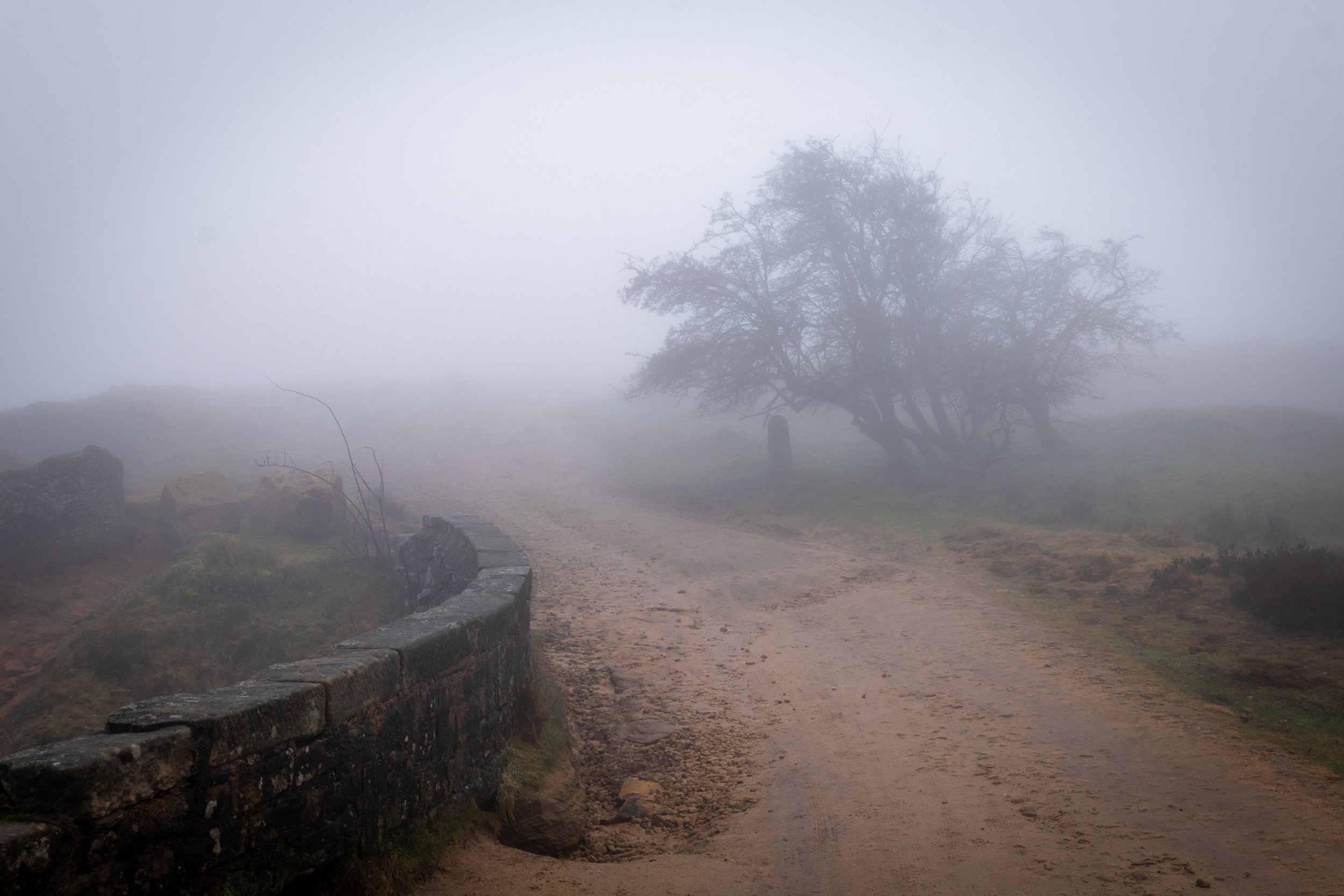
Thieves' Bridge, Burbage Moor, Derbyshire.
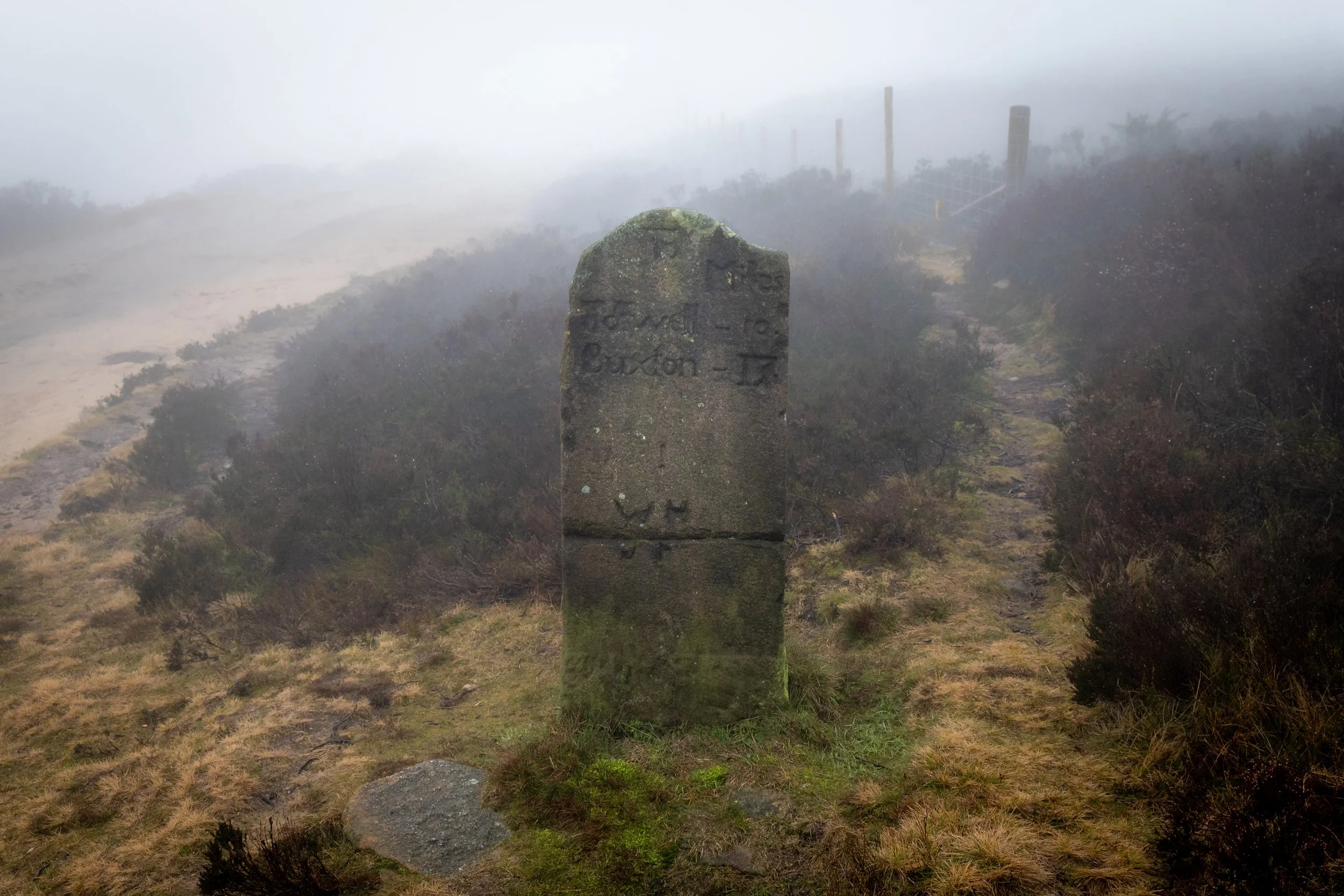
Eighteenth-century guide stoop. Thieves' Bridge, Burbage Moor, Derbyshire.
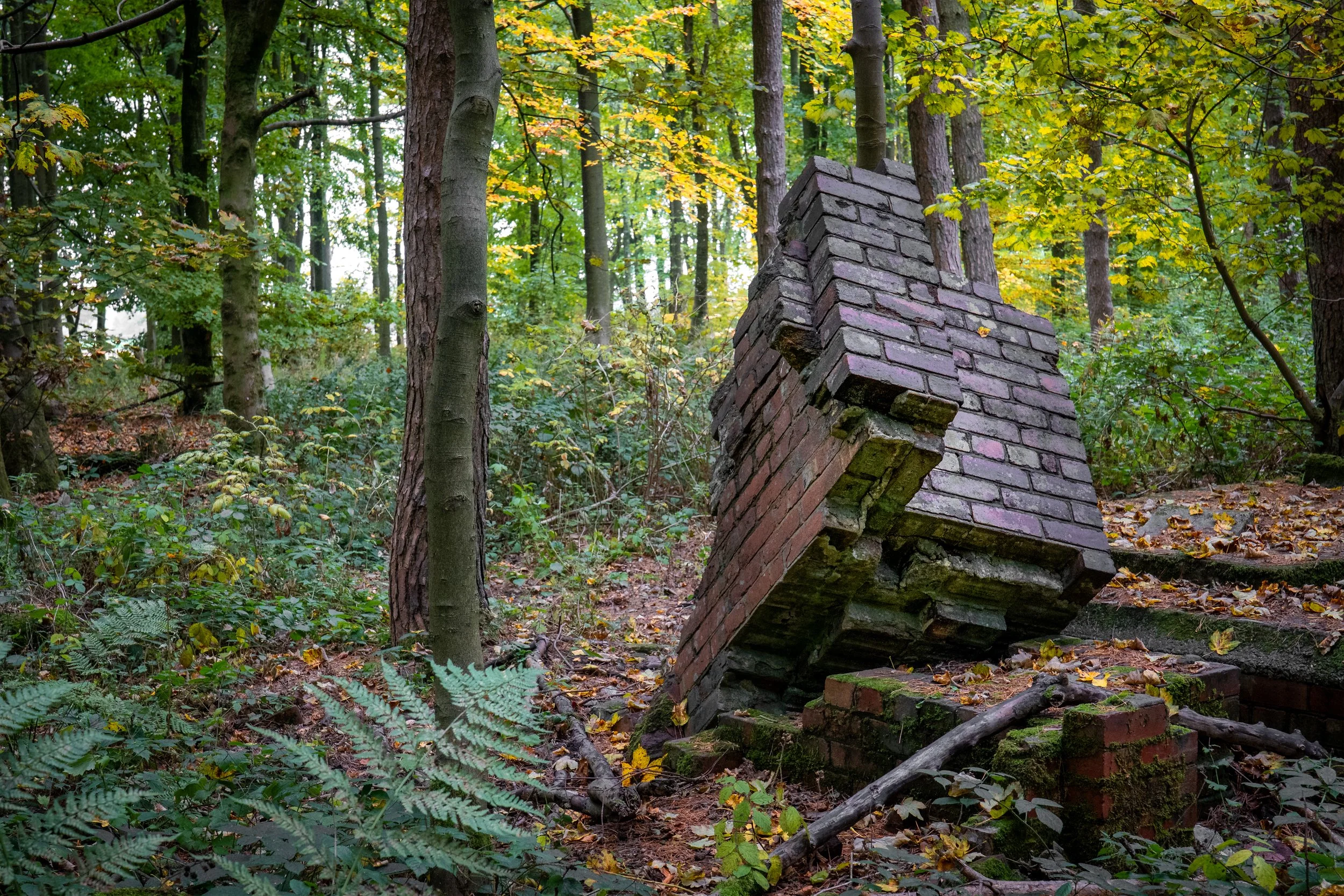
The remains of Lodge Moor Camp, once Britain's biggest prisoner of war camp (housing 11,000 inmates during WWII). Sheffield, South Yorkshire.
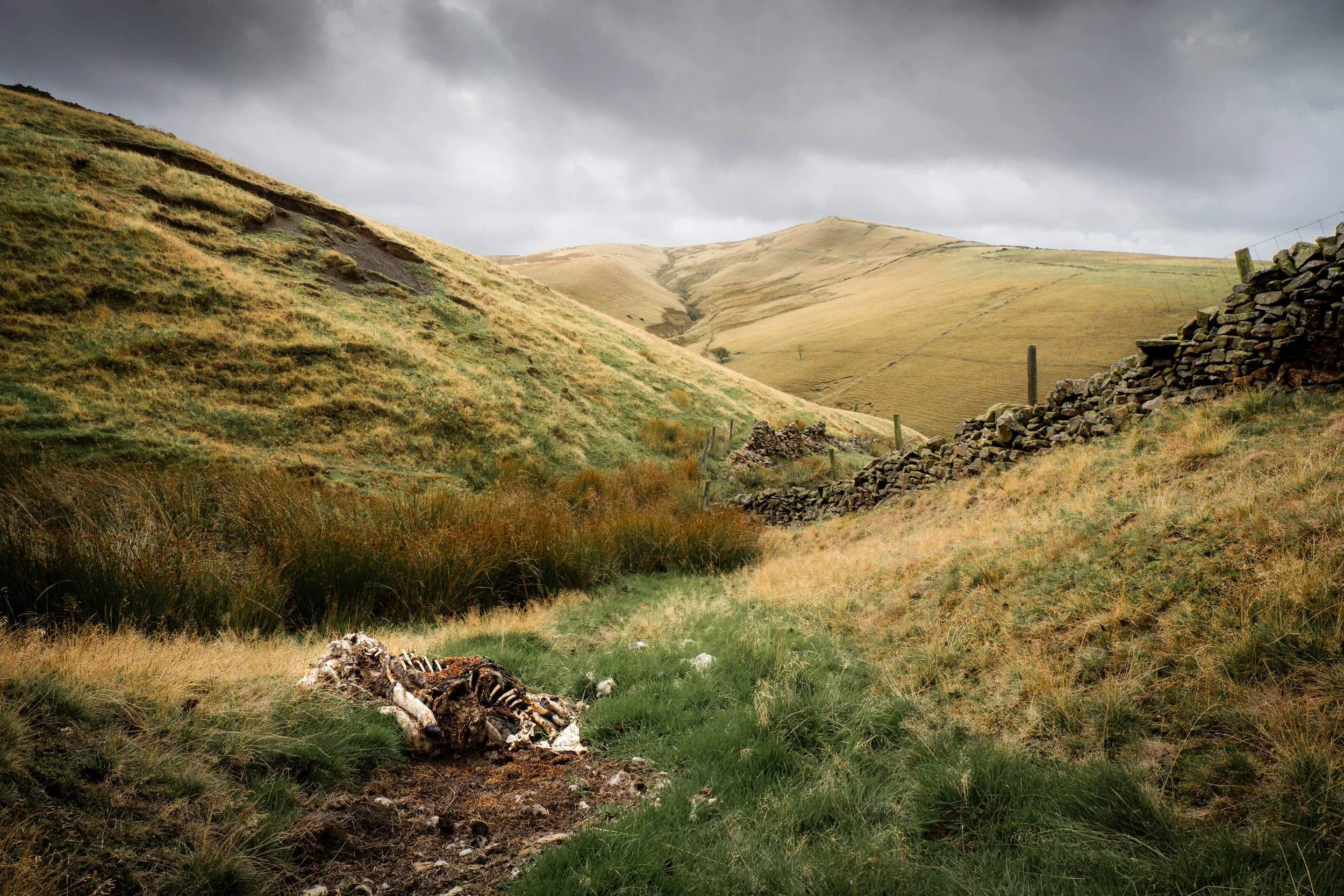
The remote and forbidding valley of Thursbitch, whose name derives from the old English þyrs (meaning demon or giant) and bæce (meaning valley). Cheshire.
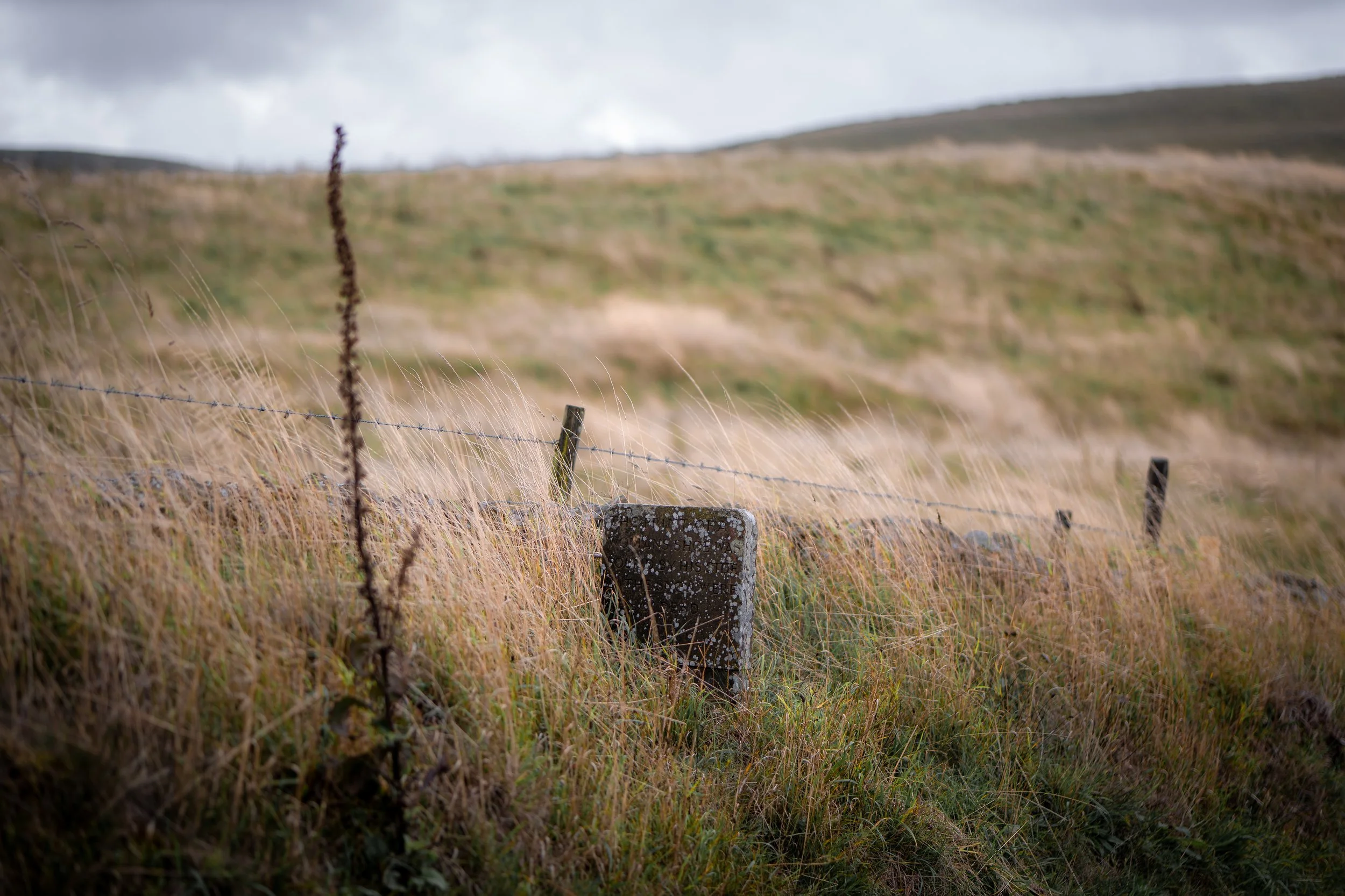
The mysterious 1755 roadside memorial to Saltersford jagger or packman John Turner. Thursbitch, Cheshire.
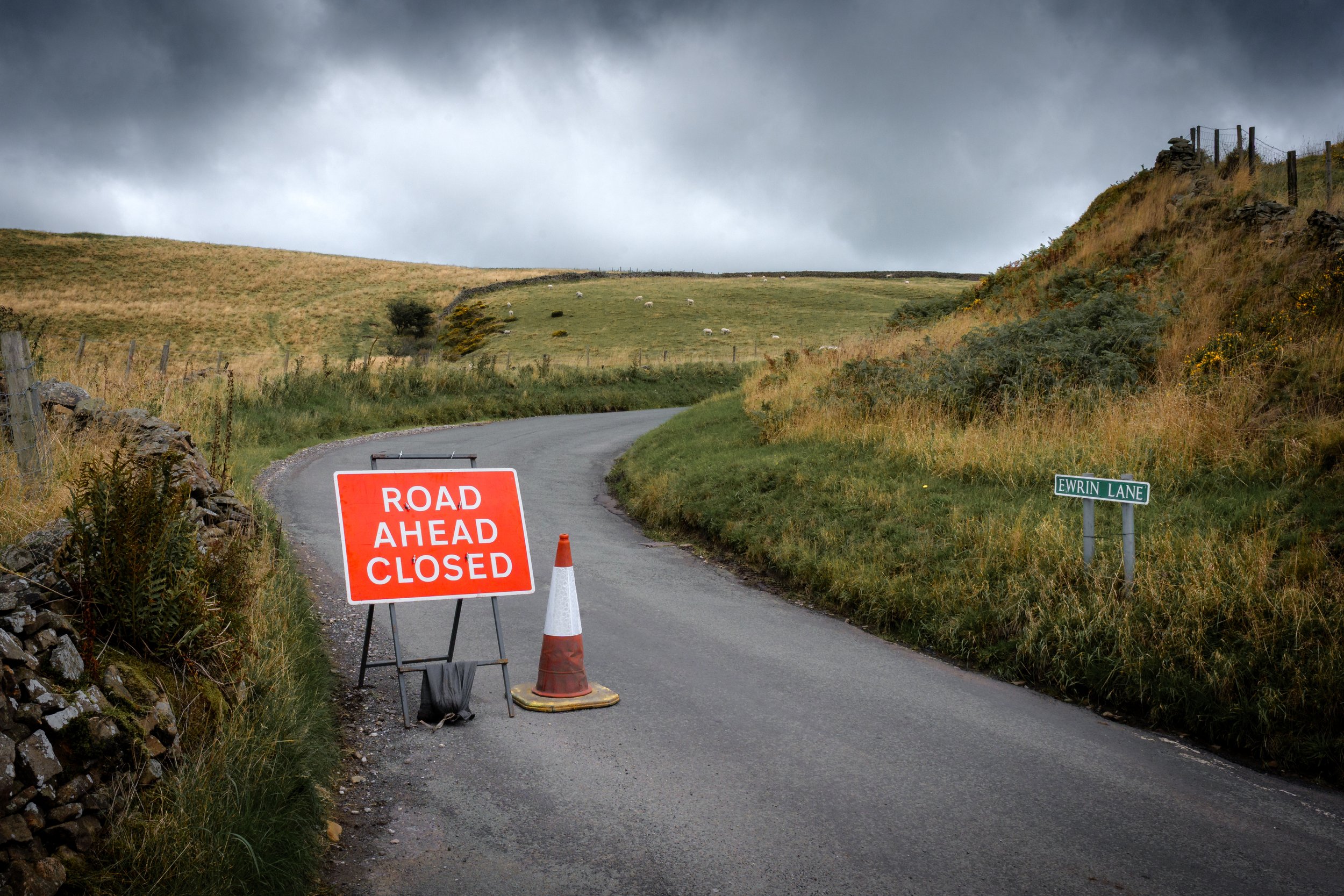
Thursbitch, Cheshire.
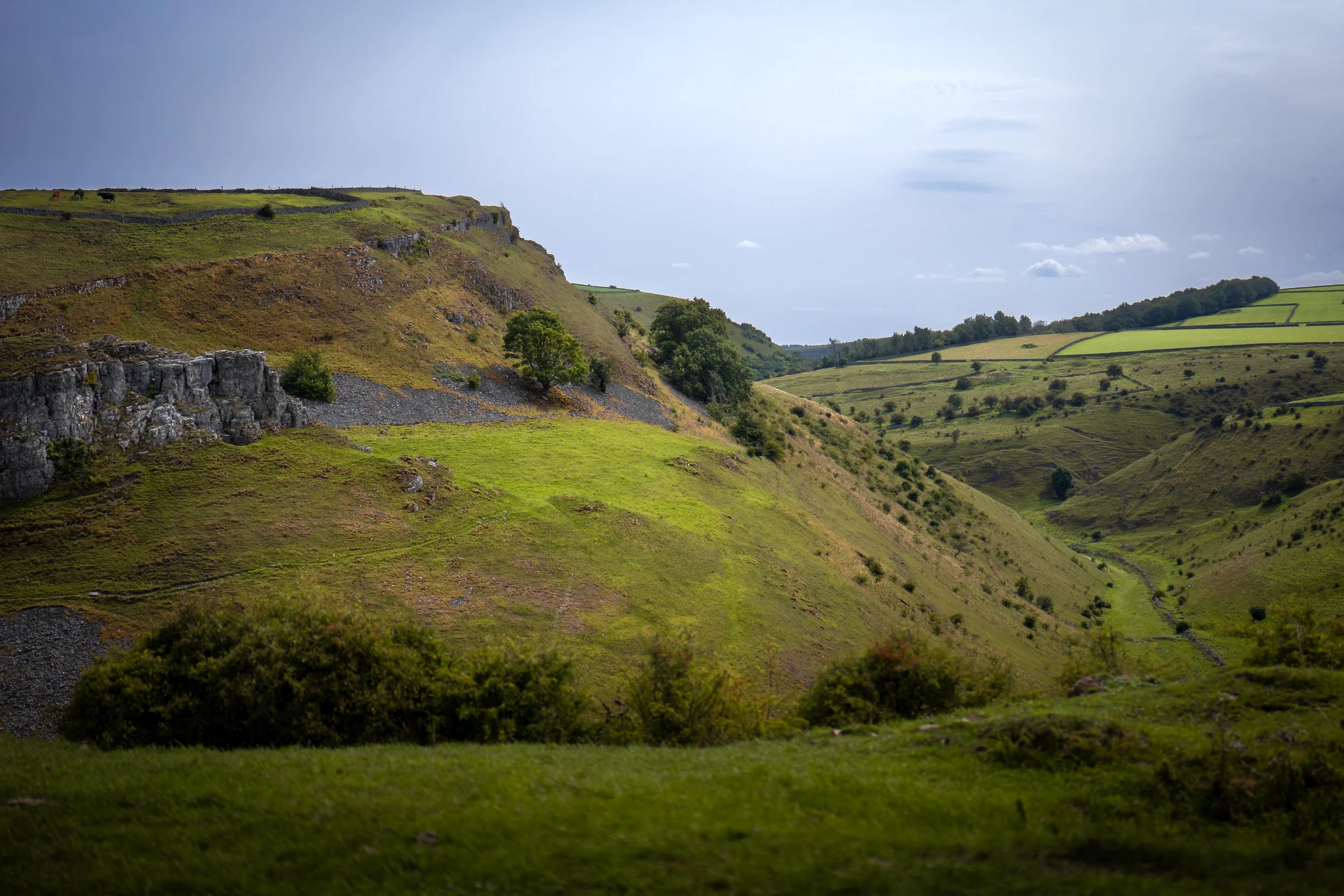
Peter's Stone, or Gibbet Rock, the limestone knoll where Derbyshire's last remaining gibbet was located. Litton, Derbyshire.
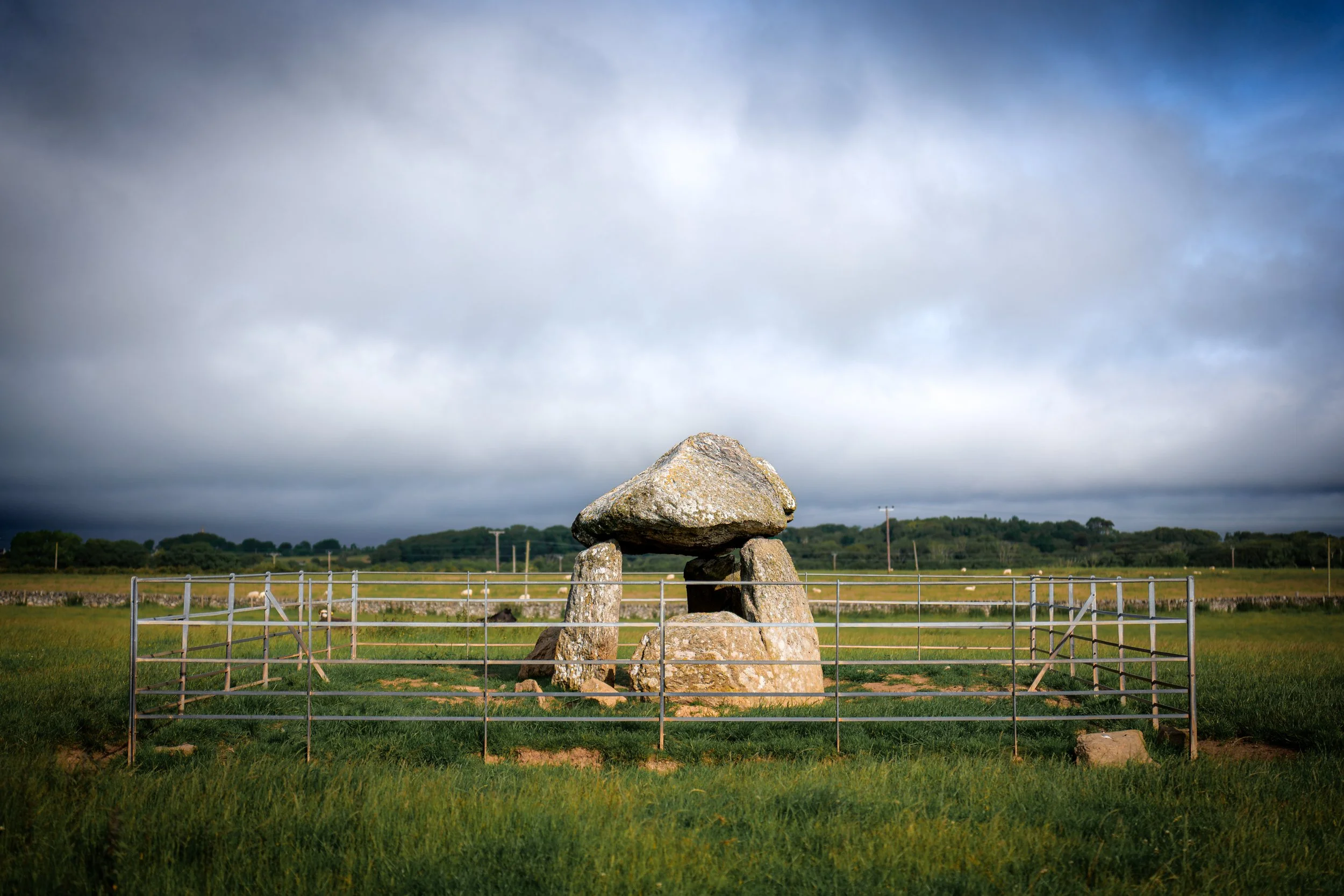
Bodowyr Burial Chamber, Anglesey, Wales.
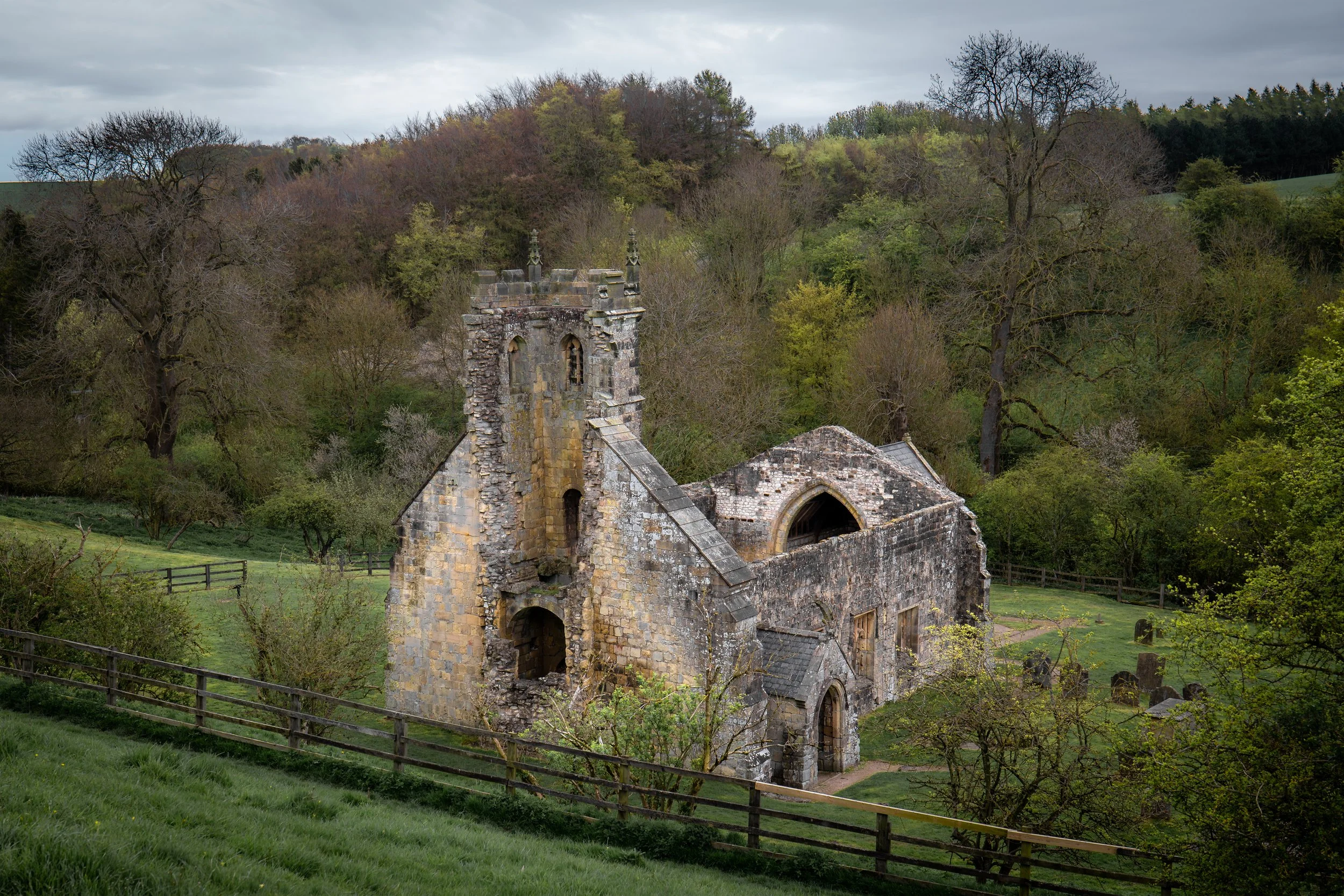
The deserted medieval village of Wharram Percy, abandoned at some point in the 1400s. East Riding of Yorkshire.
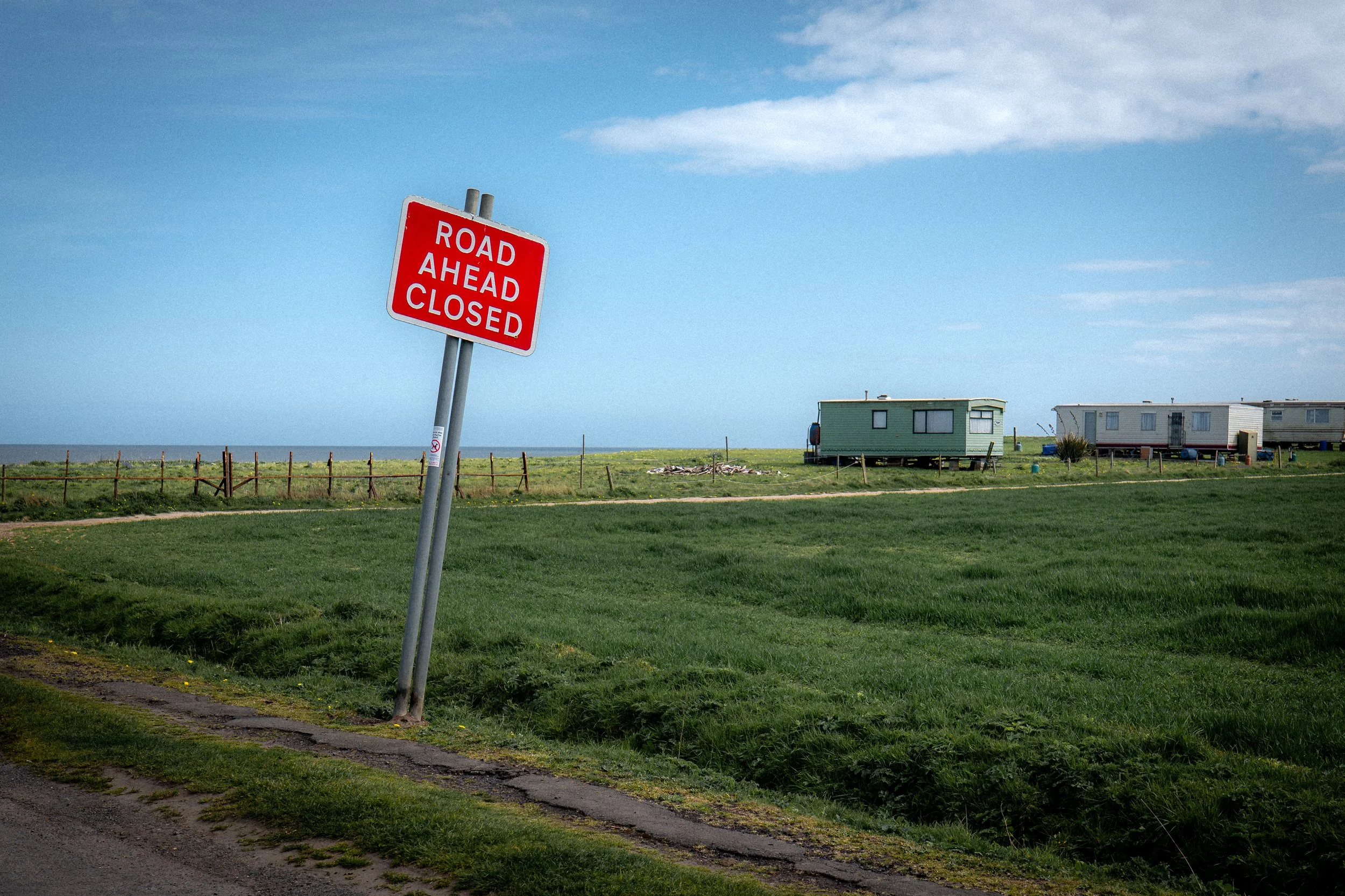
Skipsea on Holderness, the most rapidly eroding coastline in Europe. East Riding of Yorkshire.
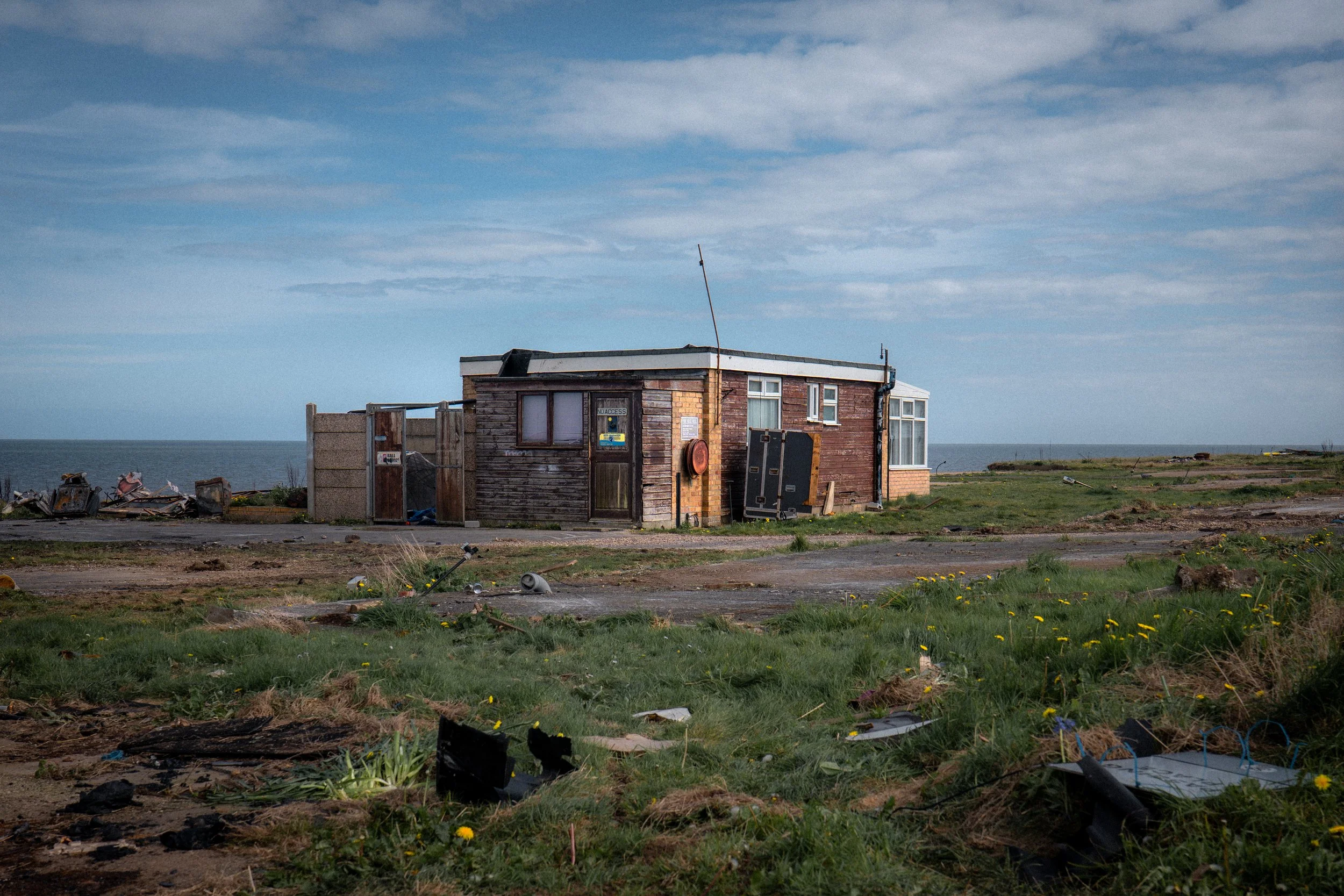
Ulrome, Holderness, East Riding of Yorkshire.
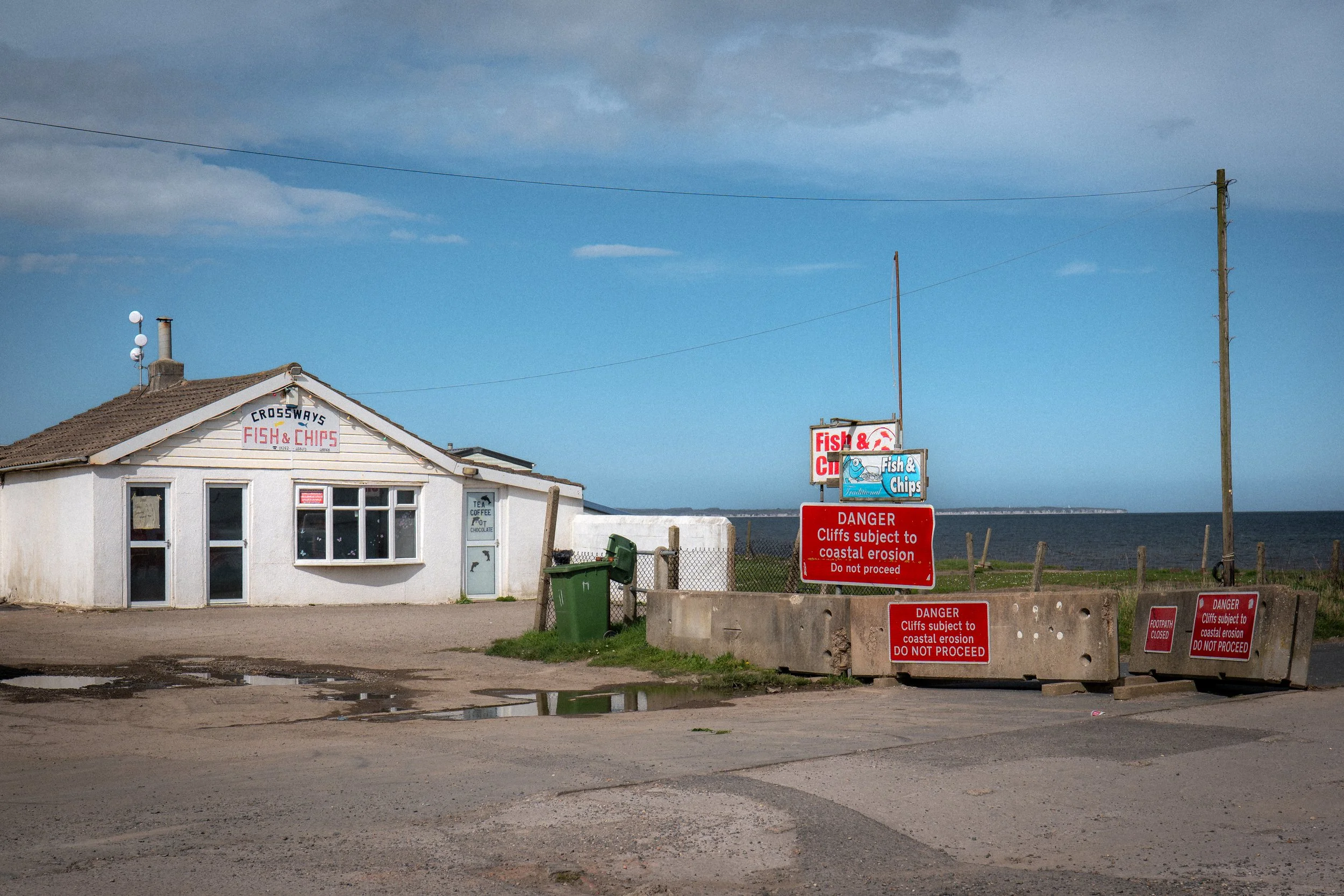
Skipsea, Holderness, East Riding of Yorkshire.
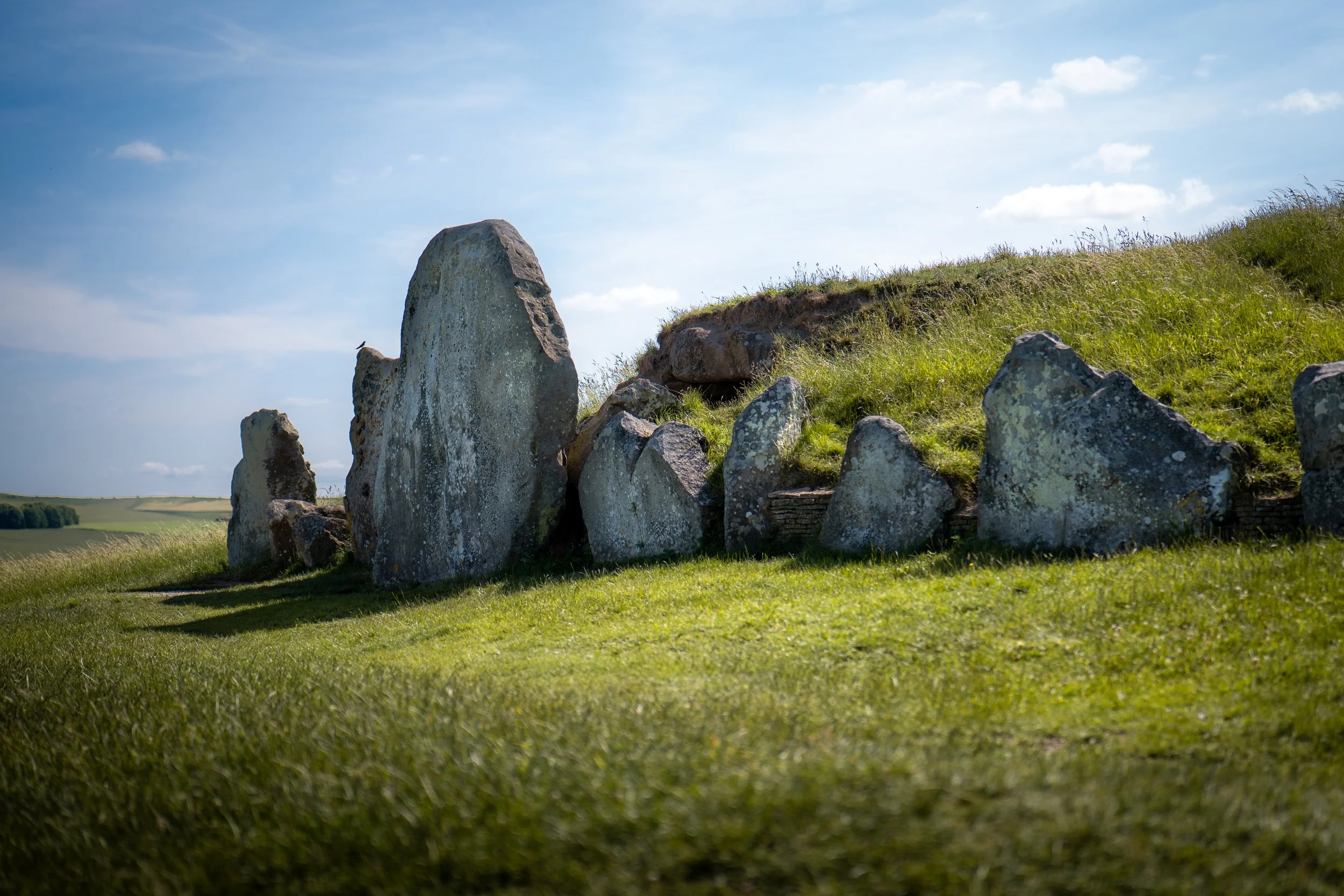
West Kennet Long Barrow, a Neolithic burial chamber where there's a widely reported atmosphere of dread. Avebury, Wiltshire.
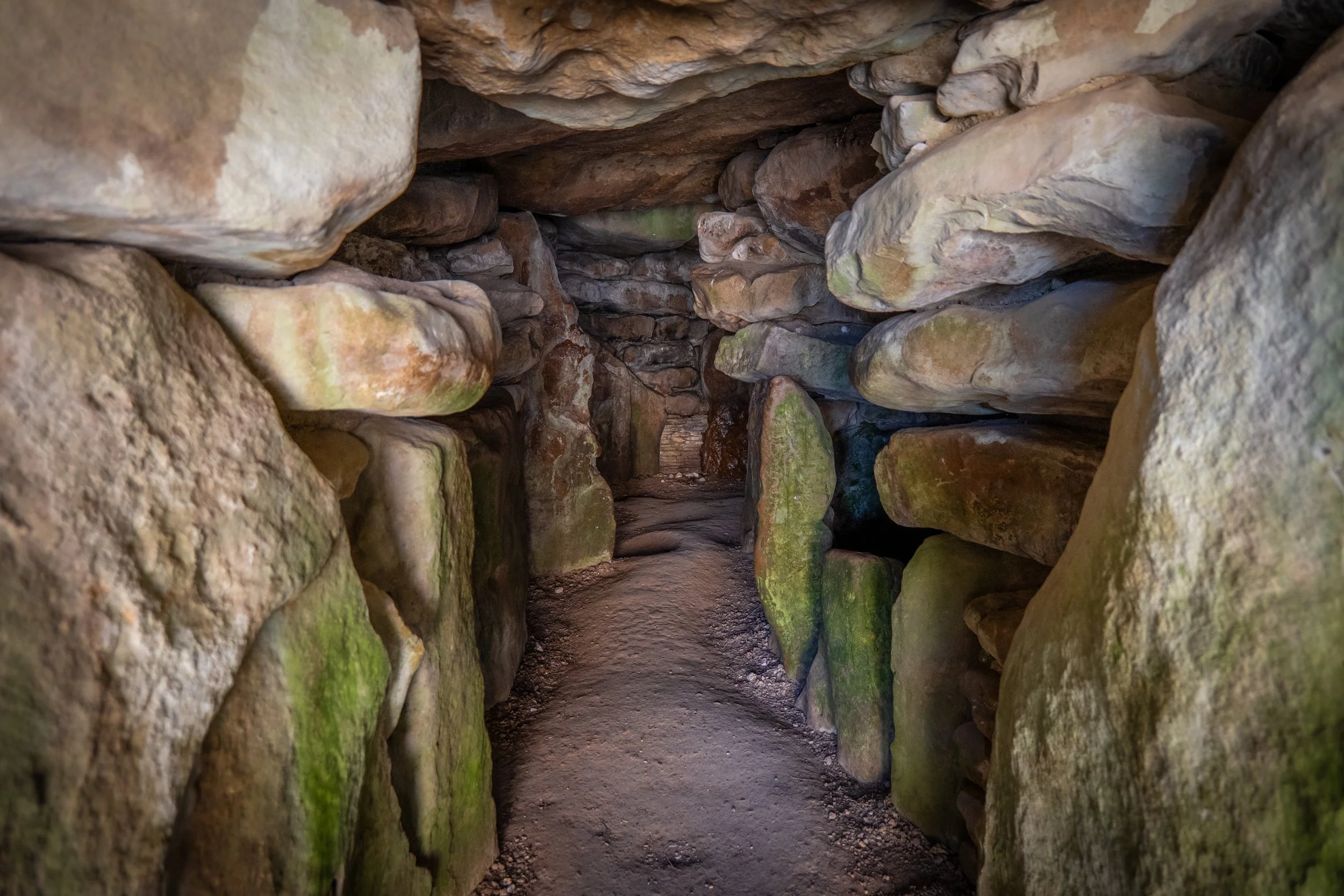
Inside West Kennet Long Barrow. Avebury, Wiltshire.
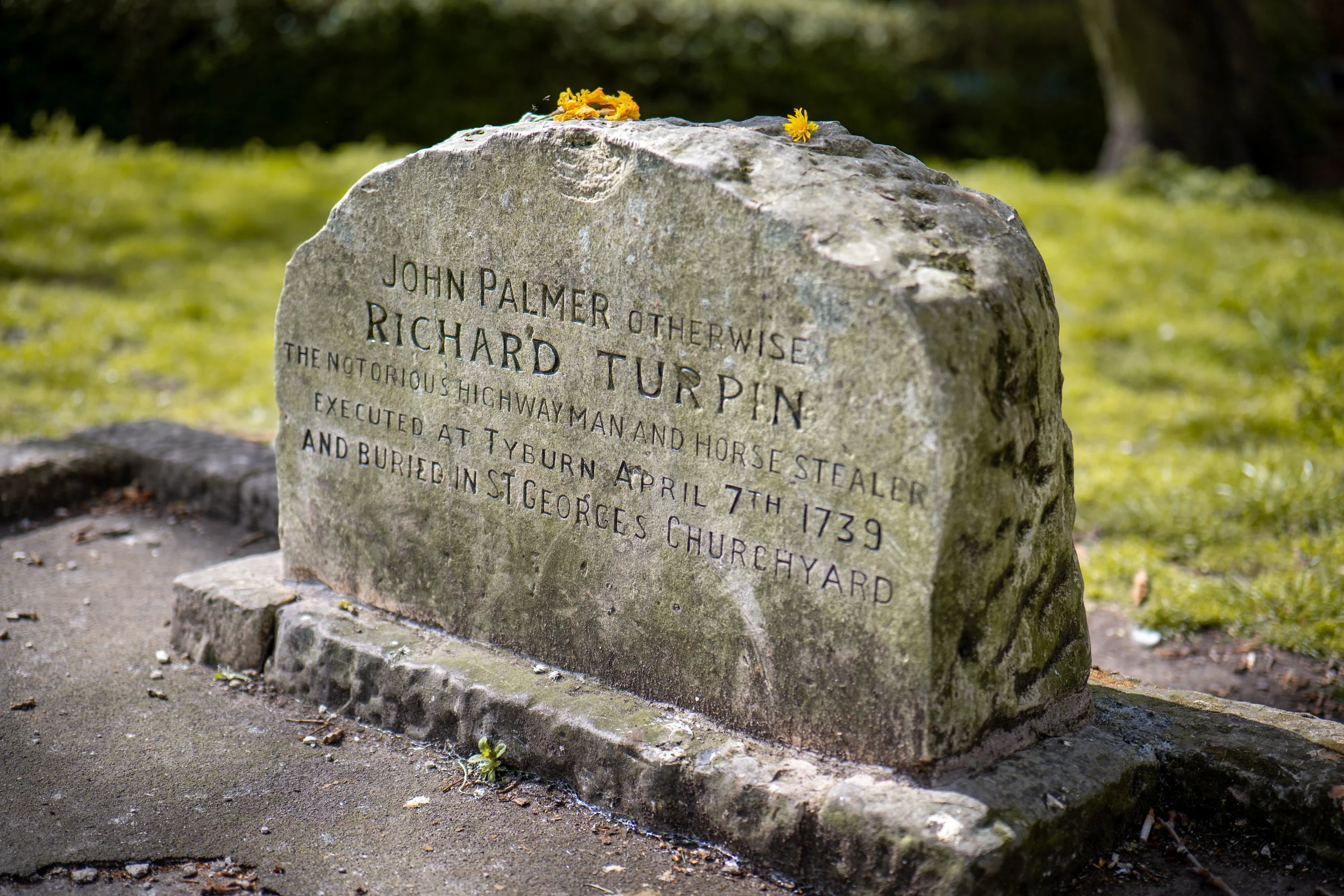
Grave of notorious highwayman and horse thief Dick Turpin. St George, York, North Yorkshire.
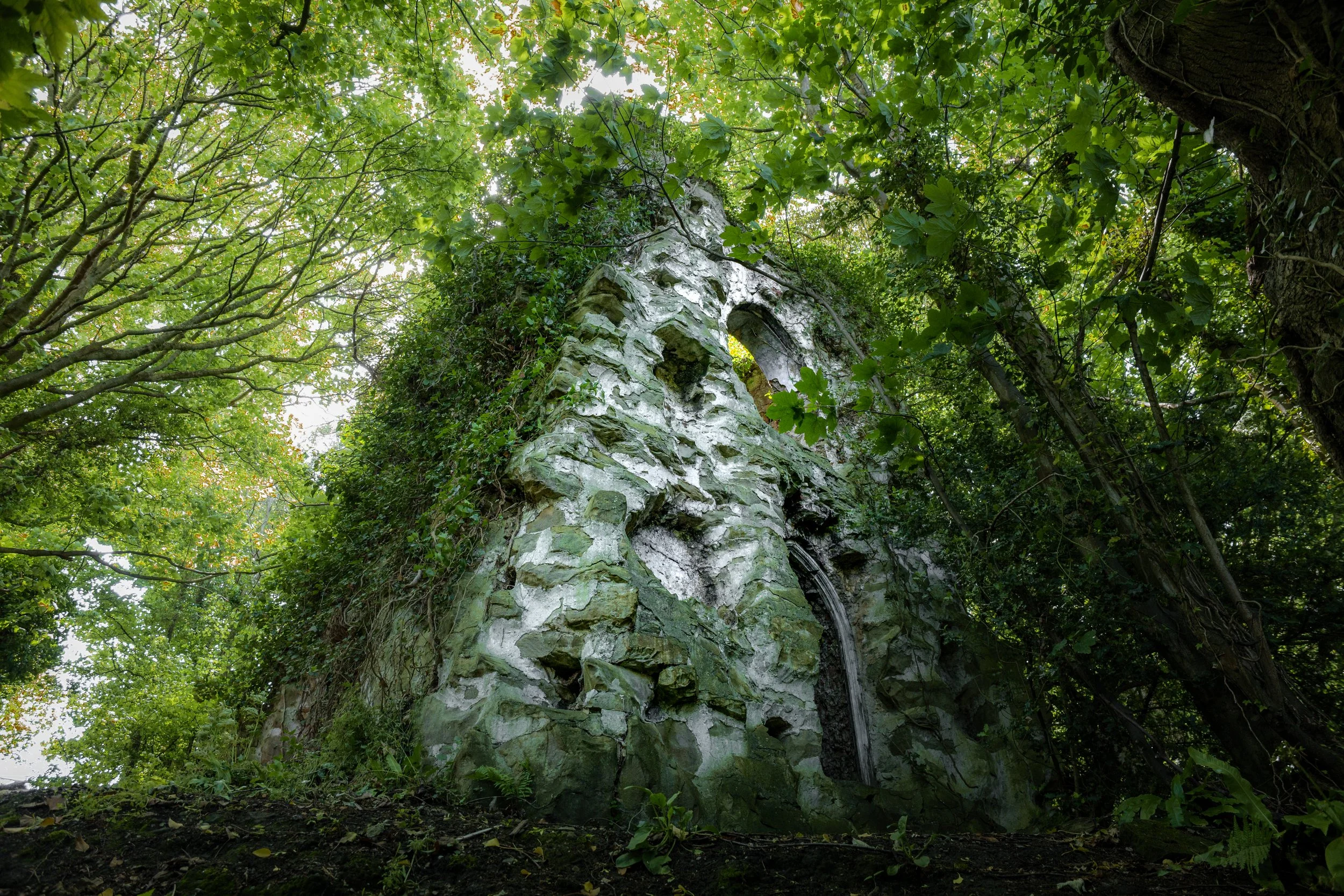
The Talacre Hall Grotto, a ghoulish nineteenth-century folly in the pleasure grounds of a former stately home and abbey. Talacre, Flintshire, Wales.
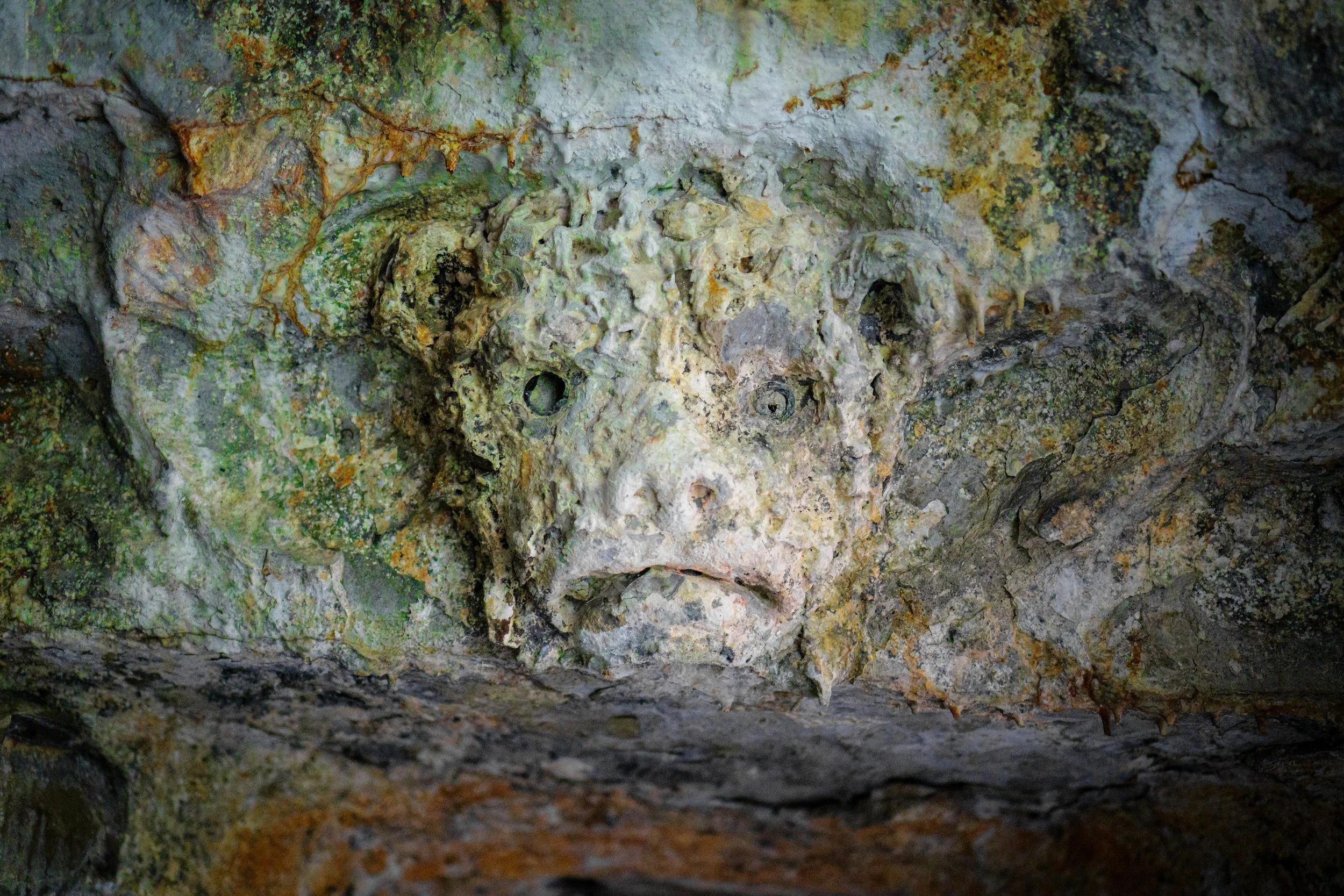
Talacre Hall Grotto, Talacre, Flintshire, Wales.
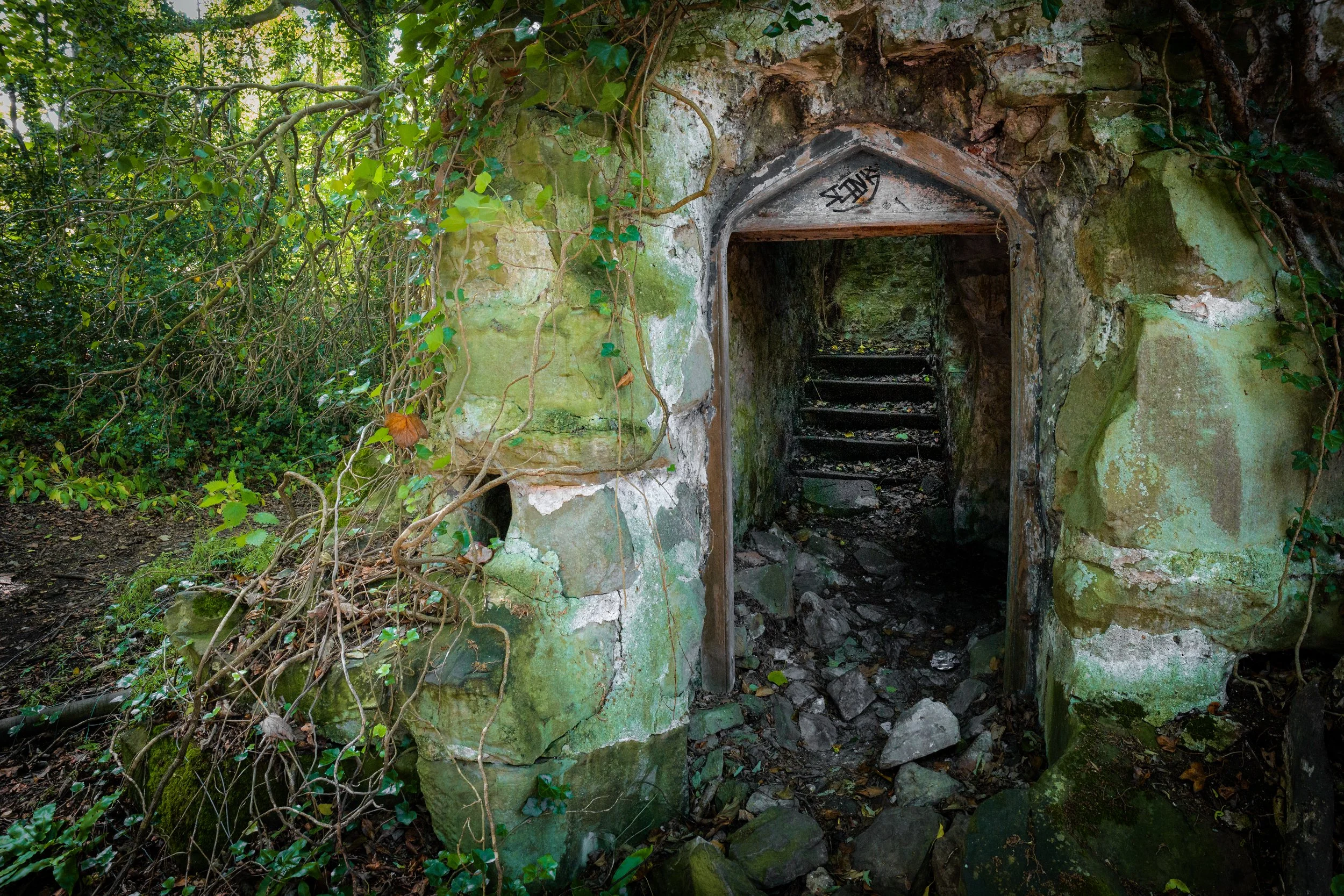
Talacre Hall Grotto, Talacre, Flintshire, Wales.
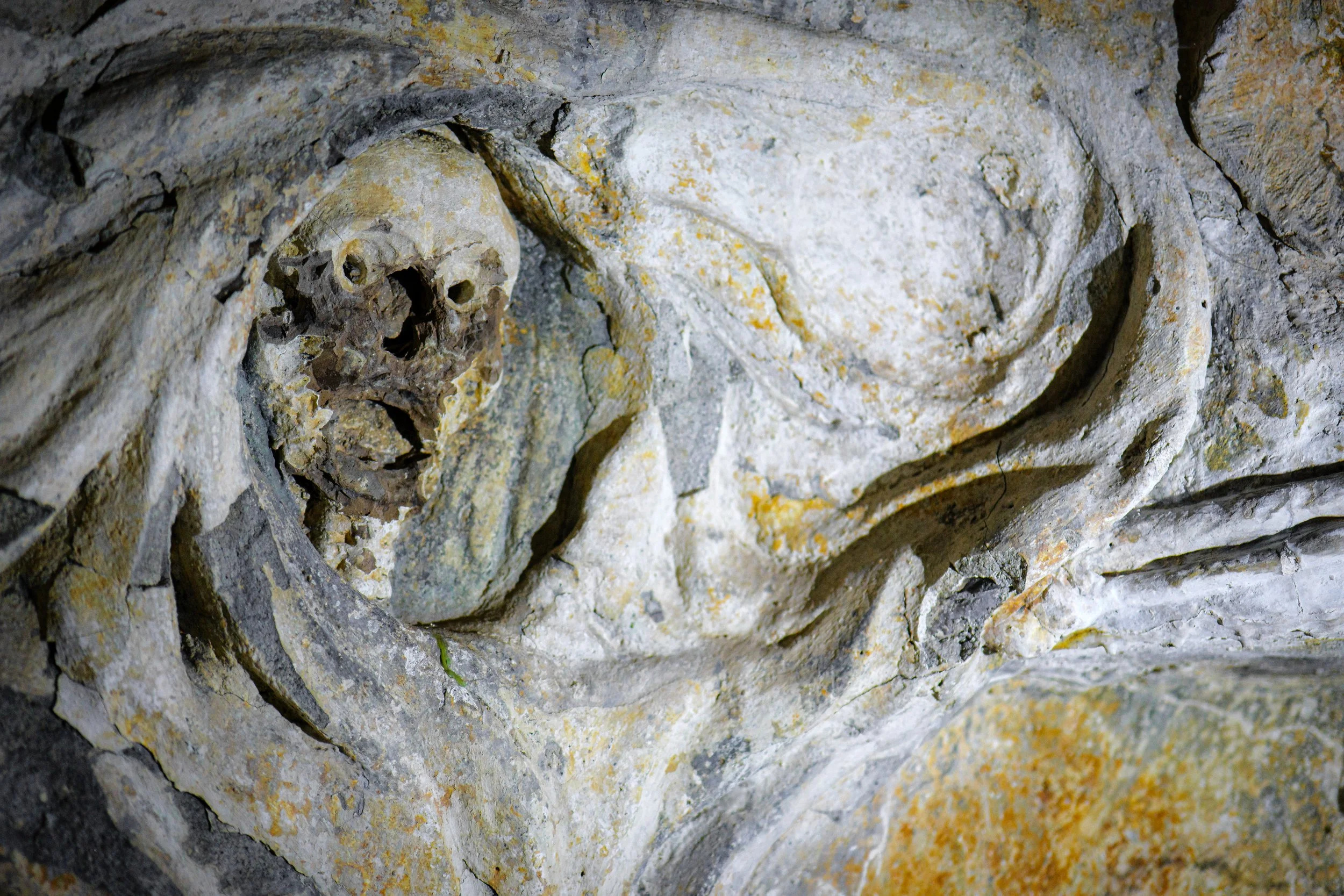
Talacre Hall Grotto, Talacre, Flintshire, Wales.
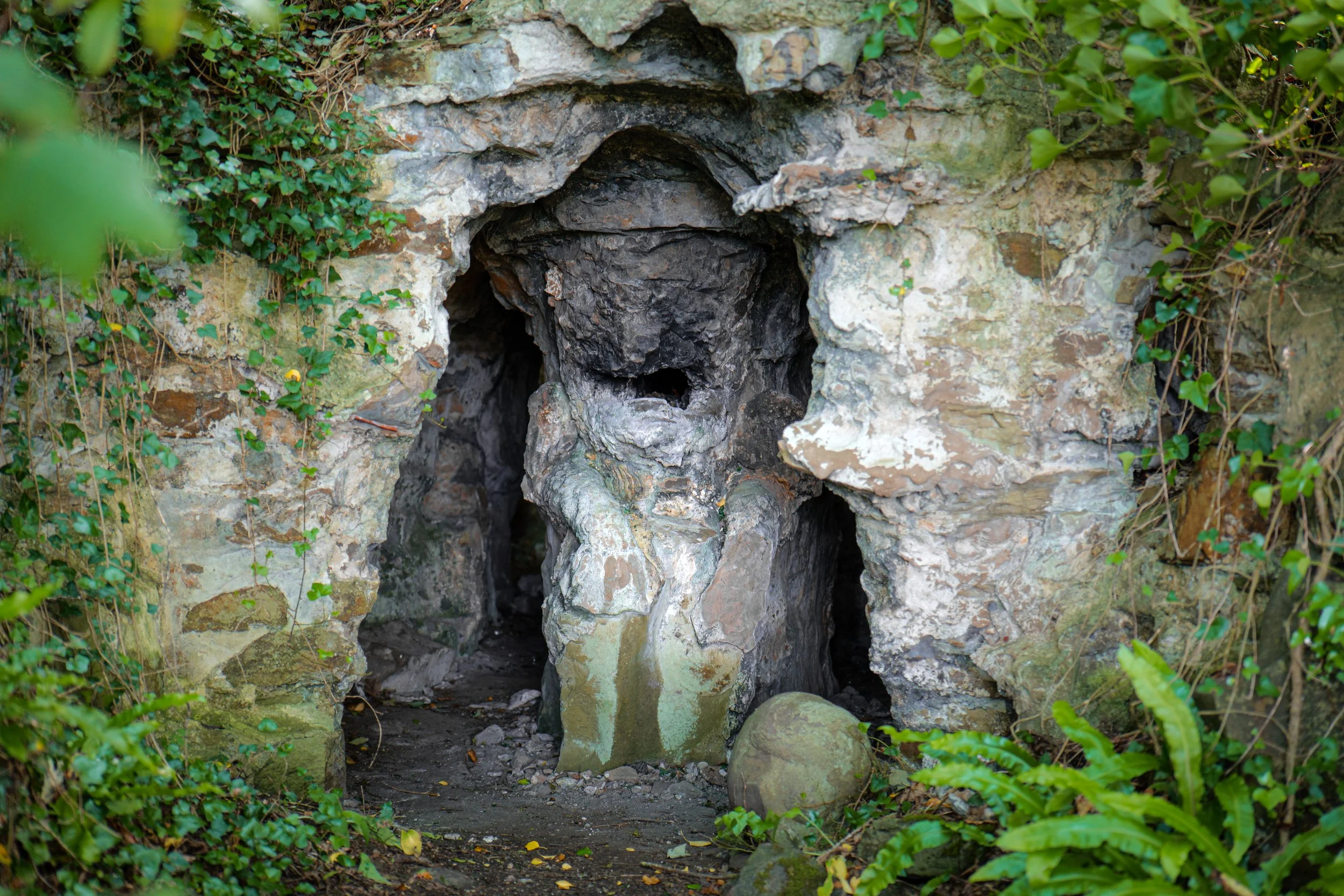
Talacre Hall Grotto, Talacre, Flintshire, Wales.
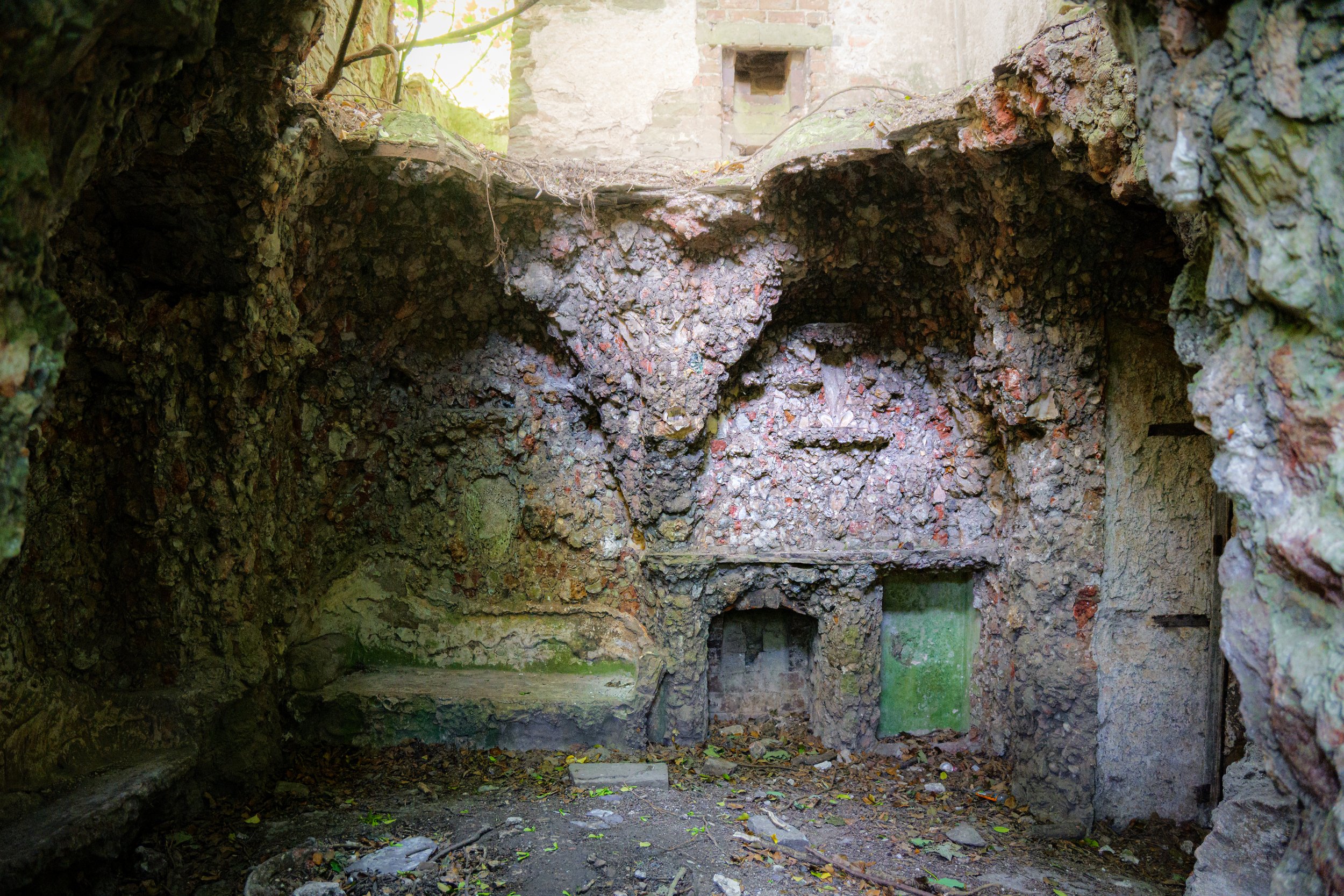
Talacre Hall Grotto, Talacre, Flintshire, Wales.
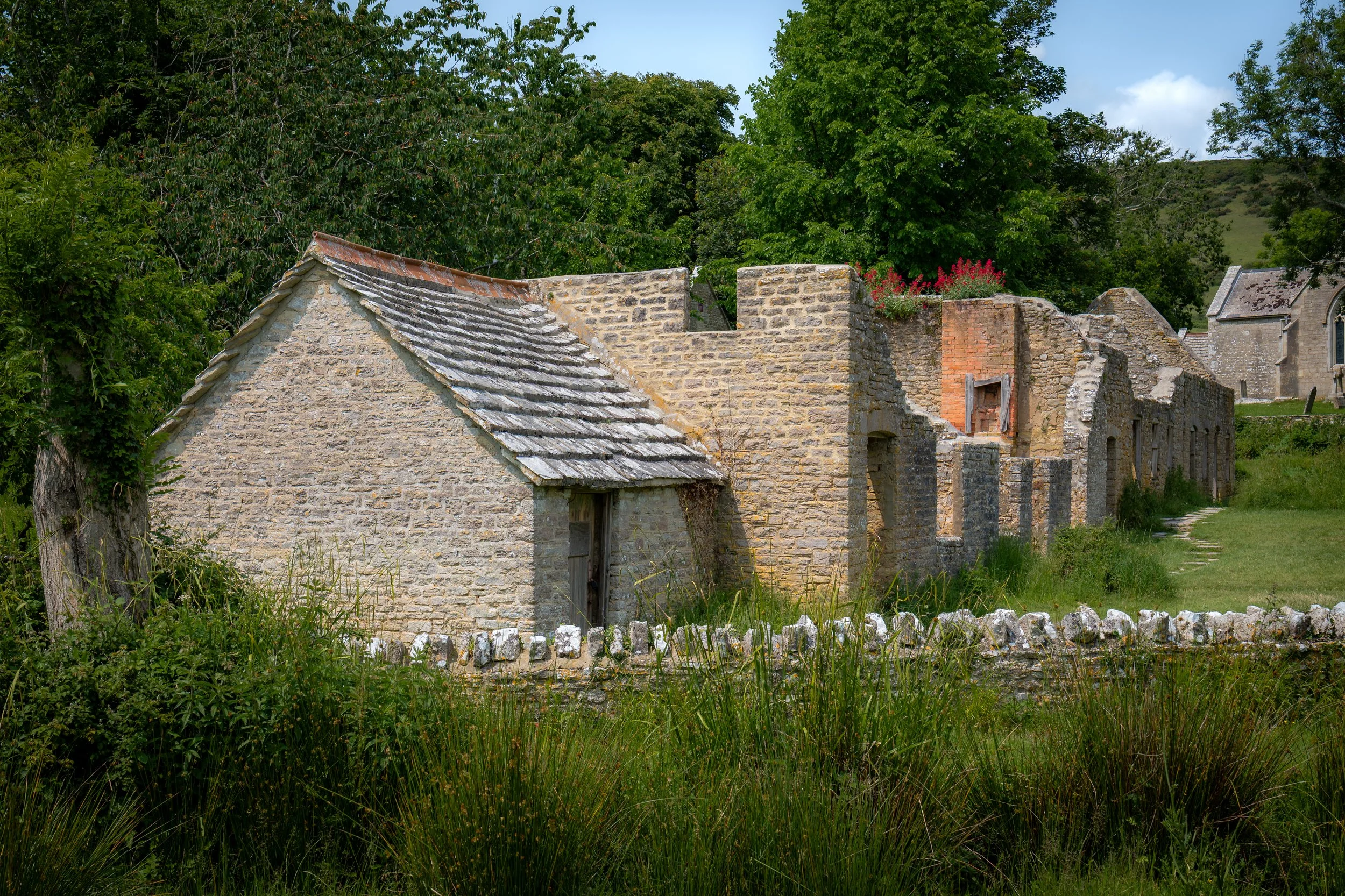
The lost village of Tyneham in Dorset, evacuated for military training in 1943 and deserted ever since.
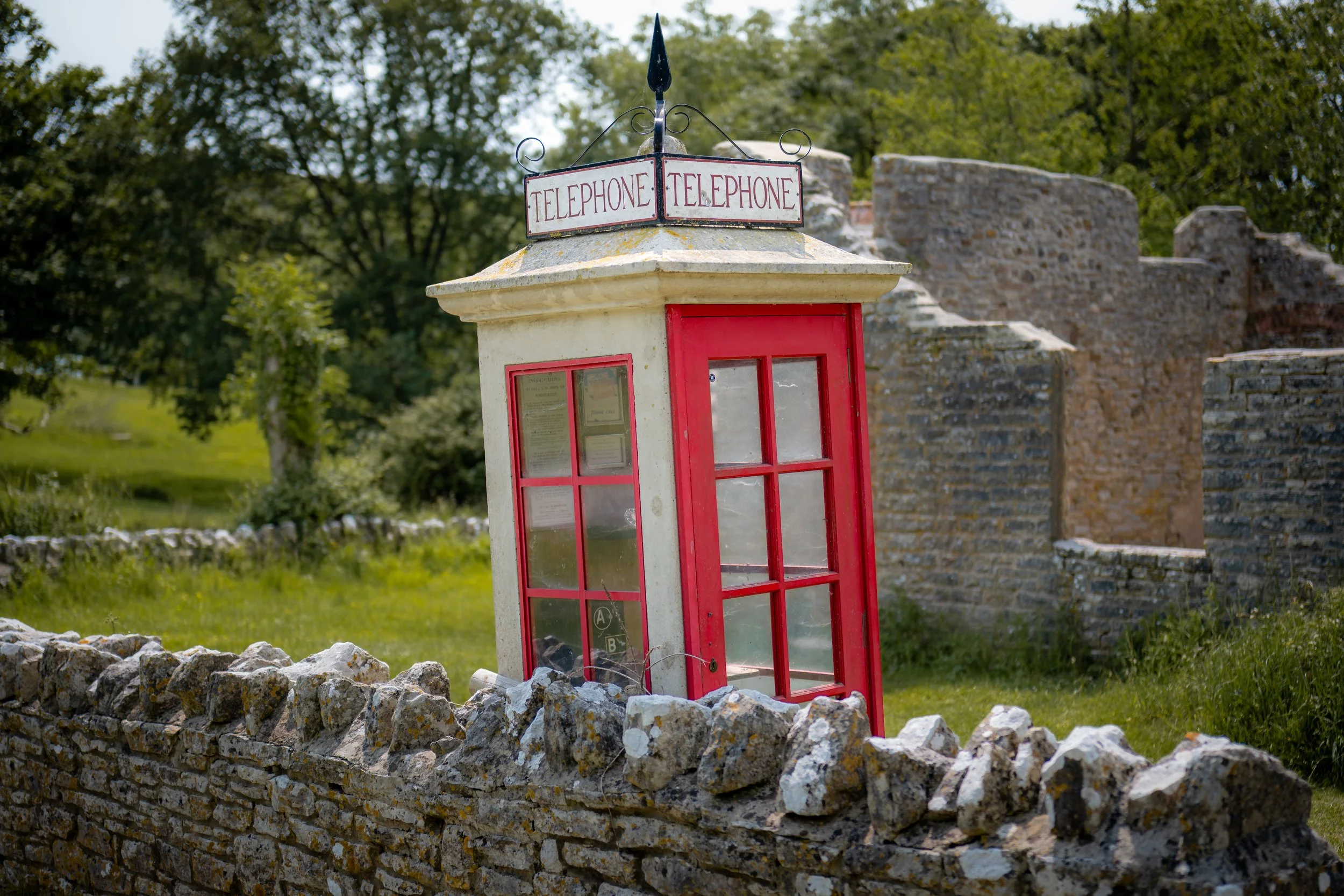
Tyneham, Dorset.
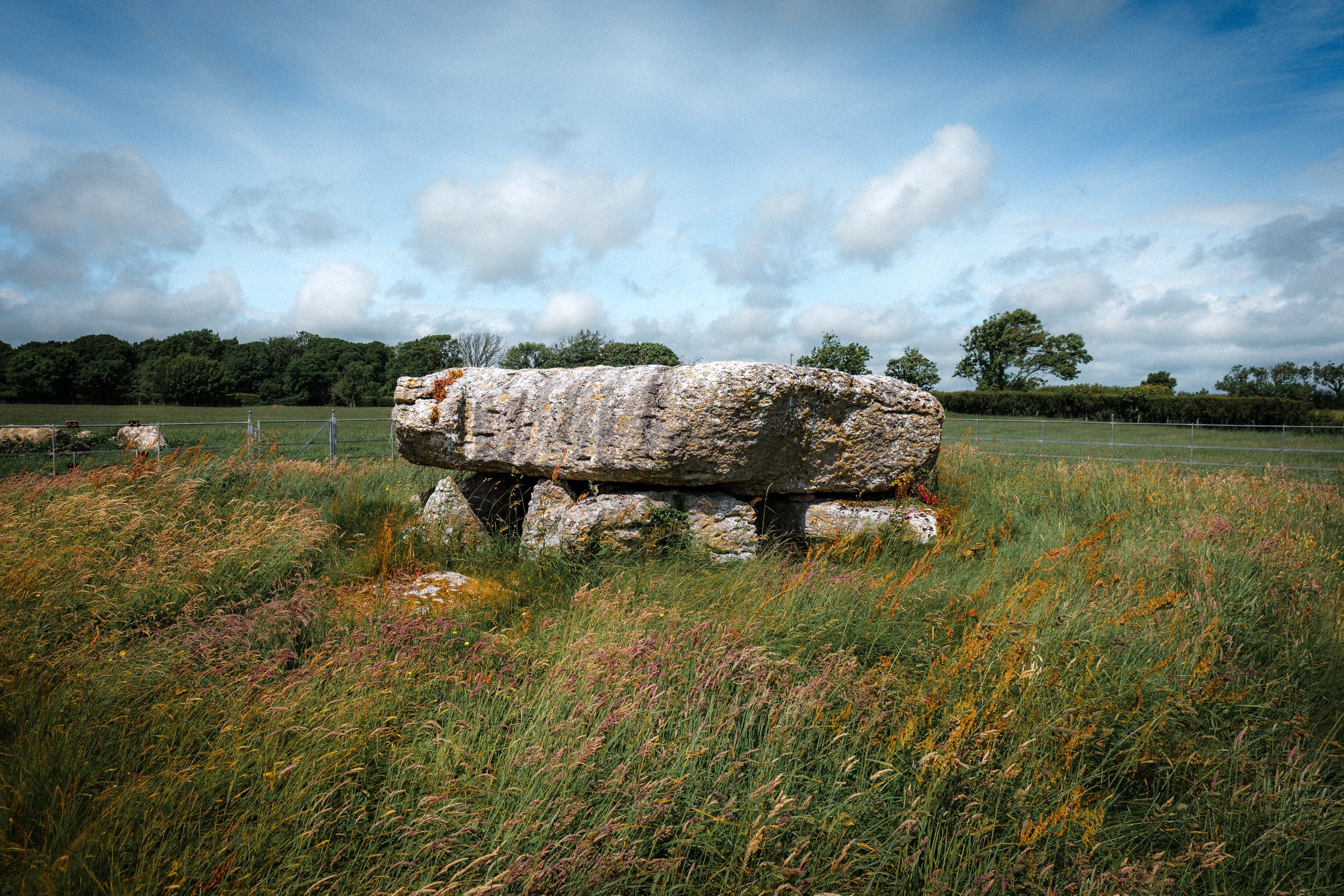
Din Llugwy Burial Chamber, Moelfre, Anglesey, Wales.
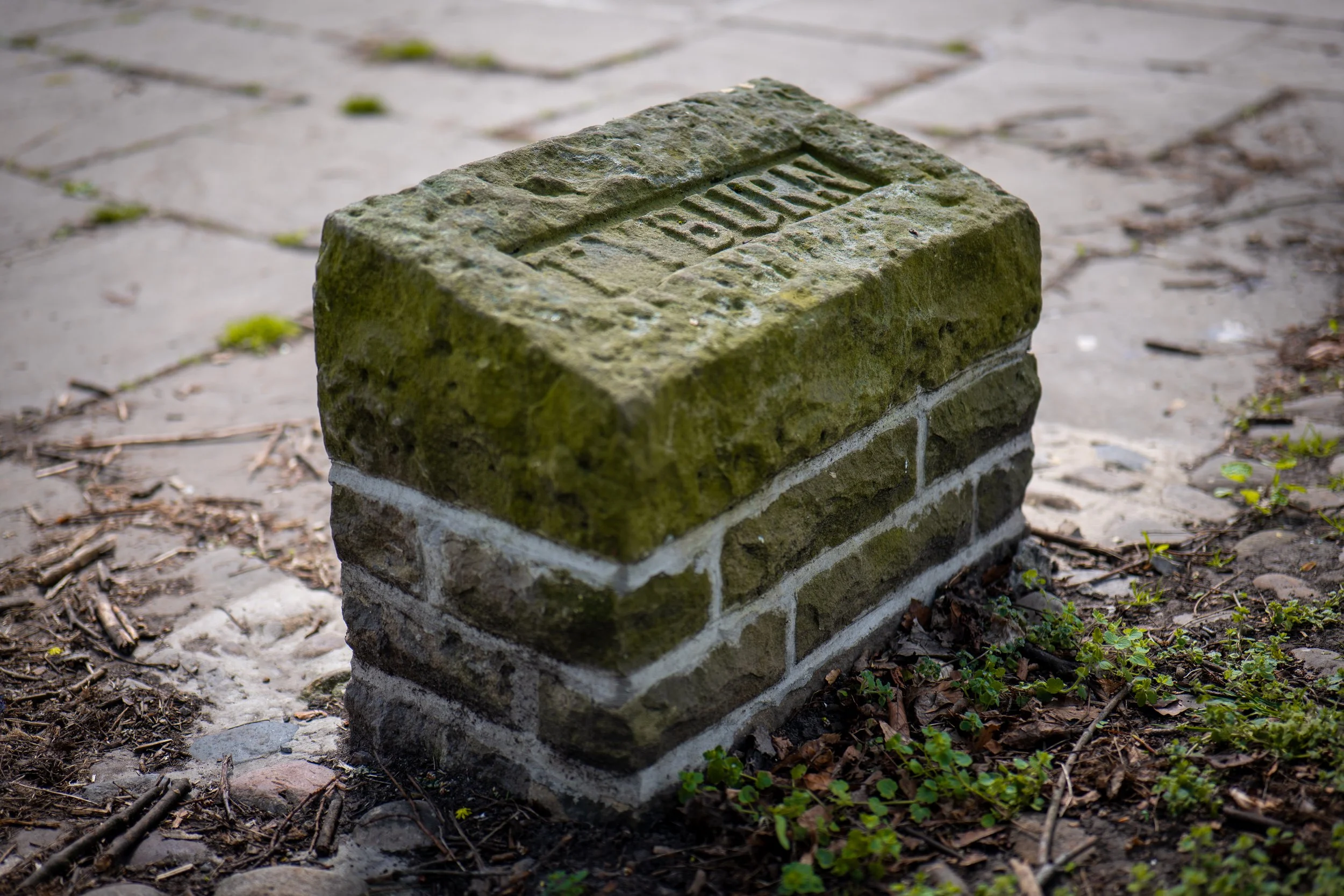
Gallows site at Knavesmire, York, North Yorkshire.
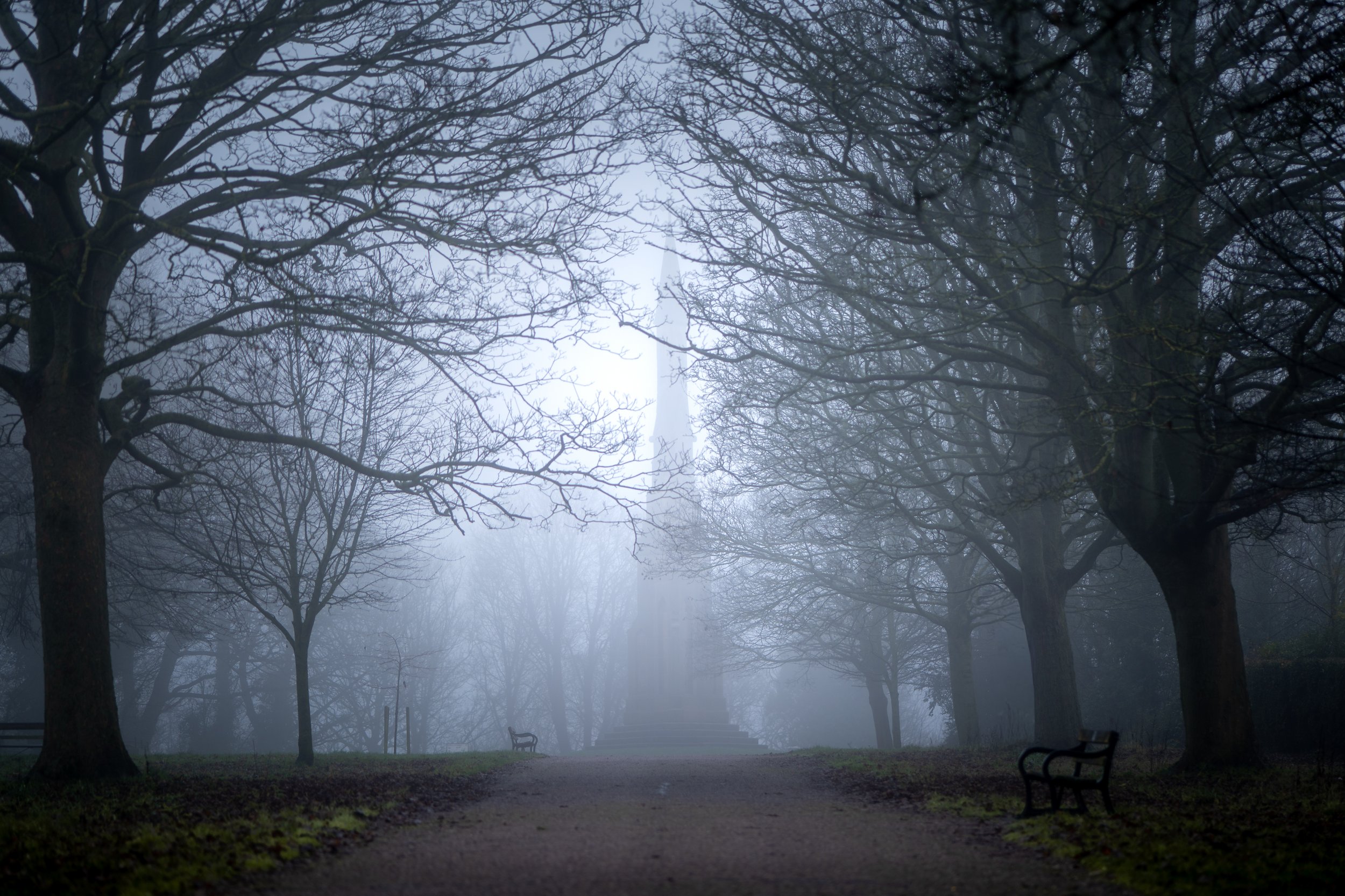
The Cholera Monument, erected to the memory of 402 citizens who died during the 1832 epidemic, and said to be haunted by the Park Ghost or Spring-Heeled Jack. Norfolk Park, Sheffield, South Yorkshire.
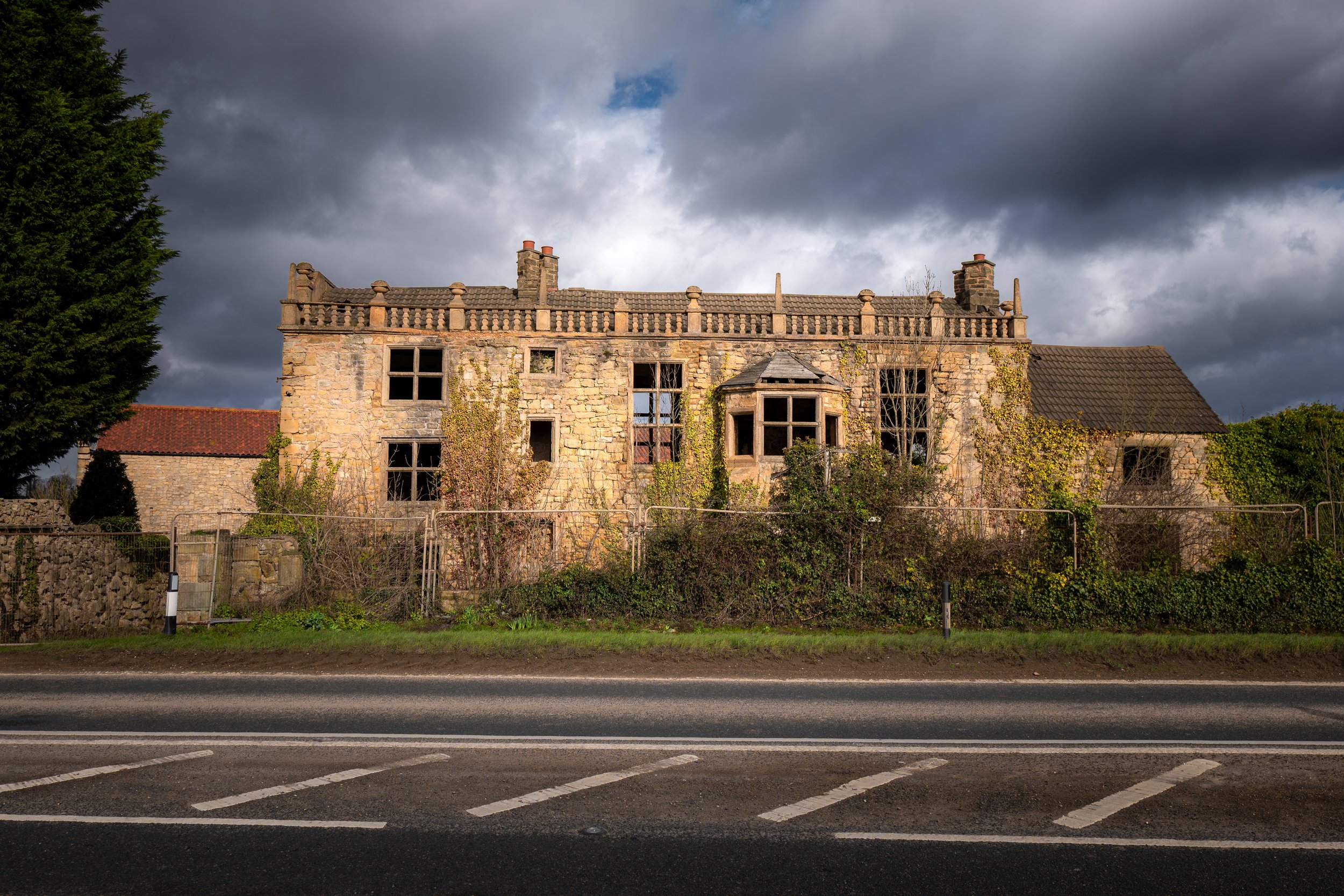
Ivy Farm Manor, aka The Doctor's House, an abandoned mansion once belonging to a notorious psychiatrist. Hampole, South Yorkshire.
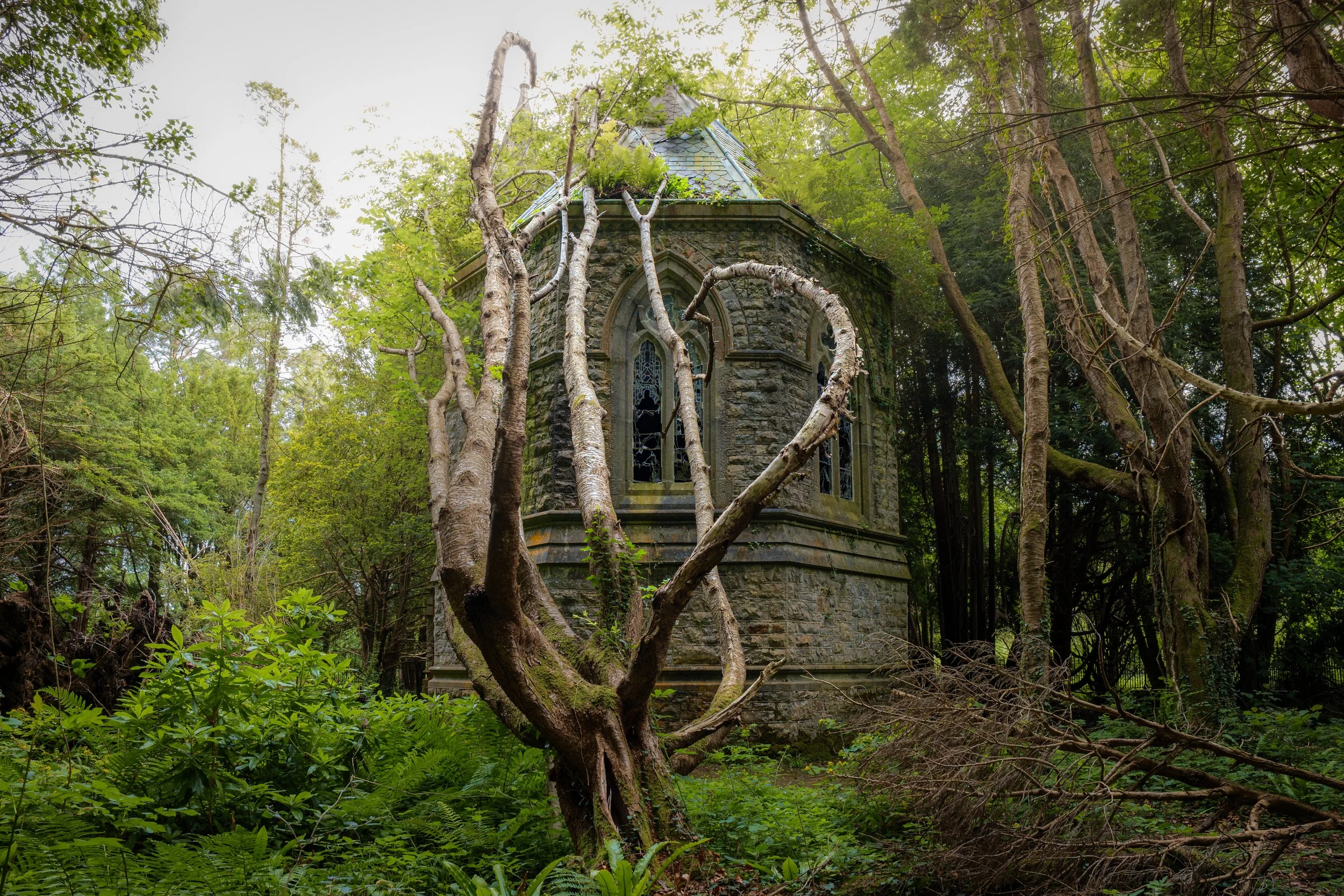
Vaynol Mausoleum, Bangor, Gwynedd, Wales.
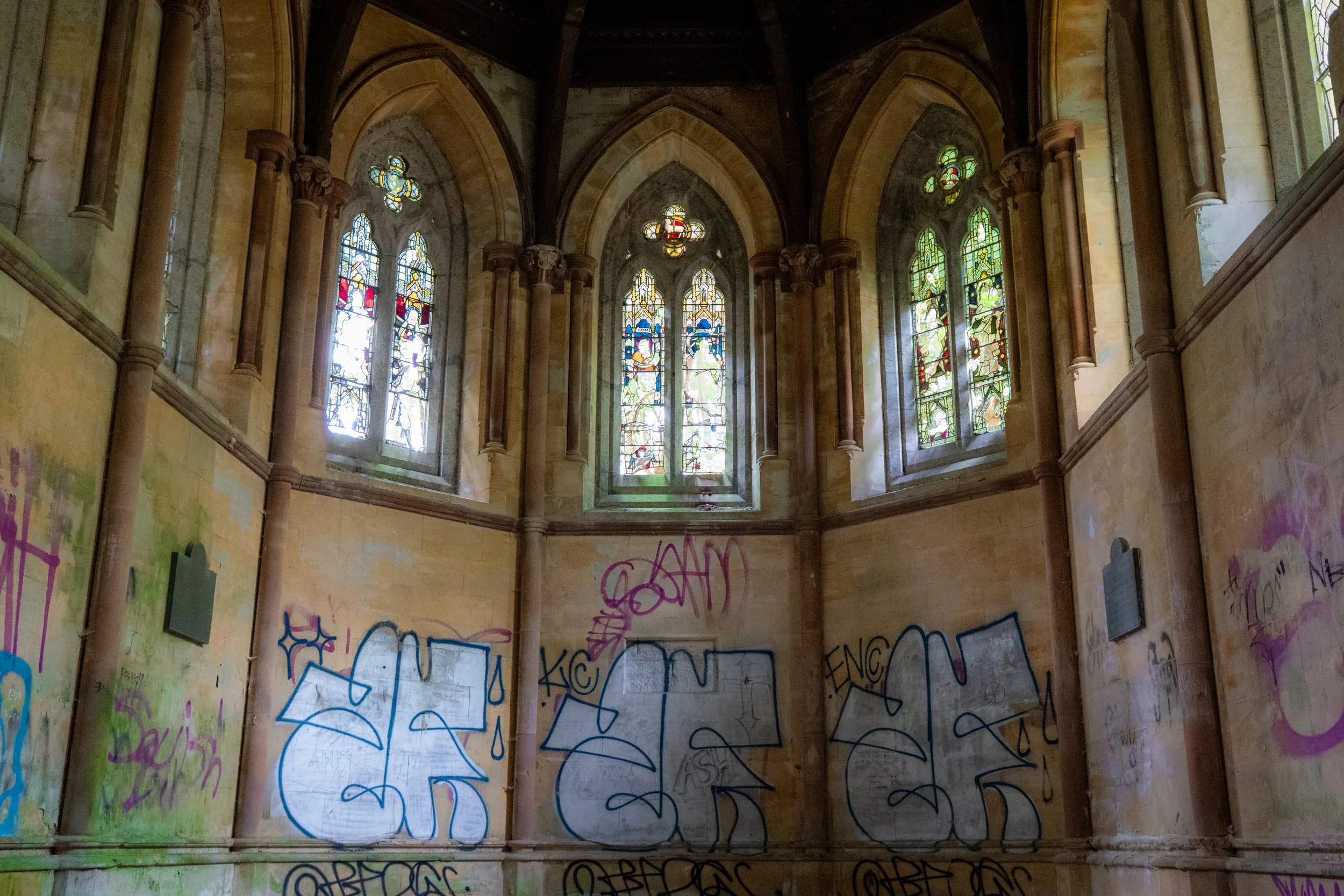
Vaynol Mausoleum, Bangor, Gwynedd, Wales.
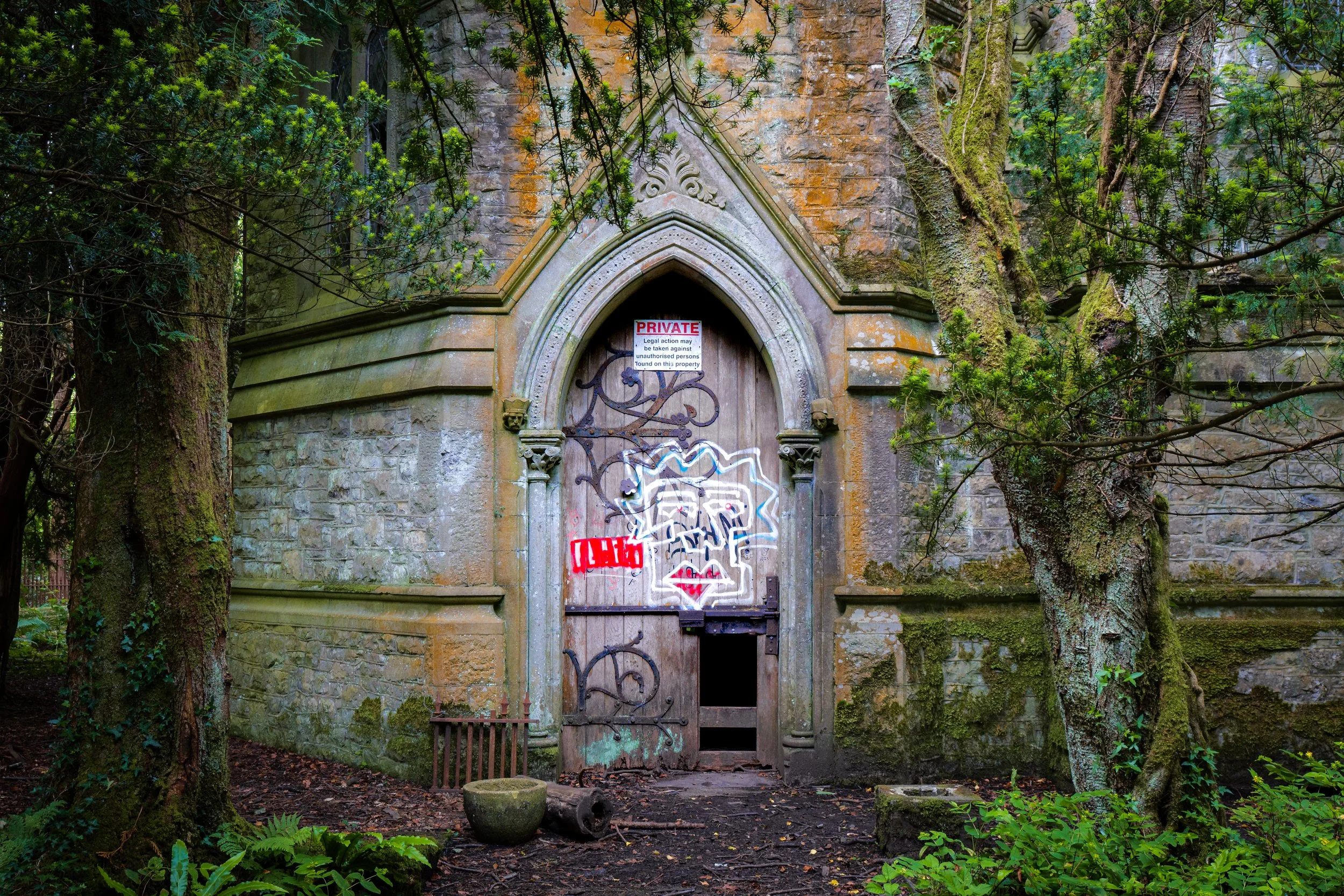
Vaynol Mausoleum, Bangor, Gwynedd, Wales.
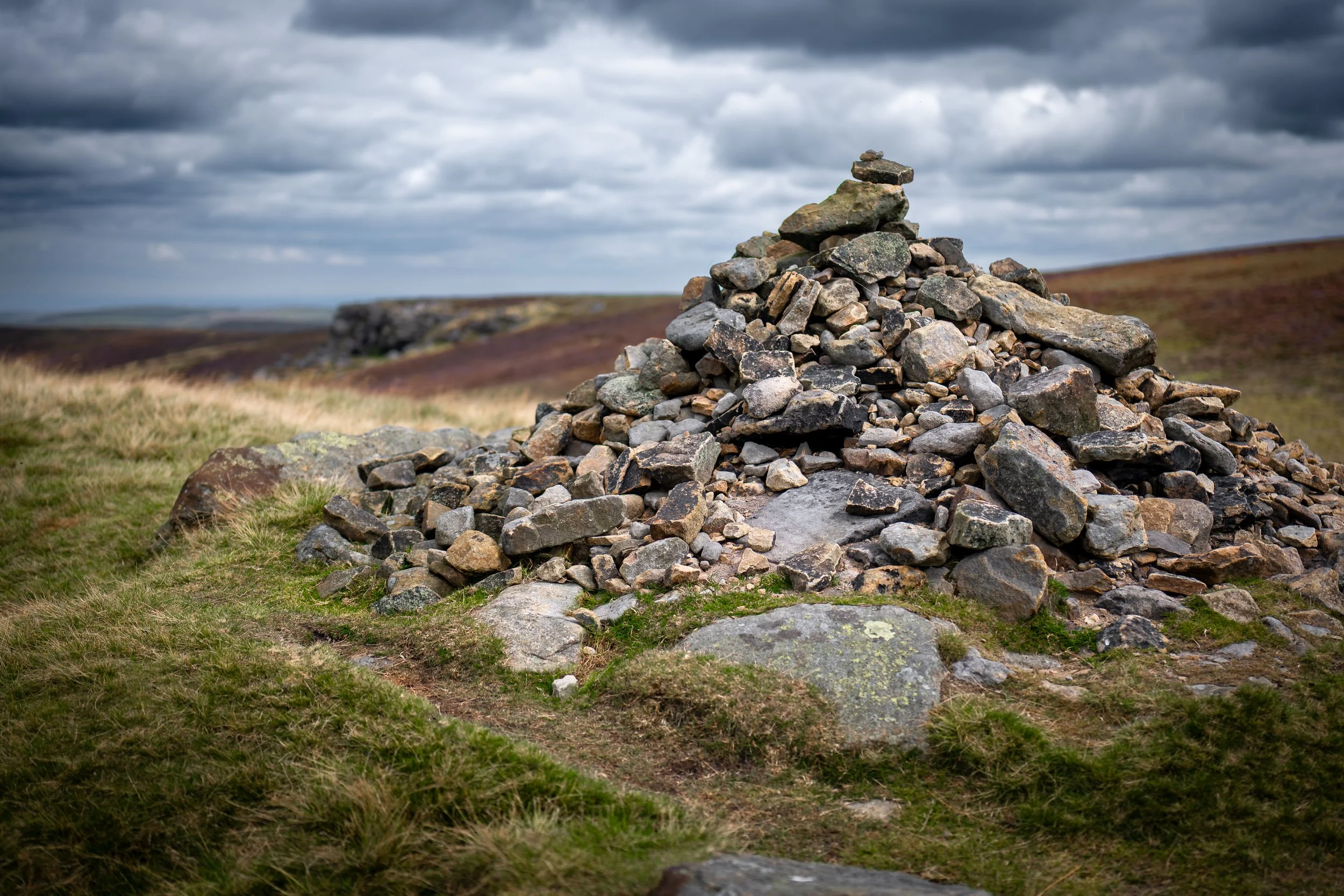
The Lost Lad cairn commemorating Abraham Lowe, a 13 year-old shepherd boy who became disorientated and froze to death in a blizzard (and whose ghost haunts the site). Derwent Edge, Derbyshire.
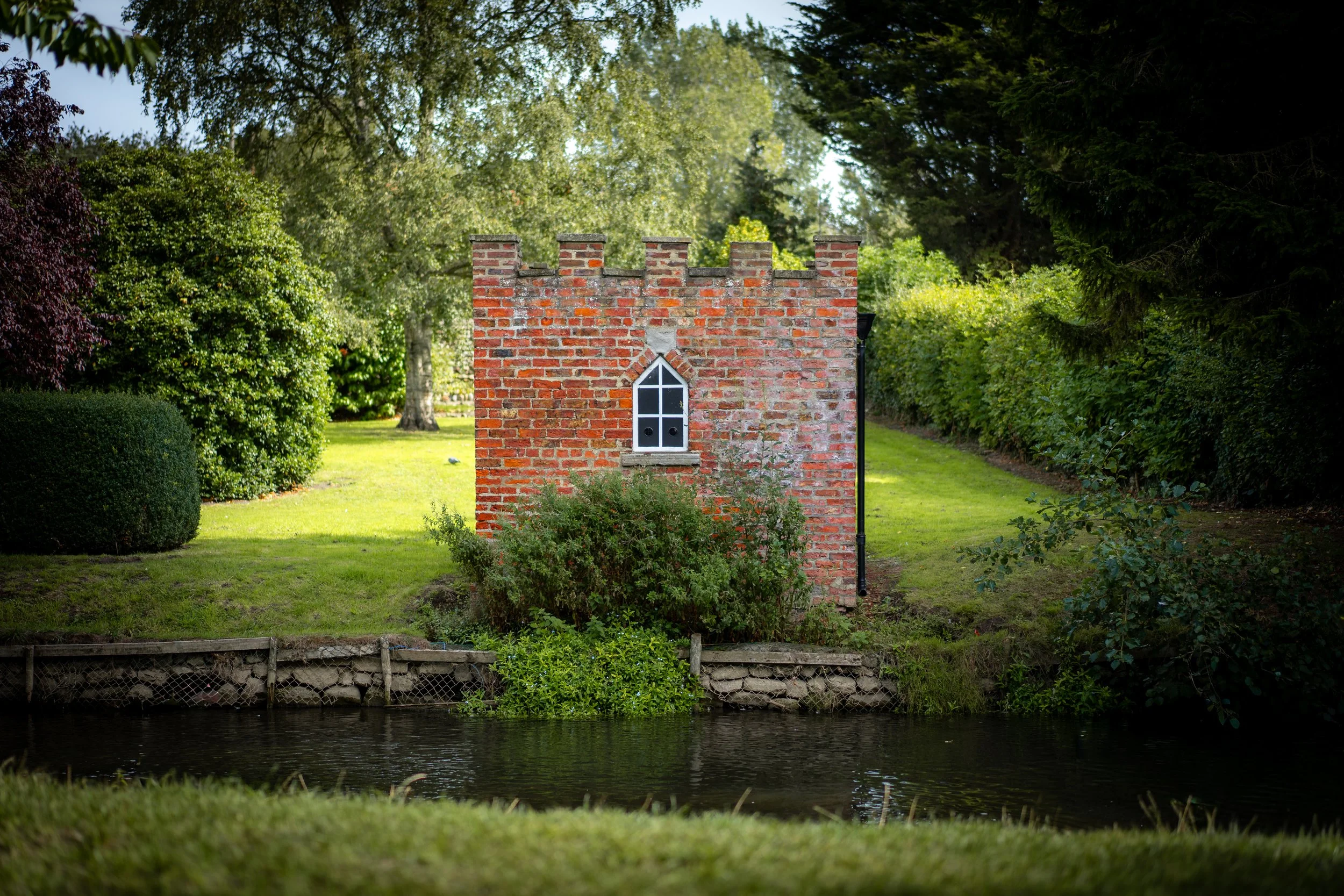
England's only known leech house, built by an enterprising apothecary in the 1700s for the storage of medicinal leeches harvested from the adjacent beck. Bedale, North Yorkshire.
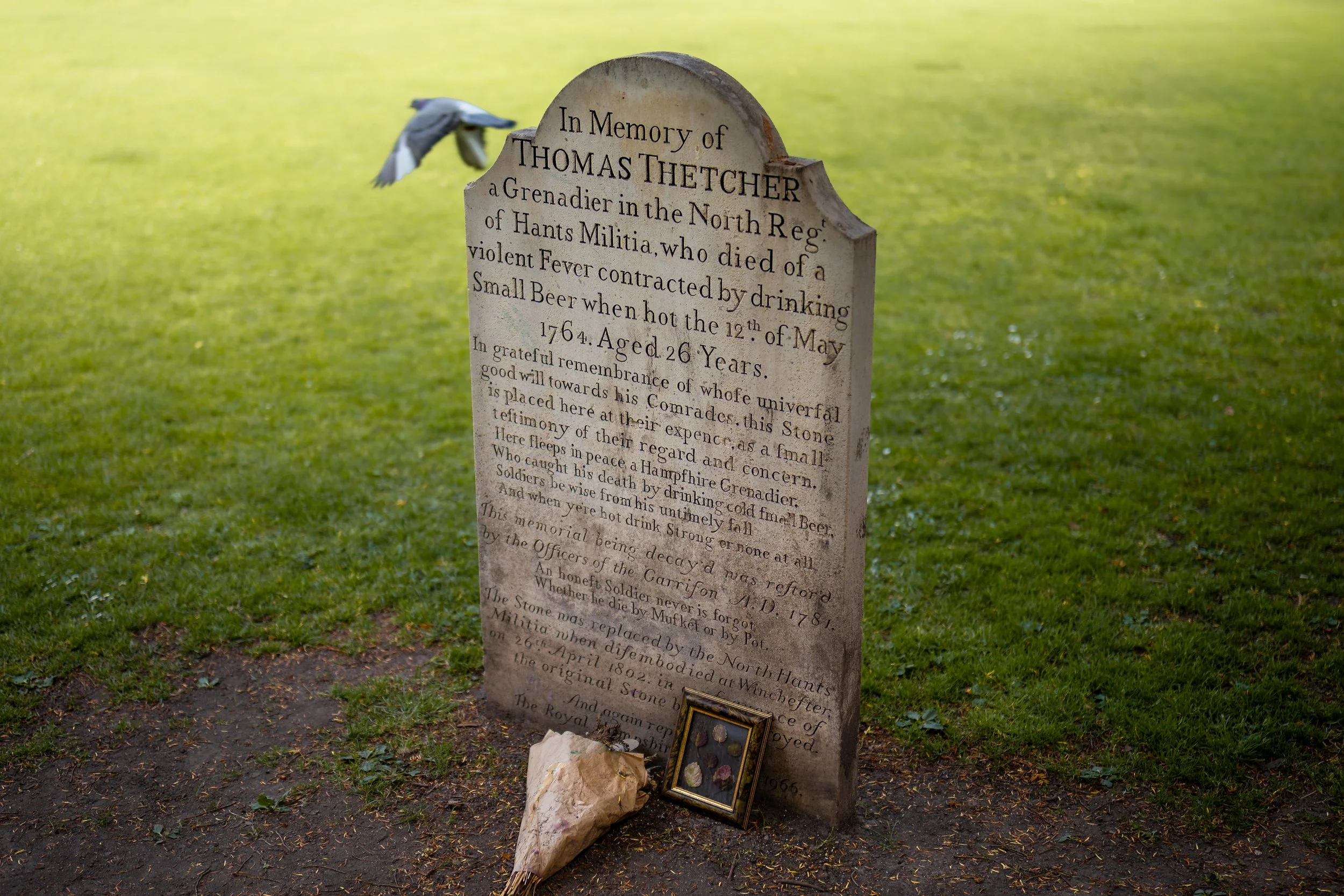
Gravestone of Thomas Thetcher, who died of drinking 'small beer', which inspired co-founder Bill Wilson to create Alcoholics Anonymous. Winchester Cathedral, Hampshire.
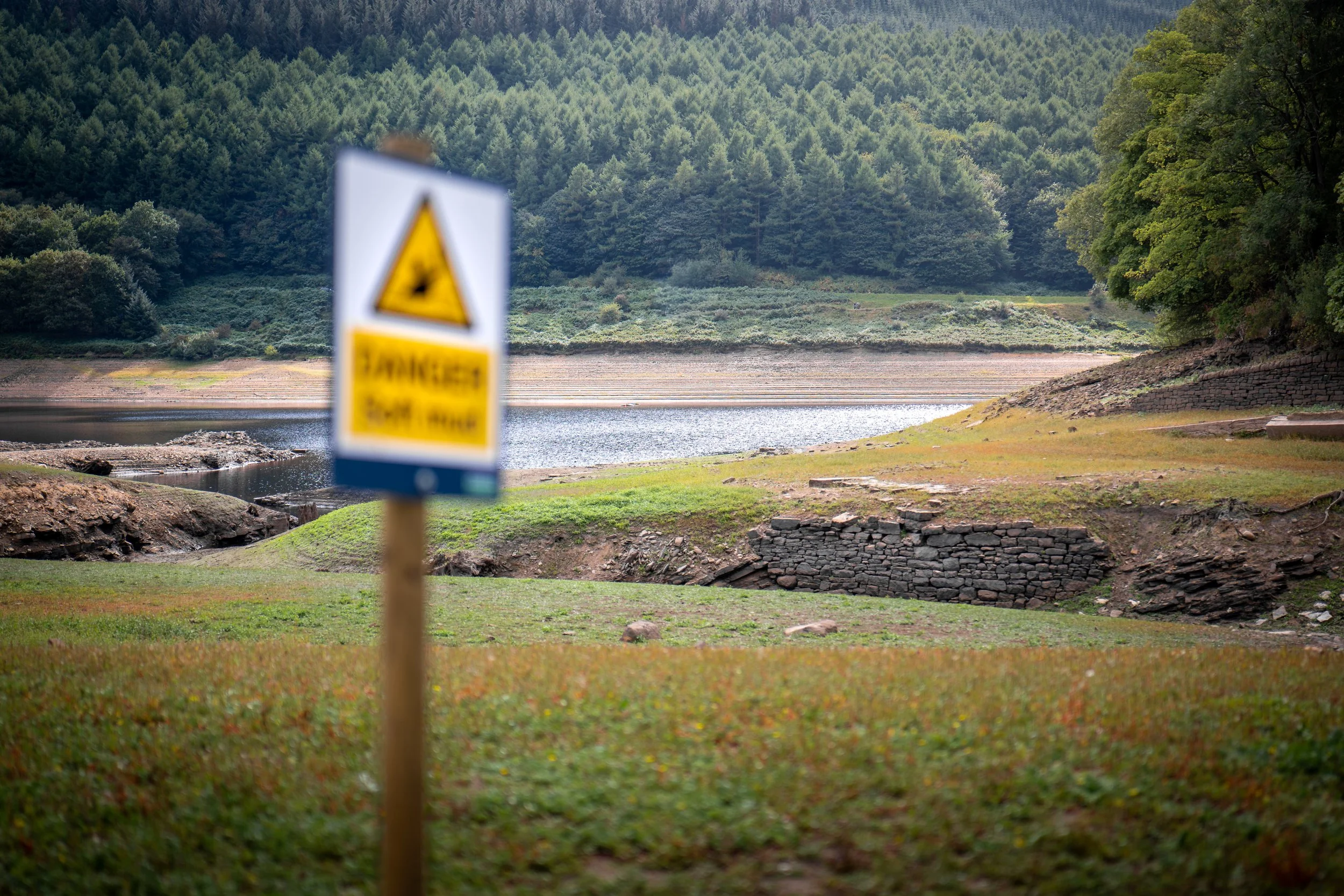
Site of the lost village of Derwent, drowned during the creation of Ladybower Reservoir in 1944; organ music from its submerged church can still be heard. Derbyshire.
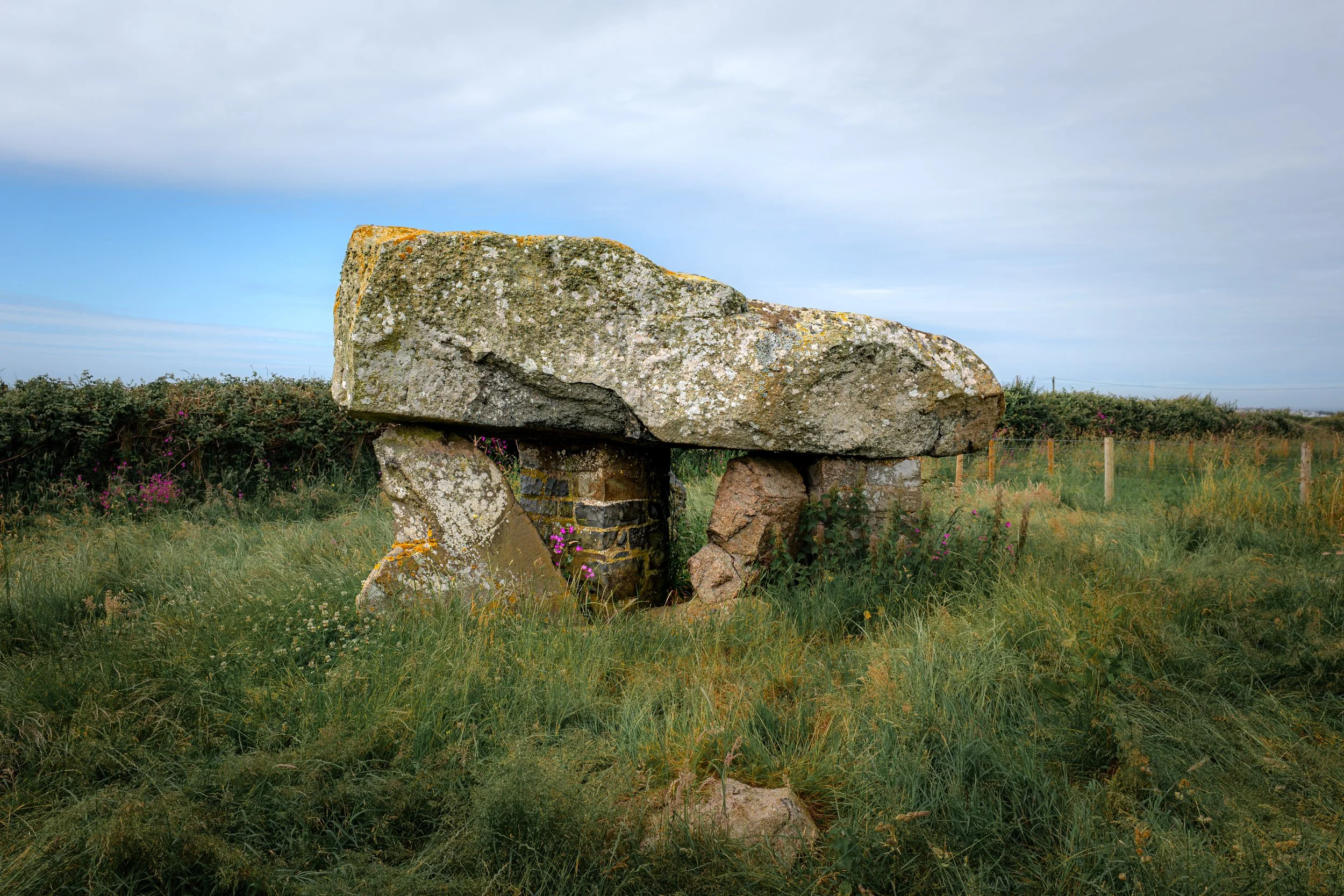
Tŷ Newydd Burial Chamber, Ty Croes, Anglesey, Wales.
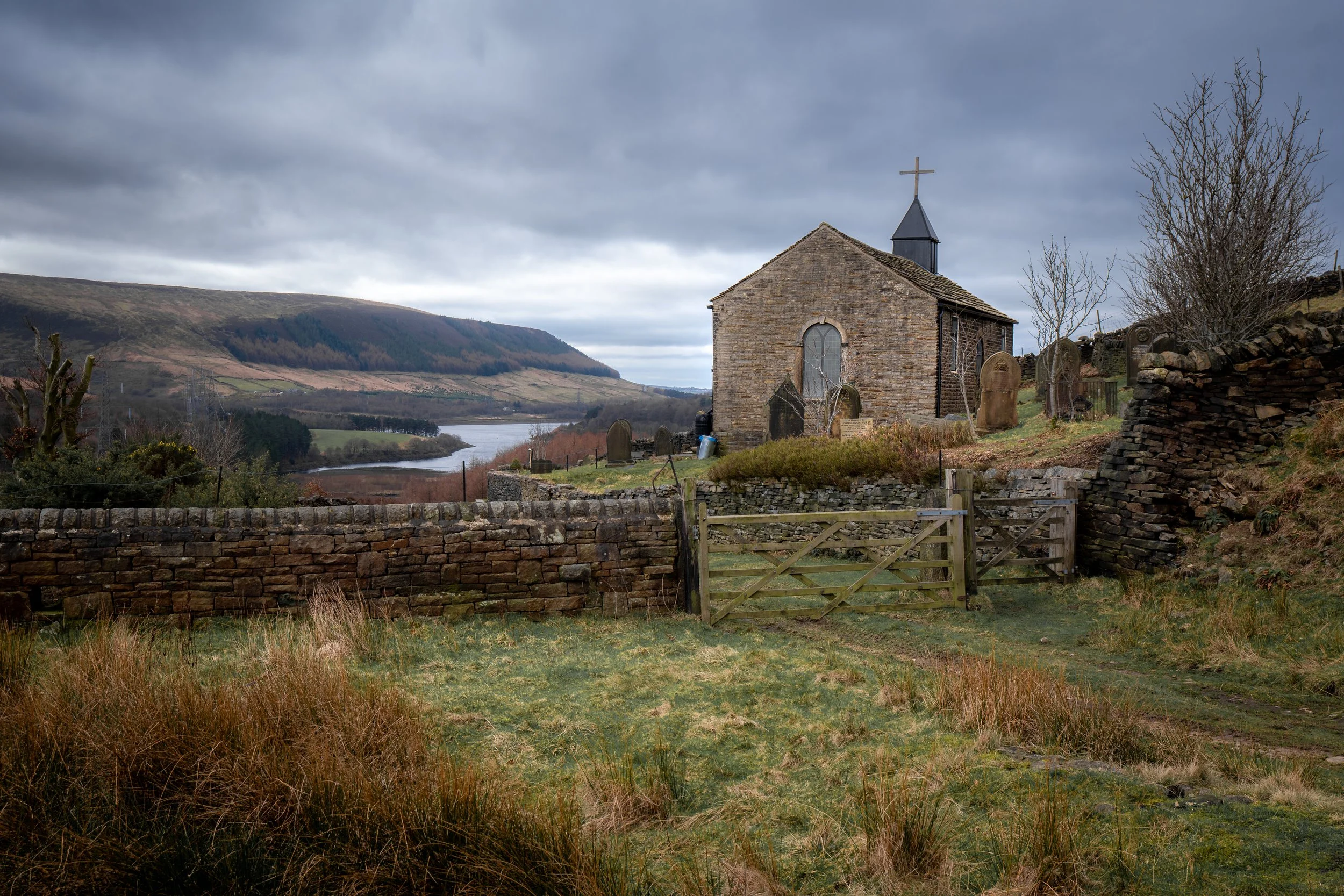
The chapel of St James in the brooding and notorious Longendale Valley, a small church with a troubled history. Woodhead, Derbyshire.
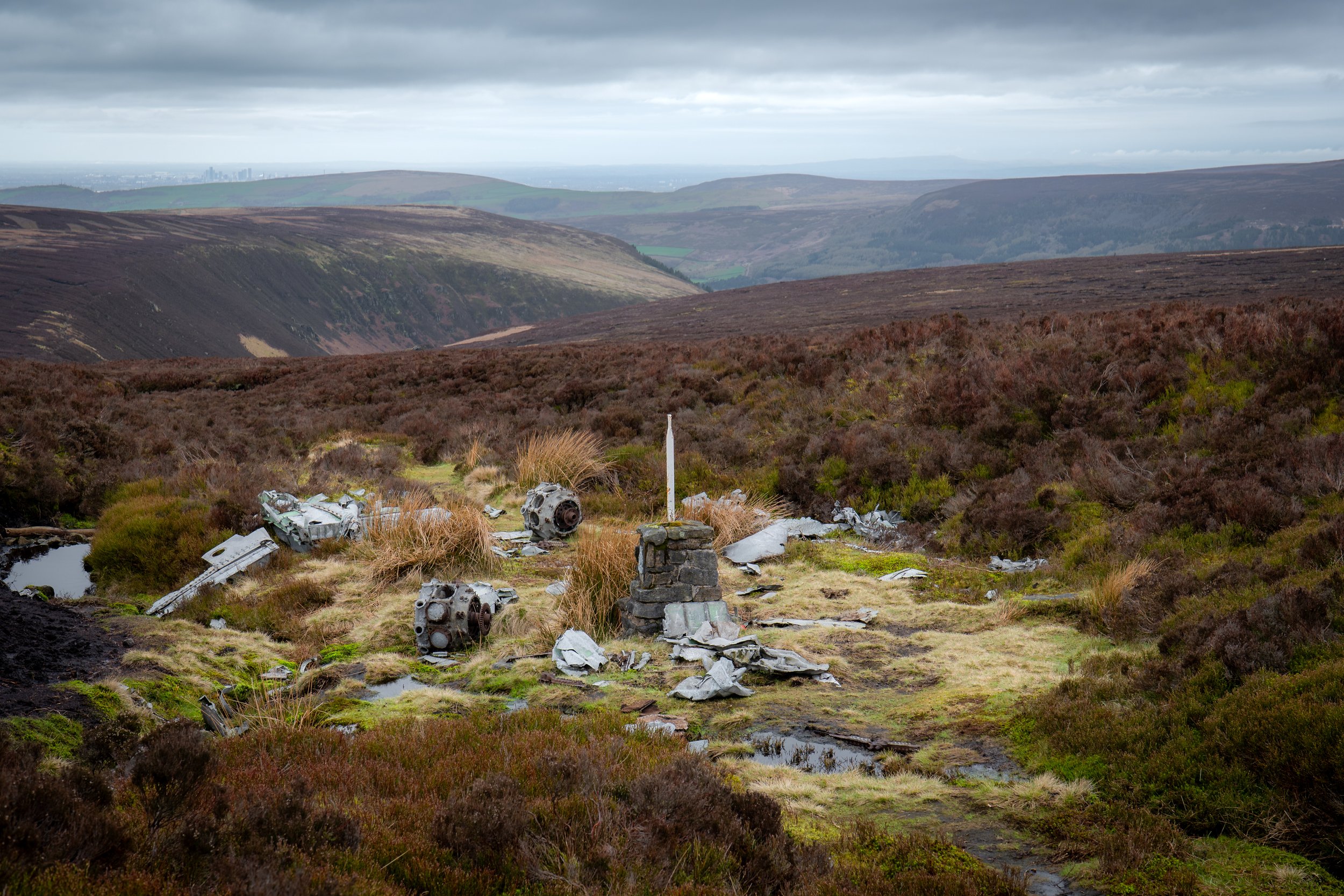
The 1939 crash site of RAF Bristol Blenheim Mk. I L1476, Sykes Moor, Bleaklow, Derbyshire.
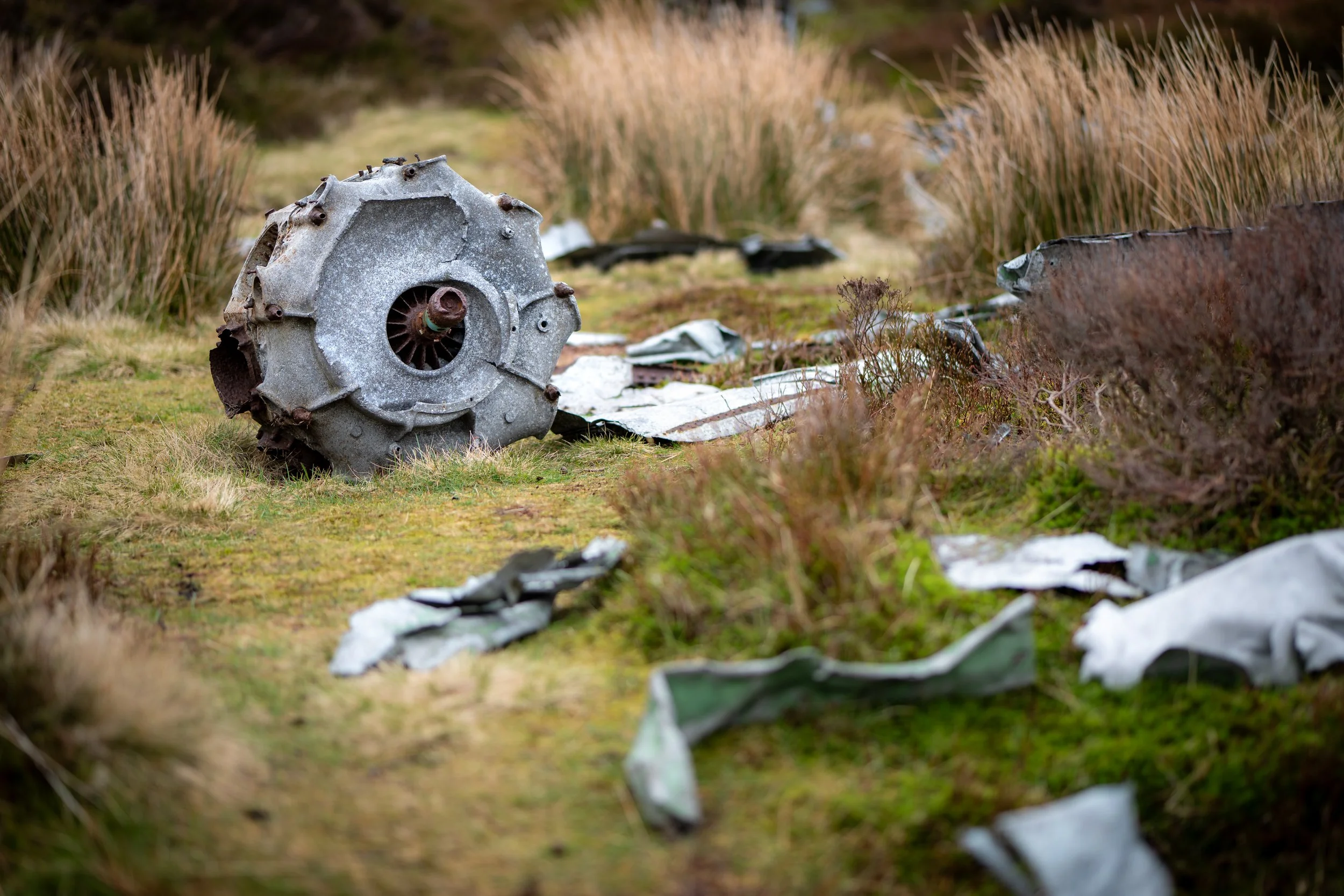
Sykes Moor, Bleaklow, Derbyshire.
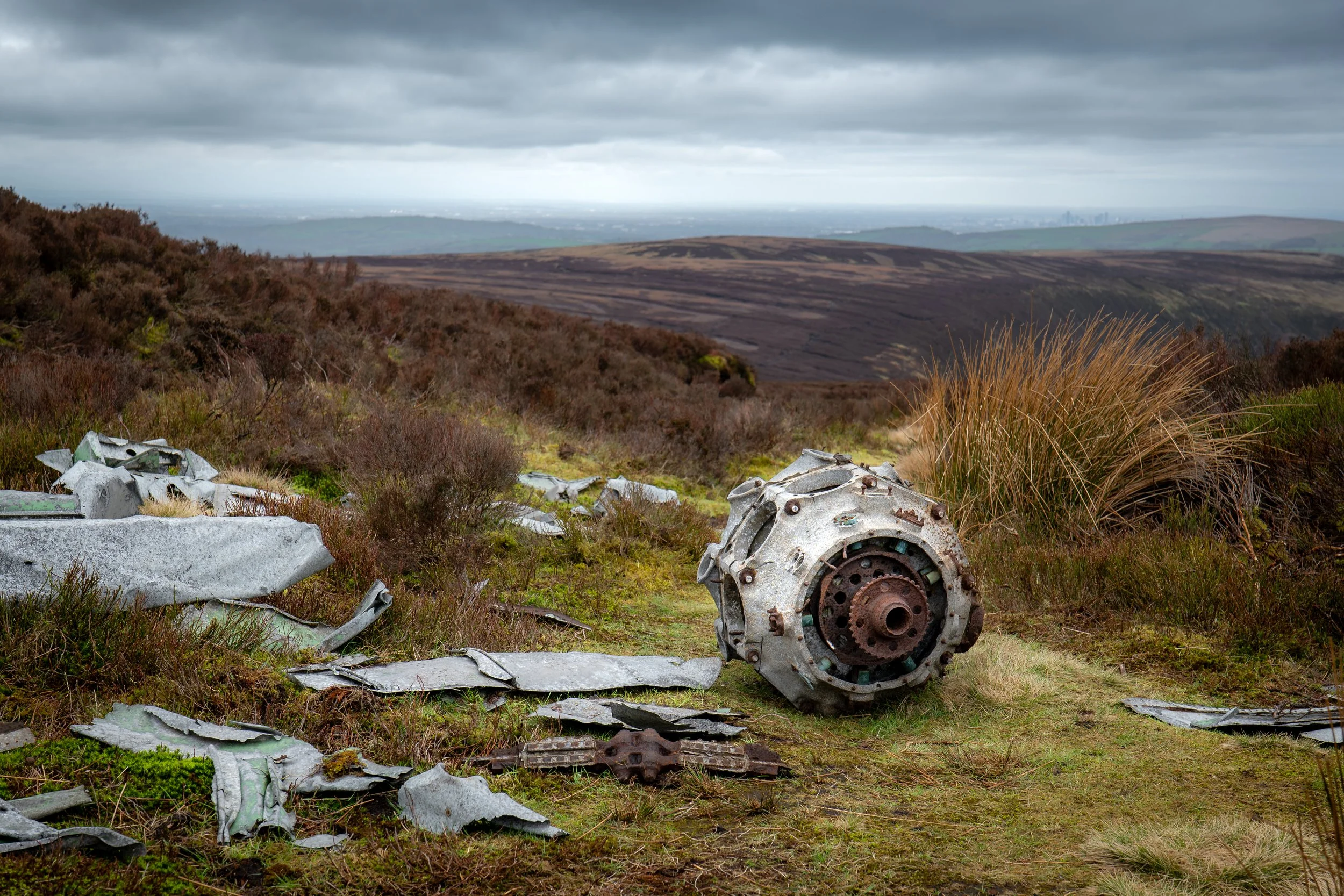
Sykes Moor, Bleaklow, Derbyshire.
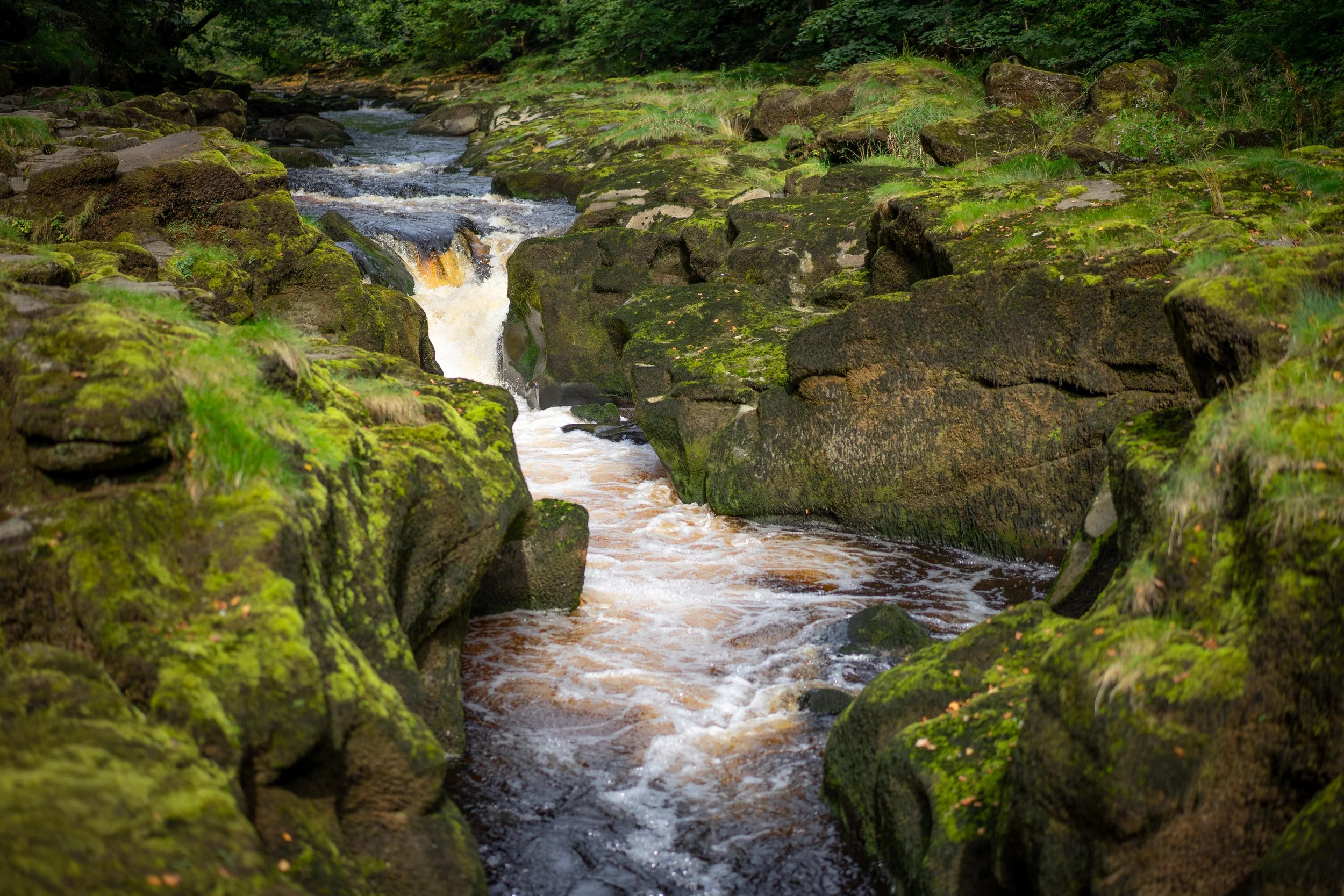
The Strid, an infamous section of the River Wharfe that's caused multiple fatalities (it's claimed nobody makes it out alive). Bolton Abbey, North Yorkshire
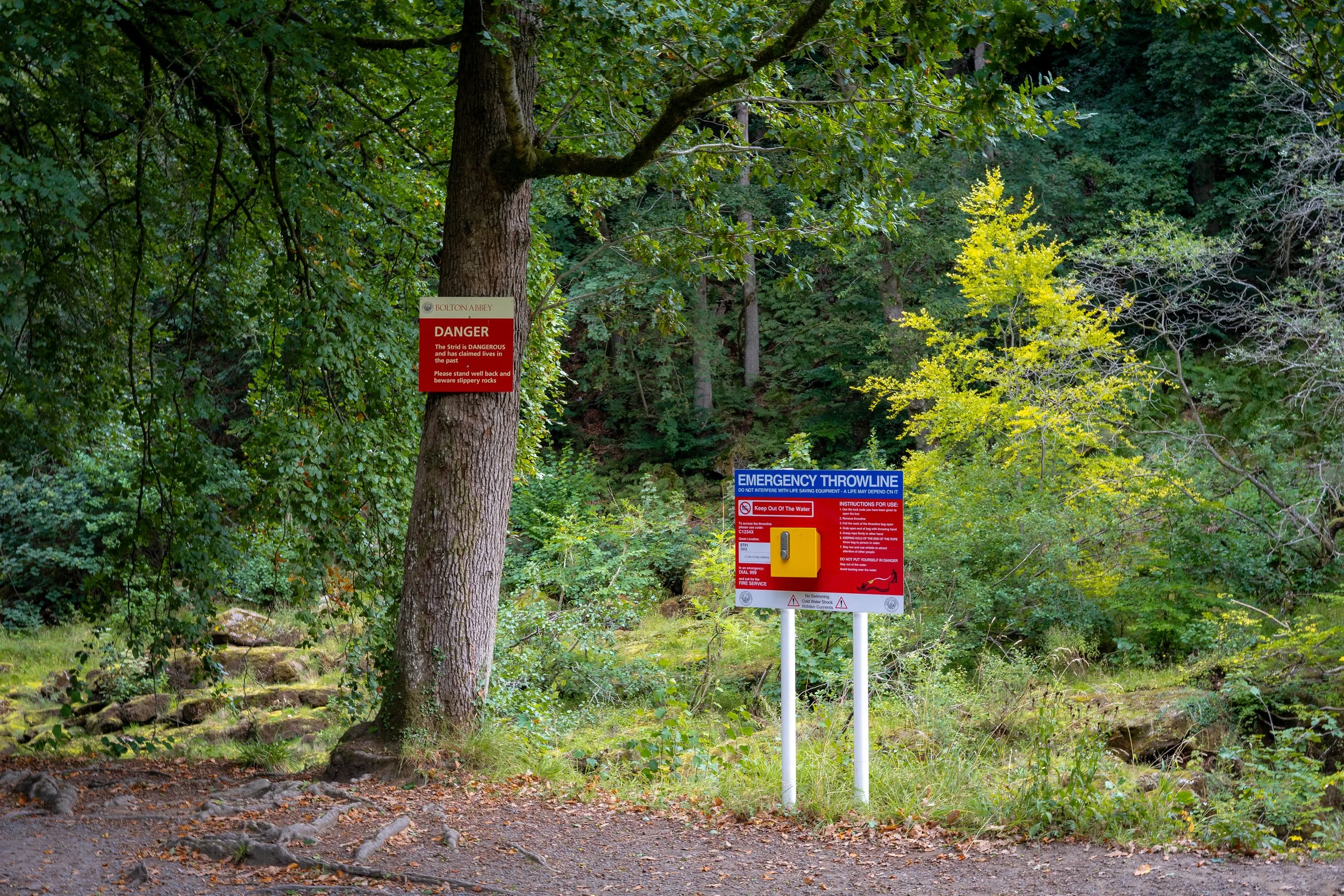
The Strid, Bolton Abbey, North Yorkshire.
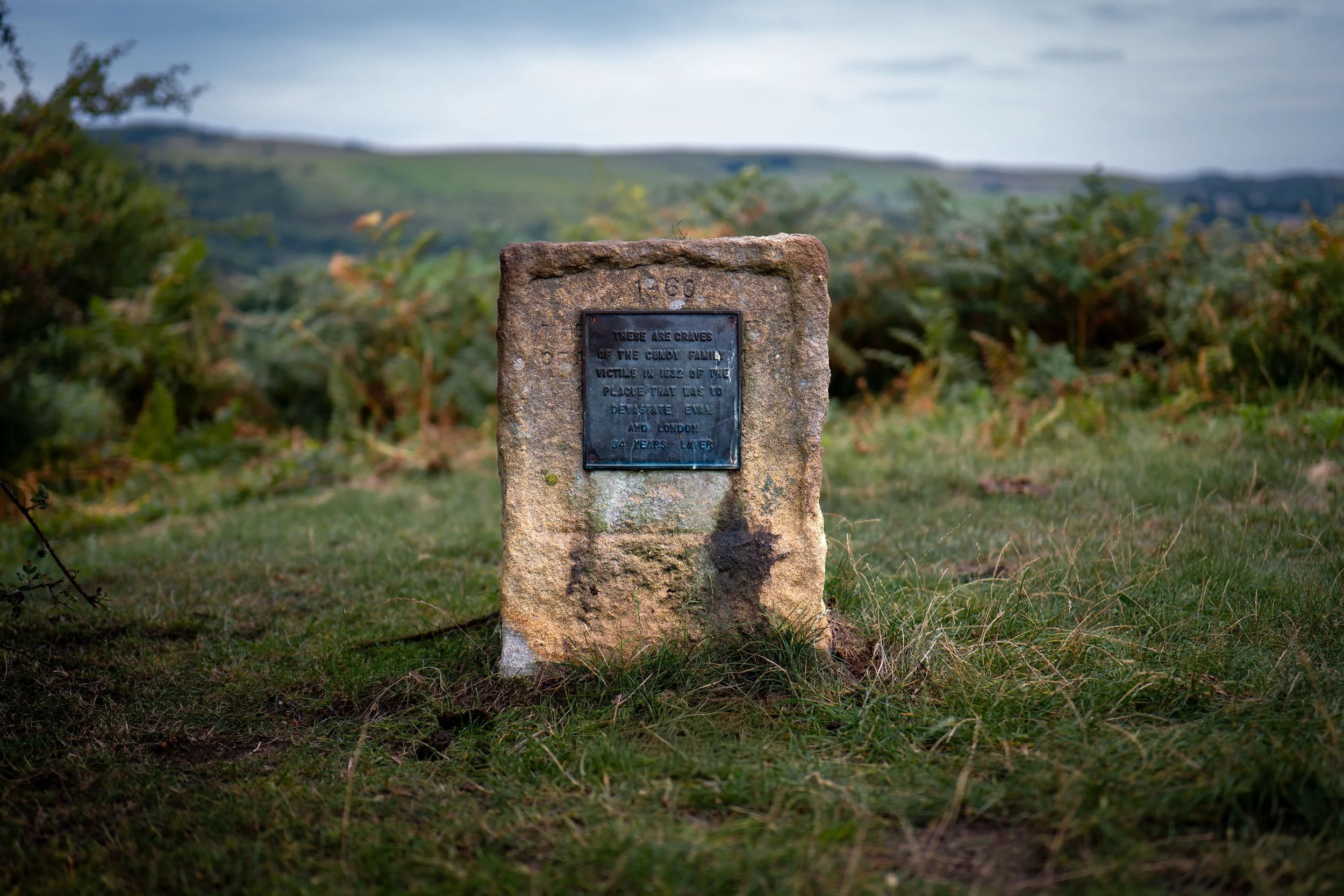
Cundy plague graves. Curbar, Derbyshire.
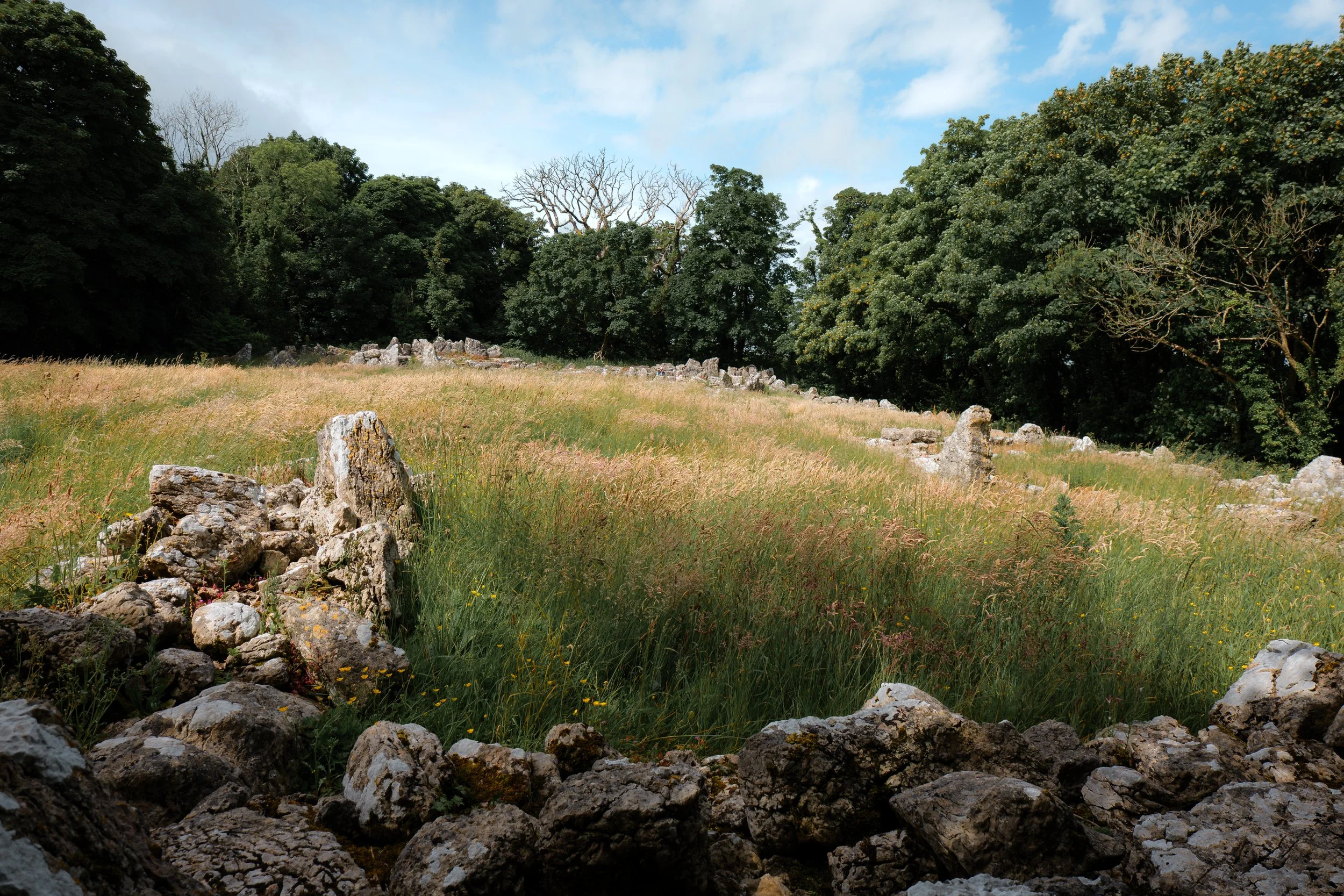
Din Llugwy, an abandoned Roman village. Moelfre, Anglesey, Wales.
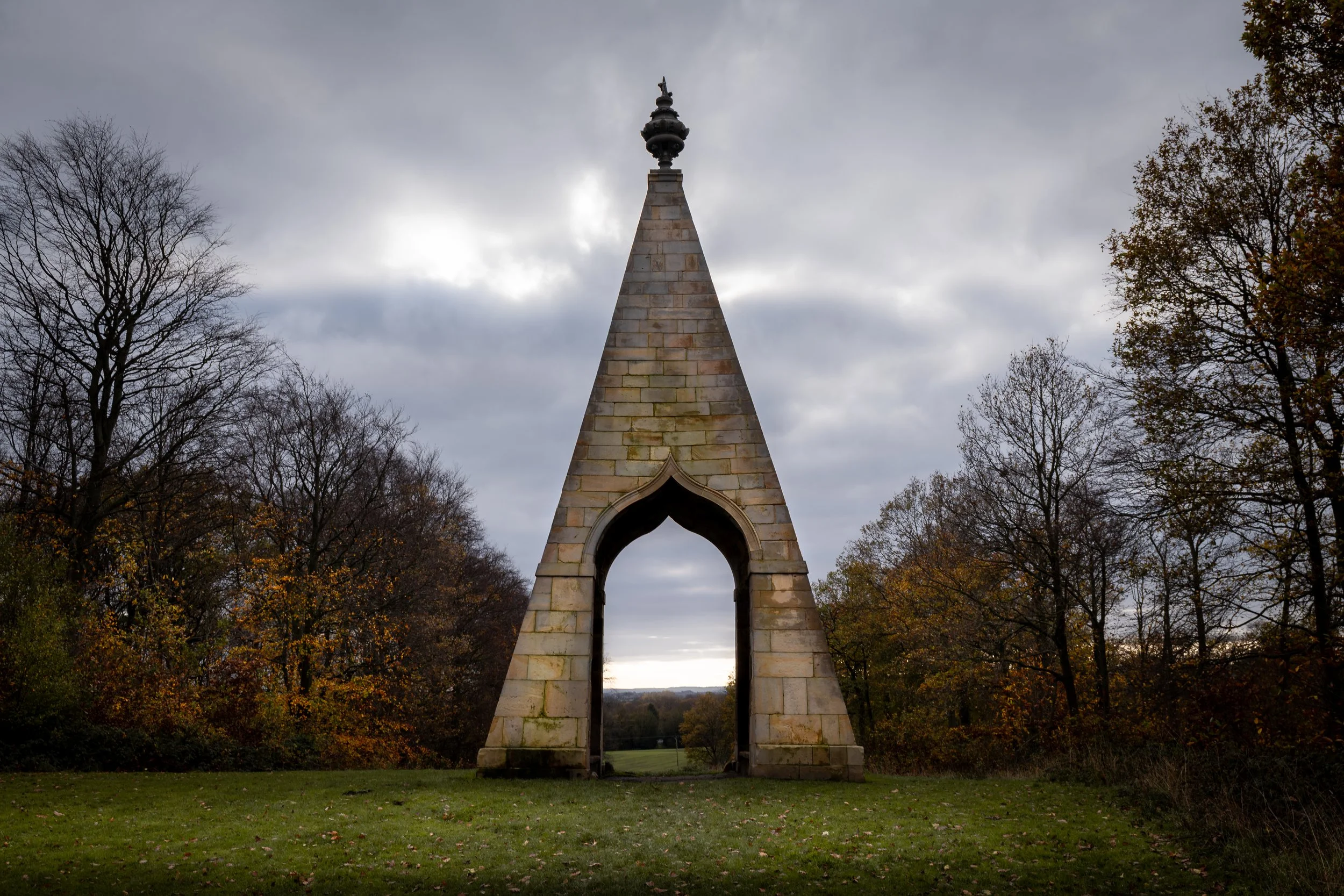
The Needle's Eye, alleged site of executions by firing squad, and one of several bizarre eighteenth-century follies in and around the Wentworth Woodhouse estate. Wentworth, South Yorkshire.
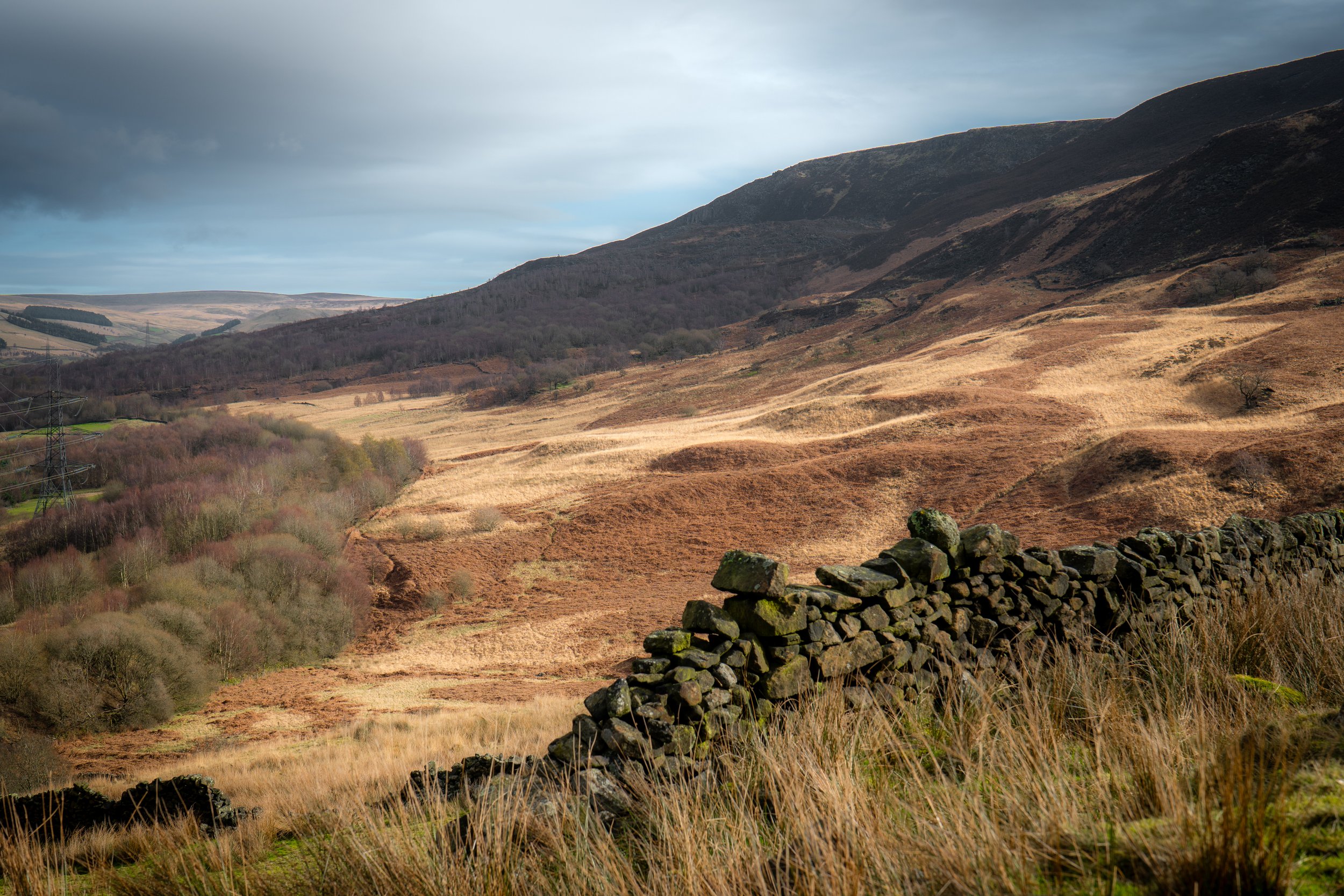
The remote north face of Bleaklow in the haunted Longendale Valley, tramped by the ghosts of Roman soldiers, and epicentre of the mysterious Longendale Lights. Derbyshire.
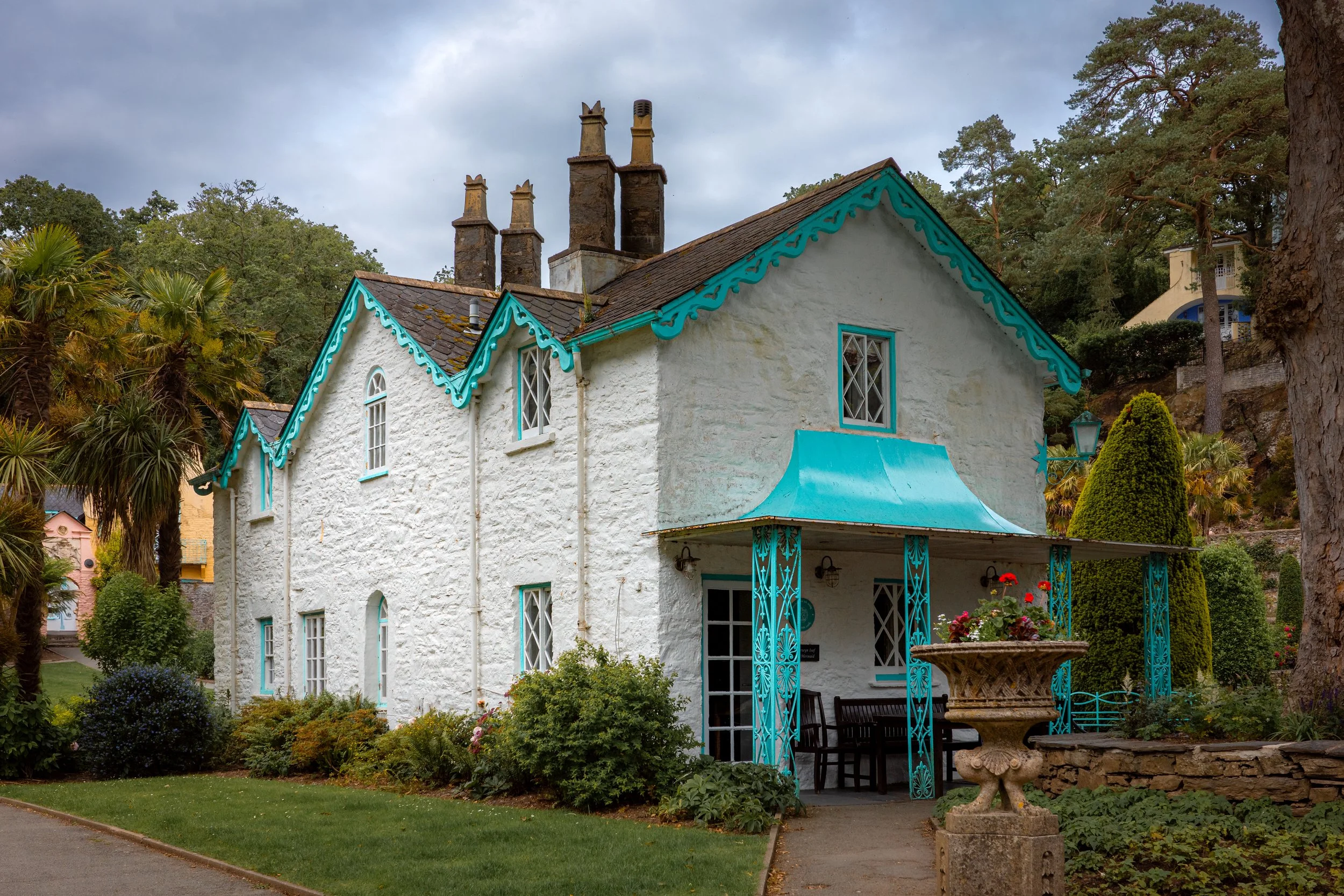
Portmeirion on the estuary of the River Dwyryd, a bizarre twentieth-century folly village best known as the setting for dark TV classic The Prisoner (1967). Gwynedd, Wales.
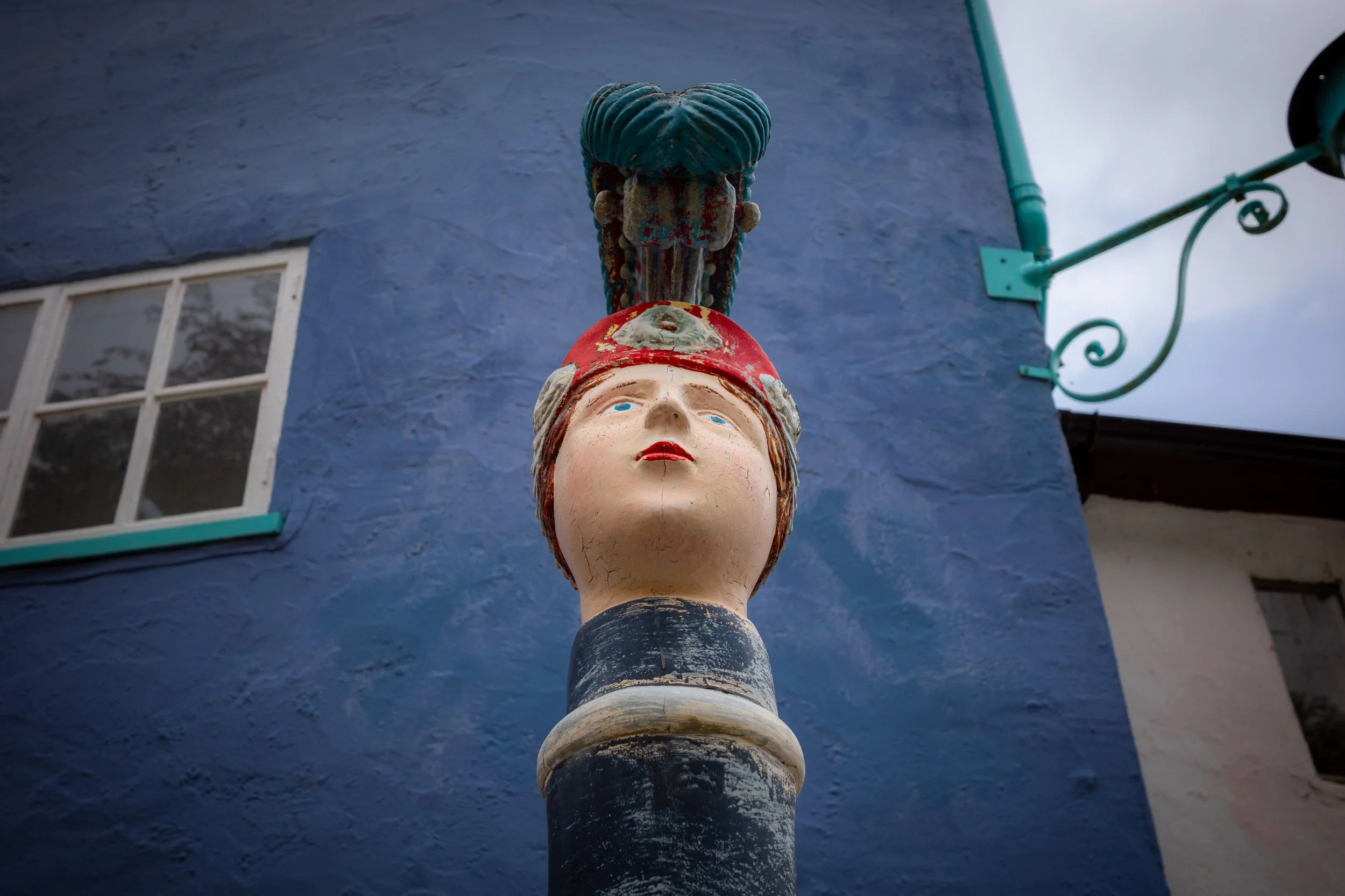
Portmeirion, Gwynedd, Wales.
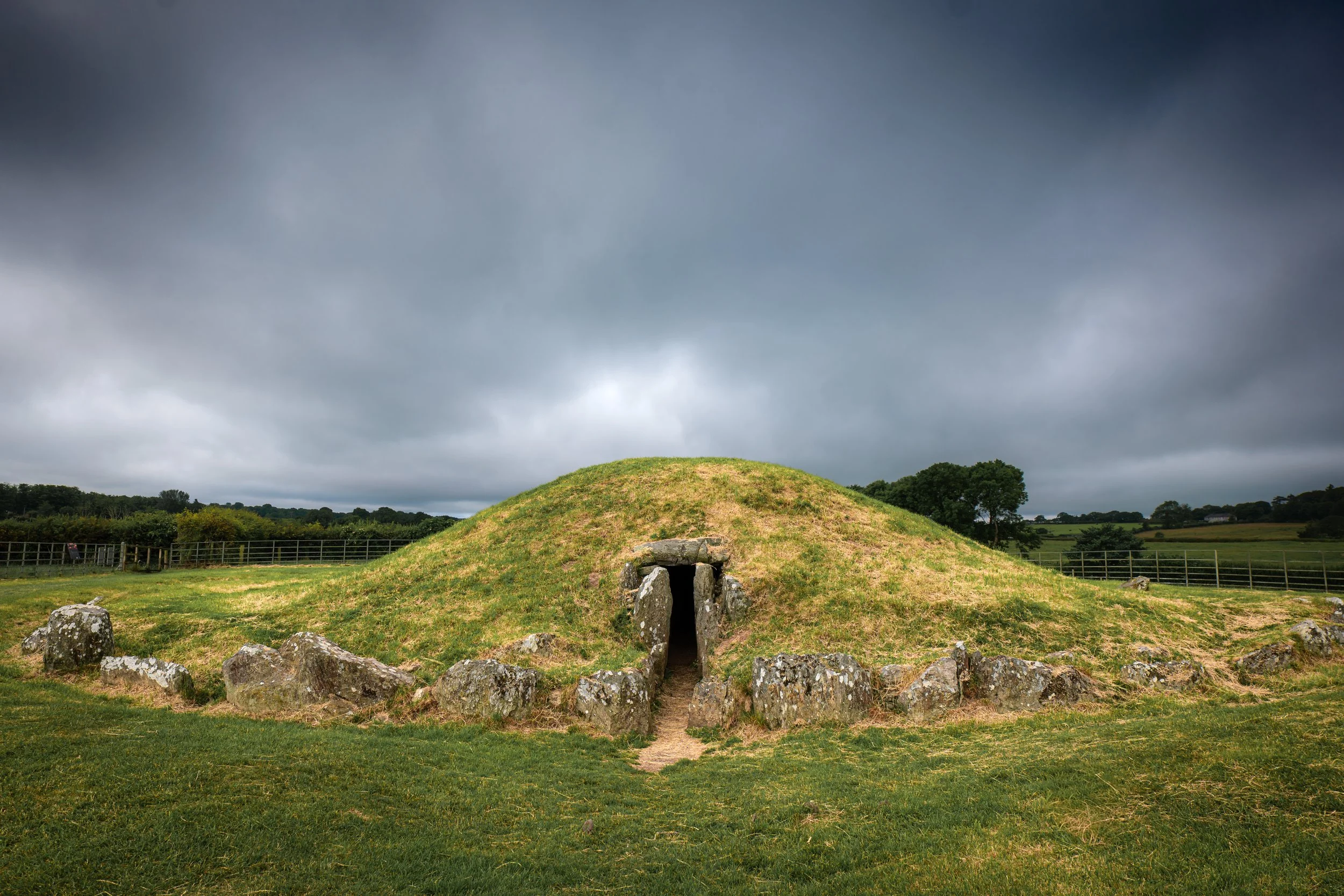
Bryn Celli Ddu Burial Chamber, aka 'The Mound in the Dark Grove'. Llanddaniel, Anglesey, Wales.