
The photographs in this collection chronicle sites of witchcraft, a special research interest. They range from places where early modern witch trials actually occurred (and, sometimes, associated memorials and other commemorative devices), to alleged witches’ residences and graves, to the witch-related landscape legends that have developed around particular locales.
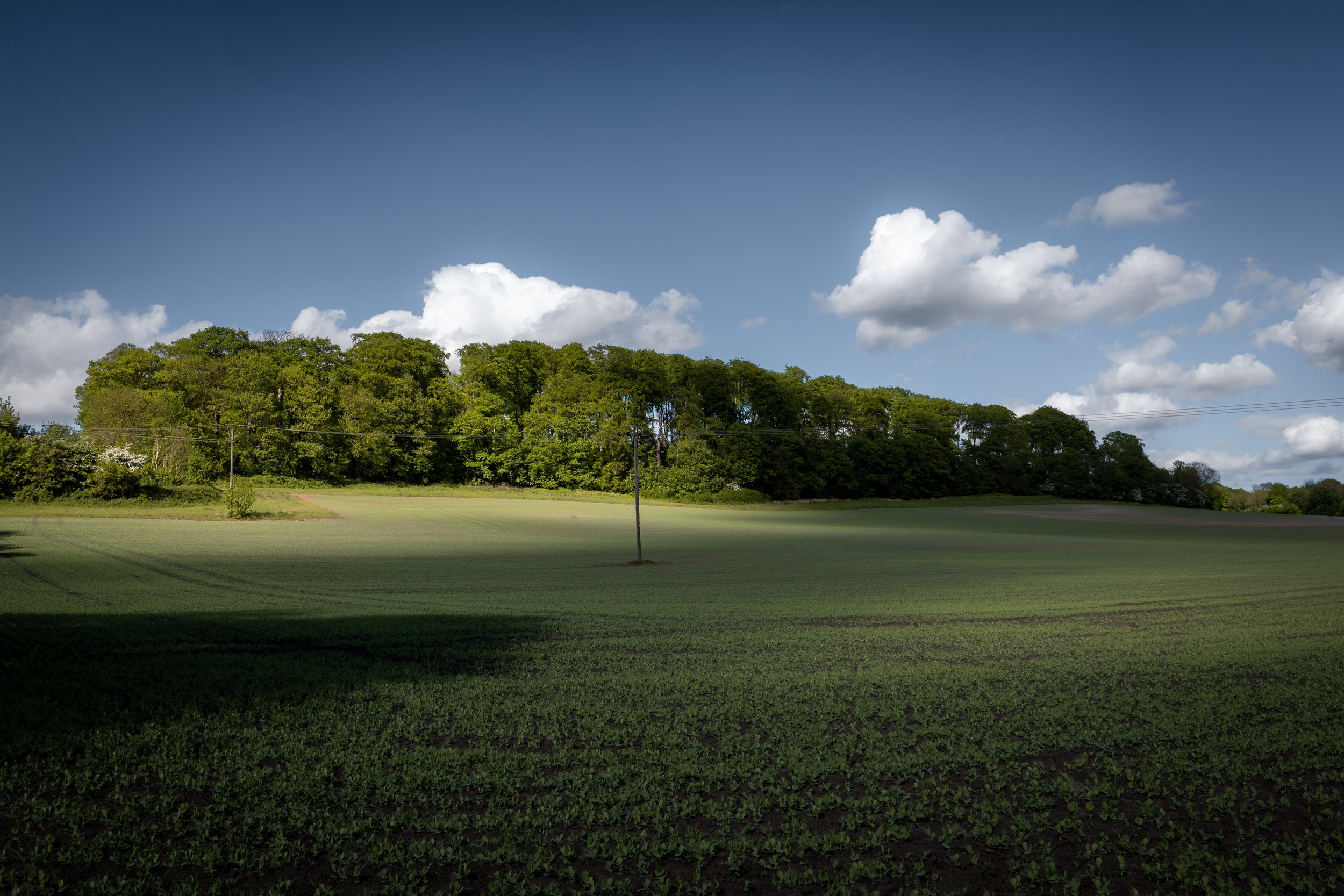
Mary Pannal Wood, named for, and said to be haunted by, a sixteenth-century cunning woman. Ledston, West Yorkshire.
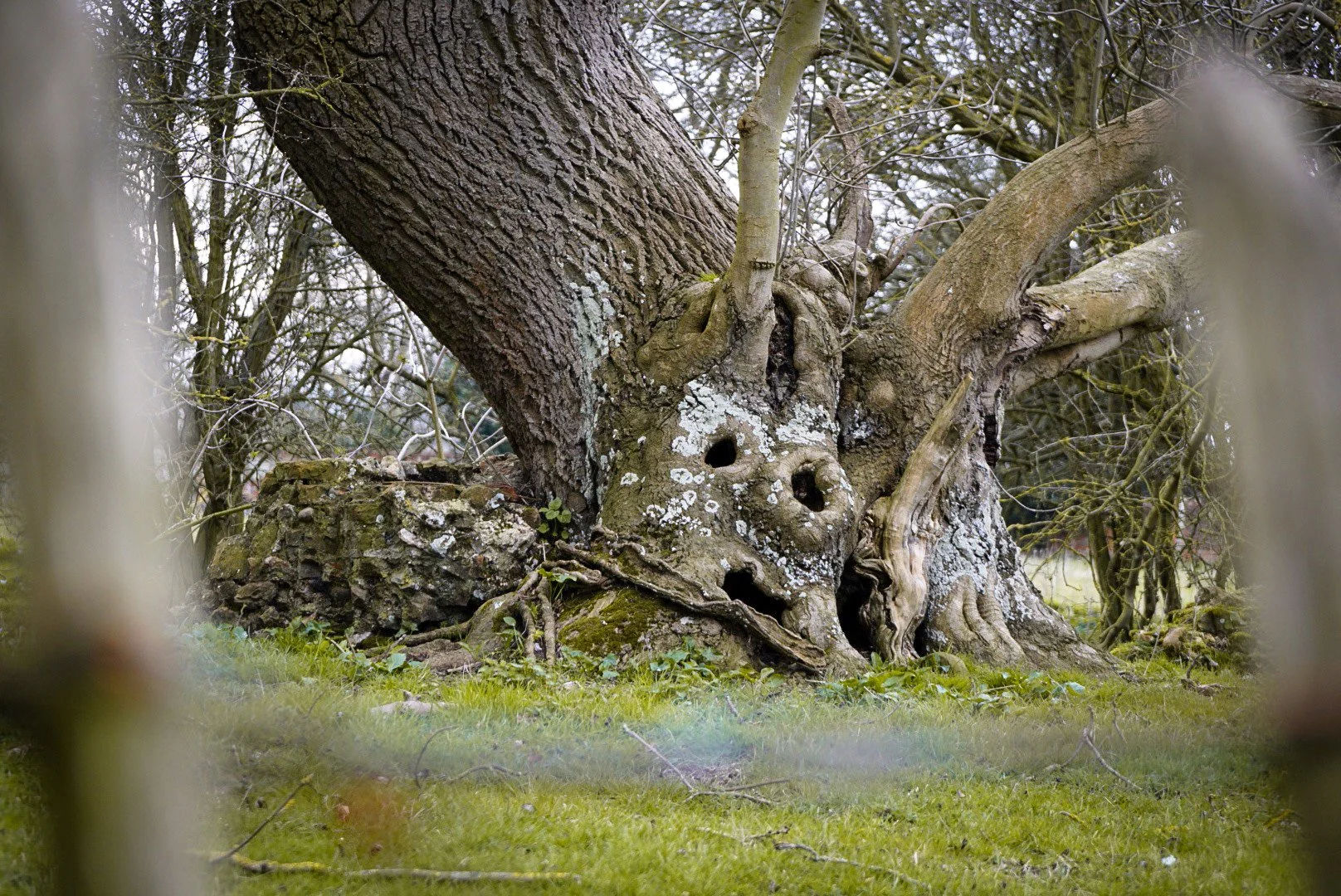
A tree with a face sprouts from the graveyard where self-styled Witchfinder General Matthew Hopkins – who died of suspected tuberculosis in 1647 – is interred. St Mary, Mistley, Essex.
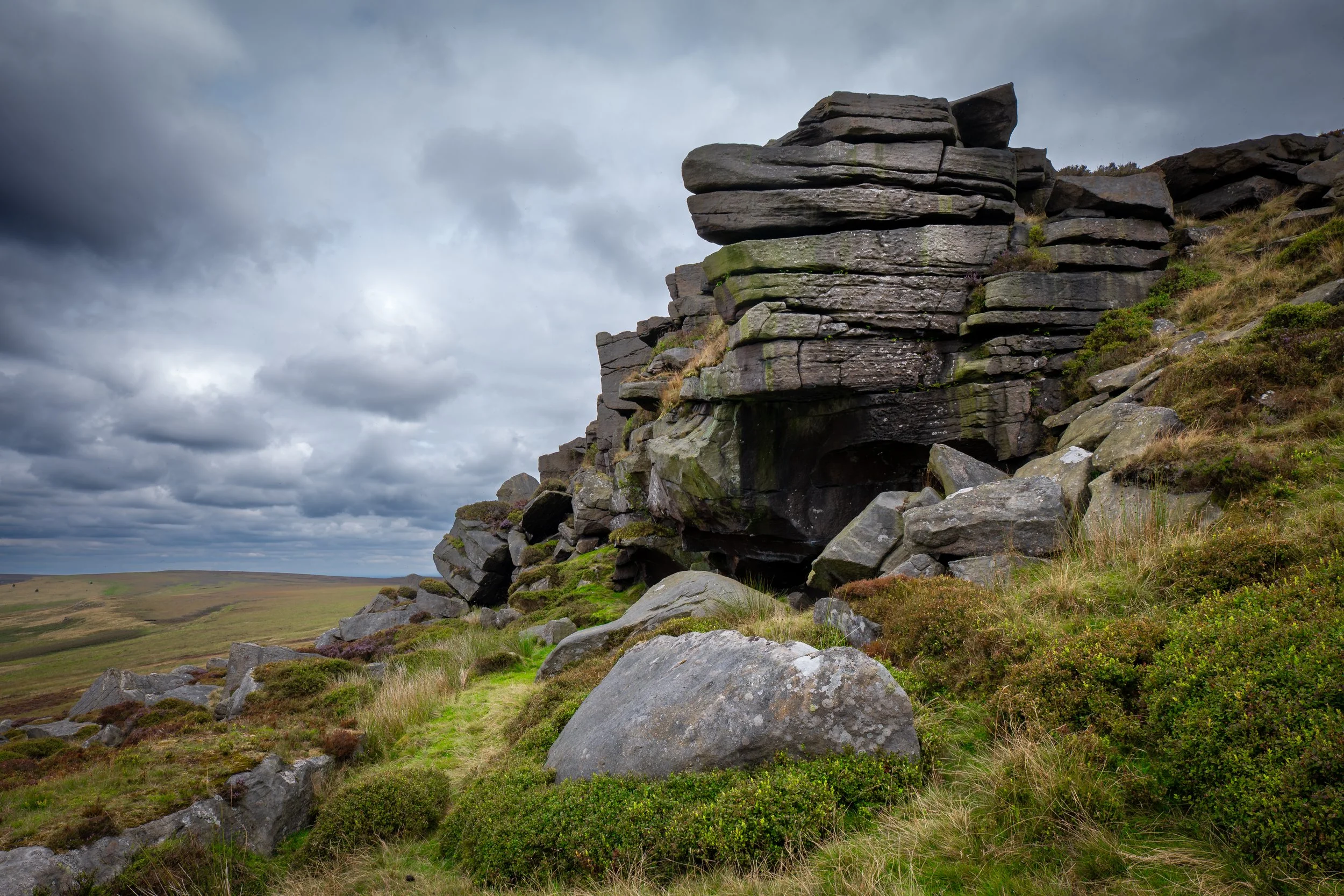
Witch's Hole, Derwent Edge, Derbyshire.
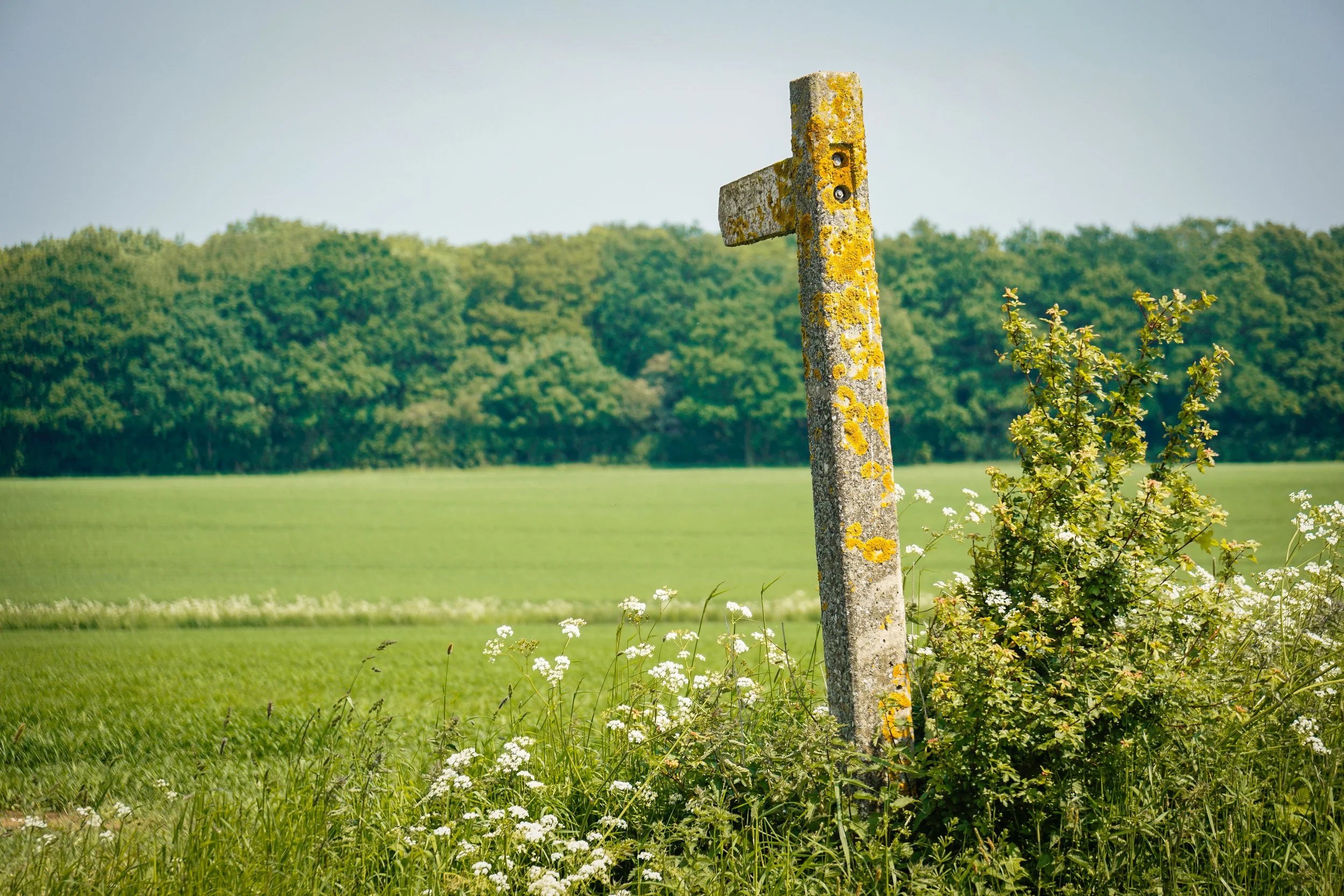
The rumoured burial site of Essex witch Poll Miles, where flowers are deposited at Christmas and Halloween. Castle Hedingham, Essex.
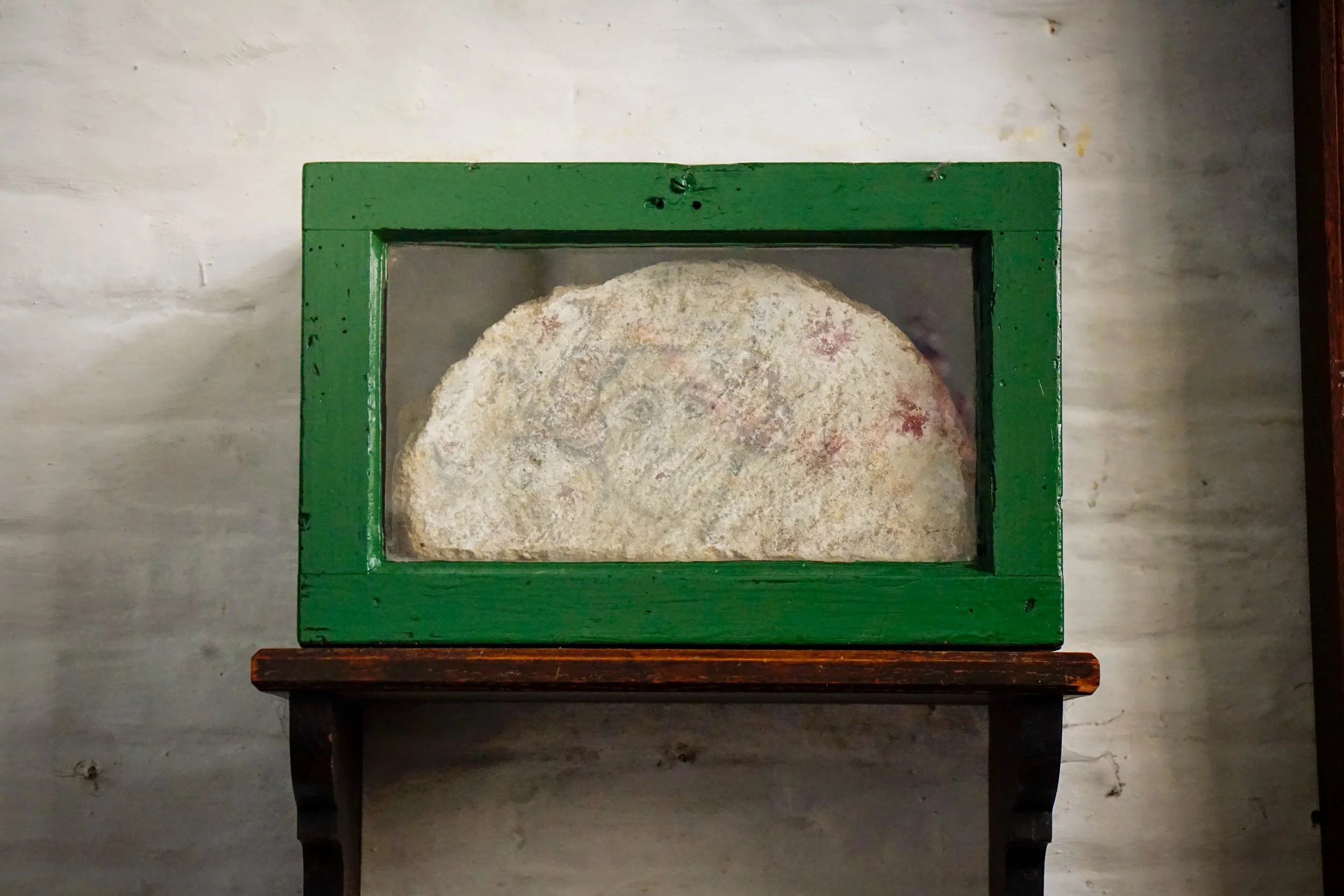
A face claimed to bear the likeness of local witch Poll Miles. St Nicholas, Castle Hedingham, Essex.
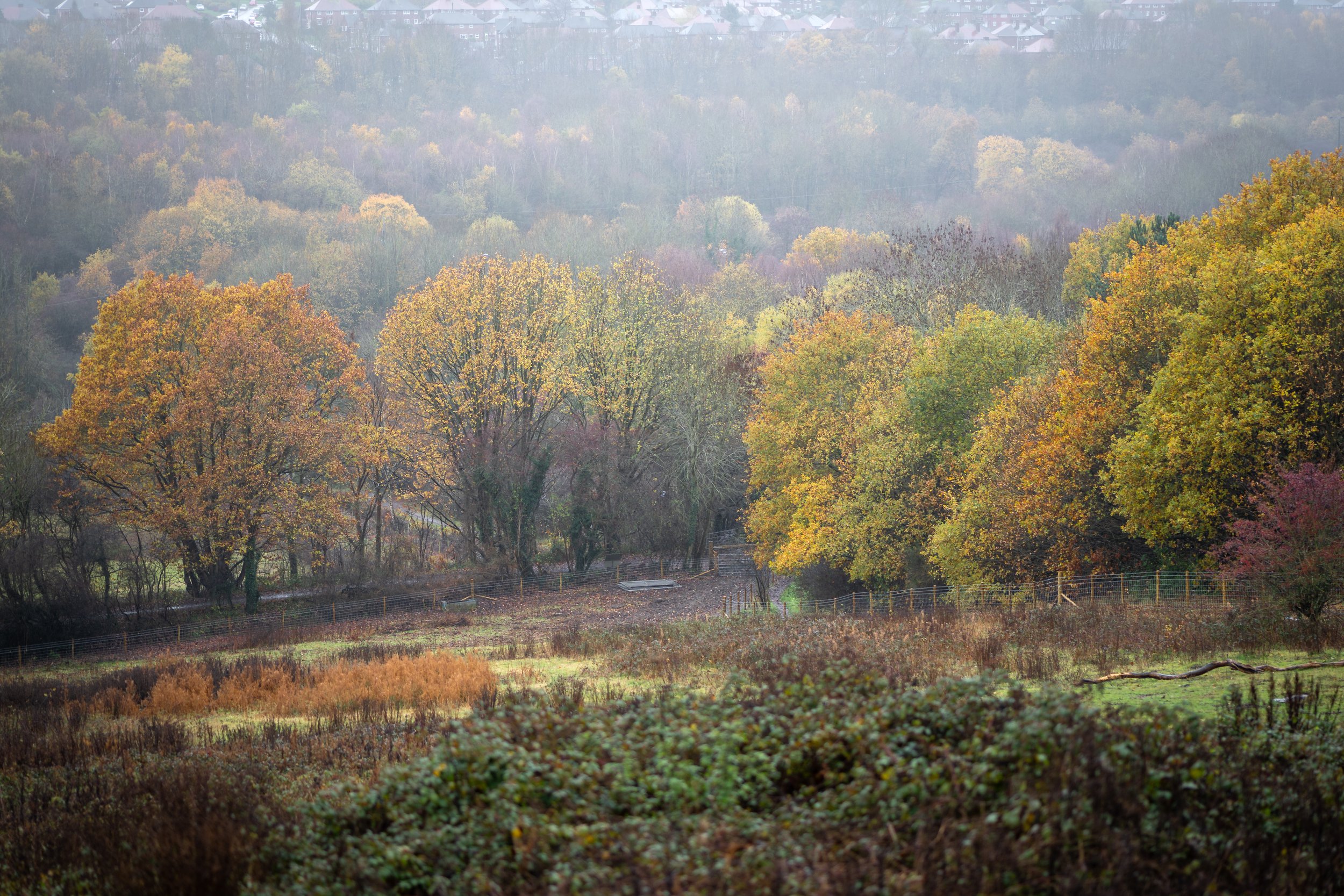
Sally Clark's Meadow, named for a nineteenth-century cunning woman whose cottage stood in the field. Woodhouse, Sheffield, South Yorkshire.
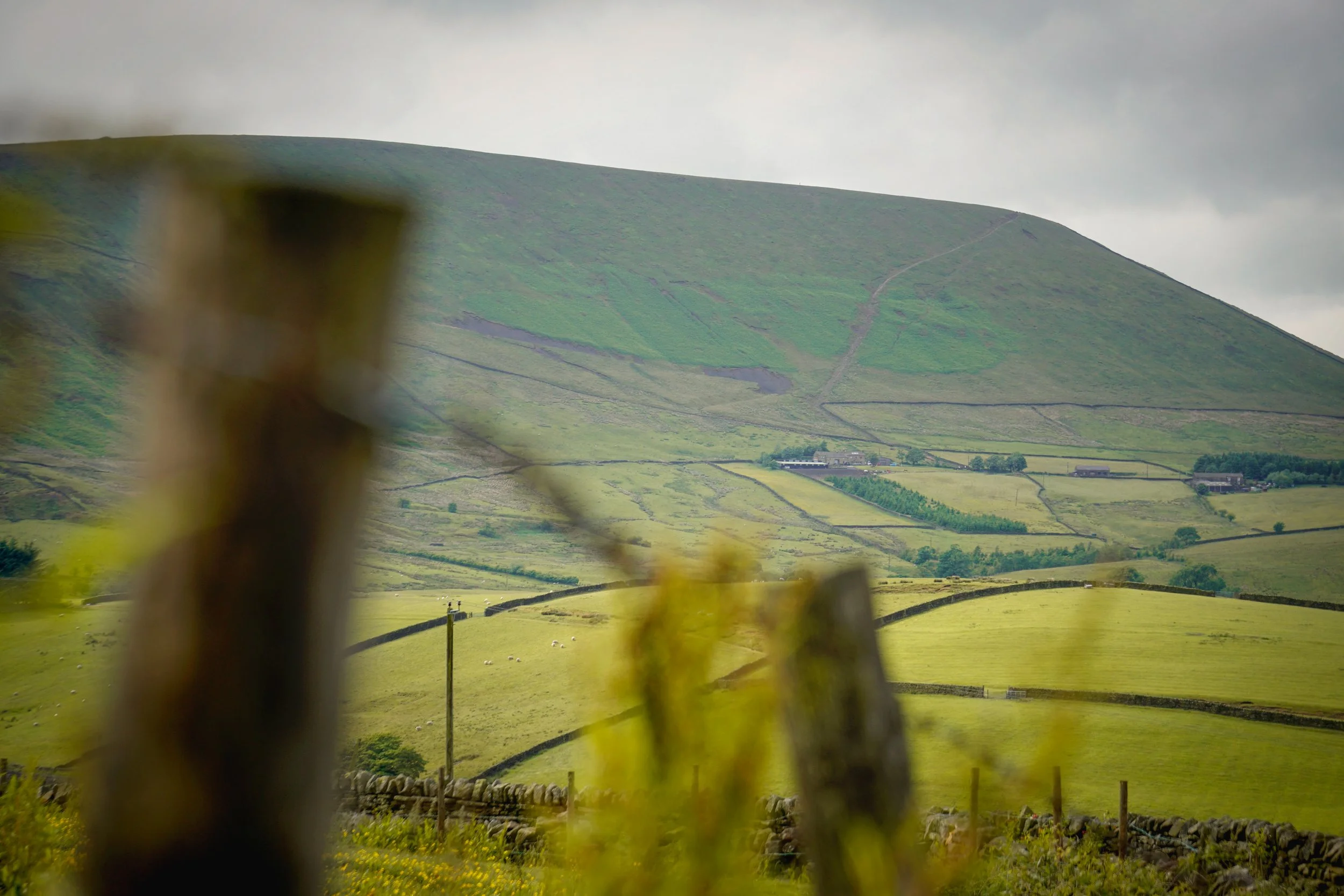
Pendle Hill, the ominous knuckle of landscape at the heart of the notorious 1612 witch trials. Newchurch-in-Pendle, Lancashire.
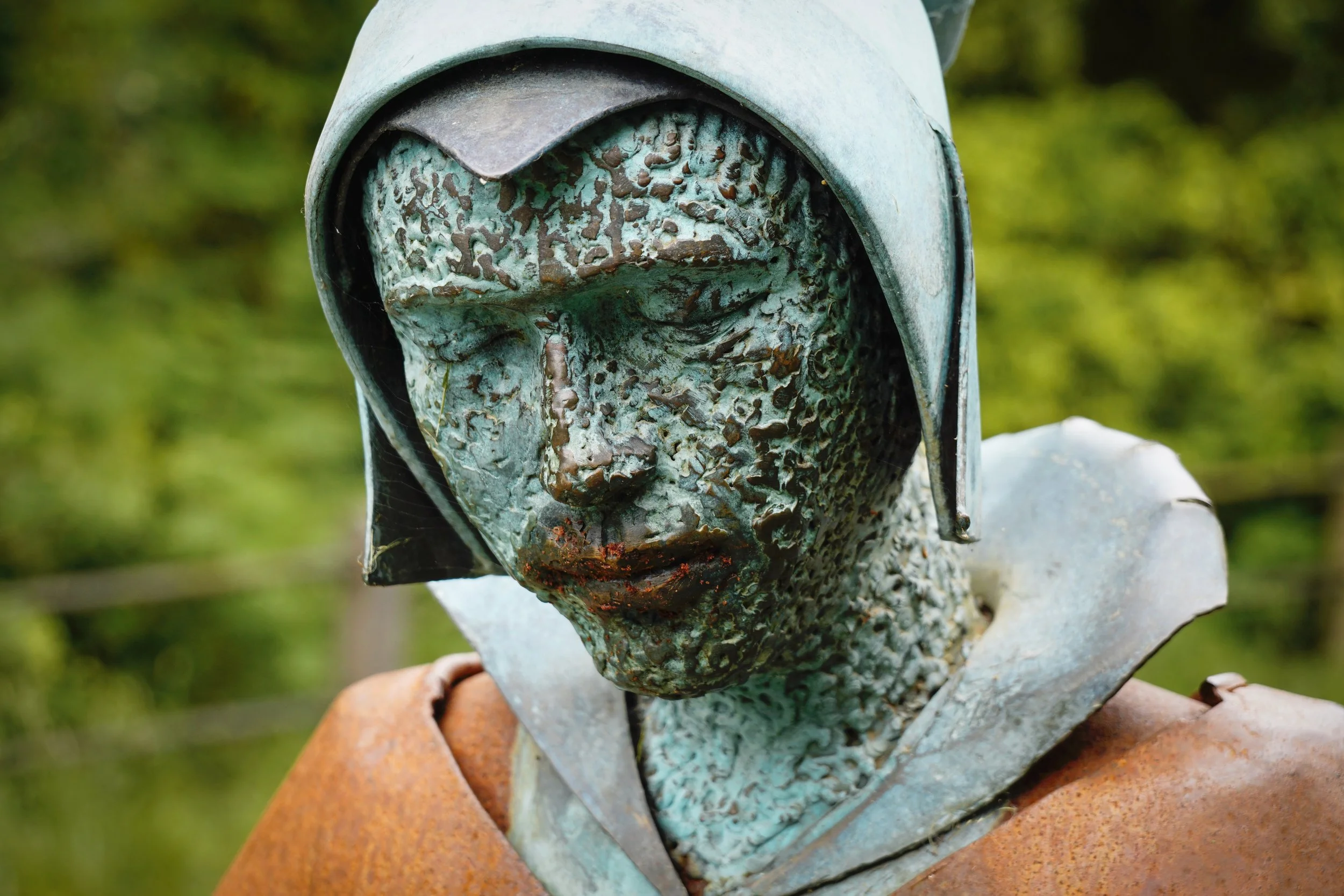
Memorial to Alice Nutter, one of ten Pendle witches hanged in 1612. Roughlee, Lancashire.
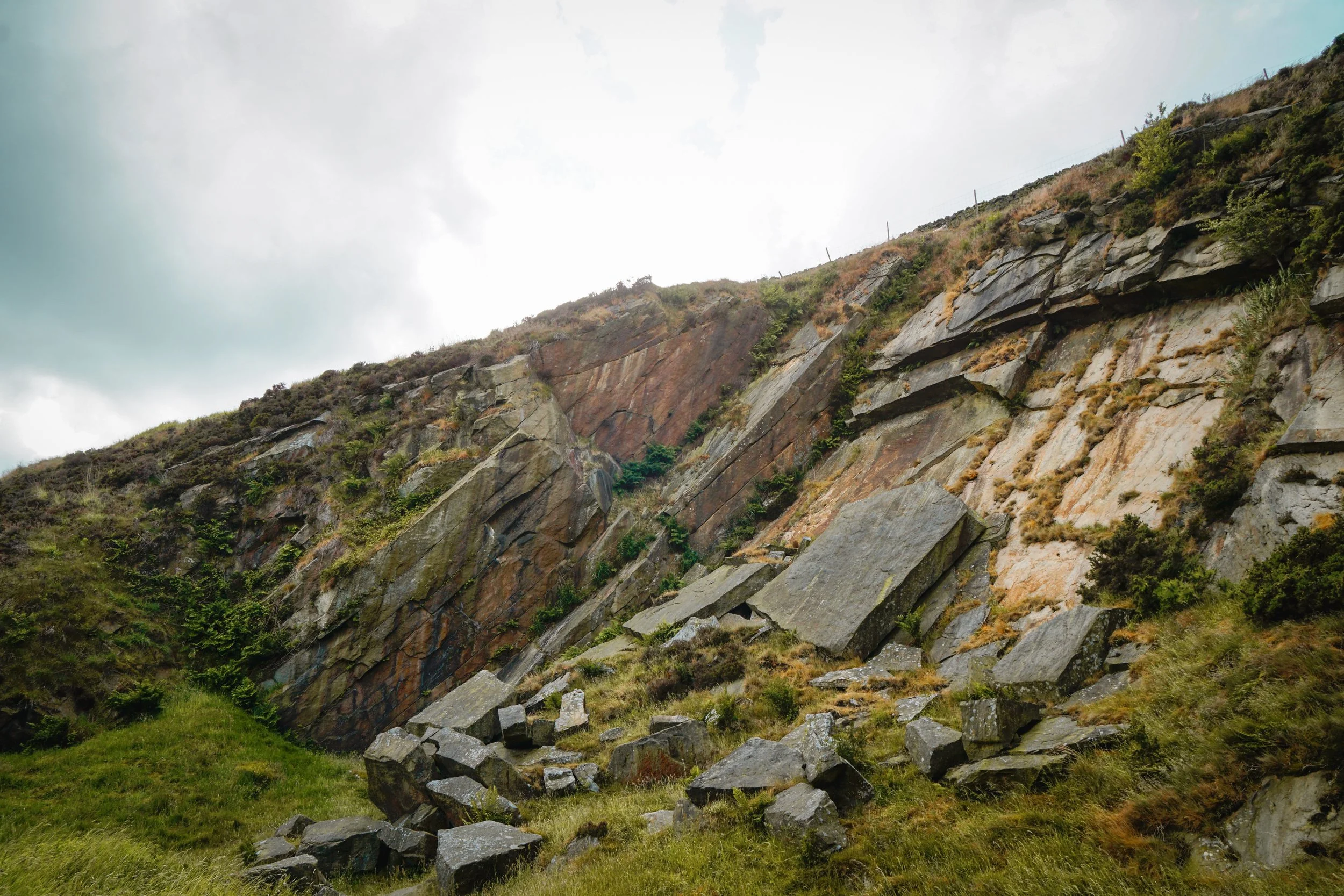
Faugh's Quarry, where accused witch Elizabeth Southerns confessed to meeting the devil in the form a black cat called Tibb. Newchurch-in-Pendle, Lancashire.
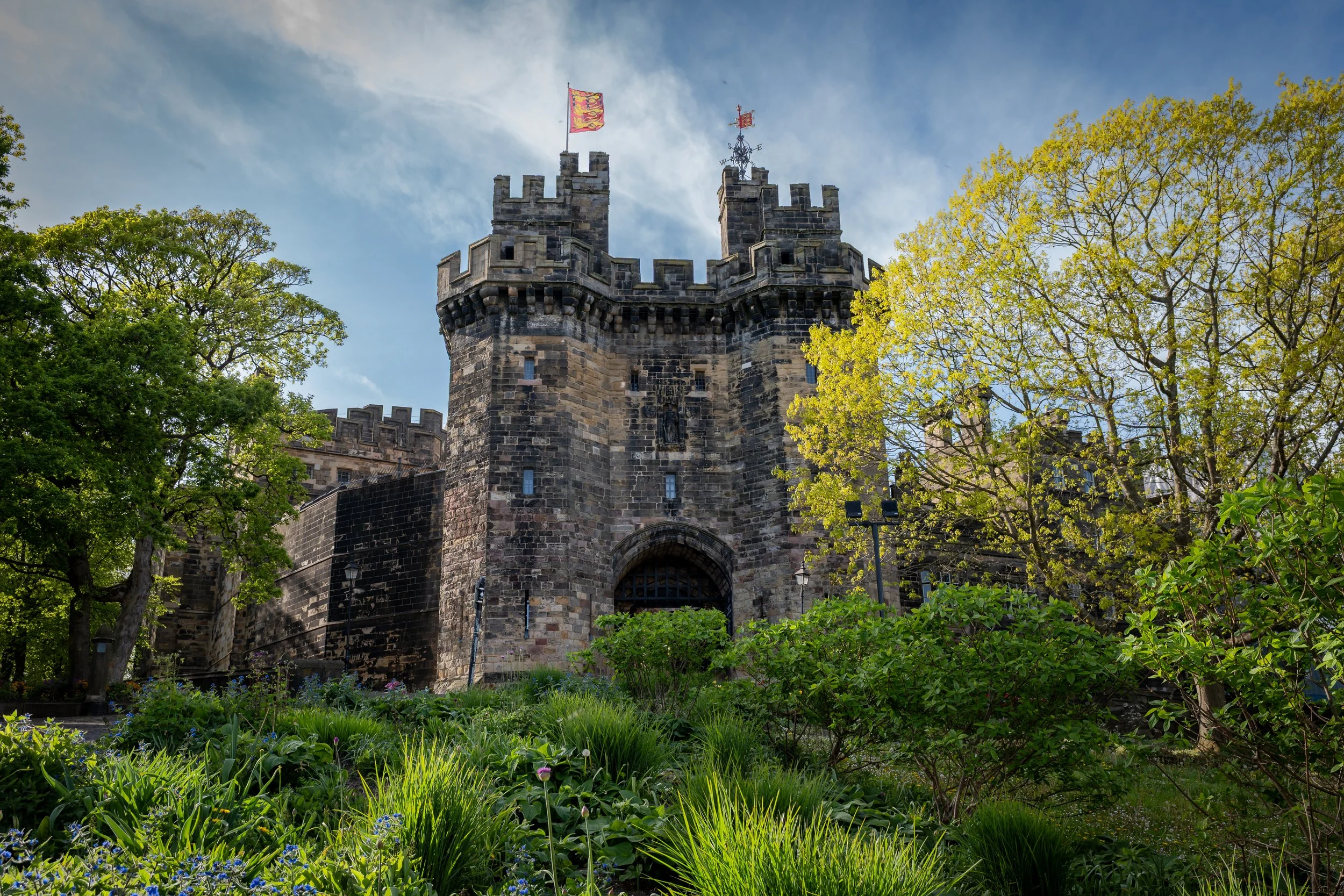
Lancaster Castle, where the eleven Pendle witches were imprisoned while awaiting trial. Lancashire.
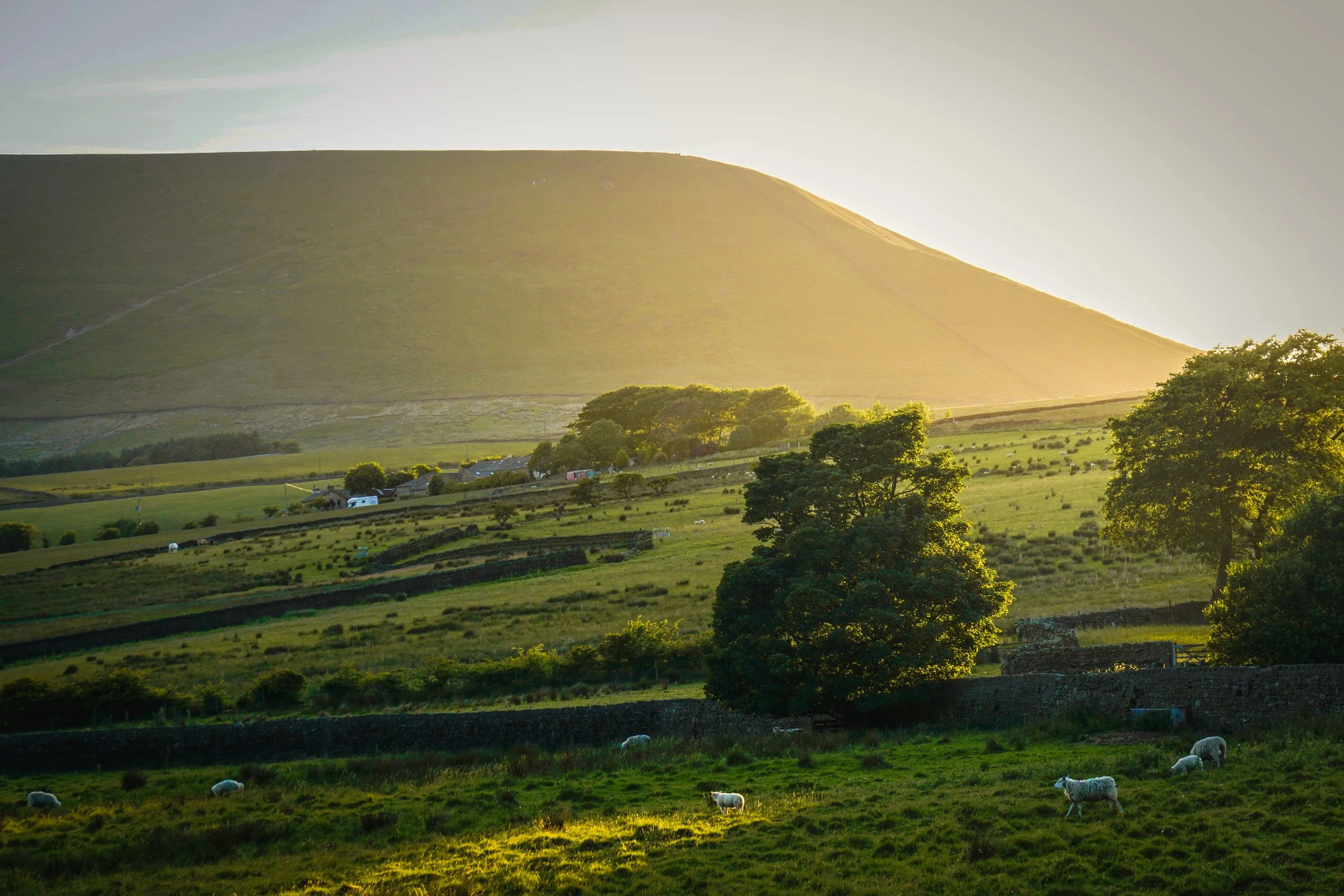
Sundown on Pendle Hill. Newchurch-in-Pendle, Lancashire.
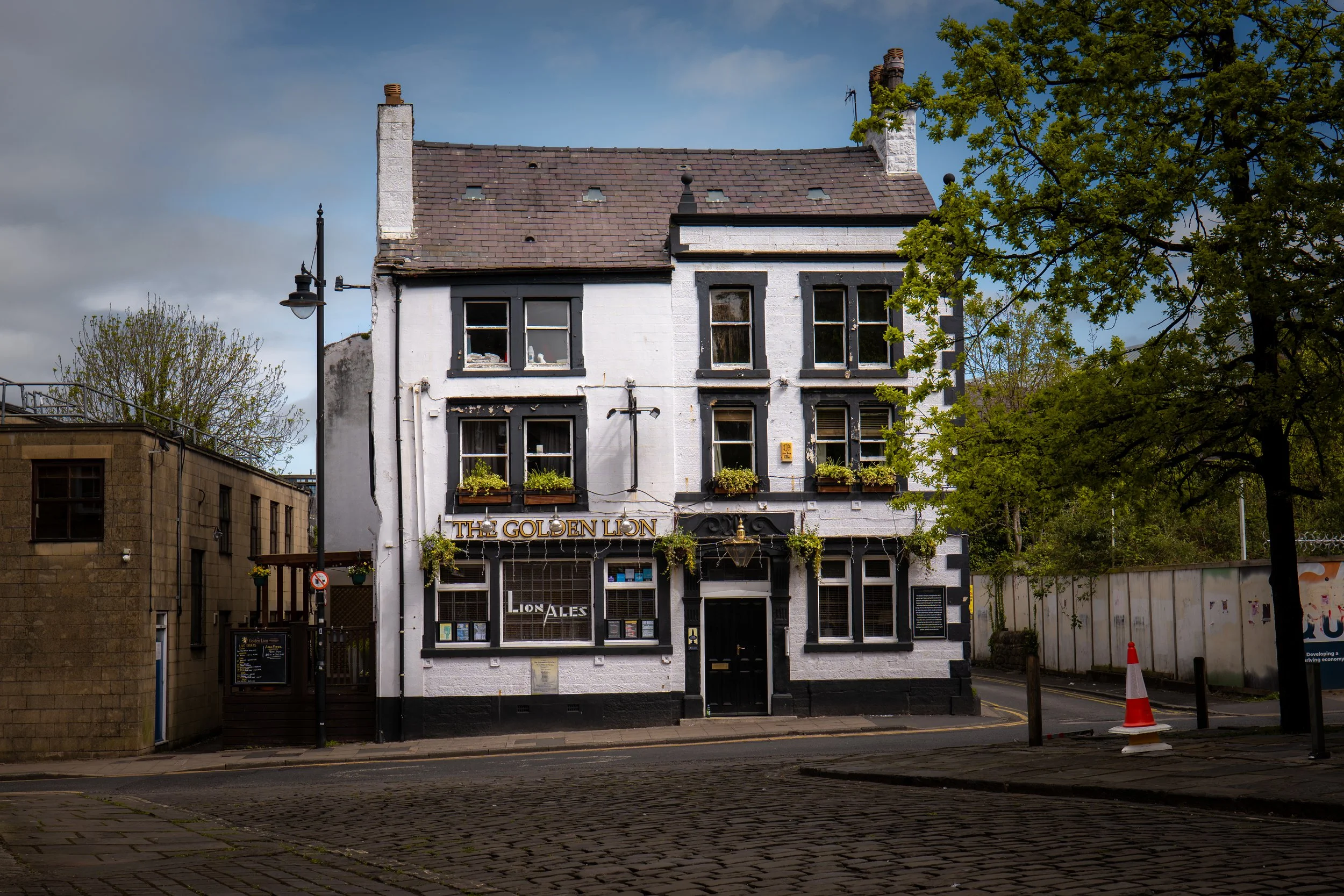
The Golden Lion, where the condemned Pendle witches are said to have taken their last drink on their way to the gallows. Lancaster, Lancashire.
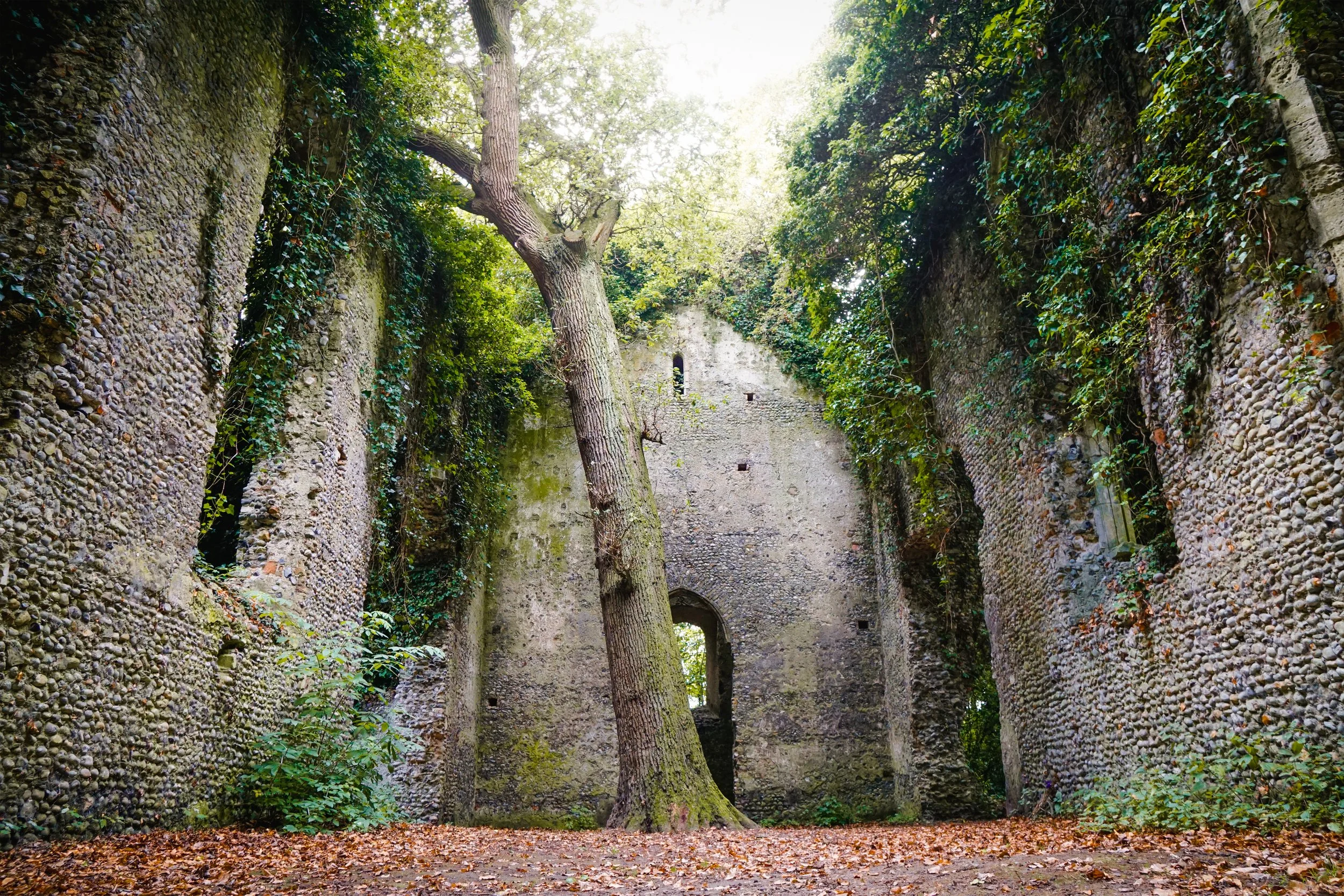
The witch's leg, said to have sprouted from the wooden leg of a witch buried beneath the church. St Mary, East Somerton, Norfolk.
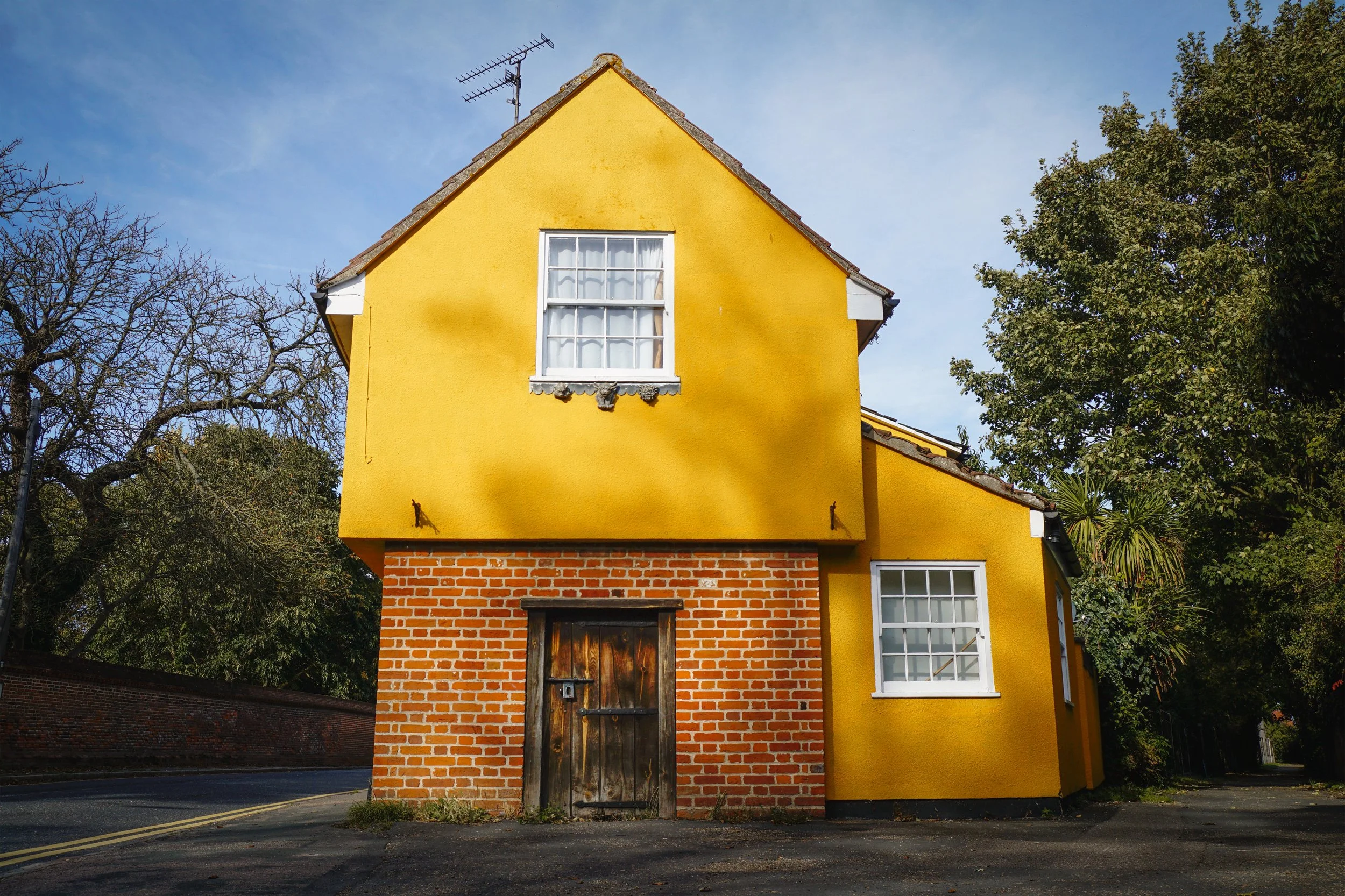
The former Cage prison, where Ursula Kemp and thirteen other accused witches were incarcerated in 1582. St Osyth, Essex.
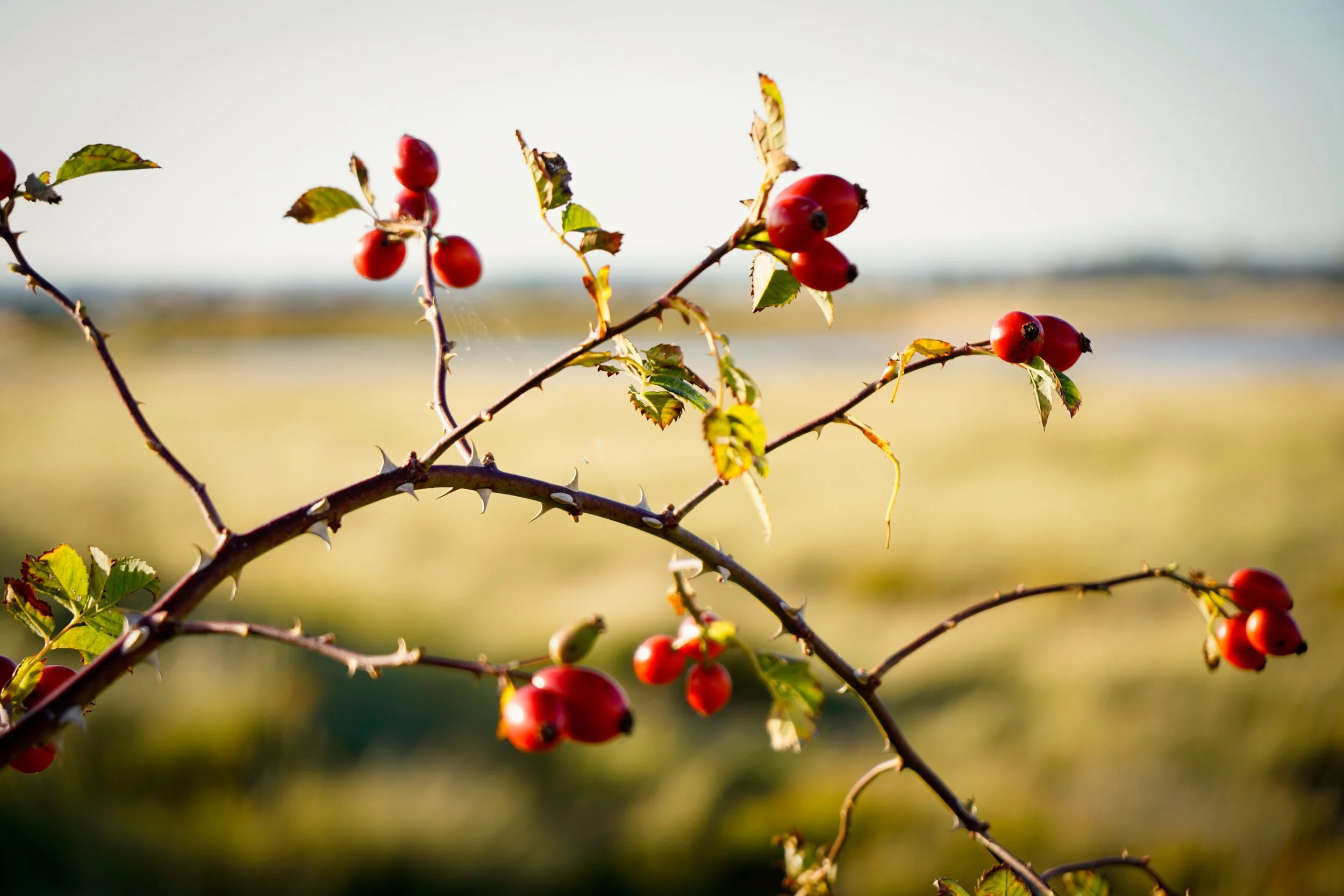
Rosehips in witch coutry. St Osyth, Essex.
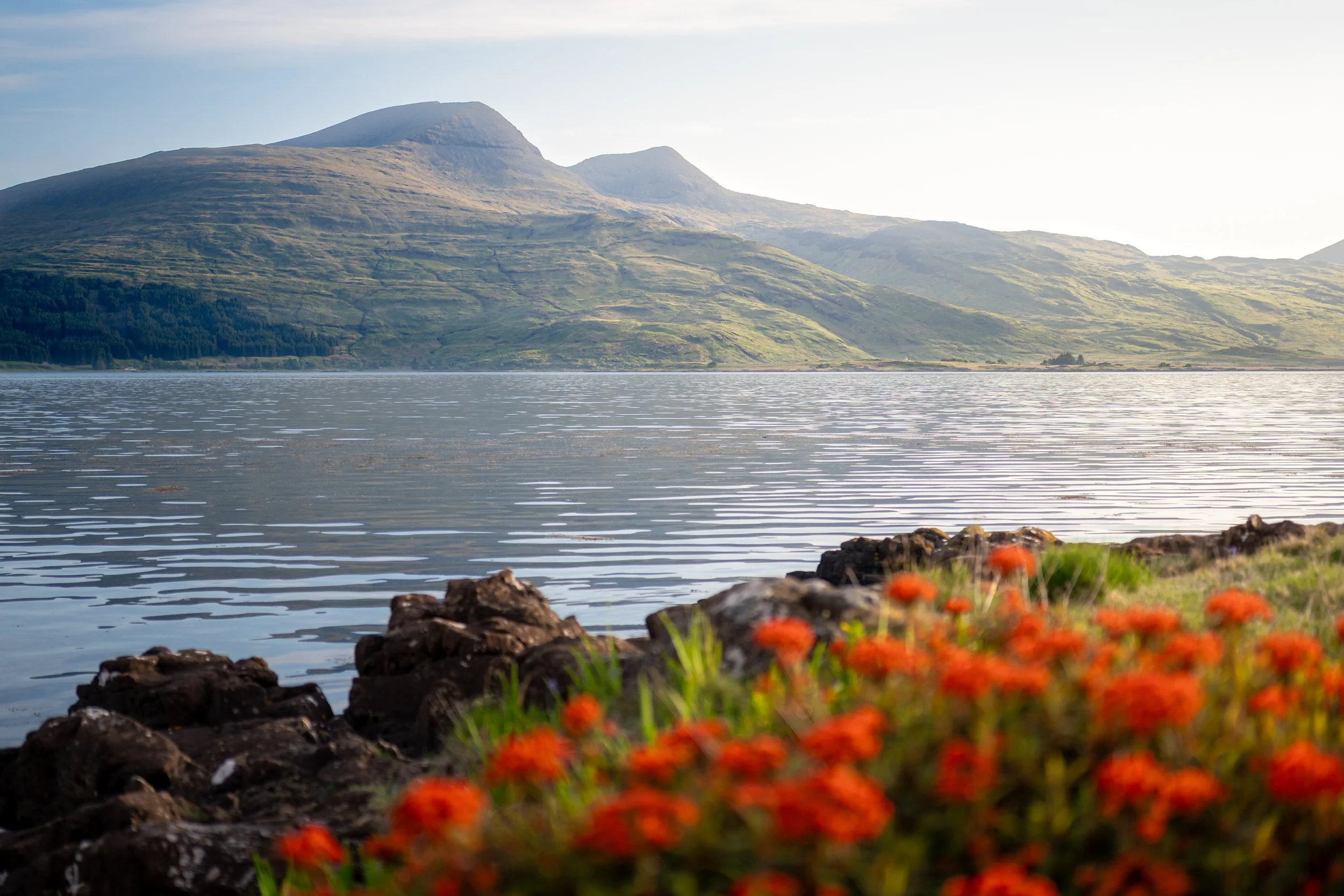
Ben More, the mountain that powerful Scottish witch Doideag Mhuileach called home. Isle of Mull.
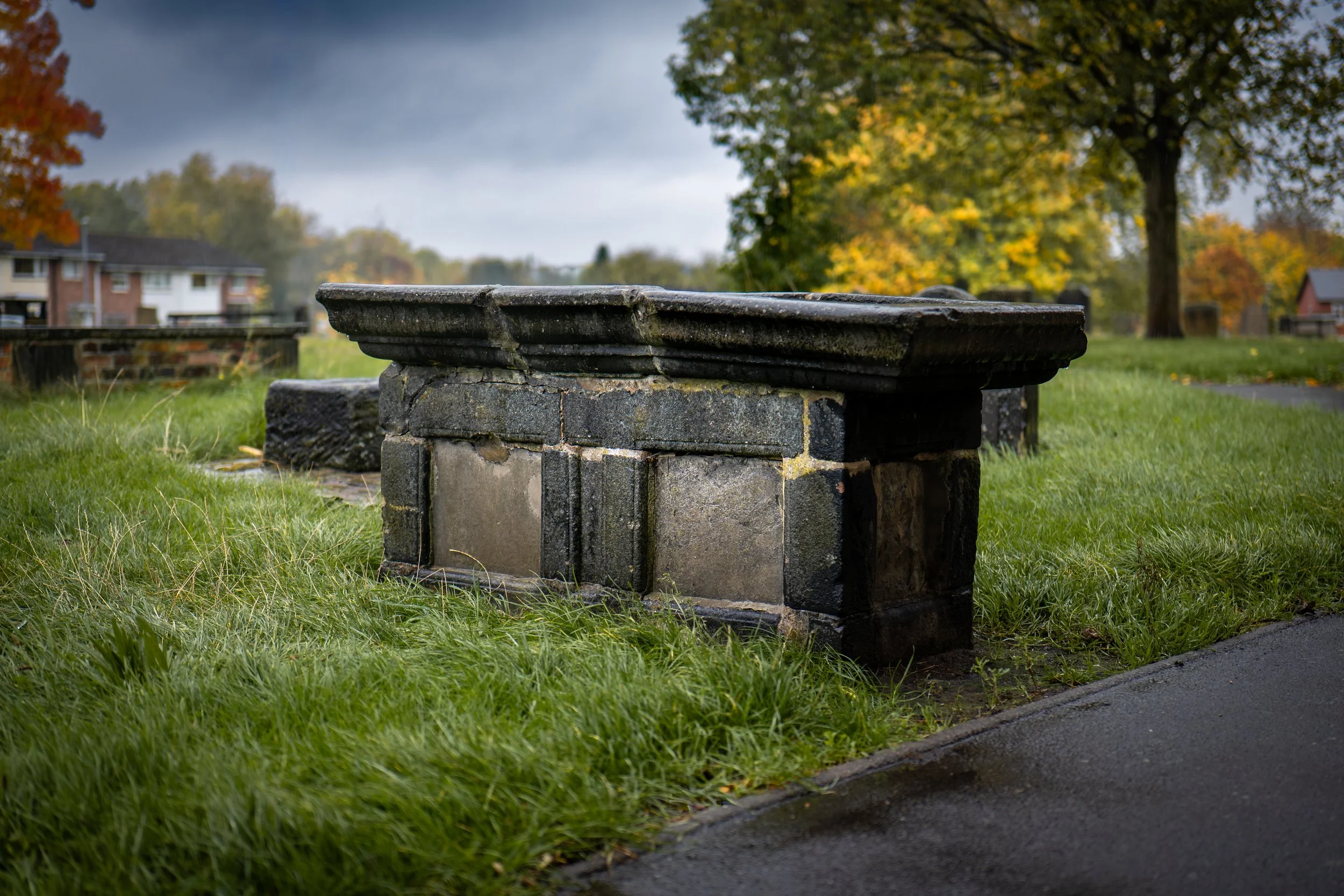
The table tomb of seventeenth-century cunning woman Margaret 'Molly' Leigh, aligned in a north-south direction to appease the restless soul of the deceased. St John the Baptist, Burslem, Staffordshire.
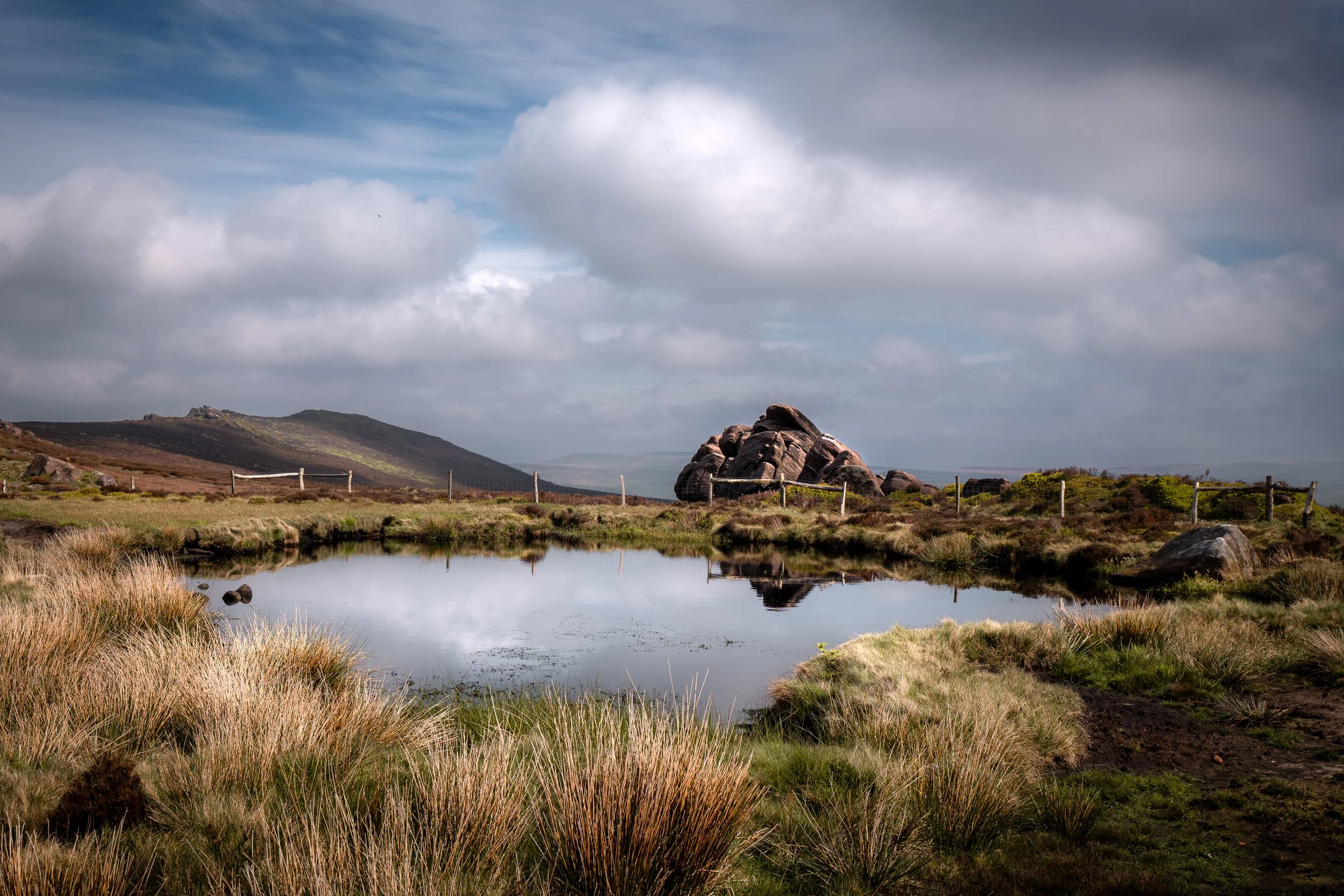
Doxey's or Doxy Pool, a highly elevated tarn said to be inhabited by malevolent mermaid or water witch Jenny Greenteeth. The Roaches, Staffordshire.
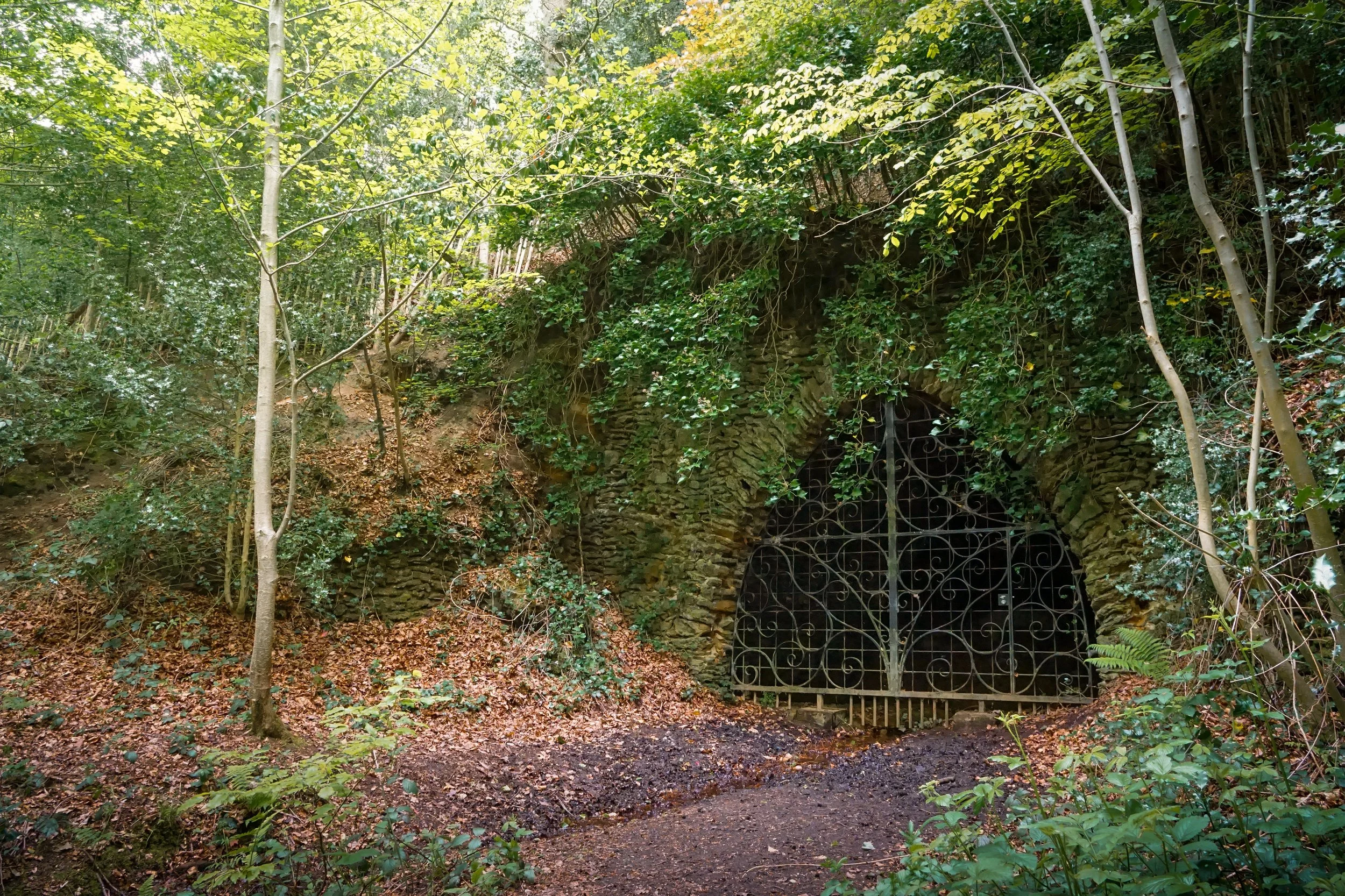
Mother Ludlam's Cave. Wey Valley, Farnham, Surrey.
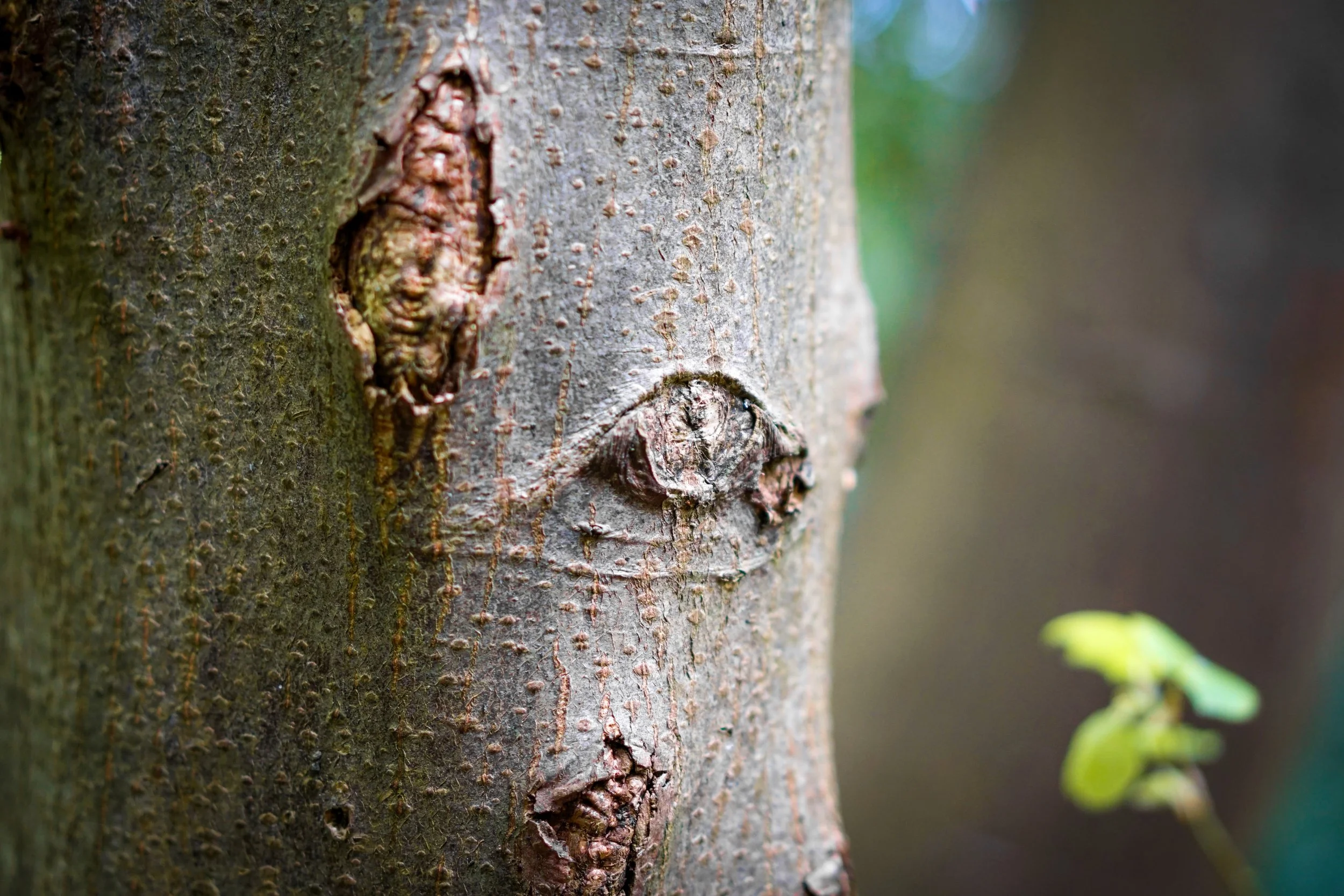
Mother Ludlam's Cave. Wey Valley, Farnham, Surrey.
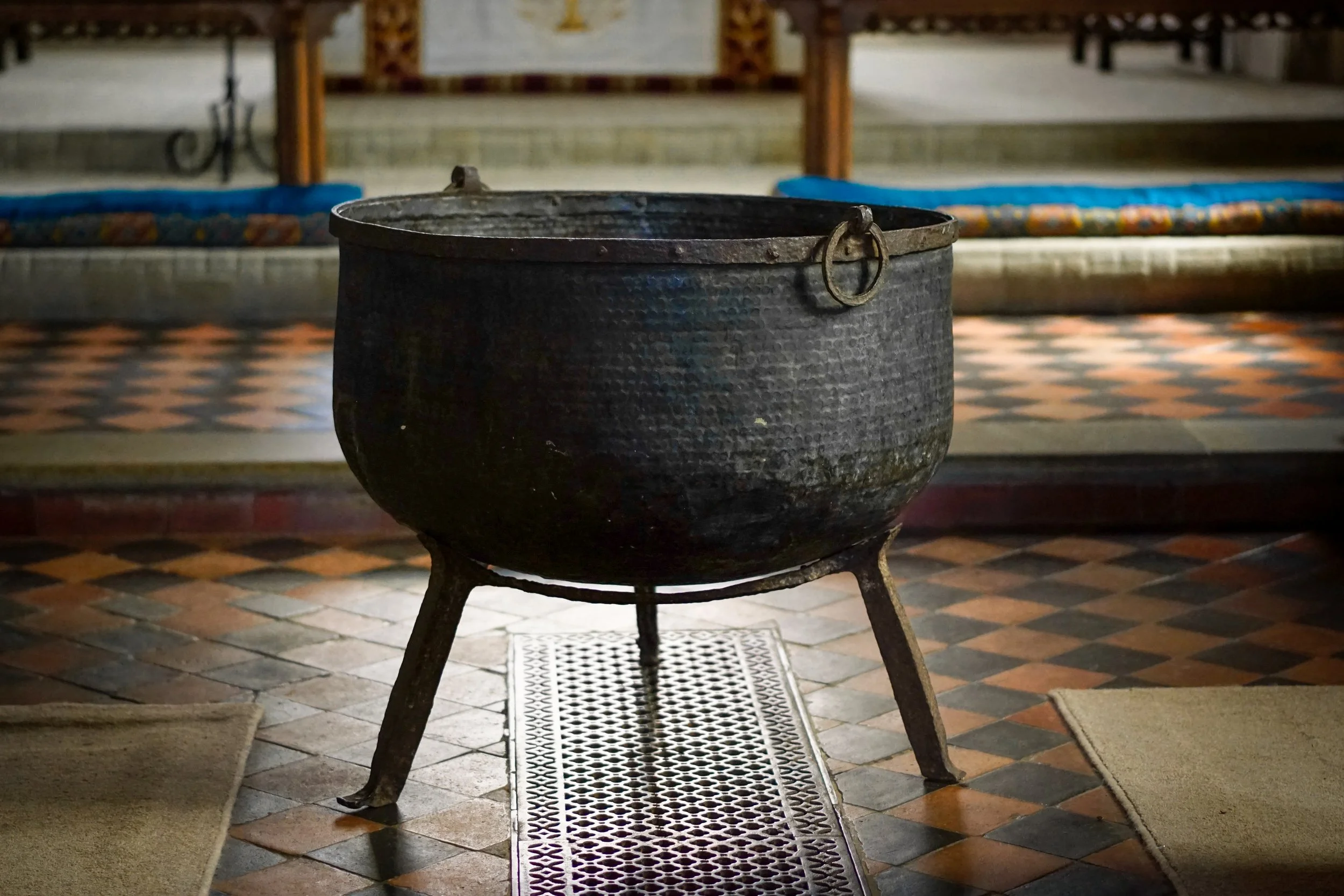
Mother Ludlam's cauldron. St Mary, Frensham, Surrey.
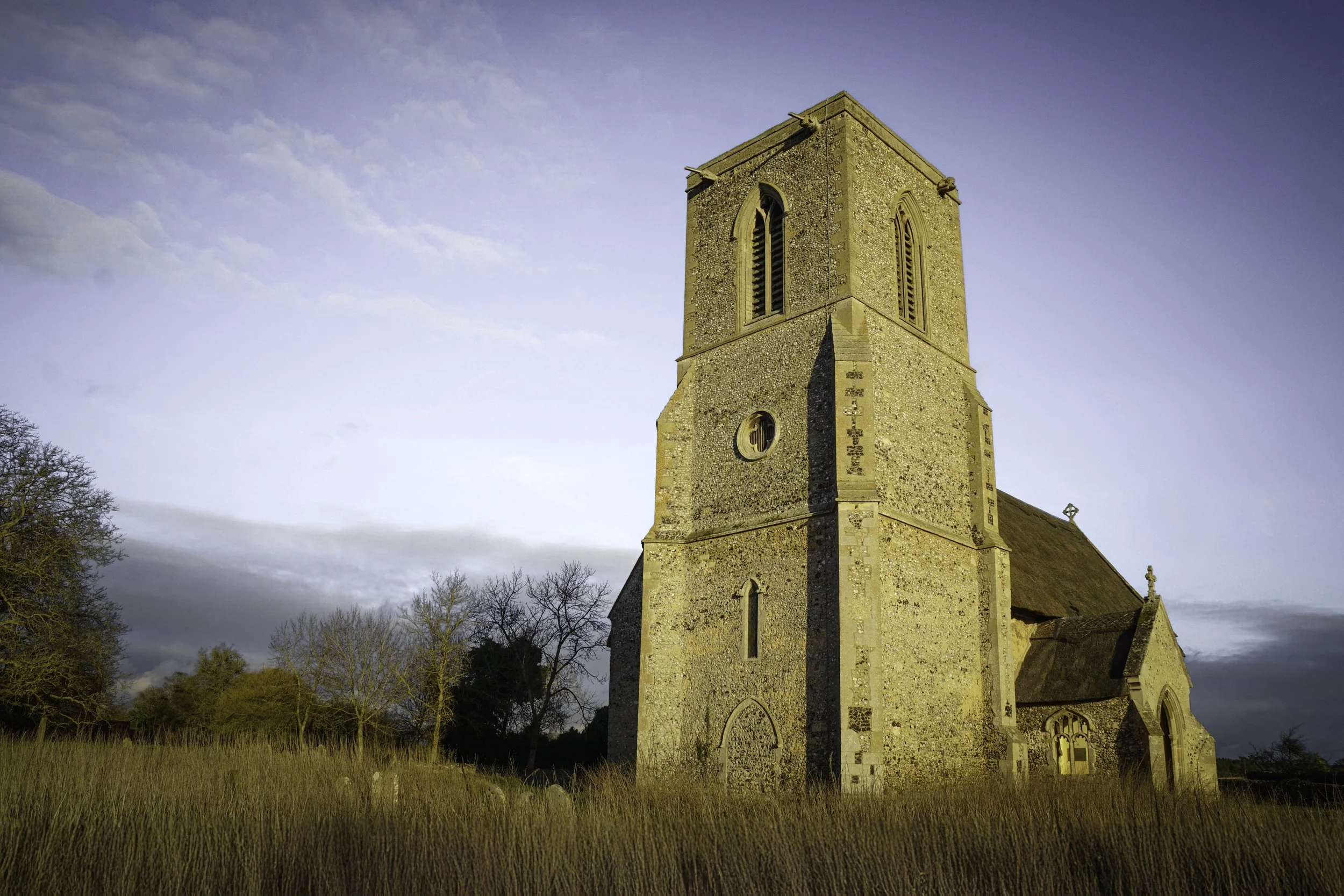
A churchyard frequented by a witch with a familiar in the form of a white rabbit. All Saints, Icklingham, Suffolk.
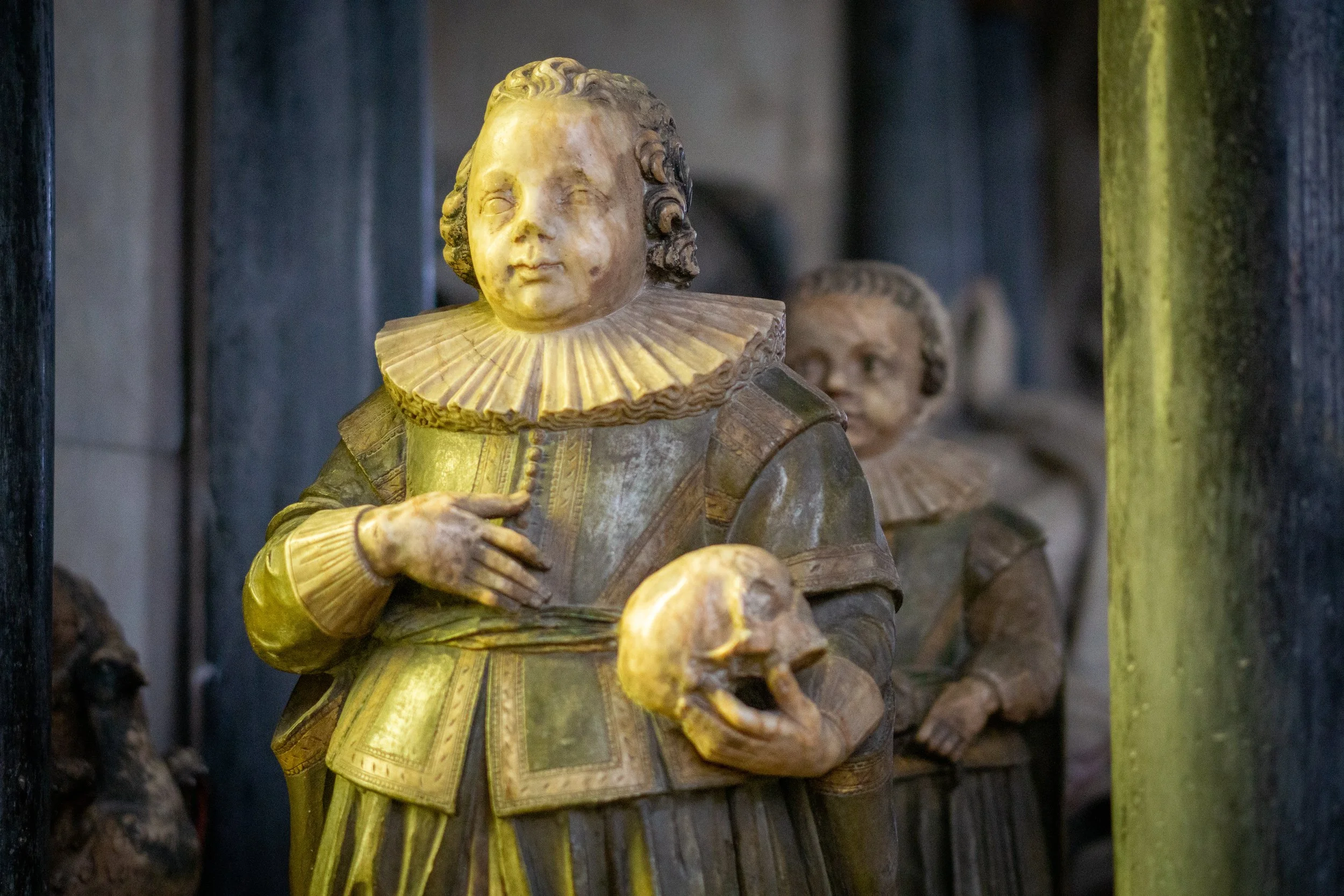
Memorial to Henry and Francis Manners, the sons of the Sixth Earl of Rutland who died of suspected witchcraft in 1613 and 1620. St Mary the Virgin, Bottesford, Leicestershire.
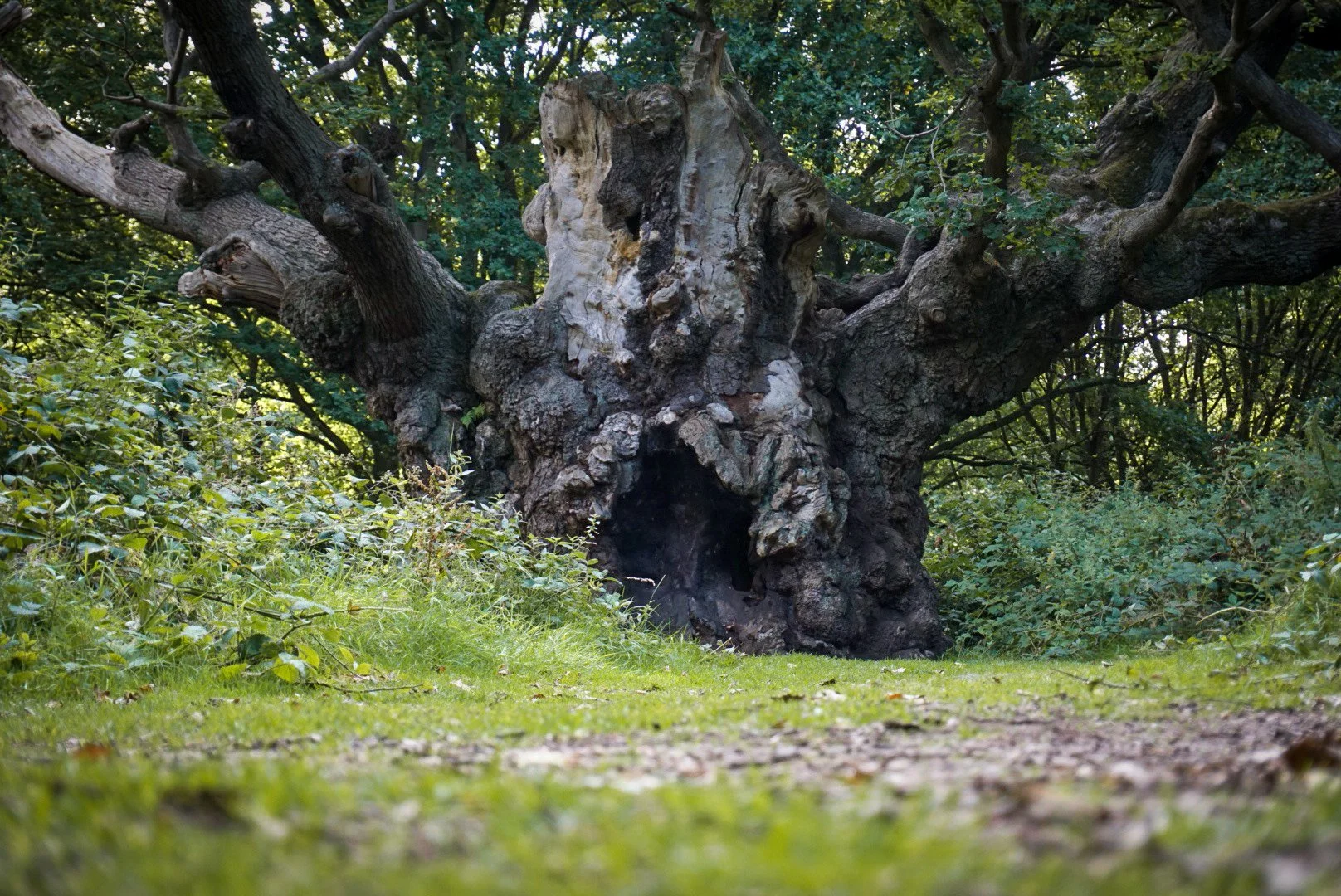
'Old Knobbley', an ancient oak in which local women hunted by self-styled Witchfinder General Matthew Hopkins are said to have hidden. Furze Hill Woods, Mistley, Essex.
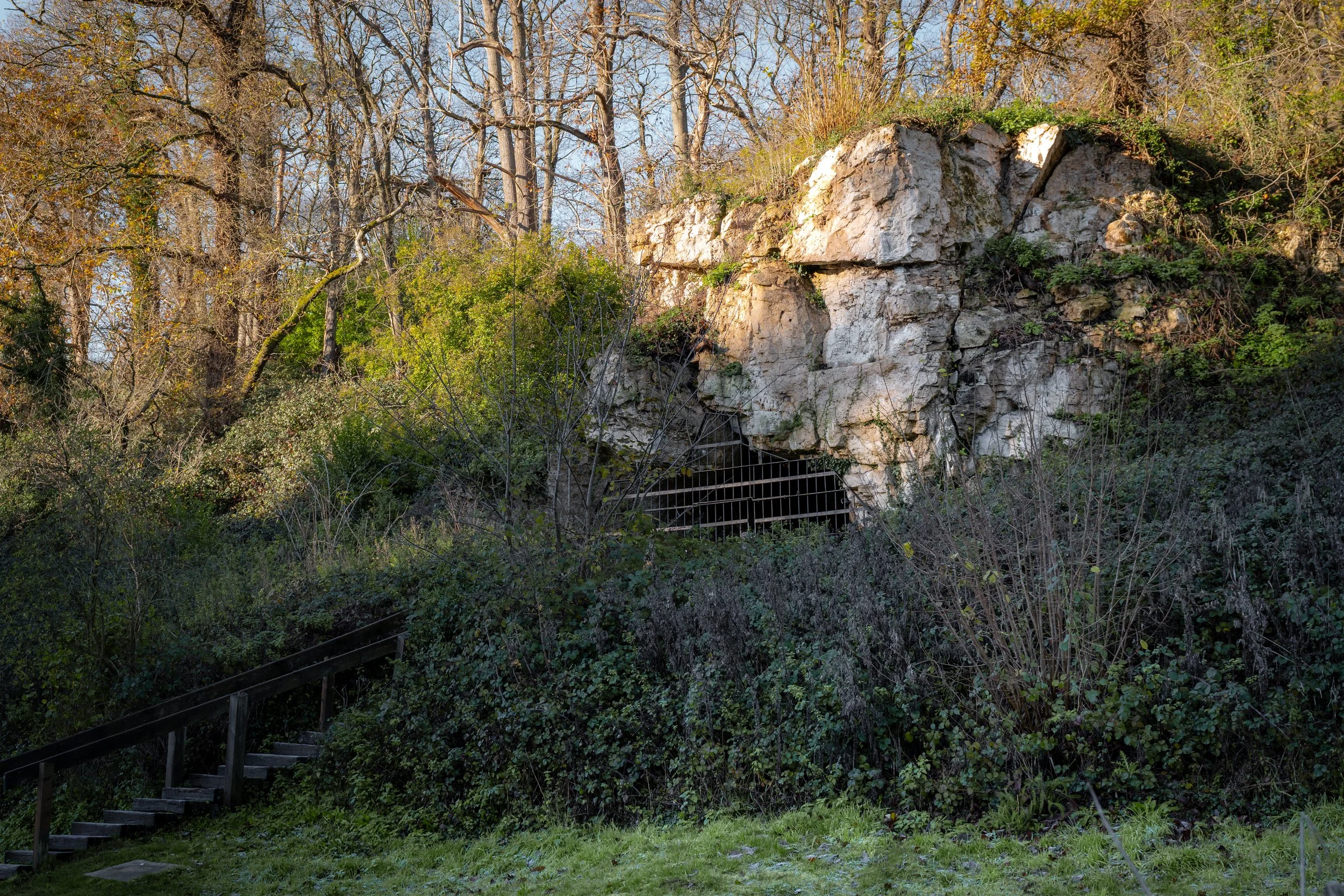
Mother Grundy's Parlour, Creswell Crags, Derbyshire.
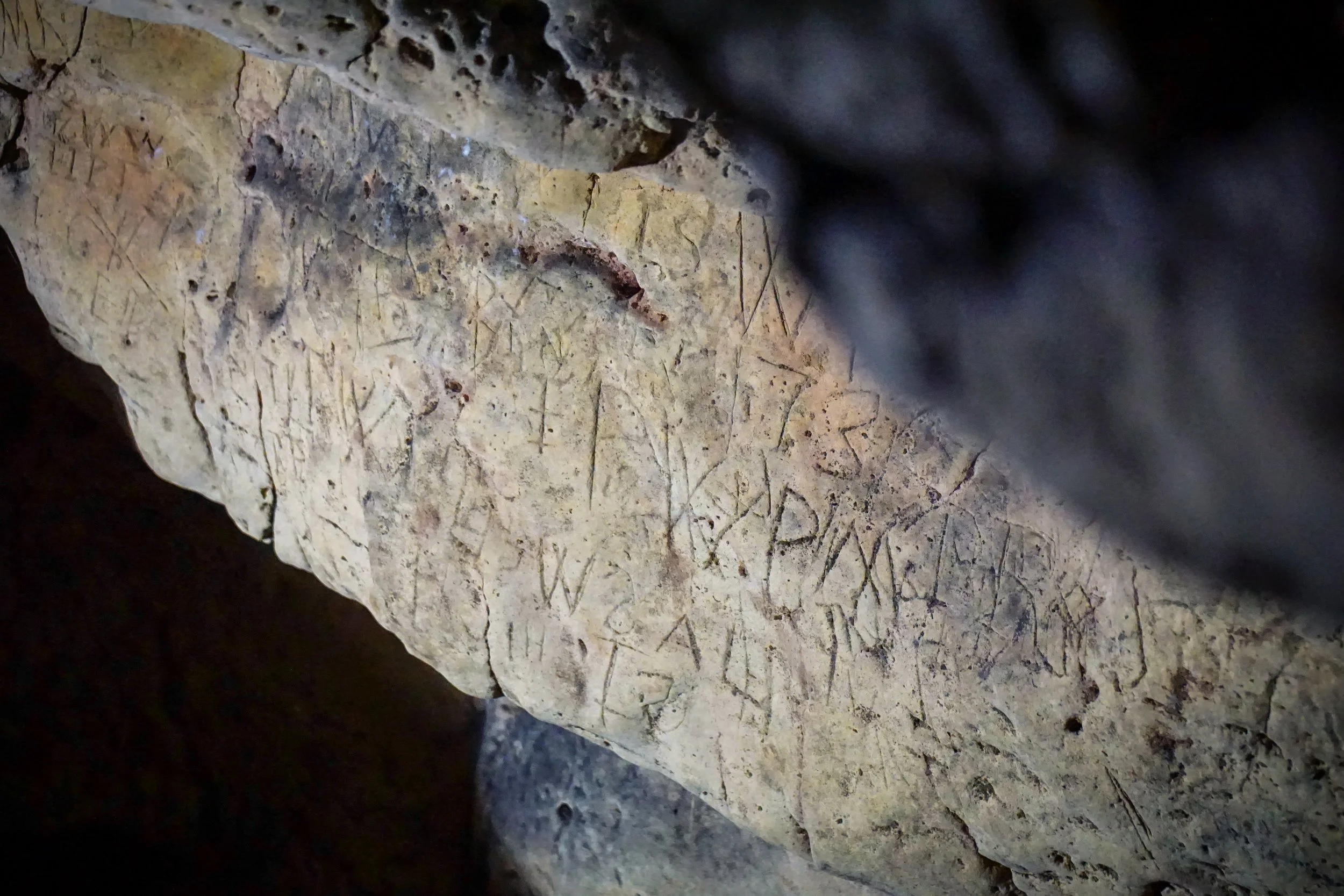
Apotropaic witch marks at Creswell Crags. Derbyshire.
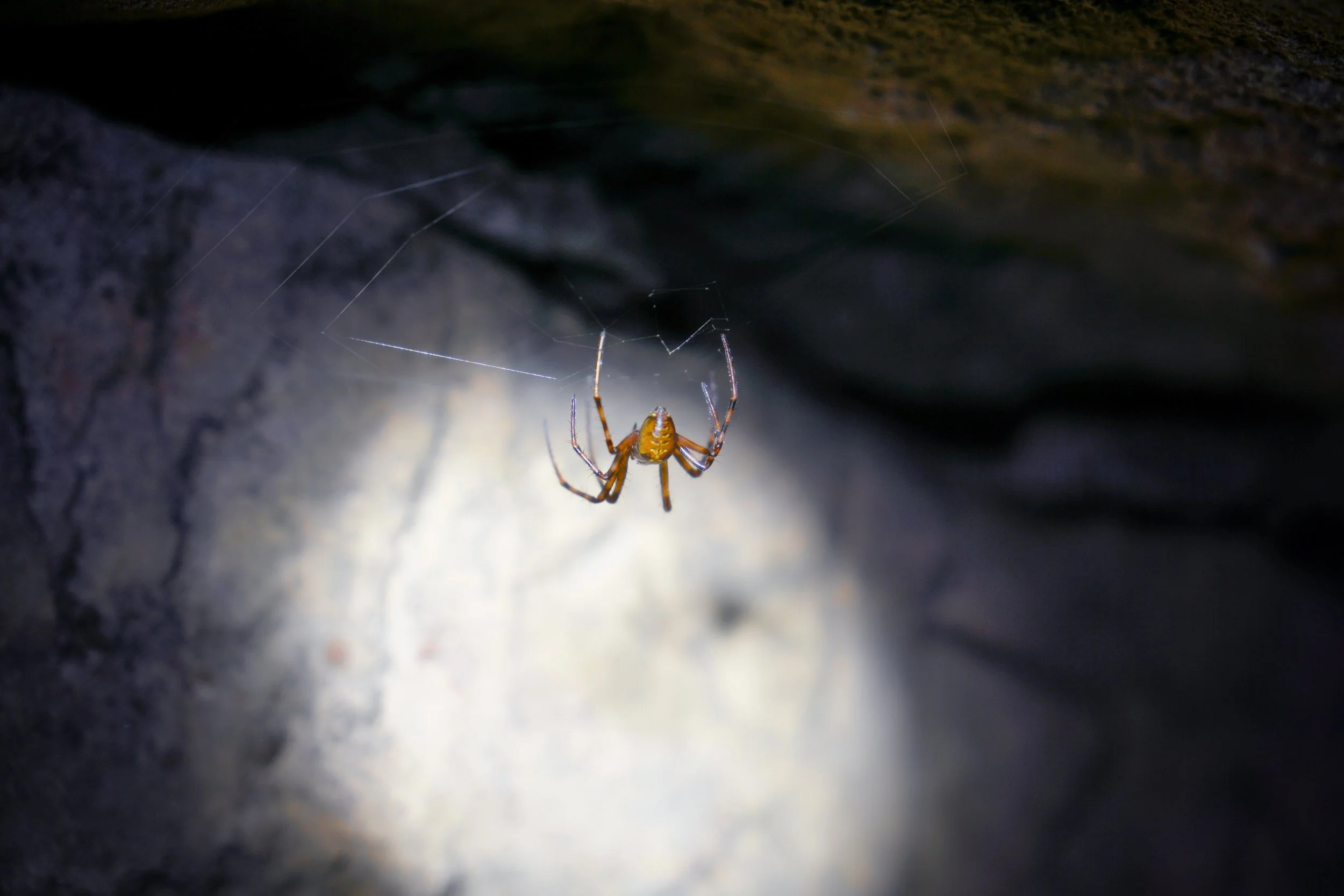
Keeper of the witch marks. Creswell Crags, Derbyshire.
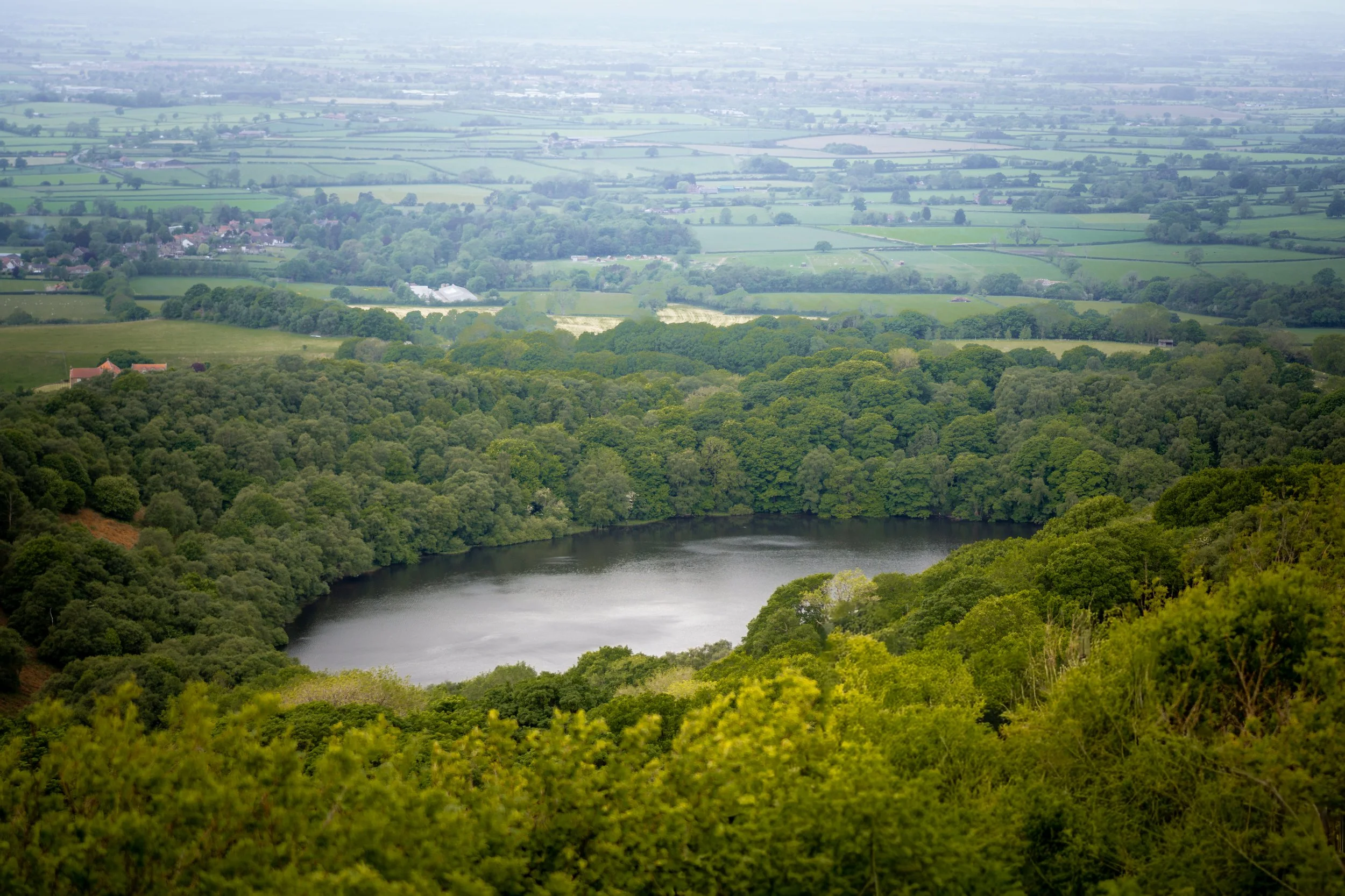
Gormire Lake, associated with the legend of a witch who leaped into it from Whitestone Cliff to escape her pursuers. It's also said to be bottomless, and to be a gateway to the underworld. North Yorkshire.
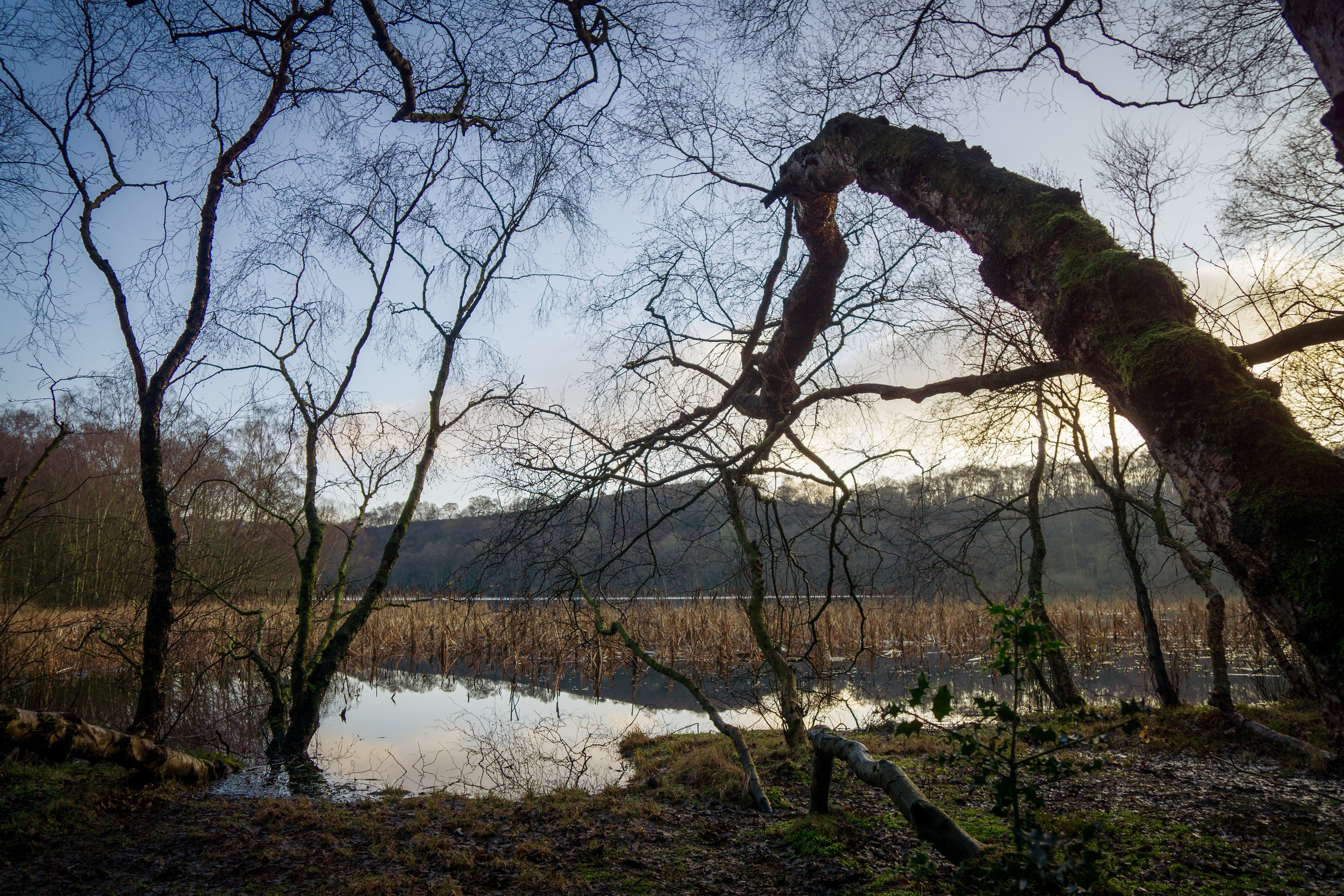
Witch's eye view. Gormire Lake, North Yorkshire.
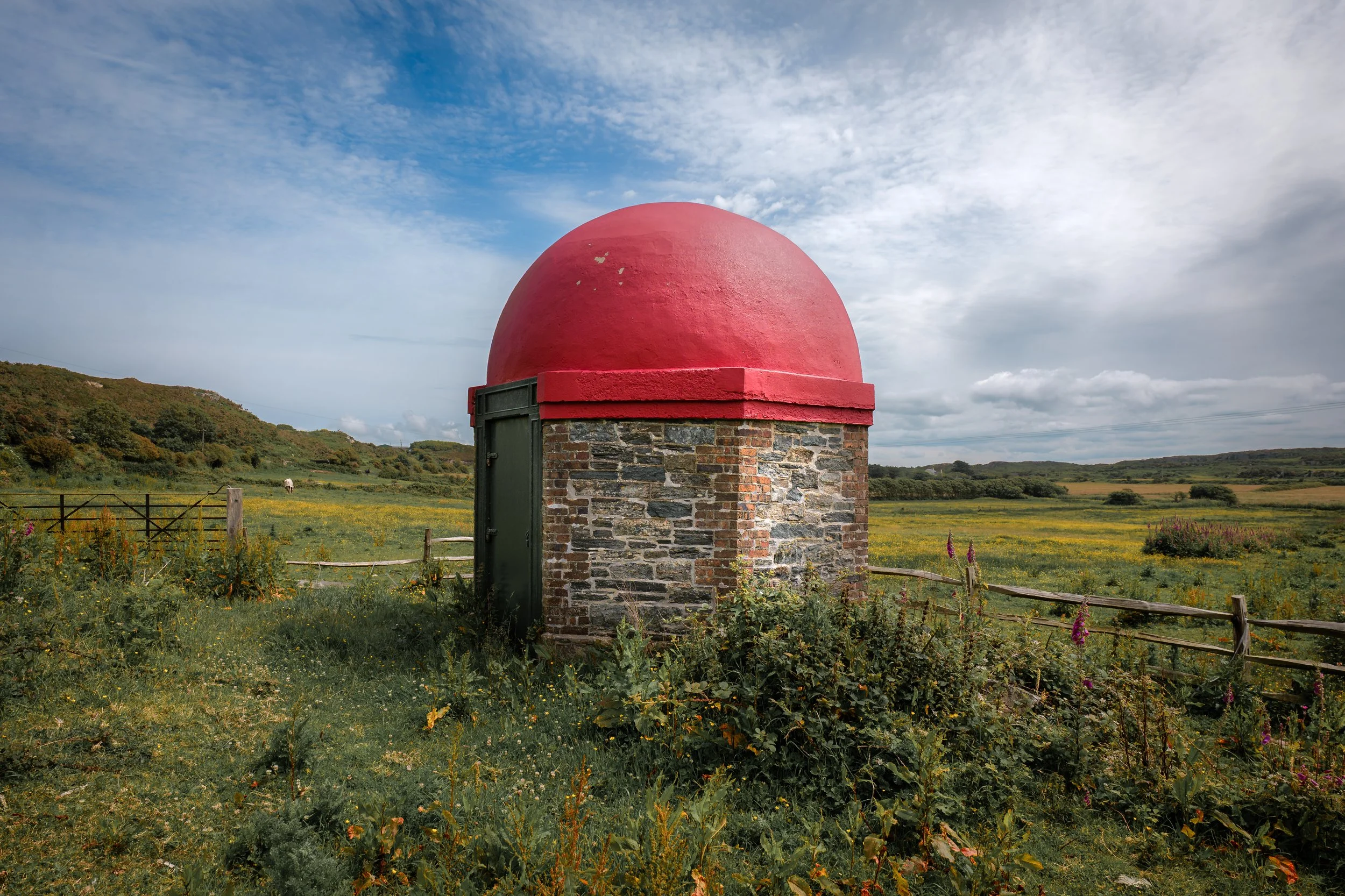
Ffynnon y Wrach, a ninteteenth-century municipal waterworks building more commonly known as the witches' well or fairies' well. Holyhead, Anglesey, Wales.
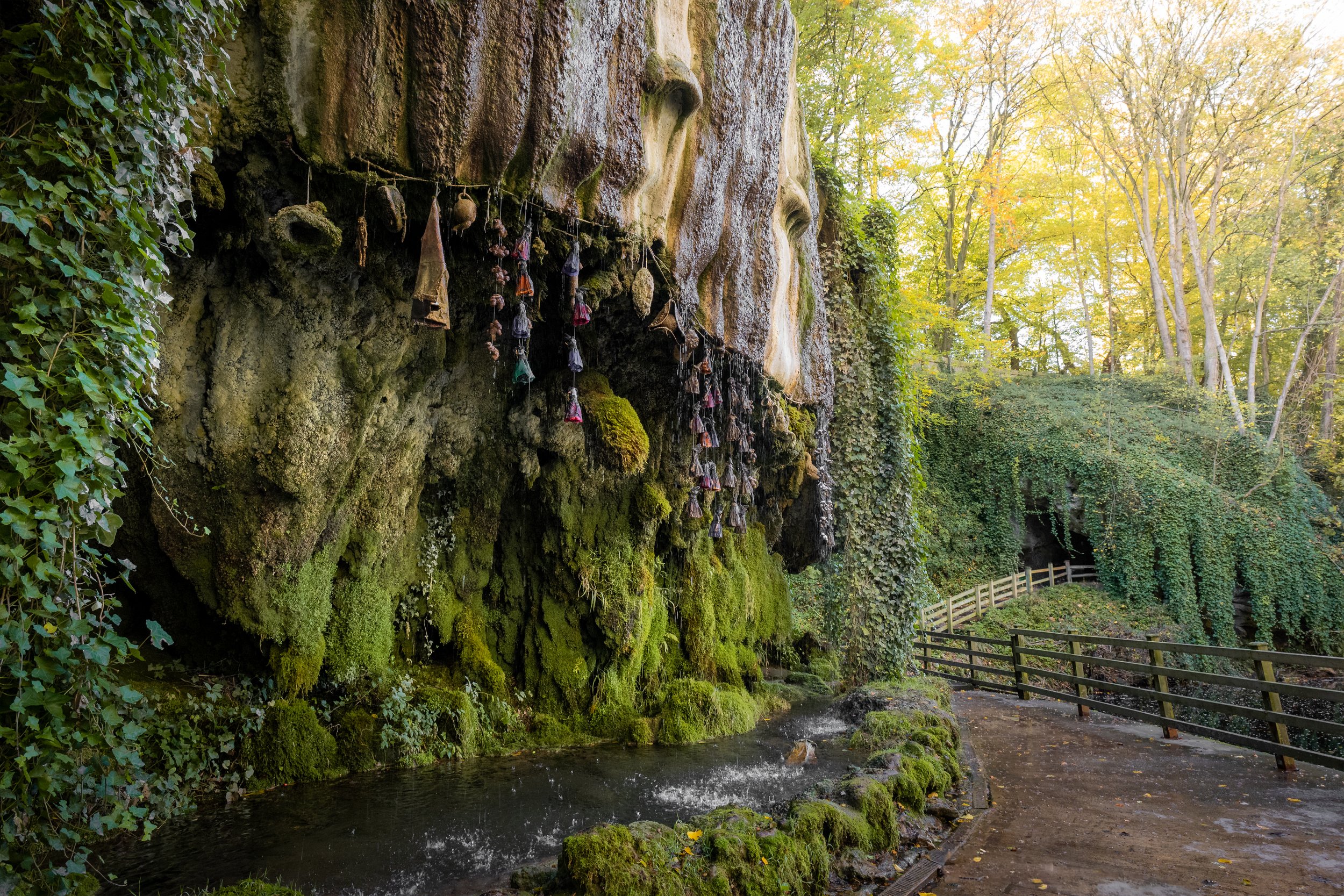
Mother Shipton's Cave, birthplace of soothsayer and prophetess Ursula Southeil. Knaresborough, North Yorkshire.
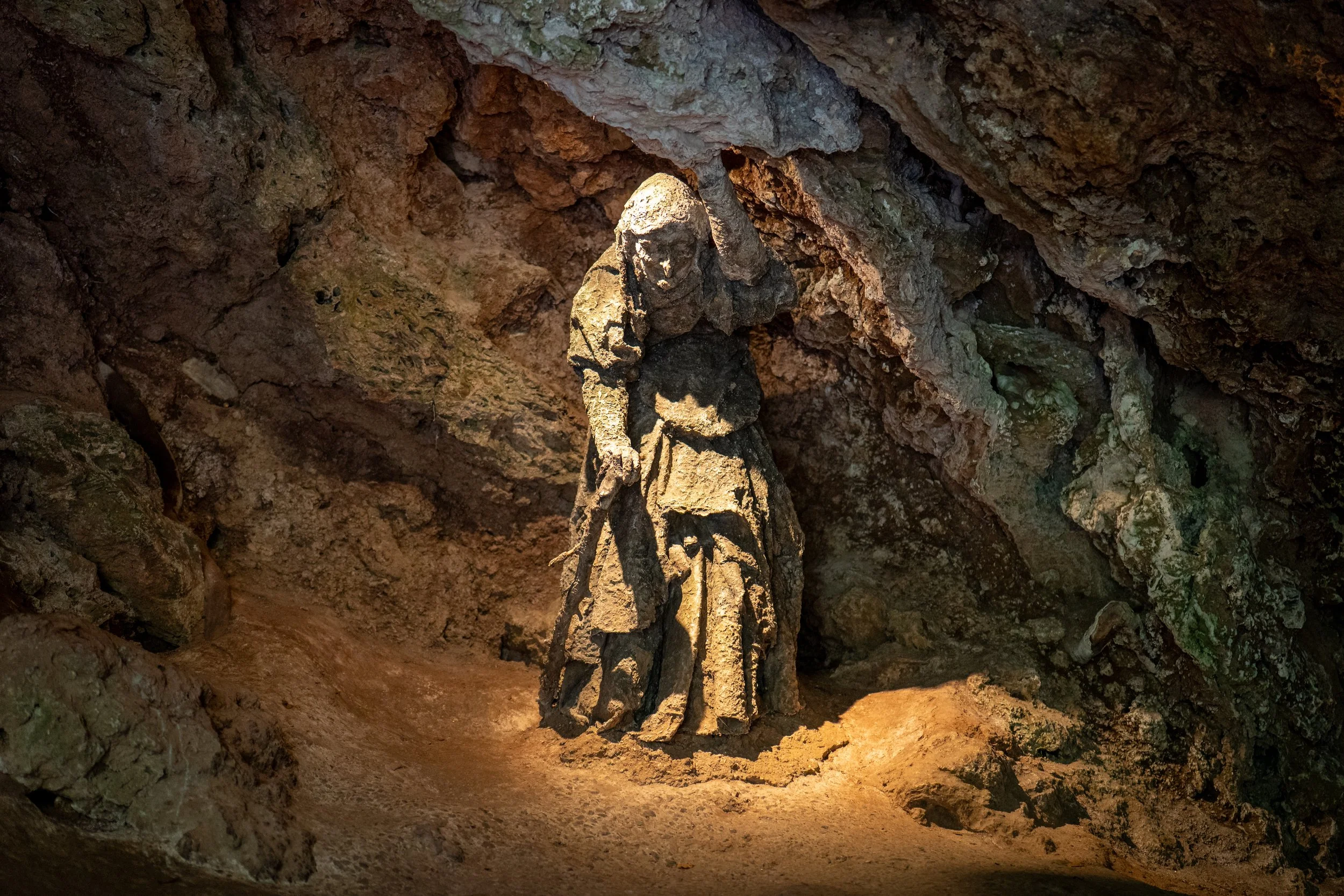
Mother Shipton's Cave, Knaresborough, North Yorkshire.
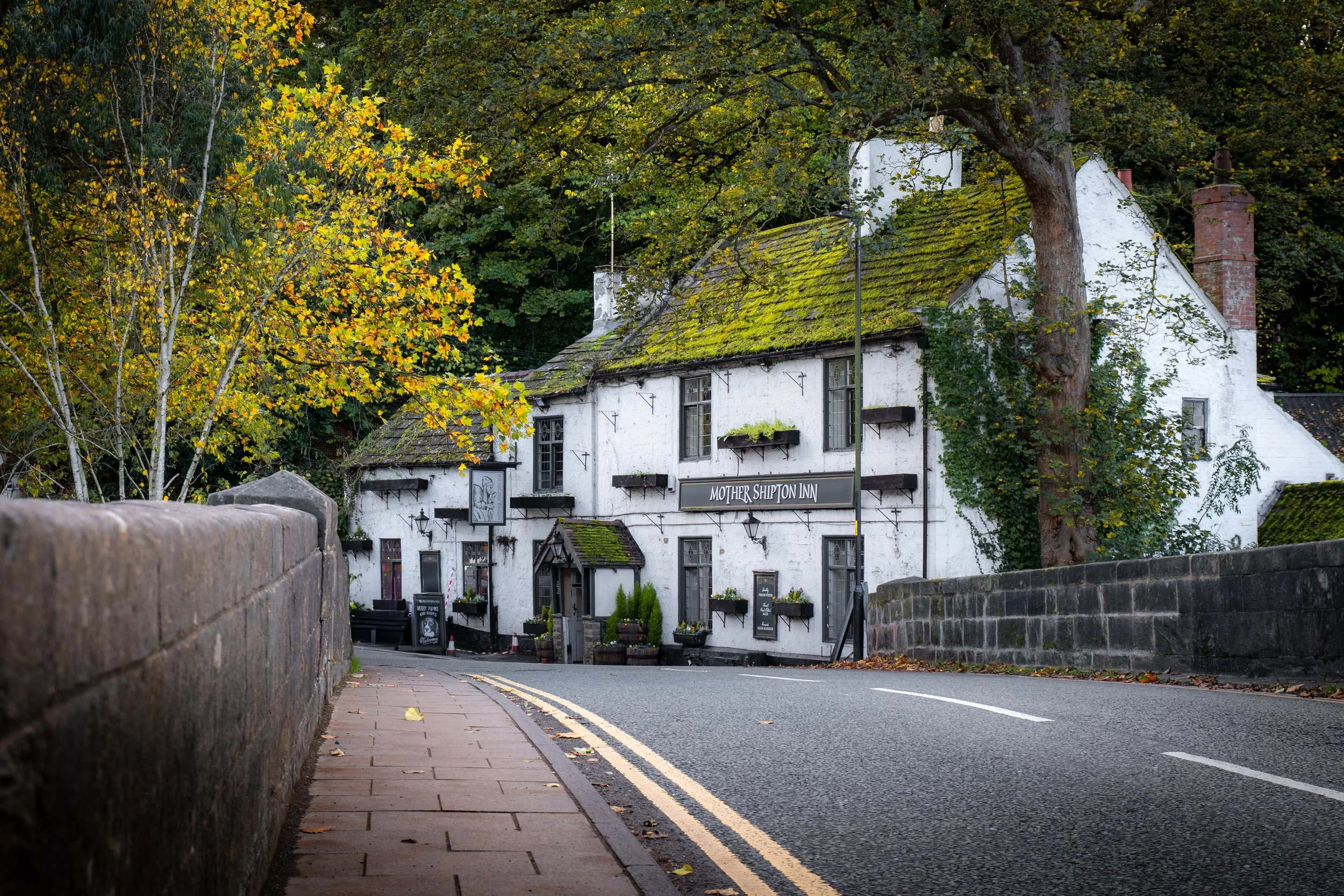
Mother Shipton's Inn, Knaresborough, North Yorkshire.
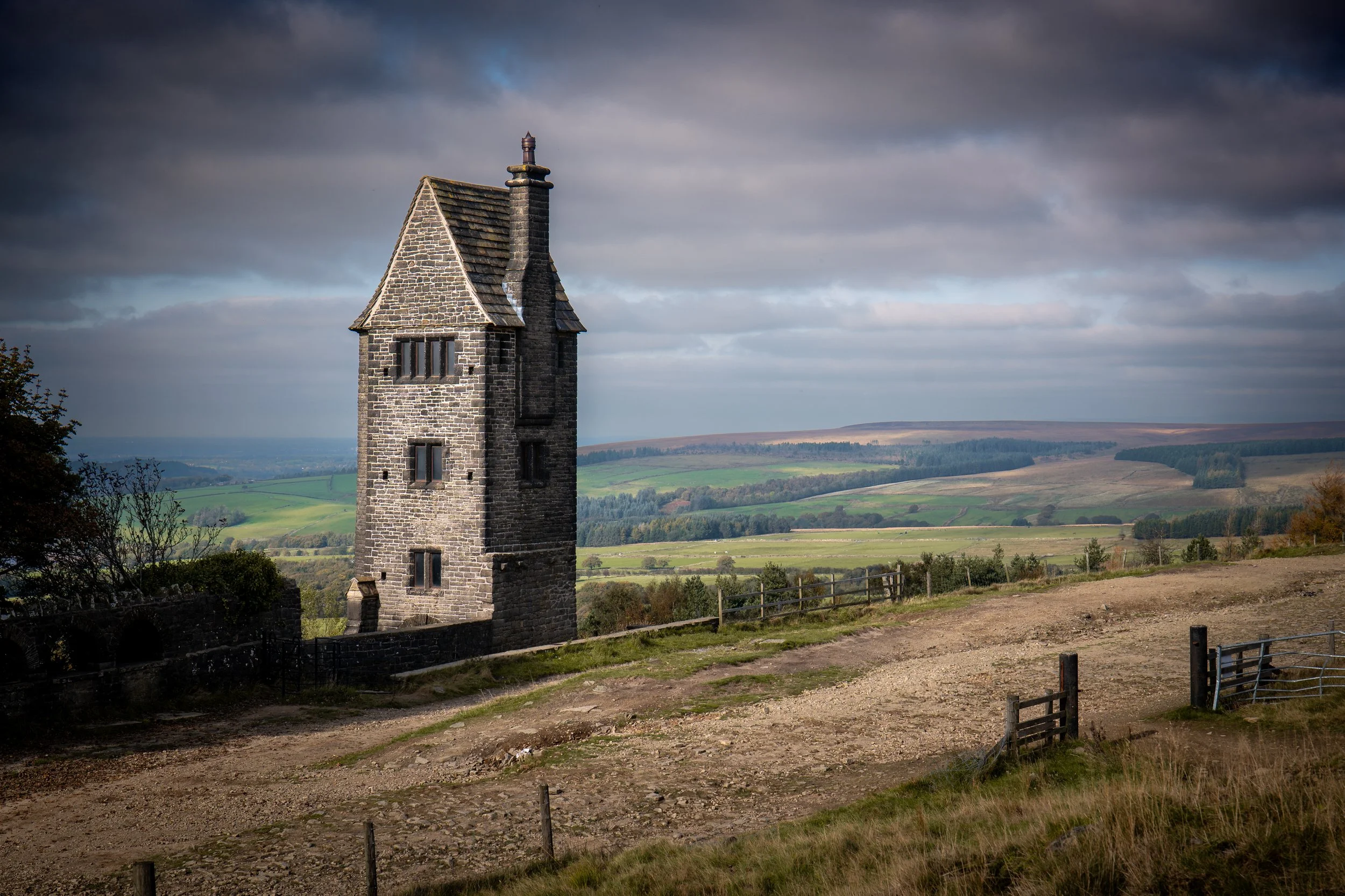
Pigeon Tower, a historic dovecote more commonly known as the 'witch tower'. Rivington, Lancashire.
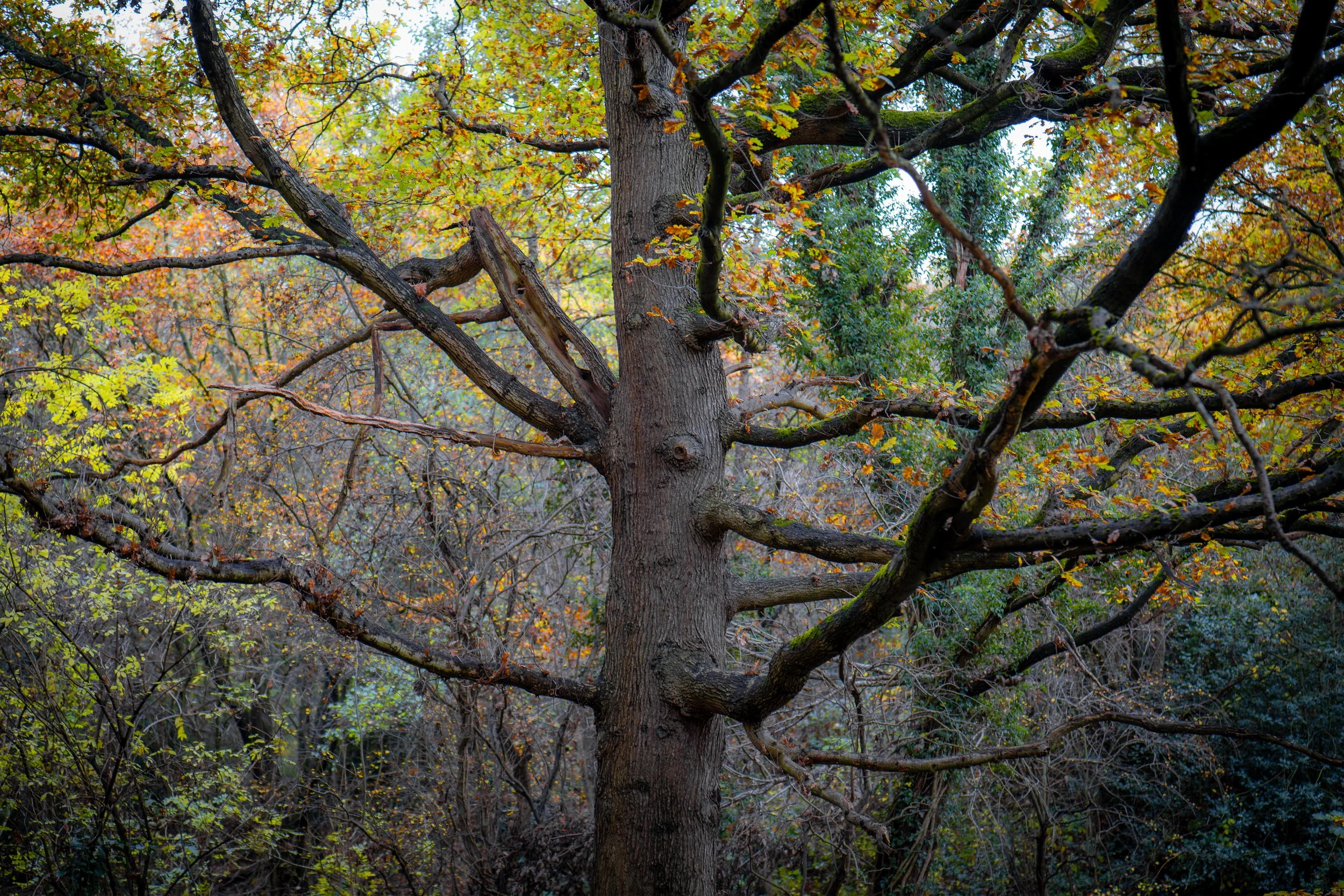
Woodhouse on the outskirts of Sheffield, where Thomas Jefferson and three other villagers were accused of necromancy and witchcraft in 1657. South Yorkshire.
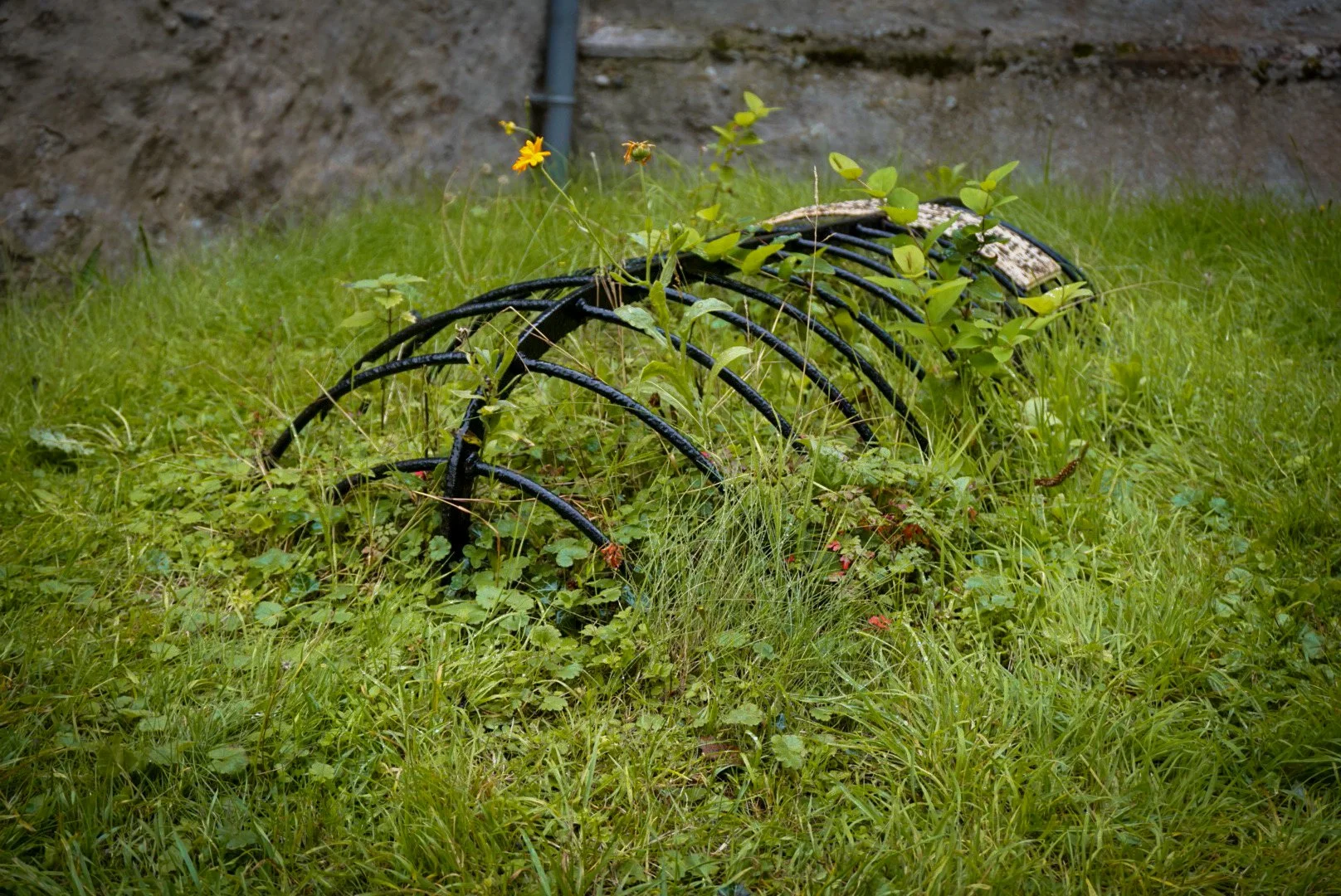
The grave of Sarah Wrench, who died aged 15 in 1848. The iron mortsafe inspired local rumours that she was a witch. St Edmund, Mersea Island, Essex.
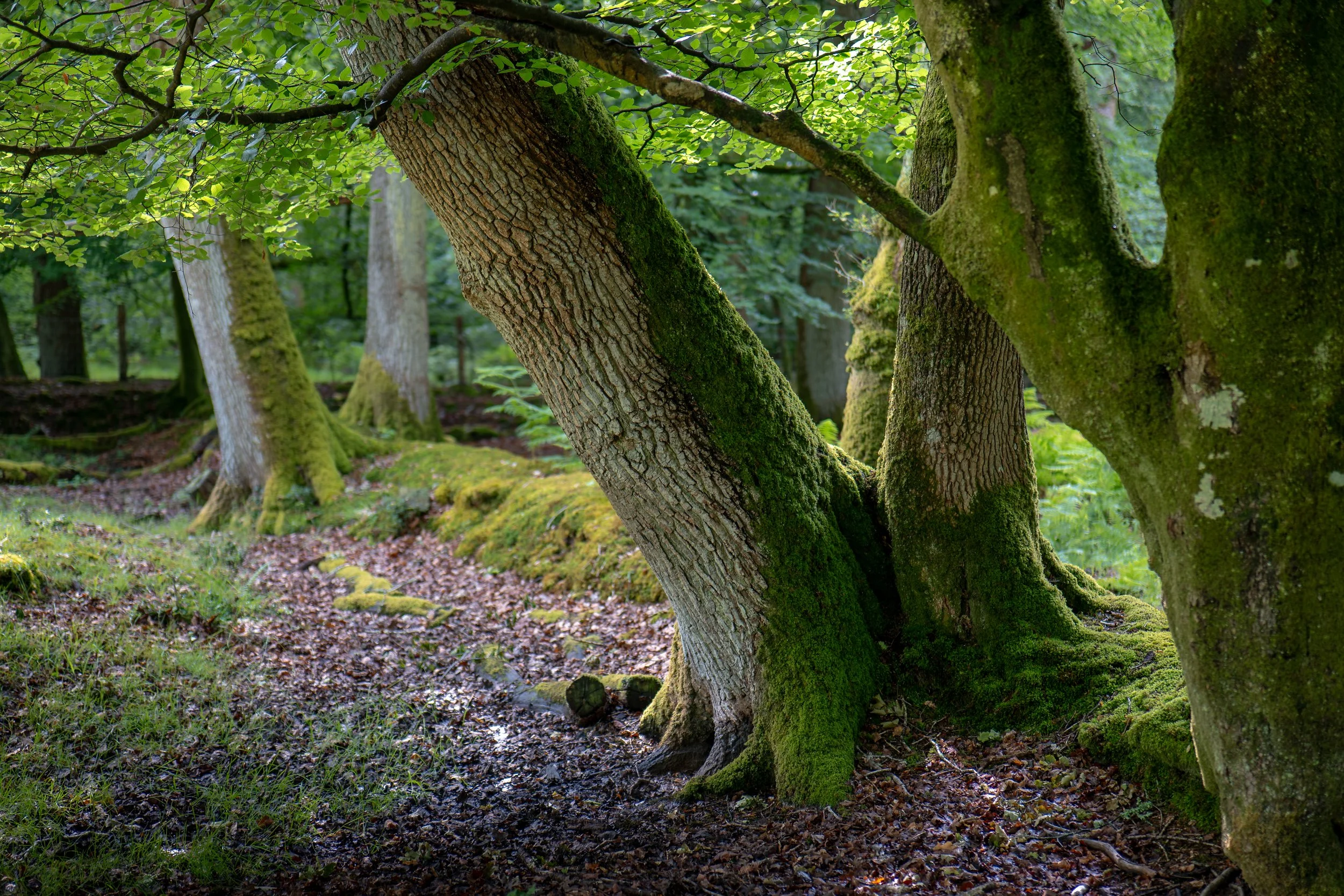
The New Forest, reportedly the meeting place of a group of pagan witches in the early twentieth century, including Wiccan and occultist Gerald Gardner. Hampshire.
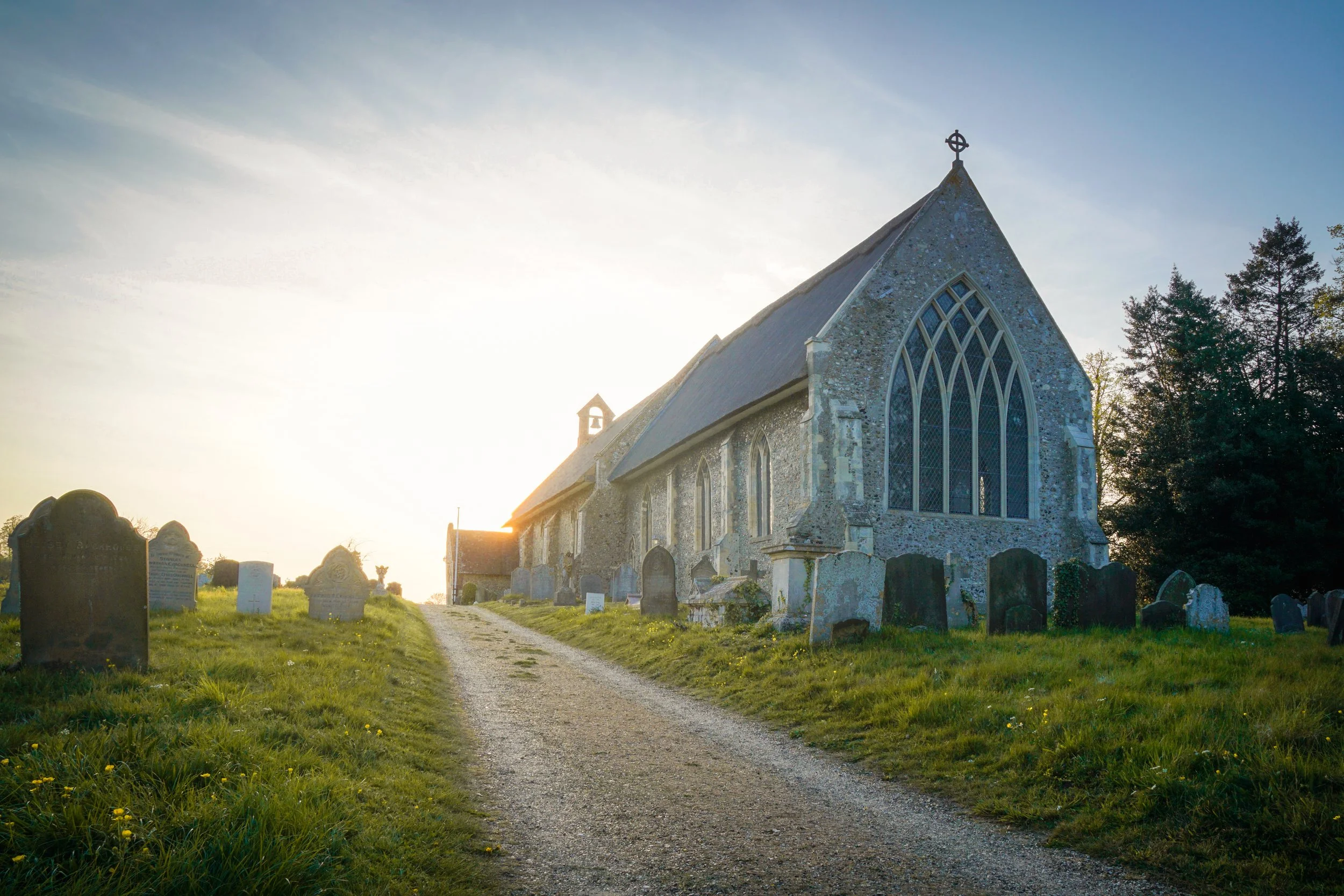
A church whose graveyard contains a witch stone, visited on Walpurgis Night. St Peter, Westleton, Suffolk.
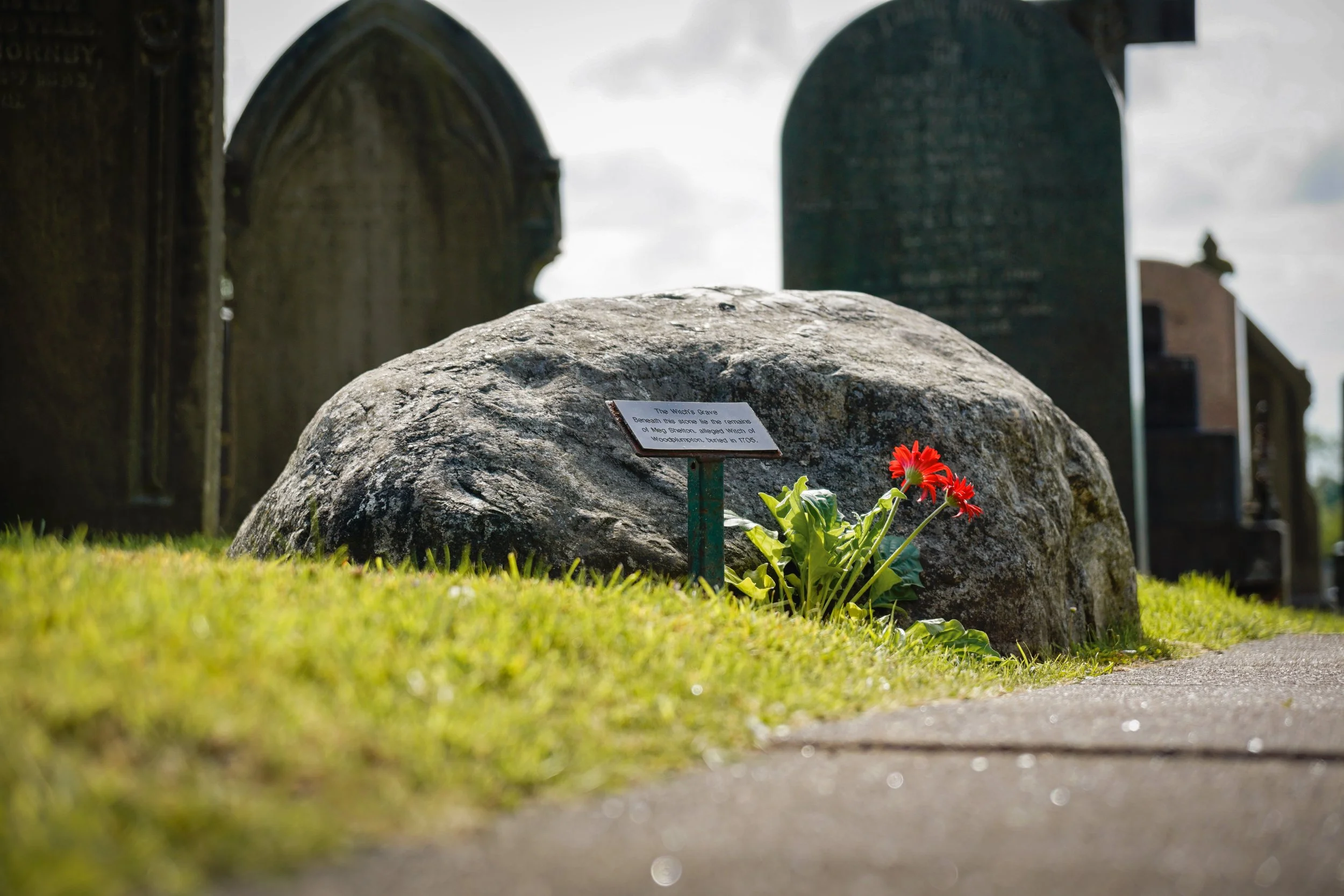
The grave of alleged witch Meg Shelton, aka the Fylde Hag, who died in 1705. She was purportedly buried vertically, head-first. St Anne, Woodplumpton, Lancashire.
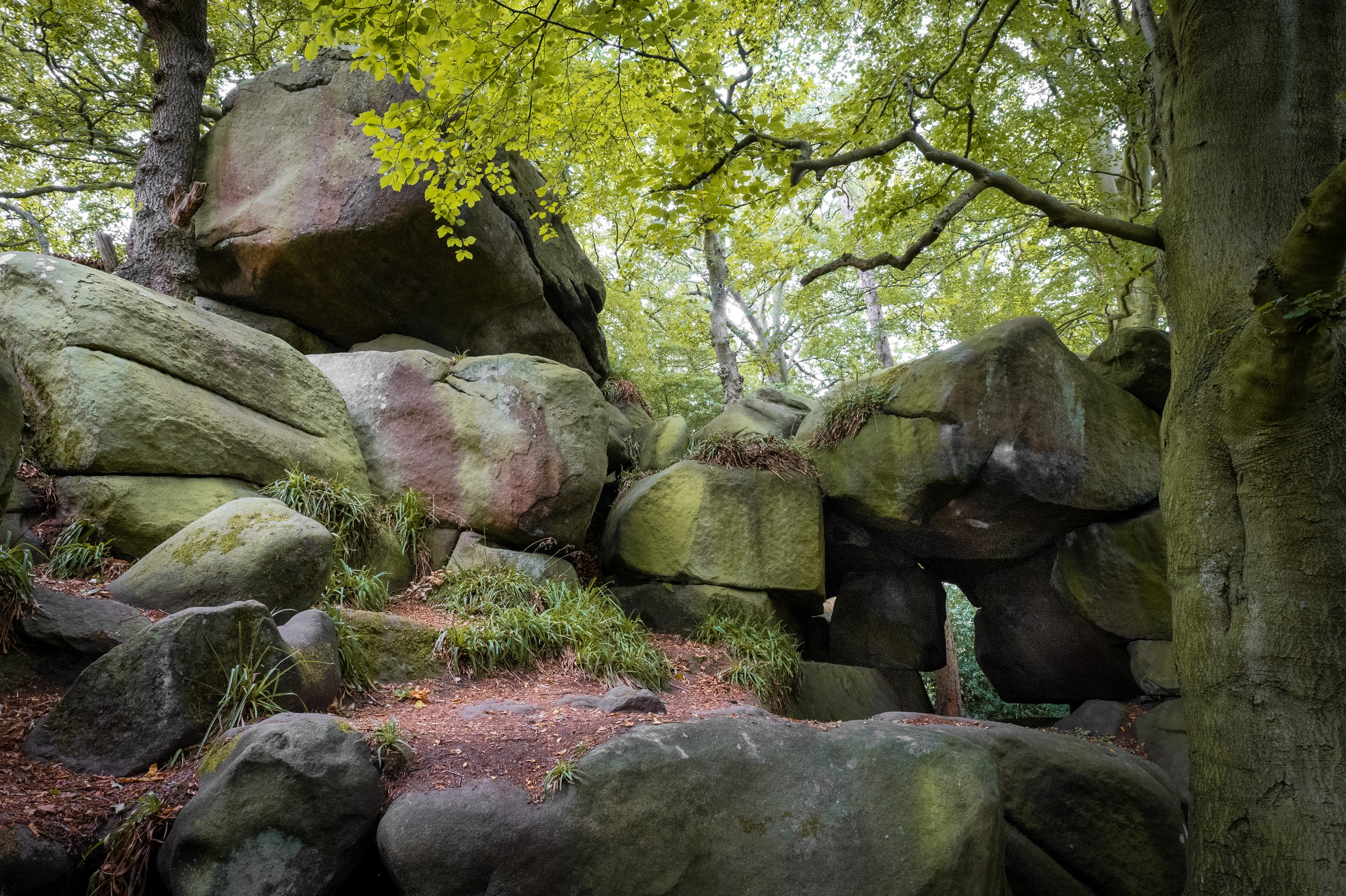
Rowtor Rocks, a gritstone ridge transformed into a grotto and tourist attraction by eccentric clergyman Thomas Eyre (who was believed to dabble in witchcraft). Birchover, Derbyshire.
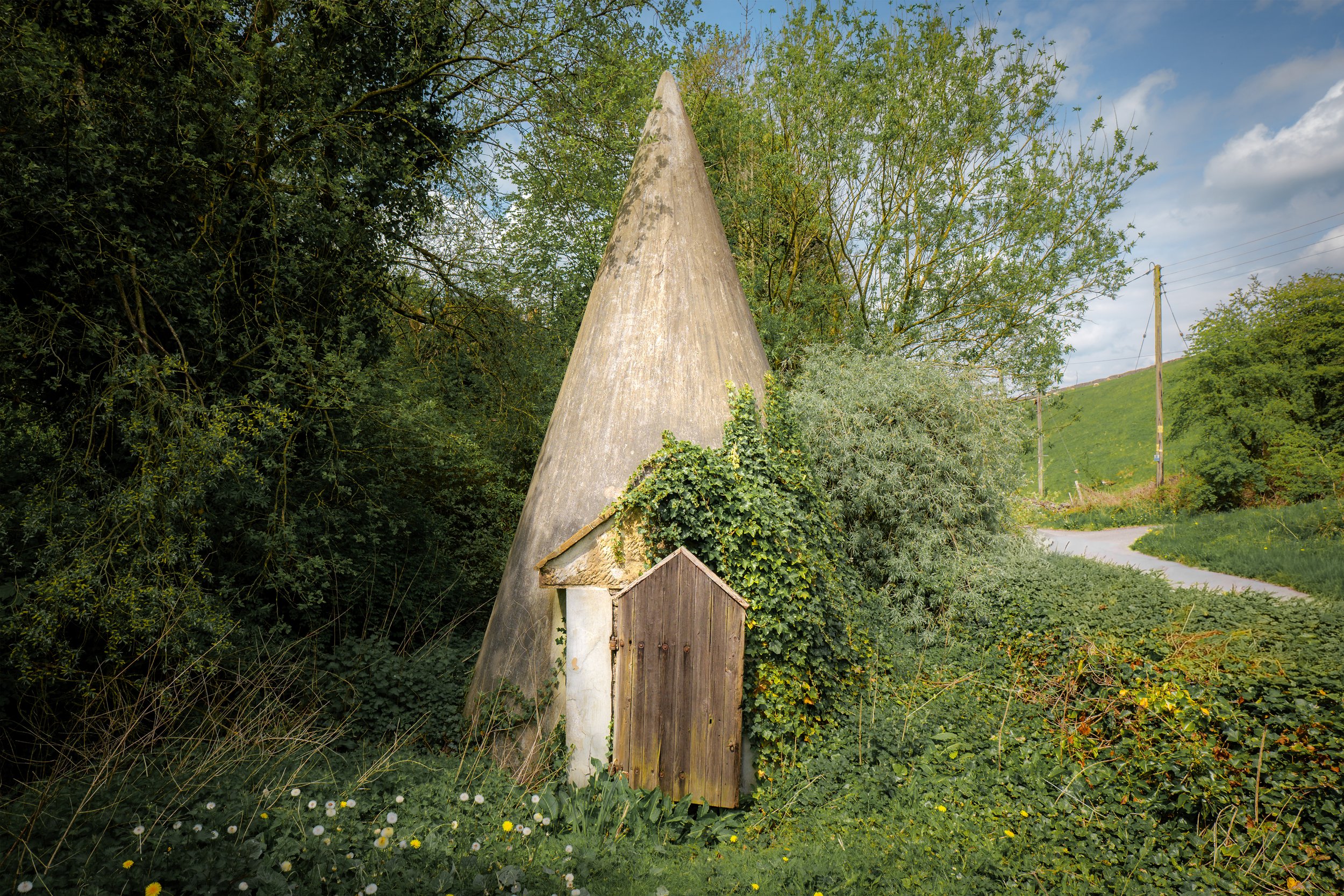
The conical well in Tideswell, known affectionately to villagers as the Witch's Hat. Derbyshire.
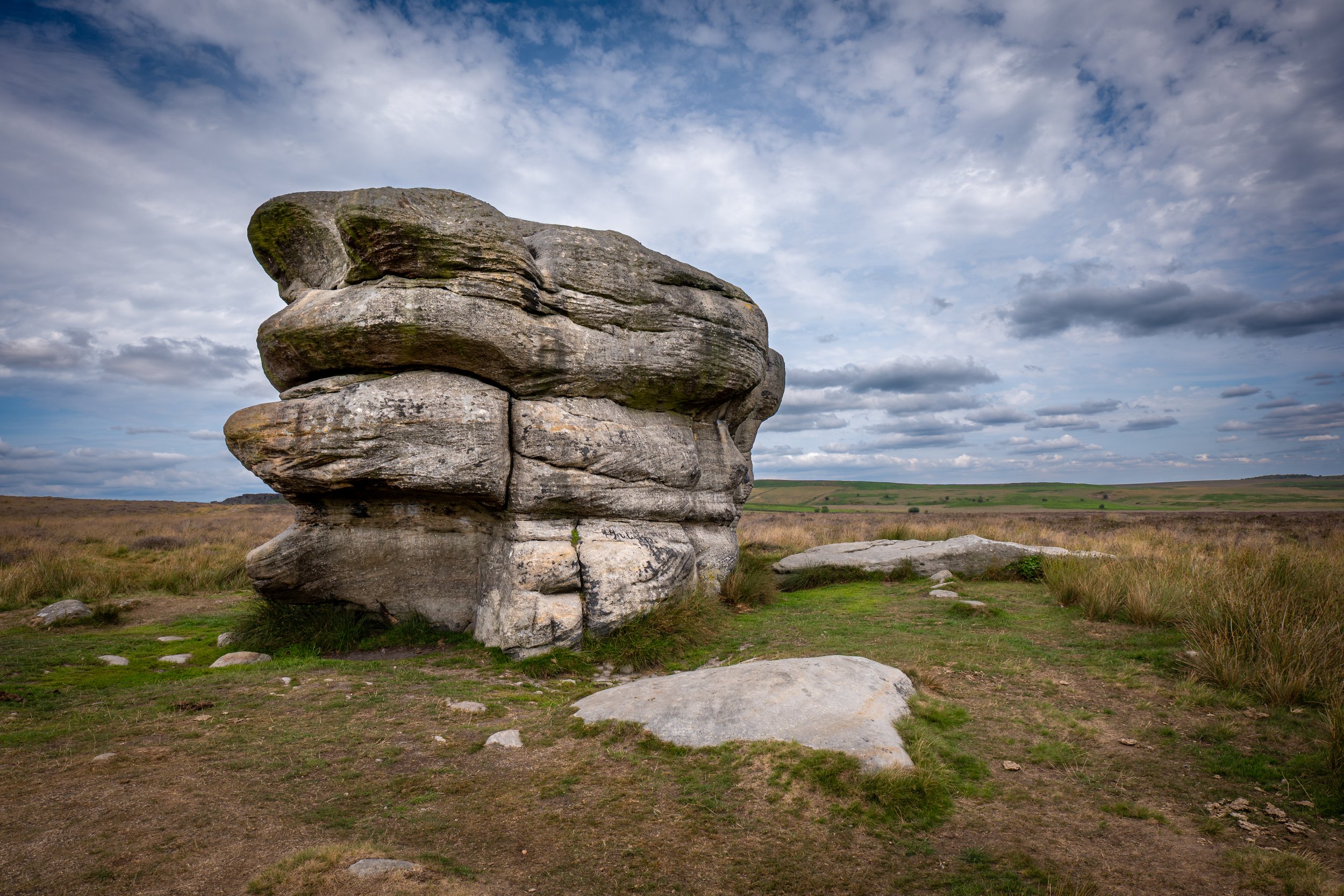
The Eagle Stone, aka the Witch's Stone, the Peak District's largest gritstone boulder, where (inter alia) evil spirits are said to hunt the souls of the dead. Baslow Edge, Derbyshire.
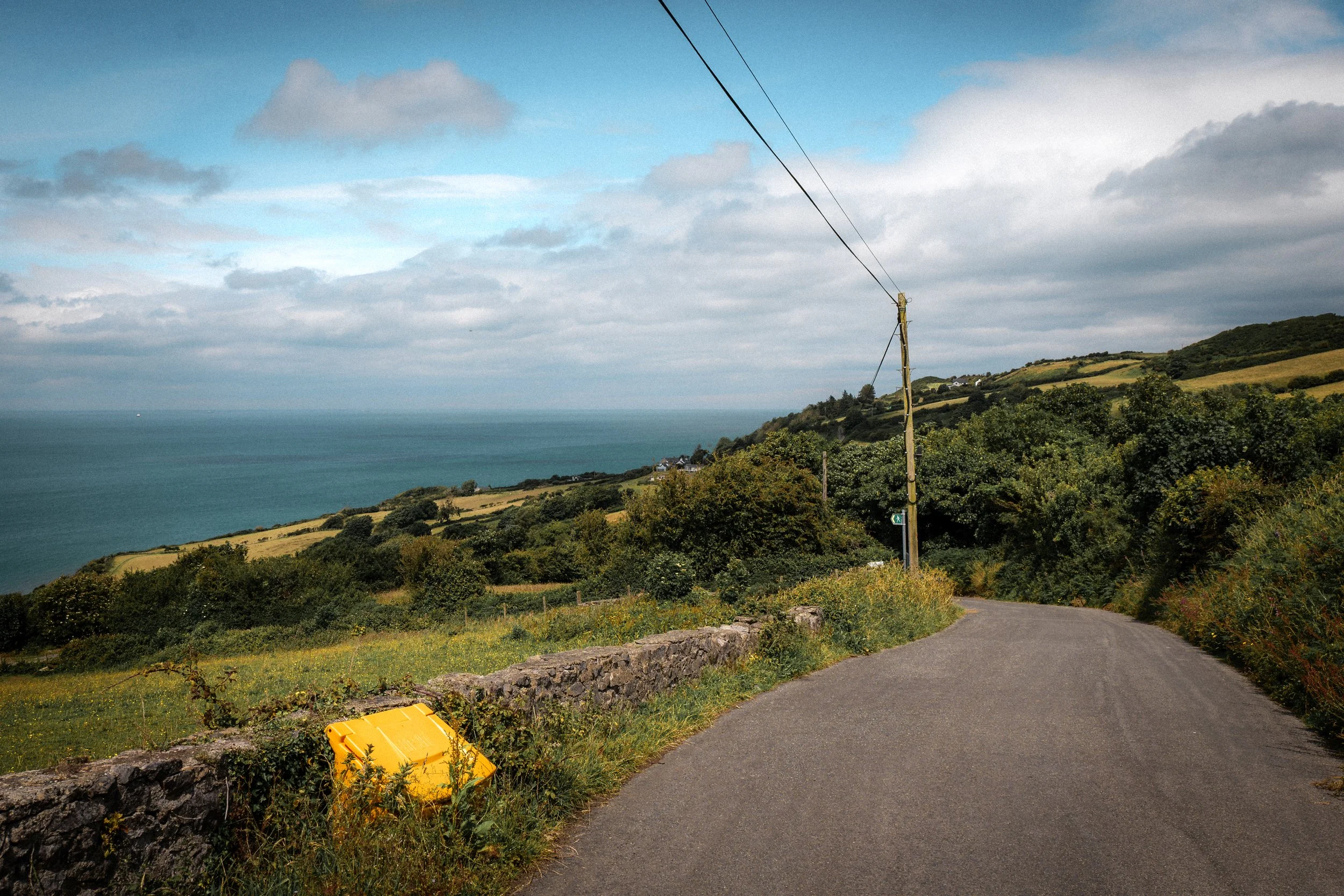
Red Wharf Bay, where a band of Irish cunning folk were shipwrecked in the seventeenth century and subsequently terrorised the local population with malefic magic. Llanddona, Anglesey, Wales.
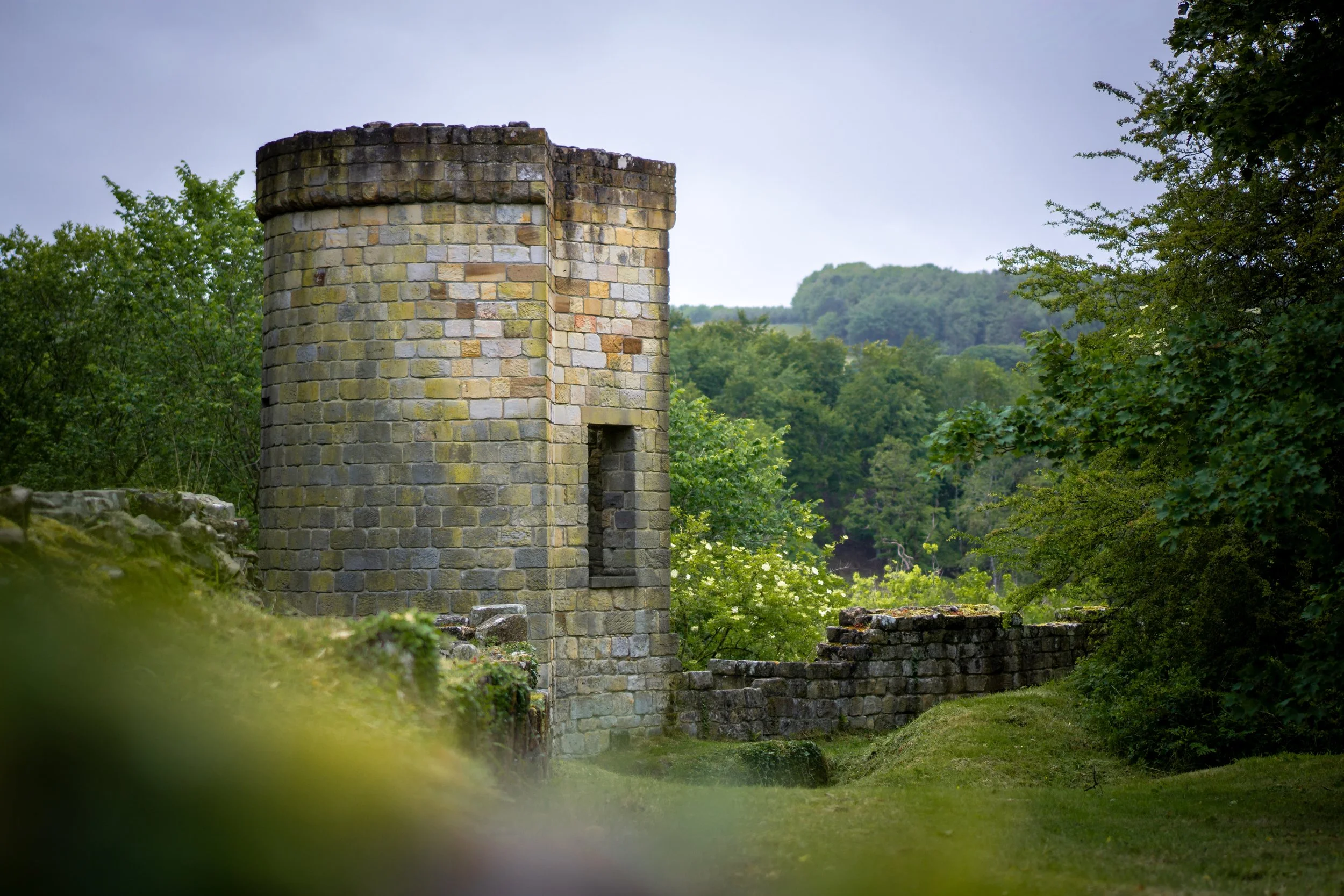
Mulgrave Woods, haunt of the impish Jeanie of Biggersdale or Jeanie the Hag (a fairy or a witch in different tellings). North Yorkshire.