Photographing Three Stone Circles near Birchover
While I wouldn't place myself in the category of ‘megalithophile’ I’m rather partial to a spot of ancient stone-bothering. I’ve bagged a few in the Peak District (Arbor Low and the smaller circles on Bamford, Froggatt, and Hordron Edges), and have visited a couple further afield, including the Avebury complex in Wiltshire and – my favourite so far – the extraordinary Lochbuie standing stones on the Inner Hebridean island of Mull. Much as I enjoy them, I’ve always found them challenging photographically; in the absence of optimal lighting and conditions wide shots invariably fail to convey the energy and drama of the scene, and more intimate studies of specific stones, while easier, tend to elide the context and majesty of the whole. This notwithstanding, feeling the need to add to my collection, and inspired by Fiona Robertson’s exquisite memoir Stone Lands, a month or so ago I went in search of three of Derbyshire’s best-known examples, all within striking distance of the enchanted village of Birchover.
Nine Ladies, Stanton Moor
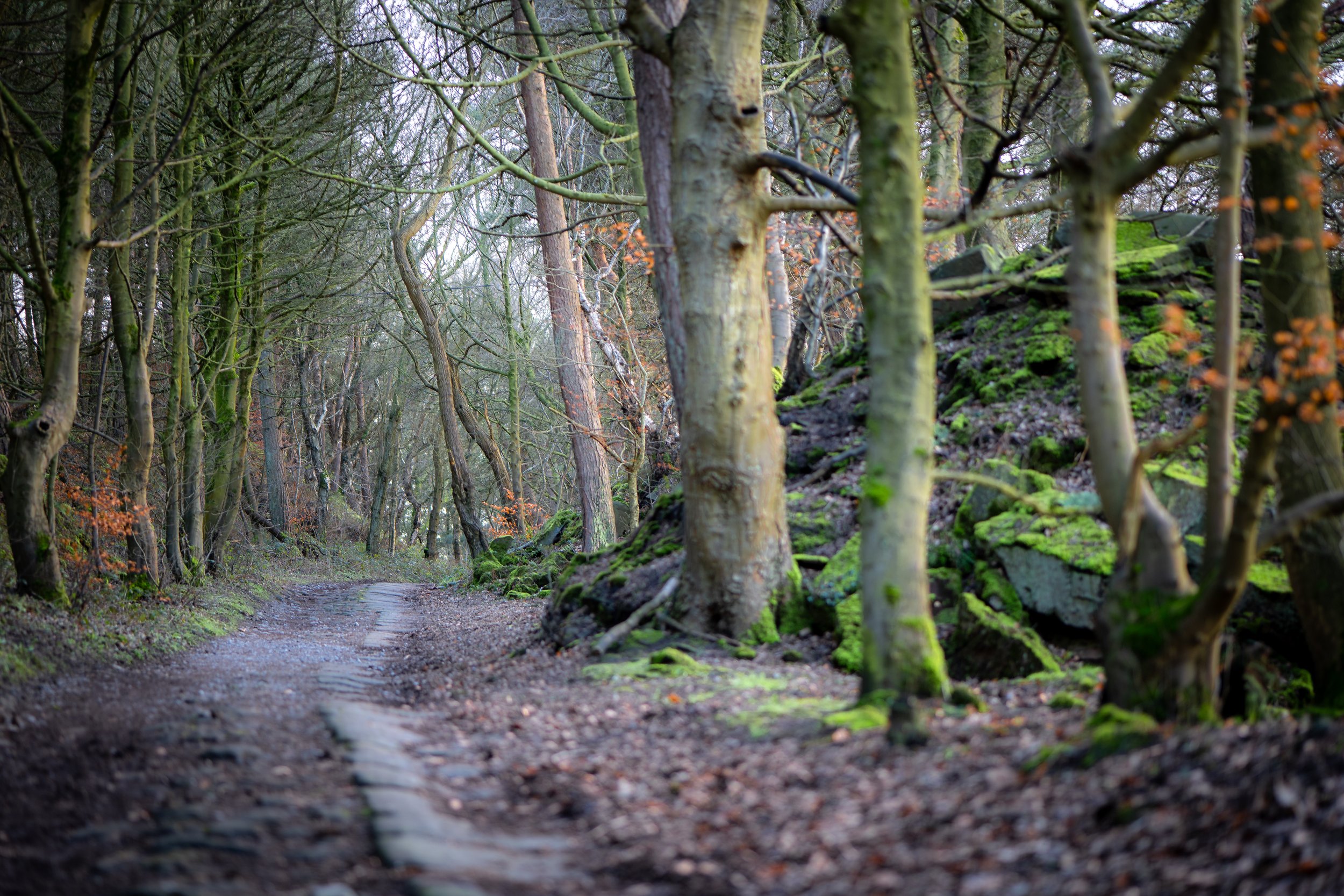
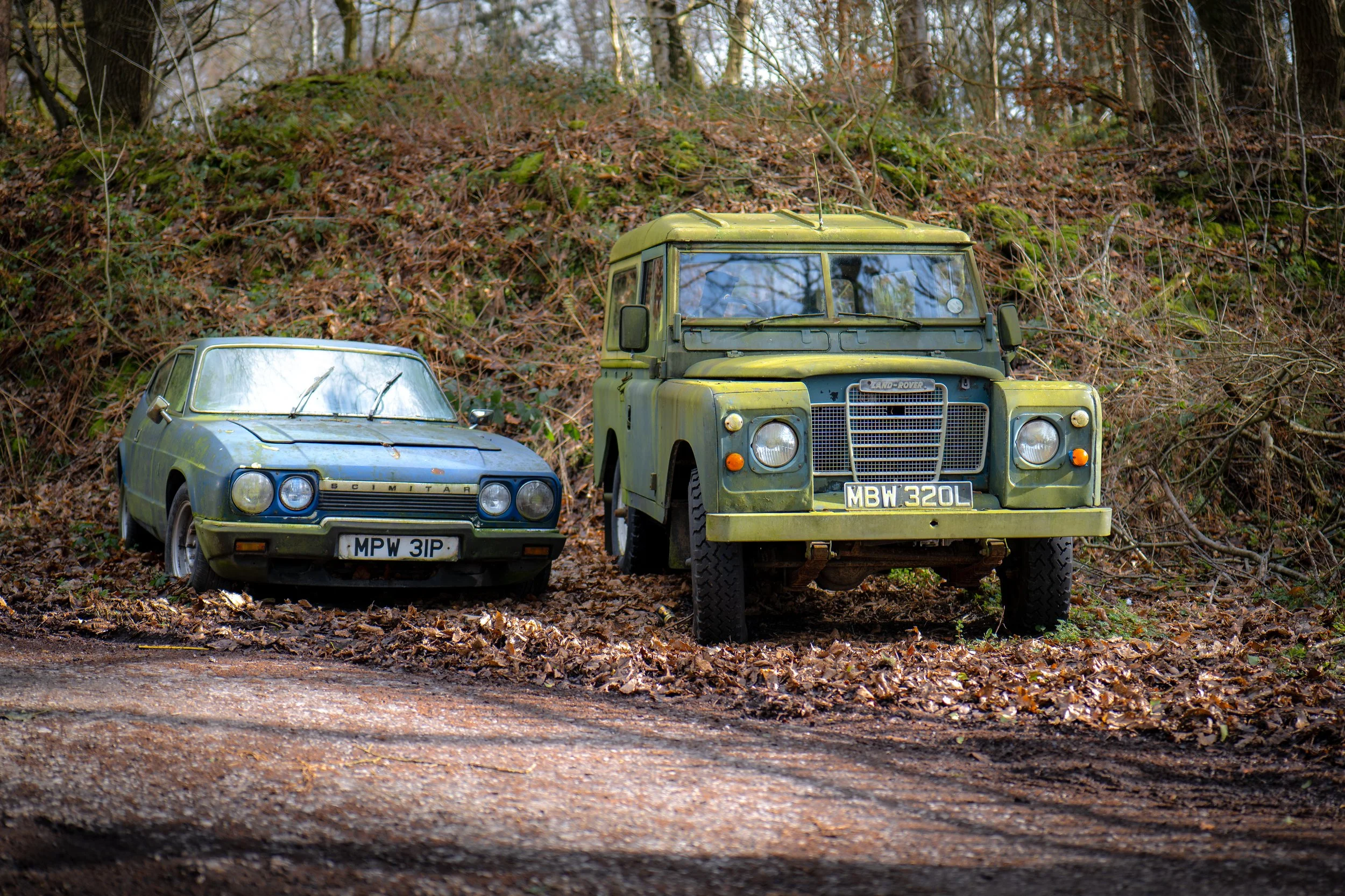
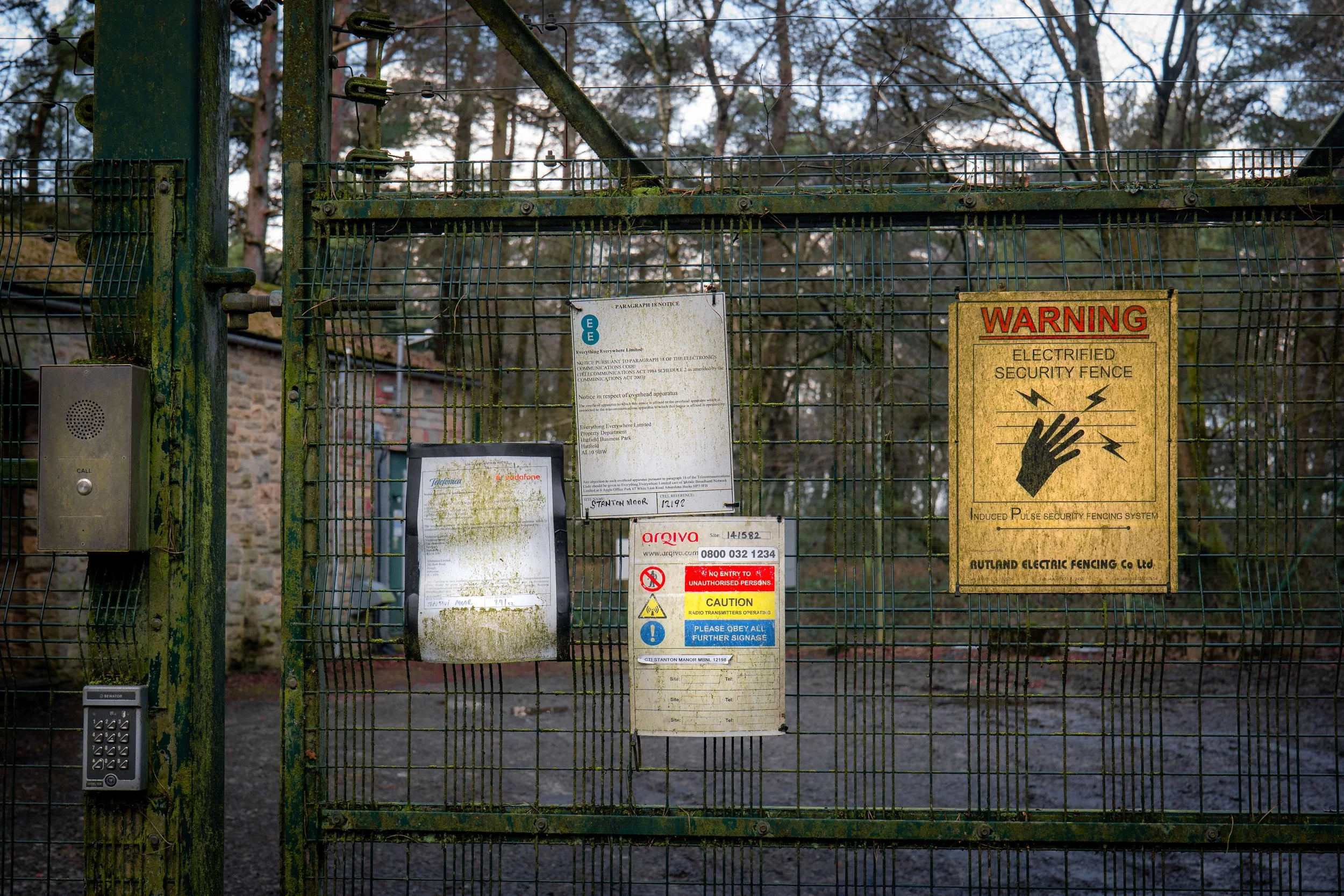
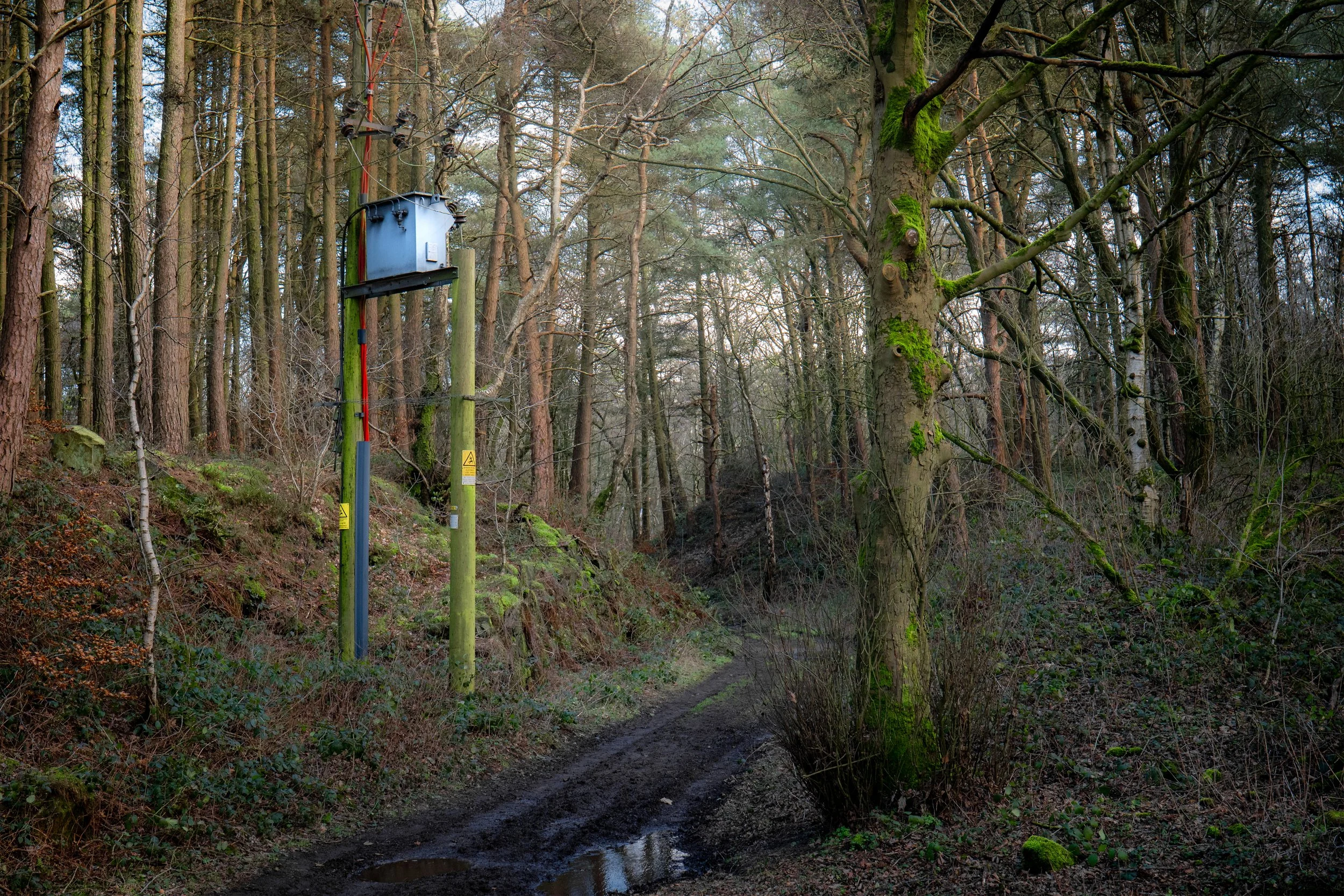
First up was the Nine Ladies on the northern reaches of Stanton Moor, a fascinating slab of gritstone upland studded with sites of archaeological and folkloric interest. There’s a familiar landscape legend attached; the stones were apparently young maidens who were petrified for the crime of dancing on the Sabbath. We approached them from the tiny village of Stanton in Peak, ascending through an evocative forest made more interesting by a car salvage yard, and an electricity substation and associated pylons (the atmosphere was, quite literally, charged). The nine surviving stones are arranged around a shallow, springy mound in a bracken-fringed clearing and – like most Peak District examples – are small in stature, almost demure. A family was picnicking on them when we arrived; one thing I’ve observed at megaliths is the apparently irrepressible human urge to smear oneself all over them (hugging, kissing, and mounting them at Avebury; basking on them like lizards at Arbor Low; or eating lunch on them as here). Once the group moved on I snagged a shot, but I’m not entirely happy with it; while the winter light’s quite nice I find denuded trees quite visually unappealing (although silver birches work better than other species), and think the narrow band of highlight in the sky is distracting.
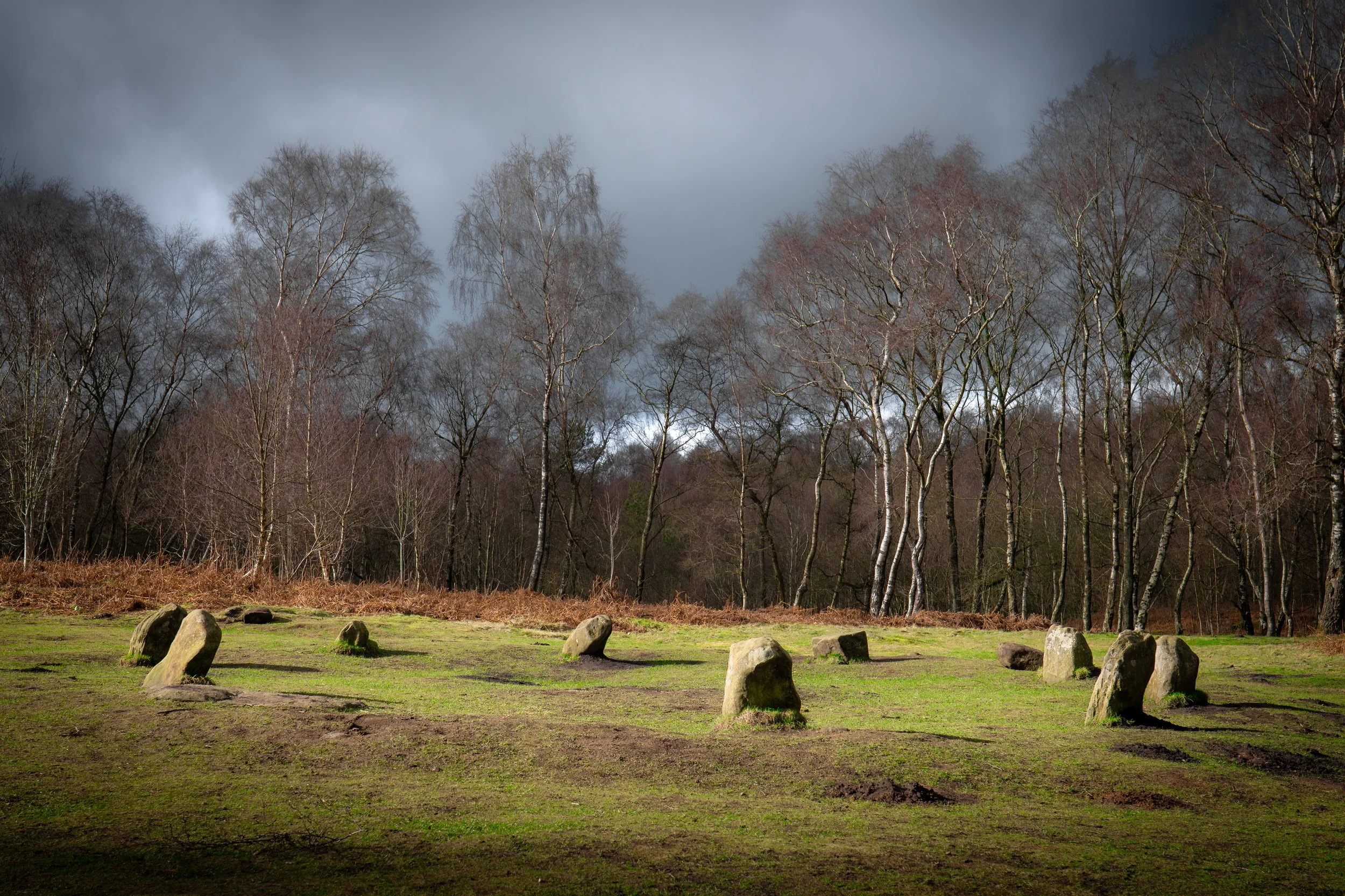
Nine Ladies, Stanton Moor, Derbyshire.
Nine Stones Close, Harthill Moor
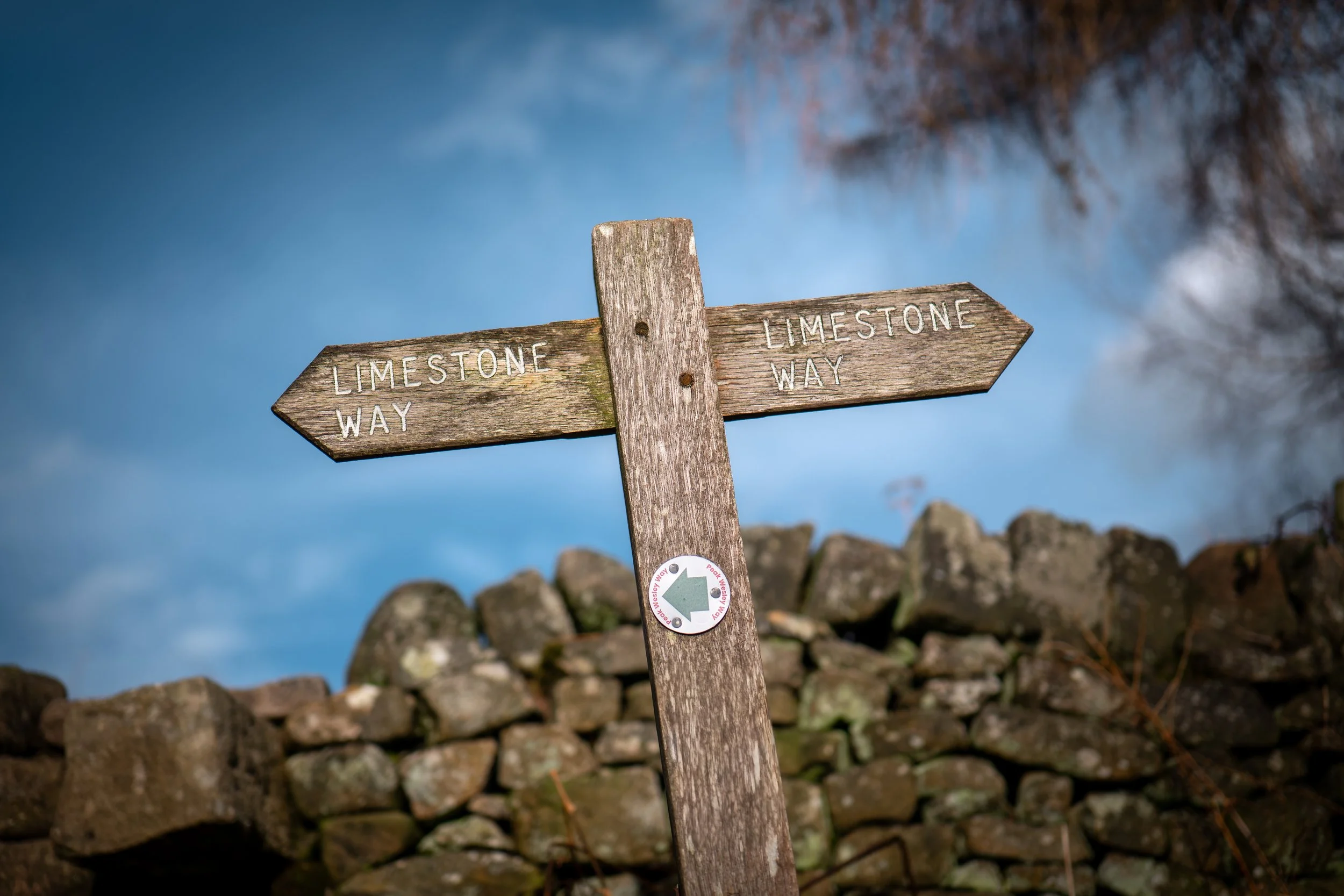
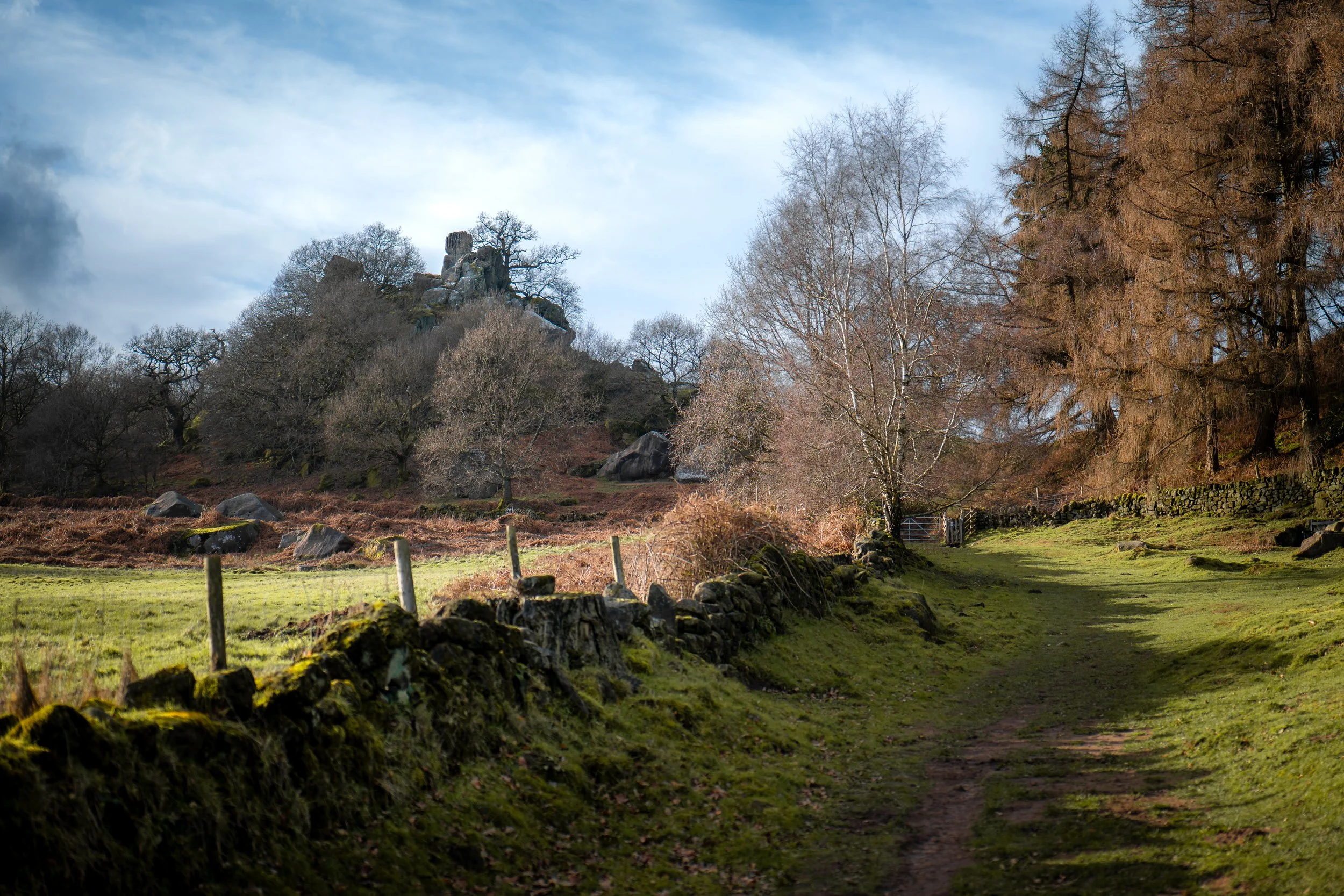
After waiting half an hour for the world’s worst and most expensive coffee at a hostelry that shall remain nameless we struck out for the second stone circle, Nine Stones Close on Harthill Moor on the other side of the valley. Consisting of four rather more statuesque stones in the protective shadow of an ancient oak, they’re less famous than the Nine Ladies but even more interesting in folkloric terms; they’re believed to be the haunt of fairies, with reports of hundreds of dancing fairies, of the ethereal music of ‘fairy pipes’, and of an agricultural labourer who was transported to ‘fairyland’ after smoking a tobacco pipe against one of the megaliths. We approached them via the Limestone Way, flanked by Cratcliffe Tor on the right, which contains a hermit’s cave, and the imposing and irregular mound of Robin Hood’s Stride, sometimes called Mock Beggar’s Hall, to the left. It was overcast when we arrived at the gently sloping meadow the stones call home, but my patience was rewarded when the late afternoon sun finally poked out and illuminated their western faces, rendering them jewel-like. No fairies though, more’s the pity.
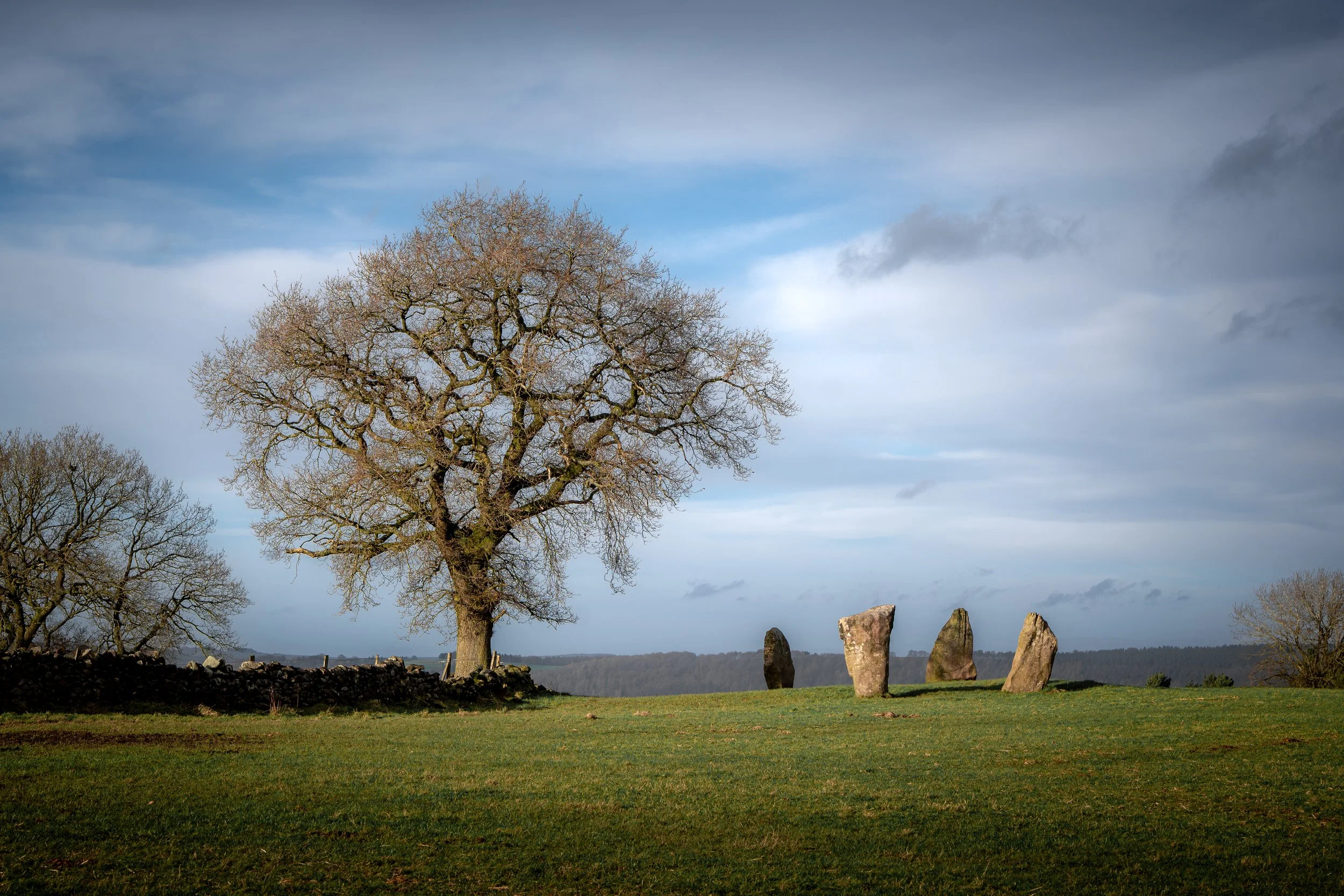
Nine Stones Close, Harthill Moor, Derbyshire.
Doll Tor, Stanton Moor
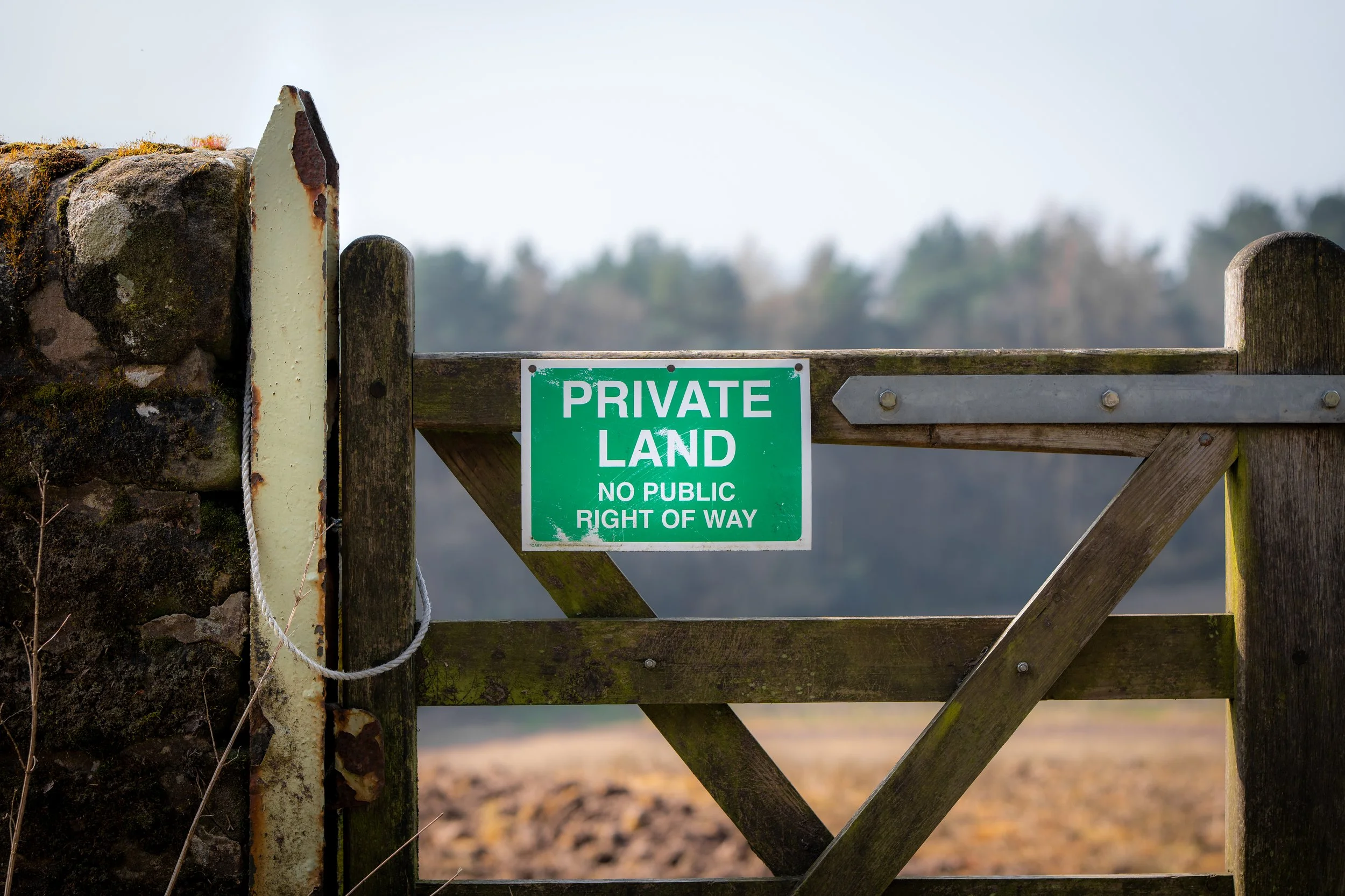
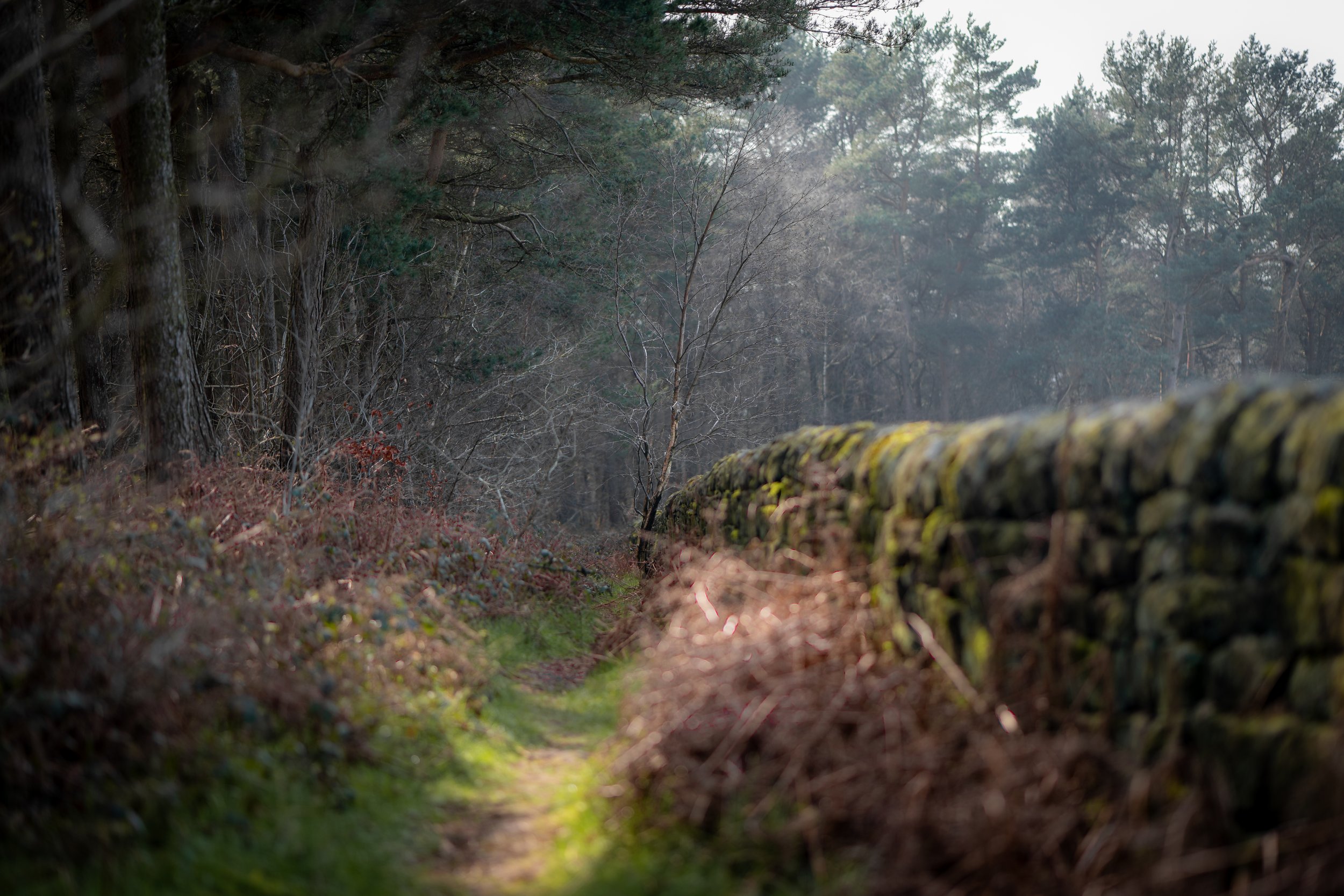
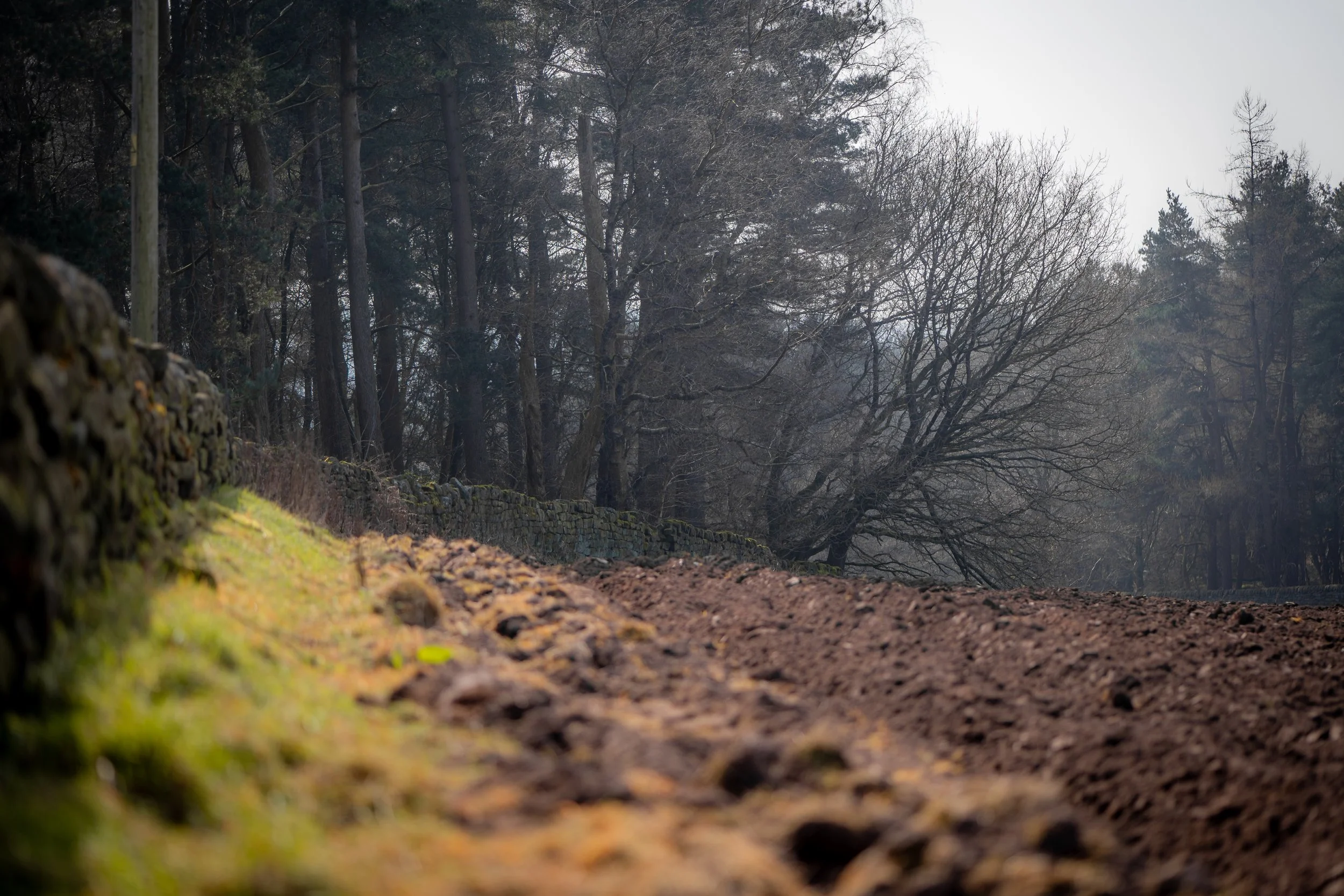
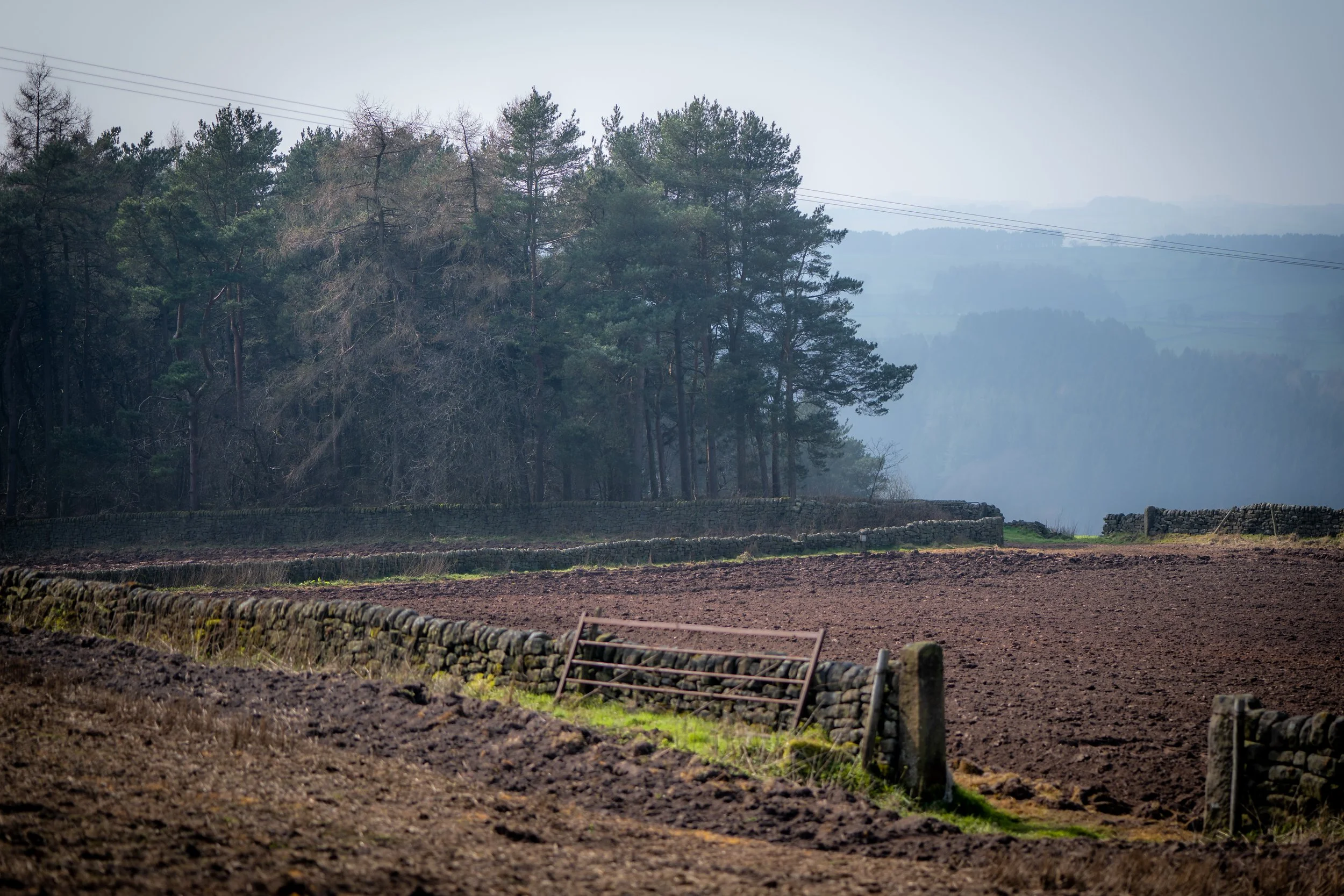
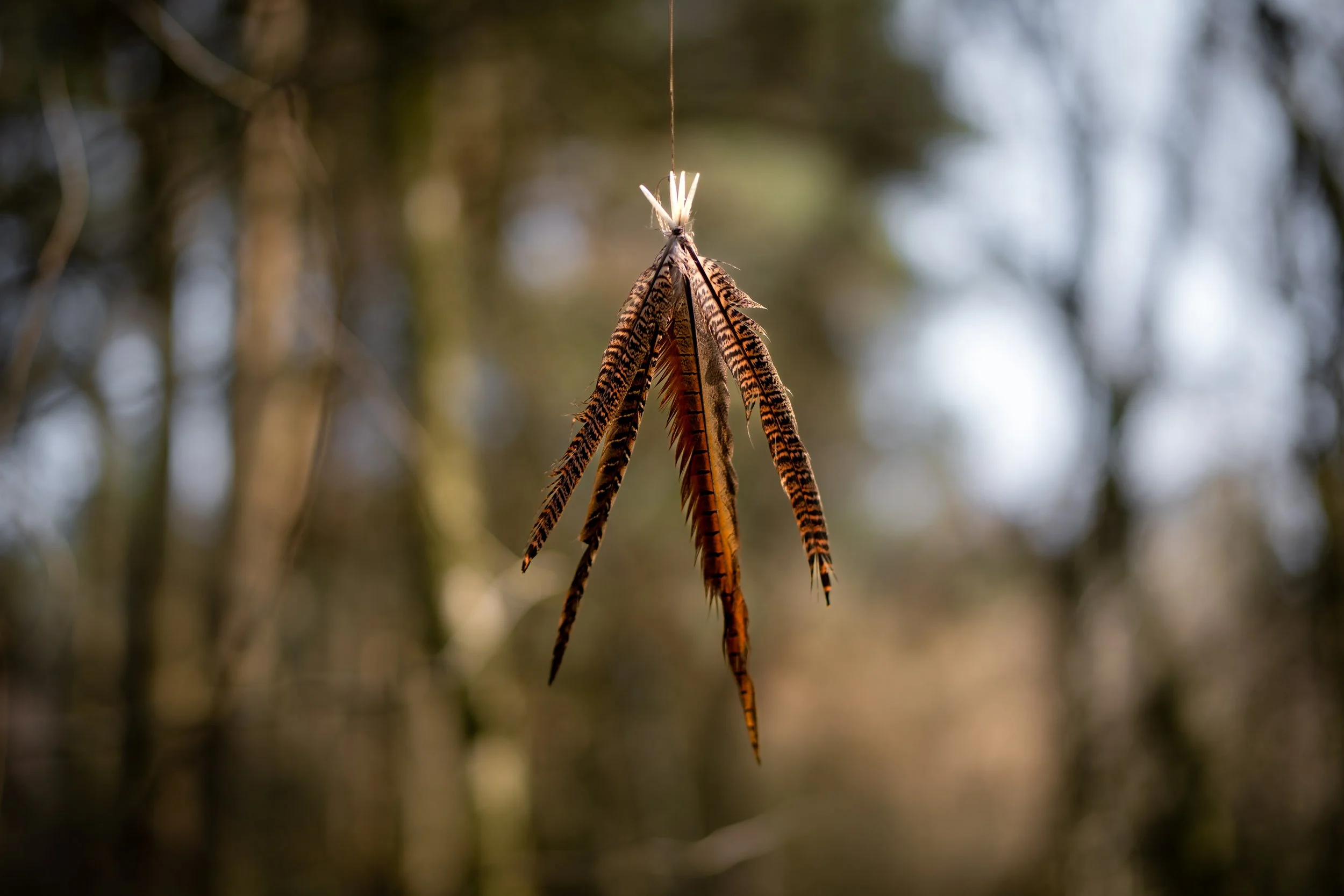
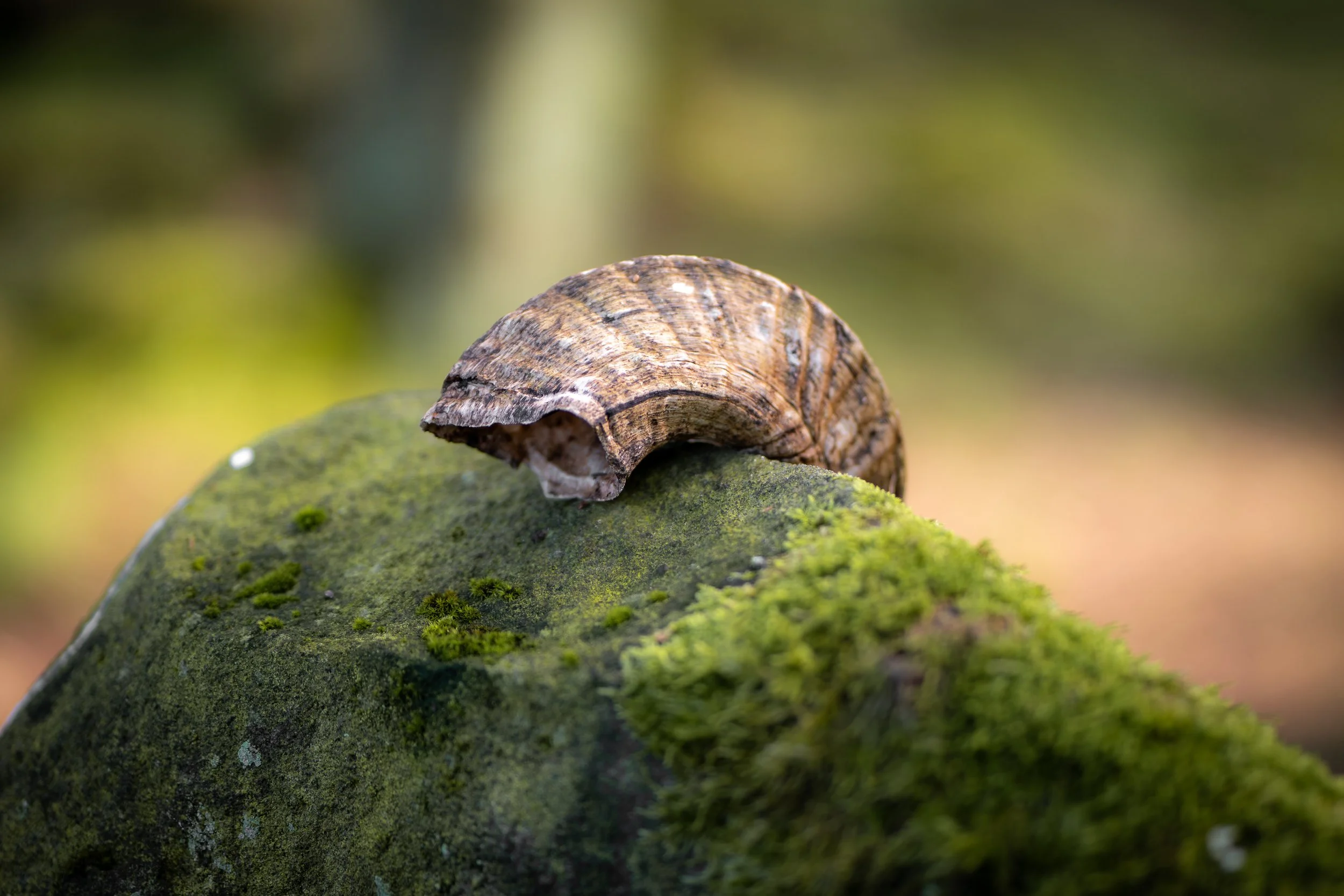
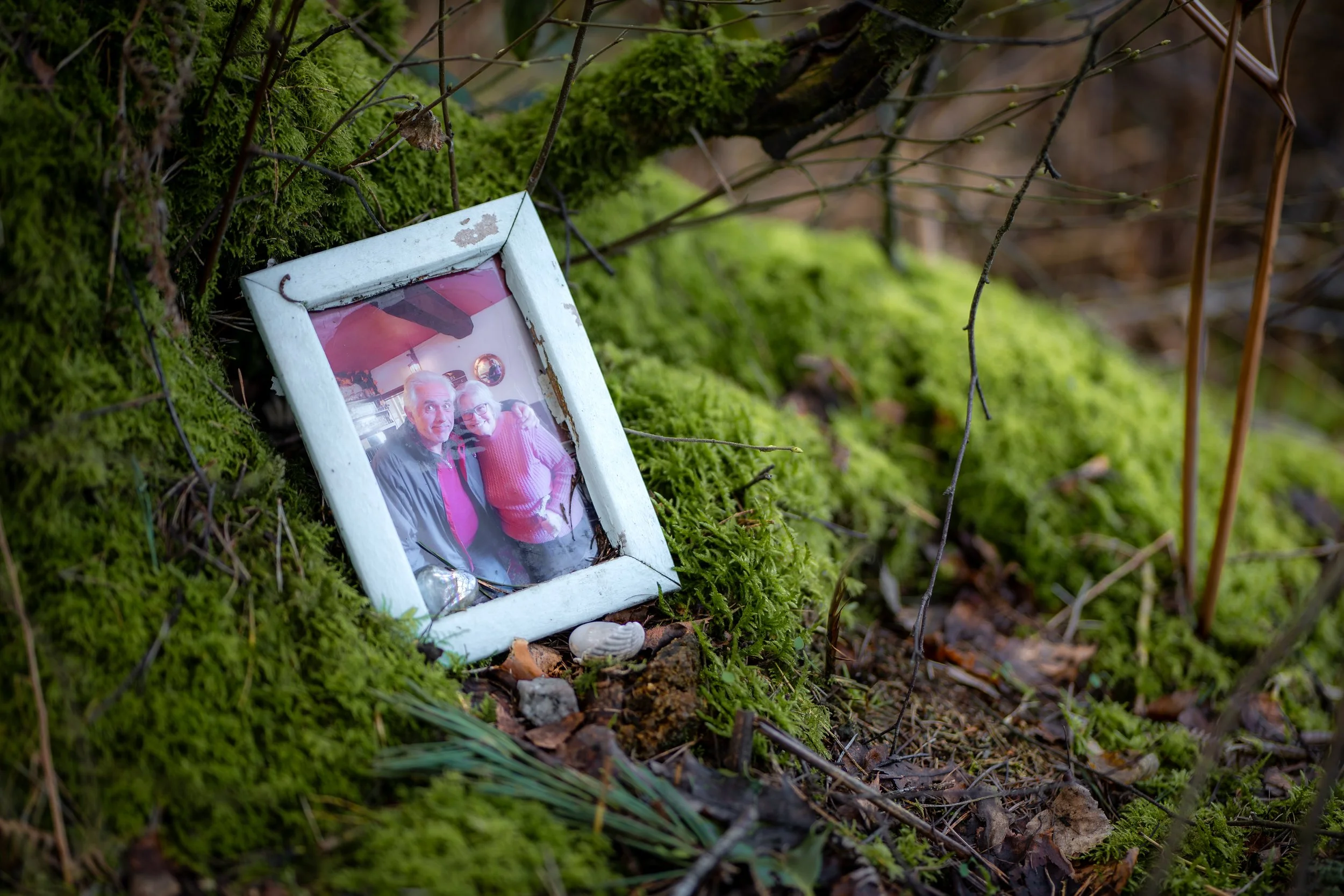
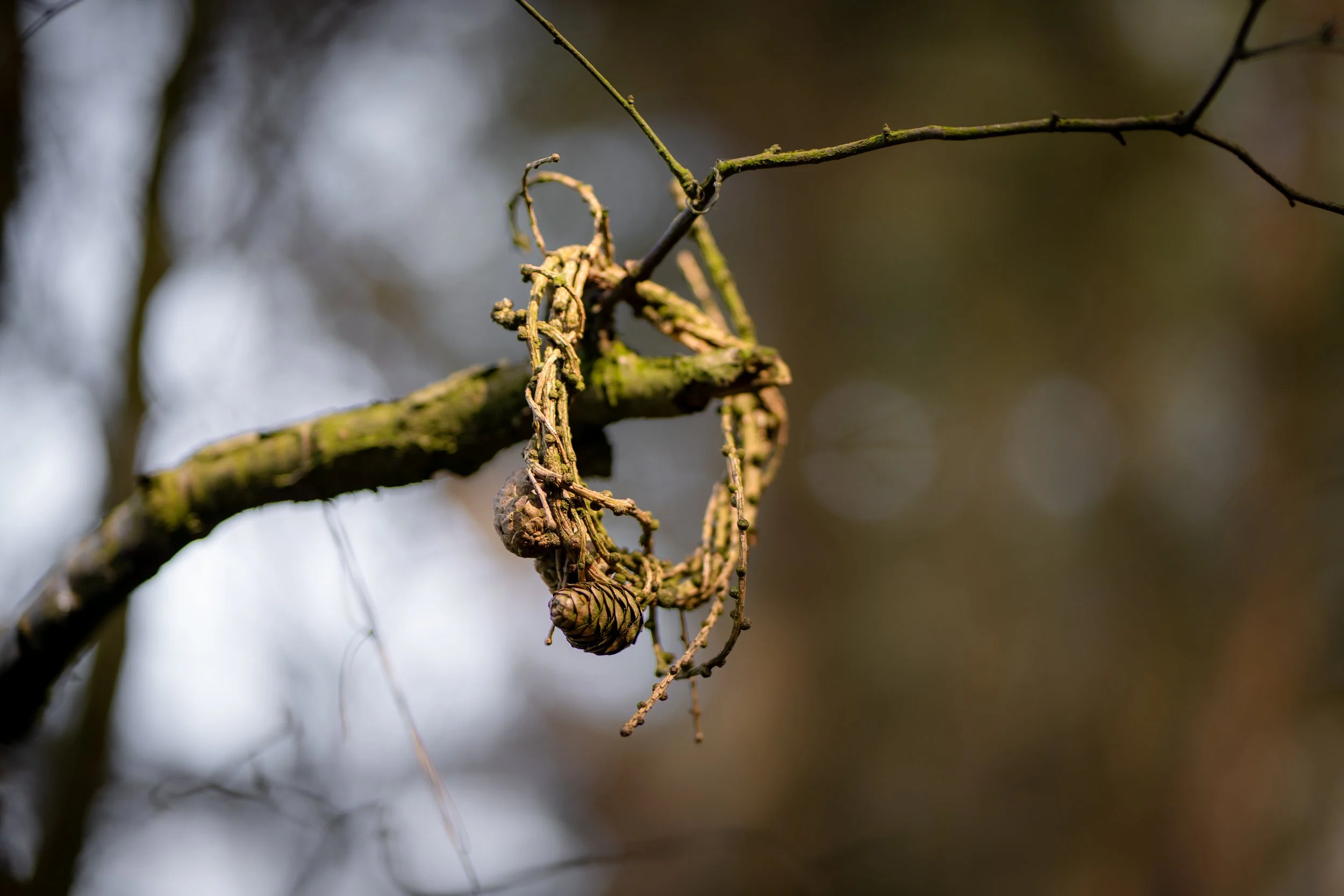
The third and final circle in the circuit – which, feeling ‘stoned out’, we tackled on a separate trip – is the wonderfully named Doll Tor, which can be found nestled in a small coniferous woodland just to the west of Stanton Moor proper. It’s technically on private land, and my heart sank when I spotted the farmer ploughing the very field we needed to stomp across, but I needn’t have worried; he cheerfully waved us through and even gave us directions (and seemed very used to stone enthusiasts). I’m so glad he did, because we definitely saved the best until last. The circle’s tiny – appropriately, almost doll-like – but possesses a phenomenal presence and intensity, enhanced considerably by the spooky forest setting. Votive offerings in the form of pebbles, feathers, flowers, wreaths, ram’s horns, and photographs have been placed on the stones and suspended from surrounding branches; the scene’s been described as Blair Witch-like, but it actually put me more in mind of Hereditary (2018). While trudging back to the road an eerie little tune carried on the breeze; I was hoping it might have been the Nine Stones Close fairy pipes, but it turned out to be an aged flautist installed under an elder tree on the western flank of Stanton Moor.
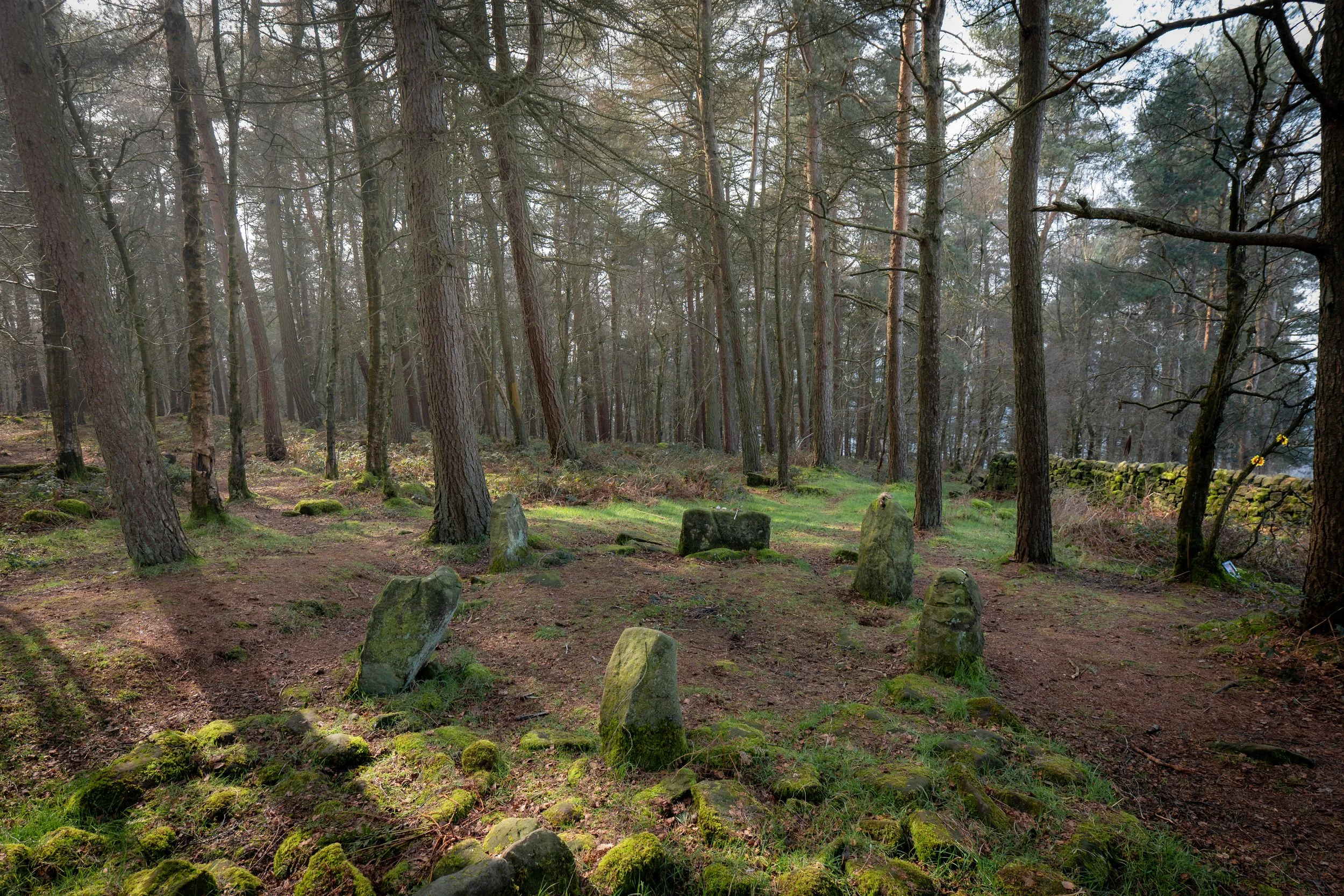
Doll Tor, Stanton Moor, Derbyshire.
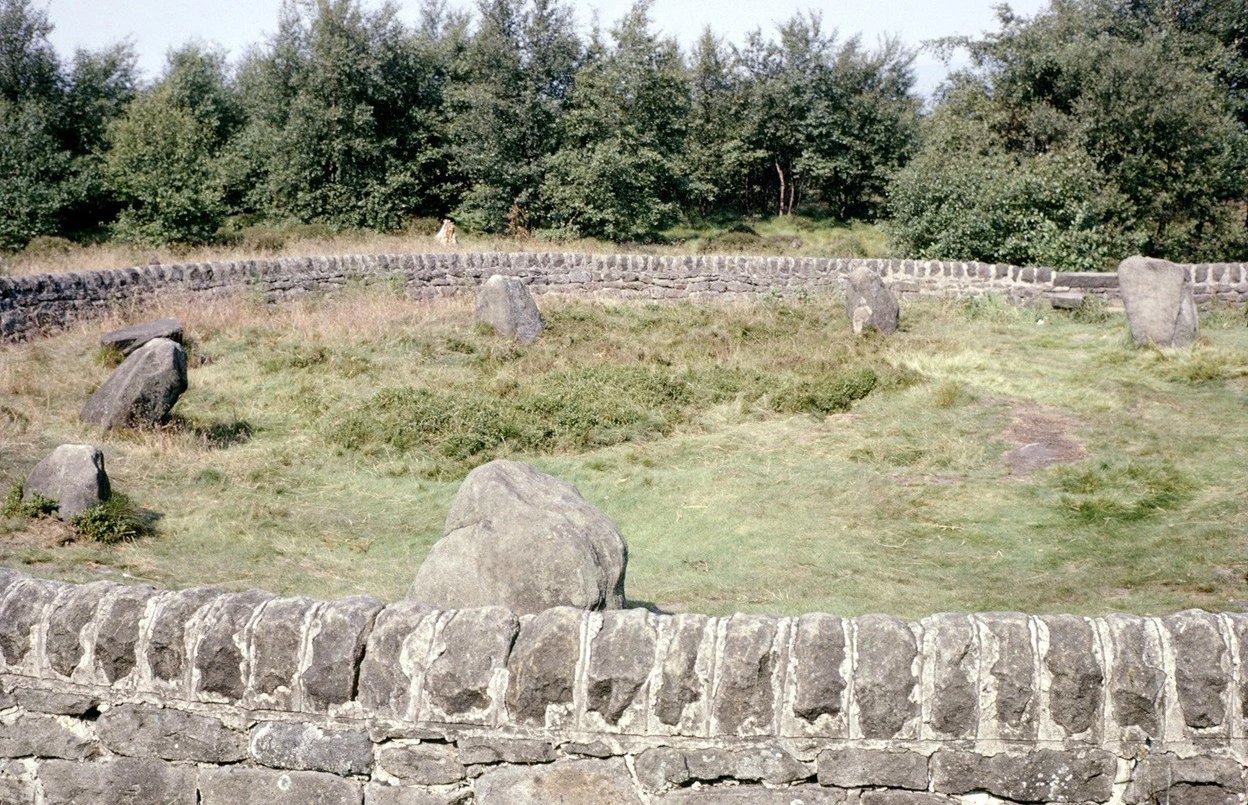
I couldn’t locate any postcards depicting these stone circles – given the celebrity status of the Nine Ladies in particular this surprised me – although I found this 1963 photograph of the latter site by Don Farnsworth on the Bluesky account of Derbyshire Record Office, which shows that at this point the stones were enclosed by a ghastly brick wall (thankfully now demolished).