The Stone Faces of Storrs Wood
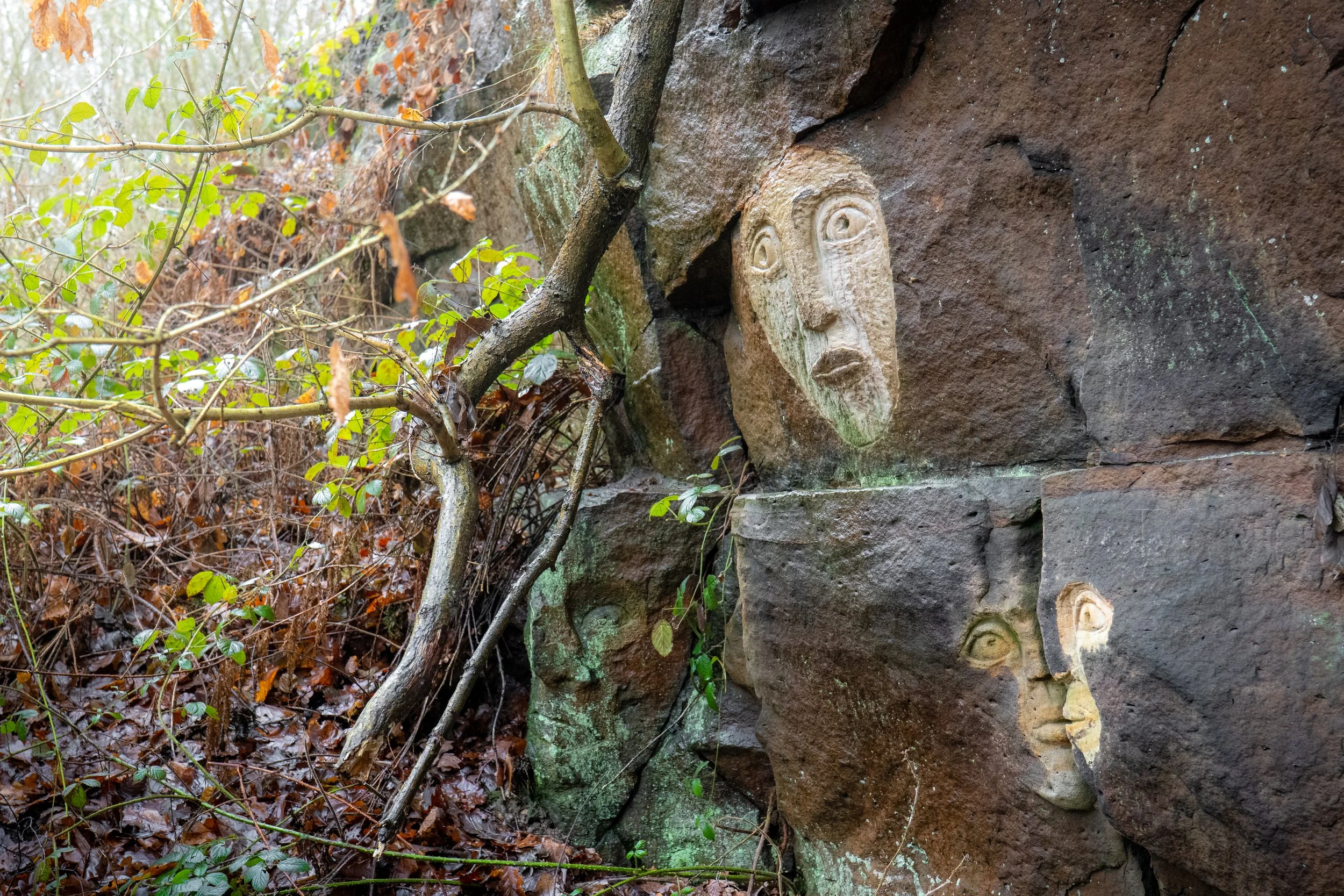
Storrs Wood, Cudworth, South Yorkshire.
I’ve always had a fascination for curious stone faces, a predilection that goes beyond the uncanny valley. I think it has to do with Return to Oz (1985), Walter Murch’s much darker and more unhinged sequel to the 1939 original, to which I was exposed at an early age. In this classic slice of 80s nightmare fuel, the evil Nome King, himself a sort of rock monster, uses a surveillance network of stone minions to spy on Dorothy and her ragtag band of friends as they approach the Emerald City, which appear throughout the film as scowling claymation faces on mountain surfaces and boulders.
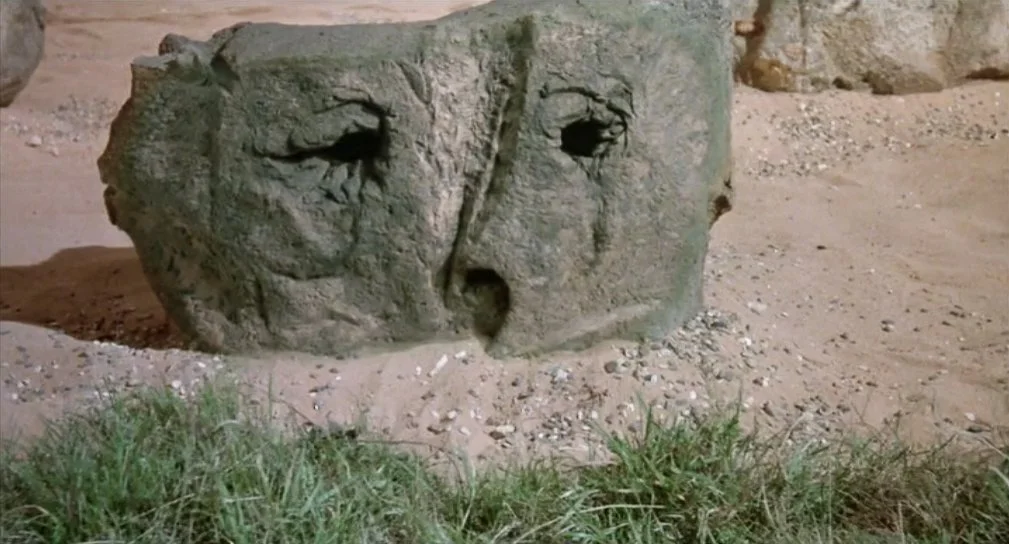
Screengrab from Return to Oz (1985) depicting one of the Nome King’s stone spies materialising on a rock in the Deadly Desert. Via Reddit.
Whatever the origins of my interest, I love them dearly. I’ve already photographed a few in the north of England, all of which can be found in the folklore and landscape legends section (where I feel they belong): the Wizard of the Stone Pit at Faugh’s Quarry in Pendle; the mysterious Face Stone on Urra Moor in the North York Moors; the faint bearded countenance of a sorcerer on the Wizard’s Well at Alderley Edge; while on a recent trip to photograph a witch-related site in Ledston near Leeds I was waylaid by an excellent example in Back Newton Woods (a serendipitous discovery on Google Maps). While these are lone carvings, a veritable throng of faces can be found in Storrs Wood, just to the south of the substantial pit village of Cudworth on the outskirts of Barnsley.
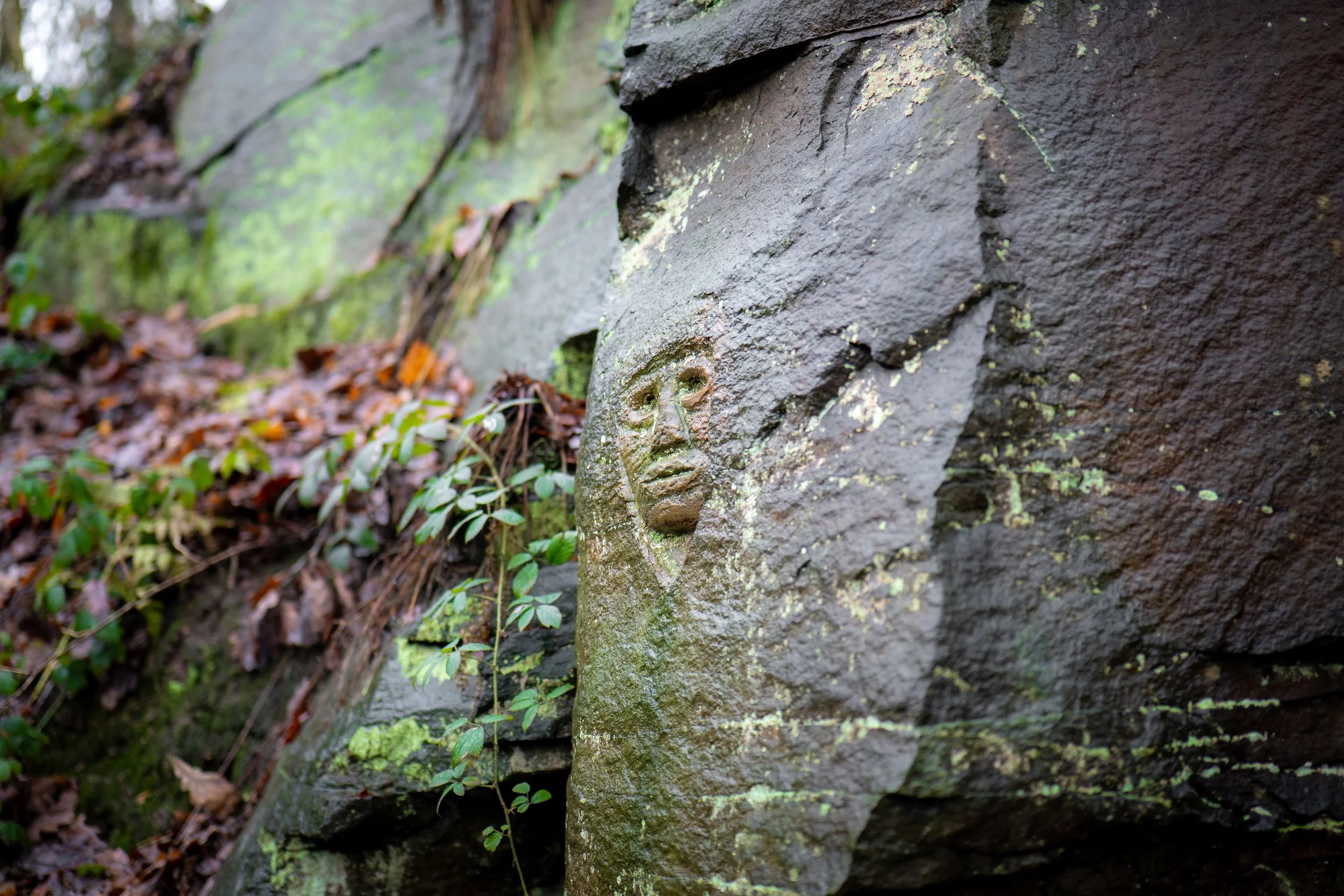
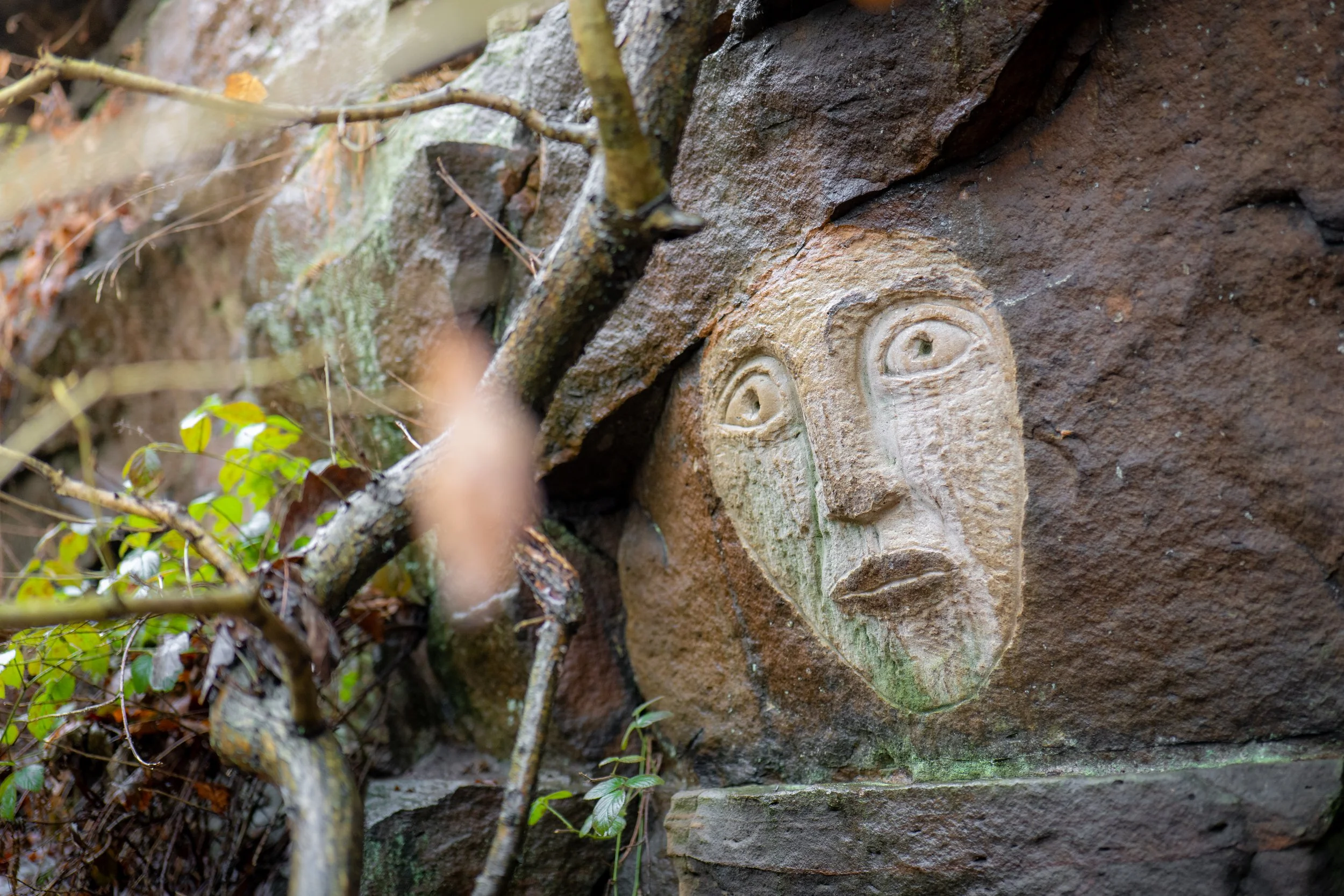
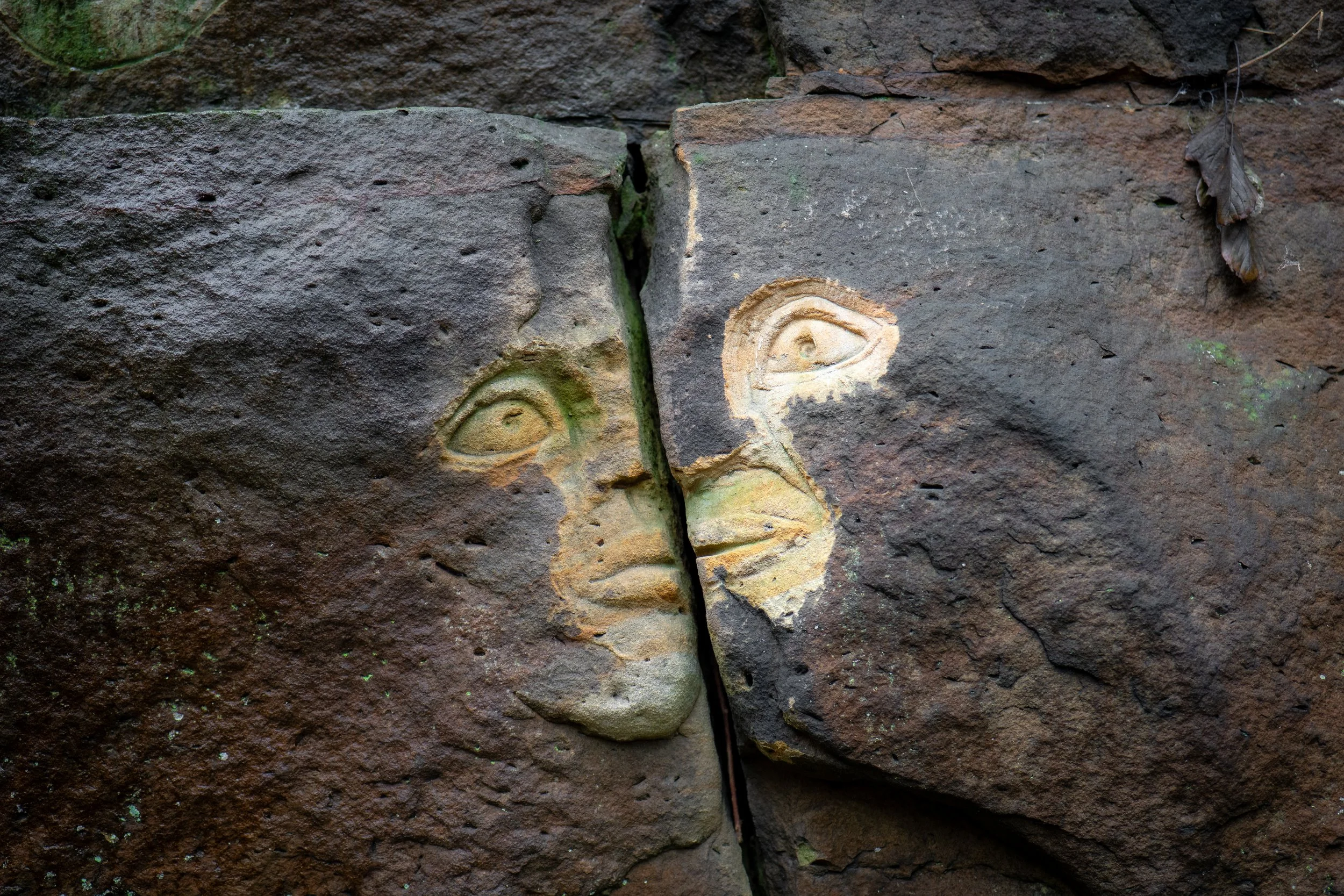
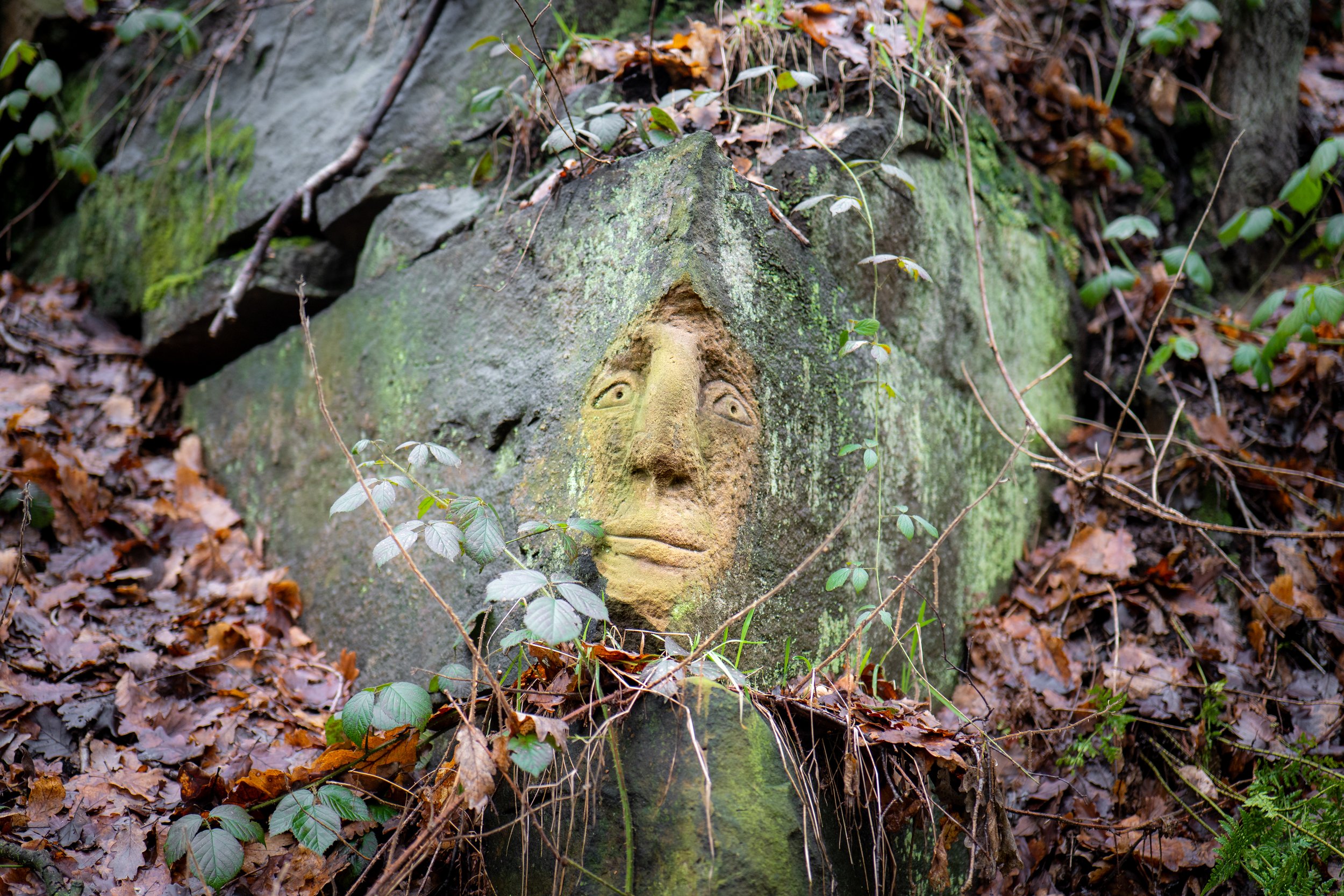
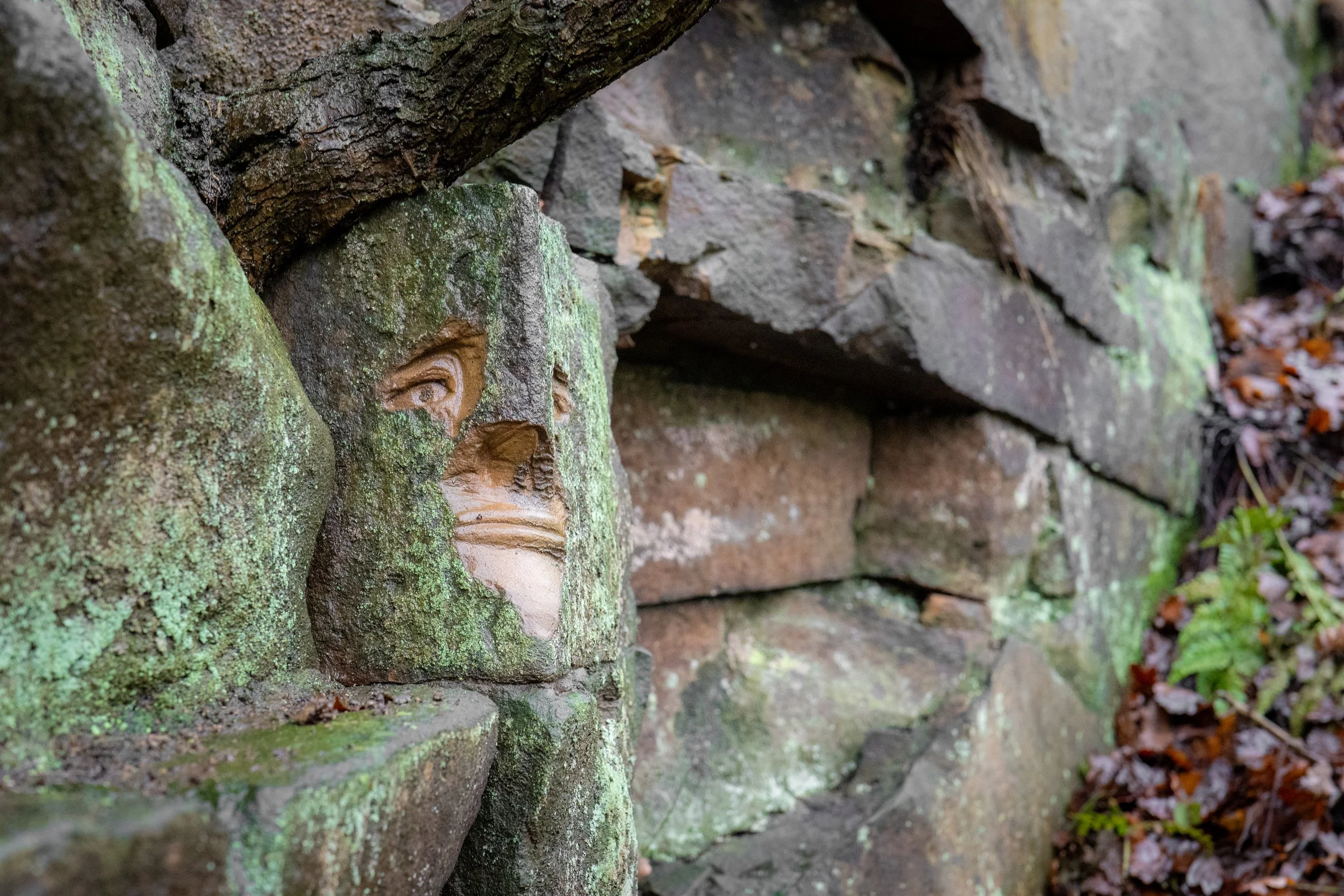
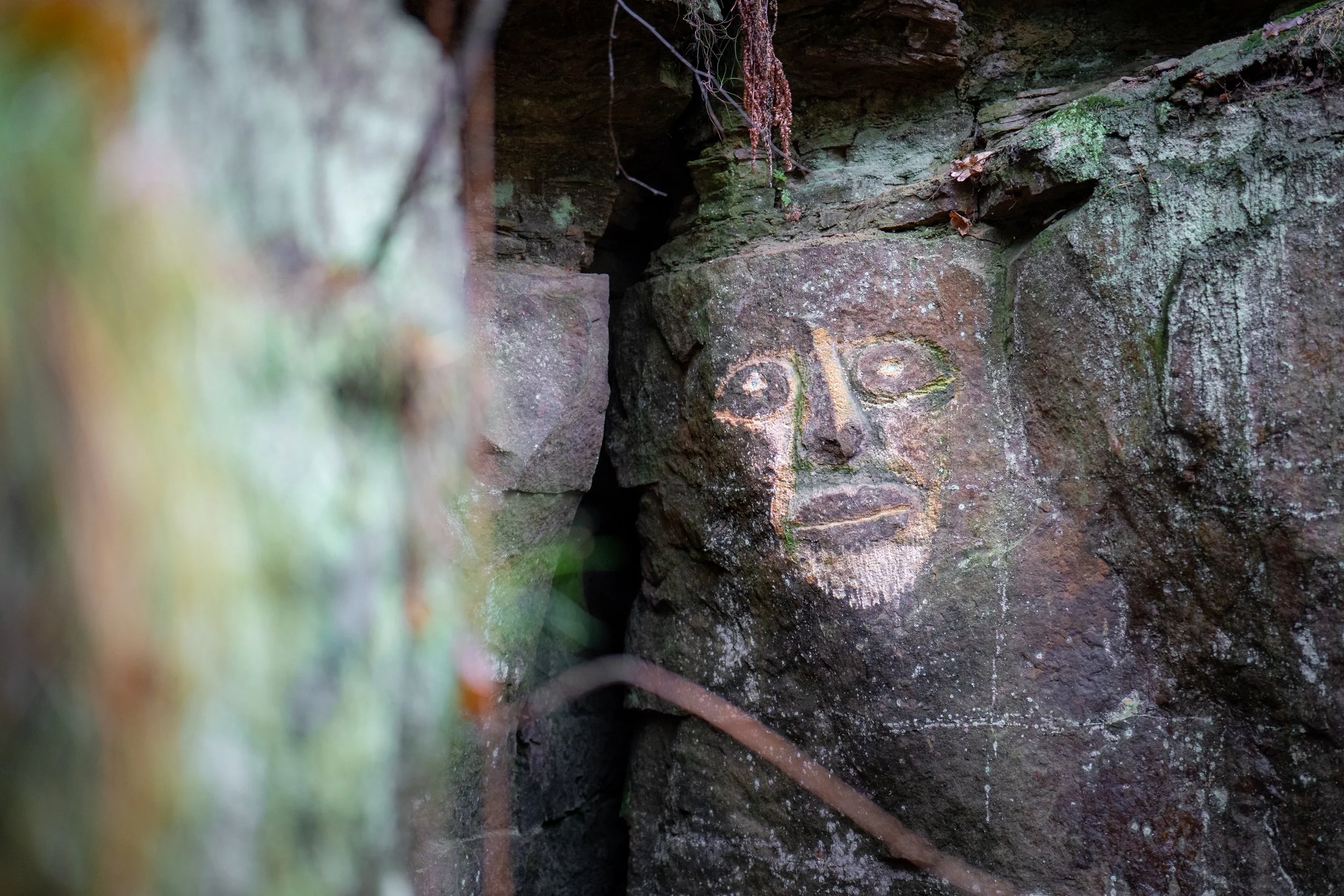
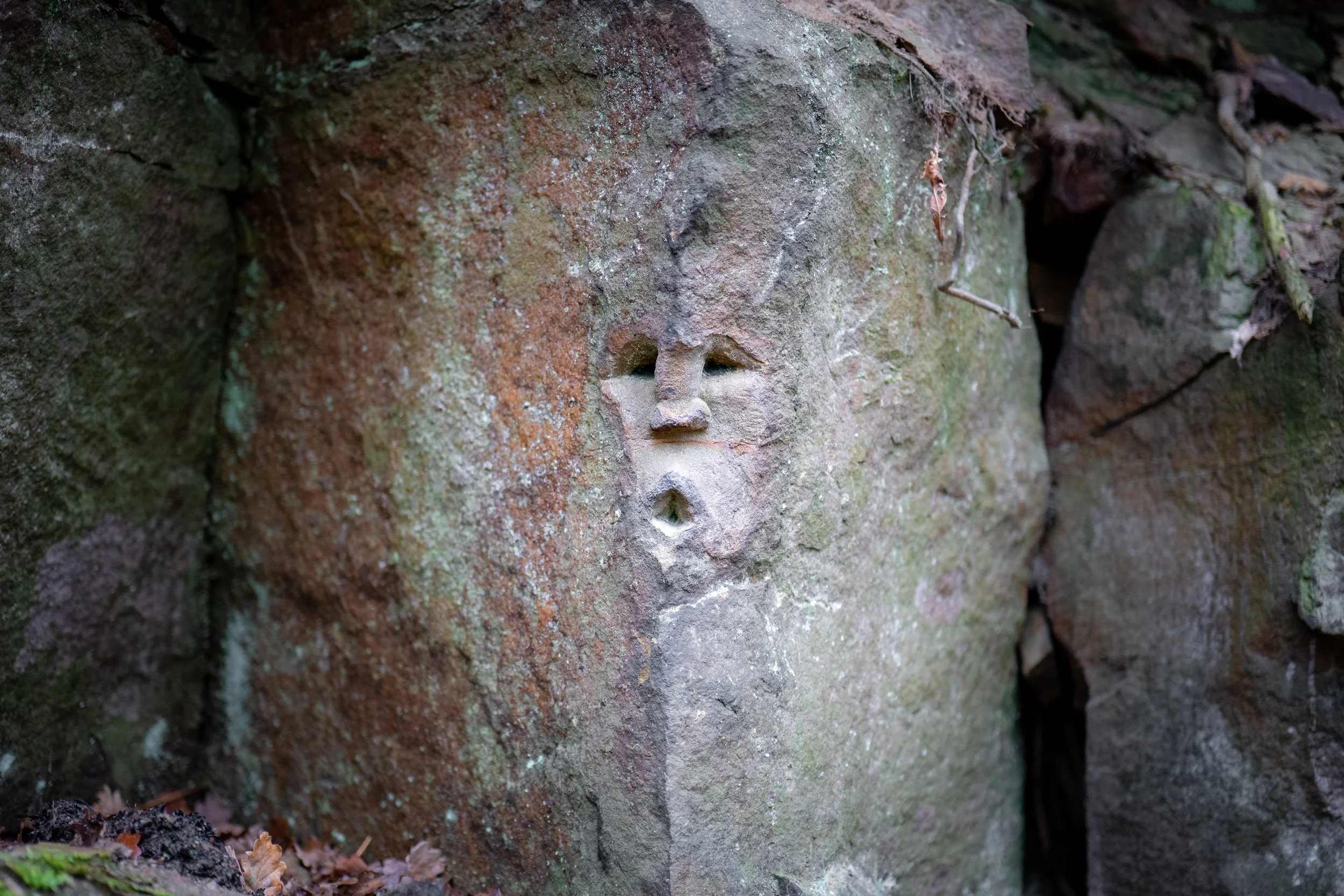
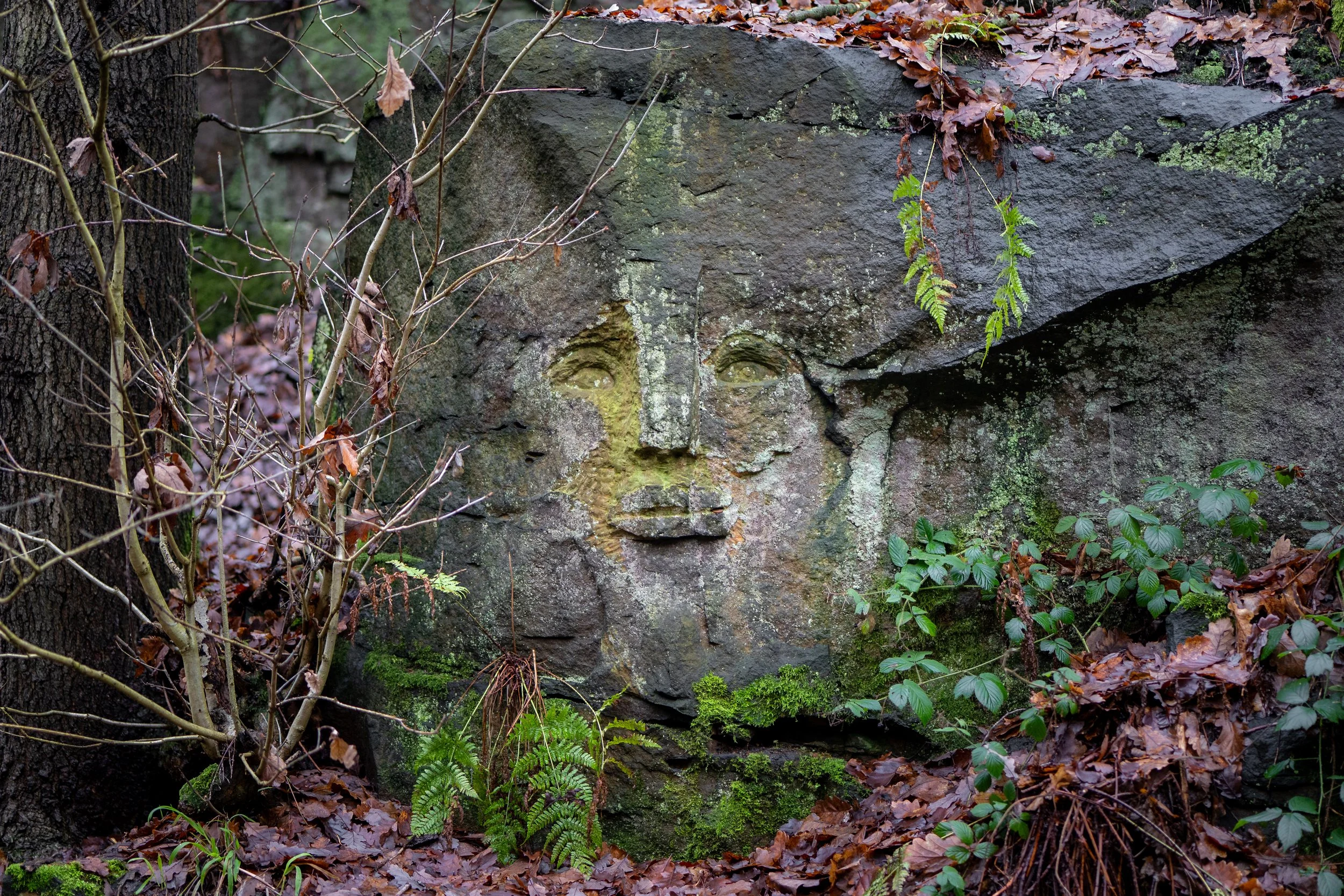
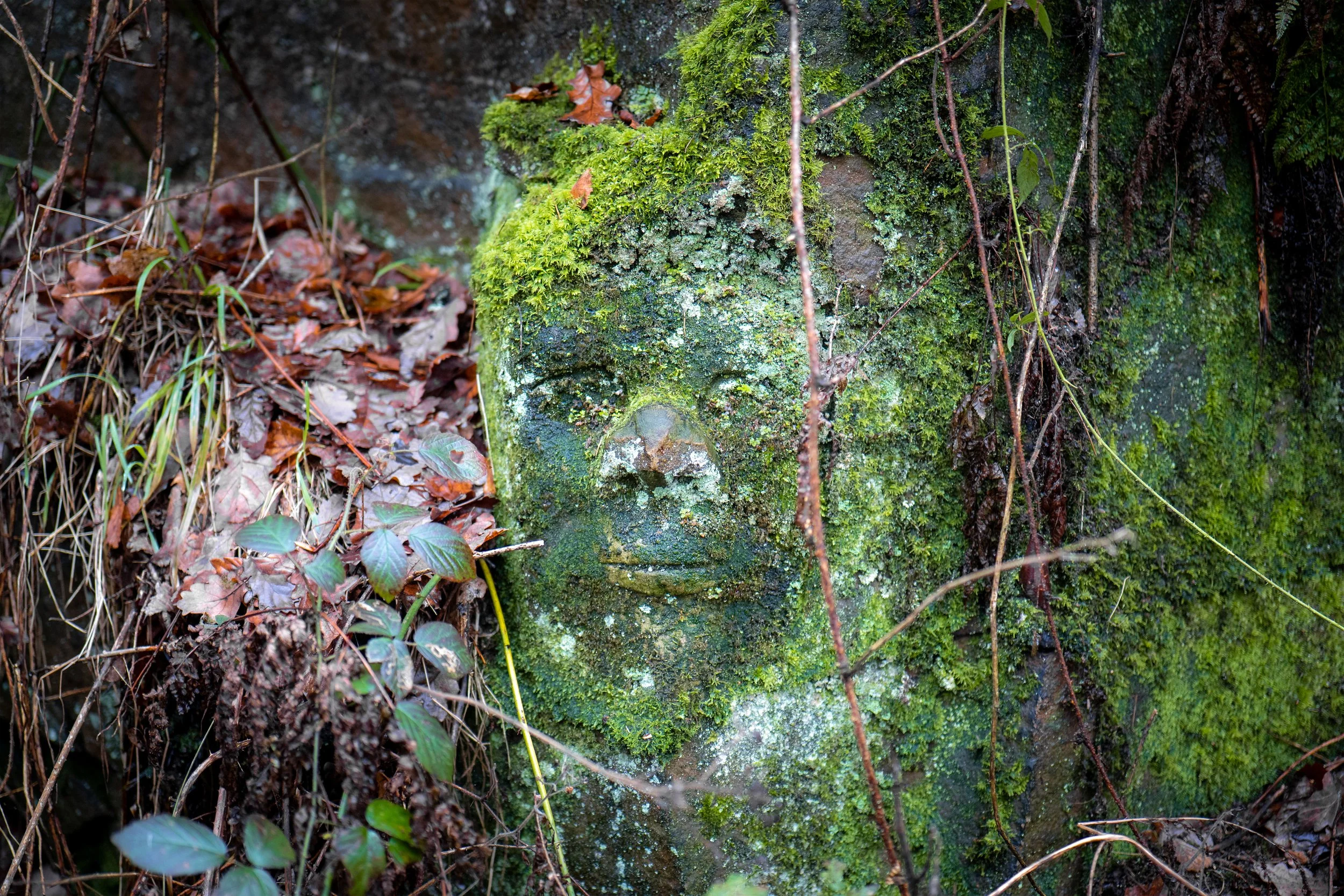
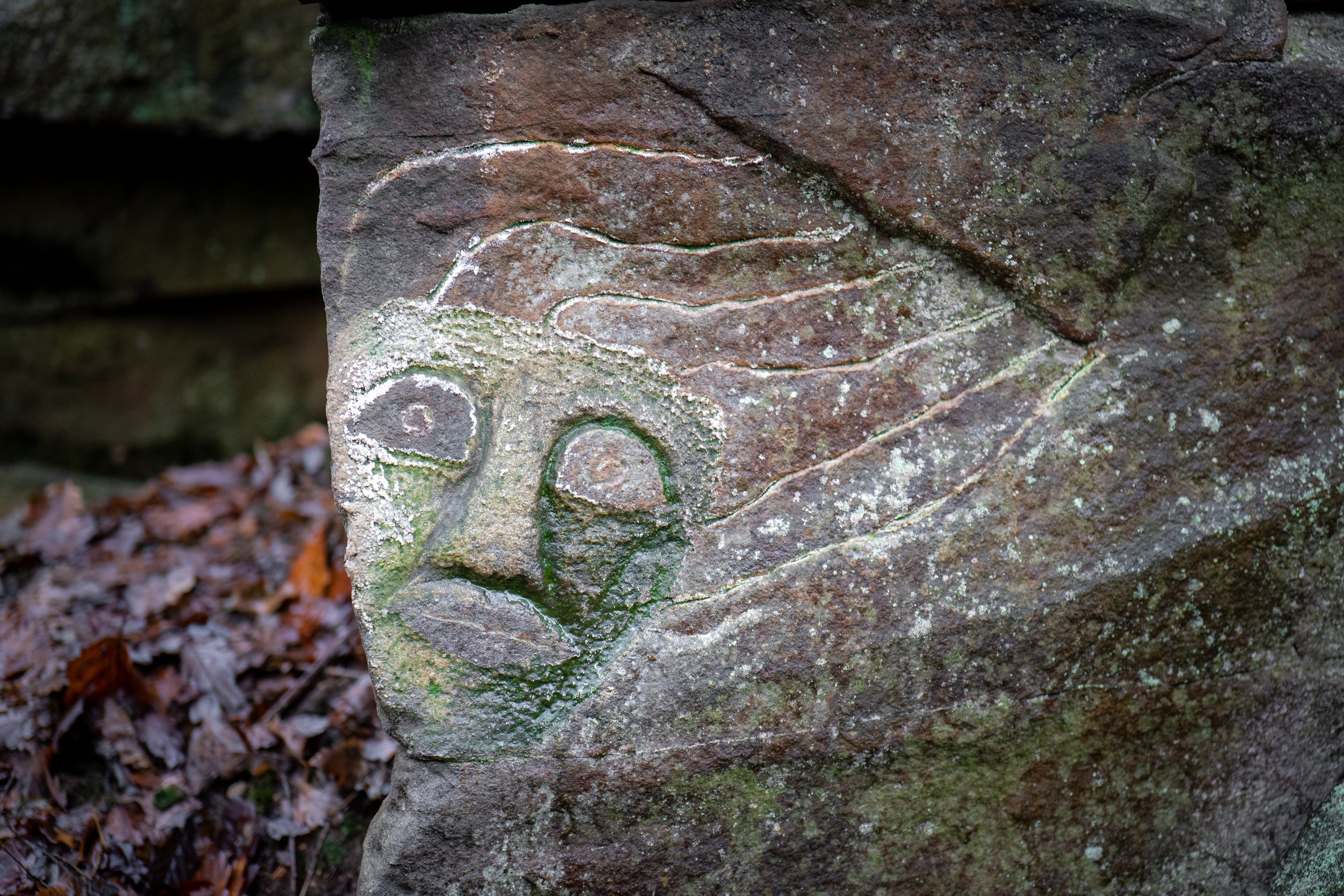
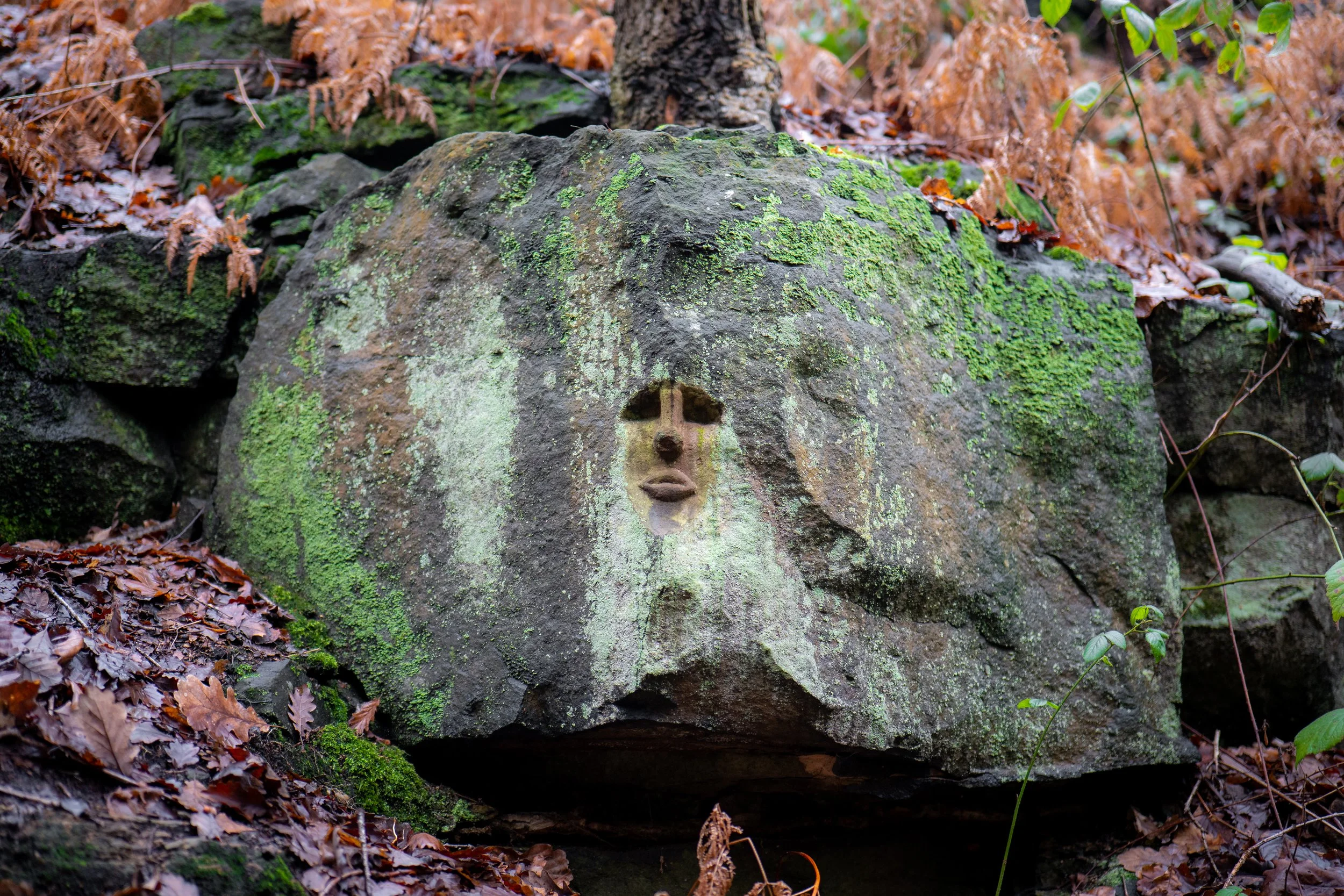
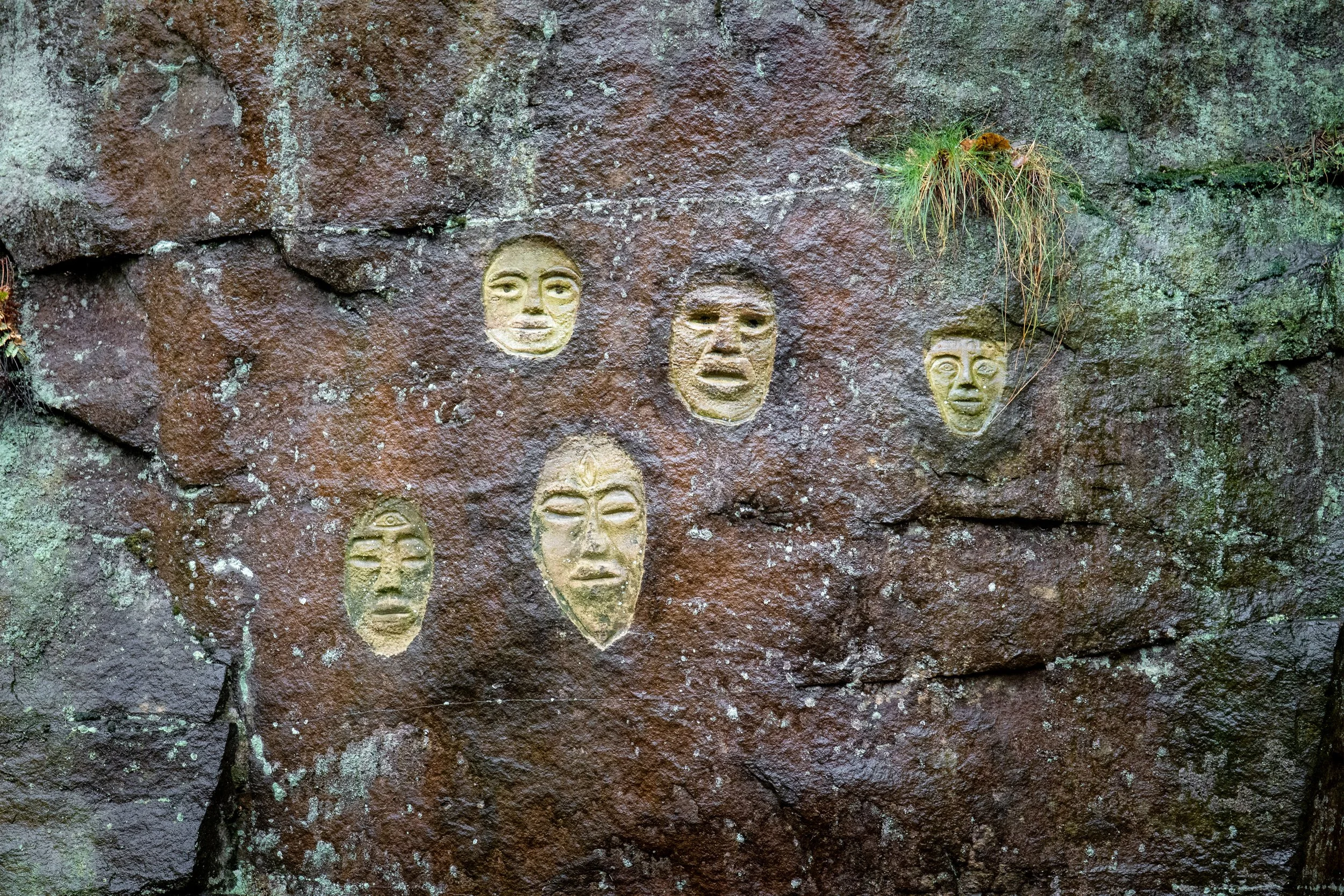
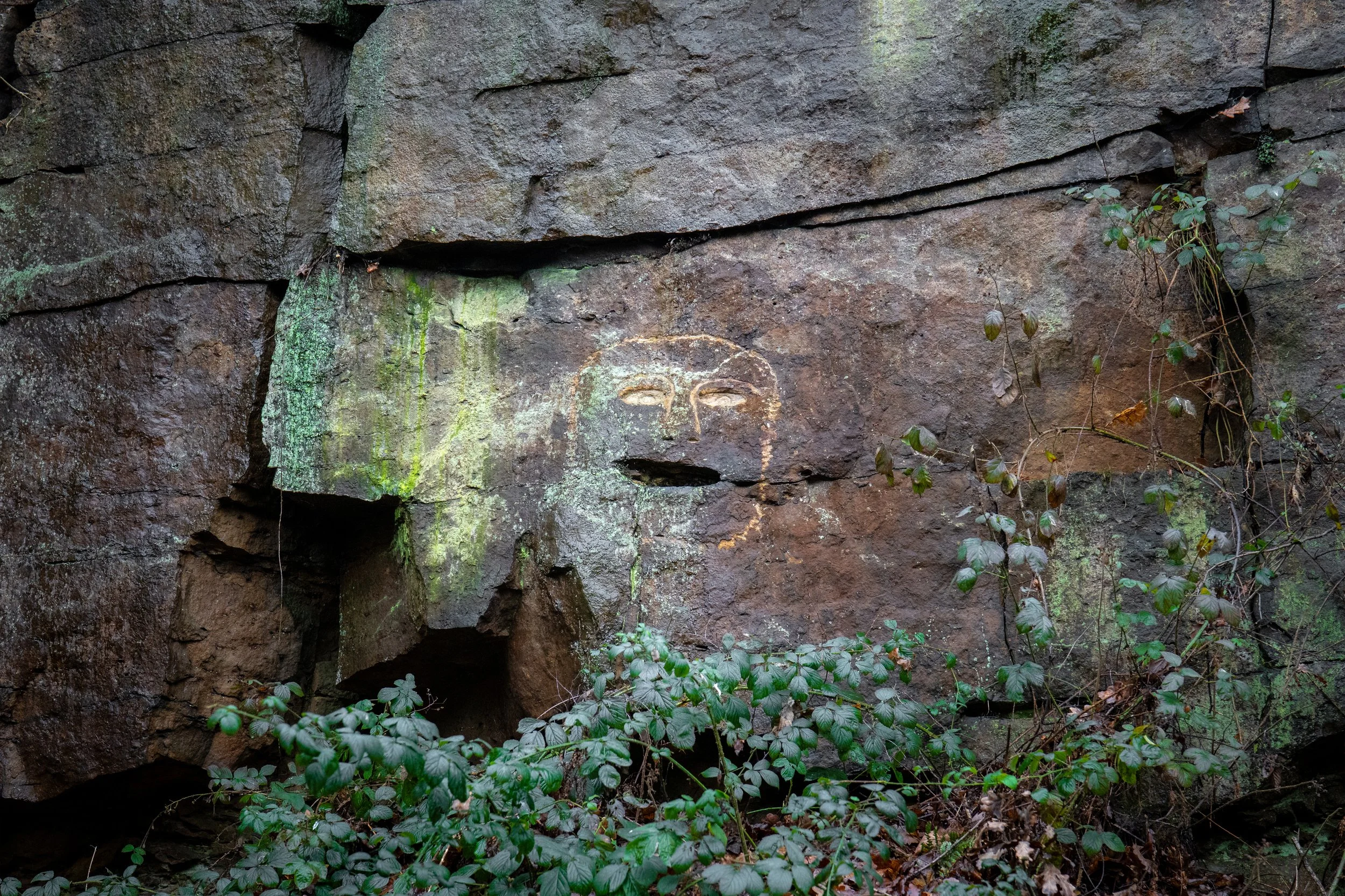
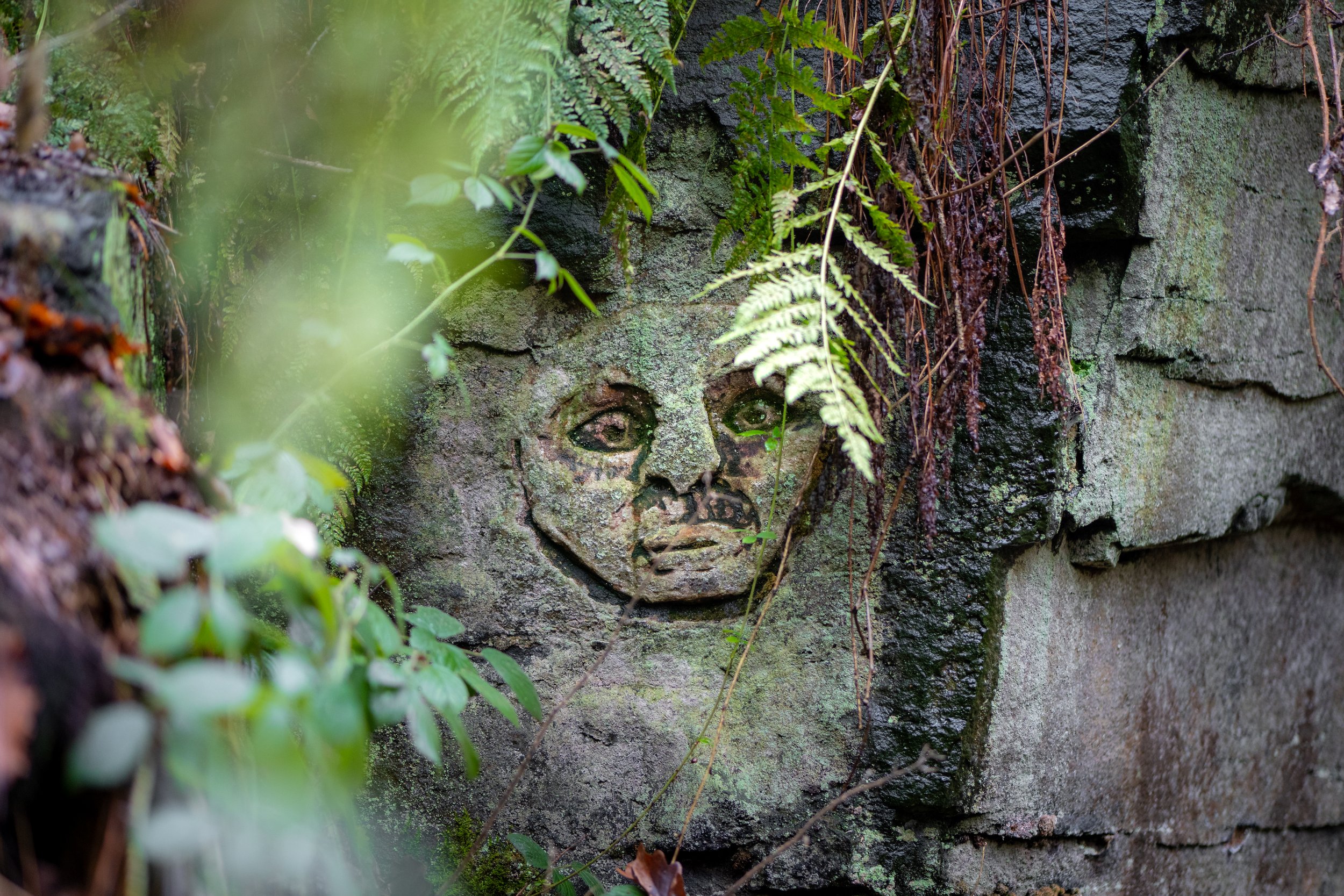
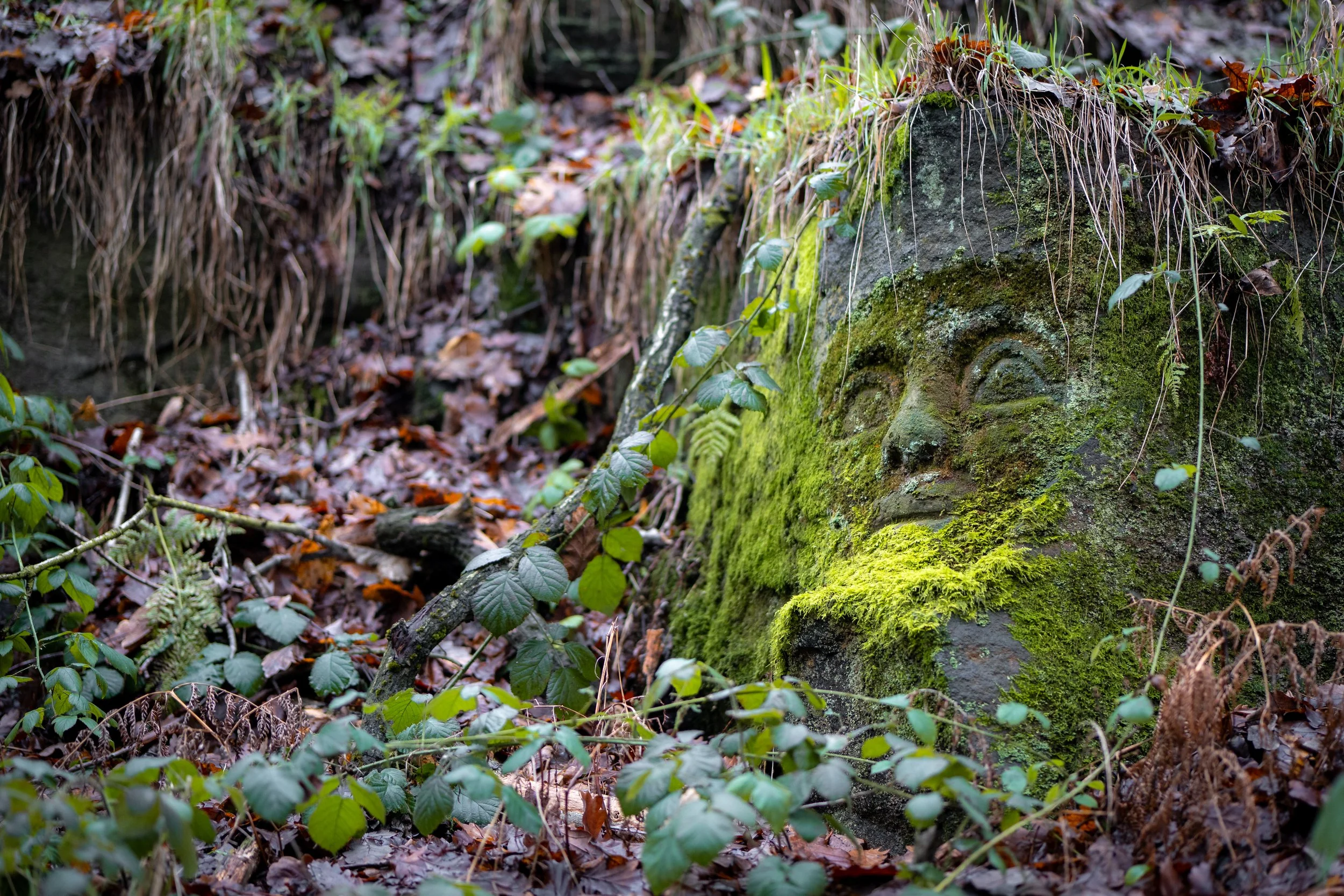
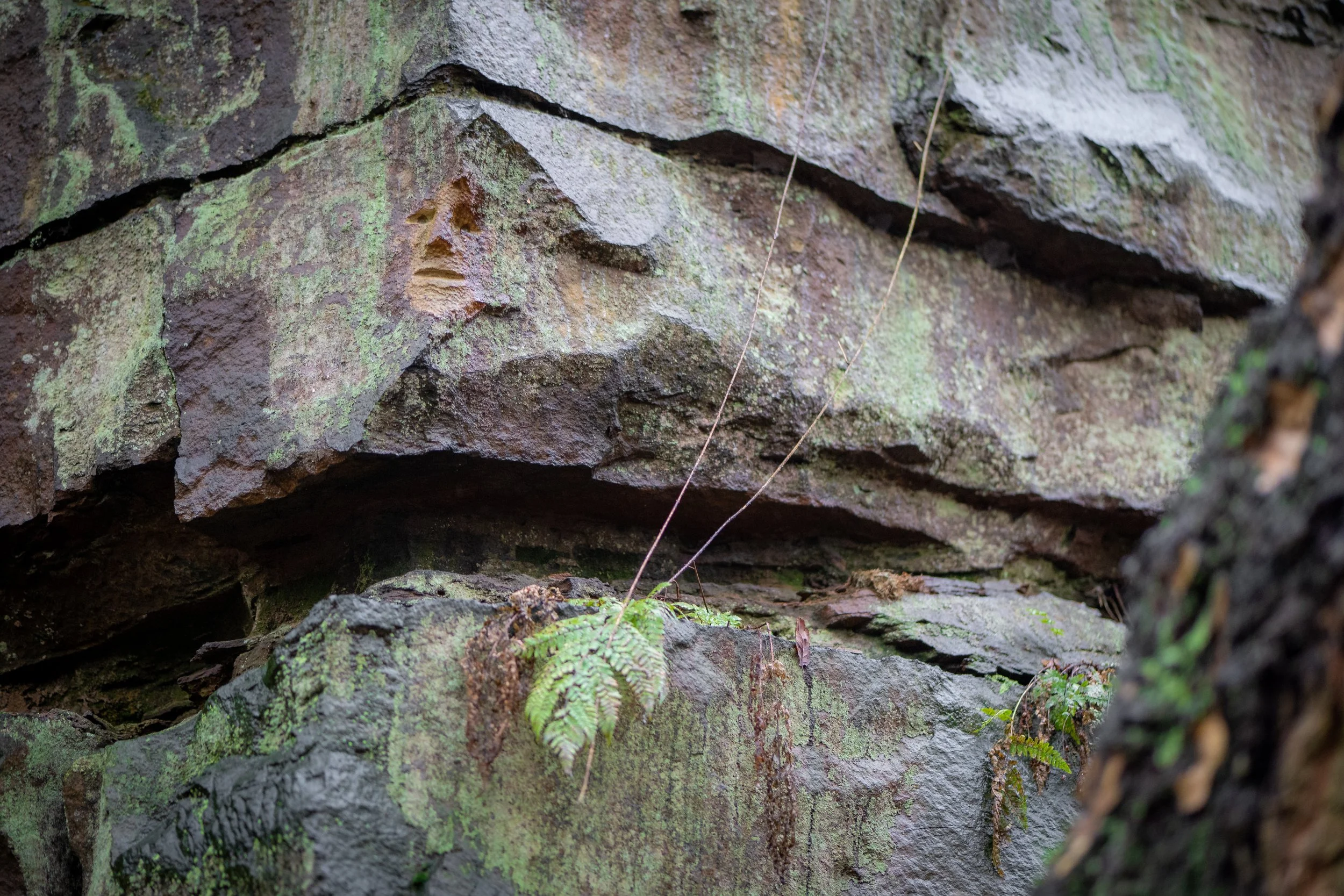
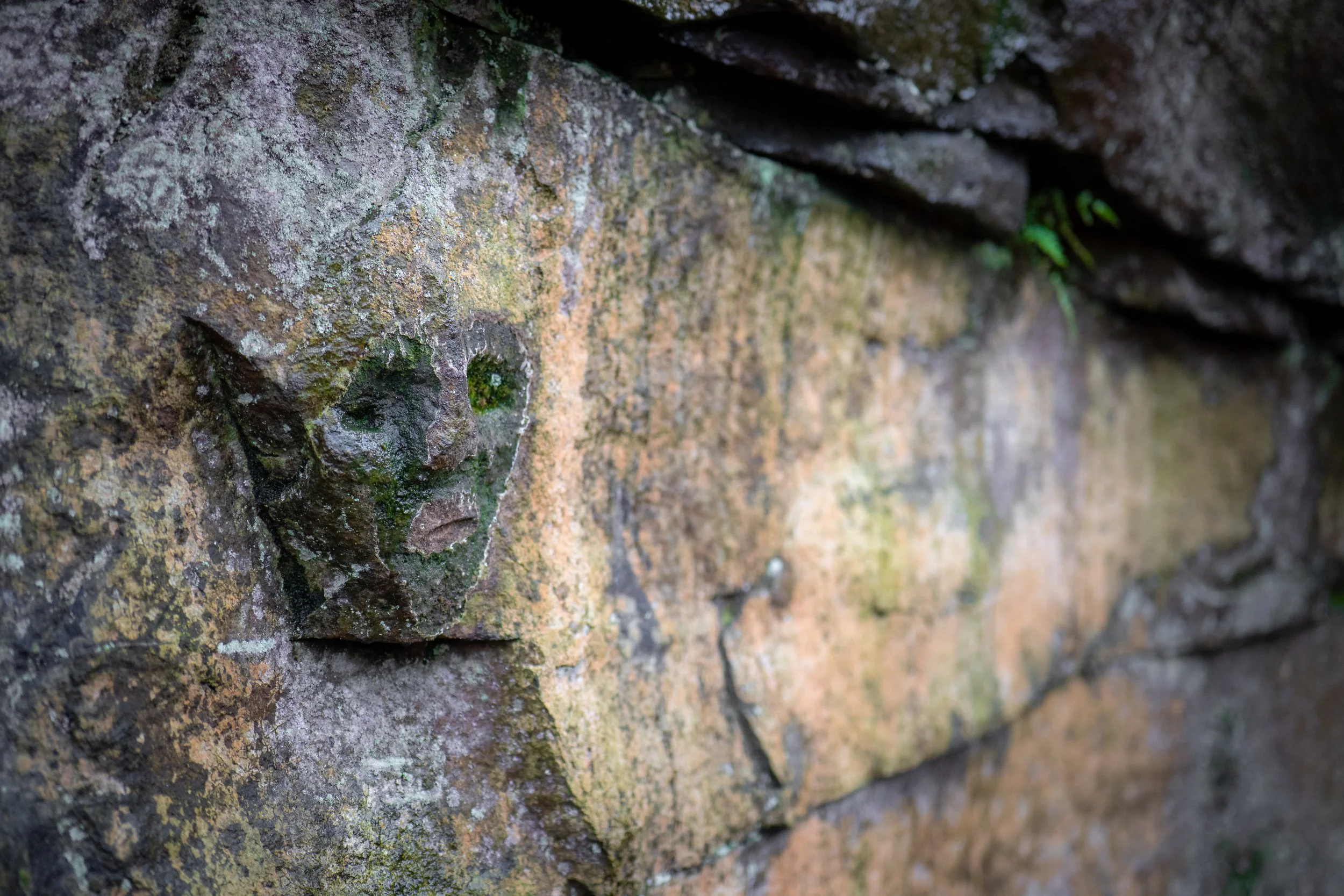
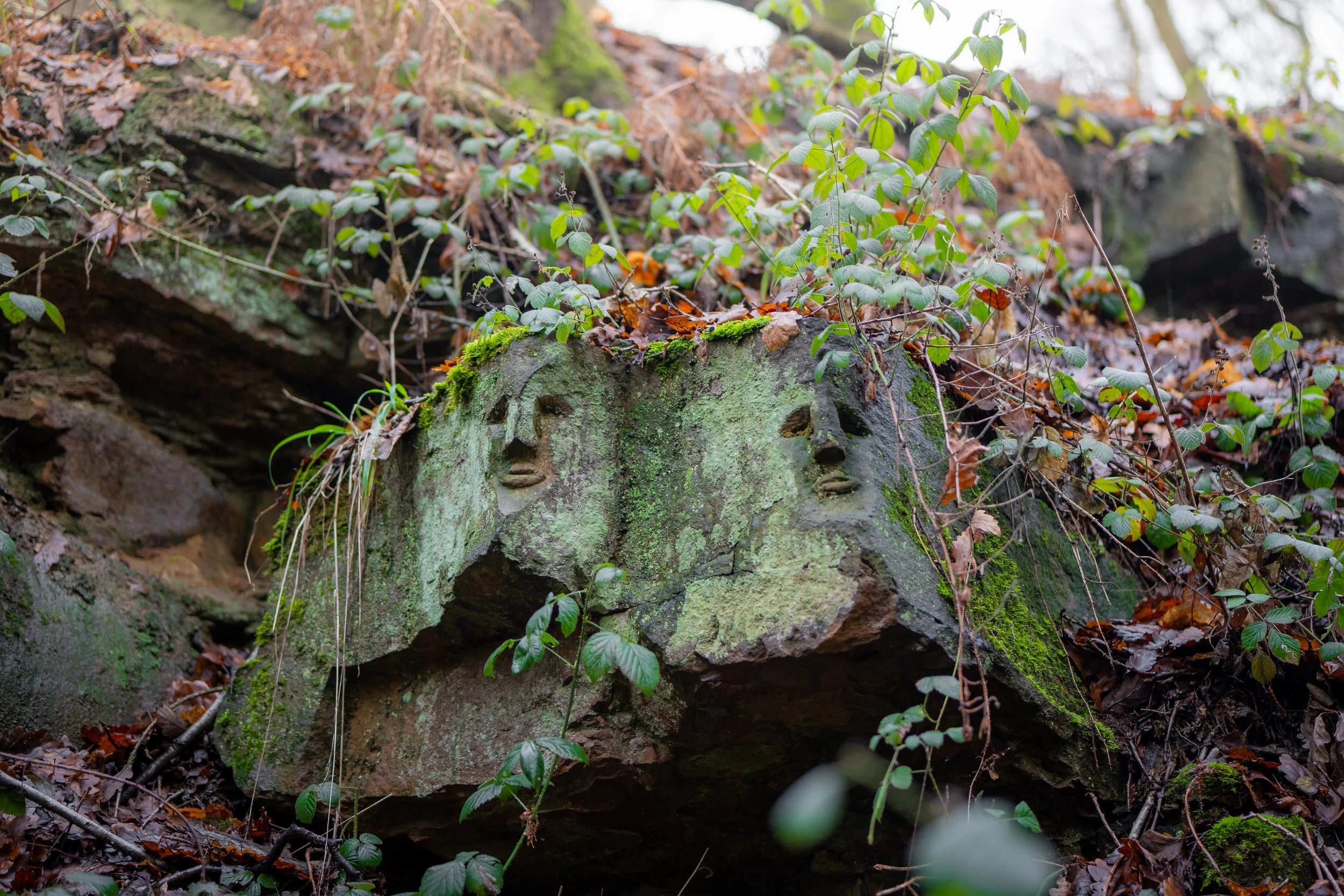
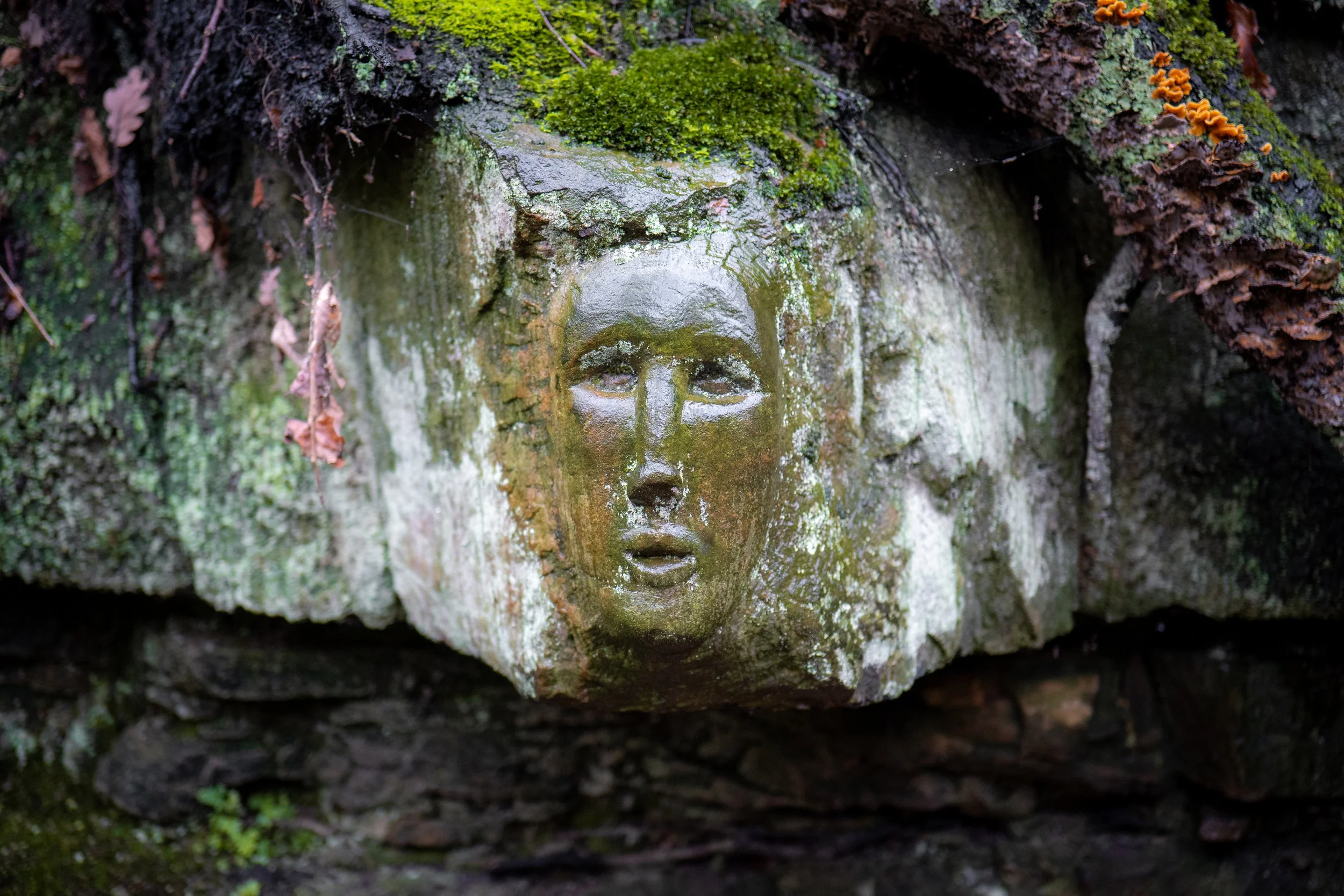
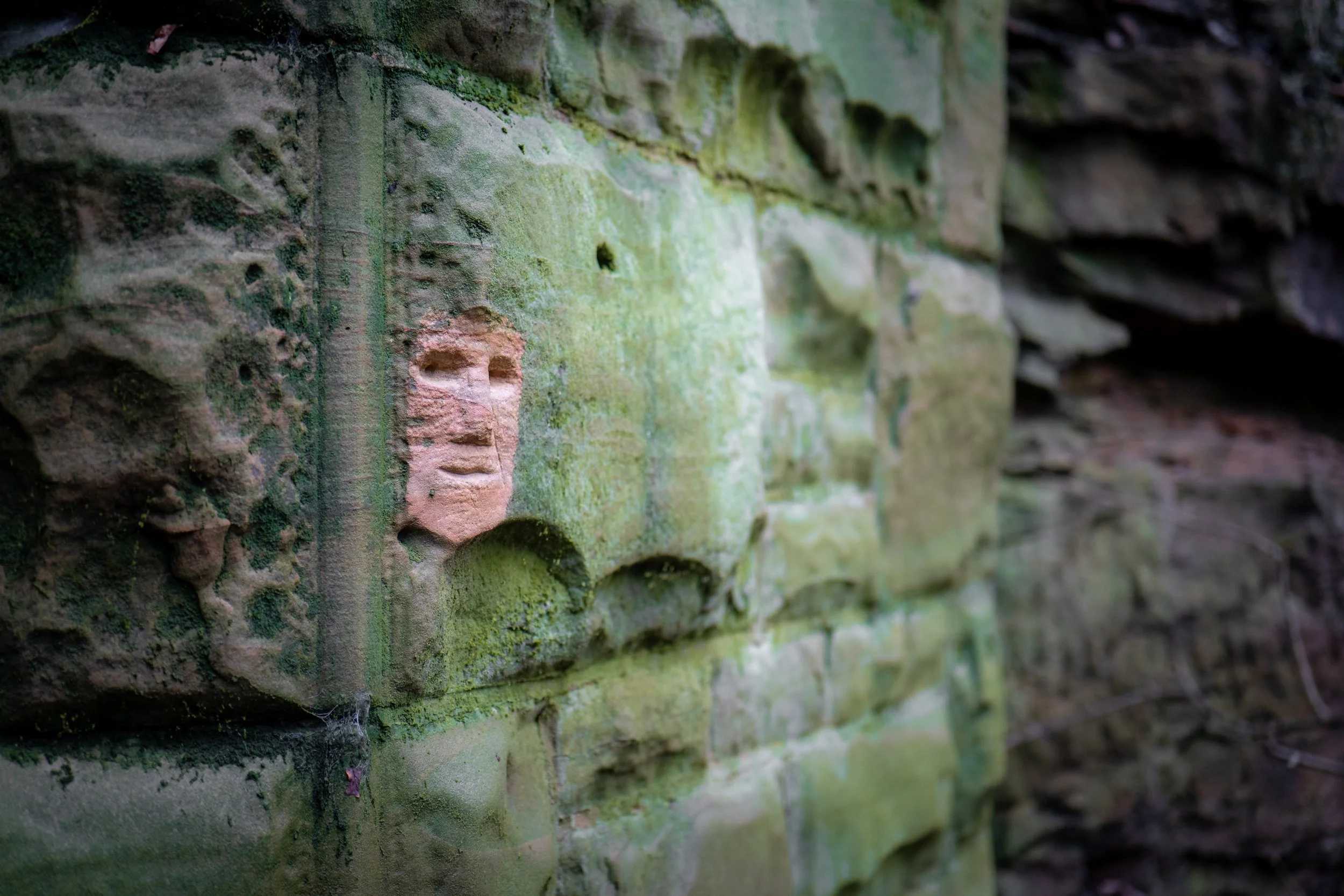
Consisting of well over twenty carvings, there are several explanations for them floating around the internet, including claims that they’re the handiwork of Druids, of twelfth-century monks from nearby Monk Bretton Priory, and even of a marauding band of Viking rabbits. The reality is rather more prosaic; they were created by local sculptors and artists Melvin Dickinson and Billy Johnson, who in a superb project have apparently been depositing mysterious carvings in and around the Barnsley area for the past twenty years or so. While the historian and supernaturalist in me was initially disappointed by this pedestrian (and recent) origin story, in January I set prejudice aside and finally paid them a visit.
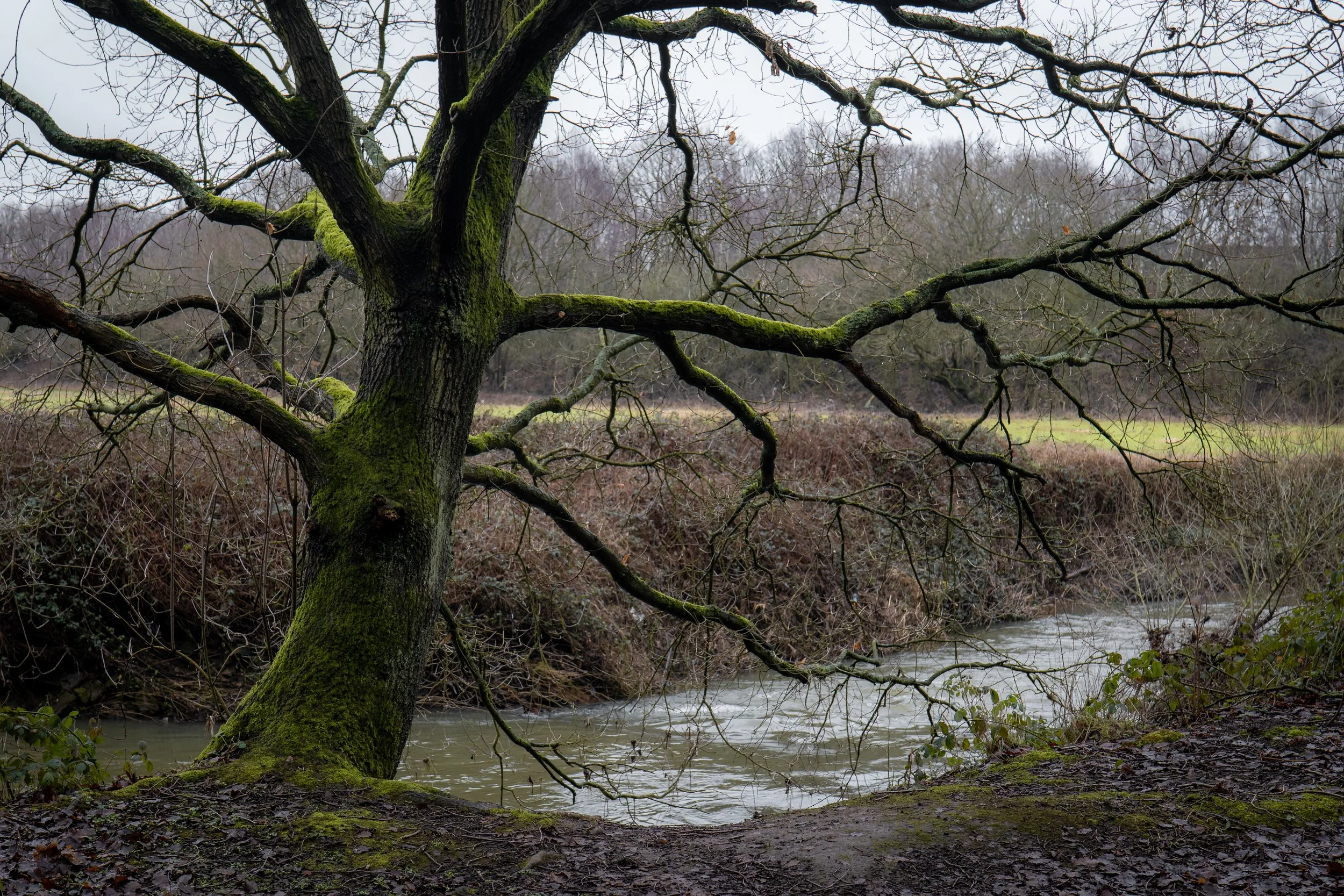
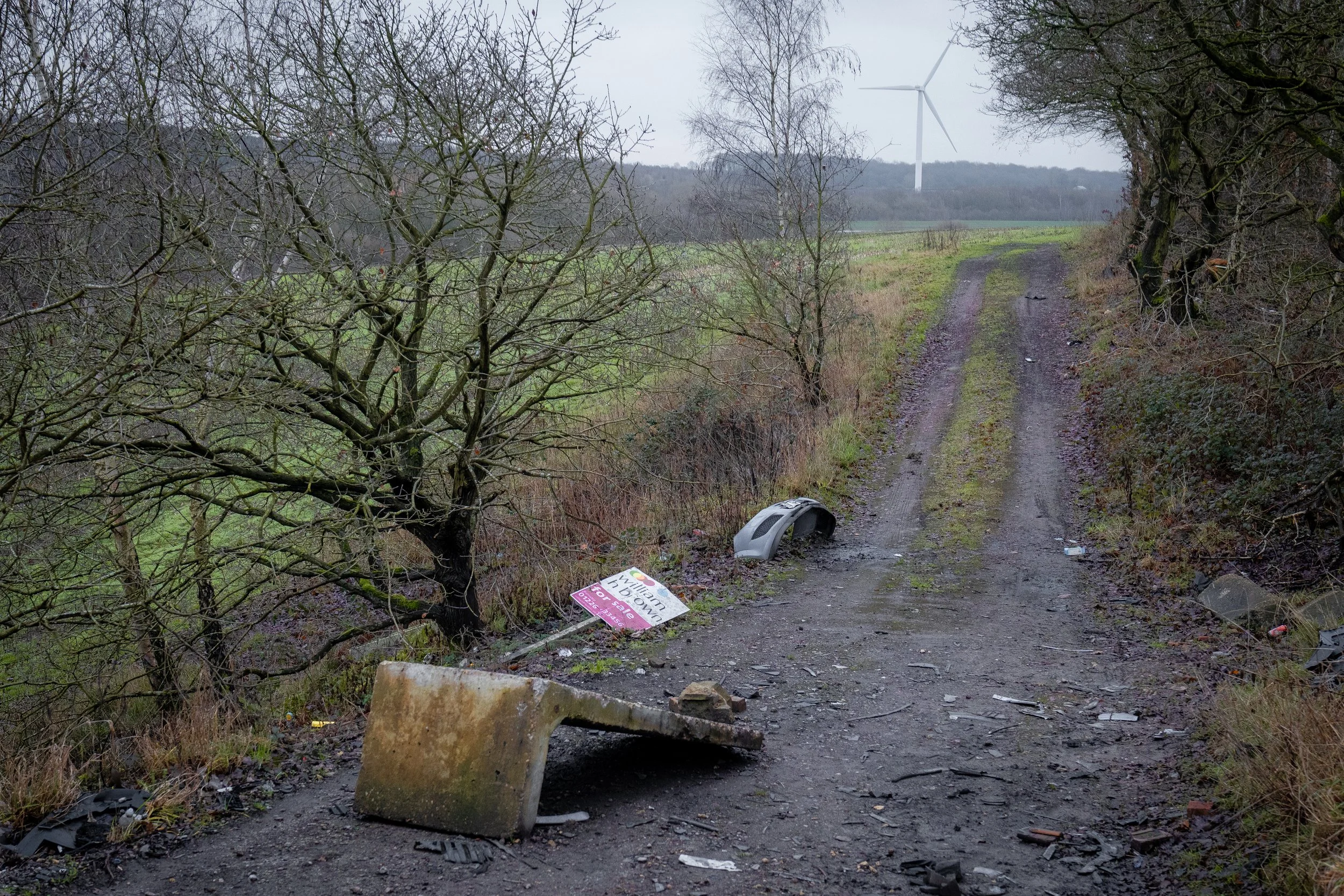
We made the journey under leaden skies, and approached Storrs Wood via an extremely hairy single track road distinguished by looming pylons and wind turbines, an egregious quantity of flytipping, and some authentically reckless driving. Things didn’t improve once we parked up and entered the wood, which occupies the south bank of the River Dearne; more rubbish was in evidence, it had that colourless, scrubby, scrappy look that characterises all deciduous woodlands in deepest winter, while it was soundtracked by the aggressive beeping of SUVs speeding towards the blind hills and corners of the aforementioned Death Road. I’d describe the atmosphere as bleak and unpleasant.
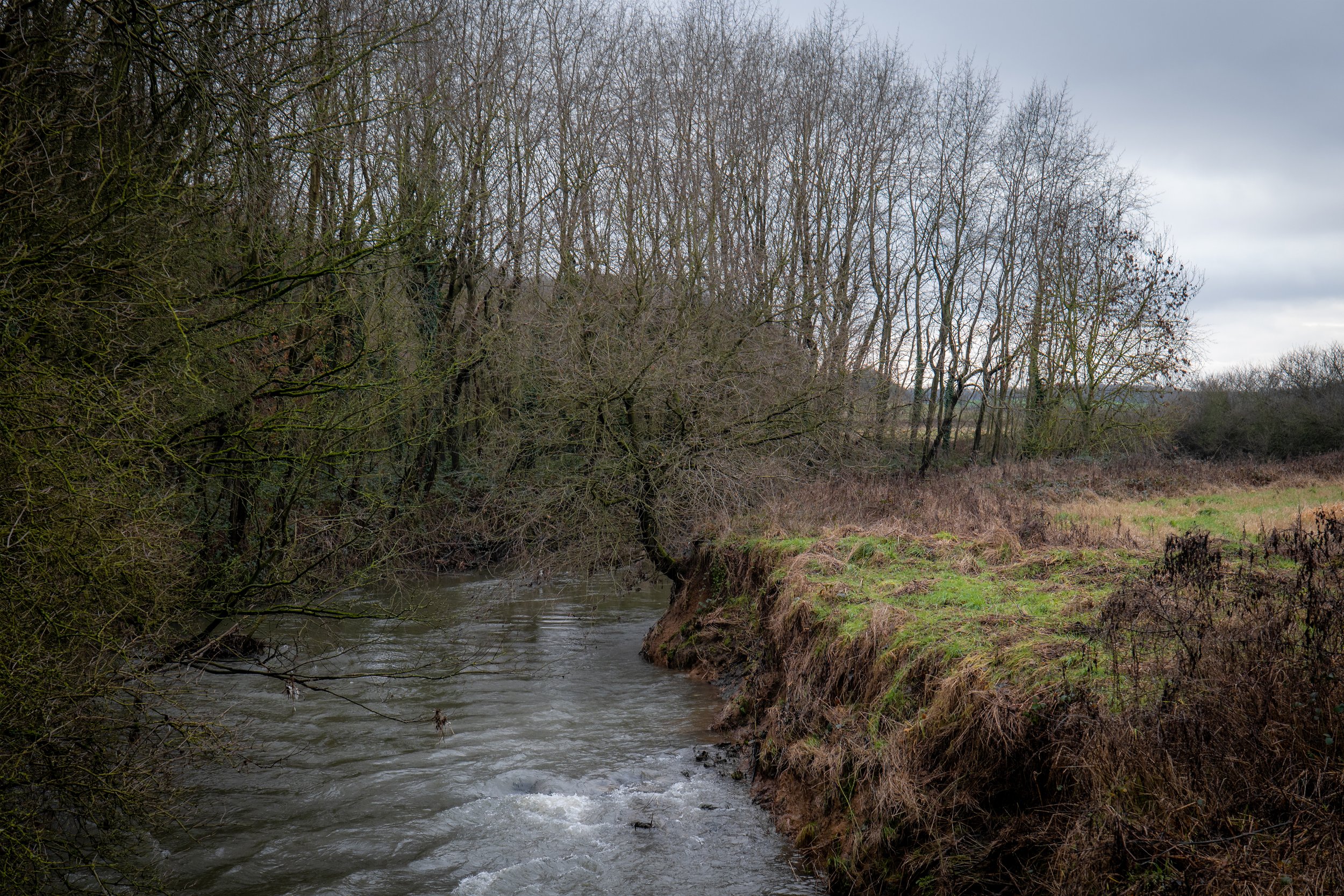
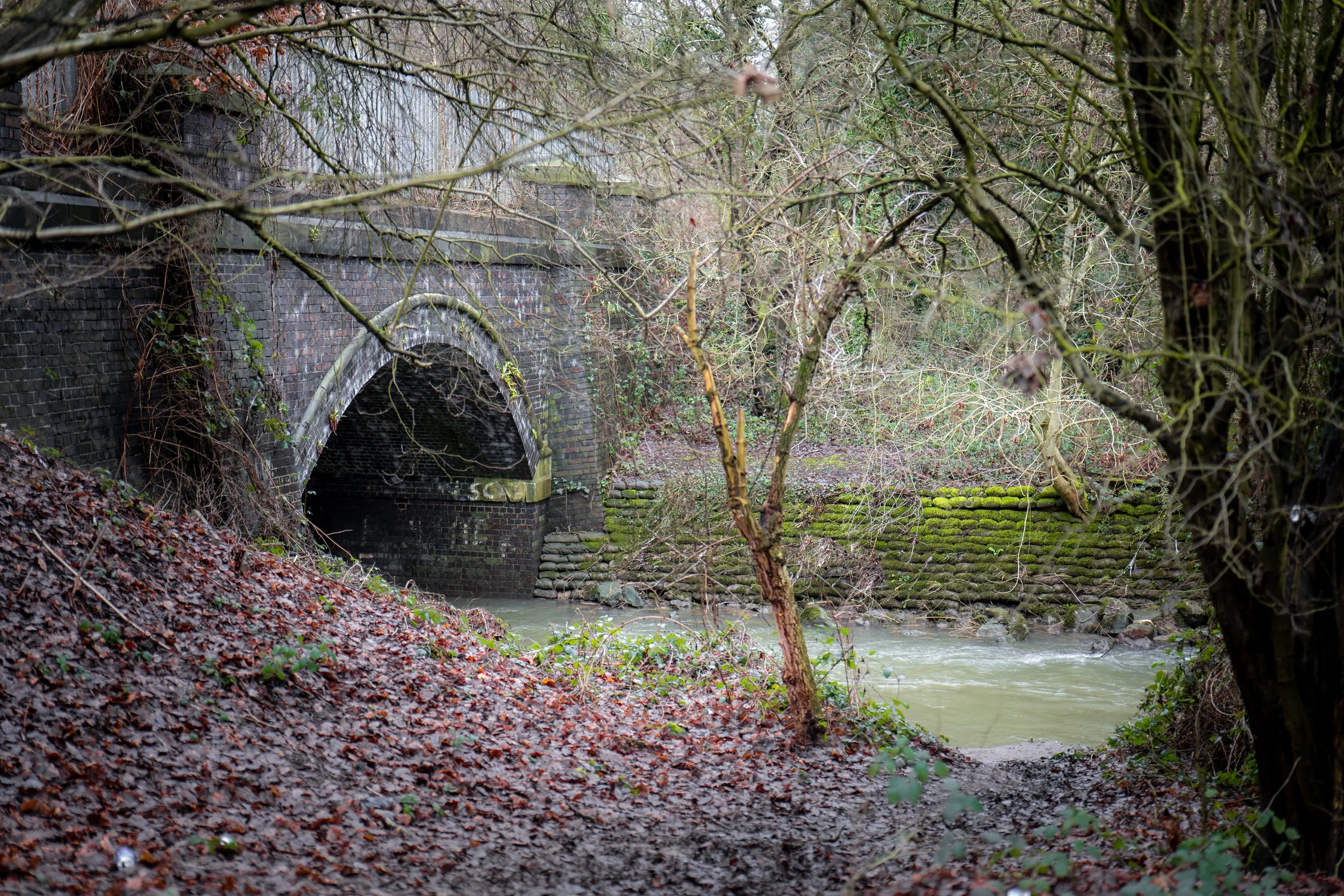
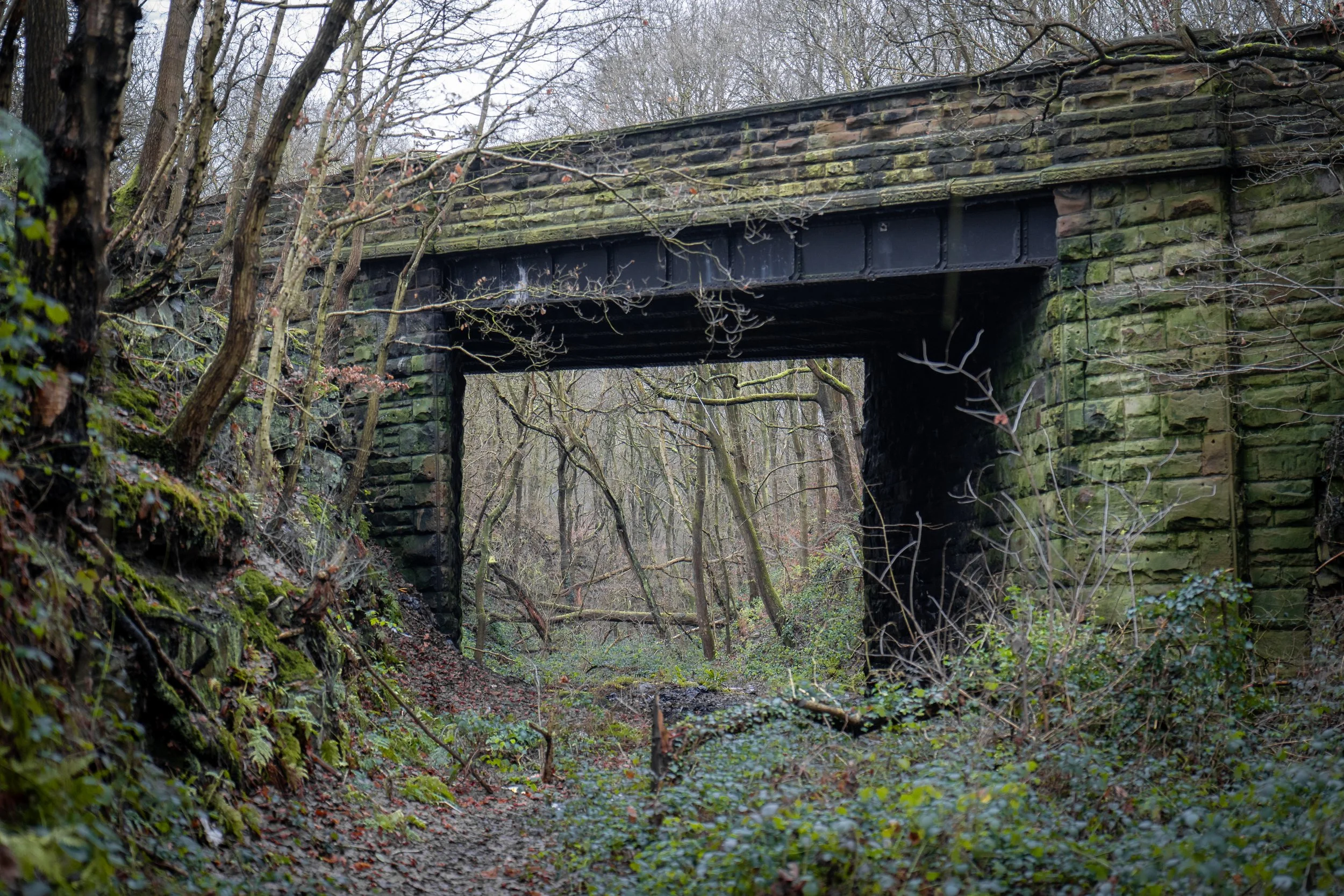
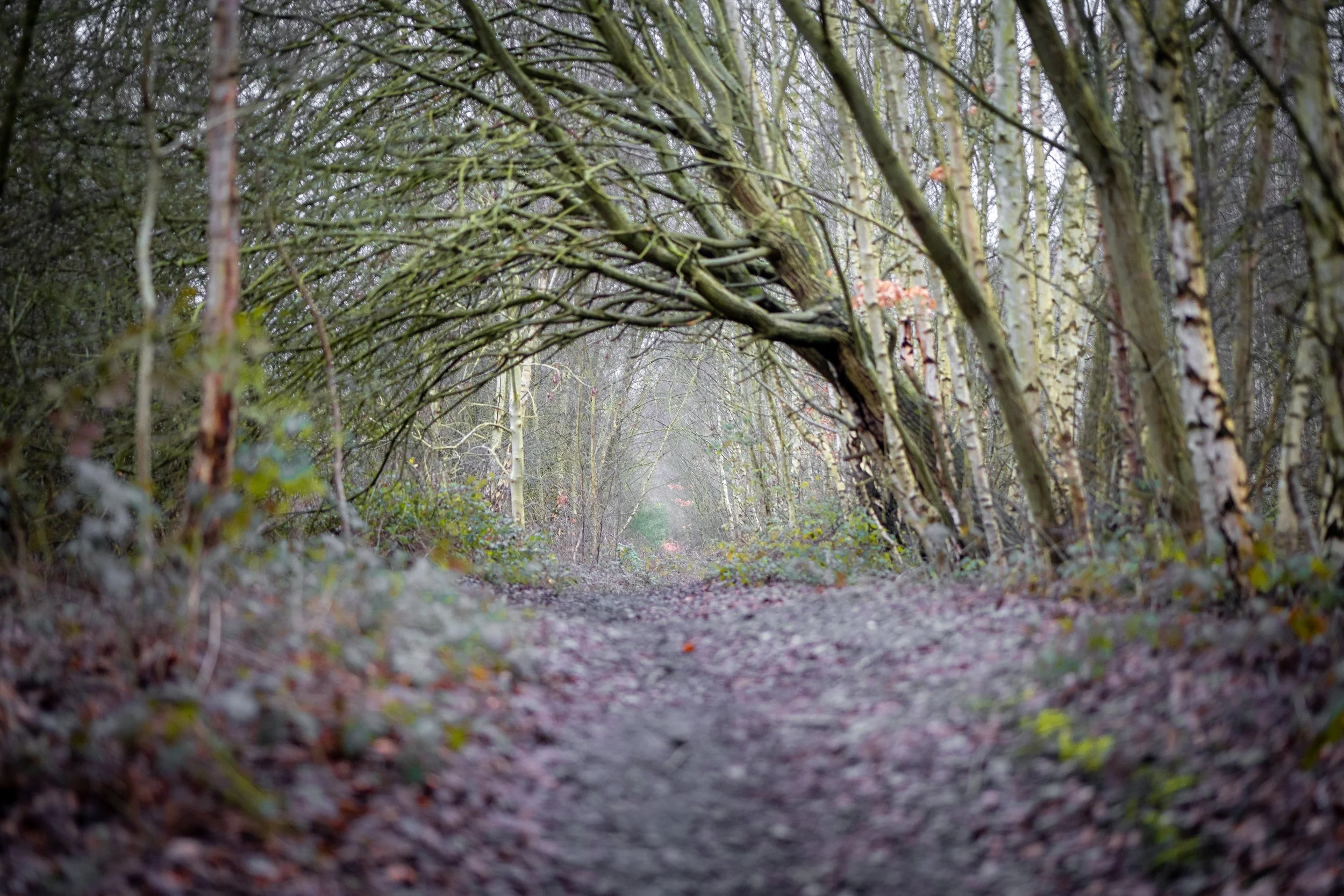
Undeterred, we went in search of the faces. Although I couldn’t pinpoint an exact location in advance they’re fairly easy to find, especially in winter, occupying for the most part the granite outcrops that line the northernmost footpath that runs parallel to the river (I subsequently discovered a downloadable map). There’s a pleasing variety to the cast: some are alone, others are in pairs and groups; some are proud and exposed, others are tucked coyly into crevices; some are simple and naive, others are finely wrought and elaborate; some are weathered and mossy, others appear freshly hewn; some are on rockfaces, others are on bridges and flyovers; some are whimsical and charming, others skew more sinister and unsettling. A completist by nature I was seized by an intense desire to Catch ‘Em All (Pokemon-style), although with the light rapidly fading I had to settle for those we could find, which are presented below.