The Haunting of Hazlebadge Hall
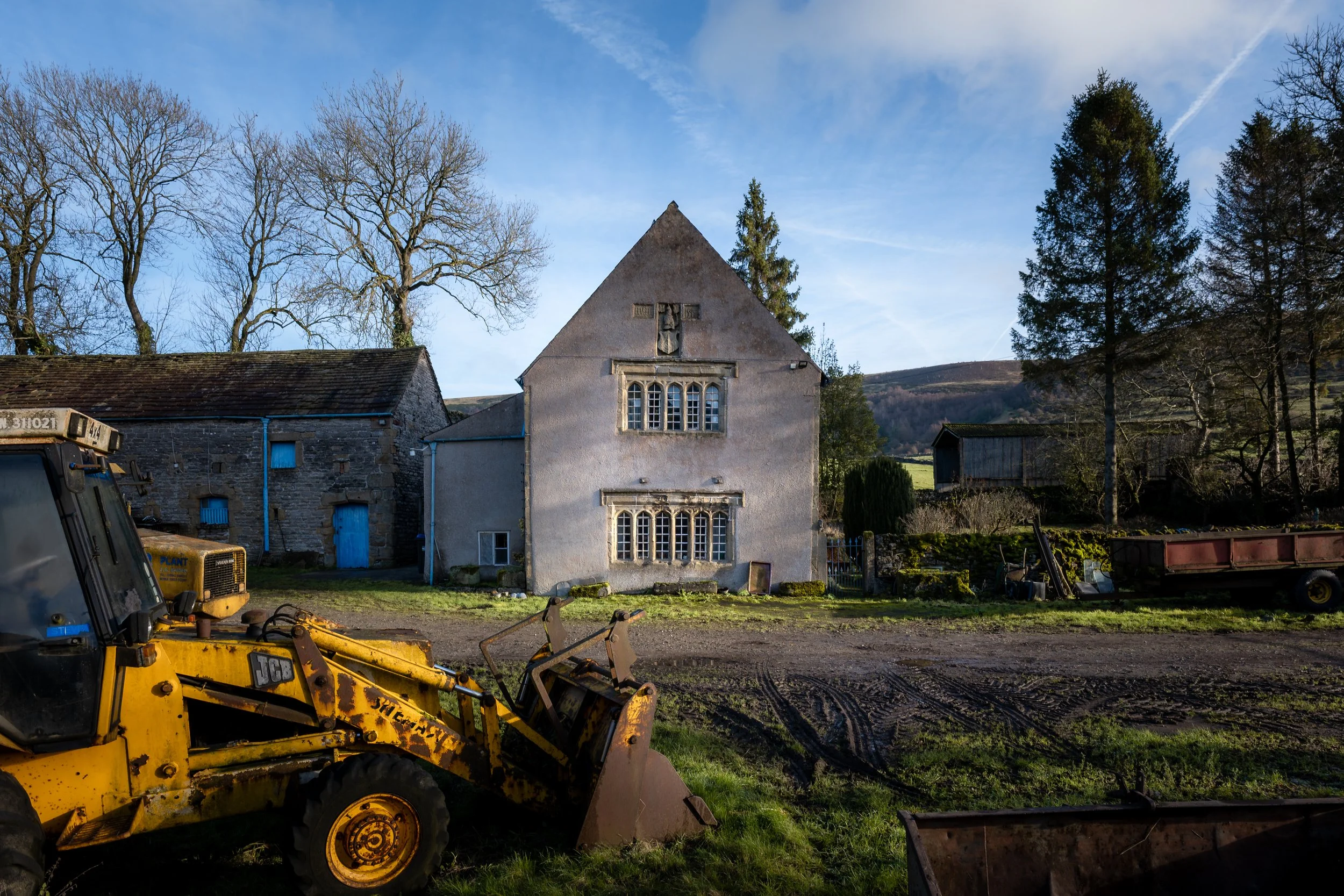
Hazlebadge Hall, Bradwell, Derbyshire.
Last summer, while returning from Eyam plague village, I spotted a mullioned and steeply gabled manor house about half a mile outside Bradwell. Set back from the busy B6049 in a sort of hollow, even at distance something about it simply exuded menace, and I added it to my (enormous) list of locations to return to at some point. More recently I acquired David Clarke’s comprehensive and scholarly Ghosts and Legends of the Peak District (Norwich, 1991), and was surprised and delighted to find within its pages an evocative black and white photograph of the very same property, which is called Hazlebadge Hall, and which it transpires is the site of a notorious Derbyshire haunting…
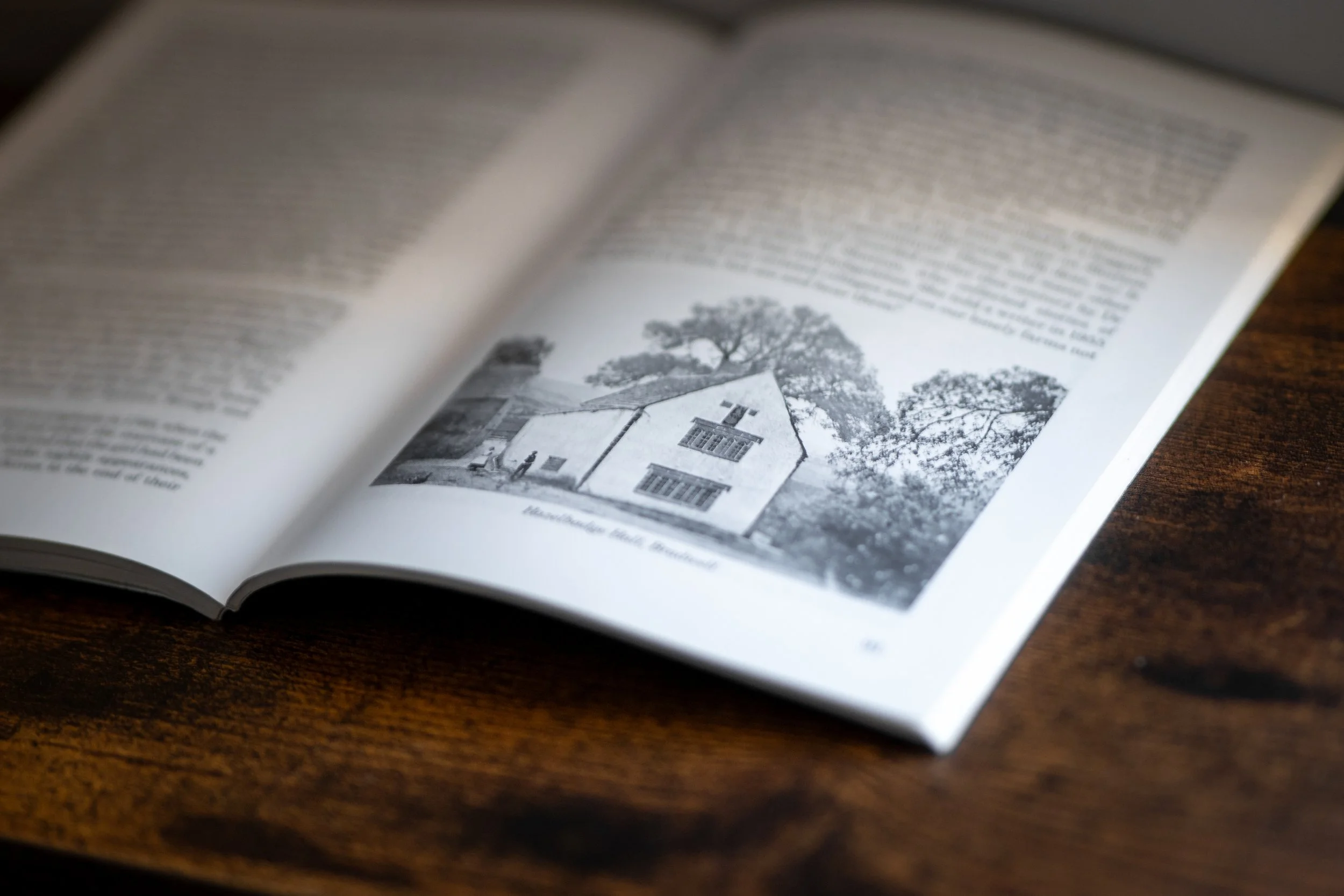
D. Clarke, Ghosts and Legends of the Peak District (Norwich, 1991), p. 91.
Constructed in 1549 on the site of a medieval predecessor, according to legend the house and its surrounding gorge are visited by the sixteenth-century ghost of Margaret Vernon, the last of the line of the Vernon family, one branch of which lived in Hazlebadge Hall for three centuries (their heraldic crest can be seen on the property). In the kind of romantic misadventure that’s launched a thousand ghost stories, Margaret was apparently betrayed by her fiance, whose marriage to her replacement she rode to witness at St Peter’s church in the nearby village of Hope, an experience that induced a heartbreak and nervous fever from which, despite the ministrations of household servants, she never recovered. On wild and stormy nights – or at midnight in a different telling – her anguished and vengeful spirit rides on horseback through Bradwell Dale, ‘rushing madly in the direction of the old Hall’.
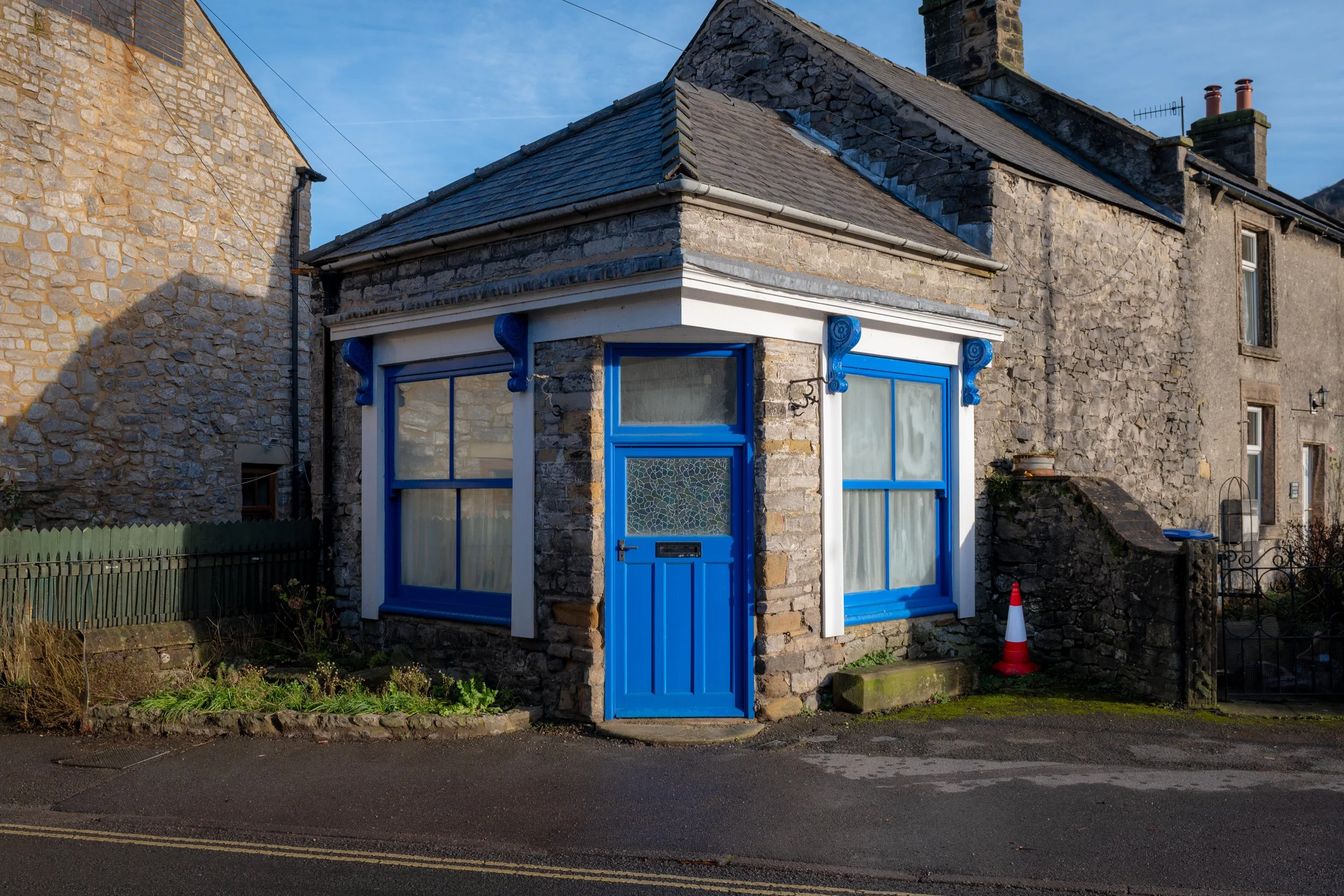
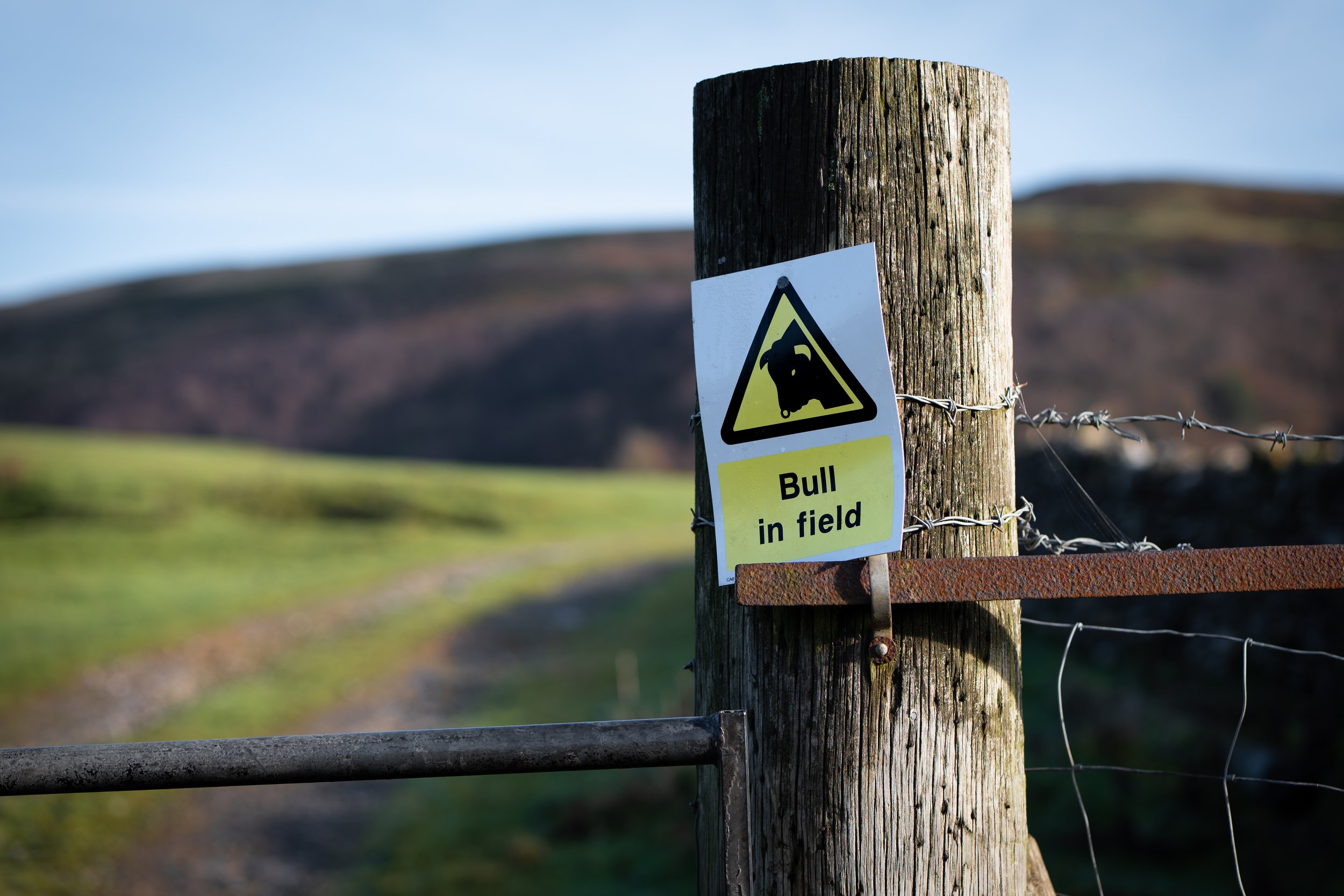
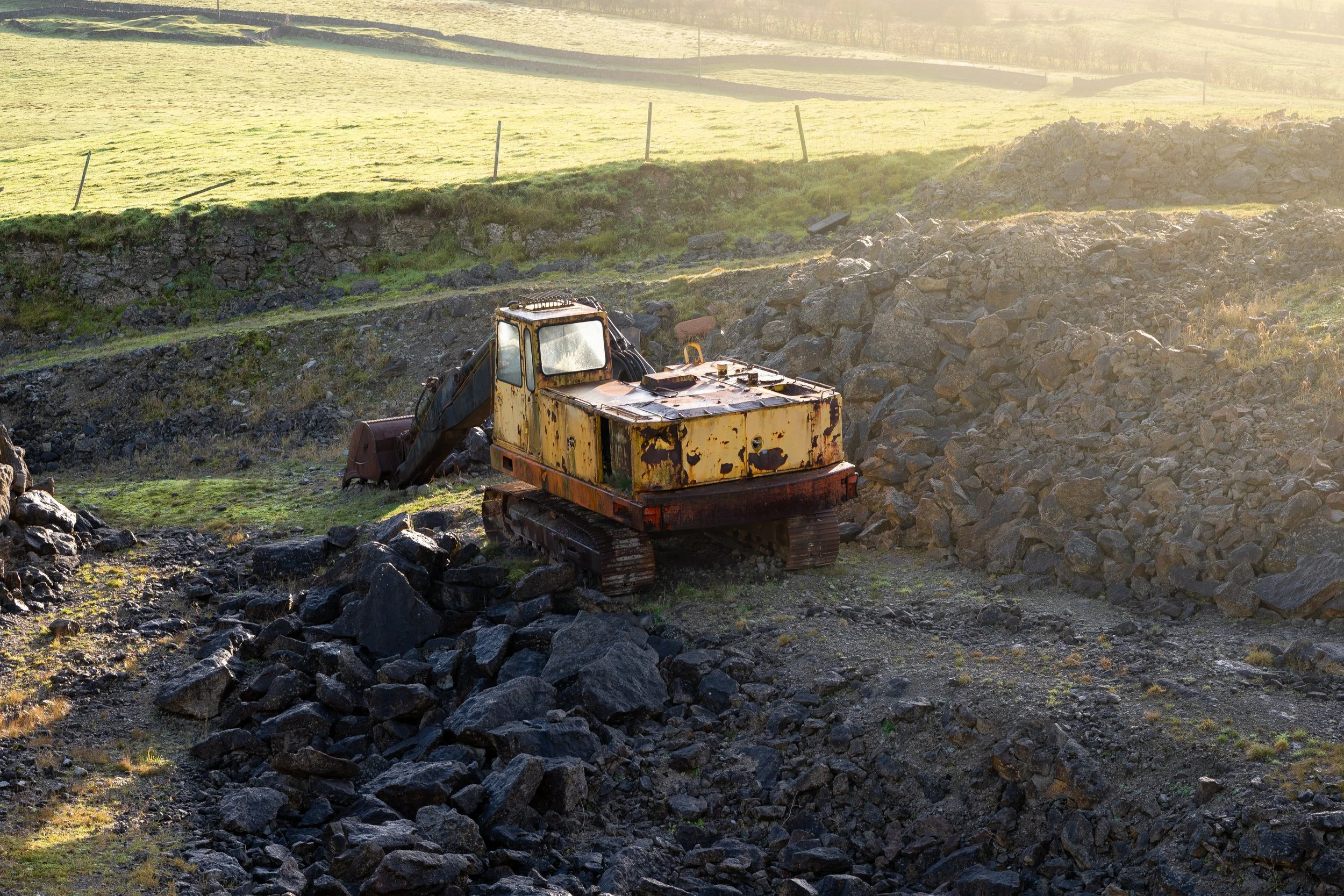
Moved by Margaret’s story, I returned to Hazlebadge Hall on a crisp December Saturday. I approached it from Bradwell to the north, an ostensibly chocolate box former lead mining settlement that – like small villages in general and those of Peakland in particular – is shot through with a powerful undercurrent of strangeness. The walk over Hill Rake was steep if uneventful, although (abandonment alert) I was pleased to stumble across a beaten up excavator in a disused tip or quarry. A sign warned of a bull in the area, which I didn’t meet, but whose unseen presence added a certain spice to proceedings. Nor was there any sign of the spectral black dog that’s stalked the village and its mineshafts since the eighteenth century.
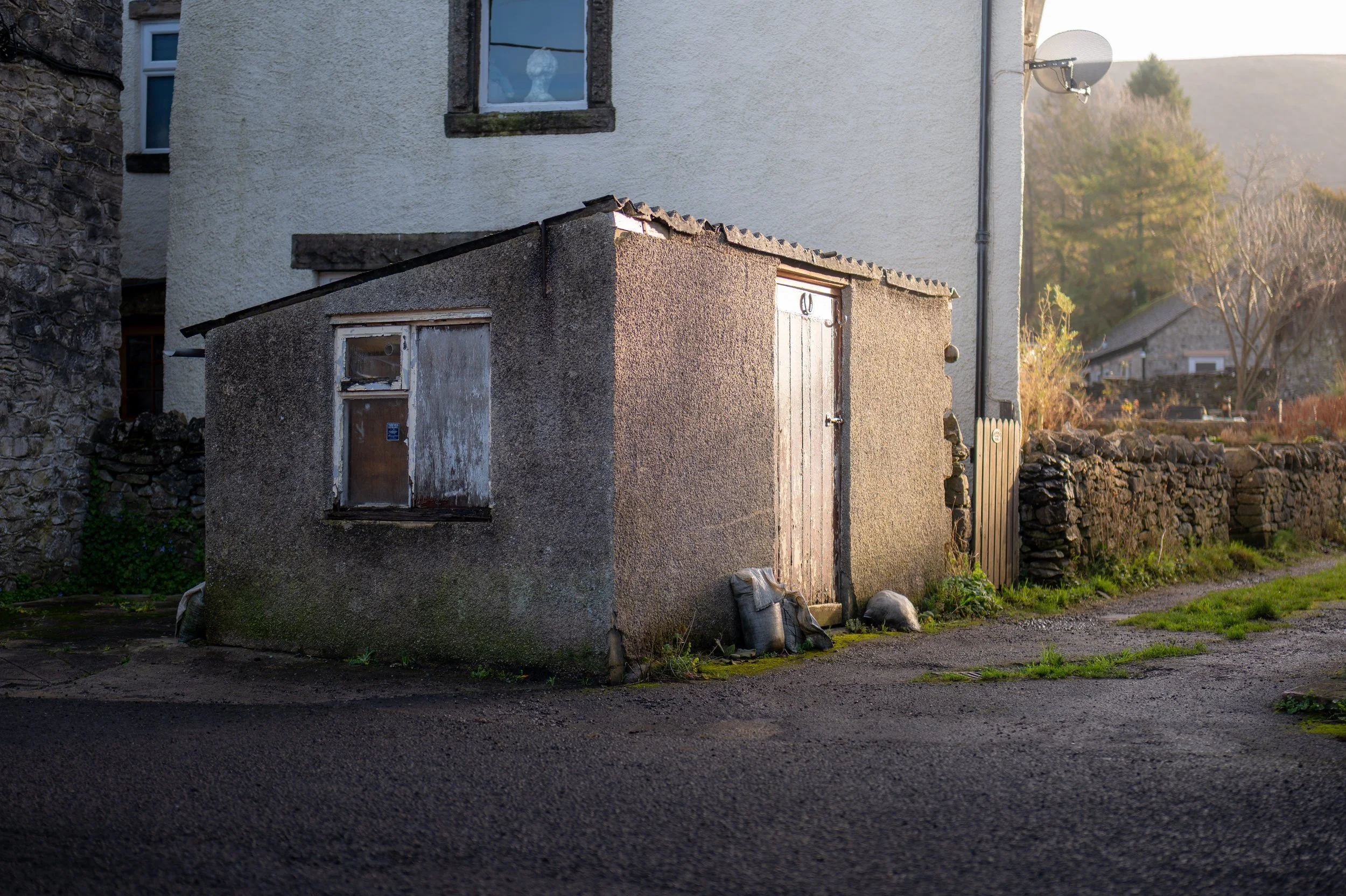
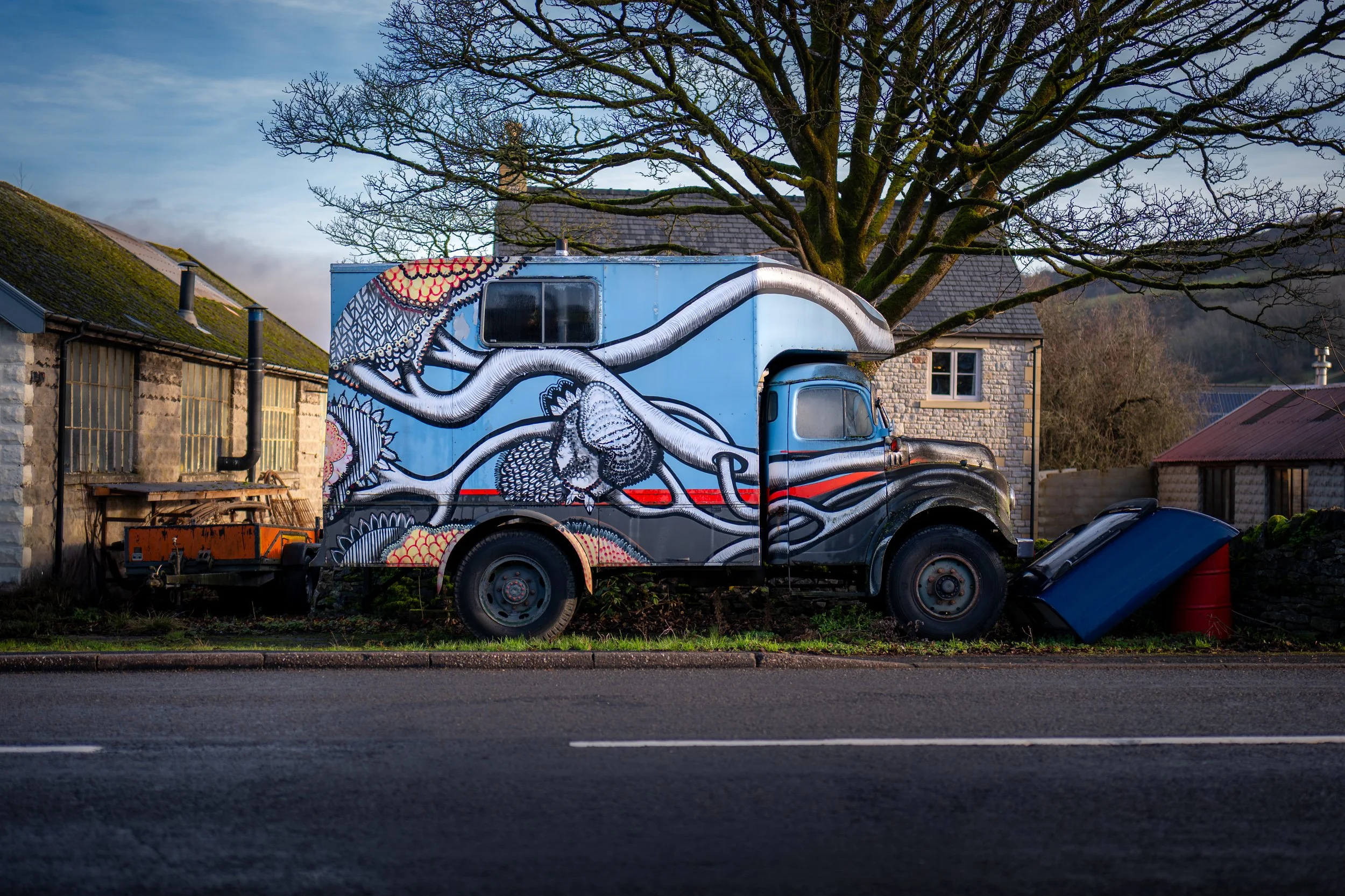
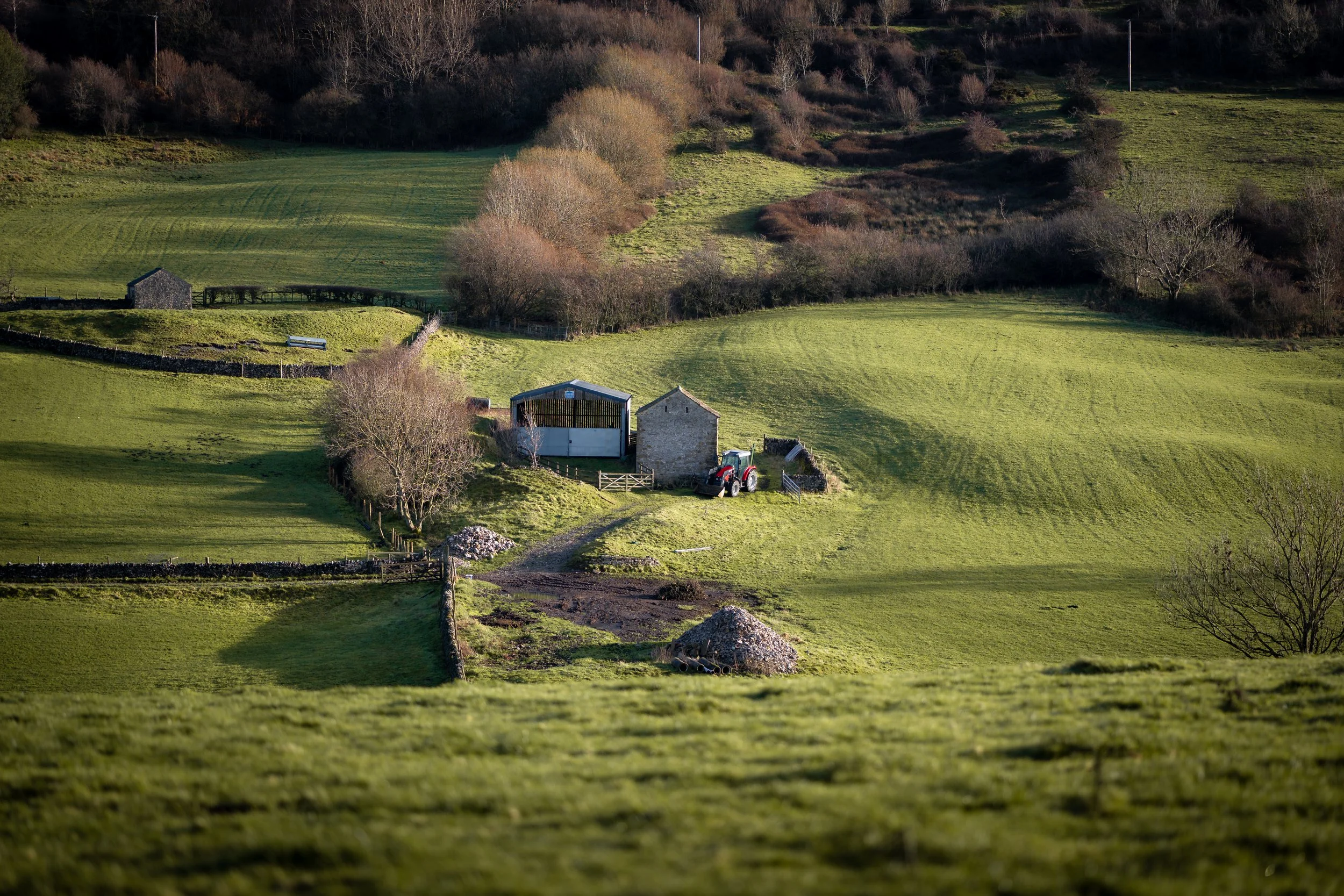
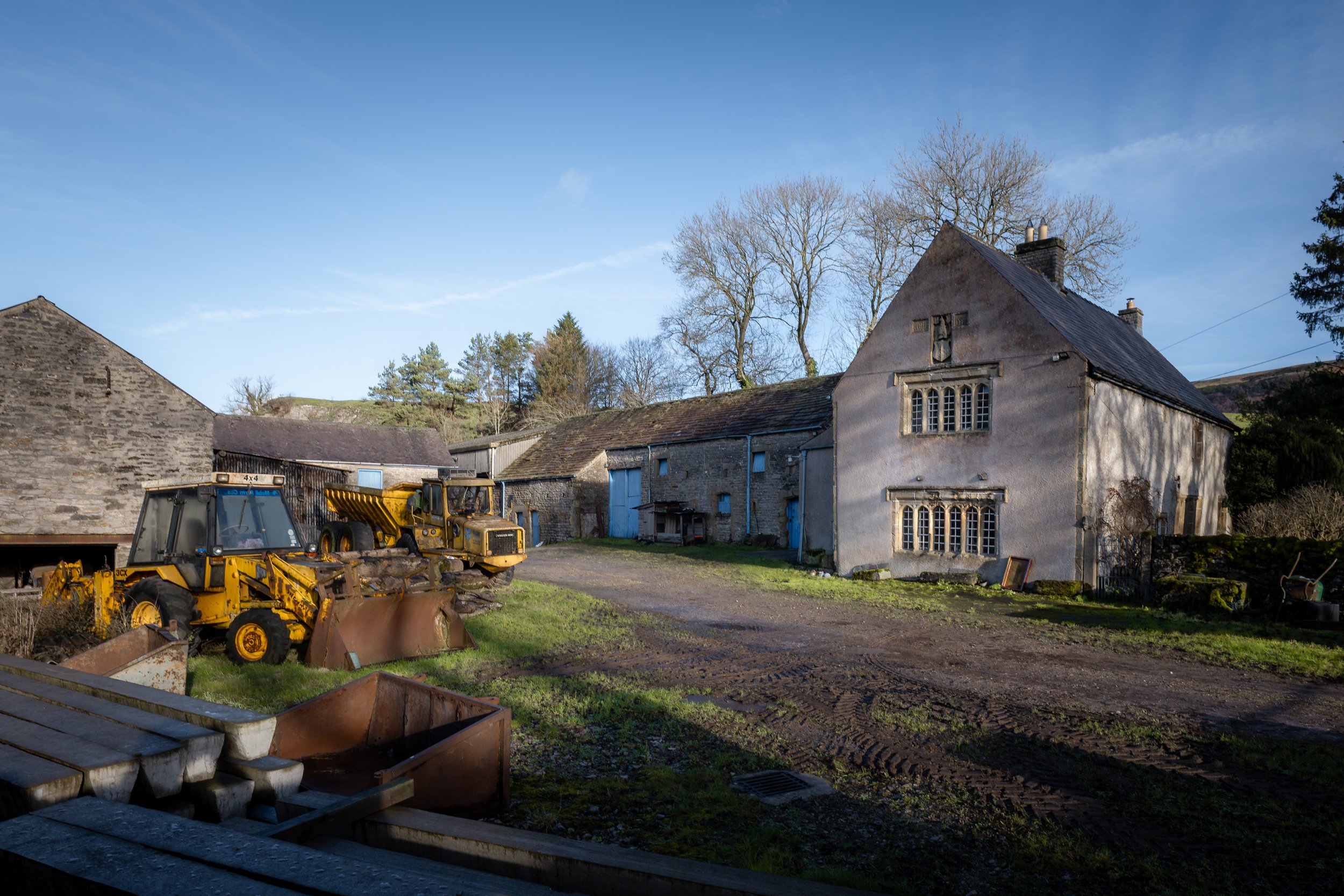
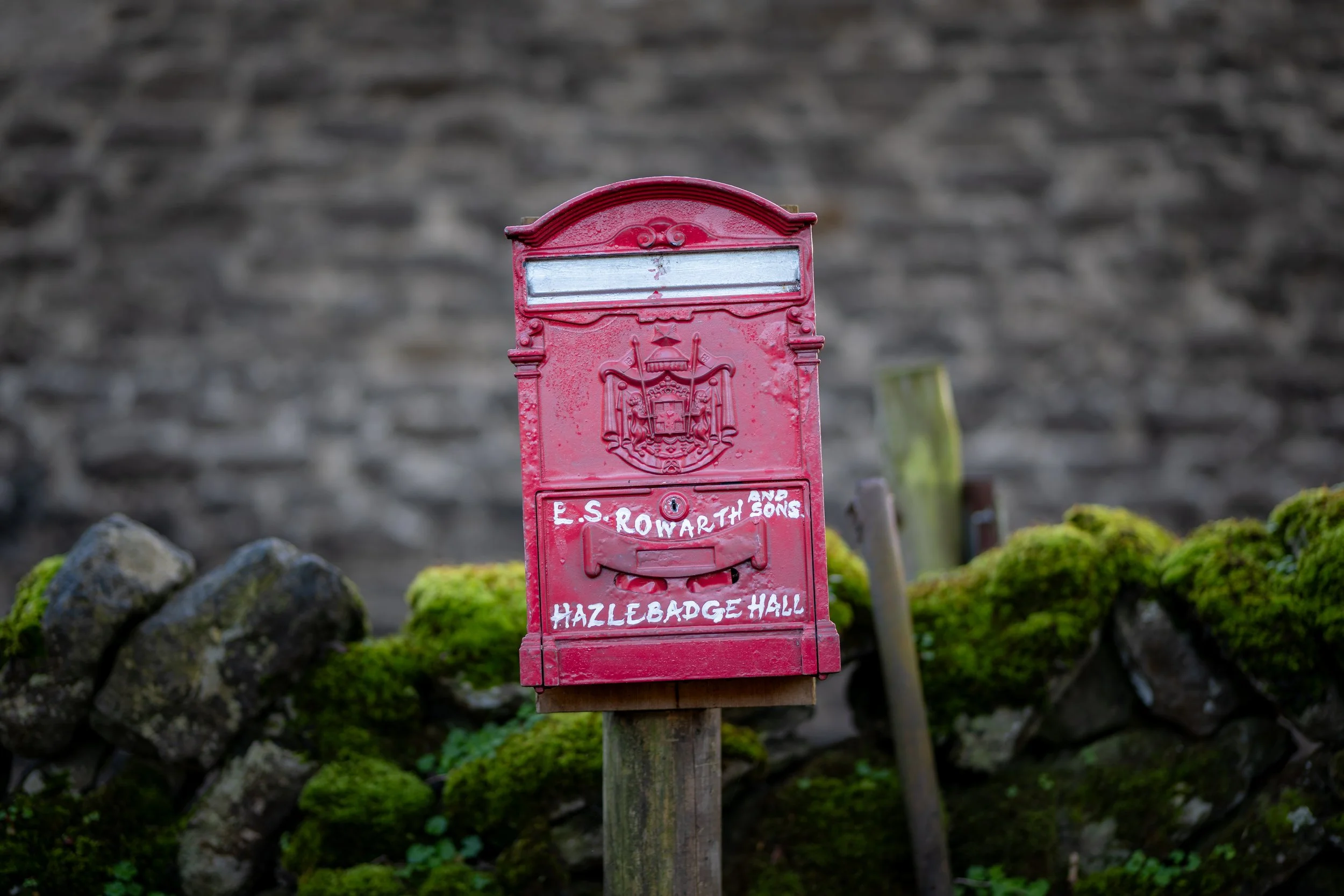
I dropped on Hazlebadge Hall at around noon. The weather couldn’t have been more different from the tempestuous conditions in which Margaret’s apparition is rumoured to appear, although the low winter sun – one of my favourite lights to photograph in – added shape and drama to the scene, which was every bit as eerie as I remembered. The only surviving wing of the property now forms part of a working farm and is surrounded by outbuildings and agricultural machinery, although as a fully paid-up fan of Weird Shit On Farms™ this wasn’t a problem. No ghosts were in evidence, although the atmosphere was definitely freighted and peculiar, and on importing into Lightroom I noticed that – even though I was shooting at wide focal lengths with IBIS enabled at a reasonably fast shutter speed – some of my shots from the location are slightly and inexplicably blurry.
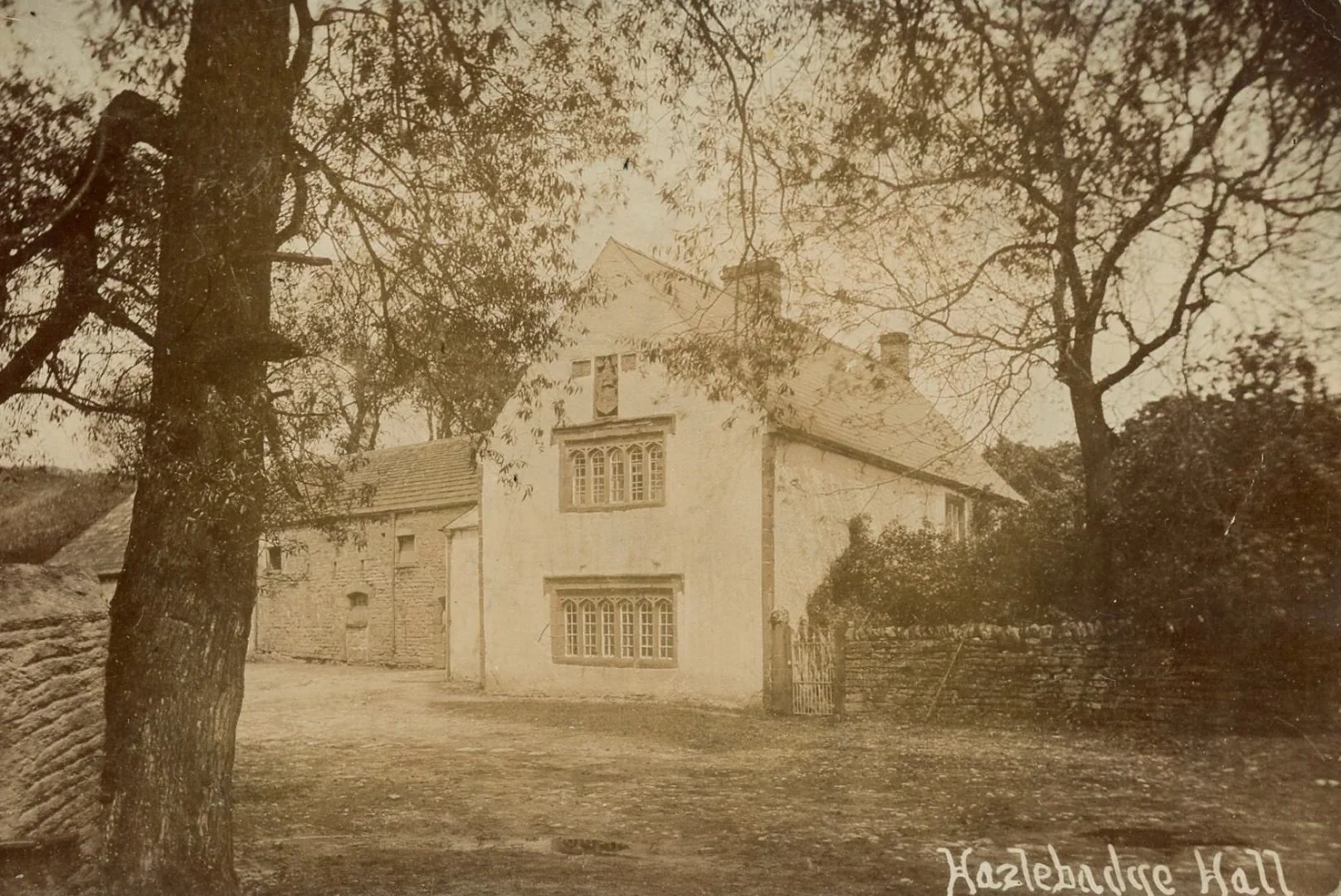
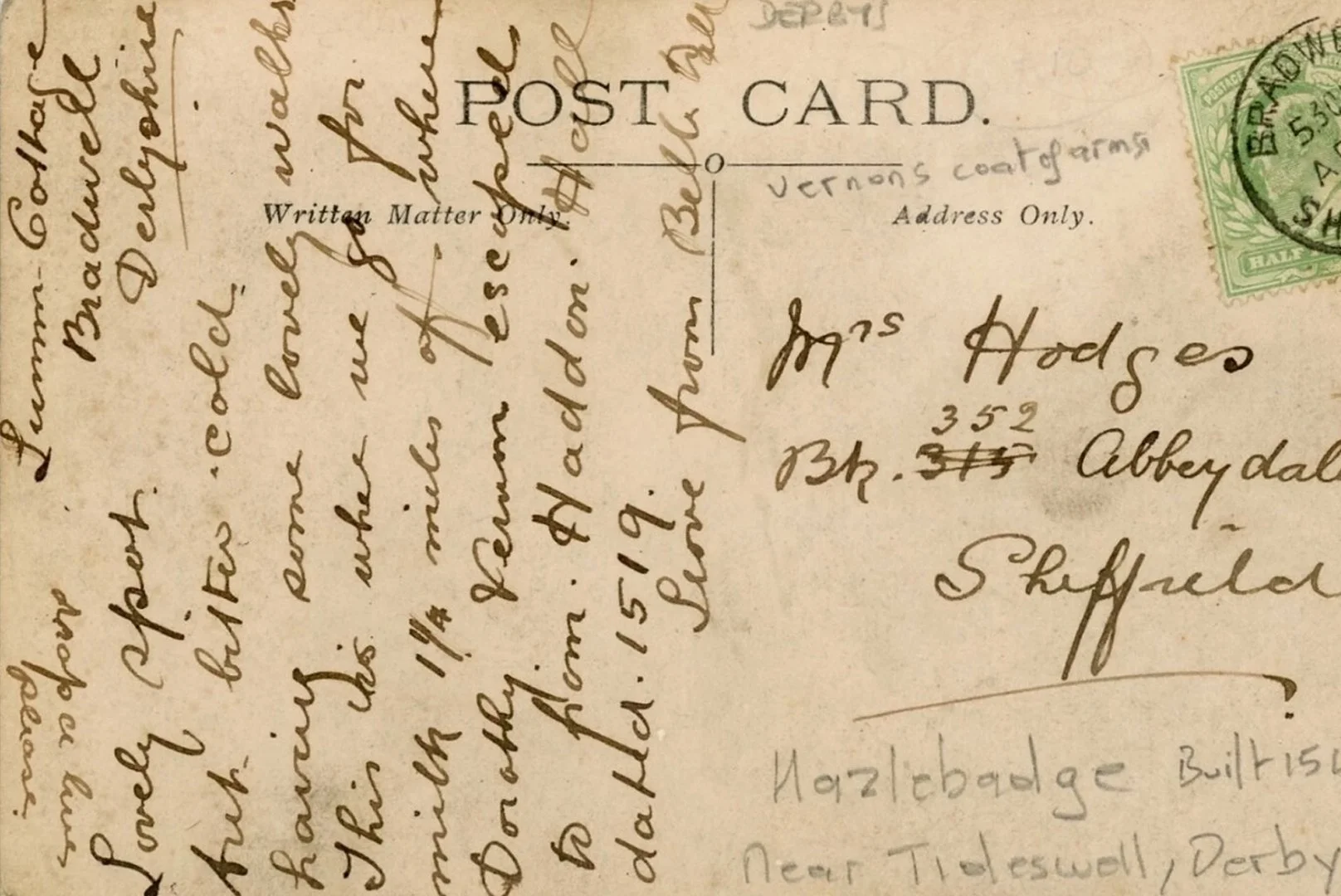
I subsequently found a beautiful sepia postcard of Hazlebage Hall on eBay, which I couldn’t resist adding to my growing collection. Writing from Lumm Cottage in Bradwell in 1908, the author references another legend relating to the property, observing that it’s a ‘lovely spot’, but noting that it’s also ‘bitter cold’...