Unearthed: The Seldom Seen Engine House
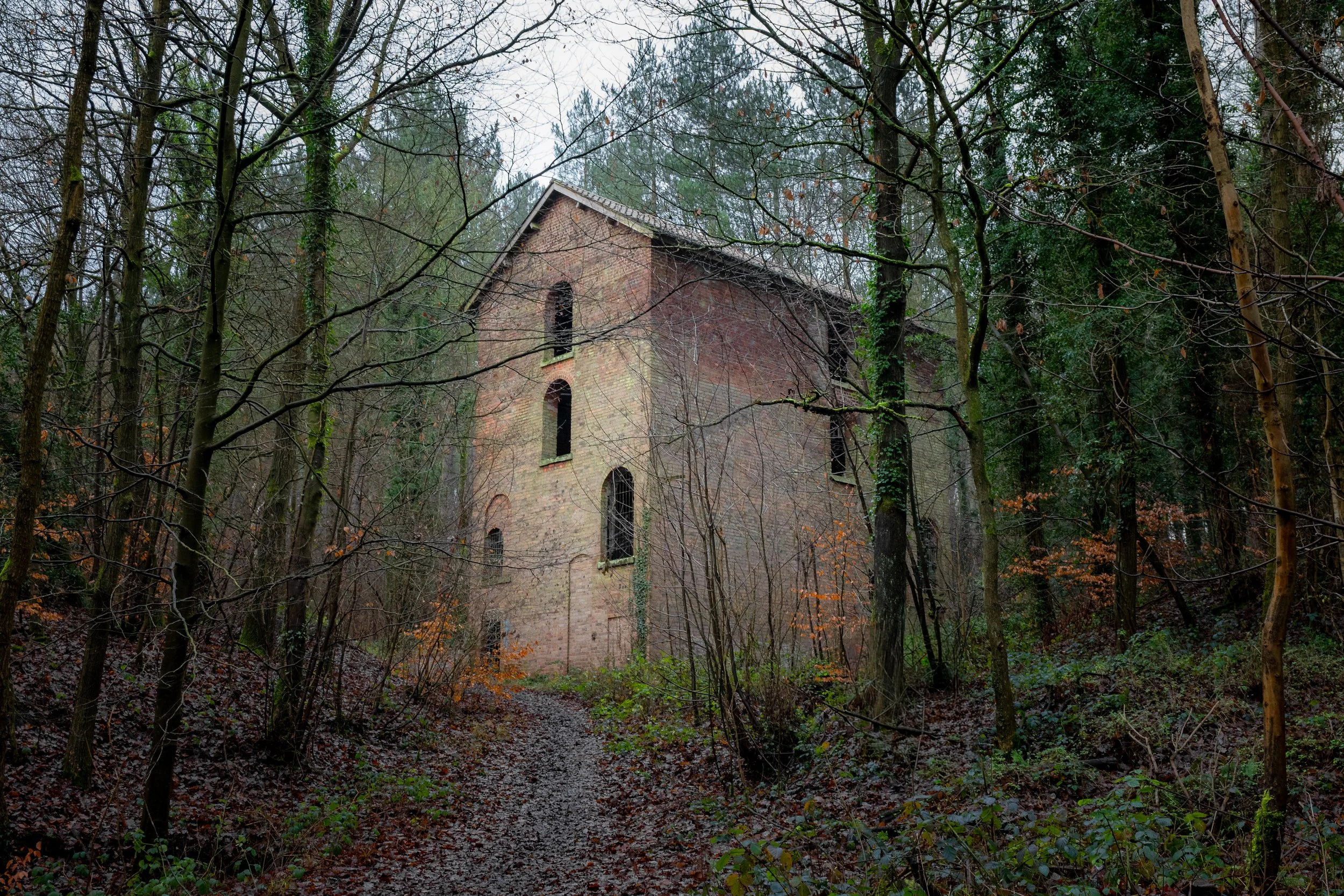
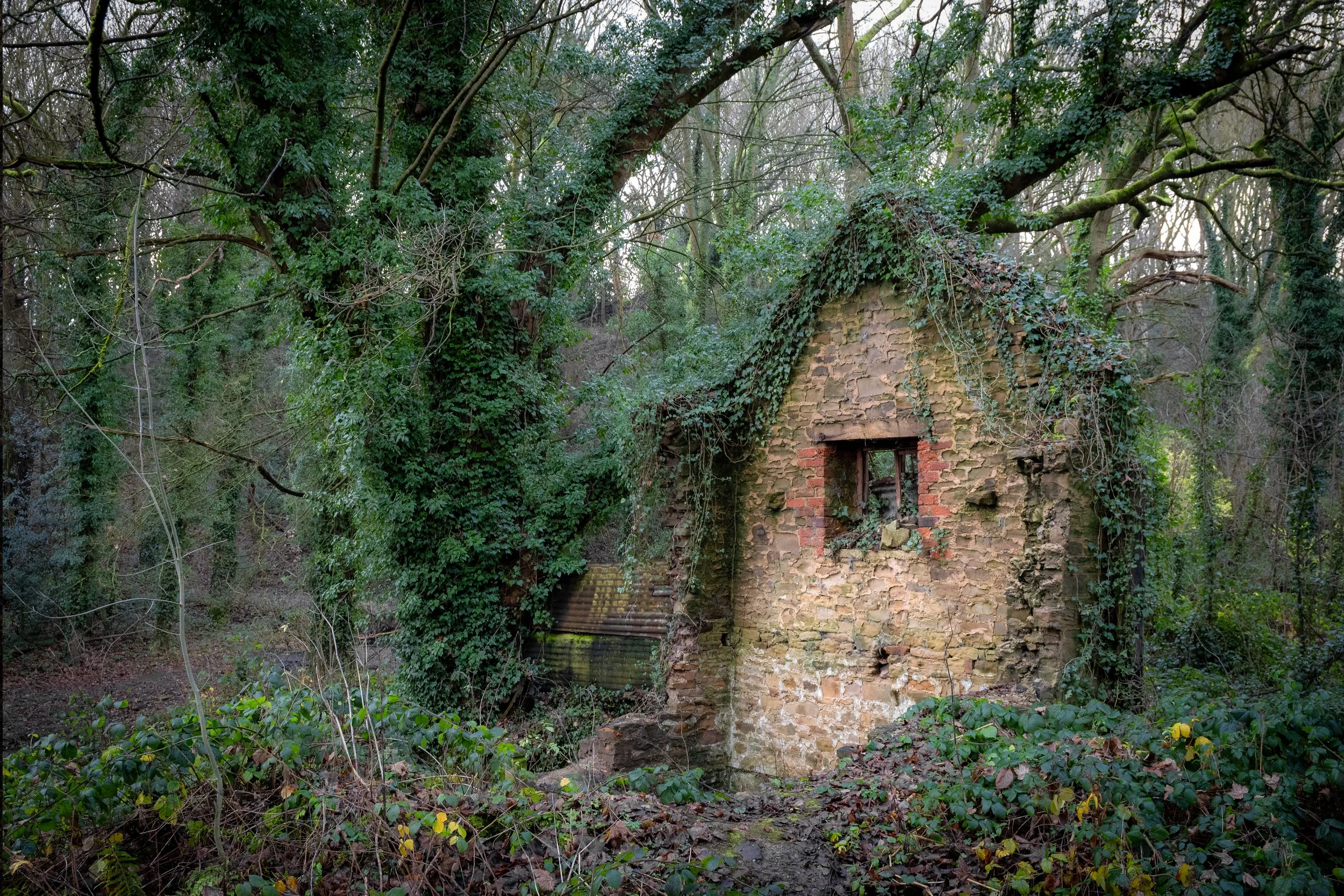
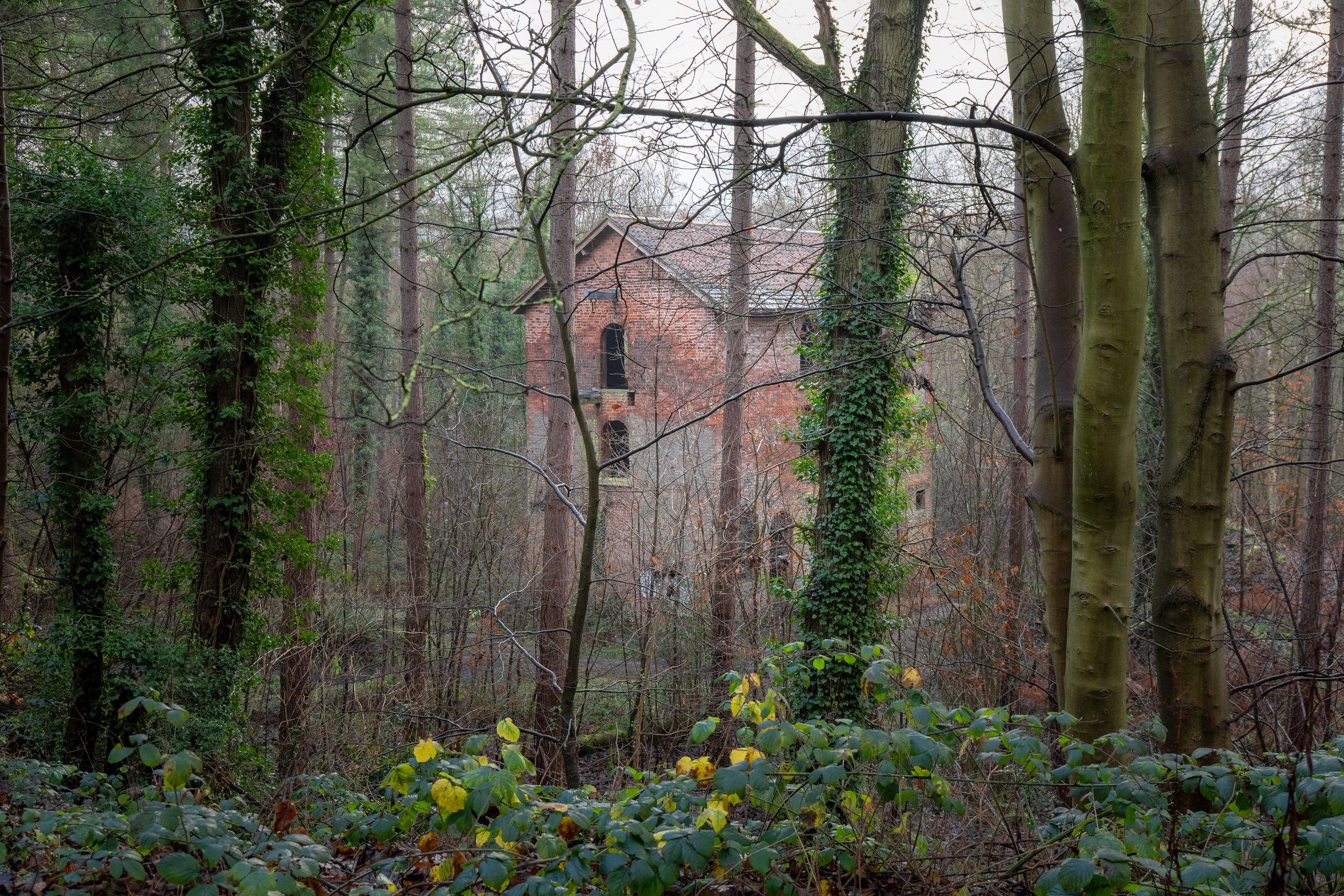
Seldom Seen Engine House, Eckington, Derbyshire.
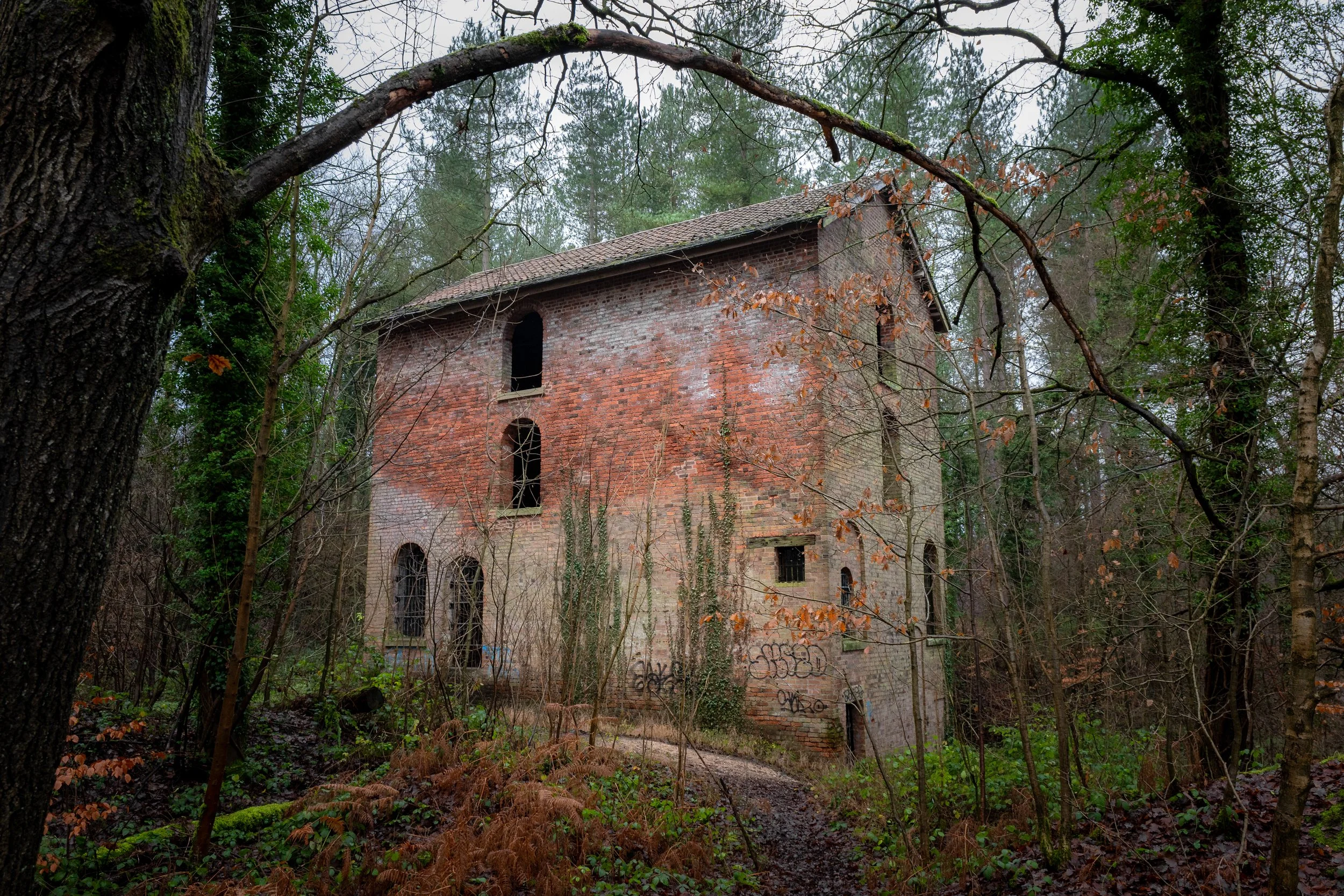
Against much good advice I’m not generally a fan of revisiting locations; there’s so much to see and experience and, while I always try to stack things in my favour in terms of light and conditions, as a documentarist first and foremost I try to frame as I find. However, the Seldom Seen Engine House, located deep in Ince Piece Wood outside Eckington in Derbyshire’s Moss Valley, was an exception. My first trip back in August was flatly disastrous in photographic terms; the dense foliage of beeches in full leaf forced me to go close and wide on the structure (my least favourite way to photograph buildings), while the harsh and unforgiving sunlight of high summer robbed the scene of any mood whatsoever. Fortunately, a return over Christmas – with the trees now almost bare, and the merest hint of mist suspended in the branches – was more productive.
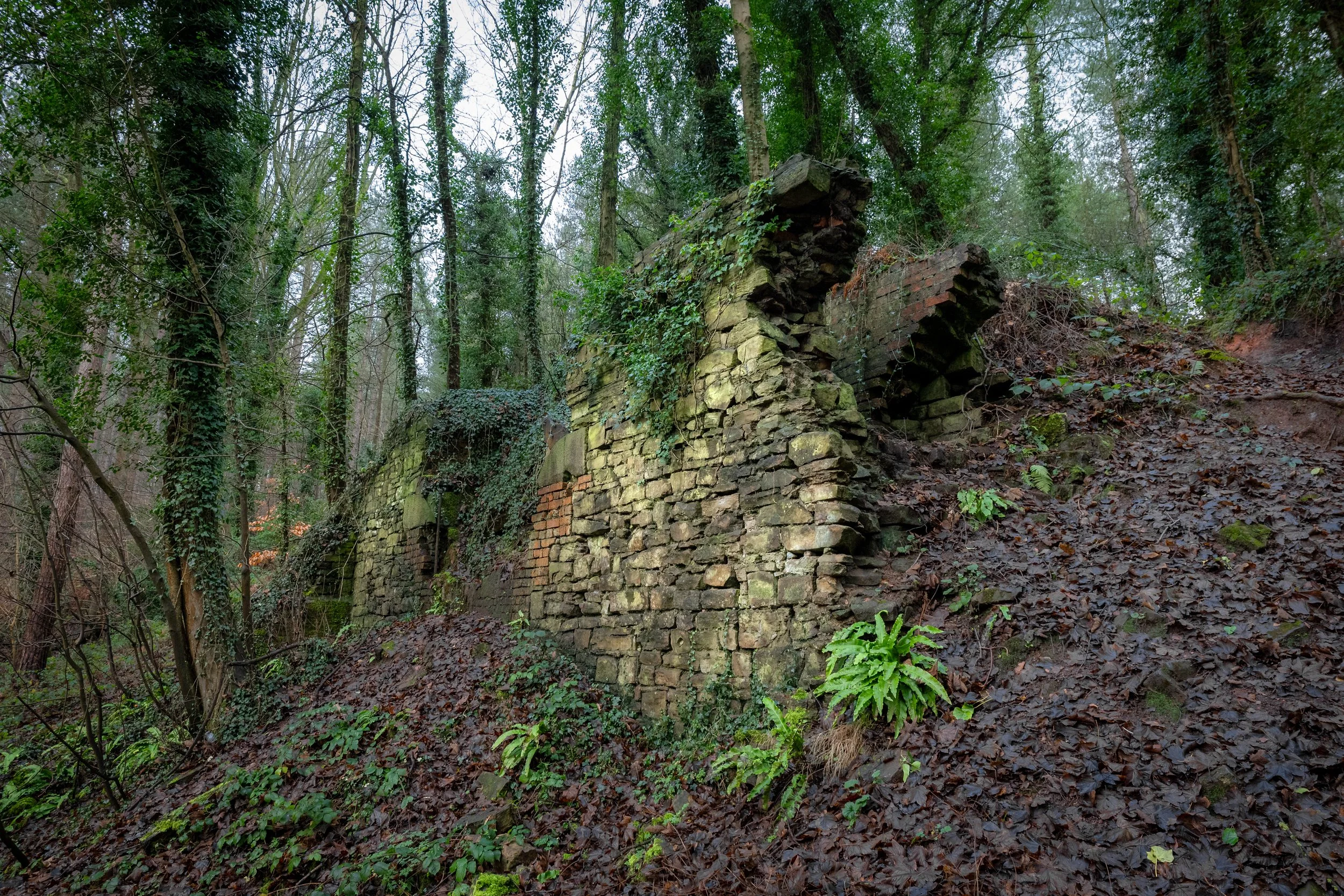
The Seldom Seen Engine House, so-named for its heavily concealed location, powered winding and pumping operations for the main shaft within Plumbley Colliery, which was sunk in 1875 but had already fallen into disuse by the early twentieth century. Like many other mining sites its short career was dogged by death and disaster, in particular in March 1895 when three children and an engine man called Alfred Williamson were drowned after plunging through the ice of a cooling pond. Other bits and pieces of related industrial archaeology punctuate the forest and its footpaths, including the remnants of more engine houses, spoil heaps, coke ovens, and an equally charismatic fanhouse. There are persistent rumours that the engine house is haunted, to which its unusual and eerie appearance – soaring and narrow, the architectural equivalent of a Tall or Slender Man – has undoubtedly given rise.
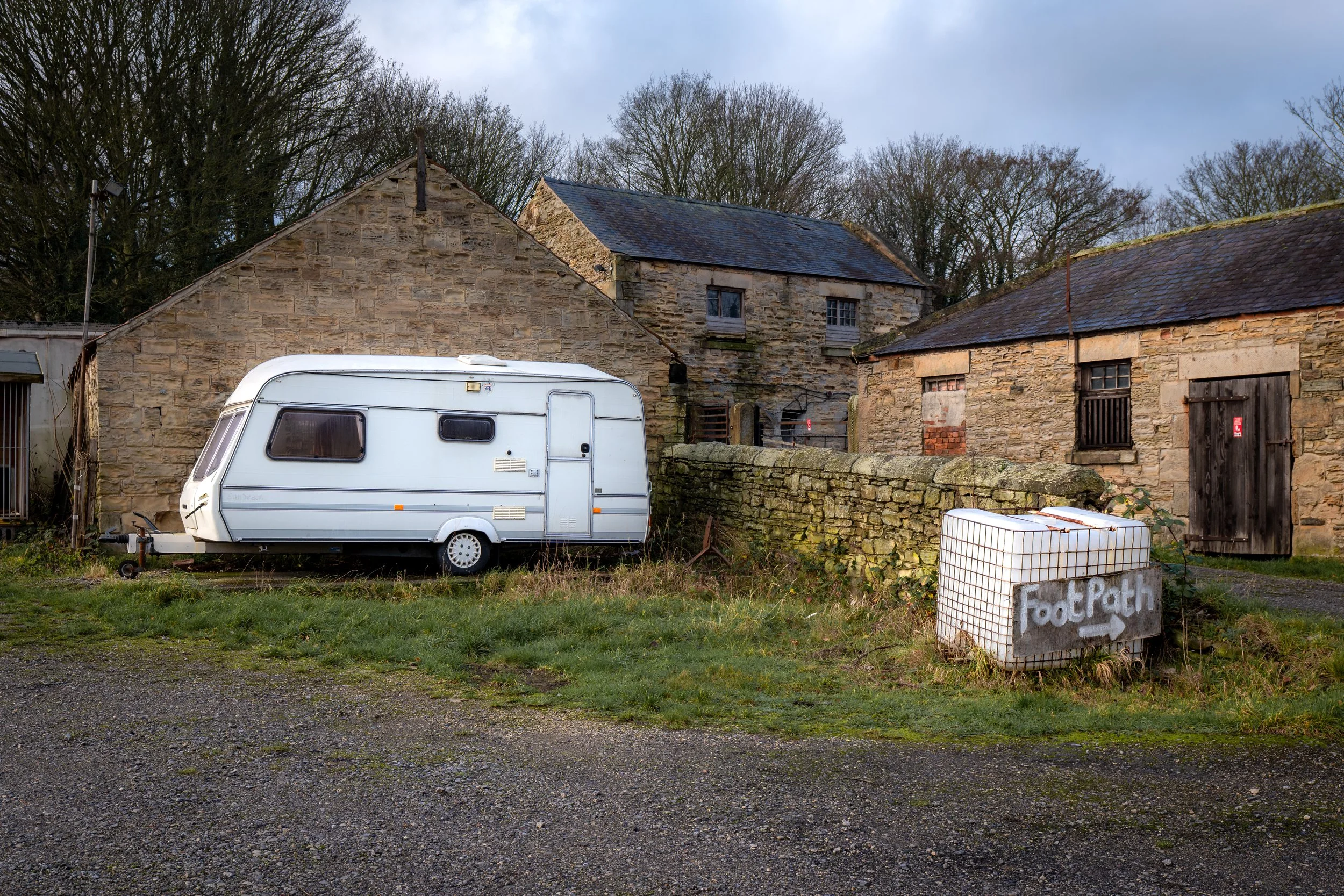
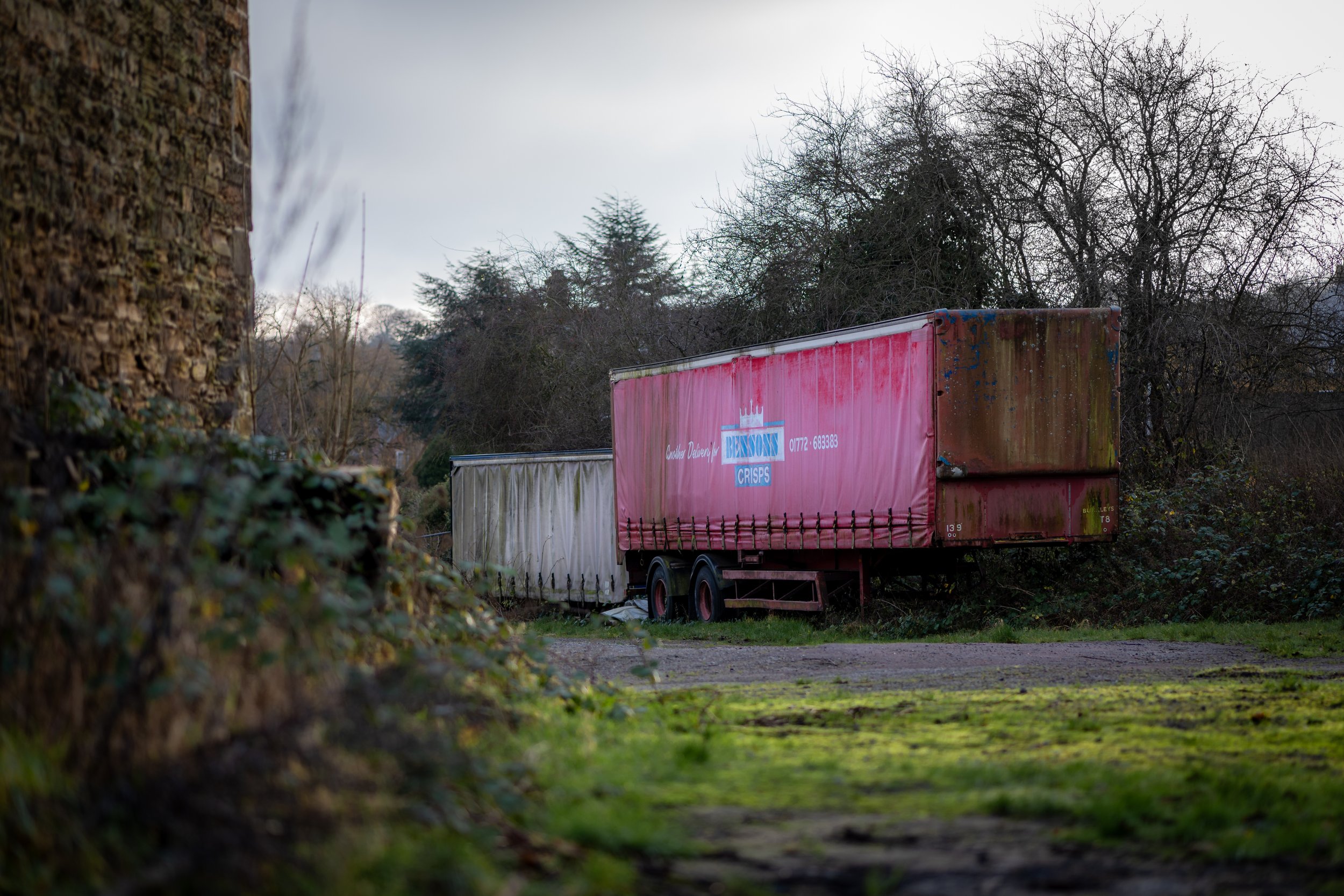
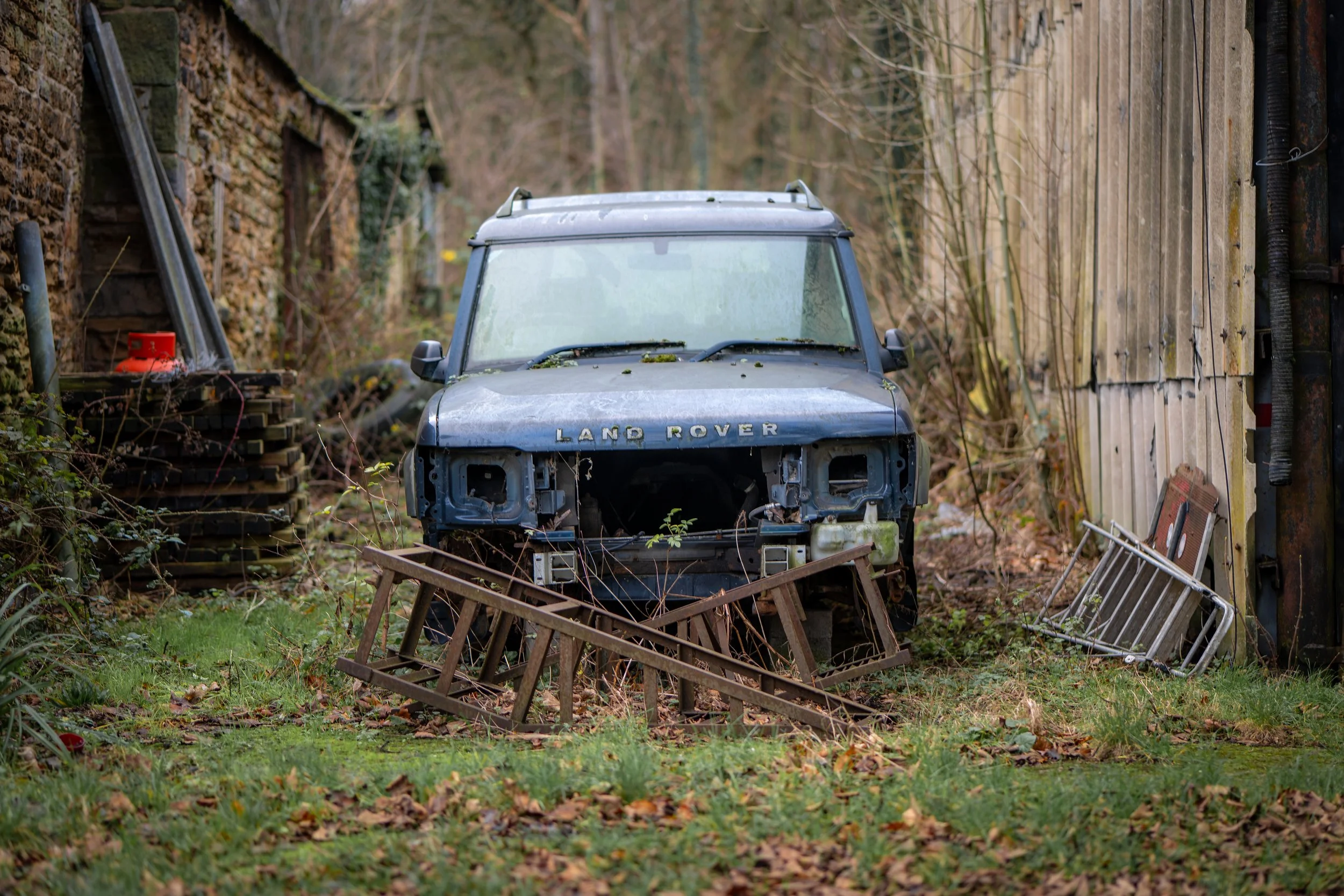
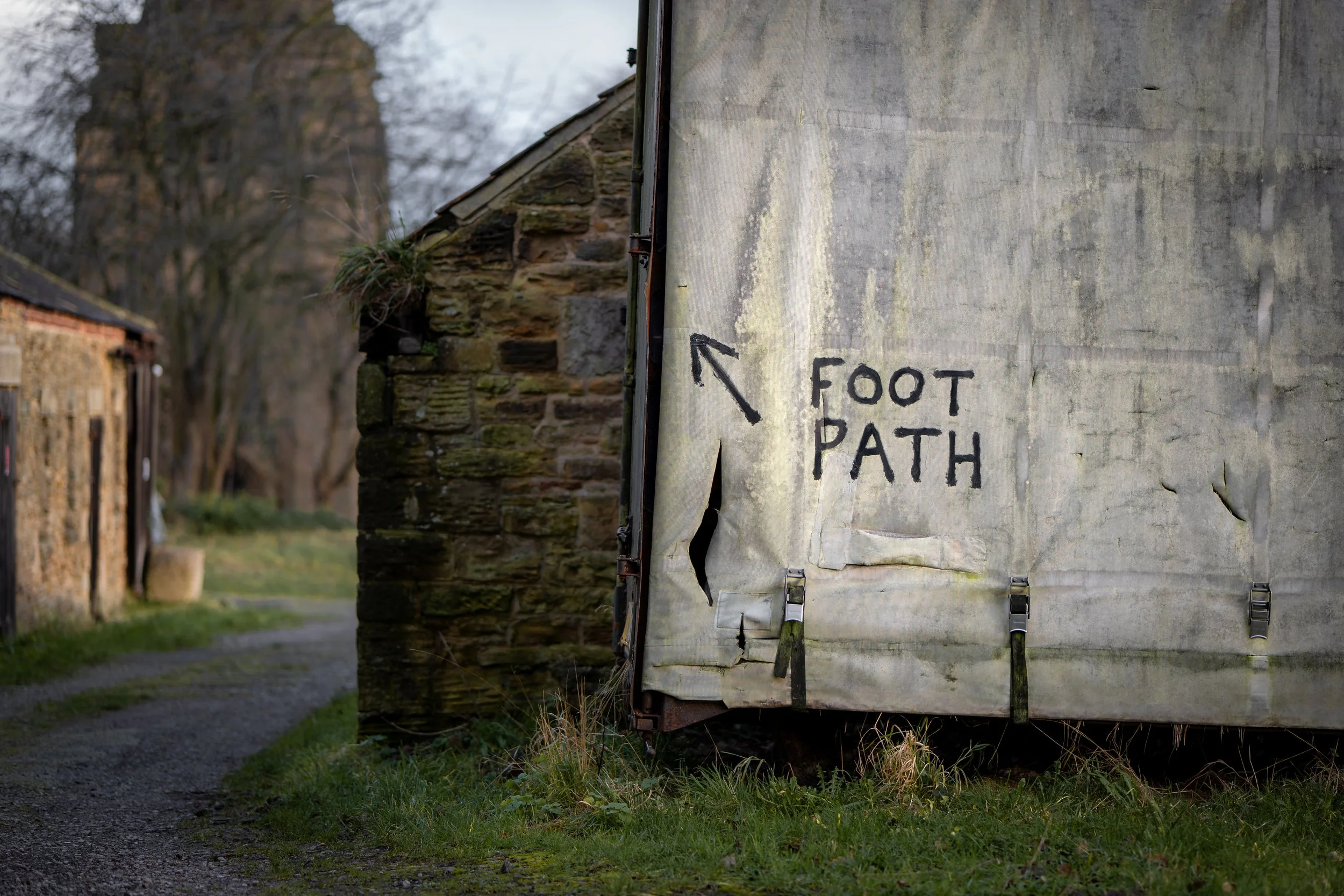
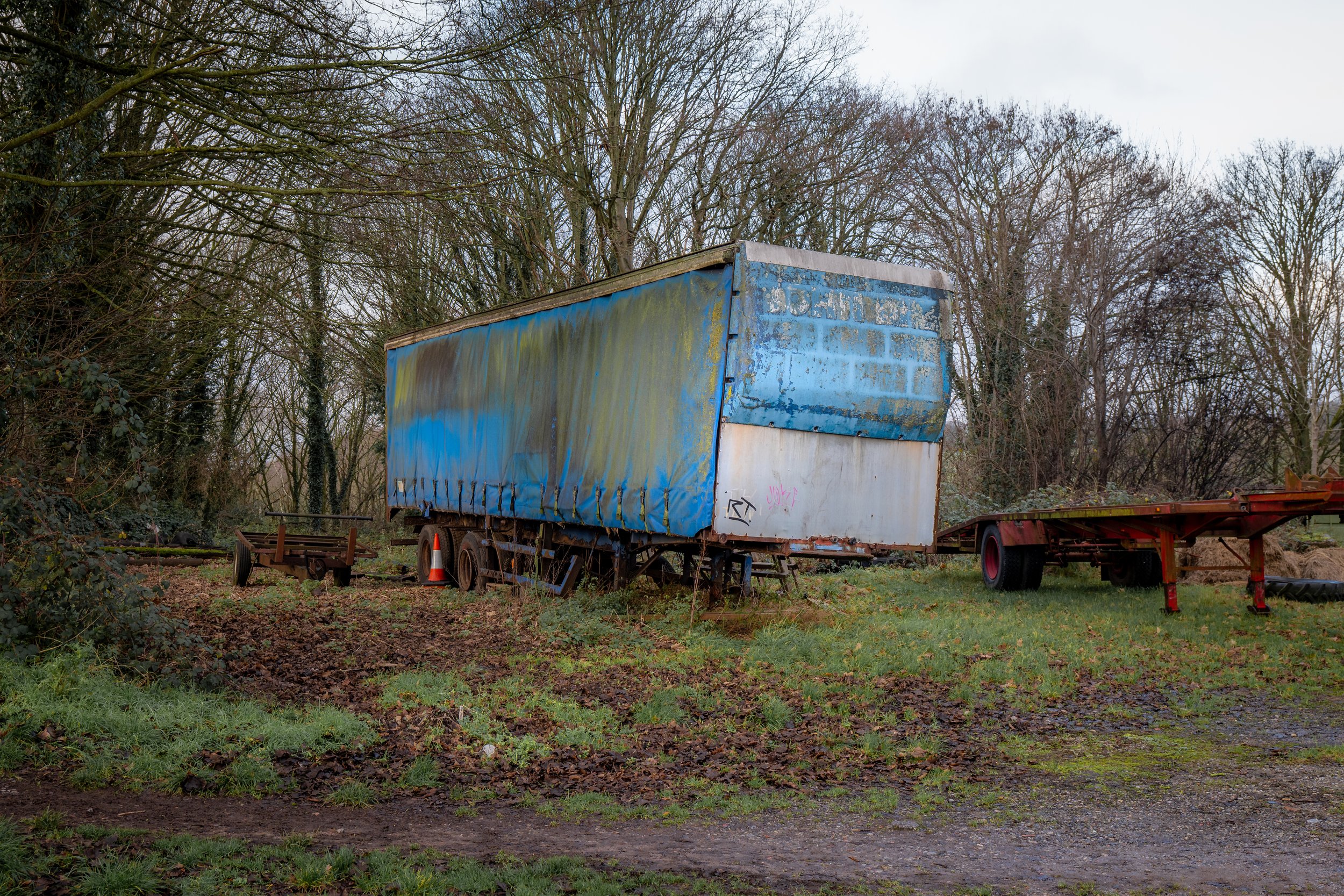
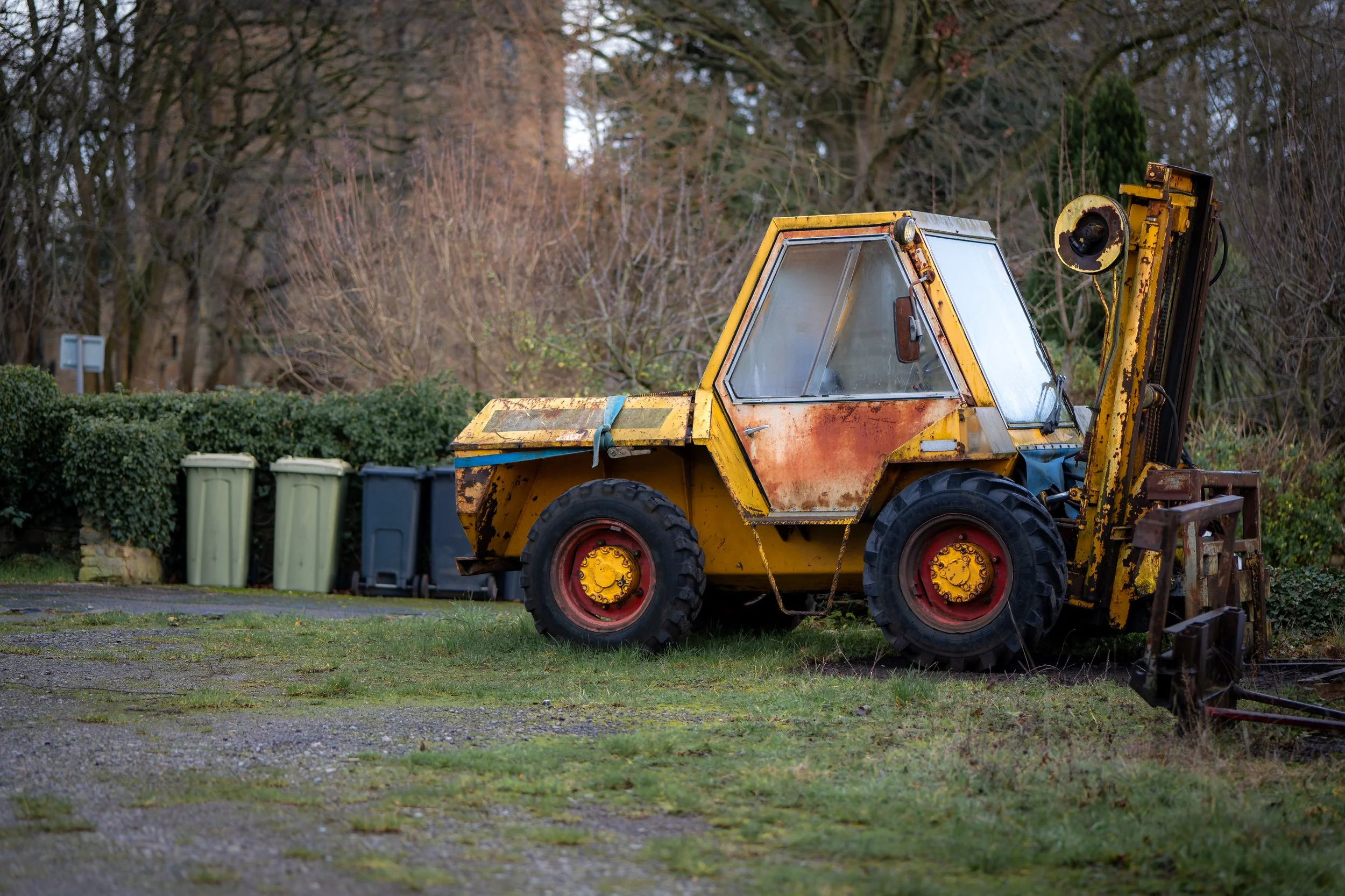
One of the best things about my photo walks is that I invariably encounter sights, scenes, and subjects that are just as good (if not better) than the ‘main attraction’, and this excursion was no different when, emerging from the woods on the outskirts of Eckington, I was deposited onto a sprawling and ramshackle farm. This is the sort of curious and heterotopic in-between place you often encounter on urban/rural hinterlands, an environment I might be inclined to call liminal if I didn’t loathe the term. Busted Land Rovers (it’s always Land Rovers), abandoned trailers, dodgy caravans, vaguely menacing hand-painted signs, bizarre and inscrutable little tractors; it had the lot, nicely illuminated by some low and golden winter sun which finally and briefly punched through the cloud.
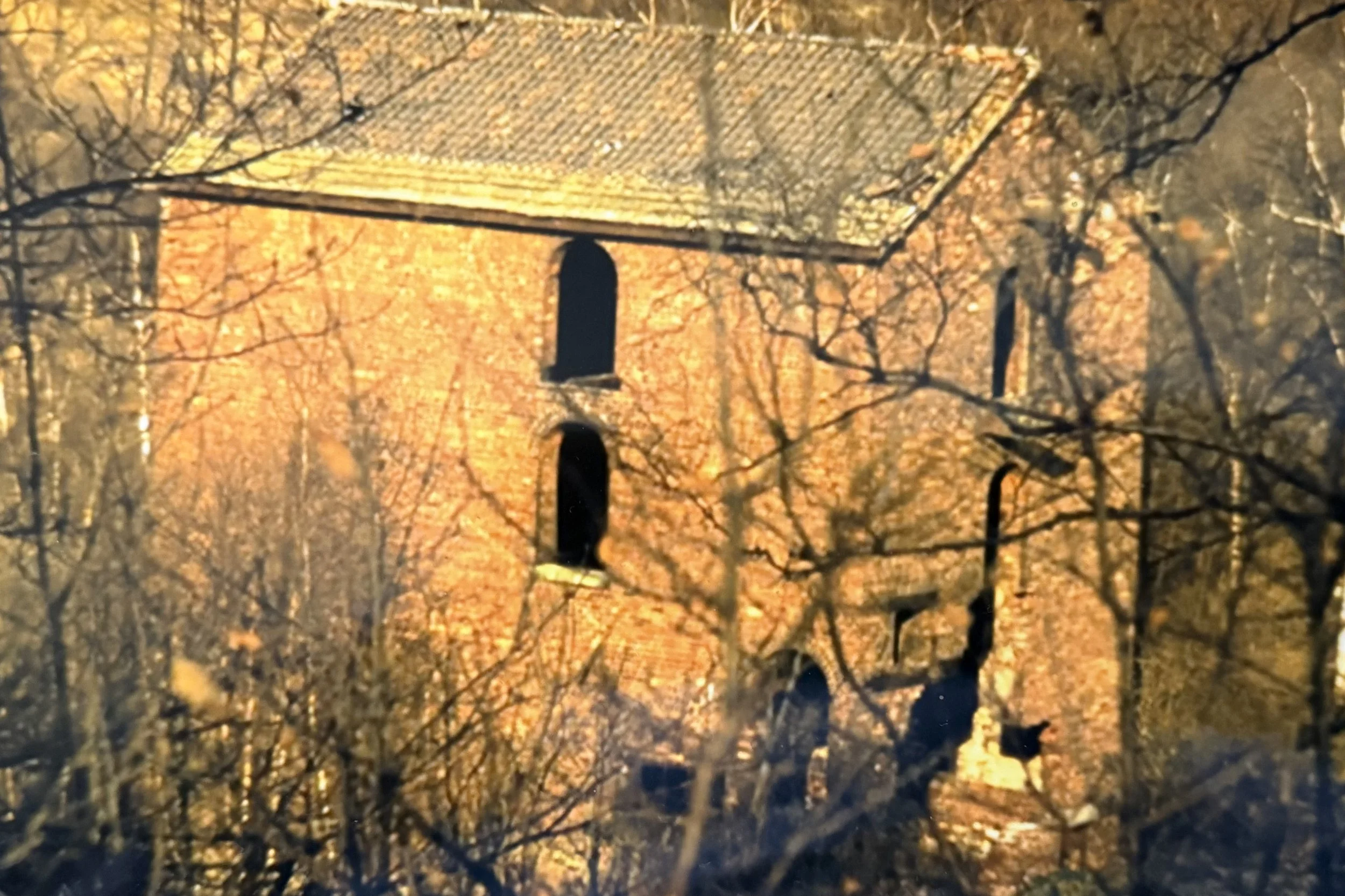
I couldn’t find a postcard depicting the Seldom Seen Engine House – despite being one of the region’s better-known ruins it’s not exactly on the tourist trail – but the next best thing was a surviving film photograph from 1972. Captured on what appears to be a crisp winter day, it shows that at this point the structure was in a much more dilapidated state than it is now (I suppose as a Scheduled Ancient Monument you benefit from some TLC…).